Wolf Breeds
Wolf Breeds – An Insight into Wild Canine Diversity
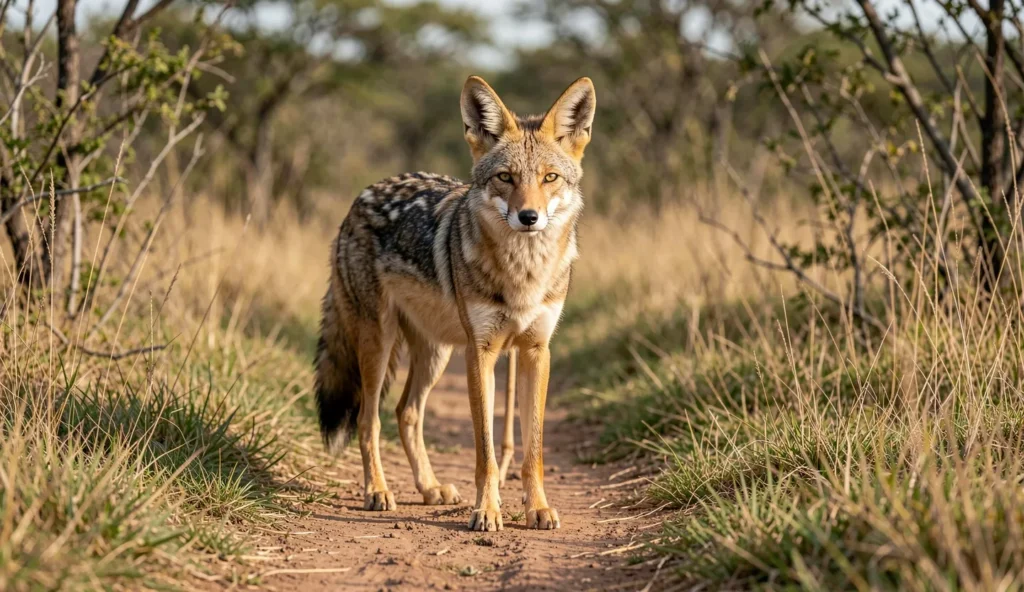
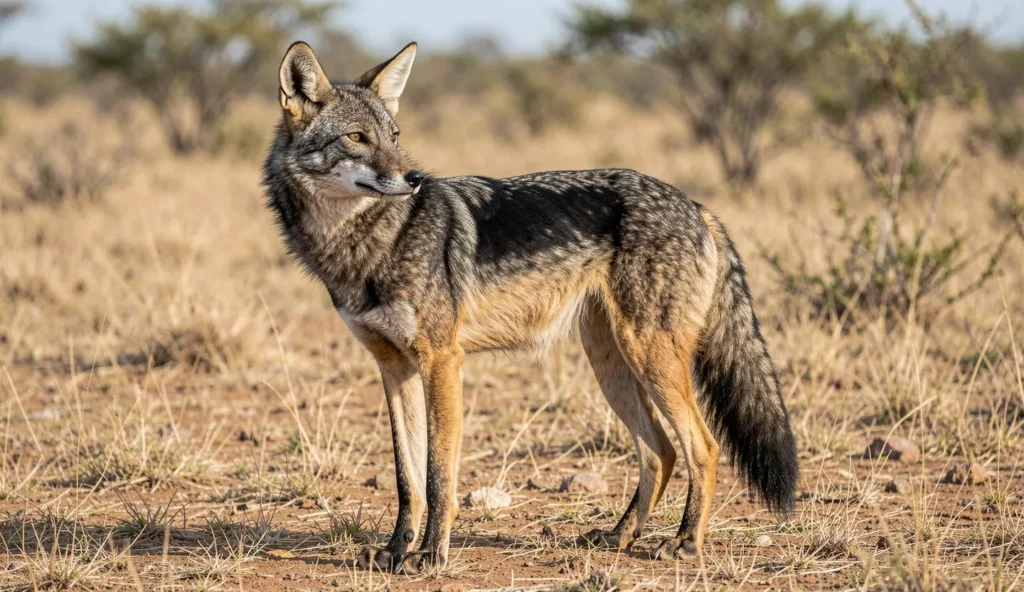
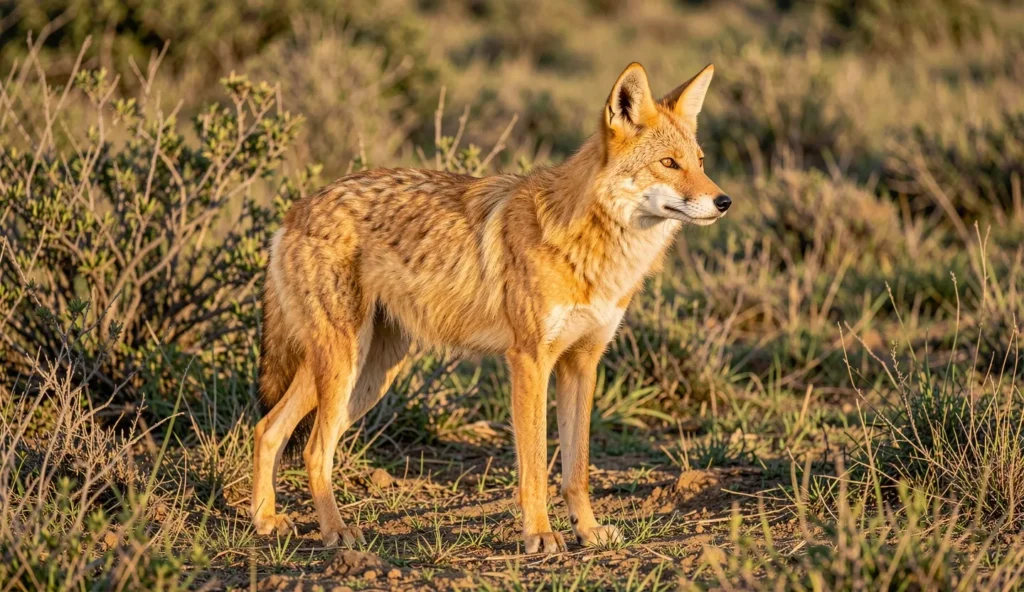
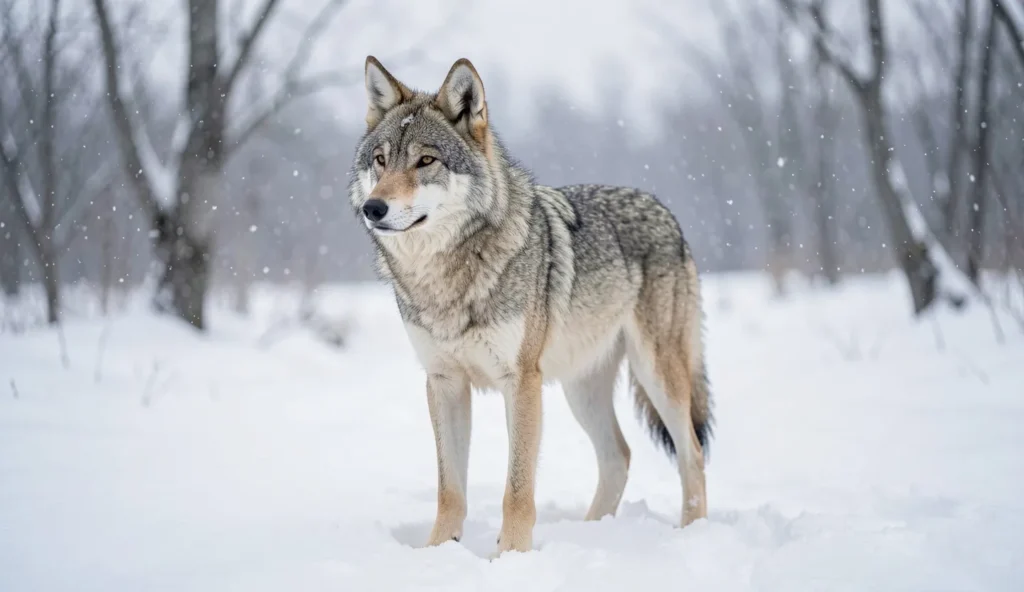
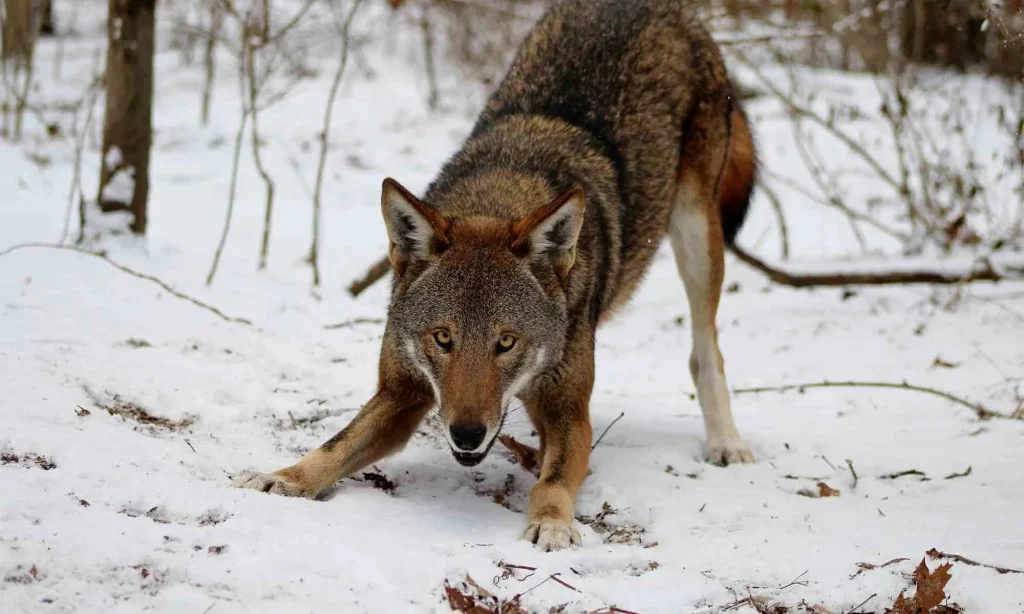
When we say “wolf breeds,” it’s important to clarify: true wolves are wild species, not domestic breeds. However, people often use the term to refer to wolf species or wolf-dog hybrids. This guide explores major wolf species, their distribution, characteristics, and what to know if you’re encountering wolf-like dogs or hybrids.
Understanding Wolf Species and Variants
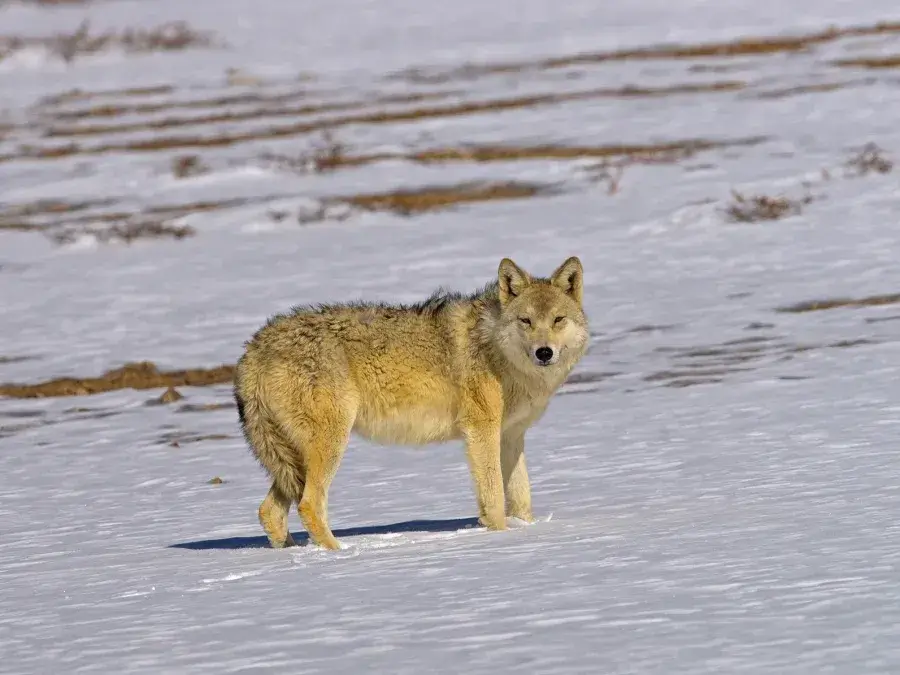
The genus Canis includes several wolf species worldwide. According to recent classifications, these include the gray wolf, Indian wolf, Ethiopian wolf, and more. These animals have evolved to thrive in diverse climates and landscapes.
Major Wolf Species You Should Know
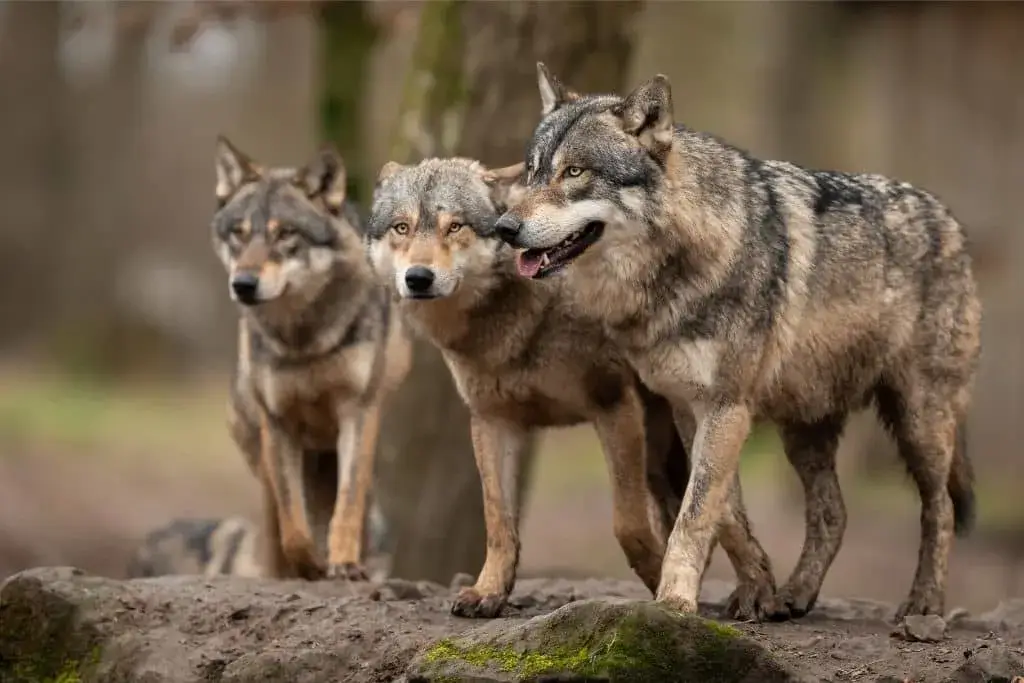
1. Gray Wolf (Canis lupus)
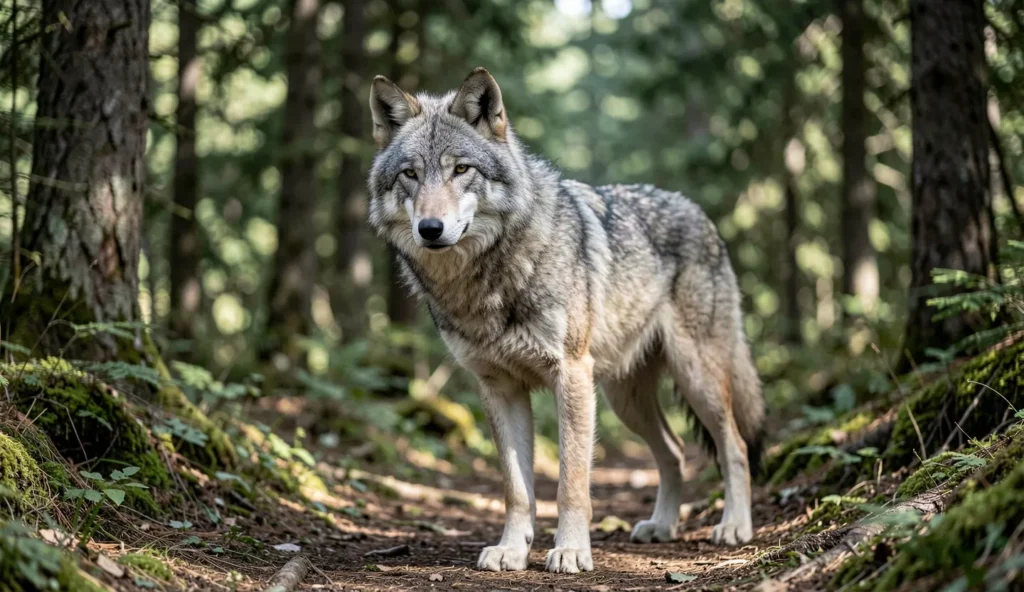
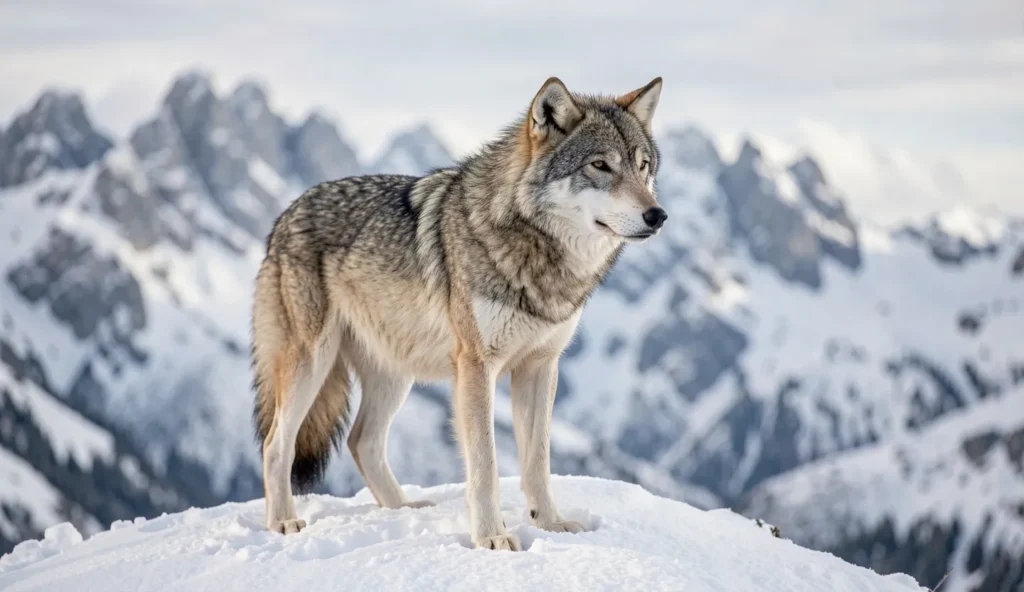
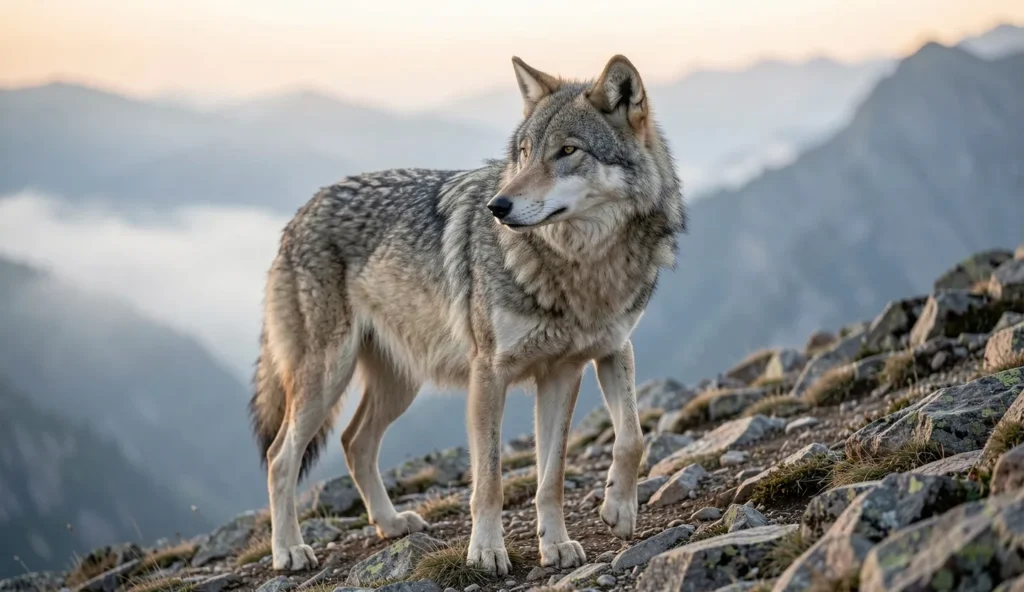
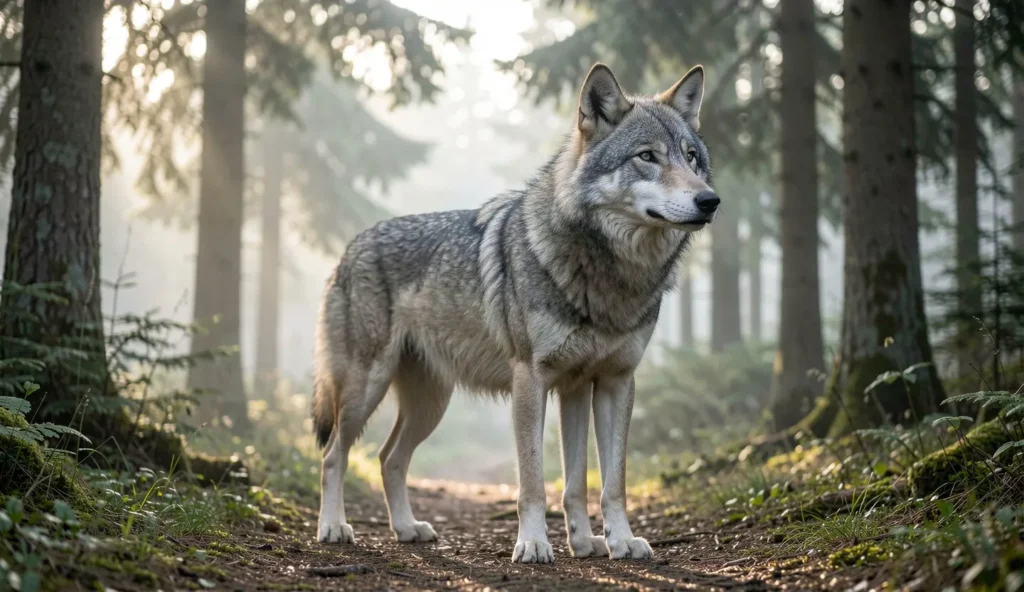
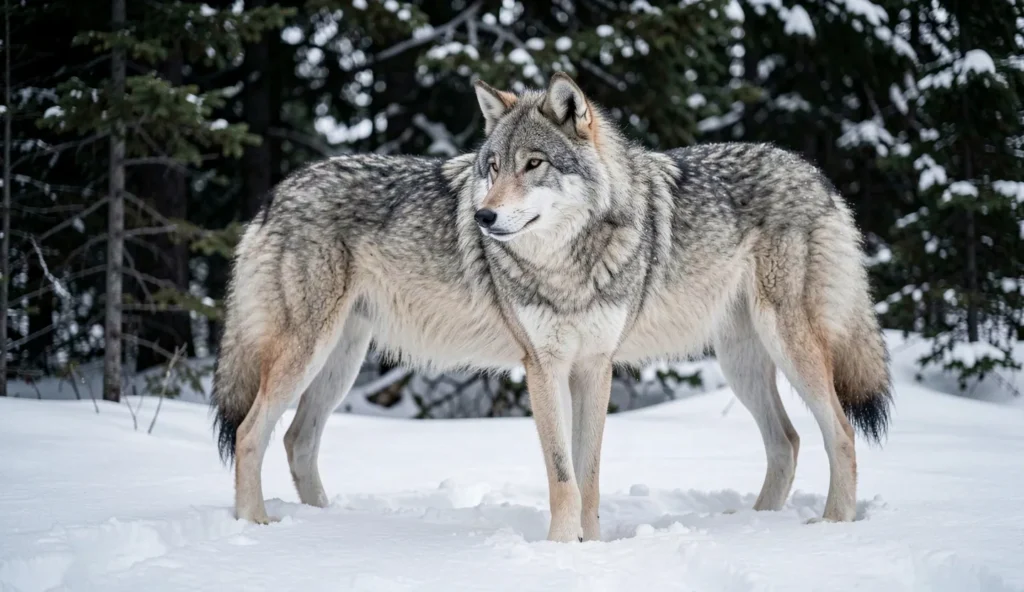
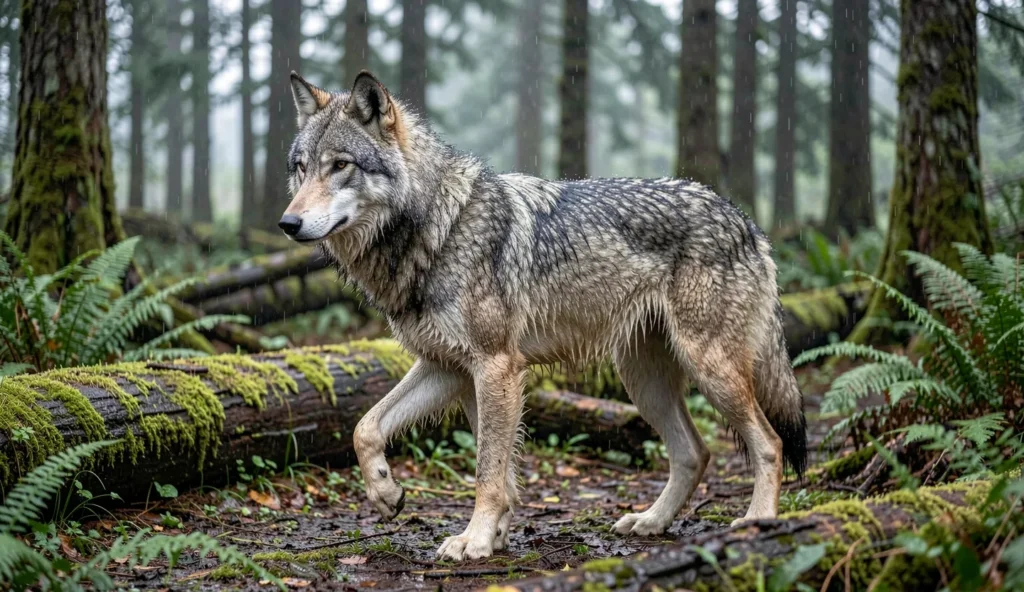
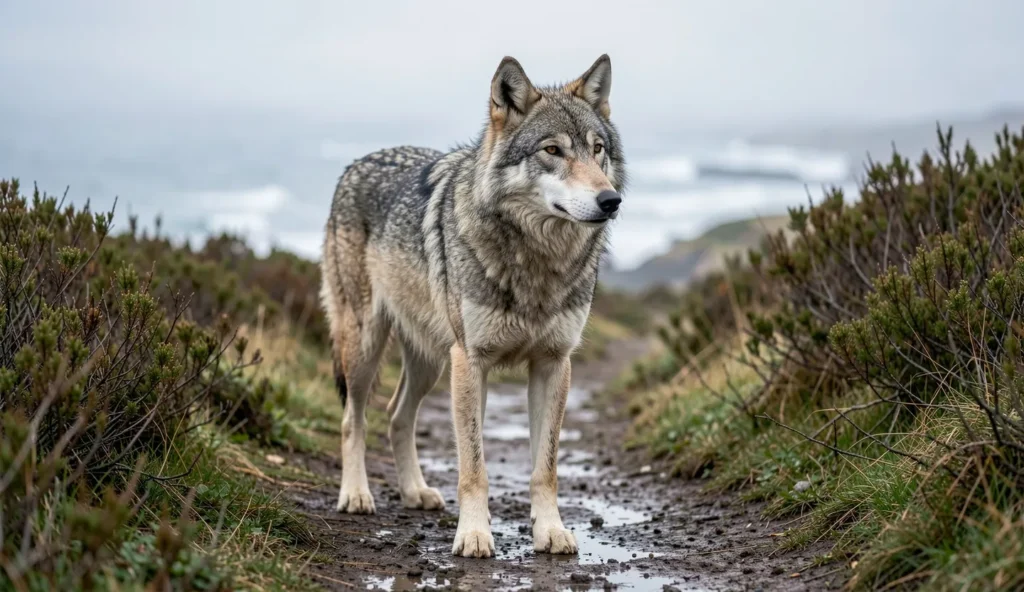
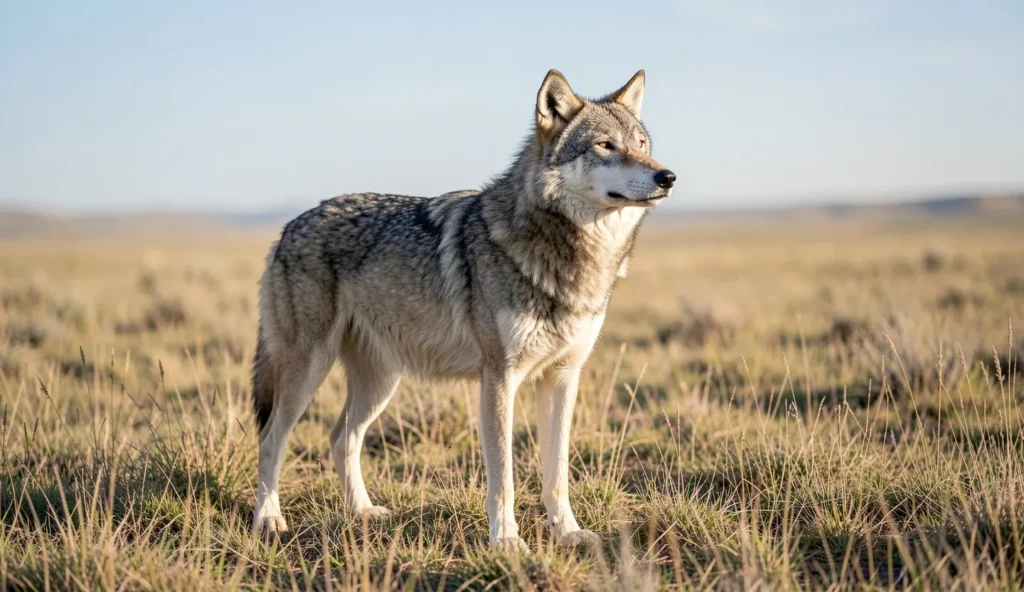
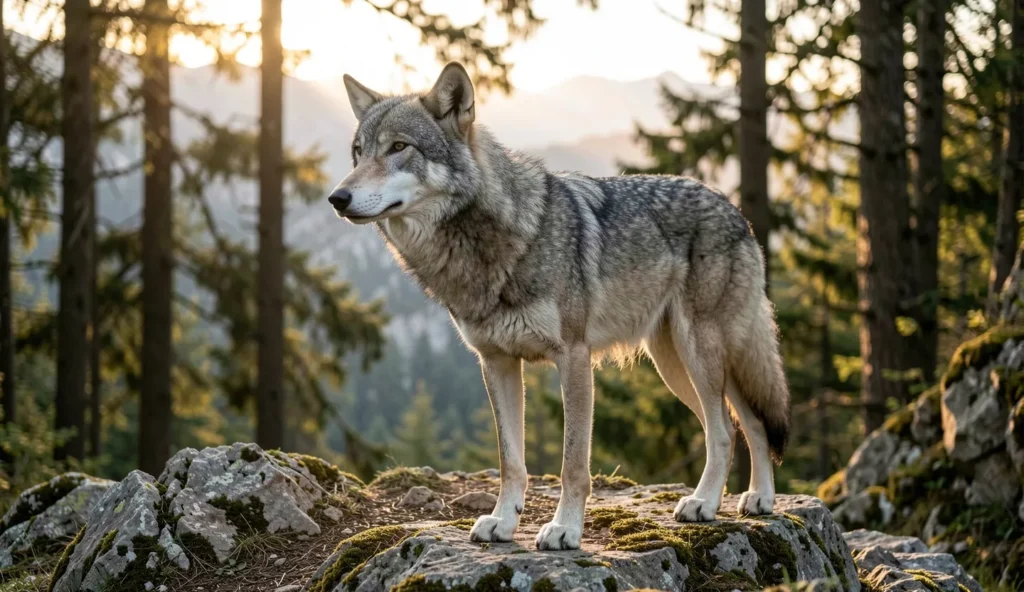
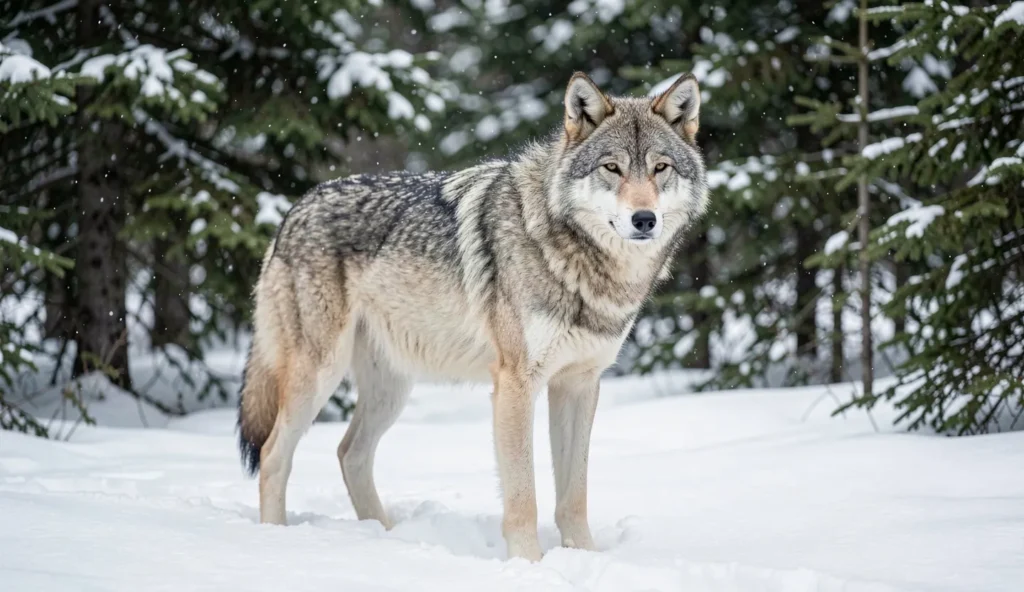
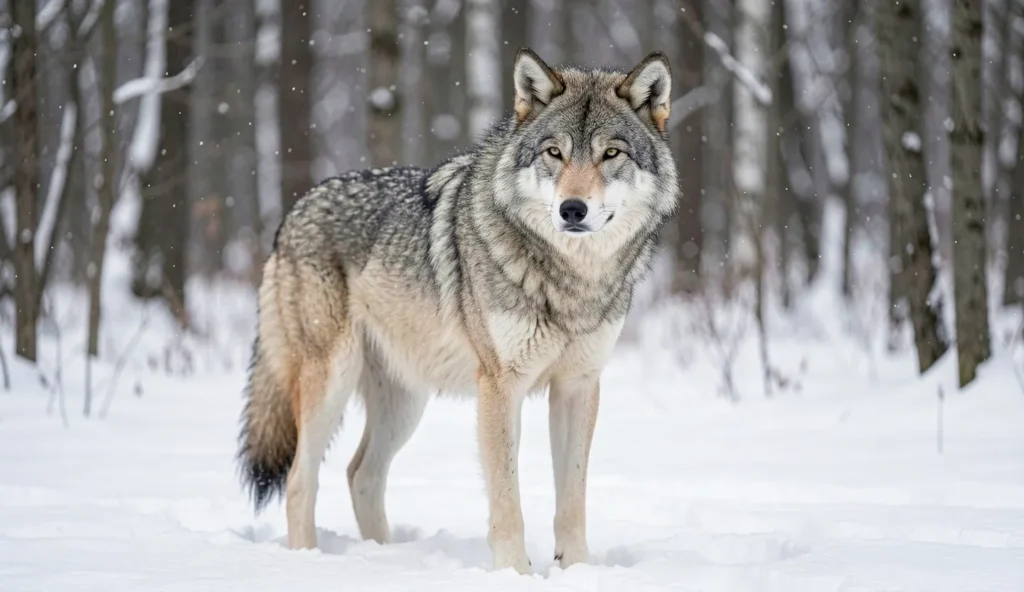
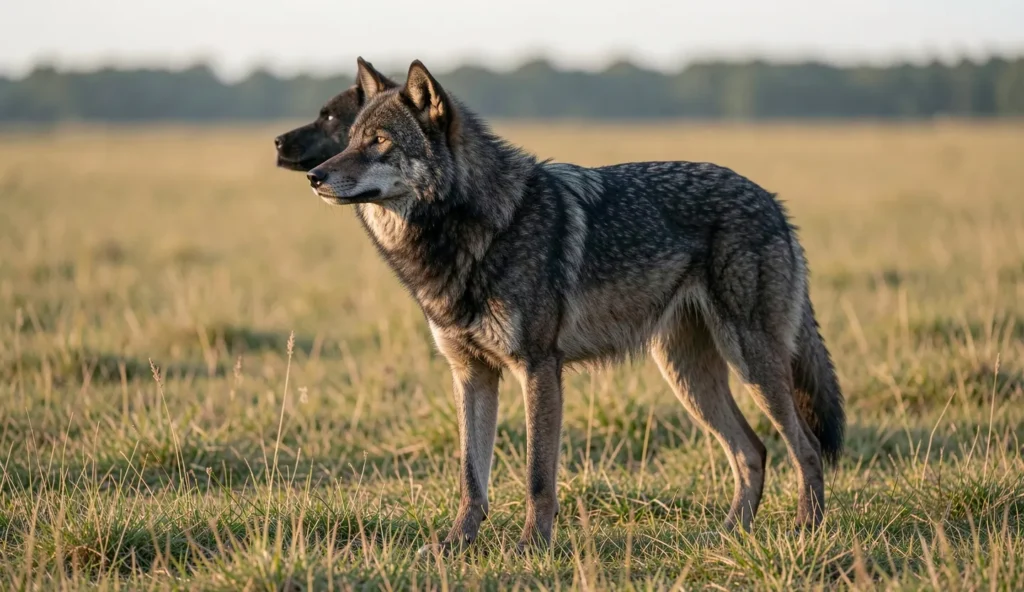
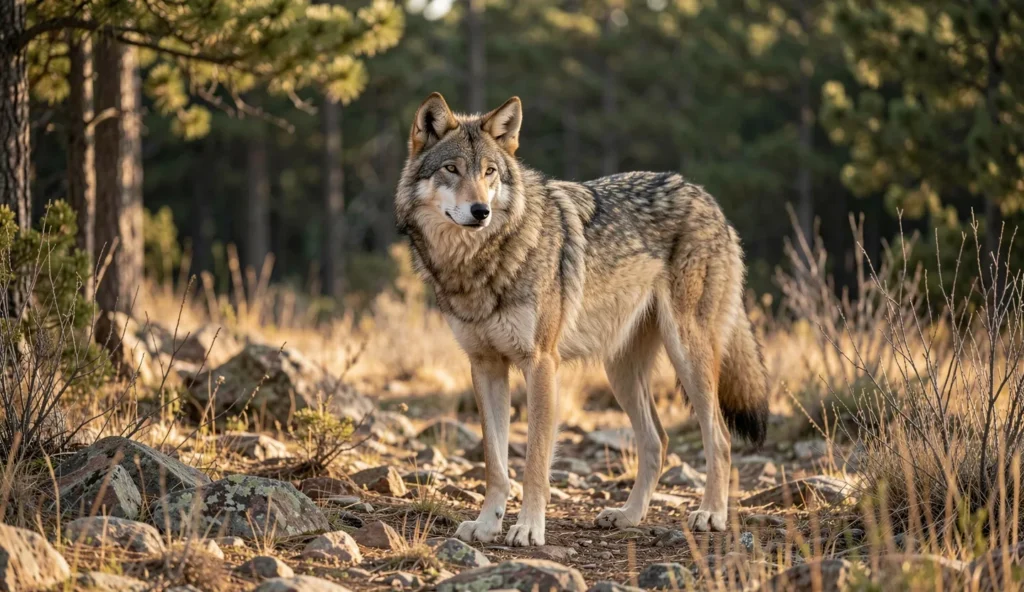
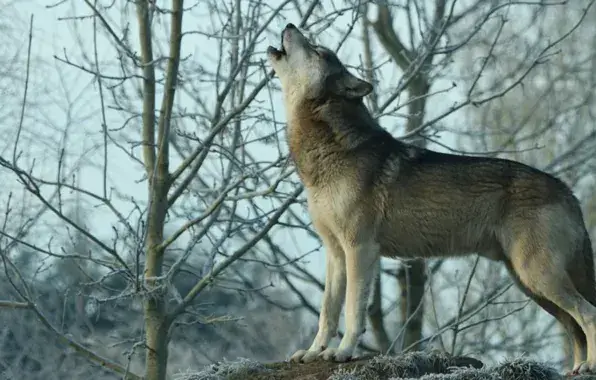
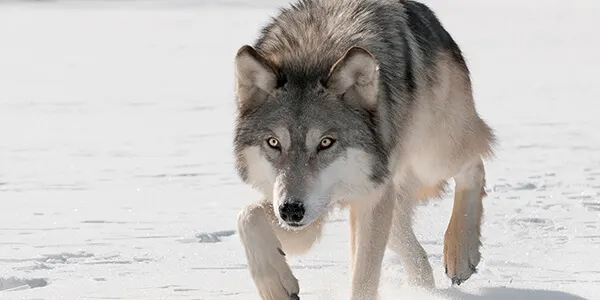
The gray wolf is the most widespread and well-known wolf species, found across North America, Europe, and Asia. They are highly adaptive, living from forests to tundra, and serve as an ecological indicator of healthy wilderness.
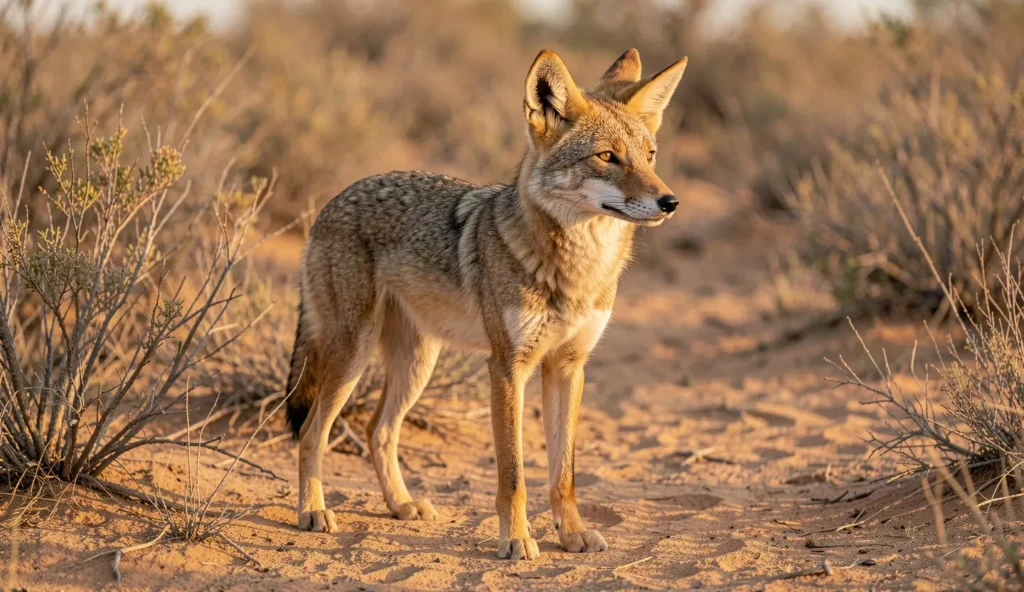
2. Indian Wolf (Canis lupus pallipes)
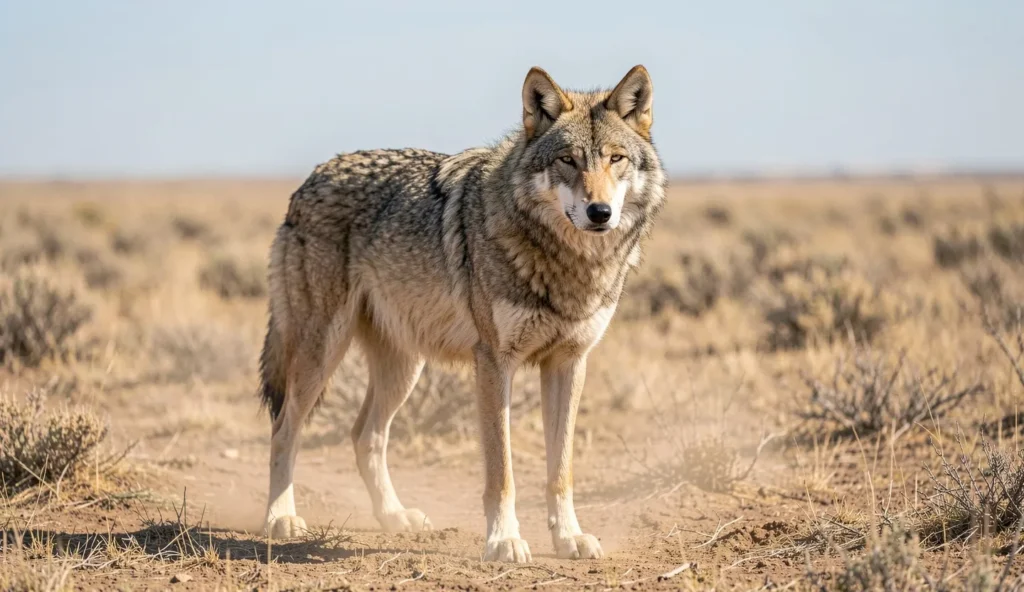
The Indian wolf, found in parts of India and Pakistan, is smaller in size but faces serious conservation threats. Its distinct genetics and habitat make it a unique species worthy of protection.
3. Ethiopian Wolf (Canis simensis)
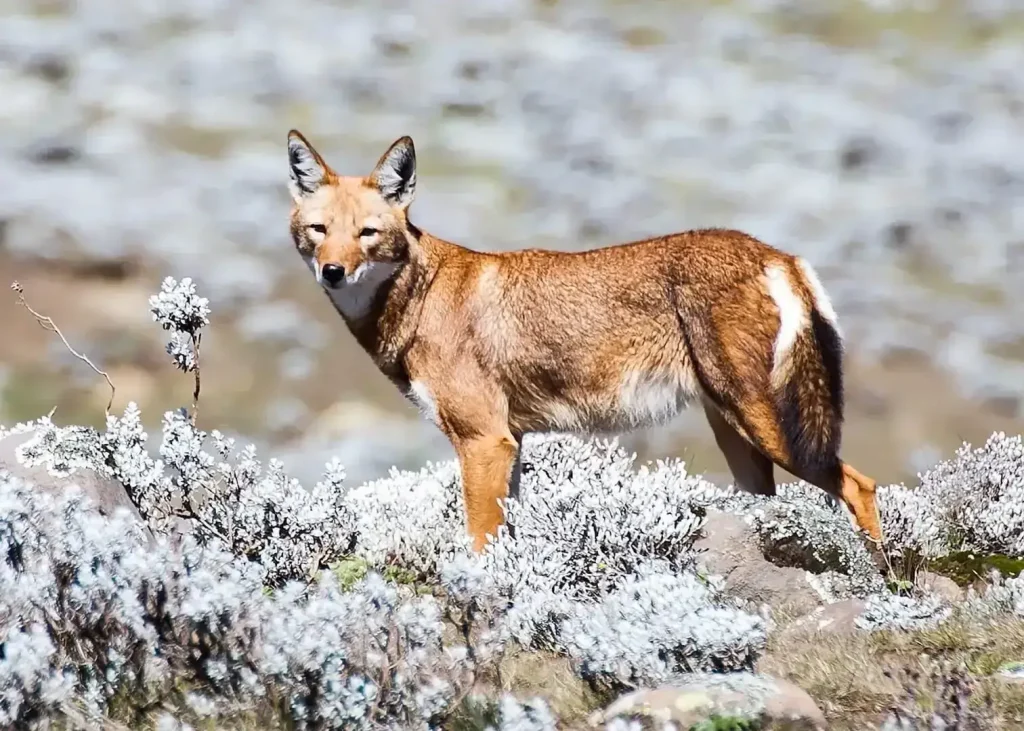
Native to the highlands of Ethiopia, the Ethiopian wolf is one of the world’s rarest canids. Its specialized habitat and distinct behavior set it apart from other wolf species.
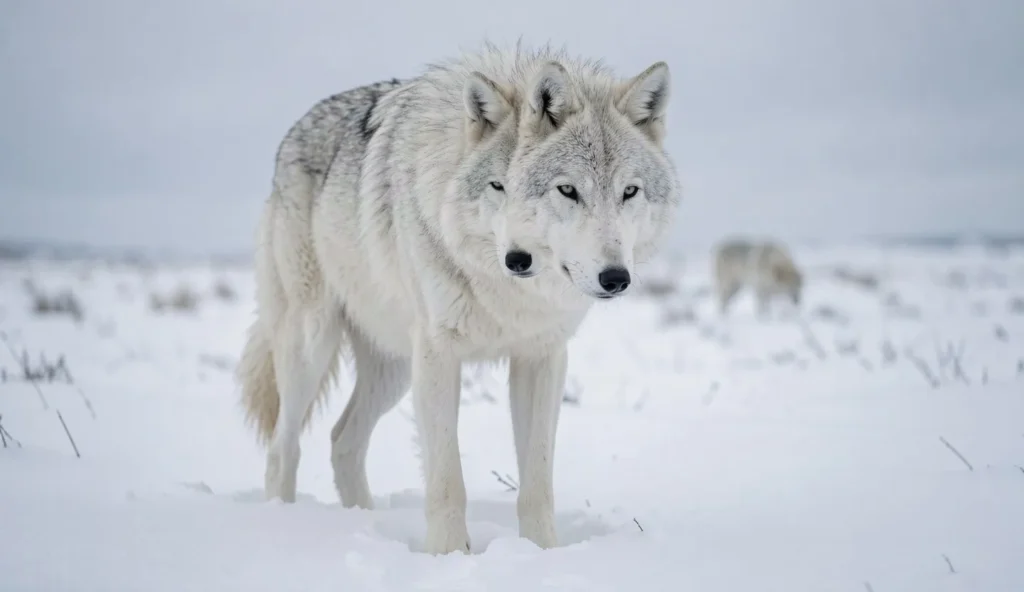
4. Arctic Wolf (Canis lupus arctos and relatives)
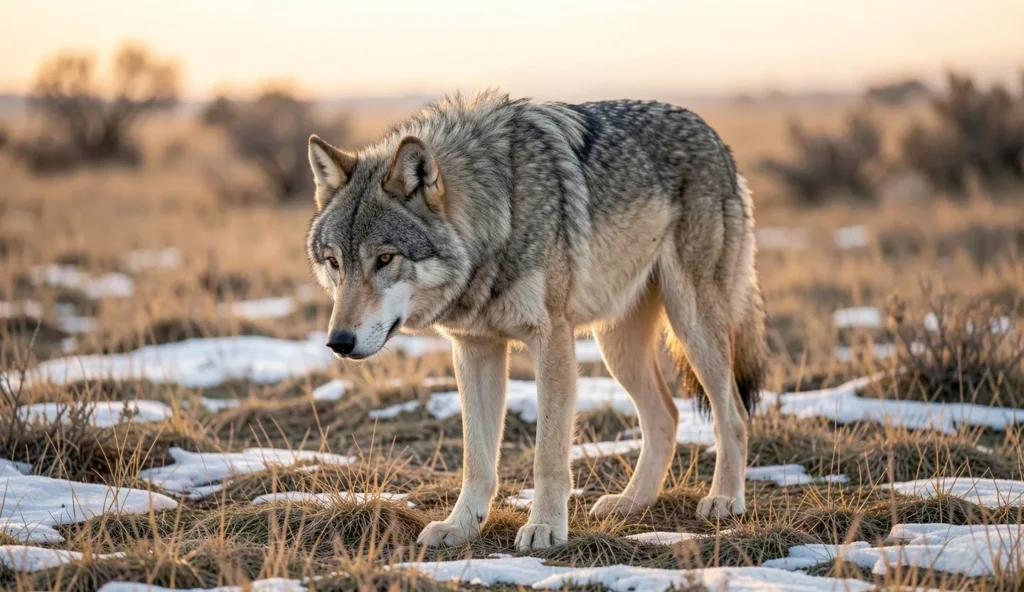
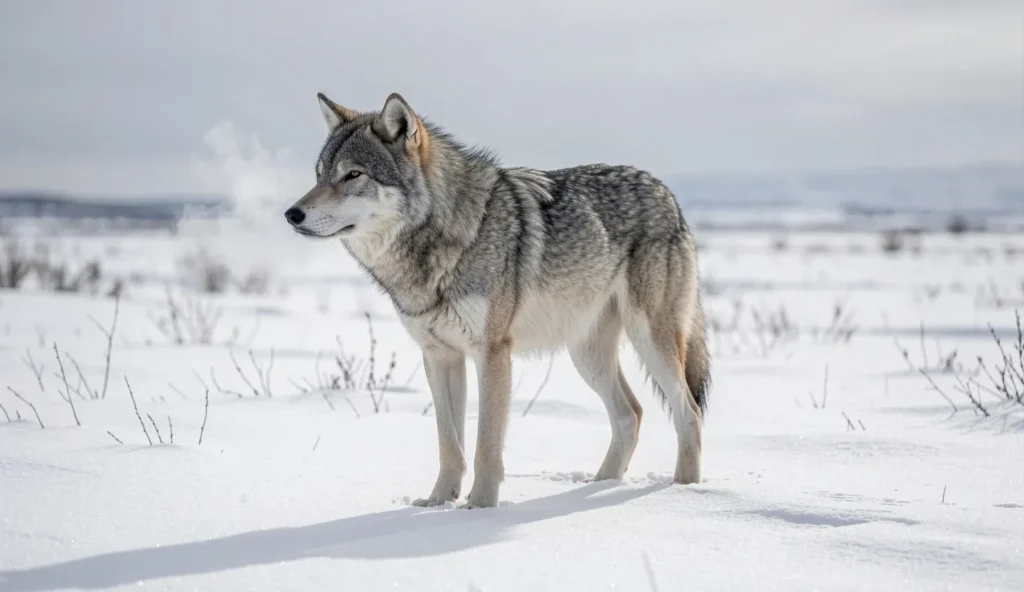
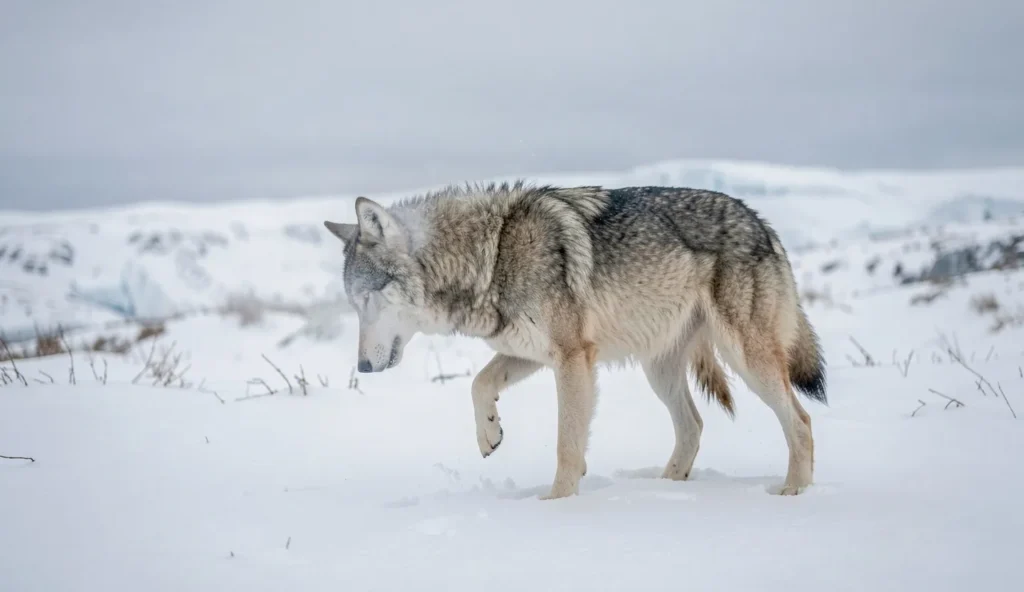
Adapted to frozen landscapes, the Arctic wolf thrives in the far north. Its pale coat, compact body, and survival skills help it endure extreme cold and sparse prey availability.
Wolf-Dog Hybrids and Wolf-Like Domestic Breeds
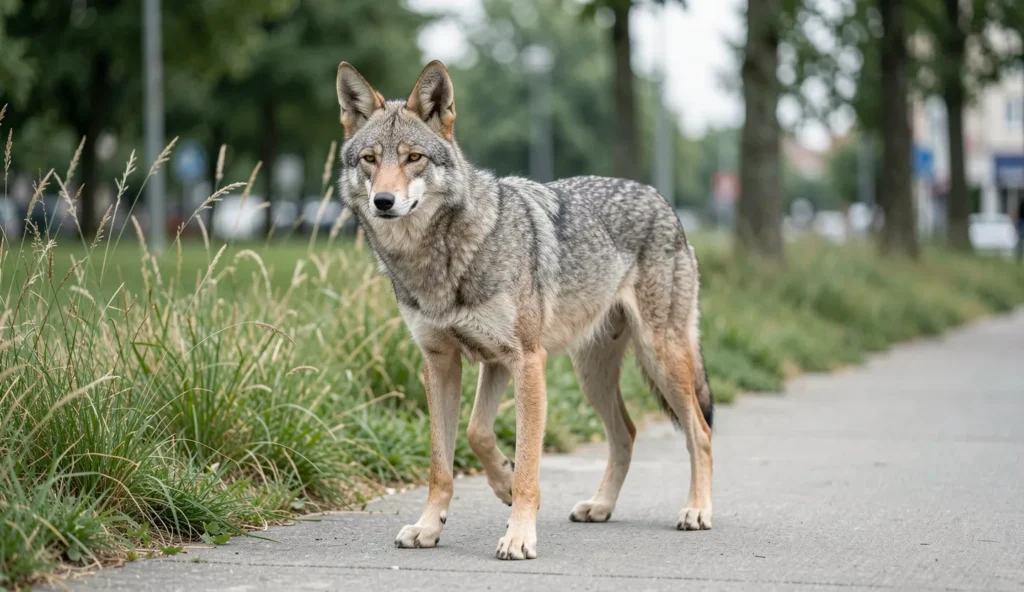
Because of their striking appearance and cultural appeal, several dog breeds and hybrids have wolf influences or look very wolf-like. For instance, the Tamaskan Dog was bred to resemble wolves but is purely domestic. :contentReference[oaicite:6]{index=6} While such breeds resemble wolves visually, they differ significantly in genetics, behavior, and legal status.
Key Traits Across Wolf Species
Wolf species share several traits that help distinguish them from domestic dogs and hybrids:
- Strong jaws, large paws, and long legs are built for endurance.
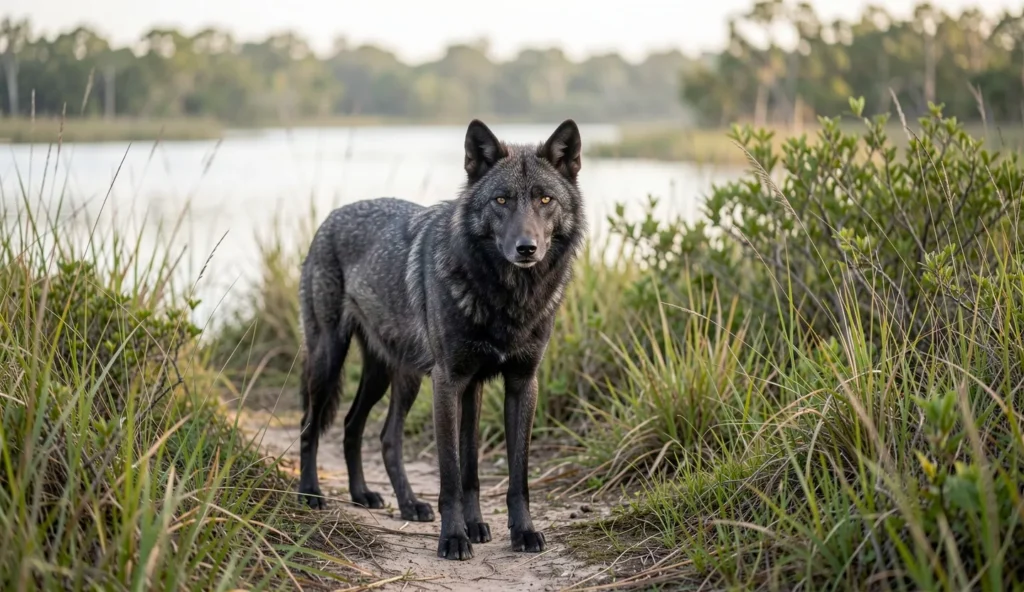
- Coat colors adapted to the environment: grey, white, brown, black.
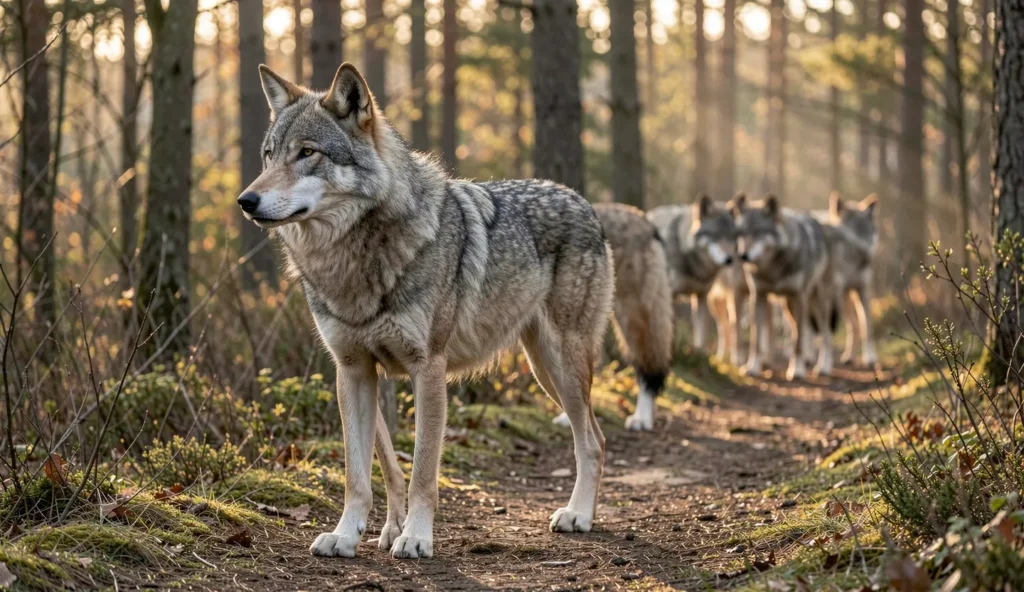
- Highly social pack structure with cooperative hunting and complex communication.
Importance of Wolves in Ecosystems
Wolves play a crucial role in maintaining healthy ecosystems. As apex predators, they help control herbivore populations, which in turn supports plant and tree health. Their presence often signals a well-balanced natural area.
Conservation and Human Co-existence
Several wolf species are under pressure from habitat loss, human conflict, and hybridization. For example, hybridization with dogs threatens the genetic integrity of wild wolves. Science and conservation programs are working to track populations, protect habitat corridors, and raise awareness about living responsibly in wolf territories.
What You Should Know About Wolf-Related Pets and Ethics
If you’re drawn to wolf-like dogs or hybrids, remember:
- Wild wolves are not suitable and are typically protected by law.
- Wolf-dog hybrids may have unpredictable behavior and require experienced owners.
- Research breeds legality in your country and ensures ethical care environments.
Conclusion
“Wolf breeds” is a broad term that covers actual wild wolf species and domestic animals with wolf-like traits. From the majestic gray wolf wandering across continents to the rare Ethiopian wolf in highlands, these canines captivate with their adaptability, intelligence, and wild heritage. Respecting their nature and role in the environment helps us appreciate these remarkable animals responsibly.