What Is The Vancouver Island Wolf
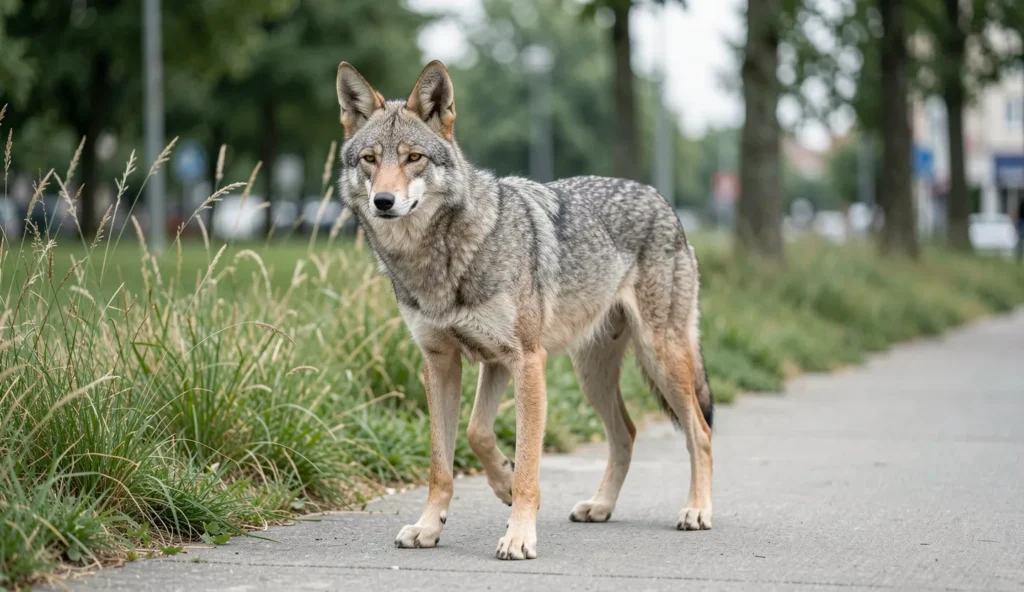
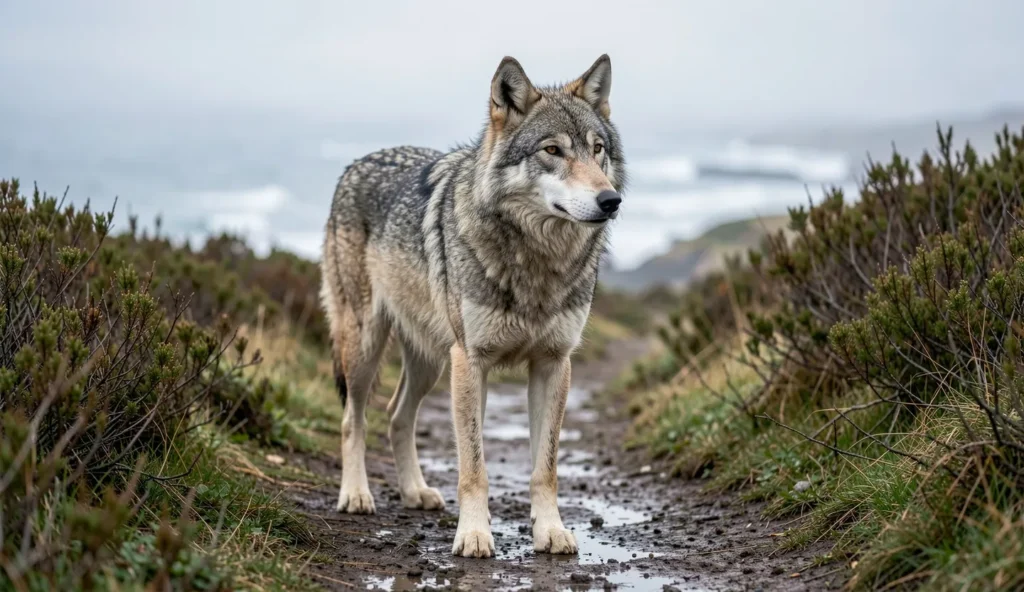
The vancouver island wolf is an isolated wolf population in British Columbia associated with the subspecies Canis lupus crassodon. This island wolf persists on and around Vancouver Island where coastal resources shape movement and feeding. Field and research attention often centers on how isolation and scavenging affect local ecology. Those factors make the population useful for island ecologists studying predator roles and subsidy dynamics.
Scientific Classification And Local Context
In the Canis lupus taxonomy, the vancouver island wolf is commonly linked to Canis lupus crassodon. Treating it as an island wolf population supports comparison with other coastal and mainland wolf lineages. The designation also highlights that genetic, behavioral, and ecological traits can diverge under restricted dispersal. For broader context, wolf subspecies in Canada and the northern United States provide useful taxonomic benchmarks, such as the gray wolf.
Although taxonomy can shift as genetic sampling improves, the core ecological idea stays consistent. The population represents an endemic, geographically isolated form within wolf diversity. As a result, local ecological relationships can become unusually strong. This includes a close tie between coastal processes and wolf feeding opportunities.
Where The Population Is Found In British Columbia
Vancouver Island’s geography limits long-distance dispersal while still allowing wolves to move across forests and coastal corridors. In practice, habitat availability differs by shoreline access, cover, and access to prey or carrion. Seasonal weather and sea state can also influence how often carcasses remain accessible. Human land use can further affect encounter rates for researchers conducting sign surveys.
For island ecologists, mapping habitat use requires treating the coastline as more than a boundary. The coast supplies nutrients through marine-driven carcass inputs, and those inputs can concentrate wolf activity. Inland forest structure then shapes travel routes between feeding areas. Because conditions vary across the island, site selection matters for both observational and passive monitoring.
Why Isolation Matters For Ecology
Isolation can limit dispersal and increase local genetic distinctiveness over time. That same isolation can also change diet breadth, since prey access may differ from mainland patterns. When live prey is scarce or harder to catch, carrion becomes more consequential. In this setting, seal carrion can act as a recurring, high-energy resource.
At the same time, isolation can intensify dependence on specific ecological processes. Coastal subsidy pulses may therefore influence body condition and reproductive success in ways that differ from populations with frequent immigration. Because of that, the vancouver island wolf can reveal how food-web shortcuts reshape predator ecology. Similar dynamics appear in studies of other wolves with distinct regional constraints, including the Eastern Wolf.
Appearance And Physical Features Used For Field Identification
Identifying the vancouver island wolf in the field starts with careful observation of coat characteristics, body condition cues, and consistent sign. While absolute identification can require genetic data, field traits help researchers prioritize detections. Variation in appearance can also reflect season and local diet. Therefore, field protocols should document observation conditions alongside each record.
Coat Color And Texture Observations
Coat tone can vary across seasons, especially in relation to winter thickness and summer shedding. Many observers report that coat texture looks denser during colder months, with a thicker undercoat. Lighting conditions can also alter perceived coloration, especially under fog, low sun angle, and wet ground. For consistent comparisons, observers should record time of day and whether the coat appears dry or damp.
Texture and fluffiness can change with hair length and grooming state after precipitation. When tracks or photo captures are used, coat appearance may differ between individuals because of age and condition. For monitoring programs, using standardized descriptions can reduce observer bias. That practice supports repeatability in long-term datasets.
Size, Build, And Body Condition Clues
Body size and build can be influenced by sex, age class, and seasonal food access. In winter, lower prey availability can translate into lower body condition for some individuals. In contrast, scavenging access to carcasses can support condition when live prey is limited. Researchers often use standardized body condition scoring to interpret these patterns.
When researchers estimate condition from photographs or observation, they should also account for gait and posture. Emaciation indicators include pronounced hip bones and reduced muscle mass along the flank. Seasonal changes may shift these cues even without changes in population health. For linkable comparisons, condition scoring should align with the monitoring design.
Track And Sign Indicators
Tracks provide a key data stream for distribution and activity patterns. Paw print size and shape can vary with substrate, but consistent measurements can still support comparative work. On soft sand or wet mud, toe outline and pad impression may appear clearer than on hard, dry ground. Researchers should therefore record substrate type and moisture.
Scat placement can also inform interpretation when paired with GPS location and nearby habitat features. Wolves may leave sign along travel routes, near scent marking areas, and close to feeding sites when carcasses persist. Den and rendezvous sign, including repeated use of specific core areas, can indicate breeding-season activity. Because disturbances can alter behavior, researchers should limit repeated visits to sensitive sites.
Temperament, Social Structure, And How Wolves Use Space
Vancouver Island wolf ecology includes both social organization and spatial strategy. Pack dynamics help explain how cooperative behaviors support breeding, pup rearing, and efficient foraging. Meanwhile, island geography and coastline-driven food availability shape where and when wolves travel. Those mechanisms often create distinct movement corridors that island ecologists can map.
Pack Structure And Year Round Dynamics
Wolf packs typically include breeding adults and their offspring, with roles that shift as pups mature. In an island wolf context, vacancy and dispersal can occur differently because fewer pathways exist for recruitment and immigration. When dispersal opportunities are limited, pack stability can also increase when territory quality remains high. If pack vacancies occur, recolonization may rely on local survival and limited movements from other areas.
Seasonal shifts matter too, as cohesion can change during breeding and pup rearing. In many wolf systems, increased pup dependence can reduce long-distance travel. That same constraint can increase pack use of food-rich areas, including coastal sectors where carcasses appear. Because of that, vancouver island wolf space use may show stronger links to shoreline events than mainland patterns.
Territory Use And Movement Patterns
Territory concept remains useful even when movement occurs around island-wide resources. Wolves typically travel between resting areas, feeding areas, and route junctions. On an island, coastline and inland corridors can concentrate routes based on cover and accessibility. Seasonal weather can also alter travel efficiency, changing how far wolves move in a day.
Activity often concentrates near food sources, and those sources can include both live prey and carrion. When seal carrion remains accessible, it can function as an anchor that draws movement and repeated scent marking. Over time, those anchoring events can produce consistent patterns in sign density. Researchers can leverage that by pairing sign surveys with carcass monitoring.
Rendezvous, Denning, And Core Areas
Denning and rendezvous areas depend on shelter, concealment, and reduced disturbance. Core areas often overlap with prey movement corridors and with travel routes that connect feeding zones. Carcass availability can also alter daily routes, leading to shifts in how frequently wolves pass through specific habitat patches. When seal carrion pulses occur, wolves may concentrate around the shoreline and nearby travel nodes.
For monitoring, minimizing disturbance during observation supports natural behavior. Researchers often plan surveys to avoid repeated close contact with den sites or pup-rearing areas. Camera traps can help reduce direct disturbance, but placement must still respect cover and animal approach angles. Data quality improves when each detection includes habitat context and time since the last observation.
Diet And Feeding Ecology Including Seal Carrion
Diet is a central driver of vancouver island wolf ecology. Island conditions can change how often wolves hunt compared with scavenging. When seal carrion becomes available, it can provide a frequent, calorie-dense option along the coast. Over time, that can reshape feeding schedules, movement distances, and local ecological impacts.
How Wolves Forage On Vancouver Island
Foraging can include both active hunting and scavenging, but the balance depends on prey encounter rates and the persistence of carrion. Coastal access increases the likelihood of detecting marine-derived resources. Wolves may time movements to coincide with tides and shoreline conditions that influence carcass persistence. In many cases, scavenging events can reduce the need for long hunts.
For island ecologists, interpreting foraging behavior requires separating prey type from feeding method. A wolf that approaches shoreline sign may still be feeding on prey remains, not only fresh kills. Therefore, researchers should document carcass condition, location relative to water, and weather-driven decay rates. Those variables help distinguish opportunistic feeding from targeted hunting.
Role Of Seal Carrion In Coastal Food Webs
Seal carrion can provide high-energy scavenging opportunities, which matters when live prey is patchy. Carrion pulses may concentrate wolf activity at predictable coastal segments. This can increase encounter rates with other scavengers and alter local competition for carcass access. Over ecological time, coastal scavenging also supports nutrient cycling back into terrestrial systems.
Because carrion is a subsidy, it can influence how wolves interact with other predators. It may also shift where wolves rest and how often they travel inland. When scavenging substitutes for hunting, wolf movements can become more coastal and less dispersed. That pattern makes the vancouver island wolf valuable for studying how marine energy flows affect terrestrial predator ecology.
Seasonal Diet Shifts And Carcass Availability
Seasonal changes can alter prey abundance and the number of carcasses available onshore. Winter conditions can reduce hunt efficiency and increase reliance on scavenging if live prey becomes harder to secure. In summer, prey availability and carcass decay dynamics may shift, affecting access to remains. These changes may also influence social dynamics within packs.
Carcass persistence depends on weather, scavenger activity, and shoreline exposure. If decay accelerates during warm periods, feeding opportunities may become shorter. Conversely, persistent carcasses can create longer windows of wolf activity. Monitoring frameworks that track carcass timing alongside wolf sign can reveal these seasonally structured patterns. Similar coastal reliance may be informative when compared with other constrained canids, such as the Pakistani Wolf.
Field Methods To Assess Diet
Scat analysis provides a noninvasive method for diet inference when ethical and legal guidelines allow collection. Scats can reflect prey remains, hair, and bone fragments that help distinguish diet composition. Because diet signals can blur when wolves scavenge, analysts should pair scat data with carcass and shoreline event context. Environmental metadata such as temperature, tide state, and substrate can improve interpretation.
Opportunistic documentation of carcasses and remains can also support diet understanding. Combining camera traps with carcass surveys can produce a clearer timeline of feeding activity. When resources allow, camera trap imagery can help identify whether individuals revisit specific shoreline feeding sites. Careful sampling design reduces bias from uneven carcass detection across space and time.
Habitat Requirements And Key Ecosystem Factors
Habitat requirements for the vancouver island wolf involve both cover and access to food. Coastal zones supply carrion-driven resources, while forests and wetlands influence resting behavior and travel efficiency. Ecosystem factors like prey distribution, carcass persistence, and human disturbance all affect where wolves spend time. For island ecologists, these variables often interact, producing complex habitat use patterns.
Habitat Types And Microhabitats Used
Wolves may use forests for cover and travel concealment, while coastal zones can provide foraging access. Wetlands can offer travel corridors but may also limit movement depending on season and water levels. Resting sites often show cover characteristics that reduce detection and exposure to weather. Over time, wolves may shift microhabitat selection with temperature, precipitation, and wind.
In fieldwork, microhabitat recording improves analysis accuracy. Observers can note vegetation density, proximity to shoreline, and slope or drainage that influences track preservation. These details also help explain why certain areas generate more detections than others. Because detection probability varies, habitat context should always accompany sign counts and camera trap detections.
Prey Base And Habitat Linkages
Prey distribution drives space use, and scavenging resources can amplify that linkage. Shoreline productivity supports seal presence and the availability of carrion, creating a marine-to-terrestrial connection. Interannual variation in prey abundance can therefore shift wolf movement and feeding schedules. Competition with other scavengers can further shape carcass access and feeding duration.
These factors can also create feedback into habitat use patterns. When carrion pulses concentrate wolf activity, signs can cluster along particular coastal segments. That clustering can influence how wolves interact with inland prey and how they allocate time between foraging and resting. For interpretation, ecosystem variables like storm frequency and shoreline accessibility must be treated as part of wolf habitat. Comparisons with other subspecies can help frame ecological expectations, including Himalayan Wolf for how environment changes feeding opportunities.
Human Influence And Disturbance Considerations
Roads, settlements, and recreational activity can alter movement corridors and change the likelihood of repeated encounters. Fishing and other coastal work can also indirectly influence carrion availability through offal and access patterns. Even without direct interference, noise and foot traffic can affect how wolves approach shoreline areas. That influence can lead to spatial shifts rather than changes in diet.
For field protocols, reducing stress and disturbance supports the integrity of behavioral observations. Researchers can schedule surveys to avoid denning periods and peak human-use times. Data collection should prioritize distance and standardized timing so that human-driven variability does not dominate results. When habitat alteration affects access to cover, wolf detection can change even if wolf abundance remains stable.
Conservation Status, Threats, And Monitoring Priorities
Conservation framing for the vancouver island wolf population emphasizes both ecological function and vulnerability from isolation. Even when a population remains stable, endemic forms can face higher risk if gene flow is limited or if local conditions shift. Threats can include disease exposure, changes in prey availability, and human-caused mortality. Therefore, monitoring priorities should capture both population trends and diet-driven ecological roles.
Key Threats To An Isolated Wolf Population
Isolation can limit gene flow, which may reduce adaptive potential over time. Disease transmission risks can increase when a population remains geographically constrained and contact with new individuals is reduced. Prey fluctuations can create periods of nutritional stress, especially if carrion access decreases. In addition, human-caused mortality can have outsized effects in a population with limited replacement.
Ecosystem change can also influence both prey and carrion dynamics. If marine conditions change, seal carrion availability may shift in timing and location. If terrestrial prey changes through habitat alteration, hunting success can decline. These stressors can interact, causing body condition changes that then influence reproductive output. For researchers, documenting these pathways supports management decisions grounded in evidence.
How Researchers Monitor Vancouver Island Wolf Populations
Monitoring often starts with tracking and sign surveys to map distribution and route use. Camera trapping adds information about occupancy, timing, and individual activity patterns. When sampling is ethically and legally appropriate, genetic sampling can support assessments of connectivity and local distinctiveness. Because sign detectability varies, monitoring design should account for uneven effort across habitats.
Diet monitoring complements demographic tracking by revealing whether wolves rely on hunting or scavenging. Scat analysis and carcass observations can identify prey categories and timing patterns. When diet shifts strongly toward scavenging, movement patterns may become more coastal. Monitoring frameworks should therefore integrate shoreline variables with wolf detection data to interpret cause and effect.
Monitoring Priorities For Diet And Carrion Ecology
Shoreline carcass surveys can provide a structured way to quantify seal carrion availability and persistence. Measuring decay timing as an ecological variable helps explain when wolves can access high-energy remains. When wolf detections rise after carcass pulses, it supports a link between subsidy timing and feeding event rates. Researchers can then test whether carrion access alters space use or changes pack cohesion.
Integrating observational and environmental covariates strengthens interpretation. Examples include temperature, tidal state, storm exposure, and scavenger activity that may reduce carcass persistence. Consistent sampling windows across seasons improve comparability. When sampling is uneven, analysts must account for detection and availability bias. That approach supports clearer inference about the role of wolf diet seal carrion in shaping ecological interactions.
Management Actions That Support Island Ecological Function
Support for habitat connectivity helps maintain movement options even in island landscapes. Disturbance minimization can protect denning areas and reduce behavioral shifts driven by human pressure. Coordinated monitoring with coastal wildlife agencies improves data continuity and reduces redundant field effort. Data sharing can also strengthen synthesis across projects tracking predator-prey dynamics.
Research design should address uncertainty and sampling bias. Monitoring plans benefit from pre-defined methods for selecting survey areas and standard definitions for feeding events. When interpretation relies on opportunistic observations, uncertainty can rise. A structured design improves confidence in conclusions about how isolation shapes ecology and diet patterns for the island wolf population.
Is The Vancouver Island Wolf A Good Fit For Island Ecosystem Studies
The vancouver island wolf fits well with island ecosystem studies because isolation creates clearer ecological contrasts. For island ecologists, the population offers a natural experiment in how limited dispersal and coastal subsidies interact. Diet patterns also connect marine processes to terrestrial predator behavior. Those connections support research questions about food-web coupling and ecological resilience.
Research Questions Suitable For This Population
One useful research direction examines how isolation shapes diet breadth and the balance between hunting and scavenging. Another direction focuses on coastal subsidies and how seal carrion changes feeding ecology and space use. Space use under constrained dispersal opportunities can reveal how territories and core areas form around predictable resources. Seasonal food pulses also offer a way to test how timing affects social dynamics and movement patterns.
These questions benefit from combining multiple data streams. Sign surveys, camera trap detections, scat collection, and carcass monitoring can together separate availability from behavior. When datasets align temporally and spatially, interpretation improves. Comparisons with other wolf populations can also help frame mechanisms, such as how island conditions differ from inland systems like those described for african wolf profile style ecological reporting.
Practical Considerations For Fieldwork
Field logistics must account for weather and coastal access, since storms can block routes and affect survey timing. Sampling windows should remain consistent across seasons to avoid misleading diet or activity comparisons. Every observation should include habitat context, such as cover type, distance to shoreline, and substrate. Protecting data quality also helps reduce errors when interpreting tracks, scats, and camera detections.
Because animals can be sensitive to repeated disturbance, sampling design should minimize unnecessary site revisits. Passive methods can reduce stress and also standardize effort. When analysis depends on carcass decay timing, survey frequency must be high enough to capture changes. With careful planning, the vancouver island wolf can generate robust insights for ecosystem research.
A Final Note On Studying An Isolated Island Wolf Population
Studying the vancouver island wolf can strengthen understanding of how endemic isolation and coastal food subsidies shape predator ecology. Careful field methods and structured monitoring help keep results interpretable across seasons and years.
Frequently Asked Questions
What Is Canis Lupus Crassodon And How Is It Related To The Vancouver Island Wolf?
Canis lupus crassodon is the scientific name associated with the island wolf population.
How Does Seal Carrion Influence The Diet Of The Vancouver Island Wolf?
Seal carrion can provide frequent high-energy scavenging opportunities along the coast.
Why Is Isolation Important For The Vancouver Island Wolf Population?
Isolation can limit dispersal and shape diet patterns and local ecological roles.
What Habitat Features Matter Most For Where Vancouver Island Wolves Spend Time?
Coastal access, cover, and prey movement strongly influence habitat use and routes.
How Can Island Ecologists Monitor Vancouver Island Wolves Without Disturbing Them?
Use noninvasive tracking, scat surveys, and camera trapping with careful field protocols.
Final Note
Consistent protocols and integrated ecological measurements support reliable understanding of this isolated subspecies.