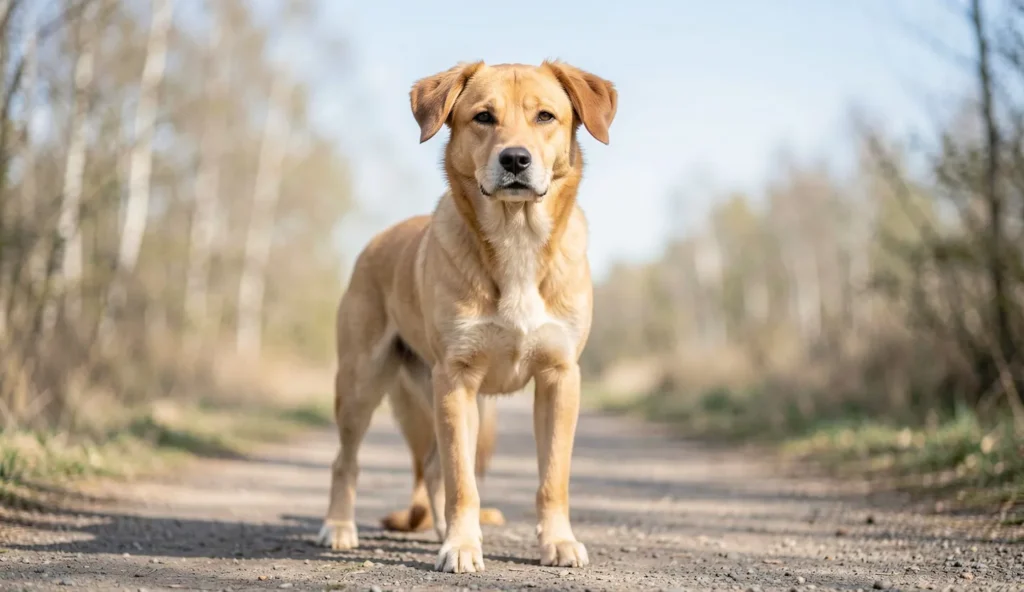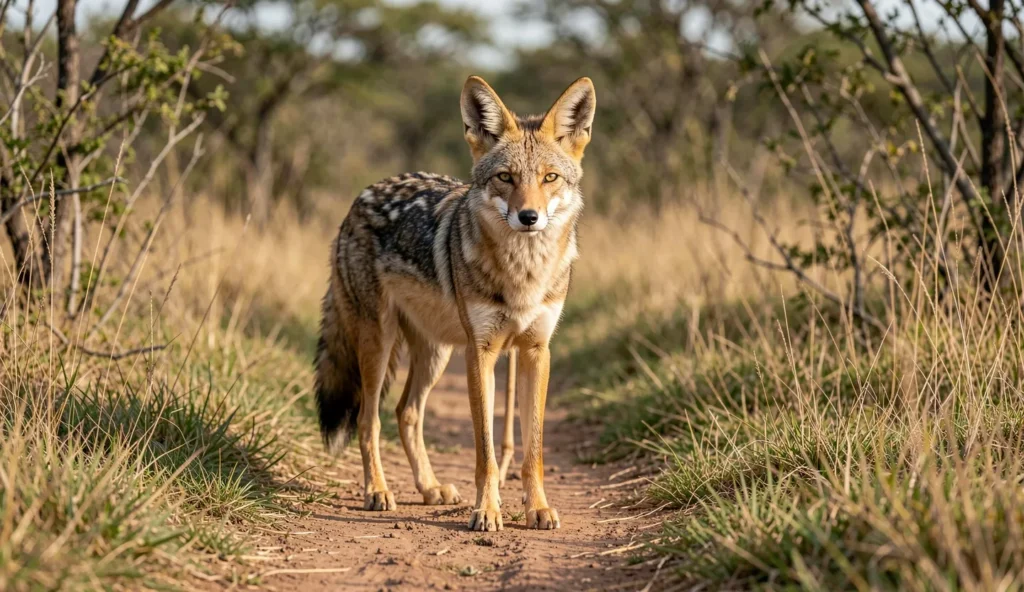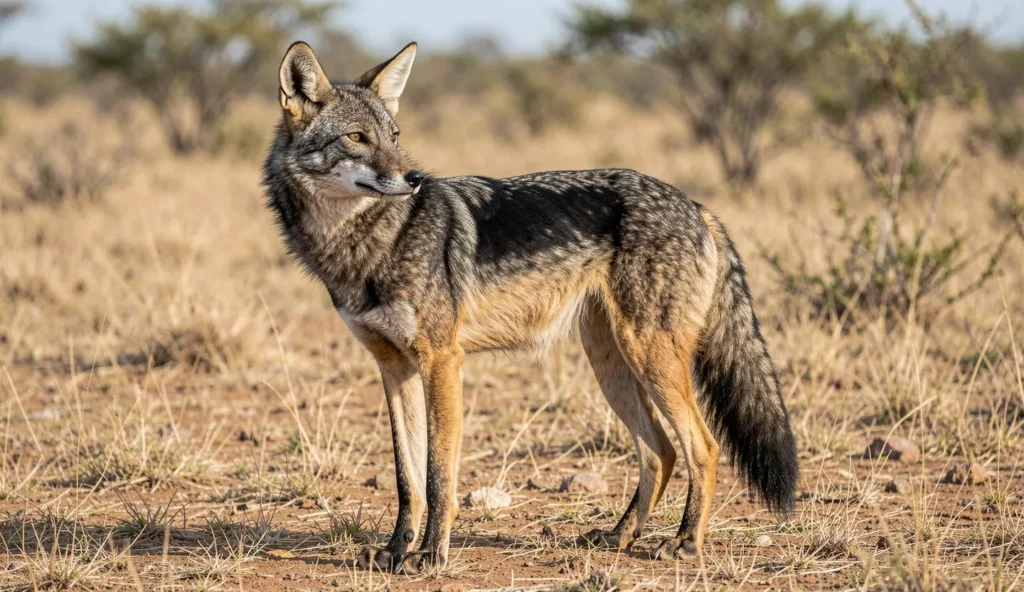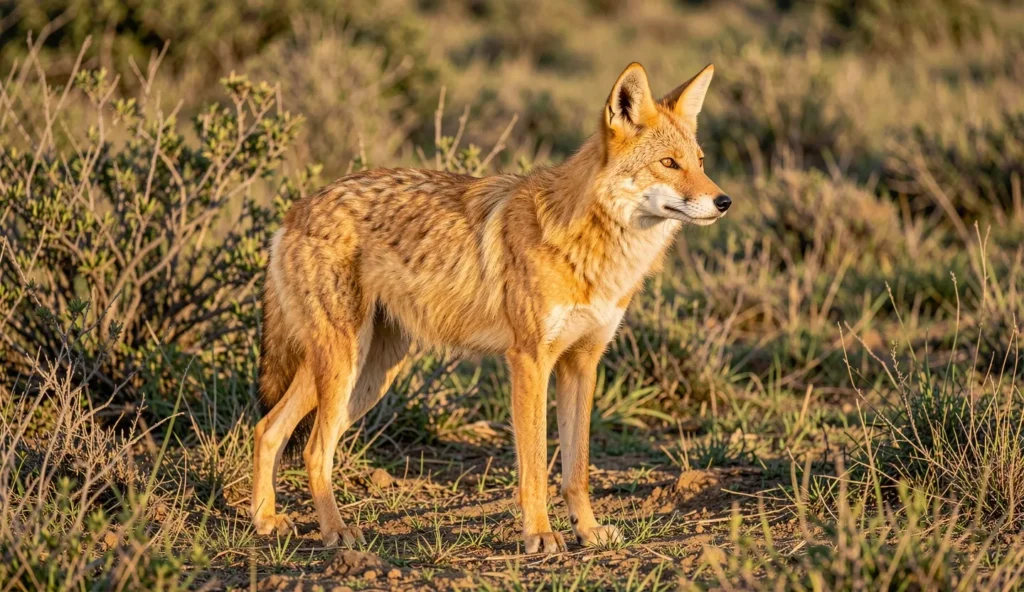
What Is The Steppe Wolf
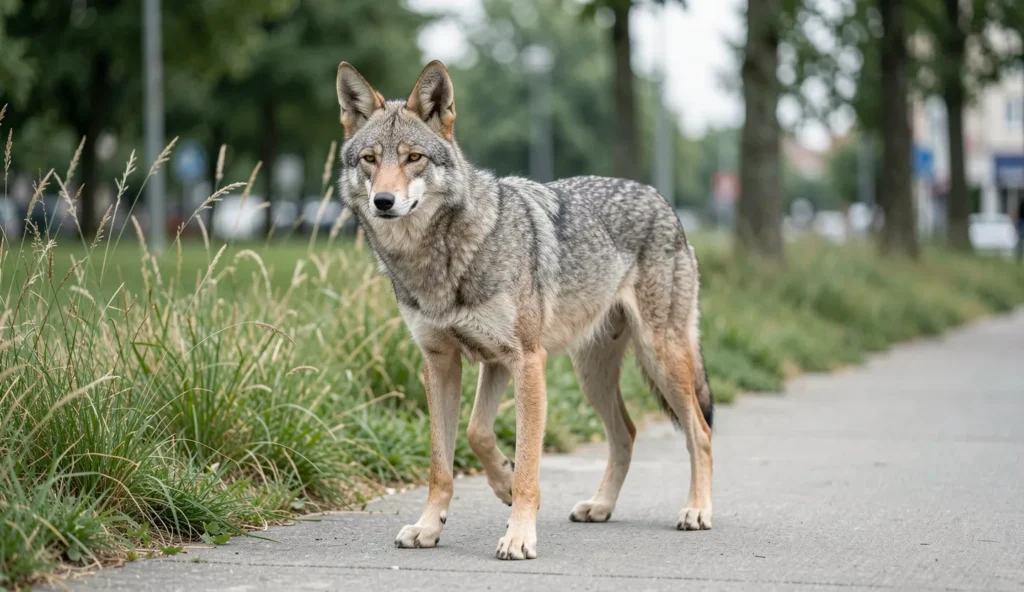
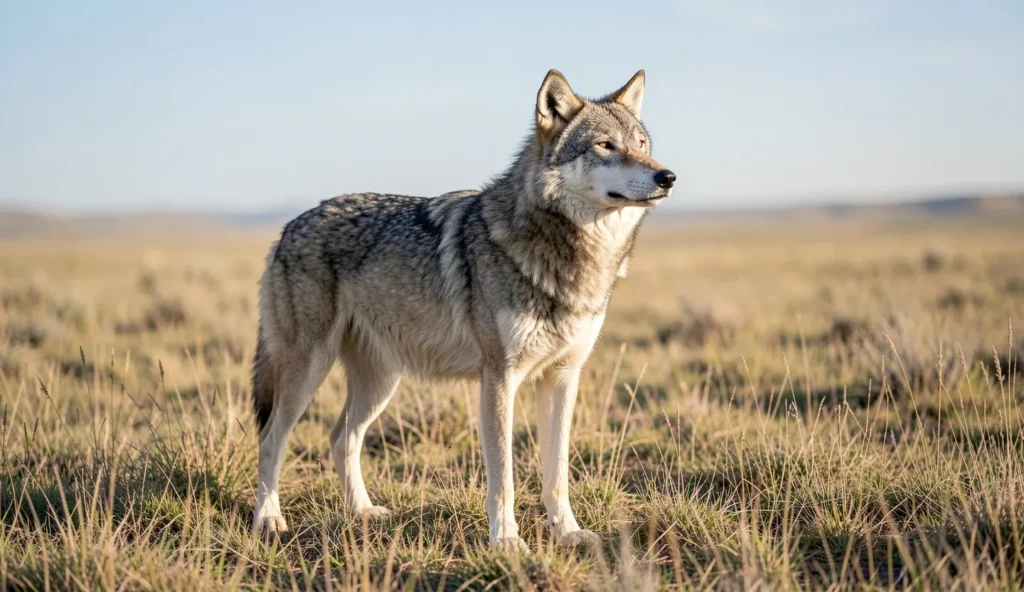
A steppe wolf is a wolf population adapted to temperate grasslands and open steppe landscapes across parts of Eurasia. Field ecology work often treats these animals as Canis lupus campestris or as closely related regional forms. Their key trait is efficient hunting and travel across landscapes with wide visibility. Understanding the steppe wolf range helps explain how predators shape prey behavior and how ecosystems function in open plains.
Taxonomic Framing And Common Names
Steppe wolf naming varies across publications, which can complicate comparisons across regions and time periods. In many ecological studies, steppe wolves are linked to Canis lupus campestris, while regional labels may also appear. The term Caspian steppe wolf is used in some regional literature tied to local geography and historical records. Plains wolf is sometimes used informally when discussing open grassland populations and their ecological patterns.
Even when the same landscape category is studied, reported range and predation patterns can differ due to sampling design and season selection. For field teams, it helps to record which taxonomic framing is used in datasets and permits. When interpreting prey data and movement maps, consistent naming improves the match between location metadata and ecological inference. For broader comparative context on wolf diversity, related species profiles such as Gray Wolf can help clarify how different canid ecologies diverge across habitats.
Ecological Role In Predator Communities
Steppe wolves act as medium and large predator regulators in open plains systems. Predation risk influences prey movement, grazing choices, and survival, which in turn changes vegetation pressure across patches. In addition to killing, wolves also contribute through scavenging at carcasses, especially when active hunting success drops. These wolves can also overlap with other carnivores in diet and space, creating competition and indirect effects.
Because open landscapes allow long-range visibility, wolf encounters can restructure prey routes across the steppe mosaic. That redistribution can persist for multiple seasons if risk stays consistent. Scavenging also creates feedback loops by altering where carcasses remain available. Similar predator dynamics appear in discussions of other canids such as the Red Wolf, even though habitats and prey assemblages differ.
Core Ecological Drivers For Open Plains Wolves
Open visibility supports scanning and long chases, which strongly shapes how predators allocate effort. Seasonal food availability also drives movement and patch use, because prey and carrion availability shift with weather. Human land use then modifies travel routes and can alter prey density near settlements and roads. Finally, snow cover and drought influence energetic costs and hunting success, so the steppe wolf range is not static through the year.
Ecologists often treat these drivers as interacting layers rather than single causes. For example, drought can concentrate herbivores near water points, and that concentration can raise encounter rates. At the same time, the same drought can reduce grass cover, changing prey detection and predator efficiency. When human pressure increases, wolves may shift activity timing, which changes where predation events show up in telemetry datasets.
Where Steppe Wolves Live And How Range Is Measured
Steppe wolves occupy temperate grassland and steppe belts where open areas dominate and forest cover remains limited. Their steppe wolf range is usually defined using spatial occupancy and movement data, not only historical records. Ecological mapping then links locations to habitat structure, water access, and seasonal prey dynamics. Because landscapes vary widely across Eurasia, range measurement must be scaled to the question and to the season.
Geographic Extent Across Eurasian Steppe Regions
The distribution of open plains wolf populations spans broad temperate steppe belts in Eurasia. Many datasets emphasize regional variation near forest steppe boundaries, where habitat shifts can change prey composition and movement corridors. River corridors often form natural connectors between patches, which can produce edge populations with distinct movement paths. Published references also describe differences between Caspian steppe wolf zones and central steppe areas, reflecting both climate and landform contrasts.
For comparative field work, it helps to record whether locations cluster near wetlands, mountain foothills, or agricultural mosaics. These geographic contexts can affect den placement, prey availability, and hunting success. When background material is needed for related systems, Ethiopian Wolf profiles can provide useful context on how wolves and wolf-like canids adapt to different terrain constraints, even though the habitats differ.
Habitat Types Used Within The Steppe Matrix
Within steppe landscapes, open grasslands and shrub steppe usually dominate habitat use patterns. River valleys and wetlands can create prey hotspots and also guide travel routes across otherwise uniform terrain. Agricultural mosaics can temporarily function as hunting grounds when they support prey and attract herds. Rocky outcrops and ridges can provide denning sites and refuge, particularly when wind exposure or visibility risk changes during the breeding season.
These habitat categories also influence detectability during field surveys. Shorter vegetation supports scanning, while shrubs can reduce detection distance and favor ambush. Den sites also alter the spacing of observations, because movement concentrates around den range during pup rearing. If field teams include carnivore guild sampling, comparisons may help interpret why predation signals shift at habitat boundaries.
How Ecologists Estimate Steppe Wolf Range
Researchers estimate steppe wolf range using a combination of home range estimators and habitat selection models. GPS collars provide time-stamped locations that support seasonal home range estimation and travel corridor inference. Common approaches include minimum convex polygon methods and kernel-based home range estimators. More advanced workflows use step selection modeling to connect locations with habitat covariates.
However, results can differ depending on sampling frequency, fix failure rates, and how seasonal segmentation is defined. Data cleaning steps remove implausible fixes, and that improves inference quality. Cross-validation helps test whether predicted habitat associations generalize to new time periods. For broader methodological context on movement mapping, Saarloos Wolfdog breed discussions sometimes include accessible explanations of wolf-like movement traits, though they do not replace telemetry studies.
Seasonal Shifts In Occupancy And Travel Corridors
Seasonal shifts often drive the largest changes in where wolves concentrate activity. Summer ranges typically track dispersed prey and water availability, especially when surface conditions stay dry elsewhere. Winter movement is strongly influenced by snow depth and frozen ground, which can either reduce or enable travel depending on ice crust conditions. Corridor use also tends to intensify along valleys during harsh weather.
During breeding season, activity can concentrate near dens, which changes the apparent steppe wolf range even if the broader landscape remains available. Dispersal of juveniles can then expand or fragment occupancy in subsequent months. If field teams compare years, they often need to align seasons and weather indices. This alignment helps explain why predation events and kill sites might cluster differently despite similar prey communities.
Movement Patterns That Shape The Steppe Wolf Range
Movement patterns determine how wolves use open plains and how predation opportunities appear across the steppe. Even when habitat availability remains constant, route selection can shift with prey behavior and weather. In turn, those movement shifts change the shape of the steppe wolf range. Ecological interpretation depends on distinguishing routine territory use from longer excursions and dispersal behavior.
Territory Use Versus Long-Distance Foraging
Pack centers support year-round activity, including denning, resting, and routine hunting. Long-distance excursions occur when prey pulses or migration movements concentrate targets far from core areas. In productive zones, boundary overlap patterns can occur, which can increase encounter risk and scavenging opportunities. Dispersal behavior then adds spatial variability by changing patch occupancy for months or years.
These behaviors also affect how predation signals appear in field datasets. Kill sites may cluster near travel corridors even if the chase event takes place elsewhere. When prey numbers rise temporarily, wolves may expand their movement radius, which shifts the measured range boundary. For contrast with other canid movement ecologies, profiles like the Eastern Wolf can help illustrate how ecological constraints can shape travel beyond open plains.
Distance Traveled And Daily Route Structure
Daily route structure often follows landscape features and predicted prey encounters. Travel rates shift with weather, snow hardness, and the likelihood of locating prey after detection. Wolves may reuse resting and hunting stations when those spots provide reliable viewing or scent gathering. Activity patterns can also vary between nocturnal and crepuscular behavior, depending on disturbance and human presence.
Because open plains allow visibility, wolves can sometimes rely more on scanning and less on dense concealment. That said, scent tracking still matters, especially when vegetation height changes detection conditions. If disturbance increases during the day, wolves may shift timing toward night, and that can bias field observations of kill timing. Accounting for diel patterns helps field ecology teams avoid misreading seasonal predation rhythms.
Landscape Features That Affect Travel
Landscape structure strongly shapes travel, including where wolves can move efficiently and where they might pause. Open visibility supports scanning and supports longer chases when prey stays within sight. Vegetation height can also affect prey detection distance, which changes the value of particular route segments. Water points concentrate both prey and predators, so wolves often revisit them during dry periods.
Human features also matter, since fences and roads can redirect route selection. Roads may provide easier travel surfaces but also create mortality risks and disturbance effects. In some systems, these factors can compress movement into narrow corridors. When corridor use changes, the measured steppe wolf range can shrink geographically even if total travel remains high.
Predation Habits And Prey Selection On Open Plains
Predation habits in steppe ecosystems link wolf behavior to prey community structure and carcass availability. Open grasslands support long-distance detection, so hunting often relies on both pursuit and coordinated approaches. Prey selection can shift by season, because smaller mammals and carrion become more important when larger prey are scarce. Understanding these patterns supports field ecology work focused on selection, risk, and trophic impacts across the steppe wolf range.
Typical Prey Base Across Steppe Ecosystems
Ungulates often form the primary prey category where they occur at sufficient densities. Smaller mammals contribute seasonally and can act as supplemental prey when larger prey become harder to catch. Carcass availability can also raise scavenging activity during periods of hunting shortage. Where livestock presence exists, prey composition can shift as wolves learn routes and risk tradeoffs near herding areas.
These prey patterns create measurable signatures at kill sites and in scats. However, prey availability estimates must accompany predation observations to interpret selection properly. Without prey availability context, researchers may confuse chance encounters with preference. For comparisons involving different prey ecologies, looking at profiles such as Pakistani Wolf or Himalayan Wolf can highlight how prey communities change with climate and terrain.
Hunting Strategies Used In High Visibility Habitats
Both chase and ambush strategies can occur in open settings, depending on vegetation structure and prey behavior. Pack coordination can reduce escape success by narrowing prey options and improving pursuit efficiency. Wolves also use scent marking and tracking to locate prey, especially when visibility fluctuates with wind and ground conditions. Those factors influence whether a chase succeeds or whether the event ends early.
In open grasslands, chase can work because prey cannot easily disappear from sight. In shrub-steppe, ambush opportunities increase, but detection distance drops. Field teams analyzing kill sites should record vegetation height and wind when possible. Those details help explain why hunt success changes across habitat patches that appear similar at broad mapping scales.
Predation Timing And Activity Rhythms
Crepuscular activity often appears in many steppe predator systems, since prey movement can peak around dawn and dusk. Night hunting may increase when daytime hunting becomes difficult due to disturbance or road noise near settlements. Weather alters both visibility and prey movement, which then shifts hunting windows. When prey vulnerability periods align with weather, hunting peaks can synchronize across large areas.
Timing changes also affect how field sampling should be scheduled. If survey effort only covers daylight hours, kill timing may appear biased toward whatever events remain detectable. GPS telemetry can help correct for this by providing activity context, while camera traps can validate nocturnal events. These corrections improve interpretations of the steppe wolf range and how predation pressure varies across seasons.
Handling Of Kills And Scavenging Dynamics
Kill-site reuse can occur when prey remains persist and wolves keep returning to the same area. Cache behavior can reduce risk during periods of competition with other carnivores. Scavenging then links wolves to carcass availability generated by hunting, natural mortality, and livestock losses. Competition may involve other carnivores, scavengers, and opportunistic species that track carcass locations.
These dynamics influence both spatial patterns and detectability of predation. Reuse concentrates activity around kill sites, which can expand local occupancy within the broader steppe wolf range. At the same time, cache behavior can move carcass remains, which can complicate diet inference if only surface carcasses are sampled. For additional context on how scavenging and competition can differ across canid ecologies, Gray Wolf profiles can support background comparisons.
Influence Of Human Land Use On Predation Habits
Livestock availability can shift diet and change risk tradeoffs because wolves may exploit predictable herding areas. Roads can also influence travel, because they can offer easier movement but bring higher mortality risk. Persecution can drive spatial avoidance of settlements, which can alter where kill sites and scats appear. Seasonal herding patterns change prey distribution, so predation habits often track those temporal movements.
Because human pressure varies within and between countries, results from one area may not generalize. Field ecology teams can reduce misinterpretation by recording livestock presence, seasonal grazing schedules, and road densities. This information helps explain why wolves might show increased use of agricultural mosaics during specific months. For contrast with different conflict landscapes, research framing similar to that in Red Wolf contexts can help structure observations of human-wildlife interactions.
How Environmental Conditions Shape The Steppe Wolf Range And Hunting Success
Environmental conditions determine how much energy wolves spend to travel and hunt, and they also shape prey behavior. Snow, drought, vegetation structure, and denning constraints each influence the steppe wolf range and predation outcomes. Over time, these factors create measurable seasonal patterns in occupancy and kill-site distribution. For ecologists, linking weather and habitat variables to predation data improves causal interpretation rather than simple correlation.
Snow, Ice, And Drought Effects
Deep snow increases energetic costs and changes prey accessibility, because both predators and prey must move through harder substrate. Ice crust can reduce traction for both wolves and prey, which can alter pursuit success and escape routes. Drought reduces forage and concentrates animals near water points, pulling both prey and predators into smaller areas. Weather extremes can also shift timing and expand or contract movement distance depending on travel feasibility.
These changes can shift both the measured steppe wolf range and the distribution of predation events within it. When travel becomes costly, wolves may focus on known routes and predictable water-driven prey concentrations. When conditions improve, wolves can expand hunting zones rapidly. Therefore, field datasets should include seasonal weather indices rather than treating each season as uniform.
Vegetation Structure And Visibility
Vegetation structure controls visibility and thus changes how hunting should be expected to work. Short grasslands often support long-distance detection and sustain more efficient scanning. Shrub cover can support ambush by improving concealment, but it reduces the viewing window needed for long chases. Seasonal greening also changes cover, and grazing can create patchy areas with altered hunting efficiency.
Because visibility affects both predator and prey perception, similar kill-site patterns across regions might reflect similar vegetation structure rather than a shared hunting preference. Remote sensing can help quantify vegetation height and greenness to connect habitat metrics to observed events. When burned or heavily grazed patches appear, wolves may reallocate effort to those openings. That reallocation can change the shape of the steppe wolf range even if prey abundance remains stable.
Denning And Reproduction Implications
Denning places can shape movement and seasonal range use because pups require predictable shelter and reduced exposure. Dens often occur in sheltered microhabitats that improve pup survival in harsh weather. During reproduction, movement may concentrate near dens due to increased hunting frequency needed for pup feeding. As pups mature, dispersal timing affects whether range use expands into new patches.
These changes influence predation signals, since kill sites often appear closer to den range during pup-rearing. If research focuses only on larger-scale patterns, this local concentration can be overlooked. Field teams should segment data by breeding stage when possible. That segmentation supports more accurate interpretation of how the steppe wolf range behaves around reproduction.
Prey Behavior Feedbacks From Predation Risk
Predation risk feeds back into prey behavior by reshaping grazing and movement to reduce encounter rates. Risk can redistribute prey across the steppe mosaic, which changes where wolves find targets. Predators then respond to that redistribution, and wolf success can lag behind prey shifts. Over multiple seasons, these dynamics reflect repeated selective pressure and stable patterns of risk avoidance.
Because these feedbacks can take time, short-term field studies may show inconsistent patterns. Longer monitoring improves detection of whether prey redistribution persists and whether wolves adjust accordingly. When interpreting predation success, ecologists should treat prey behavior as an explanatory variable, not only an outcome. This approach improves the ecological relevance of steppe wolf range mapping and predation habit descriptions.
Research And Field Methods To Study Steppe Wolf Range And Predation
Studying steppe wolf range and predation habits requires integrated methods that capture both movement and diet-related signals. Telemetry can map space use, while kill-site surveys can characterize predation events. Scat and camera data can support prey identification and improve temporal resolution. When these methods are aligned with seasonal conditions, field ecology results become more comparable across years and sites.
Telemetry And Spatial Data Workflows
GPS collars provide data for estimating seasonal home ranges and for modeling habitat selection in steppe environments. Sampling frequency affects inference because dense fixes better capture movement paths and habitat transitions. Data cleaning removes implausible fixes that can bias home range boundaries. Cross-validation supports more reliable habitat selection models by testing predictions against withheld locations.
To connect movement to predation, researchers often pair telemetry with seasonal segmentation. That helps isolate summer routes, winter corridors, and breeding-stage concentration. Even then, missing data due to collar failure or dense vegetation can create gaps that need careful handling. Robust workflow design reduces the chance that the steppe wolf range appears artificially expanded or contracted.
Kill Site Surveys And Dietary Inference
Kill site surveys require standardized effort to avoid uneven detection across routes and habitats. Recording GPS location, species, and carcass state helps distinguish fresh kills from scavenged remnants. Camera traps near likely hunting trails can validate timing and identify which individuals participate. Scat analysis or genetic prey identification can further validate diet when feasible and ethically permitted.
Careful field protocols also reduce disturbance and improve data quality. Search effort should follow a consistent path and time window each field visit. When carcass remains persist, reuse can occur, and that affects how carcass state should be interpreted. By tracking these details, ecologists can connect kill patterns to habitat structure within the steppe wolf range.
Estimating Prey Availability And Detecting Predation Signals
Prey availability estimates help interpret selectivity by showing what wolves could have encountered. Transects and observational counts can estimate relative prey abundance and detect seasonal shifts. Availability estimates then allow selectivity indices to separate preference from chance. Where livestock data are relevant, recording herding schedules and grazing intensity improves interpretation of diet shifts.
Temporal alignment is also critical because prey abundance changes quickly with weather. Predator and prey datasets should be compared within the same time windows to avoid mismatched conclusions. When prey datasets are sparse, a sensitivity analysis can show how assumptions affect results. These practices help clarify how steppe wolf range dynamics link to real predation opportunities.
Ethics And Safety Considerations For Field Teams
Field teams must minimize disturbance near dens and kill sites to reduce stress on pups and to prevent scavenger-driven interference. Remote steppe conditions also raise safety issues related to weather, traction, and distance from support. Appropriate distance, PPE suited for cold and dry conditions, and clear access coordination help reduce risk. Researchers also need to plan for permit requirements and weather windows before sampling begins.
These considerations matter for data quality as well, since repeated disturbances can change animal behavior and hunt outcomes. Teams should document field conditions at each visit so later analysis can interpret potential bias. When possible, coordinated access reduces repeated entries into the same area. In turn, these protocols support reliable inference about steppe wolf range and predation ecology.
Is The Steppe Wolf Range A Good Fit For Specific Conservation Goals
Steppe wolf range information supports conservation planning in open plains systems by linking space use to prey availability, conflict risk, and connectivity needs. Predation ecology guides where management actions may reduce conflict without removing ecological function. Because conditions change quickly with weather and land use, conservation plans require adaptive monitoring tied to range and predation patterns. For ecologists, these links help convert field findings into management-ready indicators.
Key Management Levers Based On Predation Ecology
Protecting the natural prey base can reduce diet shifts toward livestock and help stabilize predation pressure patterns. Conflict hotspots can be reduced through timing and spatial planning that account for seasonal herding and wolf movement corridors. Maintaining connectivity across seasonal routes helps wolves access prey while reducing forced concentration near roads. Adaptive monitoring supports updates when steppe wolf range patterns shift under new weather regimes or land use changes.
In many areas, conservation planning also depends on understanding how wolves interact with other carnivores. Overlap and competition can affect carcass dynamics and scavenging rates, which then influences visible predation signals. When that overlap matters, managers can design monitoring to separate changes in predator behavior from changes in scavenger access. Background comparisons with other canid ecologies such as Ceskoslovensky Wolfdog or Saarloos Wolfdog breed research discussions can support how wolf-like behavior might vary under different environments.
Potential Indicators To Monitor In Changing Steppe Landscapes
Seasonal range contractions or expansions can indicate changing travel constraints and prey distribution. Monitoring changes in kill site locations relative to water points can reveal how drought or ice conditions influence hunting. Diet changes in response to livestock schedules and prey pulses can signal shifting prey availability and risk tradeoffs. Behavior changes after disturbance or extreme weather can also indicate where management support should focus.
To make these indicators actionable, ecologists can define thresholds based on multi-year baselines. Then, field monitoring can flag unusual deviations quickly. When datasets combine telemetry, kill site surveys, and prey availability measures, interpretation improves because multiple lines of evidence align. Those aligned signals strengthen conservation decisions linked to the steppe wolf range.
FAQs: Steppe Wolf Range And Predation Habits
What Areas Typically Fall Within The Steppe Wolf Range?
Temperate steppe and grassland belts across Eurasian regions, plus river valleys and open shrub-steppe patches, often fall within the steppe wolf range.
How Do Seasonal Weather Patterns Change Steppe Wolf Movement?
Snow depth and ice conditions can increase travel costs and shift routes, while drought can concentrate prey near water and pull wolves toward those areas.
What Prey Types Are Most Important For Steppe Wolf Predation?
Ungulates typically dominate where available, while smaller mammals and carrion can contribute during seasonal shortages.
Do Steppe Wolves Hunt Differently In Open Grasslands Versus Shrub-Steppe?
Open grasslands support long-distance detection and chasing, while shrub-steppe can increase ambush opportunities but reduces visibility.
Frequently Asked Questions
How Do Researchers Measure Steppe Wolf Range With Telemetry Data?
Researchers use GPS fixes for seasonal home range estimation and movement kernels, then apply habitat selection models with seasonal segmentation.
How Does Livestock Presence Affect Steppe Wolf Predation Habits?
Livestock can shift diet and increase predation in herded areas, with conflict risk depending on the timing of livestock availability.
A Final Note On Steppe Wolf Range Ecology
Steppe wolf range and predation habits emerge from interactions among open plains visibility, seasonal prey dynamics, and environmental constraints. When those factors are measured together, ecological interpretation becomes clearer and more useful for field studies.