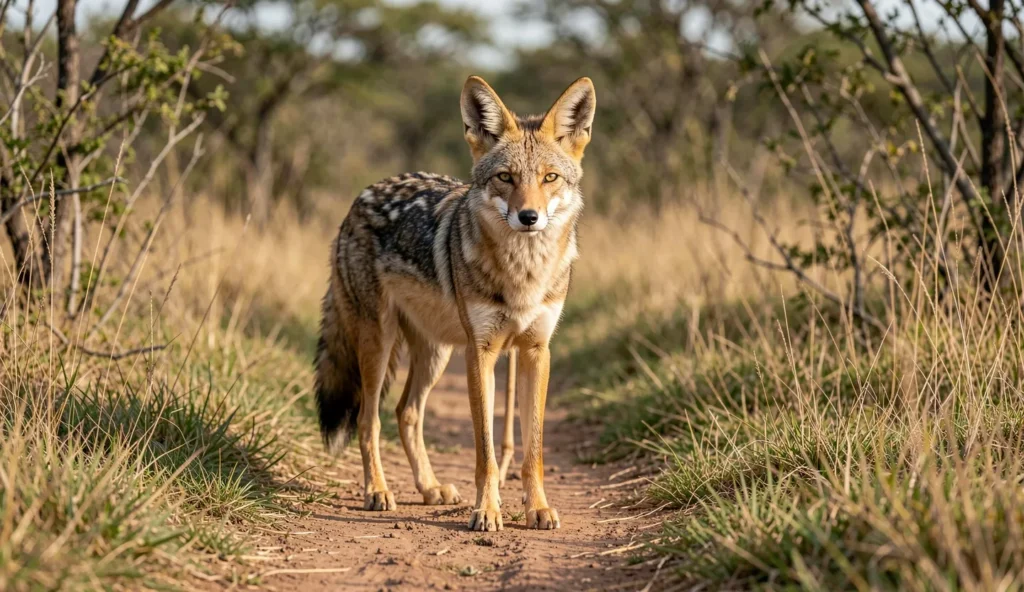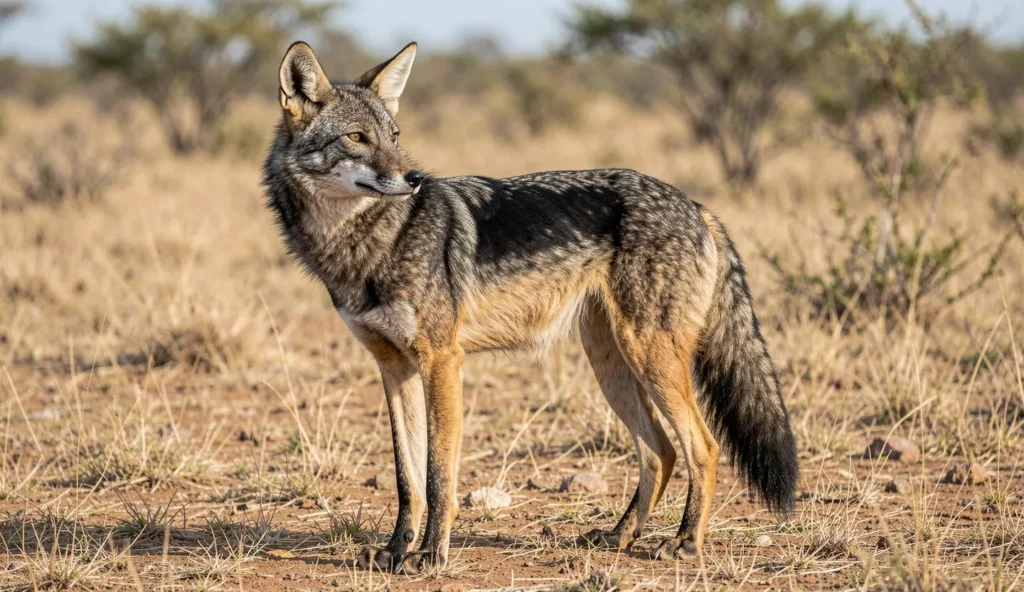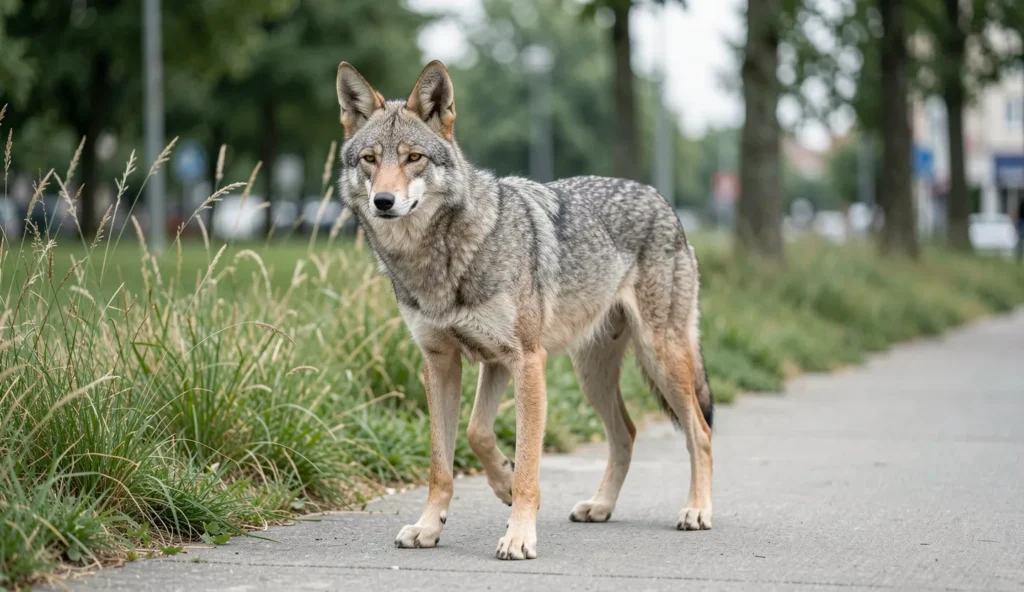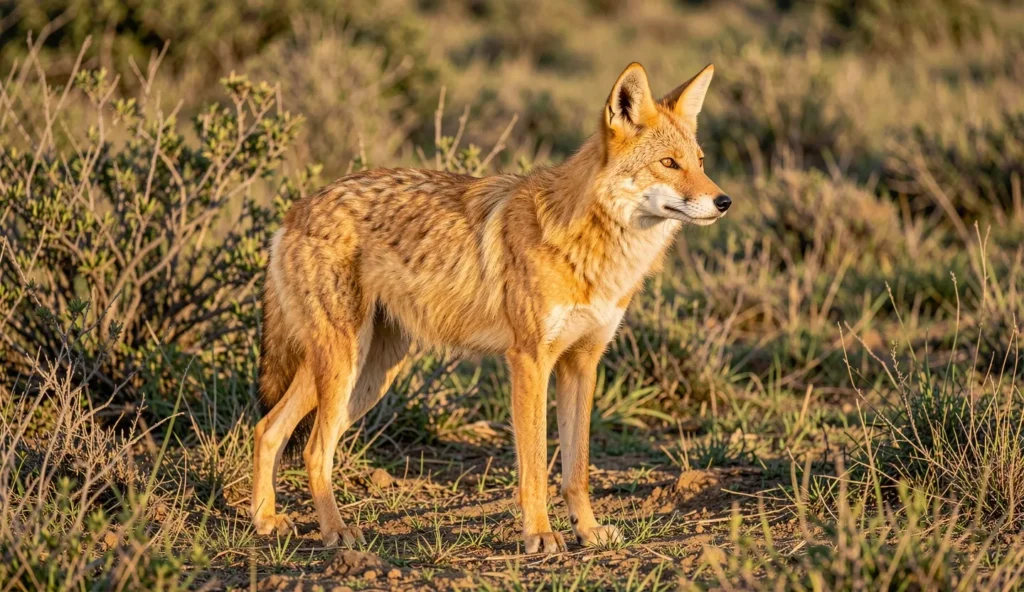
What Is the Golden Jackal And Why People Call It a Wolf Cousin
Golden jackal facts often start with the same point. The golden jackal, also called Canis aureus, belongs to the canid family and shares many traits with wolves through common ancestry. People describe it as a wolf cousin because it looks and acts like a small wolf, but it is not a wolf species.
This matters for exotic pet enthusiasts who want realistic expectations. Similar body design, scent communication, and problem-solving can overlap, yet behavior and habitat choices differ by ecosystem. With that context, the comparisons become clearer and less confusing.
Golden Jackal Basics And Scientific Name
The golden jackal scientific name is Canis aureus. It also gets used alongside common names such as “golden jackal” and “Asian jackal,” depending on region. The label “wolf cousin” comes from everyday observation of size, coat tone, and canid-like movement.
Like other canids, this animal fits the same general framework of jaws built for both meat processing and omnivory. That canids share a flexible feeding style is one reason the comparison keeps appearing. Still, taxonomy stays distinct, and Canis aureus remains its own species.
How It Compares to Wolves And What Similarities Actually Mean
Golden jackal facts include shared canid traits such as scent marking and close-range body language. Many canids also use similar tools for hunting, including hearing and scent tracking. These overlaps can create the impression of “wolf-like” behavior, especially when animals move through open edges.
However, calling it a wolf cousin should not imply the same biology as wolves. Wolves typically rely on larger prey and different social organization, while golden jackals often use a more adaptable approach to food. Genetics and evolutionary history explain the similarity, but local environment drives many behavioral differences.
For readers comparing canid lifestyles, a broader wolf reference can help. For example, an African wolf profile can show how wolf subspecies relate to habitat demands, even though the golden jackal is not part of that wolf group.
Where Golden Jackals Live And What Their Natural Habitat Looks Like
Habitat shapes golden jackal facts more than most owners expect. The species uses a range of landscapes where cover and food opportunities overlap, including scrub, grasslands, agricultural edges, and open woodland edges. This edge-based lifestyle supports both foraging and quick escape routes.
Because conditions differ across Europe, Africa, and Asia, behavior can shift between populations. Activity timing, den use, and local diet choices follow what prey and shelter are available. That is why “one description fits all” rarely works.
Range Across Europe Africa And Asia
The golden jackal range spans parts of Europe and continues through sections of Africa and Asia. When the species gets labeled as “Asian jackal,” the term often refers to regional usage rather than a different species. Enthusiasts should treat common names as clues, not proof.
Within the range, geography influences which habitats feel safe and productive. Some areas feature more open grazing land, while others include den sites near rocky cover or dense shrubs. These differences can affect how often jackals enter human-adjacent spaces.
For comparison across similar canids that live in distinct landscapes, reading about mongolian wolf patterns can help connect habitat with daily movement. Even so, the golden jackal’s choices remain centered on Canis aureus needs.
Preferred Habitats And Why Edge Areas Matter
Golden jackals often choose habitat edges where visibility supports hunting, but cover supports escape. Typical settings include scrubby fields, grassland margins, and broken woodland with undergrowth. Agricultural areas can also work because rodents and scraps may become easier to find.
Edge travel matters for safety and efficiency. Quick movement between cover patches reduces exposure to larger predators and hunting attempts by competitors. Territory boundaries also get reinforced along travel routes, where scent marking leaves consistent signals.
In practical terms, understanding edge habitat helps owners plan for enrichment ideas. Scent-driven exploration and safe retreat areas reflect how the animal thinks in the wild. If an enclosure removes both, stress can rise.
Climate And Seasonal Behavior Shifts
Seasonal changes influence golden jackal facts in a direct way. When prey becomes scarce or harder to find, foraging expands toward scavenging and broader omnivory. Weather also affects which hours the animal selects for movement and den visits.
Cold or harsh periods can shift activity toward milder daylight windows. During hotter times, activity often compresses into cooler mornings and evenings. Breeding seasons can also change priorities, since adults must balance feeding needs with den defense.
For readers who want a wolf-based climate comparison, arctic wolf adaptations shows how extreme weather drives behavior and body needs. That insight can help frame why seasonal shifts happen, even when the animal is not a wolf.
What Golden Jackals Eat And How Their Feeding Strategy Works
Golden jackal facts about diet show strong flexibility. The species is omnivorous, but food choices still follow what is easiest to catch or find locally. In the wild, this flexibility supports survival through seasonal food swings.
Diet planning becomes a central welfare issue for exotic pet enthusiasts. Feeding a varied routine based on animal needs matters more than copying a single “wild diet” snapshot. When local prey densities shift, feeding patterns shift too.
Omnivorous Canid Diet Types
Common food categories include small mammals, birds, carrion, insects, and plant matter. Scavenging often fits alongside active hunting, especially when prey becomes less available. Plant foods can contribute calories and water, depending on season and habitat.
In human-influenced areas, opportunism may increase. That does not mean the animal “only eats scraps,” but it can use human-adjacent opportunities if they appear. This is one reason accurate feeding plans require vet support and consistent nutrition.
Hunting Techniques And Foraging Patterns
Golden jackals use a mix of stalking, pouncing, and short pursuits based on prey type. Scent and hearing guide search behavior, while quick bursts support captures. When food hides in cover, the animal often travels along scent cues instead of randomly roaming.
Foraging can also follow efficient routes. Travel paths may connect den areas to repeated feeding zones, especially when adults return to raise pups. Over time, the animal learns which places reliably produce food.
That learning connects to enrichment needs in captivity. Owners should think in terms of scent puzzles and controlled foraging rather than offering a single bowl meal. If enrichment lacks variety, boredom-related stress can appear as restlessness.
How Diet Changes With Season And Region
During winter or dry periods, hunting success can drop when prey becomes thinner. Golden jackals can respond by increasing scavenging and expanding use of insects and plant items. Breeding season then pushes energy needs higher, so feeding usually intensifies when pups demand more.
Local prey density also affects body condition. In areas where small mammals are abundant, the animal can maintain a stable feeding rhythm. Where prey densities fall, omnivory becomes more obvious in daily intake.
For enthusiasts who want a broader look at how canids adapt to colder regions, mackenzie valley wolf temperament and size comparisons can help connect diet with climate pressures. The golden jackal remains distinct, but the ecological logic stays similar.
How Golden Jackals Behave In The Wild
Behavior drives golden jackal facts just as much as diet and habitat. In the wild, the species can appear cautious and observant, especially near open ground. Daily rhythms also shift based on temperature, human activity, and predator pressure.
For exotic pet enthusiasts, understanding natural behavior helps set better expectations for handling and enrichment. Canids that rely on scent and rapid assessment can react strongly to unfamiliar cues. That does not make the animal automatically aggressive, but it makes stress prevention crucial.
Daily Activity Timing And Whether They Are Nocturnal
Golden jackals often show crepuscular or variable activity, meaning activity peaks around dawn and dusk. In areas with heavy human disturbance, activity can shift toward more nighttime hours. Timing changes also follow prey availability and safety needs.
Humans and predators influence which hours feel safest. When threats increase, animals may reduce visible daytime movement and keep travel closer to cover. Den care also shapes activity patterns because adults must return regularly.
Social Structure And Family Dynamics
Golden jackals commonly breed as pairs, then raise pups within a family structure. Group size can vary, with some situations showing more tolerance between related animals. In many areas, individuals may act more solitary outside breeding or food-rich conditions.
Territorial behavior matters, even when ranges overlap. The species can mark boundaries using scent and repeated route visits. Overlap zones may exist where food allows reduced conflict, but tension can rise when resources tighten.
Communication Through Scent Calls And Body Language
Scent marking supports communication about territory, mating readiness, and individual presence. Marking can include scrapes, urine scent cues, and repeated travel points. These signals reduce direct conflict by clarifying who belongs where.
Vocalizations also support communication, especially during mating activity and territorial moments. Body language typically includes tail positioning, ear angle, and posture changes. When stress grows, posture often becomes tighter, and stillness can replace relaxed movement.
Intelligence And Problem Solving In Natural Settings
Golden jackals can solve foraging challenges because learning helps them find consistent food sources. Environmental complexity affects how often they need to adapt, such as when cover changes or prey migrates. Foraging experience can also improve how efficiently they use scent cues.
In captivity, intelligence shows up through behavior choices. If routines become predictable and enrichment stays minimal, the animal may develop problem behaviors like escape attempts or persistent vocalization. With structured enrichment, problem-solving can shift toward safe activities.
To connect this to other wolf cousins, an overview of altai wolf ecology can show how canids use learning to manage terrain and resources. This supports broader understanding, even though Canis aureus has its own natural pattern.
Breeding And Reproduction Facts You Should Know
Breeding helps explain many golden jackal facts about family life. Mating and denning follow seasonal patterns, but the exact timing varies by region and local climate. Pair bonding typically supports cooperative den tending during the pup stage.
For enthusiasts, reproduction knowledge supports better planning for welfare risks. Adults can become more protective, and stress can increase around den-related behavior. Understanding pup development also clarifies how quickly risk-taking may rise.
Mating Season Timing And Pair Bonding
Breeding often occurs during periods that support pup survival, which commonly aligns with warmer months and higher food availability. Pair behavior may include cooperative movement and closer association around den sites. Because Canis aureus exists across varied climates, the breeding window can shift.
During pairing and early reproduction, adults may spend more time near chosen den areas. This increased focus can reduce tolerance for disturbances. Even outside the den, vocal and scent communication can increase to strengthen pair coordination.
Gestation And What Happens During Denning
Gestation runs for a relatively defined period typical of small-to-medium canids. After birth, den sites become central for protection, and adults may alter their movement to keep pups hidden. Mother care drives early survival, while fathers or other nearby adults may contribute by assisting with defense and food delivery.
Den selection often considers cover, drainage, and distance from regular travel routes. Pups can be vulnerable at first, so adult behavior typically becomes more cautious. As pups grow, the den role gradually shifts toward guided exploration.
Pup Development Weaning And Learning To Hunt
Pup development proceeds through stages from birth to weaning, then into more independent foraging. Early on, pups rely on milk and close protection, with adults handling most hunting. Later, pups begin short exploration and learn by observing adult foraging.
Learning then becomes tied to movement and risk management. As juveniles grow, they practice chasing and responding to scent cues. That shift can increase activity and also increase how carefully owners must supervise handling in captivity.
Golden Jackal Appearance And Physical Traits
Golden jackal facts about appearance help with identification and practical husbandry planning. The coat tone typically ranges from golden to tan shades, but regional variation and seasonal shedding can change the look. These visual shifts can also affect how owners perceive body condition.
Physical proportions support endurance and agility, which matters for enrichment design. Strong hearing and scent sensitivity also shape how the animal reacts to noise and odor cues. When owners understand these traits, stress management becomes more realistic.
Coat Color And Seasonal Changes
Coat color can look golden, sandy, or more muted tan depending on region, season, and lighting. Seasonal coat change and shedding can make the animal appear lighter or darker at different times. Indoor viewing conditions can also distort perceived color compared with outdoor light.
Shedding often requires attention to comfort and hygiene, especially in warm indoor climates. Grooming context depends on coat thickness and shedding patterns. Owners should plan consistent observation rather than reacting only when the coat changes sharply.
Size Proportions And How Body Build Affects Movement
Golden jackals typically fall into a medium-sized canid range, with a body shape built for quick runs and agile turns. Leg and torso proportions support movement that looks smooth rather than heavy. That build helps the animal travel between cover patches and chase smaller prey.
Endurance also matters because foraging can take place over repeated short intervals. Instead of one long chase, the animal may run, stop, and reassess using scent. In enclosure terms, movement opportunities and safe traction surfaces support welfare.
Senses And Hearing Scent And Vision
Sharp hearing and strong scent detection support hunting and early threat awareness. The animal may respond strongly to sudden noise or new odors because those cues guide assessment. Vision helps with scanning open areas, while scent pulls attention toward hidden food sources.
Handling considerations follow from this sensory profile. Calm environments with predictable routines reduce startle responses. When unfamiliar stimuli enter, stress signals may appear quickly.
Are Golden Jackals Dangerous And How They Tend To React
Safety is a major factor in golden jackal facts for exotic pet enthusiasts. The species may show predatory instincts toward small animals and can react defensively when cornered or overwhelmed. Rather than focusing on sensational claims, behavior drivers explain most real risks.
Stress management and enclosure design typically prevent the worst outcomes. Canids can also vary between individuals, so one temperament label rarely fits all. Owners should treat unpredictability as a baseline risk that must be managed continuously.
Common Stress Signals In Canids And What To Watch For
Stress signals may include pacing, stiff body posture, ear flattening, and prolonged hard staring. Tail position changes can also show tension or uncertainty. When handling starts before the animal feels safe, stress often escalates within minutes.
Because scent and hearing guide how quickly the animal registers threats, new smells and loud noises can raise alertness. Owners should watch for repeated stress patterns across days, not only during one interaction. Early response helps prevent a cycle of fear and defensive behavior.
- Pacing along enclosure edges when no exploration is possible
- Flattened ears and fixed stare during approach attempts
- Tension in the body followed by sudden retreat
- Repeated vocalizations that increase after handling starts
Prey Drive And How That Affects Coexistence
Golden jackals have predatory instincts that can target small animals such as rodents, birds, and rabbits. Coexistence often fails when owners assume “pet compatibility” without strict separation and supervision. Feeding schedules alone rarely remove prey drive because hunting behavior can trigger during movement and scent cues.
Management strategies should reduce opportunity rather than promise safety. Secure enclosure design, controlled introductions, and species-appropriate housing matter. Owners should also treat any small pet as vulnerable until compatibility is proven under strict oversight.
Territorial And Vocal Tendencies
Territorial behavior often appears as boundary pacing, scent marking, and vocal cues. Activity can intensify during breeding season when adults protect mates and den areas. Even without breeding, the animal may respond to perceived intrusions near fence lines.
Vocal patterns may change based on environment, including how sound carries across open ground. If the animal learns that barking or calling brings responses, vocalization may increase. Enclosure placement and routine predictability help reduce these reinforcing loops.
Handling Boundaries And Why Wolf Cousin Behavior Can Be Unpredictable
Canid intelligence can make training complex because the animal may learn patterns quickly. Some individuals respond well to routine cues, while others remain wary if routines change. Variability means that tameness can shift depending on environment, sound levels, and handling technique.
Unpredictability also comes from how instincts compete with learning. Even well-trained animals can react during high arousal events like food discovery or sudden noise. Experienced oversight and conservative handling boundaries reduce risk and protect welfare.
For a broader reference on how canids react to safety challenges, reading about hudson bay wolf can illustrate how environment and adaptation shape behavior. The golden jackal’s reactions still reflect Canis aureus instincts.
Can You Keep a Golden Jackal As a Pet What Enthusiasts Need To Consider
Golden jackal facts become practical only when legal and welfare requirements align. Keeping Canis aureus as an exotic pet can carry strict regulations depending on location. Even where it is legal, ethical sourcing and specialized care planning matter.
Owners should plan for enclosure security, dietary accuracy, and veterinary support before any acquisition. When these systems fail, stress and health problems can follow quickly. This section focuses on constraints rather than hopes.
Legal Restrictions And Responsible Sourcing
Before acquisition, local wildlife and exotic pet laws require verification. Many regions require permits, inspections, or specific housing standards. Responsible sourcing also matters because wild-captured animals can suffer injuries and long-term stress.
Permits can affect who may possess the animal and under what conditions. Documentation and inspections may also impact day-to-day flexibility. A responsible plan starts with checking rules before any purchase or transfer.
Housing Requirements And Enclosure Security
Enclosure security must prevent escapes and protect the animal from hazards. Secure fencing and barriers should address climbing, digging, and pushing behaviors. Because canids can test weak points repeatedly, the design needs redundancy and inspection routines.
Weather protection helps maintain comfort, including shade and safe resting spaces. Digging behavior requires protected ground plans and floor barriers if needed. Barrier planning also needs to account for how scent travels near fences, since border aggression can spike.
Diet Planning With Veterinary Input
Diet planning should support balanced nutrition across life stages, not only short-term appetite. Table scraps and unbalanced raw items can lead to mineral and vitamin imbalances. A qualified exotics veterinarian should guide feeding amounts and food composition.
Because the species is omnivorous, owners may be tempted to overuse meat or underuse plant matter. Proper planning balances protein needs with other nutrients. Routine weight checks help catch changes before they become health issues.
Training Enrichment And Mental Stimulation Needs
Training goals should work with instinct rather than attempting imitation-based trick routines. Recall cues and calm handling responses reduce risk when the animal becomes alert or excited. Punishment can worsen stress and reactivity, so positive reinforcement methods tend to fit better.
Enrichment should support scent exploration and natural foraging style behavior. Scatter feeding in safe zones or puzzle-based scent work can reduce boredom-related pacing. Consistent structure matters because unpredictable schedules can increase anxiety.
Health Considerations And When To Seek An Exotics Vet
General canid health monitoring themes include appetite consistency, coat condition, breathing patterns, and energy level. Early warning signs can include sudden lethargy, abnormal breathing, and changes in stool. Owners should not wait for a crisis when subtle changes appear.
Veterinary planning should cover routine exams and preventive recommendations. When diet changes, new stress triggers, or environment updates occur, a vet review helps maintain stability. This approach reduces avoidable emergencies.
Golden Jackal Vs Other Jackals And How They Fit In The Canid Family
Golden jackal facts can get mixed with other species because common names shift by region. Asian jackal labeling sometimes appears in pet trade conversations, which can blur what buyers think they are getting. Correct identification matters for care, temperament expectations, and legal classification.
Taxonomy and scientific naming reduce mistakes. The golden jackal’s scientific name, Canis aureus, helps verify identity when sellers use vague descriptions. This reduces the risk of poor care based on incorrect assumptions.
How Asian Jackal Labeling Causes Confusion
Regional naming can blur species identity because the phrase “Asian jackal” can be used loosely in some discussions. People may refer to multiple canid types when they use the label in casual speech. Enthusiasts should confirm the scientific name and documented species source.
Vague common names can hide important differences in behavior, needs, and legal requirements. For example, a listing might describe “jackal-like” traits without clarifying Canis aureus specifically. That gap affects diet formulation and enrichment planning.
When evaluating canid species identity, comparing with known profiles can help. Reading about Pakistani Wolf can demonstrate how canids get grouped differently by region, even when names sound similar. That learning supports careful verification for golden jackal facts.
Key Differences That Matter For Care And Behavior
Care differences often show up in size, habitat preferences, and likely activity patterns. Some canids tolerate human proximity more easily, while others stay wary and alert. Temperament varies between species and between individuals, so identification remains a foundation for planning.
Accurate identification also changes expectations for diet and enrichment. Species with different prey strategies may respond differently to foraging tasks and scent work. Legal classification can also depend on correct species naming, which makes verification essential.
Turning Golden Jackal Facts Into Better Care For Exotic Enthusiasts
Golden jackal facts become useful when translated into measurable husbandry choices. Owners should focus on behavior support, secure safety systems, and health monitoring. Natural behavior needs to be supported, not forced into unrealistic routines.
Because the animal is a wolf cousin, instincts may show up in surprising ways. That does not mean the animal will always behave like a wolf, but it does mean canid-driven reactions can happen fast. A structured plan helps keep welfare stable.
Create An Environment That Supports Natural Behaviors
Environment design should use habitat-based thinking for both resting cover and open space. Rest areas need protection from stressors like constant foot traffic or loud background noise. Open space supports movement and scent exploration, which can reduce boredom and repetitive pacing.
Escape prevention must remain central. The enclosure should include climb-resistant barriers, dig control, and a routine inspection schedule. Predictable routines reduce stress because scent and sound cues become familiar over time.
Use Training Goals Built Around Instinct Not Imitation
Training can focus on recall, calm handling cues, and controlled transitions between spaces. Instinct-driven behaviors like foraging can be redirected into safe enrichment tasks instead of punished. Punishment can increase fear and worsen reactivity, especially in a scent-driven animal.
Experienced trainers familiar with canid learning can help build safe routines. Even with good training, the animal may react to sudden stimuli, so safety protocols should stay in place. Training should reduce risk, not eliminate all uncertainty.
Measure Welfare Through Behavior And Health Indicators
Welfare tracking should include appetite, activity level, coat condition, and stress signals. Routine observations help owners detect early changes before they become serious problems. When appetite drops or breathing becomes abnormal, veterinary support should be sought promptly.
Routine veterinary checkups and husbandry reviews support long-term stability. Feeding accuracy and enrichment variety can reduce health strain and behavioral stress. This approach keeps golden jackal facts connected to daily care, not just knowledge.
Frequently Asked Questions
Are Golden Jackals Actually Wolves Or Just Related?
Golden jackals are canids closely related to wolves, but they are not wolf species and remain Canis aureus.
What Do Golden Jackals Eat In The Wild And How Flexible Is Their Diet?
They eat small mammals, birds, insects, carrion, and plant matter, and their choices shift with season and local prey density.
How Can You Tell A Golden Jackal From Other Jackals By Appearance?
Coat tones and body proportions provide clues, but regional variation and lighting can confuse identification.
Do Golden Jackals Live In Packs Or In Pairs?
They often breed as pairs with family-based denning, while group behavior varies by conditions and individual tolerance.
Is It Legal To Keep A Golden Jackal As An Exotic Pet Where I Live?
Legality depends on local wildlife and exotic pet laws, so permits and sourcing rules must be checked before acquiring one.
What Are The Biggest Welfare And Safety Risks For Golden Jackal Owners?
The main risks include escape potential, prey-driven aggression toward small animals, and stress from inadequate enclosure or veterinary support.
A Few Final Notes For Responsible Care
Golden jackal facts show a flexible, scent-driven canid that needs planning for safety, nutrition, and stress control. Responsible ownership depends on preparation and ongoing veterinary guidance.