What Is A Mackenzie Valley Wolf?
The mackenzie valley wolf is a North American wolf type linked to the Mackenzie River region and surrounding northern habitats. This wolf group is often discussed in the context of Canis lupus occidentalis and related regional labels. In practice, the name helps people describe likely size, coat style, and typical wild behavior patterns in that northern landscape.
Because wolves vary across regions, the term does not mean domestication or a single fixed set of traits. Instead, it reflects how geography, prey availability, and seasonal conditions shape body condition and behavior. Those factors also explain why many enthusiasts compare this wolf group with other large, northern wolves.
Where This Wolf Lives
This wolf type is associated with cold climates across Canada’s Mackenzie River region. It also appears in the broader northern areas where similar weather and habitat structure exist. Many discussions place these wolves alongside western and northwestern wolf populations because of shared ecological conditions.
For people studying wolf distribution, the key point is that territory scale matters. Wolves travel widely to find prey, and they adjust movement when snow cover and prey behavior change. As a result, habitat selection often stays tied to food access.
How It Fits Into Wolf Subspecies
The mackenzie valley wolf is commonly linked to Canis lupus occidentalis. Regional traits can still vary within this larger grouping, so individuals may look and act slightly differently from place to place. Subspecies labels reflect geography and classification, not domestication or tameness.
Some enthusiasts also connect this wolf group to the idea of a largest wolf within certain regional comparisons. When people say largest wolf, they usually mean body mass and overall size trends seen in northern populations. Those trends can be influenced by genetics, prey type, and seasonal energy needs.
Key Traits People Notice
The most visible trait is size compared with many other wolf populations. A thick coat also stands out, since cold temperatures reward insulation. Along with appearance, the mackenzie valley wolf shows strong pack behavior and coordinated hunting habits.
Predatory hunting style often appears as patient tracking, followed by coordinated pursuit when the opportunity fits. Wolves also use vocalizations and scent marking as communication tools. These behaviors help maintain pack roles and territory boundaries.
Mackenzie Valley Wolf Appearance And Physical Features
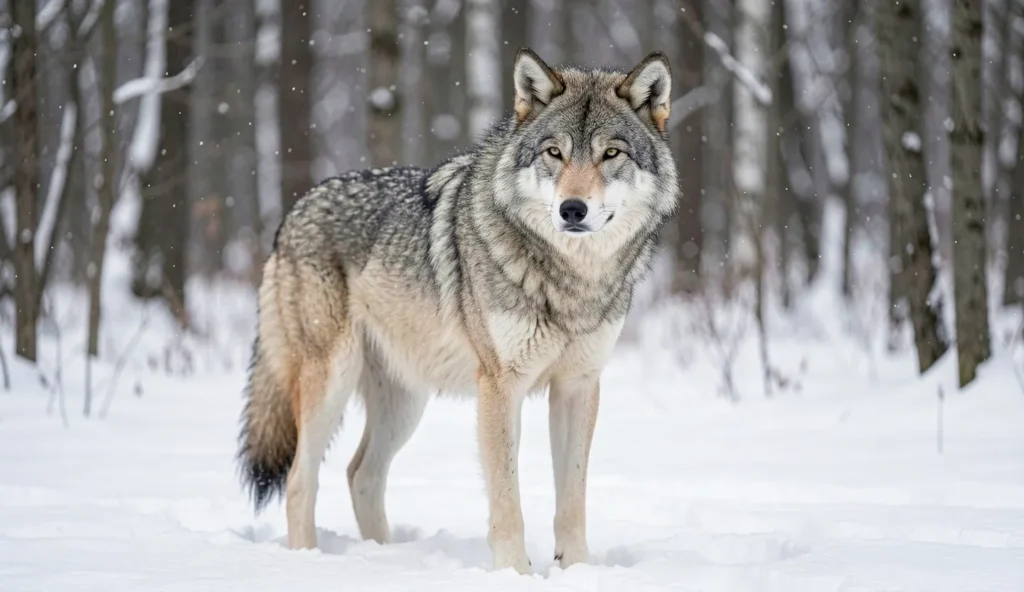
Appearance varies, but the mackenzie valley wolf is often described as one of the largest wolf types in its general northern grouping. Body size, coat thickness, and build usually reflect the demands of long-distance travel and winter survival. Canis lupus occidentalis is frequently referenced in discussions about regional size and physical traits.
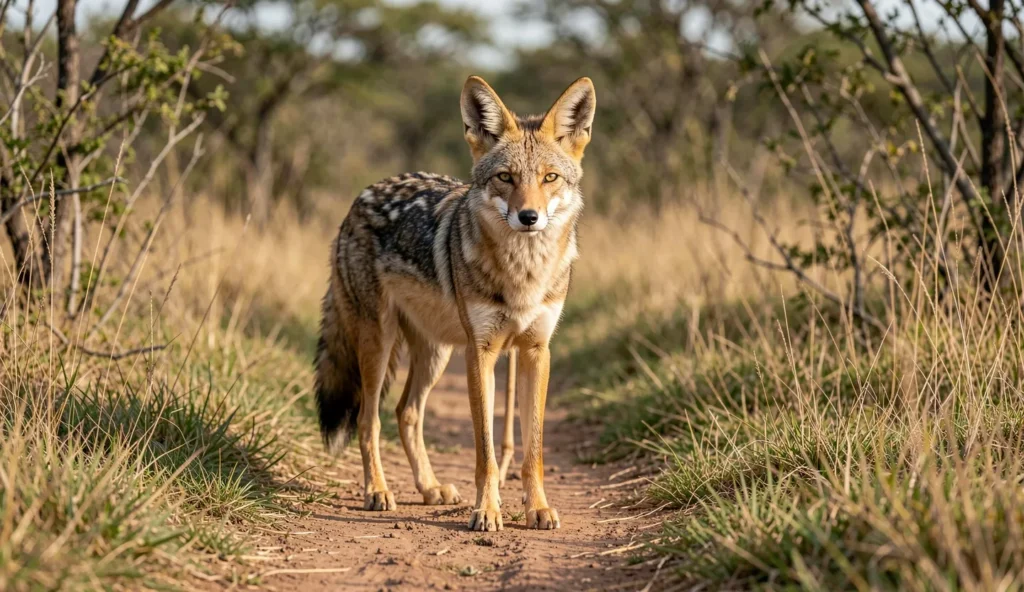
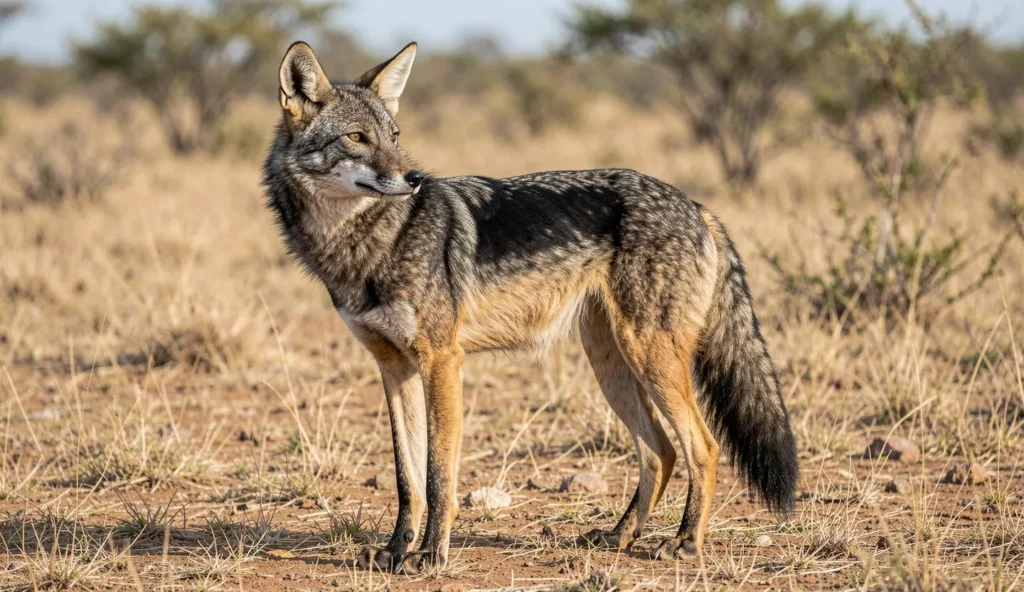
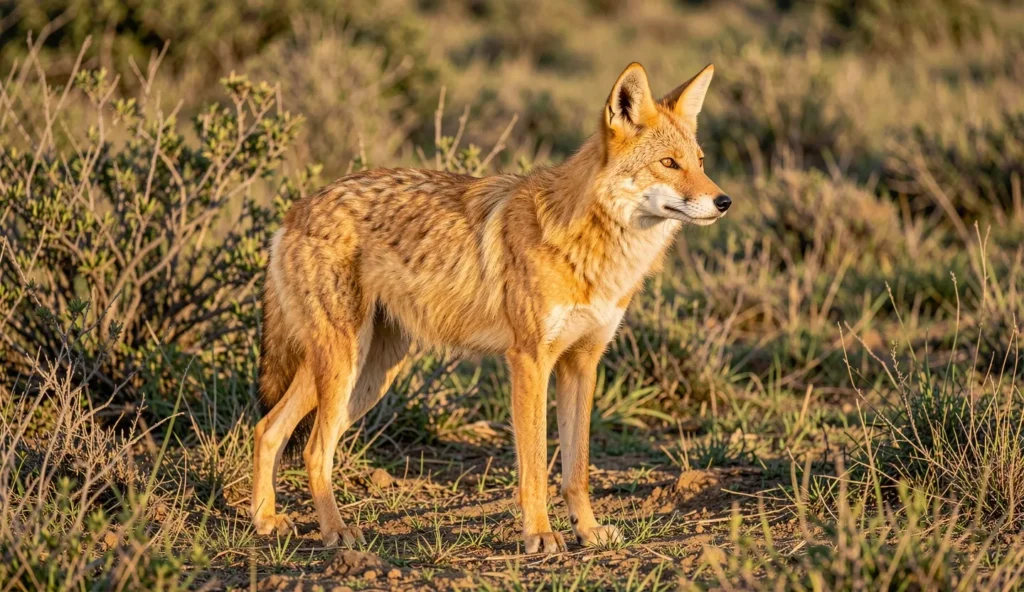
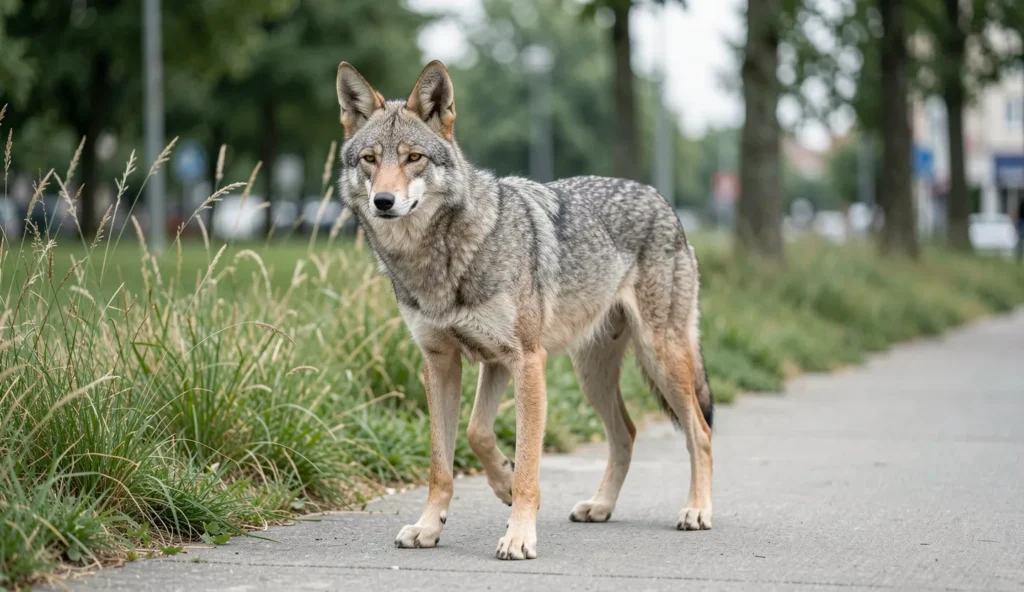
Instead of focusing on a single color, it helps to recognize that coat pattern and shade can shift between individuals. Some wolves show darker gray or brownish gray tones, while others have lighter underparts. Over time, seasonal coat changes also shape how large a wolf looks.
Typical Size And Weight Range
In many regional descriptions, males tend to be heavier than females. Weight can vary by season, prey availability, and age, especially when winter food is limited. During harder months, wolves may look leaner even when they remain strong and mobile.
Within the broader comparisons that mention the largest wolf, northern animals often rank high because body condition supports hunting in cold weather. However, size alone never predicts exact temperament or behavior. It only provides a starting point for understanding physical capability.
Coat Color And Pattern Variations
Common colors include gray, dark gray, and brownish gray. Some individuals show lighter underparts, which can create a striped or two-tone look in certain lighting. Coat thickness usually increases during colder months, which supports warmth and energy efficiency.
Because coat texture changes with seasonal shedding, a wolf may appear bulkier in winter. This seasonal shift can also affect how people estimate body size from photos. For accurate comparisons, looking at seasonal timing helps.
Build And Face Features
The build typically supports strong, long-distance travel across snow and uneven terrain. A broad chest helps sustain running during pursuit and makes the body look powerful at rest and in motion. Facial markings can vary, and those differences often support individual recognition within packs.
Observers sometimes note an alert posture and steady gaze, which fits a predator that must monitor territory and prey movement. Still, wolves do not show a single facial “signature” that separates them from every other wolf type. That is why regional behavior and habitat context matter.
What Temperament Does A Mackenzie Valley Wolf Have?
Temperament in the mackenzie valley wolf is shaped by wild pack life, hunting experience, and survival pressures. In general, wild wolves avoid close human contact, even when they appear near roads or settlements. Their reactions usually depend on distance, scent cues, and whether food or safety feels threatened.
Although enthusiasts often compare wolf types, size differences do not guarantee temperament differences. Hunger, stress, and past experiences can change responses even within the same region. This is why behavior should always be understood as flexible rather than predictable.
Pack Behavior And Social Structure
The pack forms a family structure where cooperative hunting and shared care help the group succeed. Pack roles can change with seasons, breeding status, and which wolves are raising pups. Communication relies on body language, scent marking, and vocalizations that carry across the landscape.
When packs coordinate, movement often looks deliberate, not random. That coordination helps the pack manage risk and improve hunting success. It also explains why wolves typically travel in patterns rather than roaming randomly.
Hunting Drive And Predatory Instincts
The hunting drive comes from local food sources and long-term learning within the pack. Wolves coordinate hunting based on cues from experienced members and on how prey reacts in that season. Activity patterns can track where prey moves through territory.
In many cases, the pack’s patience matters as much as speed. Wolves may pause, track, and reposition before a pursuit attempt. This approach supports energy control and reduces injuries during cold weather movement.
Reactivity To People And Other Animals
Wild wolves generally avoid close human contact, especially when they can retreat. If a wolf feels trapped or threatened, defensive behaviors can occur, including retreat or aggression depending on circumstances. Risk behavior increases when hunger rises, stress grows, or wolves become habituated to human presence.
Other animals in the area also shape reactivity. Wolves respond to competitor species, prey behavior, and even local scavenger activity. These dynamics can make behavior look different on separate days.
Daily Activity And Energy Needs
Daily activity often includes long-distance walking and periods of tracking. Travel tends to connect with prey movement and territory boundaries. Rest periods frequently appear between active pursuit phases.
Energy needs rise when snow depth and weather force more effort to move and conserve heat. In that situation, wolves may hunt more during times when prey is most vulnerable. Seasonal changes also influence denning and pup rearing.
Exercise And Activity Needs For A Large Wolf Subspecies
Understanding movement needs helps explain why the mackenzie valley wolf cannot be compared to a typical household pet. In the wild, wolves cover large distances daily or nearly daily, depending on prey and weather. This movement keeps the wolf efficient at finding food and maintaining territory boundaries.
Trying to replace those needs through confinement usually fails to mimic natural travel and social coordination. For that reason, activity needs should be interpreted as a welfare and safety topic for wolf enthusiasts, not a guide for keeping wolves.
What Adequate Space Means
Large home ranges are normal for wolves in northern regions. Territory size depends on prey density, which can change across seasons. Confinement cannot replicate the movement patterns required for scouting, tracking, and pack coordination.
In practice, wolves behave differently when they cannot roam and use scent trails normally. Even experienced caretakers struggle to meet those needs. That limitation is one major reason why keeping wolves is heavily regulated in many places.
Natural Types Of Movement
Wolves often move on established routes and along scent trails that lead to prey or communicate territory. Patrolling and searching can occur during cold conditions when visibility and wind direction shape scent travel. During pursuit phases, wolves sprint in short bursts to close distance efficiently.
These movement styles require endurance, muscle strength, and careful pacing. Winter footing also changes how wolves travel, so the body adapts to snow structure and ice. That is why regional winter conditions matter when discussing the largest wolf comparisons.
Seasonal Changes In Activity
Winter can increase energy demands because snow depth affects speed and comfort. Spring and summer may shift hunting patterns, denning timing, and pack movement focus. Pack age and breeding status also influence how often wolves travel and how long they remain active.
When pups are present, adults often adjust routes to support feeding and protection. At the same time, food access changes as prey behavior shifts through the year. These seasonal rhythms shape what enthusiasts observe in wolf behavior.
Diet And Feeding Basics For The Mackenzie Valley Wolf
The mackenzie valley wolf relies on a diet built for high activity and cold weather survival. In the wild, nutrition comes from whole-prey consumption and opportunistic scavenging when conditions force it. Diet composition changes by season and region because prey movement and availability shift.
For enthusiasts, the most useful diet concept is that wolves do not “choose” like predators in a zoo exhibit. They respond to what the pack can access and capture safely. That response explains why growth, breeding readiness, and survival can track with food availability.
What It Eats In The Wild
Primary foods often include ungulates and other local prey species. When larger prey becomes scarce, smaller prey may support the pack temporarily. Seasonal movement can also change which animals become easiest to catch.
In many northern areas, prey availability can become uneven during winter storms or when snow compresses access routes. Wolves often adjust by increasing travel time or shifting hunting times. That adaptability helps explain how northern wolves maintain body condition.
Hunting Strategy And Food Availability
Pack hunting increases success for larger prey and can reduce individual risk during a kill. Wolves may also scavenge opportunistically to supplement calories during hard periods. Energy intake then influences growth in pups, breeding success, and adult survival through winter.
Even when a wolf group performs coordinated hunting well, a lack of prey still causes stress. That stress can show up as altered movement and reactivity patterns. It can also increase competition with other predators.
Nutrition Factors That Affect Health
Protein and fat needs generally rise in line with high activity levels and cold survival demands. Minerals depend on whole-prey consumption, since bones and organs supply key nutrients. Parasite pressure can vary based on prey type and the region’s parasite cycle.
These health-linked nutrition factors help explain why wolves typically benefit from stable prey access. When food stress rises, body condition can decline even in strong animals. That decline can later increase vulnerability to illness.
Common Health Issues And Safety Considerations
Wild wolves face health risks that come from parasites, infections, injury, and the stress of food and weather. For enthusiasts, the value lies in recognizing patterns rather than trying to “diagnose” from a distance. The mackenzie valley wolf may show signs related to nutrition stress and winter exposure like other northern wolf types.
Safety also matters, because observing wolves too closely can create unsafe situations for people and animals. Respecting distance and following local regulations remains essential.
Common Diseases And Parasites
Worms and external parasites can affect coat condition and overall body health. Viral and bacterial illnesses can occur within wild populations, especially when stress lowers immunity. Stress and poor nutrition can also increase susceptibility to illness.
Because parasites travel through prey and habitat routes, regional patterns can differ. For example, another large wolf region may experience a distinct parasite load. Comparing general risks can be useful, such as when reading about the Gray Wolf and its broad northern ecology.
Injury Risks From Hunting And Terrain
Injuries can occur during hunting when wolves interact with strong prey or terrain obstacles. Limping and joint injuries may result from prey contact. Cold exposure can also contribute to paw tissue stress if conditions become extreme.
Overexertion can happen when wolves hunt repeatedly during food scarcity. During those periods, fatigue increases the chance of minor injuries turning into major problems. These risks matter when interpreting why wolves sometimes move differently during winter.
Environmental Challenges In Northern Regions
Harsh winters affect hydration and calorie balance, since water access can become limited. Snow and ice influence movement and footing, increasing energy costs for travel. Weather changes also affect prey behavior and access, which can indirectly impact wolf nutrition.
When storms limit prey movement, wolves may need longer searches. Longer searches increase exposure to cold and make recovery harder. In turn, these pressures can influence pack stability and breeding outcomes.
Legal And Ethical Reality For Keeping Wolves
Captive ownership is regulated in many places, and requirements vary by jurisdiction. Specialized care demands expertise and facilities designed for large, secure animals. It also matters that wild behavior cannot be fully predicted from size or temperament alone.
Ethical and legal constraints exist because wolves remain wild predators. For further understanding of wolf types and regional variation, some enthusiasts explore other wolf discussions, such as Ethiopian Wolf and Himalayan Wolf profiles, to compare how environment shapes survival strategies.
Is A Mackenzie Valley Wolf Right For You?
The mackenzie valley wolf is best approached through learning, observation, and conservation-focused education. This wolf type remains a wild, high-needs predator whose behavior depends on pack life, prey access, and terrain. Keeping such an animal typically becomes unrealistic for most people because of legal limits and welfare demands.
Still, studying the behavior can help wolf enthusiasts understand regional ecology more accurately. It also reduces the chance of misunderstandings about temperament based on size alone.
Best Reasons To Learn Instead Of Keep
Understanding wild wolves supports conservation and improves public knowledge about how ecosystems function. Viewing and research can also reduce ethical and safety risks that often appear with inappropriate handling. Many owners cannot meet the behavioral needs of a pack predator, even with strong effort.
For people drawn to the topic, learning provides a way to appreciate behavior without causing harm. It also supports better decision-making about safety and distance in the field.
Who Might Be Qualified For Serious Wolf Welfare Work
Serious wolf welfare work usually belongs to licensed professionals in wildlife care settings. Trained staff with proper legal permissions can provide structured, specialized environments. Facilities designed for large, secure animals and specialist handling remain critical for welfare.
In many cases, qualified care teams also coordinate with legal authorities and veterinary resources. That structure better supports health monitoring and reduces stress-related problems. For a broader view of northern dog-like working traits, some readers may compare wolf-influenced working behavior in King Shepherd care guides.
A Final Word On Understanding The Mackenzie Valley Wolf
Respecting natural behavior and regional differences helps place the mackenzie valley wolf in the correct ecological context. Size and temperament reflect habitat, prey, and pack life, not a single “breed personality” label. Wild wolves require specialized knowledge and protections to stay safe and healthy.
Frequently Asked Questions
What Makes The Mackenzie Valley Wolf One Of The Largest Wolf Groups?
Regional ecology and prey availability can support larger body condition in northern environments. Thick coats and energy efficiency during cold months also contribute to larger size trends. Males are typically heavier than females across many wolf populations.
Is The Mackenzie Valley Wolf The Same As Canis Lupus Occidentalis?
The name is commonly used alongside Canis lupus occidentalis in wildlife discussions. Subspecies labels often reflect geography and classification differences rather than domestication. Traits can vary across local populations within the larger subspecies grouping.
How Does The Mackenzie Valley Wolf Temperament Typically Differ From Smaller Wolf Types?
Temperament mostly reflects wild pack life, learning, and local experiences rather than size alone. Hunger and stress can change how wolves respond to threats. Body size does not automatically predict temperament or aggression level.
What Prey Does The Mackenzie Valley Wolf Usually Hunt?
Large ungulates are often the main target in the wild. Seasonal changes can shift which prey species move through territory. Smaller prey and scavenging can supplement food during shortages.
What Signs Suggest A Wolf Is Being Stressed Or Food Stressed In The Wild?
Increased defensive behavior or reduced avoidance can appear when wolves feel pressured. More frequent changes in movement patterns may show up during food shortages. Weakened condition can link to limited food access and prolonged winter stress.
Final Note On Safe And Accurate Wolf Understanding
Clear, factual learning helps wolf enthusiasts interpret behavior without guessing. Wolves remain wild animals shaped by regional ecology, so safe distance and legal observation practices matter.