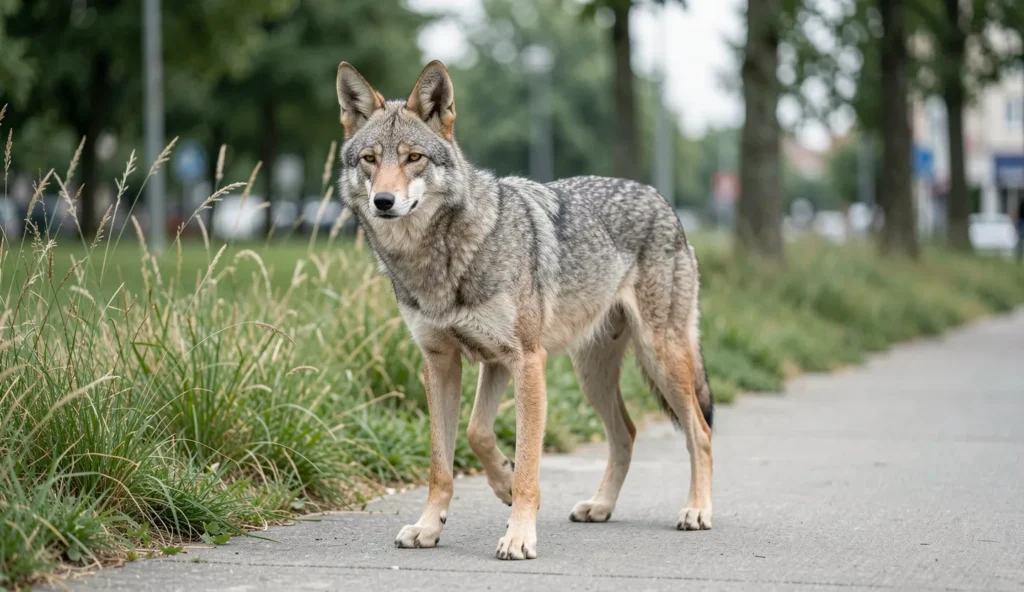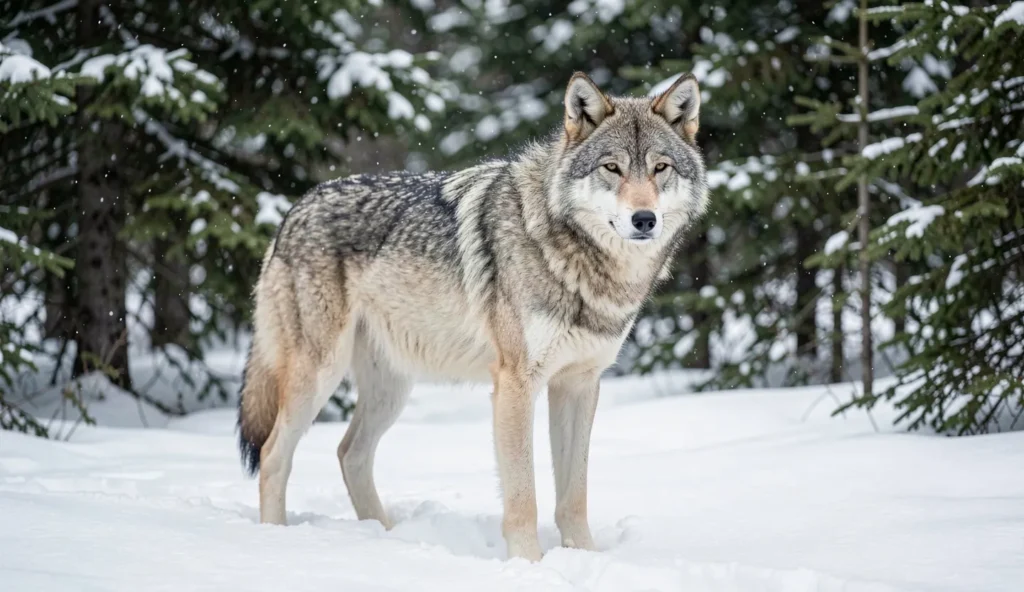
What Is A Northwestern Wolf?
The northwestern wolf refers to a commonly used wolf subspecies label in North American wildlife studies, often tied to the taxon Canis lupus occidentalis. This label shows up in field notes, museum discussions, and ecological comparisons. For research, the key value comes from consistent naming plus documented location and sampling methods.
Because naming can shift across publications, the label alone cannot define genetics or boundaries. Instead, northwestern wolf work typically pairs taxonomy references with standardized measurements and, when feasible, genetic confirmation. That approach reduces confusion when results get compared with other regional wolf populations such as Yukon wolf or interior Alaskan wolf groups.
Taxonomic Naming And Common Labels
In many research and reporting contexts, northwestern wolf gets treated as a form of wolf subspecies label associated with Canis lupus occidentalis. At the same time, field teams sometimes use shorthand terms that reflect where wolves were observed rather than strict taxonomy. That mismatch can create confusion if different naming sources get used across a study.
Yukon wolf and interior Alaskan wolf labels often appear in the same geographic reporting space. However, those labels can refer to practical regions for sampling rather than confirmed genetic units. For that reason, naming does not always line up with genetic boundaries, even when locations appear close.
To reduce ambiguity, researchers often record the naming source used for each dataset. When relevant background comparisons are needed, reading work that discusses subspecies context for other wolves can help clarify terminology, such as the distinctions described in Gray Wolf research coverage at https://www.rarepetsbreeds.com/wolf-breeds/gray-wolf/. Similar care matters when interpreting any historical naming scheme.
In addition, museum and historical records sometimes use older classifications that get updated. Therefore, the northwestern wolf label should be treated as a starting descriptor, not as final proof of population identity.
Geographic Range And Where It Is Most Often Recorded
Reports for the northwestern wolf typically cluster across Northwest regions and into interior northern areas where surveys occur regularly. Many datasets also include records near forest and taiga edges, with observations extending into transition zones toward tundra. Exact range estimates shift because sampling intensity differs by year and method.
Researchers often separate confirmed observations from historic or incidental records. Confirmed observations usually include evidence such as track and scat with accurate location data, camera detections, or genetic samples. Historic records may still help with baseline context, but they can carry uneven effort and missing metadata.
Survey methods also influence what gets detected, especially in snowy seasons. For example, aerial surveys, track transects, and camera trap grids each produce different detection probabilities. Because of that, range maps should reflect method notes, not only observation points.
Habitat zones that commonly show up with northwestern wolf detections include forest interior travel corridors and edges between cover types. River valleys and terrain features that shape movement often appear in sign records as well. When mapping, researchers usually code habitat categories consistently across sites.
How It Differs From Mackenzie Valley Wolves
When teams compare northwestern wolf results to Mackenzie Valley wolf reports, most confusion comes from naming practices and sampling design. “Mackenzie Valley wolf” often functions as a regional label in studies that used that boundary for logistics. That means the term can reflect field study geography rather than a strictly defined genetic unit.
Differences in morphology or coat traits can also appear in reports even when genetics are similar. Sampling effort and observer bias can change what gets captured, especially when a study focuses on accessible corridors. In some winters, deep snow or heavy vegetation can reduce the chance of measuring specific body conditions.
Expected patterns in morphology can vary, but comparisons work best when standardized measurement protocols get applied. Researchers typically record consistent traits, such as body size indicators, coat color description categories, and skull measurements when specimens exist. When genetic data is available, it usually provides the most defensible evidence for subspecies boundaries.
For background on how other canid populations get discussed, reading Eastern Wolf coverage at https://www.rarepetsbreeds.com/wolf-breeds/eastern-wolf/ can help show how regional labels sometimes diverge from genetics. That perspective supports better caution when Mackenzie Valley wolf comparisons rely on uncertain naming.
Ultimately, comparisons should be interpreted through the lens of study methods, sample selection, and the naming source used for each label.
Appearance And Field Identifications
Field identification for the northwestern wolf depends on careful observation and consistent documentation, not on expecting exact matches to a single look. Wolves can show wide individual variation in coat color, body condition, and age related traits. Therefore, appearance work in research often supports hypotheses rather than provides final identification.
Even when a study focuses on Canis lupus occidentalis style descriptors, researchers still treat sign and measurements as supporting evidence. This matters because overlapping traits between regional wolves can lead to overconfident conclusions when genetics is missing.
Coat Color Patterns And Seasonal Changes
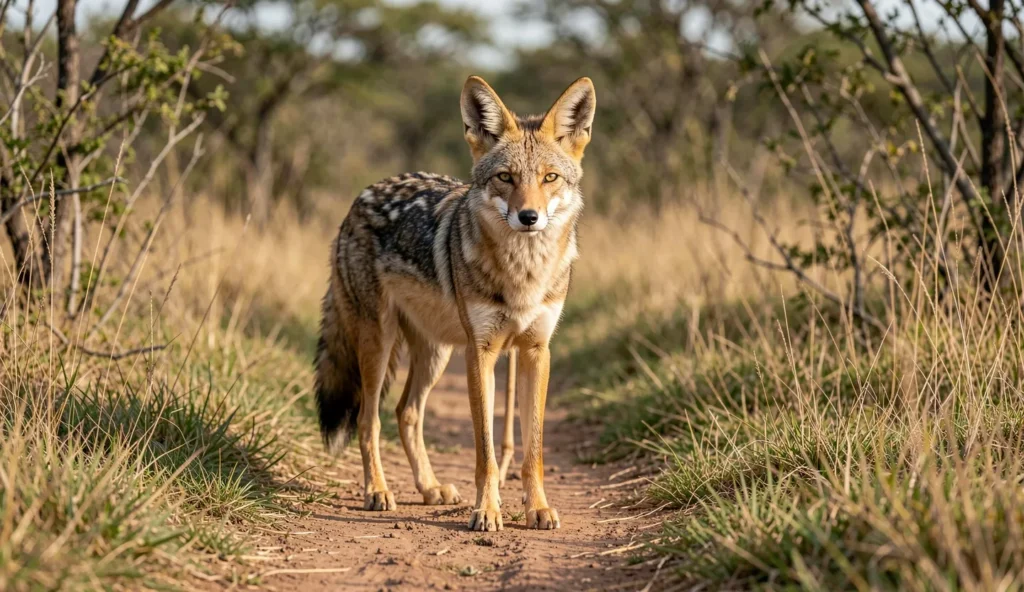
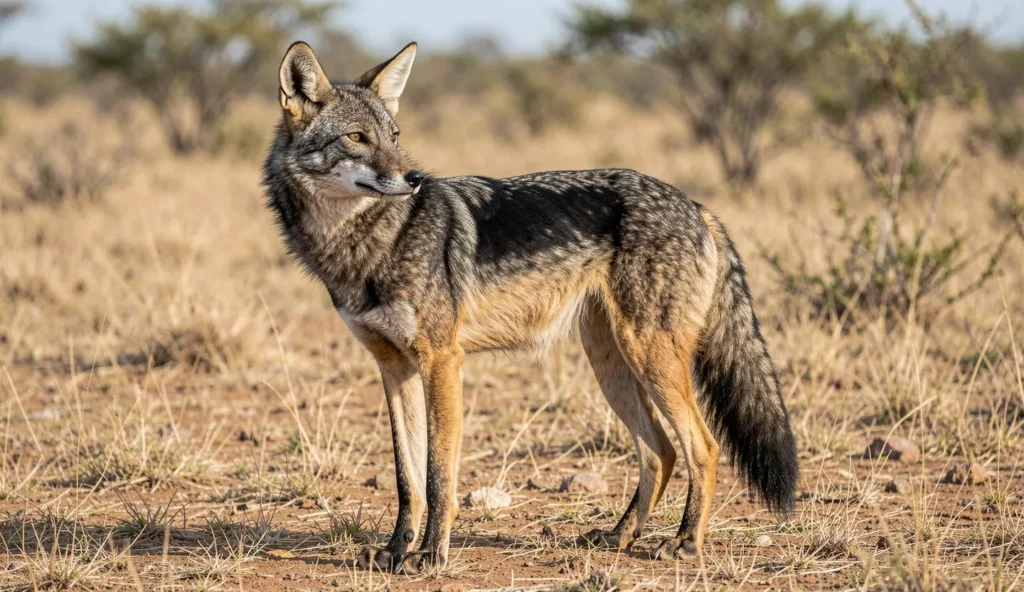
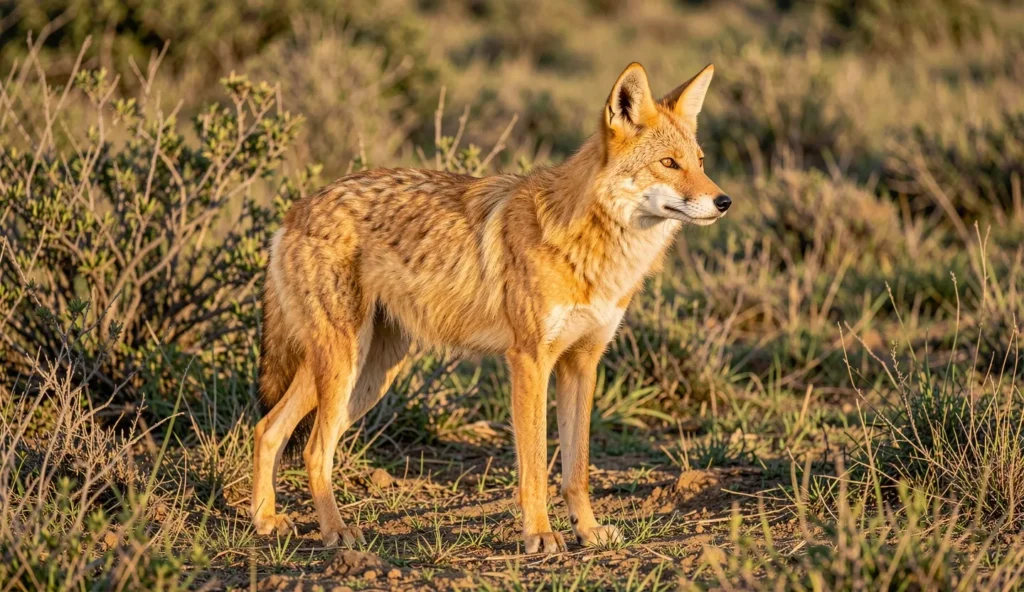
Typical coat color ranges reported for northwestern wolf include gray tones, gray-brown mixes, and occasional darker or lighter individuals. In winter, the fur often thickens, and lighter tones may become more visible in snow context. During summer, coats can appear shorter and darker as seasonal shedding changes surface color.
Individual variation can be large within the same region. That means one coat description should not be treated as a definitive identifier. Instead, researchers often record coat traits using a structured category set and note the season of observation.
To improve comparability, recording coat observations by season and lighting conditions helps. For example, dusk lighting can shift perceived tone, and wet fur can darken contrast. Standard photo documentation can also help later verification.
When investigators need broader background on coat variation across canid types, reviewing Siberian Husky context at https://www.rarepetsbreeds.com/dogs/siberian-husky/ can remind teams how similar-looking colors still reflect different genetics. That analogy supports cautious thinking in wolf appearance documentation.
In practice, the strongest use of coat information comes when it gets paired with measurement records and location metadata.
Body Size Common Ranges And Measurement Notes
Adult body size in wolf studies often gets expressed through mass ranges and body length estimates where possible. Reported ranges for northwestern wolf can vary due to sex, age, prey availability, and local environmental conditions. When prey base supports better body condition, wolves may appear larger and heavier.
Sex differences frequently matter, with adult males often weighing more than adult females in many wolf datasets. Age also affects measurements, because subadults may still show growth patterns. Therefore, comparisons should record age class when possible, or at least document uncertainty.
Measurement timing affects results as well. Wolves observed early winter may carry different fat reserves than wolves observed near spring. For consistency, researchers often document the date and local conditions alongside measurements.
Where carcasses or specimens are involved, careful sample selection prevents biased conclusions. Museum sample sets can overrepresent certain categories if collecting focused on specific events. For strictly field studies, mass estimation methods should be standardized and documented clearly.
Skull, Teeth, And How Those Traits Get Used In Studies
Skull traits in subspecies comparisons often include measurements of cranial structure and dentition features. These measurements help when specimens are available from systematic collections or validated permits. In many studies, skull metrics serve as part of a multi-trait comparison rather than the sole identifier.
Museum specimens can bias sample selection because collection history differs across regions. Some populations may have more accessible specimens due to past land use or historical hunting patterns. As a result, the observed skull range may not fully represent living field populations.
Tooth wear affects comparability too. Wolves with older age classes may show more wear, which can shift measurement interpretations. Researchers often incorporate age estimation when feasible and record tooth wear conditions in scoring sheets.
When morphological results get combined with genetic sampling, the analysis becomes more reliable. If genetics is missing, skull and teeth data should still be interpreted as probabilistic evidence, not as definitive proof of taxon assignment.
Tracks, Scat, And Sign That Can Support Identification
Field sign can support northwestern wolf presence and activity timing, but it rarely provides a reliable subspecies-level identity on its own. Tracks often overlap among wolves in neighboring regions, especially when substrates produce similar impressions. Therefore, sign data works best when it gets paired with location context and other detection sources.
Common sign observations in wolf surveys include track size metrics, stride estimates, and feature notes about toe spread and pad shape. Scat observations may include approximate freshness categories and macroscopic content where researchers follow ethical collection rules. Vocalizations can also provide detection evidence, though detectability depends on weather and distance.
However, overlap between populations is expected in sign size and appearance. A study should record the limitations openly and avoid treating sign measurements as precise identity tools. Instead, use sign to support occupancy models or presence confirmation, then add genetics when needed.
To improve usability for later analysis, standardized data fields typically include GPS coordinates, habitat category, snow depth, and observer effort. When those fields get saved consistently, comparisons with Yukon wolf or interior Alaskan wolf datasets become more defensible.
For additional perspective on regional wolf ecology framing, Red Wolf context at https://www.rarepetsbreeds.com/wolf-breeds/red-wolf/ can show how public narratives sometimes hide methodological differences. That reinforces the need for careful metadata in wolf sign work.
Temperament, Social Structure, And Pack Behavior
Northwestern wolf behavior typically gets studied through signs of pack activity, observational records, and monitoring of territory use. Wolves remain cautious around people, and behavior changes with season and risk levels. Still, pack structure often shows stable patterns that researchers can document systematically.
Because direct contact is usually limited, behavior evidence usually comes from indirect indicators like den activity, scent marking patterns, and timed detections from camera systems. Researchers should interpret behavior cautiously and focus on what evidence can actually support.
Pack Composition And Roles
Pack composition often includes a breeding pair, yearlings or juveniles, and pups during the denning period. Roles in hunting and guarding tend to shift with season and food availability. In some systems, pack size can shrink or expand across years depending on prey abundance and survival rates.
Researchers usually document pack size estimates using counts from reliable detections or coordinated sign evidence. Time windows matter too, because a temporary group can look like a larger pack if observations are not synchronized. For data consistency, teams often record the observation duration and detection method.
Even when wolves use the same territory, pack activity can vary day to day. That means behavior data should include effort metrics and weather notes. Without those details, comparisons across study periods can become misleading.
When behavior work supports a genetics plan, standardized identifiers should connect observations to sampling locations. That coordination helps avoid mismatched metadata between field and lab records.
Territory Use And Movement Patterns
Territories in wolf monitoring often get defined using repeated detections, scent sign distribution, or modeled home range boundaries. Many studies use GPS tracking, camera detections, or systematic sign transects to approximate movement space. For the northwestern wolf, routes often follow travel corridors shaped by topography and cover types.
Seasonality typically changes movement patterns. During snowy months, movement can compress into predictable corridors where travel is easier. In warmer months, vegetation cover can change detectability, even if movement remains similar.
Roads, rivers, and ridgelines can influence routes by creating low resistance travel paths or by concentrating prey. If human footprint exists, it may shift where wolves risk crossing and where they rest. Therefore, researchers often code distance to infrastructure and proximity to habitat edges.
To enable consistent comparison, mapping methods should stay stable across years. Using the same grid size or buffer rules helps prevent boundary artifacts when comparing northwestern wolf results with Mackenzie Valley wolf datasets.
Hunting Strategies And Prey Selection
Wolf hunting strategies in northern systems generally target local prey types available at the time of year. In many areas, ungulates remain a major focus, but diet can include smaller mammals depending on season and prey density. Prey selection also shifts with weather, snow hardness, and predator risk.
Pack size affects hunting success probabilities in many ecological models. A larger pack can coordinate and exhaust prey differently than a smaller group. However, results vary when prey behavior changes under deep snow or during thaw periods.
Winter severity can shift prey selection as well. If certain prey groups become less accessible, wolves may target different age classes or different species. For northwestern wolf work, recording prey availability indices alongside wolf sign helps interpret these shifts.
Because prey scarcity changes kill frequency, diet inference should not assume constant behavior across seasons. Researchers often note carcass evidence, local ungulate survey indices, and seasonal conditions to connect hunting patterns to ecology.
Communication And Signals Used In Research
Wolf communication in monitoring programs usually gets documented through vocalizations, scent marking activity, and body posture evidence from camera footage. Vocalizations like howls can show detectability changes based on wind direction and time of day. Scent marking can be identified indirectly through sign along routes, though freshness and context matter.
Weather affects how often communication gets recorded. For example, rain or high wind can reduce calling success and camera clarity. Researchers often record ambient conditions and the detection radius when using standardized call surveys.
Body postures may appear in camera images, but interpretation can remain subjective. Therefore, behavioral categories should stay predefined, and multiple observers should align on scoring rules when possible. Even then, behavior interpretation should remain cautious.
When communication data gets integrated with genetics and habitat data, the study gains stronger structure. This approach helps explain how northwestern wolf packs use specific communication sites within territory boundaries.
Habitat Essentials And Climate Influences
Habitat structure drives wolf movement, denning access, and encounter rates in the field. For northwestern wolf studies, habitat essentials usually include forest cover, taiga edges, tundra transitions, and travel corridors shaped by terrain. Climate also affects detection and movement, especially through snow conditions.
As a result, habitat coding and climate metadata become core components of research design. Without them, behavior and distribution patterns can look inconsistent across years.
Preferred Habitat Types And Cover
Wolves often use a mix of habitat types, including forests and edges that provide both cover and travel efficiency. In many northern systems, taiga edges and transition zones between forest and tundra can support movement and prey access. Denning areas usually require shelter and terrain stability, which can limit candidate sites.
Cover affects stalking success and prey encounter opportunities. Thick vegetation can help wolves approach prey, but it can also reduce observer visibility for sign and track surveys. As a result, encounter rates may reflect both wolf choices and detection ability.
Habitat features that frequently influence encounter rates include slope, forest density, proximity to water, and the presence of natural travel lanes. For consistent sampling, researchers often classify habitat types using the same scheme across all sites. That consistency helps reduce bias in comparisons with Yukon wolf or interior Alaskan wolf datasets.
To connect habitat coding with broader canid ecology framing, it can help to review region-level discussion like Himalayan Wolf coverage at https://www.rarepetsbreeds.com/wolf-breeds/himalayan-wolf/. While the habitats differ, the methodological idea of consistent habitat classification transfers well.
Snow, Temperature, And Travel Efficiency
Snow depth and crust conditions strongly influence travel efficiency for wolves. Hard crust can increase speed for travel but may also change how track impressions hold. Soft snow can improve detectability for tracks but can slow movement.
Track detectability also depends on time since last snowfall and wind exposure. Wind can remove or cover sign quickly, which changes the usable time window for surveys. For behavioral studies, snow metrics usually get recorded to support detection probability estimates.
Temperature influences both visibility and observer safety. When temperature drops, camera battery life and vehicle access can change, which affects sampling effort. Researchers often align field days with stable weather windows where possible.
For northwestern wolf monitoring, stable survey conditions help maintain consistency in track spacing, scat visibility, and vocalization detectability.
Human Footprint And Risk Factors
Roads, settlements, and hunting pressure can alter wolf movement corridors and risk behavior. Wolves may shift routes away from high disturbance areas, or they may use certain infrastructure lines if prey concentrates there. In either case, movement patterns become linked to the human footprint.
Risk can also affect den site selection. Disturbance near den areas may reduce pup survival if disturbance coincides with critical early life stages. Therefore, researchers should record disturbance context near den sites and avoid assumptions based only on distance.
Distance to infrastructure and route use usually get coded in field forms. When sample sites reflect different distances, comparisons across regions can become biased if the risk factor is not controlled.
In the same spirit, comparing northwestern wolf data with Mackenzie Valley wolf work requires similar disturbance coding rules. Otherwise, apparent behavioral differences might reflect human footprint rather than ecological separation.
Diet And Nutrition For Northern Systems
Diet patterns help explain survival, reproduction, and seasonal behavior in northwestern wolf ecology. In northern systems, wolves often track prey availability and body condition through winter. Because feeding evidence can come from multiple sources, diet studies must document how diet was inferred.
Scat-based diet work can indicate what was consumed, but it cannot always estimate kill frequency or biomass contribution accurately. Therefore, diet data usually gets strongest when combined with additional evidence like carcass observations.
Primary Prey Categories In Its Range
Major prey categories in the northwestern wolf range often include ungulates and other large mammals, with smaller mammals supplementing food when conditions favor them. Diet composition can shift with latitude and season, especially when some prey species move or become scarce. Habitat and cover types also influence which prey remain easiest to encounter.
Researchers often document prey presence using survey indices rather than assuming local availability. That can include ungulate counts from existing surveys, carcass survey indicators, or consistent track evidence from prey monitoring. When prey becomes scarce, wolves may reduce kill frequency or increase reliance on scavenging.
In turn, nutritional stress can affect body condition indicators and reproductive outcomes. Because of that, diet data should connect to body condition tracking when the project design allows it.
For broad background on how diet relates to ecology across wolf regions, Red Wolf ecology context at https://www.rarepetsbreeds.com/wolf-breeds/red-wolf/ provides a reminder that food availability drives seasonal feeding decisions. The same logic applies to northwestern wolf systems even when prey species differ.
Seasonal Diet Shifts And Scavenging
Winter diet often emphasizes prey accessible under snow conditions, while spring and early summer may increase reliance on different prey opportunities. Scavenging can increase when carcasses remain available, especially after winter die-offs or during seasonal turnover. Wolves may also adjust feeding behavior based on competition from other predators.
Diet inference typically comes from scat, direct observations, and carcass evidence when available. Each method has limitations. Scat can mix prey types and can be influenced by digestion and sampling timing, which may bias which prey items appear most often.
Therefore, researchers should record the evidence source for each diet claim. When the same diet dataset includes multiple sources, transparency about sampling timing improves interpretability. This helps when comparing diet patterns with other populations labeled as Yukon wolf or interior Alaskan wolf.
Even with good documentation, diet conclusions should stay tied to what the data can support.
Nutritional Priorities And Body Condition Signals
Fat reserves matter for survival through winter, especially when prey becomes harder to find during deep snow periods. Wolves with better body condition may show higher survival and reproduction chances in many northern systems. Because of that, nutritional priorities often connect directly to body condition signals in monitoring.
Researchers track body condition using metrics like observed fatness in specimens, snow-travel implications, and sometimes photographic body condition scoring. Reproductive status can also change nutritional needs, since pregnant females and pups require higher energy allocation.
When possible, diet data should pair with condition metrics. For example, higher prey availability combined with stable condition scores may indicate lower nutritional stress. Conversely, diet shifts without condition improvement may signal chronic constraints.
To keep comparisons consistent, condition scoring should follow a predefined rubric across observers and sites. That discipline improves cross-season and cross-region analysis for northwestern wolf research.
Common Health Issues And Field Monitoring Considerations
Health monitoring helps explain survival variation and population stability in the northwestern wolf. In most field programs, health evidence comes from noninvasive indicators like parasite findings from collected scat, visible injury notes, and genetic disease screening when samples are available. Still, prevalence estimates vary widely across regions and years.
Therefore, health claims should remain tied to sampling coverage and season. When sampling differs across populations such as Mackenzie Valley wolf areas versus northwestern wolf areas, differences in detection may drive apparent health changes.
Parasites And Disease Risks
Wolf parasite categories tracked in studies often include intestinal parasites and external parasites, along with pathogen risks when labs test samples. Detection timing matters because seasonal life cycles can affect what appears in scat samples. That means sampling months should be documented carefully.
Sample type and preservation method also influence outcomes. Scat collected for parasite work usually requires specific handling to prevent degradation. If samples are not preserved consistently, comparisons across field sites can become less reliable.
Disease prevalence varies by local conditions and by the health state of prey and competing carnivores. As a result, a single season of data might not represent longer-term patterns. For subspecies boundary questions, health data should be treated as ecological context, not as primary taxonomic evidence.
When genetic sampling supports population studies, pathogen screening can sometimes be added, but it requires careful ethics and lab protocols. The key remains consistent metadata and transparent lab methods.
Injuries, Tooth Wear, And Survival Indicators
Injuries can result from hunting interactions, terrain hazards, and fights within or between packs. Field programs often record injury indicators from observations when wolves are visible or from carcass and specimen findings. Because injury detection depends on how often wolves get observed, reported injury frequency can include strong observation bias.
Tooth wear can relate to age and feeding success patterns. Older wolves may show more wear, while wear can also vary based on prey type and feeding behavior. Researchers often score wear consistently and avoid mixing categories that represent different tooth surfaces.
Consistent scoring systems for body and limb injuries improve comparability across observers and seasons. Even then, injuries may not be obvious until a wolf is close to a camera trap. For this reason, injury work benefits from multiple evidence types.
When injuries and body condition connect with diet and prey availability, survival indicators become more interpretable in northern ecology models.
Genetic Health And Population Structure Notes
Genetic sampling supports subspecies boundary questions because morphology alone often cannot prove genetic separation. Researchers may use multiple loci or marker types to evaluate population structure and gene flow. Higher connectivity between regions can reduce genetic differentiation even when regional naming labels differ.
Isolation by distance and habitat barriers influence population structure. River systems, mountain terrain, and changes in seasonal movement corridors can shape gene flow patterns. Because of that, genetic interpretations should connect to the ecological and landscape context documented in the field study.
At the same time, field morphology should not be used for genetic claims. Coat tone, size, and skull traits can vary due to environment and age structure. Therefore, genetics acts as the evidentiary anchor when subspecies questions matter.
When projects connect northwestern wolf labeling to genetic results, the naming source and sample assignment rules must stay consistent. That discipline prevents misinterpretation when comparing to Mackenzie Valley wolf datasets.
Breeding Basics And Denning Ecology
Breeding timing and den ecology strongly influence wolf monitoring outcomes. For northwestern wolf research, documenting reproductive periods and den site characteristics supports both population estimates and survival analysis. Because denning involves sensitive phases, noninvasive protocols matter.
Field documentation also helps explain where observational data comes from, since wolves often become harder to detect once pups are present and adults limit risky travel.
Breeding Timing And Litter Cycle
Breeding timing in northern wolf systems often follows seasonal windows shaped by day length and prey availability. Typical reproductive timing ranges can vary across study areas and weather conditions. Researchers generally record date, location, and observation effort, then connect those records to prey and climate notes.
If day length and prey availability differ from year to year, litter timing can shift. That means field teams should avoid assuming fixed dates across seasons. Instead, they should document the evidence supporting breeding timing, such as den activity start, pup detections, or vocalization changes.
For northwestern wolf work, breeding cycle notes can also help interpret how health and diet vary. If early winter prey is abundant, pups may develop under better nutritional conditions. Conversely, late prey shortages can reduce survival and change detection patterns later.
When comparing breeding timing with Mackenzie Valley wolf datasets, standardized definitions for reproductive phases are important. Otherwise, “breeding season” might mean different events across studies.
Den Site Selection And Monitoring What Matters
Denning habitat features often include shelter, stable terrain, and cover that reduces exposure for pups. Wolves may use terrain structures like slopes, vegetated areas, or sites protected from wind and predators. Microclimate conditions near dens can affect pup survival and adult travel decisions.
Monitoring should remain noninvasive and risk-aware. Researchers often set distance protocols that avoid repeated disturbance. Camera placements, remote sensing, and careful track and sign checks can provide information without direct access to dens.
Field metrics that support den analysis include den location accuracy, evidence of activity like fresh sign, and dates for first activity detections. Activity windows also matter because den visits can fluctuate daily.
When study teams plan cross-region comparisons, they should use consistent den site coding rules. This consistency helps distinguish ecological differences from monitoring differences, particularly when comparing northwestern wolf observations to Yukon wolf or interior Alaskan wolf patterns.
Starter Checklist For Researchers Studying Northwestern Wolf Populations
A practical checklist helps keep northwestern wolf studies consistent enough for later analysis and comparisons. Because wolves can look similar across regions, documentation standards matter as much as field effort. The checklist below aligns with common research workflows and supports Mackenzie Valley wolf comparisons without mixing definitions.
This kind of structure also supports transparent reporting for wildlife researchers who later need to reproduce analyses or verify assumptions.
Study Design And Data Standards
Before data collection begins, a study boundary and reference region should get defined. That step prevents the drift that can happen when field locations get updated without a clear sampling plan. Consistent habitat classification across sites also reduces noise in comparisons.
Standardize core metadata fields across all observations. Date, time, weather, and observer effort should be captured in a consistent format, along with habitat type codes and detection method. Morphology notes should rely on predefined criteria for tracks, scat, or body condition indicators.
For northwestern wolf field work that includes comparisons, researchers should predefine how each variable gets measured. If the study uses sign measurements, then measurement technique must stay consistent. If genetics gets planned, sample labels should include location and collection timing details.
When using or comparing datasets across regions, it helps to document the naming source for each regional label. That practice supports clarity when a dataset is described as Mackenzie Valley wolf in one report and northwestern wolf in another.
Sampling Approach And Identification Strategy
A reliable identification strategy usually pairs field sign with GPS location and habitat context. Tracks and scat should connect to defined sampling units, such as transects or camera grid cells. When scat gets collected for genetics or parasite work, sample metadata must match lab labels exactly.
Genetic sampling should get planned for subspecies comparisons rather than as an afterthought. If the goal includes testing northwestern wolf versus nearby labeled populations, then sample distribution across candidate boundaries needs attention. Quality checks help reduce mislabeling across regions and years.
Carcass or specimen data, when available, should follow the same documentation discipline. The sample type and preservation method should get recorded, along with the exact location and condition context. These details prevent downstream errors when researchers combine datasets.
Because track and scat size can overlap between wolf groups, field identification should remain probabilistic. A clear plan for integrating evidence types improves interpretability without overstating certainty.
Mackenzie Valley Comparisons Without Confusion
To compare northwestern wolf results with Mackenzie Valley wolf data, the exact naming source used for each population label must be stated. If one dataset uses a geographic boundary naming scheme and another uses a taxonomy mapping, the comparison should acknowledge that difference. When possible, genetic boundaries should be used to interpret naming mismatches.
Measurement protocols should also be comparable. If morphology or sign measurements use different measurement definitions, then differences might reflect technique rather than biology. Reporting sample size and selection bias supports transparent interpretation.
When genetic data is limited in one region, differences must be interpreted cautiously. A study can still compare ecological patterns, but subspecies claims should be restricted to what the evidence allows.
Finally, consistent field standards for habitat coding, effort, and weather metadata help make comparisons more meaningful. That consistency supports stronger ecological inference rather than purely label-based conclusions.
Is Northwestern Wolf Research Practical For Every Project?
Northwestern wolf research can work for many wildlife projects, but feasibility depends on data requirements, ethics, and the level of identification needed. Studies focused on habitat mapping and standardized effort often fit well with northwestern wolf ecology. When subspecies questions matter, genetics and disciplined measurements become more important.
Because wolf detection depends on weather, vegetation, and snow conditions, project planning should include realistic timing windows. Detection probability changes across seasons, so sampling plans should adapt rather than assume constant detectability.
Best Fit Projects And Data Requirements
Projects that include habitat mapping, consistent transects, or camera trapping grids often align well with northwestern wolf monitoring. These approaches support occupancy, movement proxies, and ecological linkage. A careful identification strategy also matters because sign overlap can reduce confidence without additional evidence.
Studies benefit from integrating genetics and ecology data when subspecies boundaries or population structure questions are central. Comparisons across multiple seasons improve the reliability of conclusions about diet shifts, movement patterns, and breeding timing. When the study includes standardized metadata, cross-year analysis becomes easier.
For teams working on canid comparisons more broadly, understanding how labeling differs from genetics can improve project design. For example, reviewing Saarloos Wolfdog breed context at https://www.rarepetsbreeds.com/dogs/saarloos-wolfdog-breed/ can help illustrate how instincts and appearance can vary under different lineages, even if the wolf subspecies context is distinct.
Common Constraints And How To Plan Around Them
Weather and accessibility can limit sampling windows, especially in snowy months. When detectability changes with snow depth, the effective sampling period may shrink even if calendar dates look stable. Planning should include flexible field schedules and clear decision rules for when to resample.
Detection probability differs by snow and vegetation cover. That means effort should be measured and reported so that occupancy modeling and comparisons can account for it. Ethics and permits shape monitoring methods, including how close teams can approach sign sites and dens.
Budget planning should also account for lab processing, sample storage, and data management time. Genetics and health monitoring add costs beyond field labor. When these constraints get ignored, dataset gaps can reduce the ability to answer northwestern wolf and Mackenzie Valley wolf comparison questions.
Frequently Asked Questions
How Does The Northwestern Wolf Relate To Canis Lupus Occidentalis In Research?
In many studies, the northwestern wolf label gets mapped to Canis lupus occidentalis as a common subspecies usage. Some publications may use different naming conventions, so the naming source should be recorded for each dataset.
What Field Signs Are Most Reliable For Tracking Northwestern Wolf Presence?
Researchers often use tracks, scat, and vocalizations as presence indicators. However, sign size can overlap between regions, so location metadata and habitat context matter for interpretation.
How Do Researchers Distinguish Northwestern Wolf Reports From Yukon Wolf Observations?
Precise location metadata helps reduce confusion when records are close or when labels differ by study design. Pairing field sign with standardized morphology metrics and, when possible, genetic sampling improves reliability.
What Makes Comparisons Between Northwestern Wolf And Mackenzie Valley Wolf Challenging?
Challenges usually come from different naming practices and sampling bias across regions. Standardized measurement protocols and clear reporting of sample selection help maintain cautious interpretation.
What Seasonal Conditions Most Affect Wolf Detectability In Interior Northern Habitats?
Snow depth, snow crust, and vegetation visibility often drive detectability changes. Weather and time of day also affect tracks, scat visibility, and vocalization recording success.
A Reliable Framework Supports Better Northwestern Wolf Evidence
With consistent naming sources, standardized measurements, and transparent metadata, northwestern wolf research becomes easier to compare across northern regions. That structure also improves how field observations connect to ecology, health monitoring, and breeding ecology evidence.