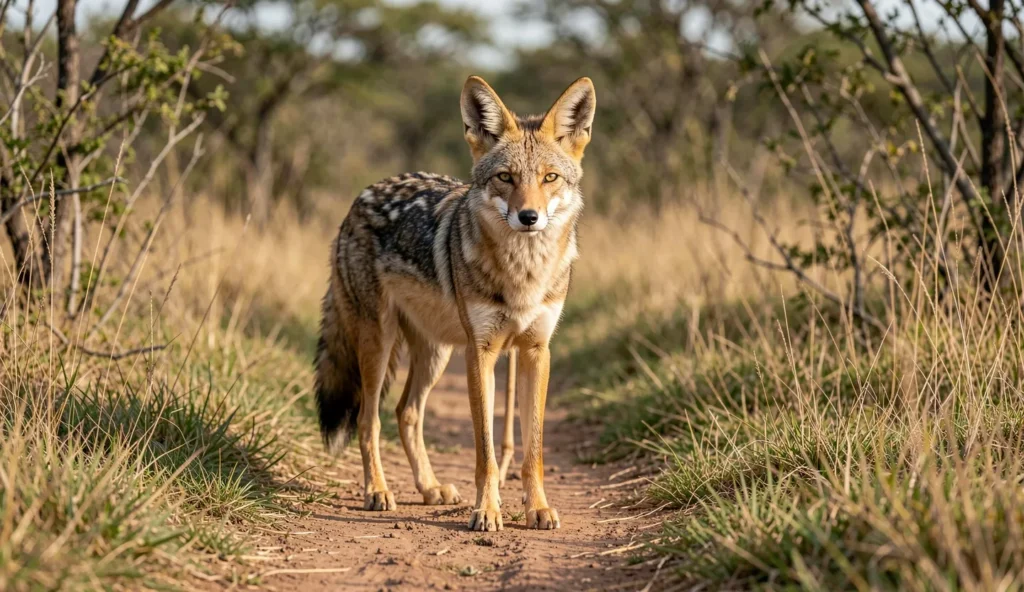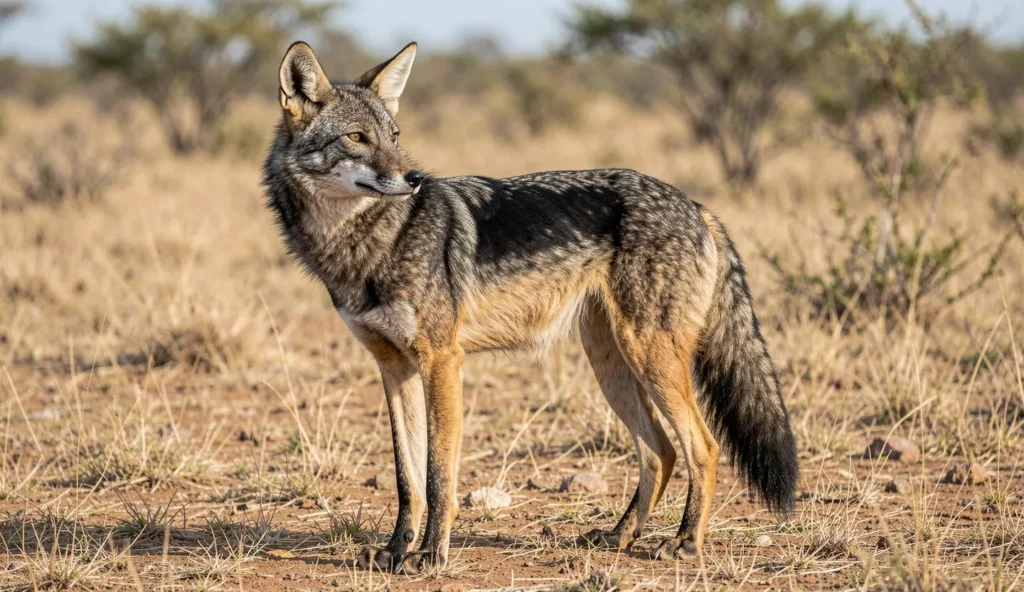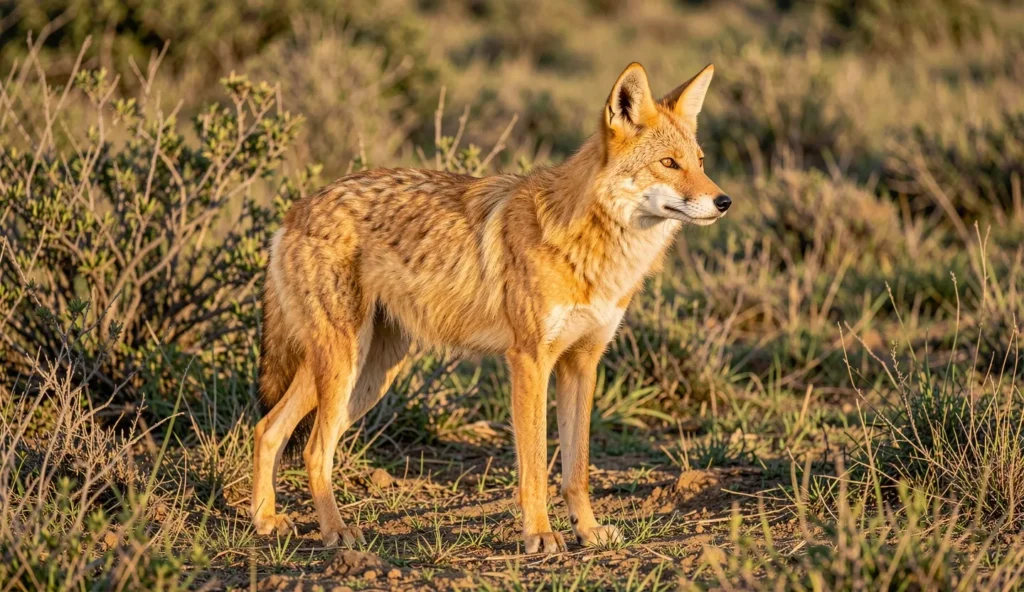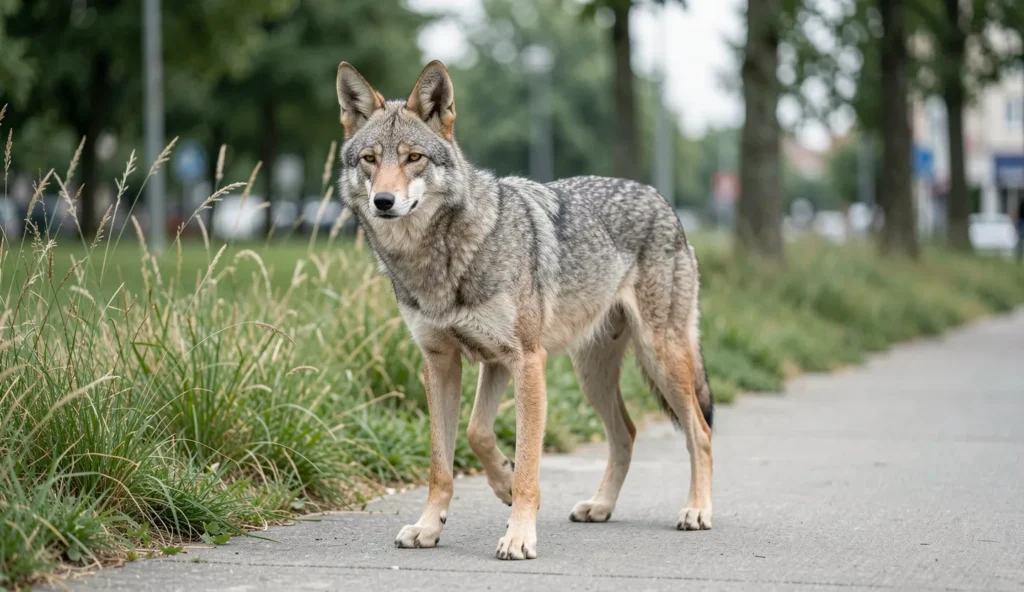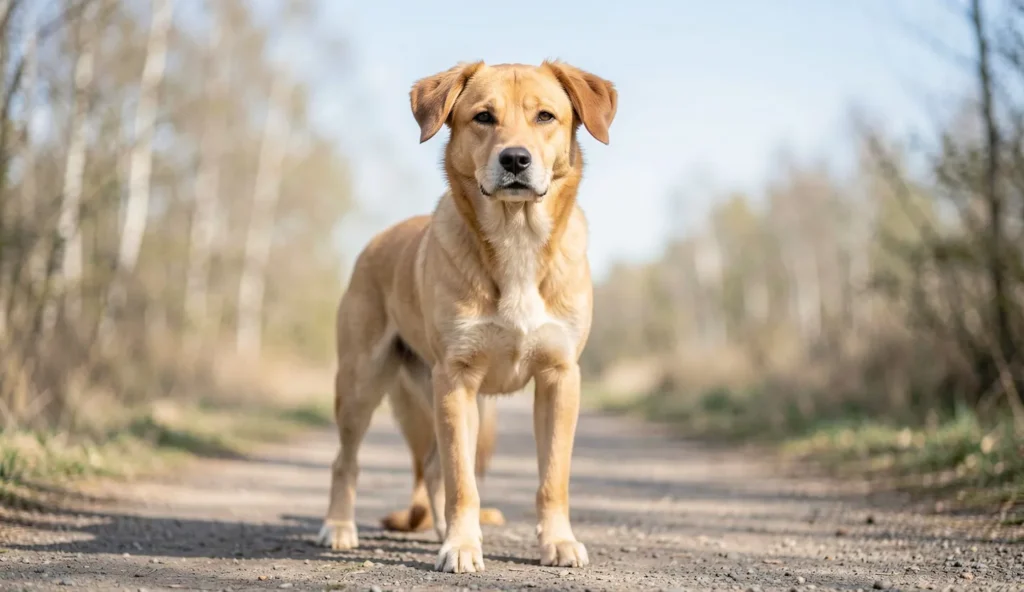
What Is Domestic Dog Wolf Ancestry
Domestic dog wolf ancestry explains how modern Canis familiaris relates to domesticated wolf populations through shared ancestry and selection. The term focuses on population-level relationships, not on a single verified family line for each dog. For breeders and owners, it helps frame dog evolution and dog breed origins in a practical way.
Because ancestry often gets turned into myths, expectations should stay grounded. Genetics can estimate relatedness, but it cannot guarantee an individual dog’s personality, learning style, or risk level. Even when domestic dog wolf ancestry shows a link to wolf-like traits, environment and handling still drive daily behavior.
How Wolves And Dogs Are Related
Both wolves and domestic dogs belong to the genus Canis, which is one reason shared traits appear across lines. Modern dogs are classified as Canis familiaris, while wolves fall under Canis lupus. This shared genus does not mean they are identical, but it does support the idea of biological continuity.
Ancestry describes how populations connect over time rather than an exact, generation-by-generation family tree. Genetics helps estimate shared ancestry by comparing DNA across groups and modeling divergence. For a broader baseline on how a wild wolf species looks and behaves, see the overview on Gray Wolf.
What Domestic Dog Wolf Ancestry Can Explain
Domestic dog wolf ancestry can explain why some dogs show traits that also appear in wolves. These include social structure tendencies, scent-driven behavior, and strong responses to movement. In many cases, these tendencies reflect deep evolutionary roots shaped by selection.
Domestication changed behavior and physiology, so the same trait can look different under human care. Reduced fear around people often develops when wolves tolerate human proximity for survival and resources. Still, ancestry does not predict temperament perfectly, since each breeding program selects for different goals and many traits remain polygenic.
For owners comparing geographic differences in wild canids, background reading on eurasian wolf behavior can help contextualize how wolf social patterns may influence domestication outcomes. That context supports better interpretation of why selection styles vary across dog lines.
Where Wolf Domestication Began
Wolf domestication likely started as a gradual relationship between people and wolves living near settlements. Researchers agree that domestication was not a single moment, even though simplified timelines are often shared online. The wolf domestication timeline probably varied by region as human groups expanded and diets changed.
Many debates focus on location and pace, but the core idea stays consistent. Wolves that tolerated humans gained more survival opportunities, and repeated selection favored those animals over generations. This created a path from wolf domestication to early dog evolution and eventually modern dog breed origins.
Key Locations Proposed By Research
Domestication likely occurred in Eurasia, because that region holds evidence consistent with early human settlements near canid populations. Some models suggest multiple regions contributed over time, which would help explain genetic blending. Local wolf populations would then shape early dog lineages through shared ancestry and gene flow.
Archaeological context matters because remains, tools, and settlement patterns help interpret when and where dogs might have formed. Genetics alone cannot date events without models, and models depend on assumptions about population size and sampling. When different studies use different assumptions, their preferred regions can shift.
Geography also influences what traits become common, and island populations show how isolation can shape canid outcomes. The island-adapted nature of the alexander archipelago wolf is a useful reminder that wolf behavior can vary by setting. Although this does not prove domestication origins, it clarifies why “one wolf” does not explain all outcomes.
Why Exact Dates Are Hard To Confirm
Exact dates remain hard to confirm because domestication happened as a process, not a single domestication event. Early “dogs” may have looked transitional, and the boundary between wolf and dog could blur. Fossil evidence is also limited, and interpretation can change as new dating methods appear.
Genetic timelines use models that include uncertainty, so results express ranges rather than precise calendar dates. Some genetic signals can also remain after bottlenecks, which can skew estimates of when populations separated. For breeders, this means timelines should be treated as probability windows, not definitive proof.
Researchers also discuss why domestication could have occurred repeatedly with later blending. This supports the idea that modern Canis familiaris reflects a composite history rather than a single founding pair. For a domestic-focused lens on how traits can emerge from long selection, the discussion around arctic wolf adaptations shows how environment drives change in wild canids over time.
How Domestication Likely Worked
Domestication likely began when wolves with lower fear of humans survived better near people. When food waste and prey animals concentrated around settlements, cooperation became beneficial for some wolves. Over time, selection favored tolerance, social flexibility, and reduced aggression.
Resource access also changed mating patterns because some tolerant wolves stayed closer to humans. That proximity created repeated opportunities for breeding among animals that matched settlement conditions. As these wolves reproduced, their offspring inherited traits that supported human-side survival.
Human environments also influenced the reproductive calendar and spatial behavior of canids. When wolves moved less and interacted more consistently with humans, the selection pressure shifted toward animals that handled restraint and handling without severe stress. These behavioral shifts often appear first, while physical changes can follow more slowly.
How Dog Evolution Changed Wolves Into Domestic Dogs
Dog evolution altered wolves through selection for a new living relationship with people. Some changes involved behavior, while others involved physiology and life-history traits. Over generations, these shifts produced Canis familiaris rather than a direct clone of any single wolf population.
Importantly, domestication changed the survival problem wolves faced. Instead of surviving only in wild conditions, wolves in domestication settings gained advantages by tolerating humans and using shared resources. This created a new evolutionary direction for dog breed origins.
Behavioral Changes During Domestication
One major behavioral change involved reduced fear of humans compared with typical wolves. Many dogs show comfort near people when properly selected and socialized. Another change involved increased social tolerance within human communities, which supports coexisting rather than constant avoidance.
Dogs also often show different responses to restraint and handling. In many domestication scenarios, animals that stayed calm during human contact reproduced more successfully. This behavioral shift supports everyday tasks such as grooming, veterinary visits, and training.
Cooperation with people became beneficial in many lines, especially when dogs were used for guarding, herding, or hunting. Still, not every dog shows wolf-like sensitivity or high drive. Breeding goals, early socialization, and health strongly influence the final behavioral profile.
Physical And Physiological Changes In Dogs
Domestication increased coat and color diversity because human breeding programs favored appearance and function. Wolves in the wild show limited variation compared with the range created by selective breeding. Over time, skull and tooth characteristics also shifted relative to wolves under new selection pressures.
Physiology and life-history traits changed too, especially under consistent food access and human protection. Dogs often live in environments that reduce mortality risk compared with wild canids. Some body form traits can remain wolf-like in certain lines, which is one reason ancestry discussions keep resurfacing.
In some geographic contexts, wolf populations show unique traits shaped by protection and habitat. The discussion of italian wolf traits illustrates how regional variation can persist in wild wolves. That variation can matter when interpreting which traits became common after domestication.
The Role Of Selection And Breeding Over Time
Early domestication likely combined natural selection and human selection. Wolves that tolerated people survived better, and humans increasingly shaped which animals remained in the population. As communities formed stable relationships with canids, selection for social traits intensified.
Later, breed development reshaped outcomes by selecting for specific work, body types, and coat traits. Founder lines and bottlenecks influenced genetic diversity, which can affect health outcomes and behavioral variation within breeds. This is one reason two dogs that look similar can differ in temperament and stress sensitivity.
Because dog breed origins involve both deep domestication history and later human-directed breeding, expectations should remain realistic. Ancestry can influence baseline tendencies, but it does not substitute for responsible breeding and training. This becomes especially relevant for buyers using pedigrees to plan training and management.
What Genetics Shows About Wolf And Dog Lineages
Genetics provides key evidence for domestic dog wolf ancestry by measuring shared DNA and inferring population relationships. However, genetics rarely gives absolute answers for individuals. Instead, it supports statistical estimates based on reference wolf datasets and model assumptions.
For breeders and owners, this means interpreting results with caution. A genetic signal can correlate with certain traits, yet it cannot guarantee behavior or predict every risk factor. Still, genetic findings help correct overly simple stories about “the” wolf ancestor.
Understanding Common Markers Used In Studies
Many studies use whole genome sequencing and mitochondrial DNA comparisons to estimate relatedness between wolves and dogs. Researchers then apply population models to infer time windows for divergence and shared ancestry. These methods can also identify signals of bottlenecks through patterns of shared ancestry across the genome.
Marker results depend heavily on sampling choices. If a wolf dataset focuses on one region, comparisons might not reflect broader Eurasian diversity. Also, different test platforms can use different reference panels, which can change the outcome of “ancestry” estimates.
Some references focus on behavior and range, such as Eastern Wolf, which can help readers understand why sampling across geography matters. Genetic work and ecological context both support why domestication could reflect blended histories rather than a single origin.
Why There Is Not One Single Wolf Ancestor
Domestication likely drew from multiple wolf groups rather than one isolated ancestor. Gene flow and repeated selection pressures then shaped outcomes into the domestic line. Modern dogs reflect a blended domestication history with contributions from different wolf populations.
Even after domestication, later breed development added another layer. When breeds formed and later became isolated, their genomes diverged through new selection and reduced gene flow. That means current breeds reflect both ancient domestication and more recent breed-specific breeding.
To understand how regional canid groups can vary, the background on Pakistani Wolf can provide context for environmental pressures that shape wild canids. Domestication did not erase this natural diversity, and it likely acted on wolves already shaped by their habitats.
How Wolf Ancestry Relates To Breed Differences
Breed traits often reflect recent selection, not only deep ancestry. A herding dog’s drive and trainability can result from targeted breeding for work, plus training choices. Similarly, appearance traits may reflect breed standards that became popular long after domestication.
Genetic similarity does not guarantee similar behavior because behavior arises from many genes interacting with development and learning. Some behaviors may cluster with breed history, yet individual variation remains common. This is why owners should manage each dog as its own case rather than relying only on ancestry claims.
When considering “wolf traits” in dogs, it also helps to understand the boundary between domestication and hybrid outcomes. The overview of a Saarloos Wolfdog breed can help readers see how wolf-influenced breeding can change expectations for fear, social needs, and handling. This differs from typical Canis familiaris ancestry discussions, but the comparison sharpens interpretation.
How Modern Dog Breeds Developed From Early Dogs
Modern breeds developed after early domestication as humans began selecting dogs for specific tasks and appearance goals. Over time, those goals became more organized through breed standards and registries. This process turned diverse early domestic dogs into identifiable groups.
Breeders need to understand how both deep history and recent selection shape today’s dogs. Domestic dog wolf ancestry sets a baseline, but breed programs set many details through the traits they reward. That is why breed differences can sometimes look stronger than ancestry differences in everyday life.
What A Breed Is In Practical Terms
A breed is defined by shared traits and consistent breeding goals. Breed standards describe appearance in detail, and some standards include temperament cues. Most breeds emerged through human-directed selection that prioritized specific strengths.
Registries formalize breed identity over time, which supports consistent naming and record-keeping. However, registries do not remove genetic variation within a breed. Instead, they track the breed framework while keeping individual dogs still distinct.
It helps to treat breed identity as a selection outcome rather than a guarantee of behavior. Many working and companion traits can still vary widely within the same breed, especially when lines differ in health testing and breeding choices. This framing makes dog evolution easier to interpret for practical decision-making.
From Working Roles To Breed Standards
Early dogs were often selected for hunting, herding, and guarding roles. Farm life and rural work favored body size, endurance, and drive suited to daily tasks. Over time, appearance traits gained importance when urban lifestyles and dog shows grew.
Selection intensified when breed clubs and standards spread. In some cases, a narrow look became the priority, which affected genetic diversity. In other cases, standards emphasized stable temperament for companion roles alongside function.
This shift explains why dog evolution can look inconsistent across breeds. Some lines maintained strong work-related behavior, while others were selected for calmer companionship. Domestic dog wolf ancestry stays part of the background, but breed standards reshape the visible traits.
Why Two Dogs Of The Same Breed Can Differ
Two dogs of the same breed can differ because lineage and breeding history influence temperament and learning. Training and socialization also strongly affect responses to novelty, people, and handling. Health and stress levels can shape learning and reactivity in ways that look like personality differences.
Individual genetics still varies within a breed. Even when two dogs share the same label, they can inherit different combinations of traits. That is why breeders and owners should use both pedigree context and direct observation during early development.
When evaluating behavior, it also helps to compare how different dog categories vary in selection intensity. Background reading on Exotic Dog Breeds can clarify how diverse selection goals can produce wide ranges of trainability and activity needs across breeds.
Is Wolf Ancestry Relevant For Choosing And Breeding Dogs
Wolf ancestry can matter, but relevance depends on how it is used. Domestic dog wolf ancestry can inform expectations about baseline tendencies like alertness and social needs, yet it cannot replace evaluation of temperament and health. Practical dog selection requires a broader view than ancestry claims.
Myths often claim that wolf ancestry predicts aggression or guarantees extreme “wildness.” Those claims usually fail because behavior depends on many genetic factors and on developmental experiences. The best breeder-focused approach uses ancestry as one input among several.
Behavior Expectations That Often Get Misunderstood
Some traits that look “wolf-like” can appear in high drive breeds, but that does not automatically mean a wolf-like risk profile. Fear and aggression risk depends on genetics, early handling, and social exposures. Training methods can reduce unwanted behaviors when they align with the dog’s learning style.
Social needs also vary across lines and individual temperament. Some dogs prefer structured interactions and predictable routines, while others adapt quickly to busy homes. Domestic dog wolf ancestry can correlate with certain tendencies, but it does not guarantee outcomes in a specific dog.
To refine expectations, breeders can compare temperament reports and developmental history across lines rather than relying on ancestry language alone. This evidence-based approach keeps decision-making practical and reduces overreacting to isolated traits.
Health And Welfare Considerations In Breed Development
Bottlenecks and closed breeding can raise inherited health risks over time. Responsible breeding uses health testing and selection goals to reduce known problems while maintaining functional welfare. Proper exercise supports mental and physical wellbeing, which also affects stress reactivity.
Early veterinary care matters because infections and untreated pain can change learning and cause defensive behavior. Welfare plans should include nutrition, parasite prevention, and appropriate recovery time after growth spurts or orthopedic issues. These factors influence daily behavior as much as ancestry does.
When breeders evaluate risk, they can use health records alongside pedigree analysis. That combined strategy supports healthier litters and better long-term outcomes for owners.
How Breeders Can Use Ancestry Information Responsibly
Breeders can use pedigree and health records alongside genetic data, including any available tests that estimate relatedness. Ancestry should never serve as a guarantee of temperament because the same ancestry can produce different outcomes under different breeding goals. Instead, stable selection for behavior and health offers a more reliable path.
Selection for working ability should also match dogs to suitable homes. Dogs bred for high focus and stamina may struggle without structured outlets, even when they have excellent genetics. This approach respects both the biological baseline and the real-world environment dogs live in.
Starter Checklist For Owners Evaluating A Dog’s Background
Owners can use practical checks when assessing a dog’s background and managing expectations. Reviewing parent temperaments and health clearances helps identify patterns that may repeat in offspring. Evaluating early socialization experiences also clarifies how the dog learned to accept people and handling.
Exercise needs should match the daily schedule to avoid frustration and stress. Training should prioritize impulse control, cue reliability, and calm responses to routine situations. When behavior challenges appear, consulting a vet or qualified behavior professional can prevent escalation.
- Review parent temperaments and health clearance results
- Ask about early socialization and handling routines
- Match exercise plans to the dog’s typical energy level
- Train impulse control using short, consistent sessions
- Use veterinary guidance if fear or reactivity increases
With domestic dog wolf ancestry in mind, the goal stays simple. Use ancestry as context, then confirm suitability through behavior observation, health records, and a realistic management plan.
Frequently Asked Questions
How close is the relationship between wolves and domestic dogs?
Wolves and domestic dogs share the same genus Canis, and dogs are Canis familiaris that came from domesticated wolf populations.
When did wolf domestication begin?
Domestication likely began tens of thousands of years ago, and exact timing remains uncertain because domestication was gradual.
Did all domestic dogs come from one wolf family?
Domestication likely involved multiple wolf groups, so modern dogs reflect a blended domestication history.
Do genetics tests prove a dog’s wolf ancestry?
Some tests estimate genetic relatedness to wolf reference data, but results can vary by test method and reference samples.
Can wolf ancestry predict a dog’s behavior?
Ancestry can correlate with some traits but does not guarantee behavior, since training, socialization, and health have major effects.
How To Use Domestic Dog Wolf Ancestry For Better Decisions
Domestic dog wolf ancestry offers useful context for breeders and owners, especially when paired with health testing and real temperament observation. When ancestry information stays realistic, better breeding choices and calmer home matches become easier.