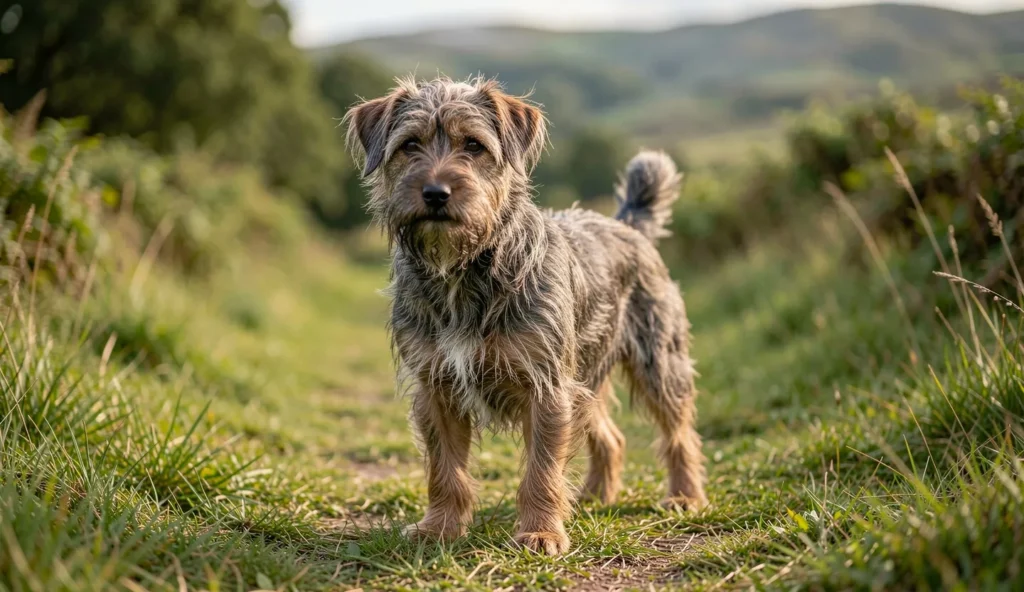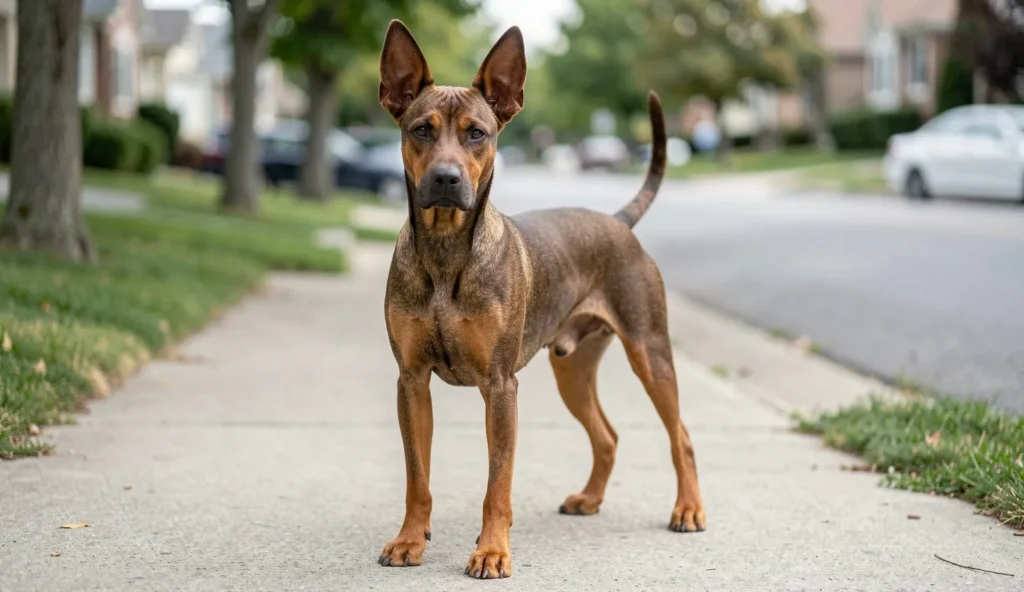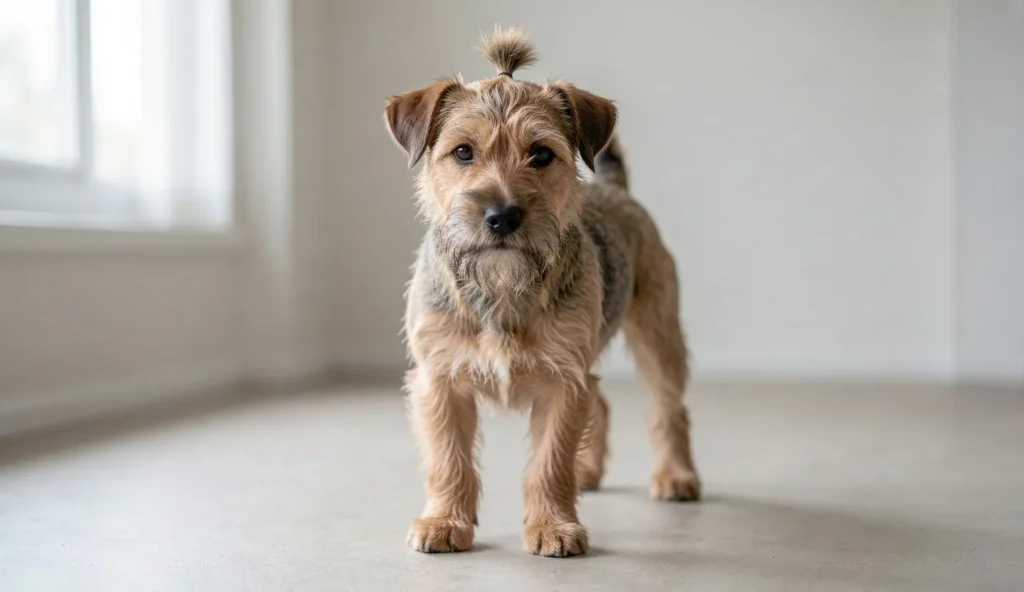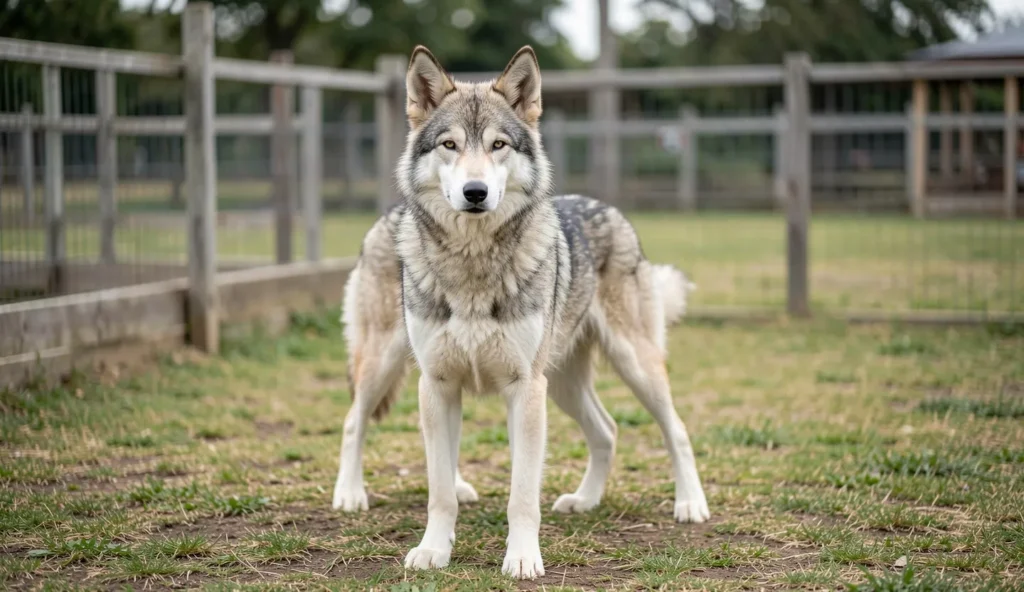
What Is A Saarloos Wolfdog Breed?
The Saarloos Wolfdog breed is a wolf-influenced working dog created to preserve more instinctive behavior than most domestic dogs. Originating in the Netherlands, it combines wolf traits with selective breeding to support a stable dog-like companion role. Many handlers choose this rare breed because the dog can show focus, stamina, and a strong sense of boundaries.
It is commonly treated as a German wolf hybrid type in terms of care planning because instincts can show up in daily choices. Owners typically need experience managing distance, containment, and predictable routines. For practical breed comparisons, it also helps to review how wolfdog-type dogs behave in homes, such as the guidance found in
Ceskoslovensky Vlciak – Temperament, Care, Exercise & Complete Wolfdog Breed Guide
for the Czechoslovakian Wolfdog background.
Breed Origin And Development
The Saarloos Wolfdog breed was developed in the Netherlands using wolfdog-type working principles. Selective breeding aimed to combine wolf traits with more reliable domestic behavior. Over generations, breeders selected for temperament patterns that fit structured human handling. As a result, many dogs show a strong instinct to observe, evaluate, and respond to leadership.
Although the breed has wolf influence, it is not a random mix by default. Instead, it is recognized through consistent breeding practices. This selective approach shapes predictable needs for containment, socialization, and exercise structure.
Breed Type And Energy Level Expectations
The Saarloos Wolfdog breed often presents as a wolfdog hybrid type with strong instincts. Energy tends to show up as sustained alertness, purposeful movement, and a need for mental work. Many dogs do not thrive on minimal routines, even if they appear calm indoors.
Therefore, experienced handlers with large fenced areas usually manage the best outcomes. Consistent leadership and predictable schedules reduce confusion and help the dog settle. When routines change suddenly, some individuals may test boundaries.
How It Differs From The Czechoslovakian Wolfdog
The Saarloos Wolfdog breed and the Czechoslovakian Wolfdog both come from wolfdog-type development goals, but their breeding histories differ. Practical differences often appear in temperament consistency, response style, and how early socialization plans translate into daily life. Individual dogs vary, so patterns should be evaluated through breeder data and the puppy’s early experiences.
Early training also matters, because both types may show reserve toward strangers. However, the best comparisons come from looking at breeder emphasis and handling plans, not only at appearance. For a helpful baseline, reviewing the Czechoslovakian Wolfdog overview can clarify what to expect from wolfdog-type dogs.
Appearance And Physical Features Of The Saarloos Wolfdog
Appearance plays a direct role in care because coat density, body size, and movement affect grooming time and exercise planning. The Saarloos Wolfdog breed typically shows a wolf-like frame with balanced proportions. Movement often looks efficient and endurance-focused, which supports long active sessions when planned correctly.
Because this is a large, athletic dog, handlers often need to plan gear for strong pulling and secure movement. Choosing equipment early also reduces stress during training. If other working breeds are being considered, comparing energy style can help, such as reviewing the structure needs in a Belgian Malinois Dog profile.
Size, Build, And Movement
The Saarloos Wolfdog breed is usually medium to large with an athletic wolf-like frame. Strong legs and balanced proportions support steady endurance movement. Gait often looks purposeful rather than bouncy, and that shape influences how exercise intensity should be built over time.
Because the body can grow into a heavier build, collar and harness selection should match the dog’s size. Many handlers prefer a well-fitted harness that distributes pressure and helps keep leash cues clearer. Exercise planning should also include rest periods to avoid overexcitement.
Coat Type And Seasonal Shedding
The coat is typically a dense double coat designed for outdoor conditions. Seasonal shedding often increases during coat change periods, so brushing needs rise in those months. Fur texture can feel thicker on the undercoat, which influences tool choice during grooming.
During temperature changes, coat maintenance becomes more than appearance control. Regular brushing helps remove loose hair and reduces matting risk after outdoor activity. When grooming tools fit the coat type, sessions stay shorter and calmer.
Color And Typical Markings
Common Saarloos Wolfdog breed colors include shades of gray, cream, and other muted tones. Markings vary between individuals, and they may not look uniform across the body. Dirt and shedding can also change how the coat appears day to day.
Therefore, it is best to describe color patterns as typical possibilities rather than guarantees. This approach helps new owners avoid unrealistic expectations about coat appearance. It also supports more accurate grooming assessments.
Key Head, Ear, And Tail Characteristics
The head shape often looks wolf-like with an attentive expression that suggests observation. Ears may stand upright or semi-upright depending on alertness and mood. Tail carriage can reflect readiness, comfort, or heightened attention.
Handlers should watch body cues for stress versus relaxation. Stiff posture, narrowed attention, and tense tail positioning can indicate overload. On the other hand, a loose body and steady breathing often suggest the dog can learn without pressure.
Saarloos Temperament And Behavior Around People
The Saarloos temperament tends to focus on reserve, careful observation, and preference for structured handling. This wolfdog hybrid type may not show constant friendliness toward every person. Many dogs form trust with consistent routines and calm interactions rather than sudden greeting pressure.
With the right environment, behavior can become stable and predictable. Without structure, confusion may appear as boundary testing or intense attention to distractions. Therefore, planning for daily management helps the dog succeed.
Pack Mindset And Response To Leadership
Saarloos temperament often reflects strong pack-oriented instincts that affect obedience and boundaries. When handlers keep rules consistent, many dogs understand what “normal” looks like. In contrast, changing routines or unclear cues may trigger more testing behavior.
Reward style can support cooperation when timing matches the moment of calm behavior. Predictability reduces the need for the dog to decide what happens next. When handling varies, the dog may interpret it as a decision-making opening.
Socialization Needs And Stranger Behavior
Early, controlled exposure helps the Saarloos Wolfdog breed handle varied real-life settings. Some dogs may stay reserved with unfamiliar people, especially when distance control fails. Safer introductions typically use structured distance, calm pacing, and predictable outcomes.
Off-leash freedom early in life often increases risk because attention can shift quickly to motion cues. Instead, training setups should support learning while keeping the dog safe. Documenting what triggers discomfort also improves later adjustment.
Prey Drive And Indoor Management
Wolfdog-type instincts can include a strong prey drive, which changes indoor management priorities. Indoor freedom may need limits at first so the dog learns what is expected. Management tools such as gates and leashes create structure rather than punishment.
For many homes, limiting access to certain rooms reduces distraction and protects small pets. This approach also supports training because the dog practices routines in a controlled environment. It is best to treat management as a temporary learning bridge.
Living With Other Dogs And Pets
Compatibility with other dogs varies based on individual history and how early introductions occur. Some dogs handle neutral spaces well, while others need more distance during meetings. Structured distance and careful observation help reduce conflict and escalation.
Small animals require extra planning because prey drive can override curiosity. Real safety depends on management, training progress, and consistent supervision. If wolfdog-type comparisons help, reviewing Pakistani Wolf background information can clarify how instinctive behavior appears in canid types, even though it is not a domestic pet.
Exercise Requirements For A German Wolf Hybrid
Exercise requirements for the Saarloos Wolfdog breed go beyond physical movement. The dog often needs both activity and mental focus to reduce frustration. When exercise stays too short or too repetitive, problem behavior can increase.
Because this wolfdog hybrid type can stay alert, daily activity should include structured movement and predictable decompression. Large fenced areas support safe work, but exercise still needs planning for age and health status. The goal is steady engagement, not constant high arousal.
Daily Physical Activity Targets
Saarloos Wolfdog exercise typically needs frequent activity each day. Walks alone may not meet the full need for many dogs, especially those with high drive. Duration and intensity should change with age, growth stage, and orthopedic health.
Rest periods matter because high energy can tip into overexcitement. Overexcited dogs can struggle to settle, which then affects training and sleep. A planned rhythm keeps activity productive.
Best Exercise Types For Large Fenced Areas
Secure, large fenced areas allow activity that supports focus and movement. Long line walks can work in secure spaces when handlers use strict safety. Structured chase or fetch games can help, but the start-stop rhythm should remain controlled.
Sniff walks often reduce stress and build attention. Simple scent work using household-safe setups can also support calm engagement. For owners comparing training demands across working breeds, the Alaskan Malamute exercise approach can offer useful scale ideas.
Mental Stimulation Options That Reduce Problem Behavior
Mental stimulation helps the Saarloos Wolfdog breed channel instinct into structured tasks. Scent games can use low-risk household routines, such as hiding a familiar reward in supervised ways. Training sessions built around attention and impulse control also reduce reactivity.
Rotating enrichment items keeps engagement predictable while preventing boredom. Lower-distraction practice environments usually work best before more public settings. The best results come when stimulation matches the dog’s current stress tolerance.
Training A Saarloos Wolfdog Without Losing Control
Training the Saarloos Wolfdog breed requires a safety-first approach and strong management systems. Saarloos temperament can include reserve and distance sensitivity, so training must support learning rather than confrontation. When handlers keep sessions short and consistent, the dog often shows more reliable focus.
Because this wolfdog hybrid type may not “turn off” instincts, training success depends on setup quality. Secure containment and layered safety prevent risky moments during learning. When safety systems fail, the dog may practice undesirable behaviors.
Core Obedience Priorities To Teach First
Start with core obedience priorities that reduce risk in daily life. Recall should only receive real practice with strict safety systems in place, such as secure containment or a very controlled setup. Building a reliable name response and leash position basics helps the dog understand where to place attention.
Handlers can also teach a settle cue for visitors and routine transitions. “Leave it” supports impulse control around distractions. These skills often reduce stress for both the dog and people nearby.
Positive Reinforcement And Timing That Works
Positive reinforcement works best when reward timing matches the moment of desired behavior. Sessions should stay short so frustration does not build. For higher-drive moments, high-value rewards can improve attention quality.
Harsh corrections often increase tension in wolf-influenced dogs. Instead, adjusting difficulty and using management can prevent rehearsal of bad choices. Calm body language and predictable cues support learning faster.
Leash Handling And Secure Containment Practices
Secure leash handling matters because the dog can move with purpose when something captures interest. A properly fitted harness and leash strength help reduce slip risk. Escape attempts can happen when the dog becomes excited, so containment needs layered planning.
Double-gate entry routines reduce the chance of a rushed exit. Even during training, consistent management should guide how the dog earns access. When setup stays stable, training progress becomes easier to measure.
Socialization With People In Real Life Scenarios
Socialization should include real-life surfaces, vehicles, and common sounds. The Saarloos Wolfdog breed may respond strongly to novelty, so distance control helps prevent overload reactions. Training should maintain calm pacing, and forced interactions should not occur.
Handlers can document triggers for later training adjustments. If certain environments consistently cause stress, the dog needs gradual exposure rather than repeated pressure. Decompression routines after training reduce carryover reactivity.
Common Training Mistakes Owners Make
One frequent mistake is expecting wolfdog-level instincts to disappear through time. Instinct reduces with structure, but it rarely becomes irrelevant. Another error is skipping structured early socialization and daily routine building.
Uncontrolled greetings with strangers also increases risk and can reinforce boundary-related behavior. Using unreliable recall setups in open environments can cause unsafe moments that undo progress. Reviewing German wolf hybrid planning patterns from experienced trainers can also reduce avoidable errors.
Grooming And Care Tips For A Saarloos Wolfdog
Grooming supports skin health, reduces coat debris buildup, and helps handlers spot early problems. The Saarloos Wolfdog breed typically needs consistent brushing because of a dense double coat. Daily care also supports comfortable handling for a large dog that depends on calm routines.
Beyond grooming, care includes monitoring body condition, skin, and recovery after outdoor time. When problems get caught early, treatment often becomes easier. Therefore, grooming time should act as a quick health check.
Brushing Schedule And Coat Maintenance
During heavy shedding seasons, brushing should increase to match the coat change. Tools should match double-coat thickness to avoid pulling or incomplete hair removal. After outdoor activity, checking for debris and minor matting helps keep the coat clean.
Keeping grooming sessions brief supports cooperation. Many dogs tolerate grooming better when sessions happen at consistent times. Calm handling also supports trust in restraint-like activities.
Nail, Ear, And Dental Care Routines
Nail trimming depends on wear, which can vary with exercise surface and daily activity level. Ear checks matter because odor, redness, or irritation can signal problems. Teeth benefit from regular brushing with dog-safe toothpaste and consistent routines.
Because restraint can feel stressful to a reserved dog, sensitivity should guide pacing. When slow steps keep the dog comfortable, care becomes easier over time. Scheduling regular checks also helps prevent small issues from becoming chronic.
Skin Checks After Outdoor Time
Skin checks after outdoor time help identify ticks, burrs, and minor scrapes. Handlers should look for redness that resembles hotspot-like irritation after intense sessions. If irritation repeats in the same spots, patterns can guide prevention planning.
Vet-approved parasite prevention products should match local risk levels. Recording recurring symptoms helps the veterinary team interpret causes. This documentation also supports faster decisions if conditions worsen.
Managing Large Dog Needs At Home
Homes should provide sturdy bedding and safe rest zones. Large dogs need stable areas that reduce stress when visitors arrive or when training ends. Chew-safe options can support normal behavior and reduce boredom between exercise sessions.
Shedding management matters for comfort inside the living space. Fresh water access should also remain consistent during active periods. When home setup stays predictable, the dog spends less time searching for stimulation.
Diet And Nutrition For A Wolfdog Hybrid
Diet supports energy levels, growth, and coat health in the Saarloos Wolfdog breed. As a wolfdog hybrid type, the dog may have strong activity patterns that change calorie needs. Nutrition should match the dog’s age, body condition, and workload.
Because overfeeding can quickly change body condition, portion control matters. Many owners also find that gradual transitions reduce digestive upset. When diet decisions become consistent, health monitoring becomes easier.
Choosing A Complete Balanced Food
Select a complete diet formulated for large active dogs. Calories should match age, weight, and activity level rather than focusing only on package directions. Introduce any diet changes gradually to reduce the chance of loose stool or discomfort.
Body condition provides a better reference than scale weight alone. When ribs remain visible without excess fat, many dogs stay in a healthy range. Selecting the right food format can also help manage appetite during growth.
Feeding Schedule And Portion Control
A set feeding schedule supports routine digestion and reduces stress during training days. Overfeeding risk rises when the dog’s activity temporarily drops. Portions should adjust through growth and then stabilize during maintenance periods.
Fresh water should remain available at all times. Clean feeding areas also reduce the risk of spoilage. When feeding times stay predictable, training cues and settle routines become easier.
Treats, Chews, And Training Rewards
Treats should count as part of the total daily calorie intake. Low-ingredient treat options can help when sensitivity appears. Training rewards work best when they are bite-size, so the dog can learn in short sessions.
High-fat treats should stay limited to reduce weight gain risk. Chews can support normal behavior when matched to chewing strength and safety. For working-dog scale ideas, comparing treat usage to a Mexican Hairless Dog feeding routine can also highlight how food changes with activity, even though shedding needs differ.
Common Health Issues In The Saarloos Wolfdog
The Saarloos Wolfdog breed generally benefits from preventive care and attentive monitoring. As a large active dog, orthopedic and skin concerns often rise first in day-to-day observation. Behavioral stress can also appear, especially when pain exists or when training overwhelms the dog.
Because wolfdog hybrid health overlaps with typical large dog risks, routine veterinary visits help keep issues controlled. Owners can reduce emergency risk by tracking changes early. When symptoms appear suddenly, medical review should come before changing training plans.
Routine Vet Care And Preventive Checks
Keep vaccines and parasite prevention up to date according to local veterinary guidance. Wellness exams should align with age and risk factors. Stool tests can help when intestinal symptoms recur or persist.
Weight and body condition should be monitored monthly. Tracking trends makes it easier to notice early changes in activity tolerance. Preventive planning also supports stable diet decisions.
Orthopedic And Mobility Concerns
Large active dogs may face joint issues over time. Watch for limping, stiffness, or reduced willingness to move. During growth phases, exercise intensity should increase gradually to protect developing structures.
Pain management requires veterinary guidance, including when imaging becomes necessary. If discomfort shows up after a specific training type, adjustments can reduce flare-ups. Calm rehabilitation plans often work better than pushing through pain.
Coat, Skin, And Allergy-Like Symptoms
Itching, redness, or recurring ear irritation can signal coat or allergy-like problems. Seasonal flare patterns sometimes appear, but they also overlap with parasites or irritation from outdoor exposure. Frequent bathing is not always the right solution unless a veterinarian recommends it.
Recording symptoms helps diagnosis because patterns reveal triggers. Tracking time of onset, outdoor conditions, and grooming products can support better outcomes. When recurring issues persist, veterinary evaluation should guide the next steps.
Neurologic And Behavioral Stress Indicators
Stress in the Saarloos Wolfdog breed may look like refusal, restlessness, or intense reactivity. However, behavioral changes can also accompany medical problems, especially pain. A sudden shift in temperament should trigger a health review before training adjustments.
After difficult triggers, calm decompression routines help the dog reset. Short quiet time, reduced stimulation, and gentle handling can prevent prolonged overload. This care step supports more stable learning sessions later.
Legal Considerations For Owning A Wolfdog Hybrid
Legal considerations vary widely for wolfdog hybrid types across regions. Some areas require permits, registration, or specific fencing standards. Local rules can also affect which training areas the dog may access publicly.
Liability and insurance coverage should be checked before bringing the dog home. Requirements can change after local council updates, so confirmation should happen close to relocation dates. For a broader sense of canid-influenced rules, reviewing general guidance for exotic or rare canids in Exotic Dog Breeds can help owners understand what paperwork may be requested.
Breeding Basics For The Saarloos Wolfdog
Responsible breeding helps protect the Saarloos Wolfdog breed and supports predictable temperament outcomes. Only experienced breeders should plan litters with health testing and temperament evaluations. Even then, individual puppy behavior still varies, so expectations must remain realistic.
Handlers with large fenced areas often consider sourcing from breeders who match pups to experienced homes. That matching process should include both temperament and management fit.
What Responsible Breeders Should Do
Responsible breeders use health testing relevant to the breed and parent lines. They provide temperament evaluations and share early socialization plans clearly. Documentation and transparent pedigrees support owner decision-making.
Equally important, breeders should match puppies to homes based on experience and space. For wolfdog hybrid types, the right environment can matter more than flashy marketing.
Understanding Litter Expectations And Socialization
Early handling routines help pups learn calm human contact without force. Stable routines also help pups understand boundaries and reduce fear learning. Even with careful breeding, temperament can still vary across the litter.
Therefore, structured training should begin from day one. Planning a socialization roadmap supports gradual exposure rather than overwhelming attempts. This approach also helps avoid unsafe learning patterns later.
Starter Checklist For New Saarloos Wolfdog Owners
A practical start reduces stress for the dog and for the handler. The Saarloos Wolfdog breed requires secure containment, predictable routines, and training tools that match strong instincts. Even experienced handlers benefit from a checklist that covers safety and daily care.
Because the dog can manage escape risk when overexcited, home setup should come first. Then training and enrichment can build on stable management.
Home Setup And Containment
Secure fencing should be tall and minimize escape routes. Many homes use a double-gate entry system to control transitions. A sturdy harness and leash help manage strong pulls during excitement.
Outdoor time should always include secure supervision. If any area cannot support safe containment, it should not become part of routine practice. The aim is consistent safety so training can progress without emergencies.
Training And Enrichment Tools
Treats for high-value rewards support early learning and help redirect attention. Leash and head collar tools should only be used when training includes safe handling mechanics. Scent games can match high energy without overload when setups remain controlled.
Quiet recovery space supports decompression after training sessions. This area should stay low stimulation so the dog can settle back into normal routines. Predictable enrichment reduces the chance of frustration-driven behavior.
Health And Grooming Supplies
Double-coat grooming tools should match shedding volume and fur thickness. Nail trimming tools and a routine schedule prevent nails from overgrowing. Dog-safe toothbrushes and vet-approved dental chews can support oral health.
Parasite prevention planning and tick-check supplies improve post-outdoor monitoring. When supplies are ready, routines stay consistent. Consistency then improves detection of early issues.
Is The Saarloos Wolfdog Right For You?
The Saarloos Wolfdog breed fits best when handlers can manage structure daily. This wolfdog hybrid type usually does not become a low-maintenance pet for homes without consistent training time. Instead, it rewards owners who plan enrichment, practice safety, and maintain predictable rules.
Large fenced areas help create safer training options, but they do not replace management skills. The right match includes comfort with structured containment and distance control.
Best Fit For Owners And Setups
The Saarloos Wolfdog breed often suits experienced handlers who work comfortably with high-drive dogs. It commonly performs best in homes with large fenced areas and predictable routines. Daily enrichment and training time should feel normal rather than occasional.
Handlers should also be comfortable with structured management instead of off-leash freedom. When routine stays consistent, the dog often settles more reliably. That stability can reduce conflict and improve overall predictability.
Potential Mismatches To Consider
This dog may not suit homes seeking an easy companion dog with instant friendliness. Without consistent training schedules, the dog may struggle with boundary expectations. Off-leash expectations and small pet coexistence can also create mismatch due to prey drive and distance sensitivity.
Finally, legal rules and insurance can limit options in some places. Before purchase or relocation, legal and coverage requirements should be confirmed. A realistic assessment helps prevent stress for everyone involved.
Final Note On Responsible Ownership
Responsible ownership of the Saarloos Wolfdog breed depends on secure containment, consistent training, and careful health monitoring. With the right structure, the dog’s instincts can fit a well-managed home environment.
Frequently Asked Questions
How Much Exercise Does A Saarloos Wolfdog Need Each Day?
Most Saarloos Wolfdog breed dogs need frequent daily activity plus mental stimulation. Walks can help, but they may not be sufficient without enrichment and training.
Are Saarloos Wolfdogs Safe With Small Pets?
Saarloos temperament often includes prey drive, so risk with cats and small animals can be significant. Supervision and early training reduce risk but never eliminate it.
What Makes Saarloos Temperament Different From The Czechoslovakian Wolfdog?
Both are wolfdog-type breeds, but breeding lines and typical handling patterns differ. Individual dogs still vary, so temperament evaluation from reputable breeders remains essential.
Do Saarloos Wolfdogs Shed A Lot?
Yes, the Saarloos Wolfdog breed commonly sheds heavily during seasonal coat changes. Regular brushing helps manage loose fur and supports skin comfort.
What Are Common Legal Considerations For Owning A Wolfdog Hybrid?
Legal considerations vary by city and region and can include permits or restrictions. Local rules and insurance requirements should be verified before bringing a wolfdog hybrid home.
How Should A Saarloos Wolfdog Be Trained For Leash Safety?
Training should use consistent reward-based methods and strict management during learning. Uncontrolled recall practice should be avoided, and secure containment must stay in place.