What Is A Shiba Inu
The Shiba Inu breed is a compact Japanese dog known for bold personality and foxlike features. Originating in Japan, this ancient spitz type was bred to hunt small game and operate with high independence. Many people first hear about the breed through memes, yet the real day to day experience centers on temperament and consistent management.
For first-time owners, the Shiba Inu temperament can feel strong at first, especially when the dog chooses when to cooperate. For enthusiasts, that independence pairs with an intelligent, watchful style that rewards steady training. Even so, this Japanese dog remains uncommon outside Japan, so careful planning helps before bringing one home.
Origins And Role In Japan
The Shiba Inu developed in Japan for hunting small game in rugged areas. Over time, it also earned a reputation as a capable companion dog for daily life. Many owners describe it as an ancient breed within the Japanese spitz family, which helps explain its self directed nature.
Because the dog worked independently in the field, its modern behavior still reflects that history. This heritage influences body language, including a confident stance and quick scanning. The independence working background often shapes how owners handle obedience and boundaries.
Breed Traits That Affect Daily Life
Shiba Inu temperament often includes a strong sense of self direction, which can look like stubbornness. In reality, the dog typically responds best when training feels meaningful. Positive reinforcement can work well, especially when rewards come quickly after the desired behavior.
High alertness shows up through frequent attention to sounds and movement. Confident body language, such as an upright posture and focused gaze, often appears even during calm moments. In some households, the dog may also be selective with other dogs depending on socialization.
Typical Lifespan And Size
A Shiba Inu is usually compact and sturdy, making it suitable for many home types. Exercise still matters, but apartment living can work when daily activity and enrichment stay consistent. Weight and height can vary by sex and by individual lines, so range expectations help during planning.
Most owners also need to prepare for a long relationship, since the breed often lives into the later years with good care. Lifespan varies with genetics, diet, and preventative health work. That means owner responsibility plays a direct role in how healthy the dog stays.
What Does A Shiba Inu Look Like
Appearance plays a big part in grooming planning for the Shiba Inu breed. The coat type and face shape help set expectations for brushing, shedding control, and overall hygiene. Beyond looks, physical structure ties closely to how the dog moves and how owners should manage activity.
Many people notice the foxlike expression first, then the double coat. From there, it becomes clear that this rare spitz type needs routine coat care to stay comfortable. Understanding the details helps new owners avoid common grooming mistakes.
Coat Type And Common Colors
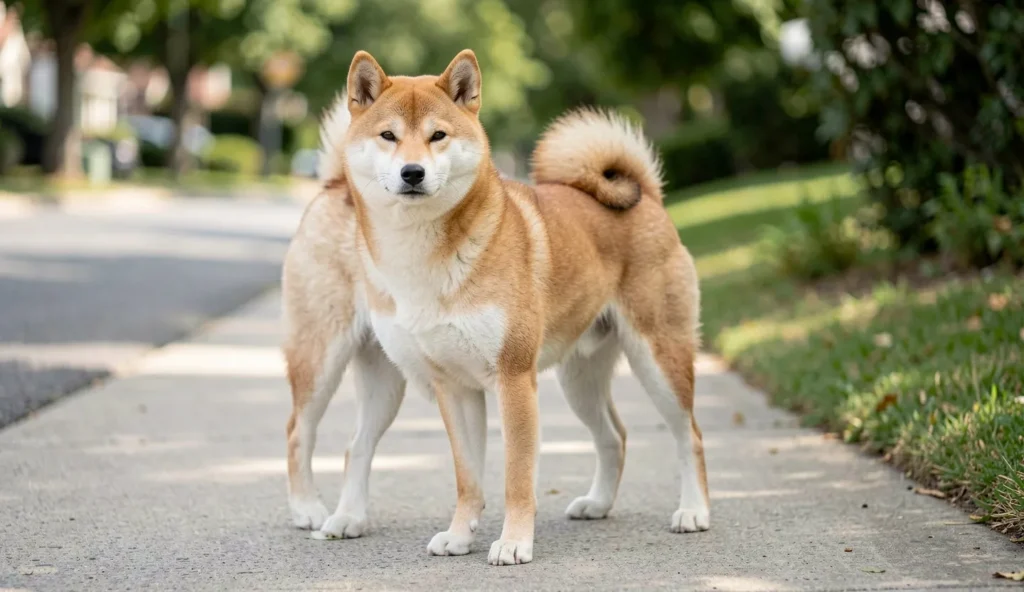
This breed has a double coat with a dense undercoat and a straighter outer coat. That structure supports insulation but it also drives seasonal shedding patterns. Common colors include red, sesame, and black and tan, though individuals can vary in tone.
A lighter pattern called urajiro often appears on the chest and muzzle. The contrast can make the coat look especially sharp even when the dog is shedding. Regular brushing helps separate loose undercoat from the outer guard hair.
Head Shape And Body Proportions
The Shiba Inu typically shows upright, triangular ears and a curled tail that sits over the back. Its expression often looks alert, with a balanced face and small, focused eyes. The athletic frame supports agile movement and quick changes in direction.
Body proportions usually stay compact, which can help with household living. Males and females can differ slightly in size and build, but both remain sturdily constructed. Small differences matter for harness fitting and sizing for coats during colder months.
Shedding Expectations For New Owners
Shedding often becomes the first surprise for owners who expect a low maintenance coat. Seasonal heavy shedding is common when the undercoat changes. Even outside those periods, the shedding baseline can still be noticeable year round.
Regular brushing reduces loose hair around floors, furniture, and car seats. It also helps prevent matting near collars and joints. When shedding feels worst, consistent grooming usually matters more than short sessions done less often.
Shiba Inu Temperament And Personality
Shiba Inu temperament centers on independence, confidence, and selective cooperation. This Japanese dog may stay calm indoors once its daily needs get met. However, it can also appear stubborn if training lacks structure, timing, or value.
For many households, success comes from understanding the dog as a working spitz style animal rather than a constant pleaser. Independence does not mean low needs, because the dog still benefits from exercise and mental challenge. Over time, a predictable routine often improves behavior.
Independence And Trainability Reality
Training works best when the dog chooses to engage for a reason. A Shiba Inu may ignore commands that lack rewards or that repeat without a clear outcome. When training remains consistent, positive reinforcement usually builds faster reliability.
Short, meaningful sessions often outperform long lessons. Repetitive commands without rewards can reduce motivation and increase disengagement. Instead, reward desired choices quickly and end on a calm success.
Energy Level And Calm At Home
Many Shiba Inus can look quiet at home after proper exercise and enrichment. The dog still tends to observe the household closely, which can seem like alert “resting” rather than active play. If mental or physical needs go unmet, restlessness may appear through pacing or more frequent attention seeking.
Independence often means the dog self directs, so boredom may lead to investigating and testing boundaries. That behavior can be managed by adding structure during the day. Enrichment items, routine walks, and short training games often keep calm behavior stable.
Social Behavior With People And Dogs
With people, a Shiba Inu may act reserved with strangers before warming up. Some lines show more social ease than others, which can influence how quickly visitors seem “normal.” Early, structured socialization helps the dog learn appropriate responses.
With other dogs, some Shiba Inus can be selective, especially without positive early exposure. Owners often need to manage introductions carefully and avoid forced interactions. When socialization stays gradual and supervised, conflicts may reduce over time.
Prey Drive And Leash Management
The hunting heritage can increase chase interest, especially with fast moving animals. That prey drive can show up as intense focus on squirrels, cats, or birds. Reliable leash management usually takes time and controlled practice.
High value treats can help redirect attention, especially during early leash training. Controlled environments reduce distractions and make rewards easier to earn. Secure handling matters because a rare spitz dog often commits fully once it locks onto a target.
For owners comparing working temperaments across dog types, a review of Tibetan Mastiff breed behavior can help highlight how different guardian and hunting roles shape daily training needs.
How Much Exercise Does A Shiba Inu Need
Exercise for the Shiba Inu breed should combine physical movement and mental challenge. Most dogs benefit from routine walking plus games that encourage focus. When exercise stays predictable, the dog often settles more easily after outdoor time.
Owners should also plan for individual variation by age, fitness level, and personality. A compact frame still needs steady activity, and enthusiasm can change with seasons. This approach supports calm living without expecting constant marathon workouts.
Daily Exercise Targets
Most Shiba Inus benefit from two daily walk sessions, often in the range of shorter lengths. Short walks paired with play can work well for smaller spaces. Tracking stamina helps owners adjust as the dog ages or as weather changes.
During puppyhood, activity should match developmental stages. Growing dogs need safe movement, and overdoing high impact exercise can strain joints. Careful pacing supports healthier mobility for the future.
Best Activities For Body And Mind
Scent games often fit the breed well because they tap into natural instincts. Simple tasks like “find it” with safe treats can provide strong mental payoff. Incorporating gentle training into walks also helps attention stay engaged.
Some dogs enjoy tug or fetch like play, but interest varies by individual. Safe tug uses appropriate toys and brief sessions to prevent overstimulation. For owners choosing enrichment ideas beyond basic play, exploring Mudi dog activity patterns can provide useful comparisons for herding style drive.
Exercise Safety Tips
Warm weather can increase overheating risk, so pace and hydration matter. Owners can choose cooler times of day and shorten sessions during high heat. In addition, avoiding hard impact exercise for growing puppies reduces injury risk.
Recall practice works best in secure areas rather than open spaces with unpredictable distractions. A steady plan can build real skills without risking a sudden chase. Even then, leash skills remain essential until reliability improves.
Training A Shiba Inu With Independence In Mind
Training a Shiba Inu often succeeds when independence is handled as part of the personality rather than a problem. With the right approach, owners can build stable routines and safe leash skills. However, the breed typically requires consistency more than harsh methods.
A first time owner should expect a learning curve and plan training like a daily habit. Many issues come from repeating commands without rewards, using too many distractions too soon, or stopping early when progress appears slow. Structured practice usually improves outcomes.
Start With Socialization And Basic Manners
Socialization should introduce sounds, surfaces, and people gradually. Calm exposure supports stable reactions during daily life, including doorways, leashes, and meal prep. Loose-leash walking works best when taught early with short successful practice blocks.
Basic manners also help manage independence, such as calm behavior during grooming. Owners can teach “sit for dinner” and “stay for leash clipping” to create predictable routines. This reduces conflict and strengthens the bond through shared structure.
Positive Reinforcement And Reward Selection
Reward selection strongly affects progress because the dog chooses whether training feels worthwhile. Treats should stay motivating and match the dog’s preferences. Rewards must arrive immediately after the correct behavior so the dog connects action and payoff.
Sessions should stay short and end on success to prevent frustration. If a dog disengages, lowering distractions and resetting often works better than repeating the same command. Over time, the dog learns that cooperating brings reliable outcomes.
How To Handle Stubborn Moments
Stubborn moments usually appear when the dog learns it can pause the interaction. Instead of repeating commands endlessly, owners can pause, reset, and try again with fewer distractions. This approach keeps training positive and prevents power struggles.
When reliability drops, reducing complexity helps. For example, return to an easier version of the task and reward quickly. If reactivity or aggressive behavior develops, professional help can support safe progress.
Leash Skills And Recall Expectations
Recall can be trained, but it often requires careful layers of practice. Start in low distraction spaces, then gradually add more movement and distance. Using secure long lines can help practice safely when full off leash reliability is not ready.
Leash skills depend on timing and clear rewards, especially with prey drive. Owners should build a habit of rewarding attention and checking in during walks. When a dog sees the leash as a cue for rewards, pulling may reduce.
For enthusiasts studying how independent spitz type dogs train, the temperament comparisons in Norwegian Lundehund Dog resources can clarify how ancient traits influence learning pace and motivation.
Grooming And Care Tips For Shedding Control
Grooming affects comfort, cleanliness, and hair management, especially because shedding belongs to the breed’s normal cycle. The Shiba Inu breed has a dense double coat, so coat care requires steady brushing rather than occasional deep grooming. With the right routine, shedding becomes predictable instead of stressful.
Many owners focus on brushing, but grooming also includes nails, ears, and teeth. When those areas get regular checks, the dog often stays healthier between vet visits. A simple schedule can keep the dog comfortable and reduce routine cleanup time.
Brushing Schedule And Coat Management
Brushing helps remove loose undercoat and keeps the outer coat looking clean. A regular schedule works best, and shedding seasons often require more frequent sessions. During heavy shedding, owners can increase brushing time while still keeping it gentle and controlled.
Owners should check for matting around joints and the collar area. These spots trap loose hair and can irritate skin. If the dog resists brushing, using calm handling and short sessions can improve acceptance.
Bathing And Drying Guidelines
Bathe the dog as needed, not on a fixed schedule. Over bathing can strip natural oils and may contribute to skin dryness. When bathing does happen, dog safe shampoo and thorough drying keep the coat healthy.
Because this breed has a dense undercoat, drying needs patience. Damp underlayers can lead to odor or skin irritation. After drying, brushing again helps lift and separate the coat for better airflow.
Nail Ear And Dental Care
Nails should get trimmed regularly to prevent slipping and discomfort. Many dogs become easier to handle when owners start early and keep sessions short. Checking ears for odor, redness, or irritation helps catch problems before they worsen.
Dental care reduces the risk of gum disease and bad breath. Brushing teeth a few times per week helps, and dental chews can support routine cleaning. The key is consistency so the dog learns to tolerate oral hygiene.
Shedding Season Home Routine
Home routine matters during shedding season because hair accumulates fast. Vacuum floors and furniture more frequently and consider washable covers for high shedding areas. Consistent brushing also supports better control during the worst weeks.
Owners can plan for extra laundry cycles and grooming supplies. Even with steady care, a small amount of hair remains normal due to the double coat. The goal stays realistic management, not perfect hair prevention.
If low shedding is the primary goal, owners comparing spitz types may also review Rare Small Dog Breeds That Don’t Shed to see which traits better match allergy sensitive homes.
Diet And Nutrition For A Healthy Shiba Inu
Diet affects weight, coat condition, and daily energy for the Shiba Inu breed. Balanced nutrition also supports immune health and recovery after illness. Because the dog remains active and independent, portion control helps prevent weight drift.
Food selection should match the dog’s life stage and activity level. Owners should also understand that sudden diet changes can cause stomach upset. A gradual transition plan supports steadier digestion.
Choosing A Complete Dog Food
Choose a complete dog food that matches the life stage, such as puppy, adult, or senior formulas. Calories should match activity level and body condition to maintain a healthy weight. If switching brands, transition gradually over a period recommended by the feeding label.
Owners should avoid making frequent ingredient swaps based only on trends. Instead, focus on consistent quality and stable portions. A stable diet supports a coat that feels less dry and sheds more evenly rather than unevenly.
Feeding Schedule And Portion Control
Most owners do best with measured portions rather than free feeding. A measured feeding routine helps the dog stay in a healthy weight range. Portions can be adjusted based on weekly body condition checks and growth patterns in puppies.
Treats should stay limited to training goals and not become daily extras. When treats account for a large part of the diet, weight can increase even with the same walks. Balanced training helps owners keep calories under control.
Water And Food Safety Basics
Fresh water should be available daily and changed regularly. Food storage matters because improper conditions can lead to spoilage or pest exposure. The dog should never eat unsafe human foods that can trigger digestive issues or toxic reactions.
Also, keep bowls clean and monitor for vomiting or diarrhea. When digestive problems repeat, a vet check can identify underlying causes. Good diet habits support coat comfort during shedding cycles.
For owners comparing appetite and feeding management across breeds, checking Afghan kuchi Dog feeding discussions can help emphasize how guard style breeds may vary in routine and activity patterns.
Common Health Issues In The Shiba Inu Breed
Health issues in the Shiba Inu breed often relate to joints, skin, and dental hygiene. Responsible care includes preventative screening and early recognition of symptoms. When problems get addressed early, treatment tends to be more effective.
Because the breed can look healthy while issues develop internally, owners should watch for subtle changes. That includes reduced stamina, persistent scratching, or changes in eye appearance. Consistent vet visits also support accurate tracking over time.
Joint And Mobility Concerns
Some dogs may face joint and mobility risks, including hip dysplasia, depending on genetics. Owners can watch for stiffness after rest and reduced willingness to jump. Keeping appropriate exercise for age helps support healthy joints and muscle tone.
If mobility changes appear, the safest step is a vet assessment. Avoid pushing through pain or forcing intense workouts. With a controlled plan, many dogs maintain comfortable movement for longer.
Skin Allergies And Coat Related Problems
Skin sensitivity can show as itching, redness, or a dull coat. Hot spots may appear if irritation becomes persistent, especially with heavy shedding and friction. Monitoring scratching and head shaking helps catch problems early.
Before changing multiple products, owners should seek vet guidance. Sudden adjustments can worsen irritation if the root cause is allergy or infection. A targeted approach supports a coat that remains comfortable.
Eye Ear And Dental Watch Points
Eye issues can appear as redness or discharge, so owners should monitor daily with gentle observation. Ear problems may show as odor, redness, or frequent head shaking. Cleaning habits and routine inspection often reduce the chance that minor irritation becomes a bigger issue.
Dental disease can also develop over time without obvious warning signs. Routine brushing several times per week if possible can help slow buildup. Regular dental checks at the vet support better long term oral health.
Responsible Vet Visits And Screening
Vaccines and parasite prevention should stay up to date for age and lifestyle. Owners can ask breeders or shelters about health testing results when available. Tracking weight and body condition each season helps catch gradual changes before they affect comfort.
When the dog shows repeated symptoms, the vet can recommend screening tests based on the history. A calm, consistent schedule makes these visits easier for the dog and the owner. Preventative care often reduces emergency trips later.
Is A Shiba Inu Right For You
A Shiba Inu can suit the right home when owners understand its independence and grooming needs. The Shiba Inu temperament works best where training stays structured and daily activity stays consistent. That match matters more than whether the dog looks like a cute meme.
For first-time owners with caution, the breed can still succeed with preparation, patience, and realistic management. On the other hand, homes that demand instant compliance or minimal shedding may feel disappointed. Careful self assessment helps prevent frustration.
Best Fit For Owners Who Can Meet The Needs
Best fit often includes owners who can handle consistent training and routine management. The dog needs daily exercise and enrichment, even when it looks calm indoors. Grooming for shedding requires regular brushing and a plan for home cleanup.
Comfort with boundaries also helps, since the dog may test limits. Predictable schedules and safe leash handling make daily life smoother. When owners commit to these basics, the breed often becomes more manageable over time.
Potential Challenges To Consider
Independence can increase training effort for first-time owners, especially during early months. Dog selectiveness may require careful introductions and extra supervision. Prey drive can limit off leash opportunities, even with training progress.
Also, shedding can affect daily routines and cleaning time. If someone expects a low hair home, the double coat may not match expectations. Planning for shedding and budgeting grooming time helps reduce stress.
Checklist For Choosing A Puppy Or Adult Dog
Choosing a puppy or adult dog should include temperament evaluation in real interactions. Observing how the dog reacts to people, handled objects, and new sounds can reveal confidence and sensitivity. Asking about early socialization and health records also supports smarter decisions.
Grooming and training support expectations matter as well. It helps to confirm what routines the breeder or shelter already used so the transition to the new home stays steady. For owners comparing spitz style dogs, reading over Exotic Dog Breeds can help set realistic expectations about unique temperament patterns and care differences.
Frequently Asked Questions
Is The Shiba Inu Breed Good For First-Time Dog Owners?
A Shiba Inu can be manageable with structured training and patience. Independence means consistency matters more than strict dominance methods.
How Much Do Shiba Inus Shed And How Do Owners Control It?
Expect seasonal heavy shedding from the double coat. Regular brushing and a steady home cleaning routine reduce loose hair around living areas.
Are Shiba Inus Easy To Train?
Training is possible with positive reinforcement and short sessions. Motivation based rewards and controlled practice improve reliability.
Do Shiba Inus Get Along With Other Dogs?
Some dogs are selective, especially without early socialization. Supervised introductions and gradual exposure can help prevent conflicts.
What Should A Shiba Inu Eat For A Healthy Weight?
Use a complete dog food matched to life stage and activity level. Measure portions and adjust based on body condition and vet guidance.
A Steady Routine Helps The Shiba Inu Thrive
When daily exercise, training structure, and shedding care stay consistent, the Shiba Inu breed often becomes easier to live with. Thoughtful management supports comfort, safety, and better long term health.