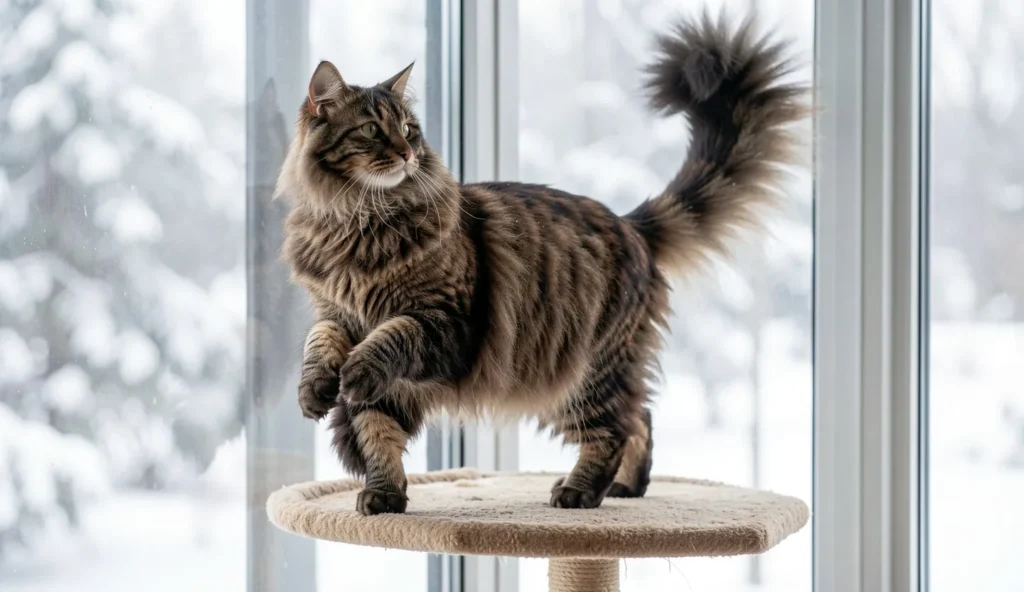
What Is A Japanese Bobtail Cat
The Japanese Bobtail breed is a native cat type associated with Japan and recognized for a short, fluffy tail. Many people notice the bunny tail look quickly, along with an alert and lively personality. As a bobtail cat, it stands out visually and socially, which explains the lasting interest from cat enthusiasts.
Breed Origin And Cultural Meaning
Japanese Bobtails come from Japan and became known through regional breeding and long-term cultural presence. The short tail has been linked to traditional symbolism over time. In many places, the bobtail cat is also called a good luck cat in popular culture.
Because of that meaning, the breed often appears in art and stories. Today, the Japanese Bobtail breed still draws attention for both its genetics and its friendly home behavior. Owners tend to value the cultural significance as much as the companion traits.
Key Traits Owners Notice First
Most first impressions focus on the bunny tail shape and the natural bobbed look. The tail usually carries extra fluff that gives it a rounded, rabbit-like outline. Alongside that feature, many cats show an engaged stance.
Next, daily activity stands out because this Japanese Bobtail breed often stays curious and responsive. Social behavior also tends to be a highlight, especially in households that interact frequently. With consistent routines, the cat typically fits well in many home setups.
Appearance And The Bunny Tail Look
The Japanese Bobtail breed has a balanced body and a distinctive tail that creates the signature silhouette. Coat length can vary, but overall the cat usually looks clean and agile. For buyers, understanding the bunny tail and common patterns helps confirm the right type.
Body Shape And Coat Types
A medium-sized, well-balanced build supports quick movement and a tidy appearance. Some Japanese Bobtail cats have short coats, while others grow longer fur. Regardless of coat length, the body structure generally supports an athletic look.
Coat texture often appears soft and even, with patterns spread across the torso. Long coat individuals usually require more frequent brushing to prevent tangles. Short coat cats generally need less grooming time while still benefiting from regular care.
The Bunny Tail And How It Forms
The bunny tail comes from a naturally bobbed, short tail structure. Many people describe it as a fluffed shape that resembles a rabbit tail. Tail length can vary from cat to cat, which means no two tails always look identical.
Although the tail is short, it still moves in expressive ways during rest and play. Owners often notice it when the cat sits upright or turns its body to watch sounds. This tail trait is genetic and usually not painful.
Common Colors And Patterns
Japanese Bobtail cats can show many color choices and pattern combinations. White areas may appear along with tabby markings or other typical domestic cat patterns. Pattern variety often increases the appeal for people who want a specific look.
Instead of one single pattern rule, the key is recognizing the body and tail combination. Some cats show more contrast, while others look smoother and evenly colored. When choosing a kitten, viewing the full coat under good lighting helps confirm the pattern.
What To Expect When Meeting One In Person
When meeting a cat, checking the tail shape closely makes the breed easier to verify. Tail fluff and the natural bobbed form are usually the easiest visual markers. It also helps to compare the posture and stance.
Next, the coat condition should look healthy and clean. Dull fur, heavy matting, or skin irritation can signal a need for more grooming support. Finally, observing balance during standing and walking helps confirm comfort and normal movement.
Temperament And Lively Personality
The Japanese Bobtail breed is known for lively engagement and an attentive nature. Many owners describe a cat that notices household activity and responds to routines. This bobtail cat often acts curious rather than distant, which can fit families that prefer interaction.
Personality Style And Daily Activity
Typically, this breed stays active and interested in surroundings. Many cats follow common household movements and check what happens nearby. Over time, consistent routines often support a calmer daily rhythm.
Interactive play usually matters for the Japanese Bobtail breed. Cats often respond well to wand toys, puzzle feeders, and safe climbing options. When stimulation stays available, boredom-related behavior tends to reduce.
Social Behavior With People
Most Japanese Bobtail cats enjoy spending time with family members. Bonds often form through regular contact, gentle handling, and predictable feeding schedules. Many cats greet owners and stay close during daily tasks.
That social focus can work well in homes where people are present for part of the day. If long quiet stretches happen often, enrichment planning becomes more important. Providing daily play and consistent litter care helps maintain good behavior.
Interaction With Other Cats And Dogs
This Japanese Bobtail breed often adapts well with proper introductions. Calm, slow meeting routines reduce tension during the first weeks. Separate spaces for feeding and litter during settling usually prevents conflicts.
Still, individual temperament and early experiences matter. Some cats prefer gentle play, while others enjoy quiet companionship. For multi-pet homes, structured first meetings support smoother outcomes.
Vocalization And Communication
Japanese Bobtail cats may communicate using soft meows or chirps depending on the individual. Changes in sound can also reflect stress, hunger, or boredom. Regular routines help reduce those triggers.
When new sounds appear, checking basic needs often resolves the issue quickly. Clean litter, fresh food, and scheduled play usually address most daily concerns. If vocalization becomes sudden or extreme, a health review may be necessary.
Exercise Requirements For A Happy Japanese Bobtail
Exercise supports muscle tone and mental stimulation for the Japanese Bobtail breed. This bobtail cat usually benefits from daily activity rather than occasional play. When enrichment fits natural curiosity, the cat often stays calmer and more confident.
Indoor Enrichment Ideas That Work
Indoor setups can support both movement and problem-solving. Wand toy sessions and batting games often create quick bursts of energy. Climbing options like shelves or a cat tree also help satisfy vertical exploration.
Puzzle feeders can encourage slower eating and mental work. Rotating play formats keeps a lively personality interested. With these steps, Japanese Bobtail care becomes easier to manage in a typical apartment or home.
How Often To Play
Aim for short, frequent play sessions rather than one long session. Many cats do well with multiple sessions spread across the day. Ending play before frustration starts helps keep the routine positive.
Toy rotation matters because repeated items can lose novelty. Keeping a small rotation schedule helps maintain interest without needing constant new purchases. This approach also reduces the chance of accidental overstimulation.
Safe Ways To Let Them Explore
Supervised outdoor exploration can be safe when harness training starts early. Many owners use a properly fitted cat harness and leash for controlled visits. A secure area also reduces escape risks.
Never leave roaming cats unsupervised outside. Weather and local hazards can change quickly. If outdoor time happens, it should happen under direct human monitoring.
For buyers comparing enrichment needs across species, cat-focused planning can also resemble how indoor setups support pigeons like the English Shortface Tumbler in a controlled environment, even though the exercise method differs.
Training Techniques For This Intelligent Cat
Training helps manage behavior and supports daily routines for the Japanese Bobtail breed. Because this cat often stays curious, simple learning tasks usually work well. Short, consistent sessions prevent stress and keep progress steady.
Litter Training And Territory Setup
Start with a clean litter box placed in a quiet, low traffic spot. During the settling period, keep litter type consistent to reduce confusion. Correct use should be rewarded immediately to reinforce good habits.
Territory setup also includes food and water kept away from litter. A separate feeding zone reduces mess and encourages normal eating patterns. With clear boundaries, a bobtail cat often adjusts faster.
Clicker Or Treat Based Training Basics
Treat based training works best with small rewards and short sessions. Keep instructions calm and brief so the cat stays focused. Desired behaviors like coming when called respond well to consistent reward timing.
Ending on success matters more than extending the session. If the cat loses interest, stop and try again later. This approach also strengthens trust and reduces resistance to handling.
Teaching Scratching Preferences
Scratching is normal, and approved surfaces should be available early. Place a scratching post in a common rest or travel route so the cat sees it daily. If needed, cat-safe attractants can help the cat try the correct surface.
When scratching happens on unwanted items, redirect gently without punishment. The goal stays simple, meaning the cat learns where scratching is allowed. Over time, consistent Japanese Bobtail grooming and care routines support healthier nails and less damage.
Grooming Care Tips For Short Or Long Coats
Japanese Bobtail grooming depends on coat length and daily shed patterns. Both short and long coats benefit from routine brushing. With consistent care, tangles and skin irritation become easier to prevent.
Brushing Frequency And Tools
Short coat Japanese Bobtail cats typically need weekly brushing. Long coat individuals often need more frequent brushing to prevent knots. Using a brush matched to coat length improves results.
Brushing also gives a chance to check skin and coat quality. Dull fur, flakes, or redness can signal a problem that needs attention. When issues show up early, they usually become easier to manage.
Bathing And Coat Maintenance
Most cats do not need frequent bathing. Bathing should happen only when necessary and only with cat-safe shampoo. After bathing, thorough drying helps prevent chilling and stress.
Instead of frequent full baths, spot cleaning can help between wash days. Focus on areas that collect debris or odors. This method supports Japanese Bobtail care while keeping the routine realistic.
Nail Trimming And Paw Care
Regular nail trimming reduces accidental scratches and damage. Check for snagging and rough edges during routine grooming. Gentle handling makes cooperation more likely.
Rewarding calm behavior during trimming improves the experience for both cat and owner. If a cat resists, shorter sessions can help. Over time, many bobtail cat owners find nail care becomes easier.
Eye Ear And Dental Checks
Eye and ear checks should happen as part of weekly grooming. Wipe discharge with a soft, damp cloth when needed. For ears, watch for odor, redness, or buildup.
Dental care should also be part of routine health support. Brushing teeth when possible with cat-safe toothpaste can reduce dental disease risk. If bad breath or eating changes appear, a veterinary dental check should follow.
Grooming and skin support also matters across pets with dense coats, such as goats like the bengal goat, even though the tools and goals differ. The shared idea is simple, meaning consistent inspection catches problems early.
Diet And Nutrition For A Japanese Bobtail
Diet strongly affects energy, coat quality, and long-term health for the Japanese Bobtail breed. Choosing complete, balanced food makes daily nutrition easier to manage. Because this bobtail cat often stays active indoors, portion control still matters.
Choosing A High Quality Cat Food
Select a complete and balanced cat food designed for the cat’s life stage. Ingredient lists should identify clear protein sources and provide full nutritional coverage. Kittens, adults, and seniors need different formulas.
Reading the label helps confirm nutrition and supports proper feeding choices. When switching foods, gradual transitions reduce digestive upset. A stable diet often supports better coat and stool quality.
Feeding Amounts And Meal Schedule
Follow the feeding amounts listed on the food label and adjust based on body condition. Regular weighing or body scoring helps confirm whether portions match current needs. Providing measured meals reduces overeating in indoor cats.
Meal scheduling can include two or three daily feedings depending on preferences. Some cats prefer smaller meals, while others do well with a consistent morning and evening routine. Consistency supports a calmer daily pattern.
Treats And Safe Add Ons
Treats should stay limited to protect healthy weight. Choose treats that fit within daily calorie goals rather than adding unlimited extras. Treats can help training, but they should not replace balanced meals.
Safe add ons usually mean small variety changes within a complete diet plan. Any food that upsets digestion should be avoided. When weight gain appears, treat counts often need adjustment first.
Hydration And Water Placement
Fresh water should always be available. Placing water away from litter and feeding bowls keeps it cleaner and more appealing. Some cats prefer moving water, so a fountain can help if the cat shows interest.
Hydration support also helps digestion and kidney health over time. Checking water freshness daily supports consistent intake. For Japanese Bobtail care, water placement is a small change that often improves habits quickly.
Food variety and enrichment ideas can also help with other companion animals, such as the Black Headed Caique where diet structure and mental stimulation both matter, even though feeding schedules differ for birds.
Common Health Issues In Japanese Bobtail Cats
Most Japanese Bobtail cats stay healthy when owners manage routine care. Still, like all breeds, certain problems show up more often than others. Monitoring changes early improves outcomes and supports safer long-term health.
Tail Related Considerations To Monitor
The bobbed tail is genetic and usually not painful. However, a veterinarian should be consulted if movement seems uncomfortable or posture changes appear. Owners should watch for signs of discomfort in the hind area.
If tail position changes suddenly or walking looks different, a quick medical check matters. Because tail structure varies, it helps to know the cat’s normal baseline. Any persistent difference deserves attention.
Gastrointestinal And Weight Risks
Overfeeding can lead to weight gain, especially in indoor-only cats. Weight gain increases risk for joint strain and reduced activity. Keeping portions measured supports healthy body condition.
Sudden vomiting or diarrhea should trigger veterinary advice. A gradual diet change helps prevent stomach upset when switching foods. When stool changes persist, a medical review becomes necessary.
Dental And Skin Care Issues
Dental disease may develop without visible symptoms early on. Bad breath, swollen gums, and trouble eating can signal dental problems. Regular brushing when possible reduces risk and supports comfort.
Skin irritation can also lead to increased scratching. Regular brushing and grooming checks help identify early redness or flakes. When irritation improves, scratching usually reduces too.
Parasites And Seasonal Prevention
Flea and worm prevention should match veterinarian recommendations. Even indoor cats can encounter parasites through people or shared spaces. Checking coat and skin during grooming helps catch early signs.
Seasonal schedules should follow local risk. If fleas, mites, or stomach parasites appear, a veterinary plan provides correct treatment. Preventive care supports the bobtail cat’s overall wellbeing.
Breeding Basics And Responsible Adoption Choices
Choosing where a Japanese Bobtail cat comes from affects health and early socialization. Responsible sources provide clear information and support long-term care expectations. Buyers should evaluate both breeders and rescue situations carefully.
What Responsibly Sourced Cats Should Look Like
Good breeders and responsible shelters provide health information and vaccination details. They should explain early socialization steps and kitten care routines. Clean conditions and attentive handling also reflect proper standards.
In addition, asking for tail and physical condition notes helps confirm normal structure. A clear history supports better planning for Japanese Bobtail care after the cat arrives home.
Questions To Ask Before Bringing One Home
Before adoption, ask about vaccination and deworming history. Inquire about the diet the cat currently eats so feeding can continue with minimal changes. Temperament notes from the caretaker also help predict how the cat may behave at home.
Requesting information about health checks reduces uncertainty later. It also supports smoother training and settling because routines can match what the cat already knows. A well-informed choice leads to fewer surprises.
For people comparing rare pet genetics, browsing distinct backgrounds like the Umbrella Cockatoo can show how responsible sourcing applies across animals. The core principle stays the same, meaning verify health details and early care.
Starter Checklist For New Japanese Bobtail Owners
A good first month setup reduces stress for a bobtail cat and makes everyday care smoother. Planning ahead also supports litter habits, grooming routines, and play sessions. When the home environment supports the cat, training becomes easier.
Home Setup Items That Prevent Stress
Place a litter box in a quiet low traffic area to reduce accidents. Food and water bowls should stay away from litter for cleanliness and comfort. A scratching post should be available near common resting areas.
Vertical space also helps a lively personality feel secure. Cat trees, shelves, or stable ramps allow safe climbing and observation. This kind of setup supports exercise needs indoors without stressful travel.
Daily Care Kit
Gather cat-safe shampoo and a towel for occasional baths if needed. Brushes should match coat length so grooming stays effective. Nail clippers made for cats support safe nail trimming.
Also include basic supplies like wipes for eye checks and a soft cloth for gentle cleaning. If dental brushing occurs, cat-safe toothpaste becomes essential. Keeping tools ready makes routine care more likely.
Enrichment Tools For A Lively Personality
Wand toys support interactive daily play and quick bonding opportunities. Climbing perches or shelves satisfy the need to explore. Puzzle feeders add mental stimulation and encourage slower eating.
When enrichment stays consistent, Japanese Bobtail temperament often appears more relaxed. Rotating toys also keeps the cat interested without boredom. Even short daily sessions can keep the routine effective.
Some owners expand enrichment thinking beyond cats, such as pairing structured coops for fancy pigeons like the Longface Tumbler. The shared idea is structured care that supports natural behavior patterns.
Is A Japanese Bobtail Right For You
The Japanese Bobtail breed can be a strong fit for people who want an active, social indoor cat. However, the right choice depends on available time, grooming needs, and willingness to manage daily enrichment. A good match reduces stress for both cat and household.
Good Match Indicators
Japanese Bobtail temperament often suits owners who enjoy daily interaction and play. Households that can provide short sessions and climbing options typically meet the cat’s needs. People who keep litter clean and support grooming also tend to succeed.
For cat enthusiasts interested in cultural significance, this breed offers both symbolism and a distinct physical trait. Many owners also appreciate the good luck cat association. Still, the best results come from practical care planning.
Things To Consider Before Choosing
Long coat Japanese Bobtail cats require more regular brushing. Active cats may become bored without play variety, especially during workdays. Like all cats, routine vet care and preventive treatments remain part of responsible ownership.
If time and enrichment planning cannot happen consistently, another breed may fit better. Matching lifestyle to needs helps prevent behavioral problems. When care stays consistent, most cats thrive.
Keep Care Routine Consistent For Best Results
Consistency drives outcomes for the Japanese Bobtail breed. Steady feeding, clean litter habits, and regular play support wellbeing and reduce stress. Ongoing grooming and routine vet checks also help catch issues early.
A Simple Plan That Works
Choosing a simple schedule for meals, brushing, and daily play usually works better than trying to do everything at once. When the bobtail cat receives the same care pattern each day, behavior and health often improve. That stable routine also strengthens the bond between people and cat.
Frequently Asked Questions
How Much Exercise Does A Japanese Bobtail Need?
Daily play with wand toys and climbing opportunities usually provides enough exercise. Short sessions throughout the day help prevent boredom and maintain normal activity.
Are Japanese Bobtail Cats Good Luck Cats In Real Life?
The good luck cat idea is cultural and symbolic rather than medical. Real wellbeing depends on Japanese Bobtail care, nutrition, and routine veterinary support.
What Is The Best Way To Groom A Japanese Bobtail?
Brush based on coat length, with short coats requiring less frequent brushing than long coats. Also check ears, eyes, nails, and teeth as part of a weekly routine.
Do Japanese Bobtails Have Any Special Dietary Needs?
Use complete, balanced cat food appropriate for age and life stage. Portion control and fresh water daily support healthy weight and digestion.
Can Japanese Bobtails Live With Other Cats?
They often adapt well with proper slow introductions and calm routines. Early interactions should stay supervised to reduce stress and prevent conflict.
What Should Be Monitored About A Bobtail Cat’s Tail?
Monitor for discomfort signs or mobility changes compared to normal movement. If posture or walking seems affected, a veterinarian visit should happen promptly.
Final Note For New Owners
With the right setup and consistent care, the Japanese Bobtail breed can become a steady, engaging companion. A well-managed routine supports health, comfort, and a lively personality.