What Is an Umbrella Cockatoo
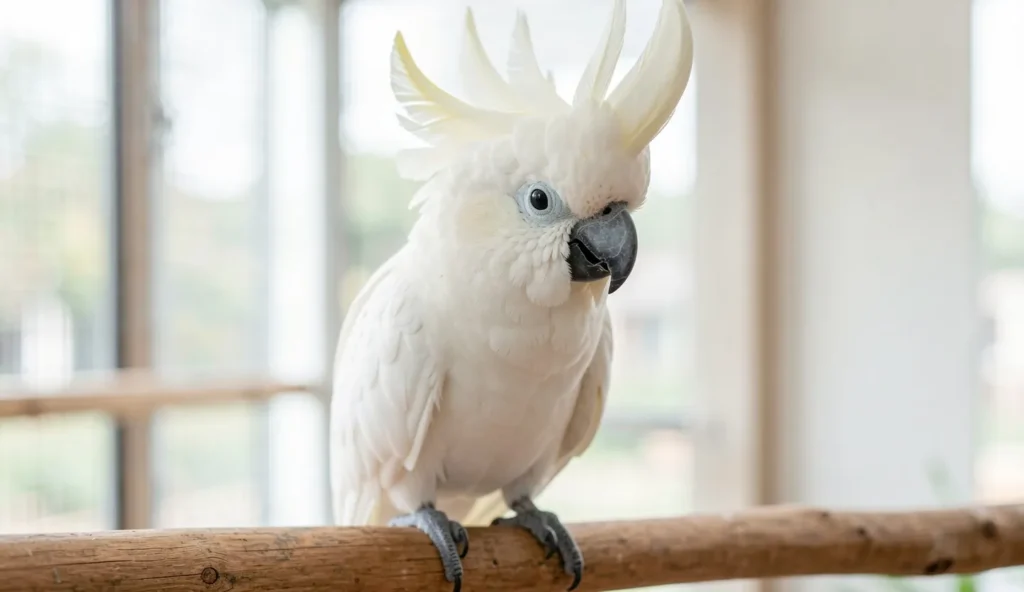
The Umbrella Cockatoo (Cacatua alba) is a large, white parrot native to the islands of Indonesia. This species is also known as the white cockatoo. It is one of the most affectionate and demanding parrot species kept as a pet. Understanding the Umbrella Cockatoo personality is essential before bringing one home.
Origin and Scientific Classification
The Umbrella Cockatoo belongs to the family Cacatuidae. Its scientific name Cacatua alba refers to its predominantly white plumage. These birds inhabit tropical forests and are known for their striking retractable crests.
Appearance and Physical Features
The Umbrella Cockatoo is a visually stunning bird. Its pure white feathers cover the entire body, with yellow or orange undertail and wing linings. Powder down feathers produce a fine dust that helps keep the plumage clean.
Size and Weight
Adults average 18 inches in length. They weigh between 1.5 and 2 pounds. Males are slightly larger than females, a trait known as sexual dimorphism.
Plumage and Color
The body is entirely white, but the crest and undersides display subtle yellow or orange hues when raised. The beak and feet are dark gray, and white eye rings surround dark eyes. This combination gives the bird a striking expression.
Crest and Facial Features
The large retractable crest is a key feature. It reflects the bird’s mood: raised when excited or alarmed, flattened when relaxed. The beak is strong and capable of cracking hard seeds.
Temperament and Personality
The Umbrella Cockatoo is known for its intense need for social interaction. Owners describe them as “velcro birds” because they want to be near their human constantly. This affectionate nature is a core part of the cockatoo personality.
Affectionate and Needy Nature
These birds form extremely strong bonds with their owners. They demand constant attention and interaction. If ignored, they can develop destructive behaviors such as screaming or chewing furniture. For a comparison of similar affectionate parrots, read about the cockatoos the enchanting world of these charismatic parrots.
Vocalizations and Noise Level
Umbrella Cockatoos are among the louder parrot species. They produce loud, piercing screams to communicate, especially at dawn and dusk. Some individuals learn to mimic words and sounds with practice. Potential owners should be prepared for significant noise, similar to that of other large parrots like the macaw parrots.
Intelligence and Problem Solving
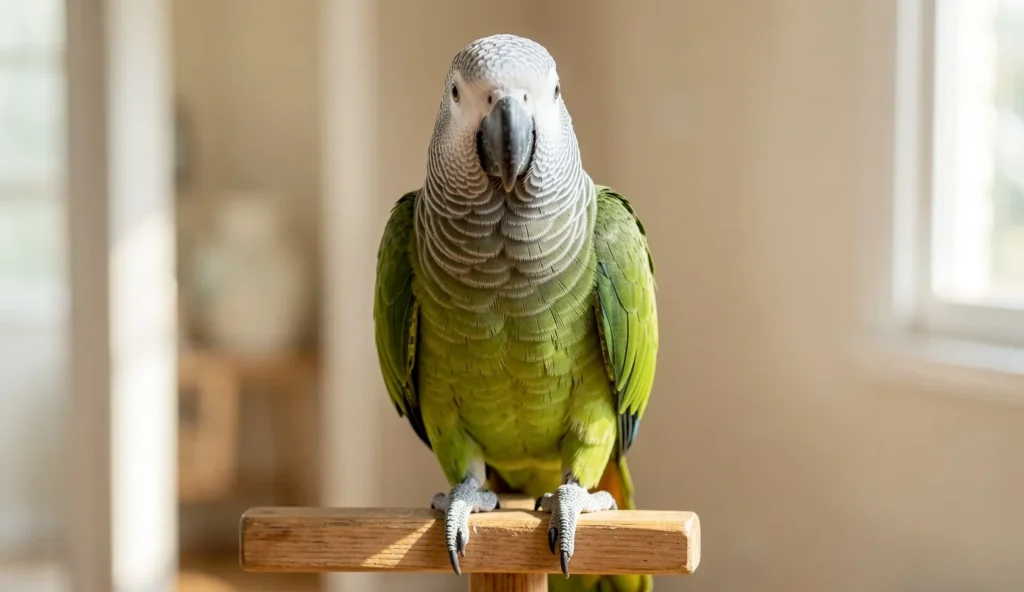
This bird is highly intelligent and curious. It needs mental stimulation to prevent boredom. Puzzle toys, foraging activities, and trick training work well. The Umbrella Cockatoo can learn step-up commands and simple games quickly. Its cognitive abilities are comparable to those of the African Grey Parrots, though each species excels in different areas.
Separation Anxiety and Behavioral Issues
Separation anxiety is a serious concern for this breed. Birds that spend long hours alone may pluck their feathers or self-mutilate. A consistent routine and ample companionship are crucial. Owners must provide at least three to four hours of out-of-cage time daily. Neglecting these social needs often leads to permanent behavioral problems.
Exercise Requirements
Physical activity is vital for an Umbrella Cockatoo’s well-being. Without enough exercise, obesity and boredom-related behaviors develop. A spacious, bird-safe area is recommended for daily roaming.
Daily Exercise Needs
Provide a minimum of three to four hours of supervised out-of-cage time daily. This allows the bird to flap its wings and climb. Flighted birds benefit from safe indoor flying space. Bird-safe stands or play gyms encourage movement.
Enrichment Activities
Foraging toys and puzzle feeders stimulate the mind. Shreddable materials such as cardboard and paper satisfy natural chewing instincts. Short training sessions also serve as both mental and physical exercise. These activities replicate the challenges of wild foraging.
Training and Socialization
Proper training and early socialization shape a well-adjusted Umbrella Cockatoo. Positive reinforcement works best. Consistent, gentle handling builds trust over time.
Basic Training Tips
Use treats and praise to reward desired behaviors. Sessions should last only ten to fifteen minutes to maintain focus. Teach commands such as “step-up,” “stay,” and “recall.” Avoid punishment, as it damages the bond between bird and owner.
Socialization with People and Pets
Expose the bird to different people from a young age. Supervise interactions with dogs, cats, or other pets. Do not overwhelm the bird with too many strangers at once. Gradual exposure prevents fear and aggression.
Grooming and Care
Regular grooming keeps the Umbrella Cockatoo healthy and comfortable. Feathers, nails, and beak require routine attention. Dust from powder down also needs frequent cleaning of the bird’s environment.
Bathing and Feather Care
Offer a shallow dish of water daily for bathing. Mist the bird with lukewarm water several times per week. Allow natural drying in a warm, draft-free area. Proper humidity helps maintain feather quality.
Nail and Beak Maintenance
Provide natural wood perches to help wear down nails. Have a professional trim nails every four to six weeks. Beak trimming is rarely needed if the diet includes hard foods such as nuts and seeds. Chewing toys also support beak health.
Diet and Nutrition
A balanced diet prevents obesity and related diseases. The Umbrella Cockatoo needs low-fat, nutrient-dense foods. Seed mixes alone are inadequate and lead to health problems.
Pelleted Diet
High-quality pellets should form 60 to 70 percent of the diet. Choose low-fat formulas specifically designed for large parrots. Avoid seed-heavy mixes as a staple; seeds are high in fat and low in essential vitamins.
Fresh Foods and Treats
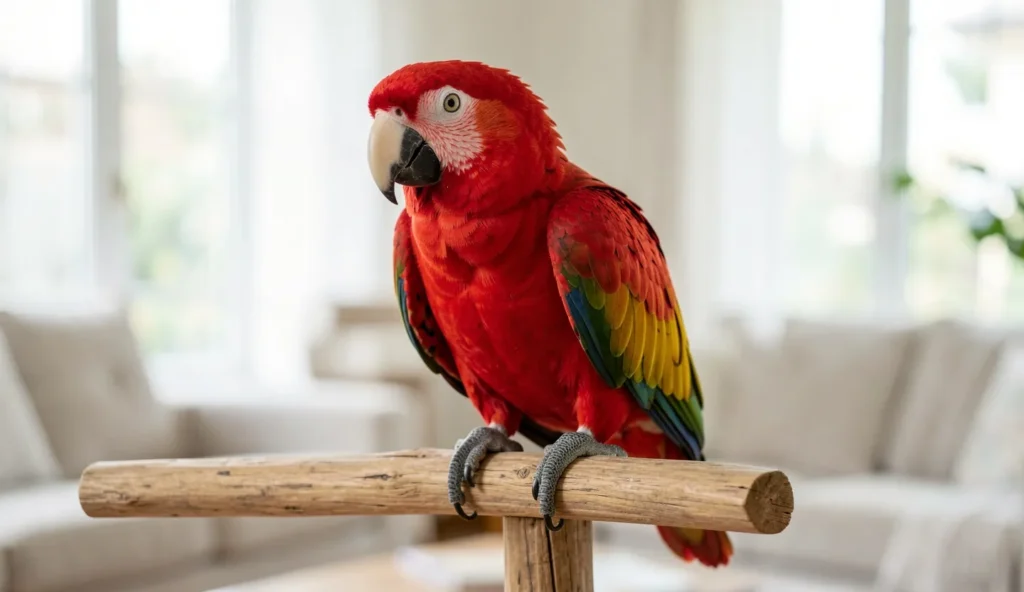
Offer fresh vegetables and fruits daily. Leafy greens, carrots, and apples are excellent choices. Limit nuts and high-sugar fruits to small treats. For reference, similar dietary guidelines apply to the Scarlet Macaw, though macaws require slightly more fat.
Common Health Issues
Umbrella Cockatoos are susceptible to several health conditions. Early detection improves treatment outcomes. Regular veterinary checkups are essential.
Respiratory Infections
Bacterial, fungal, or viral infections can cause sneezing, nasal discharge, and lethargy. Poor ventilation and dusty environments increase risk. Immediate veterinary care is required.
Feather Plucking
This behavior often links to stress, boredom, or separation anxiety. It can lead to permanent follicle damage. Address underlying causes with environmental enrichment and behavioral modification. A vet should rule out medical issues first.
Obesity
High-fat seed diets and insufficient exercise cause obesity. This increases risks of fatty liver disease and heart problems. Prevent obesity with proper diet and daily activity. The Hyacinth Macaw faces similar weight management challenges due to its size.
Is an Umbrella Cockatoo Right for You
This breed demands a major commitment of time, energy, and resources. Potential owners should evaluate their lifestyle carefully before acquiring one. The Umbrella Cockatoo is not suitable for beginners or people with limited time.
Considerations Before Getting an Umbrella Cockatoo
Birds can live 40 to 60 years, sometimes up to 70. That is a lifelong responsibility. Noise, mess, and neediness are daily realities. Financial costs for food, vet care, and enrichment add up. Those willing to dedicate several hours daily will find a rewarding companion. For a smaller, less demanding parrot, consider the Lovebird Parrots, though they too need attention.
Frequently Asked Questions
Do umbrella cockatoos talk?
Umbrella Cockatoos can learn to mimic words and phrases. Their vocabulary is smaller than that of African Greys, but some individuals speak clearly. Talking ability varies from bird to bird.
How loud are umbrella cockatoos?
They are one of the louder parrot species. Loud screams are common in the morning and evening. This noise level can be challenging for apartment living.
Are umbrella cockatoos good for beginners?
No, they are not recommended for first-time bird owners. Their high need for attention and potential behavioral issues require experience. Owners must have time, patience, and knowledge of parrots.
How long do umbrella cockatoos live?
Average lifespan is 40 to 60 years in captivity. Some individuals live up to 70 years with proper care. This is a lifelong commitment for most owners.
Do umbrella cockatoos bite?
They can bite, especially when hormonal or frightened. Biting often communicates discomfort or overstimulation. Proper training and reading body language reduce biting incidents.
What causes feather plucking in umbrella cockatoos?
Stress, boredom, and separation anxiety are common triggers. Medical conditions such as skin infections can also cause plucking. A combination of environmental enrichment and a veterinary check is needed.
Final Note
A Lifelong Commitment
The Umbrella Cockatoo offers immense affection and joy to dedicated owners. Meeting its physical and emotional needs requires daily effort. For those prepared for the challenge, this large parrot becomes a cherished family member.