What Is an Alexandrine Parakeet
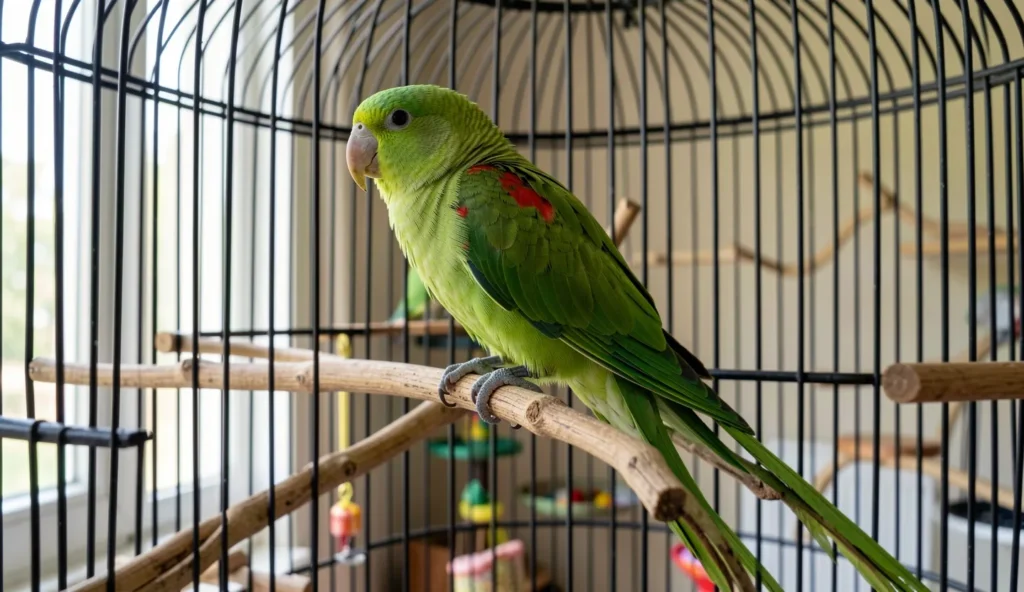
The Alexandrine Parakeet, scientifically known as Psittacula eupatria, is the largest of the ringneck parakeet species. This medium parrot originates from the forests and woodlands of India, Sri Lanka, and parts of Southeast Asia. Its striking green plumage, red shoulder patches, and impressive size make it a standout among pet birds.
Origin and Natural Habitat
In the wild, Alexandrine parakeets inhabit a range of environments including tropical forests, open woodlands, and even urban areas. They belong to the Psittacula genus, closely related to the popular Indian ringneck. Their adaptability to varied habitats shows their resilience, but captive care must replicate their natural need for space and stimulation.
Why They Are Popular Pets
Bird enthusiasts appreciate the Alexandrine Parakeet for its intelligence and trainable nature. These birds can learn a large vocabulary and form strong bonds with their owners. Their larger frame and vivid coloration, especially the crimson shoulder patches in males, add to their appeal as a companion parrot.
Size and Physical Appearance
The Alexandrine Parakeet is the largest ringneck species, measuring 22 to 24 inches from head to tail tip. Tail feathers alone account for roughly half that length. Weight falls between 200 and 300 grams, placing it in the medium parrot category.
Body Length and Weight
Length ranges 22 to 24 inches, with the tail making up half of the bird. Weight varies between 200 and 300 grams. This robust build requires a cage that accommodates both body and tail length.
Coloration and Markings
The body is predominantly green with yellow-green underparts. Males develop a distinctive black neck ring and a pink collar around the nape, a trait that appears after the first molt at around 18 months. Both sexes display a red shoulder patch, though it is more vivid in males.
Beak and Feet
The large hooked red beak is designed for cracking nuts and seeds. Zygodactyl feet provide a strong grip, ideal for climbing and manipulating toys. These physical traits influence cage requirements, needing sturdy perches and chew-resistant materials.
Temperament and Personality
Alexandrine parakeets are highly social and form deep attachments to their owners. They demand daily interaction and can become territorial if understimulated. Their intelligence requires mental challenges to prevent boredom and feather plucking.
Social and Attention Needs
These birds need several hours of supervised time outside the cage each day. Without adequate social contact, they may develop nippy or destructive behaviors. Owners should plan for at least 3 to 4 hours of active engagement.
Noise Level and Vocalizations
Known for loud, harsh calls, especially at dawn and dusk, the Alexandrine Parakeet is not a quiet pet. They are capable of mimicking human speech with clarity, but their volume makes them unsuitable for apartment living. Consider noise when housing this large parakeet.
Exercise and Activity Needs
Physical activity is crucial for maintaining health and preventing obesity. A sedentary lifestyle can lead to fatty liver disease, especially in captive parrots. Provide ample opportunities for flying and climbing.
Daily Out-of-Cage Time
Minimum 3 to 4 hours of supervised free flight outside the cage is essential. Secure the room from dangers such as open windows, ceiling fans, and toxic houseplants. A designated play stand or perch encourages safe exploration.
Toys and Enrichment
Offer foraging toys, puzzles, and destructible wood toys to keep the bird mentally stimulated. Rotate toys weekly to maintain interest. Include swings, ladders, and climbing ropes to encourage physical exercise. For more enrichment ideas, the Budgie Parakeet care guide offers similar activity suggestions that apply to many parakeet species.
Training and Socialization
Early training shapes a well-adjusted adult bird. Use positive reinforcement with treats and praise. Keep sessions short, around 10 to 15 minutes, to hold attention.
Basic Commands and Taming
Start with step-up and target training. Consistency and patience yield the best results. Avoid punishment, as it damages trust.
Socialization with People and Pets
Introduce the bird gradually to different family members. Supervise interactions with other pets, including dogs and cats. Regular handling prevents aggression and fear. The Peach Faced Lovebird has similar socialization needs that can provide additional insight.
Cage Size and Setup Requirements
Choosing the right cage is one of the most critical aspects of Alexandrine parakeet care. As a large parakeet with a long tail, the bird requires ample room to stretch, climb, and play. The cage must accommodate both body size and activity level.
Minimum Cage Dimensions
The absolute minimum cage size is 36 inches wide, 24 inches deep, and 48 inches tall. Rectangular cages are preferred over round or square models because they offer better flight space. A flight cage or aviary is strongly recommended to allow short flights.
Bar Spacing and Material
Bar spacing should be between 3/4 inch and 1 inch. Wider gaps risk head entrapment or escape. Powder-coated wrought iron or stainless steel are safe, durable materials. Avoid galvanized or painted cages that may contain toxic coatings.
Cage Placement and Environment
Place the cage in a busy room at eye level to promote social interaction. Keep it away from drafts, direct sunlight, and kitchen fumes. Maintain a stable temperature between 65°F and 85°F.
Perches, Bowls, and Accessories
Provide multiple perches of varying diameters and textures to exercise feet. Use stainless steel or ceramic food and water bowls that are easy to clean. Add a cuttlebone or mineral block for beak health. A well-equipped cage reduces stress and enriches the bird’s environment.
| Feature | Requirement |
|---|---|
| Minimum Width | 36 inches |
| Minimum Depth | 24 inches |
| Minimum Height | 48 inches |
| Bar Spacing | 3/4 to 1 inch |
| Material | Stainless steel or powder-coated wrought iron |
| Shape | Rectangular |
Diet and Nutrition
A balanced diet is the foundation of good health. High-quality formulated pellets should make up 60 to 70 percent of the diet. Seed mixes alone lead to obesity and nutritional deficiencies.
Staples and Pellets
Choose species-specific pellets designed for medium parrots. Avoid all-seed diets due to high fat content. Pellets provide consistent vitamins and minerals.
Fresh Fruits and Vegetables
Offer dark leafy greens, carrots, bell peppers, and berries daily. Fruits like apple, mango, and papaya can be given in moderation. Always wash produce thoroughly and remove seeds or pits.
Supplements and Treats
Once a week, sprinkle a calcium and vitamin D3 supplement over fresh food. Use nuts and seeds only as occasional training treats. Fresh, clean water must be available at all times. Adjust portions based on the bird’s activity level.
Grooming and Care
Routine grooming keeps the Alexandrine Parakeet healthy and comfortable. Bathing helps maintain feather condition. Nail and beak trimming prevents overgrowth and injury.
Feather Care and Bathing
Mist the bird with lukewarm water or provide a shallow bath dish 2 to 3 times per week. This encourages preening and removes dust. Avoid drafts after bathing to prevent chills.
Nail and Beak Trimming
Trim nails every 4 to 6 weeks if they become overgrown. Provide rough perches and chew toys for natural wear. Have a professional or avian vet demonstrate the first trimming to avoid cutting the quick.
Common Health Issues
With proper care, Alexandrine parakeets can live 25 to 30 years. Awareness of common health problems helps owners seek early treatment. Regular vet checkups are essential.
Respiratory Infections
Symptoms include sneezing, nasal discharge, and wheezing. Causes include drafts, poor ventilation, or bacterial infection. An immediate vet visit is required.
Feather Plucking and Self-Mutilation
This behavior often stems from boredom, stress, or inadequate cage size. Increase enrichment and consider a larger cage. Consult an avian vet if the behavior persists.
Obesity and Fatty Liver Disease
A high-fat seed diet combined with lack of exercise leads to obesity. Switch to a pellet-based diet and encourage daily flying. Annual weight monitoring during vet visits catches issues early.
Is an Alexandrine Parakeet Right for You
This species demands significant space, time, and commitment. Owners must provide a large cage and a bird-safe room for out-of-cage activity. The Alexandrine Parakeet is not suitable for small apartments due to noise and space needs.
Space and Housing Considerations
A minimum cage of 36x24x48 inches is essential, but larger flight cages or outdoor aviaries are better. Dedicate a room where the bird can fly safely. Warm climates allow for an outdoor aviary, which provides natural sunlight and enrichment. Those interested in other large parrots may find the Green Cheek Conure a more compact alternative, though different in temperament.
Time and Attention Requirements
Plan for several hours of daily interaction and out-of-cage time. Owners with flexible schedules, remote work, or retired individuals are best suited. The bird’s long lifespan of 25 to 30 years requires a long-term commitment. For those considering multiple birds, the Lovebird Parrots guide discusses pairing dynamics that can also apply to ringneck species.
Alexandrine parakeets thrive when their environment matches their natural needs. Their intelligence and beauty reward dedicated owners who provide proper housing, diet, and enrichment.
Frequently Asked Questions
How big do Alexandrine parakeets get?
Alexandrine parakeets reach 22 to 24 inches in length, with tail feathers accounting for about half the total. Weight ranges from 200 to 300 grams.
What size cage does an Alexandrine parakeet need?
The minimum cage dimensions are 36 inches wide, 24 inches deep, and 48 inches tall. Larger flight cages or aviaries are strongly recommended. Bar spacing should be 3/4 to 1 inch.
Can an Alexandrine parakeet live in a small apartment?
Not ideal due to loud calls and the need for a large cage. Daily noise can disturb neighbors in close quarters. A dedicated room or outdoor aviary is better suited.
Do Alexandrine parakeets need a flight cage?
A flight cage is strongly recommended for exercise. It provides space for short flights and climbing, helping prevent obesity and behavioral problems.
How much out-of-cage time do Alexandrine parakeets need?
Minimum 3 to 4 hours of supervised free flight daily. Time can be split into multiple sessions. Supervision is necessary to prevent accidents.
What is the ideal bar spacing for an Alexandrine parakeet cage?
Bar spacing should be 3/4 to 1 inch. Wider spacing may allow head entrapment; tighter spacing prevents escape of young or smaller individuals.
Final Note
With the right cage, diet, and social interaction, an Alexandrine parakeet becomes a rewarding companion for many years. Assess your home environment carefully before bringing one home.