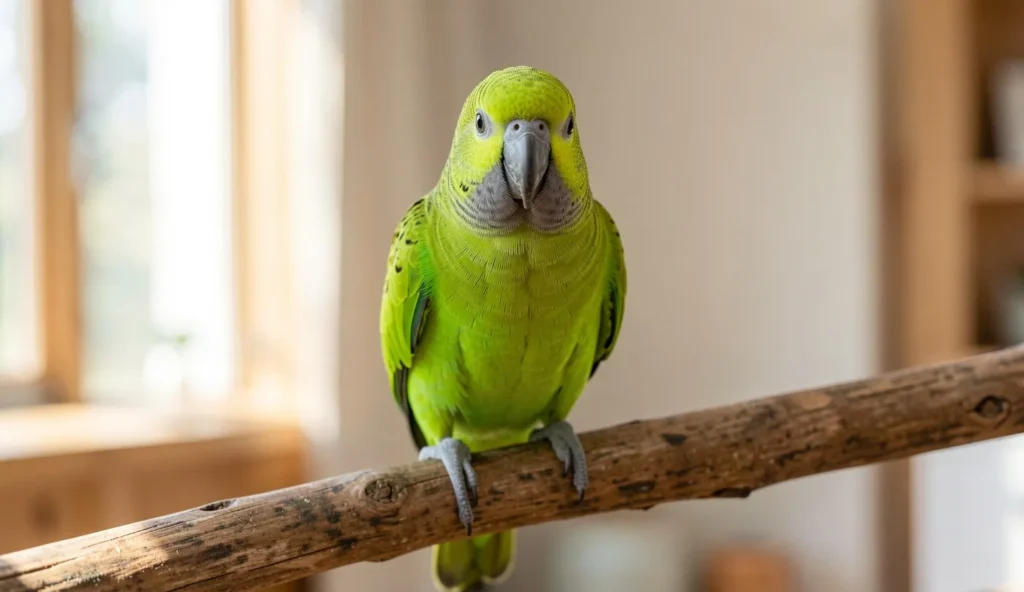
What Is a Quaker Parrot
The Quaker Parrot, also known as the Monk Parakeet or Myiopsitta monachus, is a medium parrot native to South America. This small, bright green bird stands out among other parrots because it builds large stick nests instead of using tree cavities. Quaker parrots are intelligent, social, and highly adaptable, which makes them appealing companions. However, their adaptability also leads to legal restrictions in several U.S. states.
Legal Status of Quaker Parrots
States Where Quaker Parrots Are Illegal
Quaker parrot legality varies widely across the United States. As of the latest regulations, Quaker parrots are illegal to own, sell, or breed in the following states: California, Colorado, Connecticut, Georgia, Hawaii, Kentucky, Louisiana, Maine, Massachusetts, New Jersey, Ohio, Pennsylvania, Rhode Island, Tennessee, and Wyoming. Some of these states allow ownership with a permit or registration, while others impose a complete ban. Laws change frequently, so prospective owners must verify with state wildlife agencies before acquiring a bird.
Why Quaker Parrots Are Regulated
Regulators classify the Monk Parakeet as an agricultural threat. Feral populations in warm climates build massive communal nests on power lines, utility poles, and communication towers. These nests can cause power outages and structural damage. Additionally, Quaker parrots compete with native birds for food and nesting sites, and they may damage crops such as corn and fruit orchards. Their high reproductive rate and ability to thrive in urban environments make them a serious invasive species risk.
How to Check Local Laws
To confirm the legal status in your area, contact the state department of agriculture or fish and wildlife agency. City and county ordinances may impose stricter rules than state laws, so check local municipal codes as well. A local avian veterinarian or bird rescue organization can provide insight on current enforcement practices. Always obtain written confirmation before purchasing a Quaker parrot.
Physical Appearance of Quaker Parrots
The Quaker Parrot measures about 11 to 12 inches in length, making it a medium parrot. Its body is mostly bright green, with a gray face, throat, and breast. The belly often shows a pale green or yellow tint. Primary flight feathers are blue, and the tail is long and tapered. The beak is horn-colored, and the eyes are dark with a white ring. Unlike many other parrots, the Quaker does not exhibit sexual dimorphism; males and females look identical.
Quaker Parrot Temperament and Personality
Quaker Parrots are known for their bold, curious, and playful nature. They form strong bonds with their primary caregiver and often seek close contact. Their intelligence rivals that of larger species like the African Grey Parrot, and they learn tricks and words quickly. However, Quaker behavior also includes a territorial streak; without proper socialization, they may become nippy or possessive. A well-socialized Quaker is affectionate and entertaining.
Common Quaker Parrot Behaviors
Nesting and Building Behavior
Quaker parrots are the only parrot species that build stick nests. In the wild, they construct large, multi-chambered structures that can house several pairs. In captivity, this instinct remains strong. Owners often see their Quaker weaving toys, paper strips, or fabric into cage bars. Providing shreddable toys and safe materials like untreated willow branches satisfies this natural drive. A bird without appropriate outlets may become frustrated and develop feather-destructive behaviors.
Vocalization and Talking Ability
Quaker parrots are excellent talkers, capable of learning dozens of words and phrases with clear pronunciation. They often mimic household sounds and human speech with remarkable accuracy. However, they are naturally vocal and may scream loudly during dawn and dusk. Consistent training and environmental enrichment help reduce excessive noise. Owners should expect a chatty bird that uses its voice to communicate excitement, boredom, or alarm.
Social Behavior and Bonding
Quaker parrots are highly social and do best with daily interaction. They bond intensely with one person but can learn to accept other family members. Without regular out-of-cage time, they may become depressed or aggressive. Introducing new people or pets gradually prevents territorial aggression. Compared to a Budgie Parakeet, the Quaker requires more hands-on attention and a larger space. They thrive when included in daily activities.
Training and Enrichment for Quaker Parrots
Training a Quaker Parrot requires patience and positive reinforcement. Use short sessions of 10 to 15 minutes, focusing on one command at a time. Step-up training, target training, and trick training build trust and mental stimulation. Foraging toys, puzzle feeders, and chewable items keep their active minds engaged. A Quaker that lacks enrichment often screams or plucks feathers. Rotate toys weekly to maintain interest. This species also enjoys learning from watching other birds, such as a Green Cheek Conure, but should be housed separately to avoid conflict.
Diet and Nutrition for Quaker Parrots
A balanced diet for a Quaker Parrot consists of high-quality pellets (around 70 percent of intake), fresh vegetables, and limited fruits. Leafy greens, carrots, bell peppers, and broccoli provide essential vitamins. Avoid avocado, chocolate, caffeine, and high-sugar treats. Seeds and nuts should be offered sparingly as rewards. Clean, fresh water must be available at all times. For guidance on safe human foods, refer to resources about whether your parrot can share your meal. Feeding a varied diet prevents obesity, a common issue in captive Quakers.
Common Health Issues in Quaker Parrots
Quaker parrots are prone to obesity, especially if fed a seed-heavy diet or given too many treats. Feather plucking often signals boredom, stress, or inadequate socialization. Respiratory infections can occur from drafts or poor ventilation. Other concerns include psittacosis (parrot fever) and beak malocclusion. Annual veterinary checkups with an avian specialist catch problems early. A healthy Quaker has bright eyes, smooth feathers, and an active demeanor.
Is a Quaker Parrot Right for You
Owning a Quaker Parrot is a long-term commitment of 20 to 30 years. They need daily interaction, plenty of enrichment, and a cage with a minimum size of 24 inches wide by 24 inches deep by 36 inches tall. Their loud vocalizations and territorial behavior can challenge novice owners. Before acquiring one, verify that your state, city, and county allow Quaker parrots. Check local ordinances carefully, as some areas with feral populations have strict bans. This species is better suited for intermediate owners who have experience with medium parrots.
Frequently Asked Questions
Are Quaker parrots legal in my state?
Check the list of restricted states and then verify with your state wildlife agency. Laws vary by state and even by county.
Why are Quaker parrots illegal in some states?
Quaker parrots are considered an invasive species that can damage crops and infrastructure. They build large communal nests that can cause power outages.
Can Quaker parrots talk?
Yes, Quaker parrots are among the best talking parrot species. They can learn a large vocabulary with consistent training.
How long do Quaker parrots live?
Quaker parrots typically live 20 to 30 years in captivity. Good diet and veterinary care can extend lifespan.
Do Quaker parrots need a special cage?
A minimum cage size is 24 inches wide by 24 inches deep by 36 inches tall. Bar spacing should be no more than 3/4 inch to prevent escape.
Are Quaker parrots good for beginners?
Quaker parrots are intelligent and social but can be loud and territorial. They require dedicated time and training, making them better for intermediate owners.
Final Note
Quaker parrots bring energy and wit into a home, but they also demand careful attention to legal and behavioral needs. Always confirm local regulations before bringing one home, and commit to providing the space, enrichment, and social time this species requires.