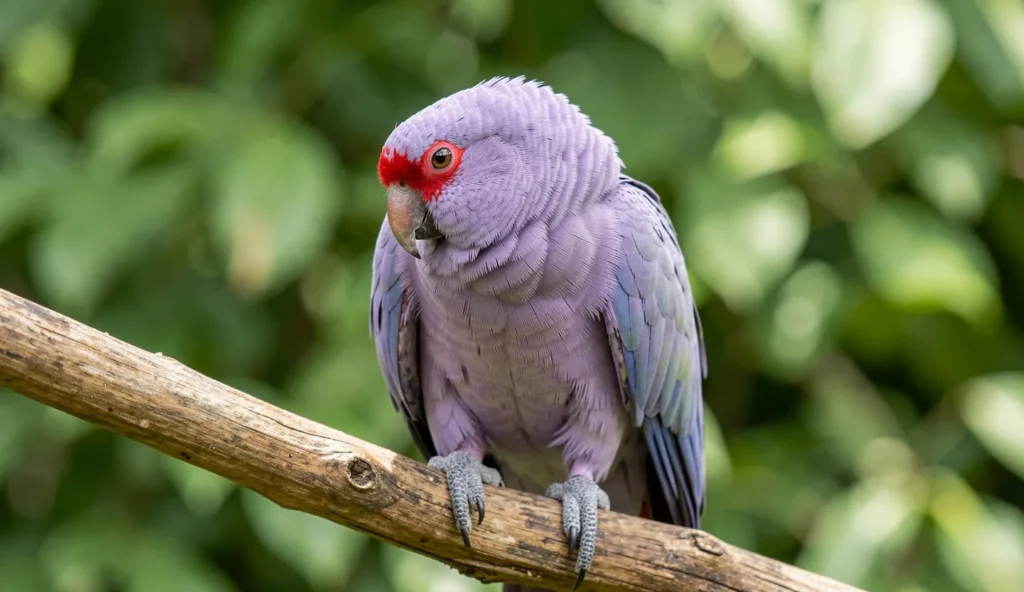
What Is a Lilac Crowned Amazon Parrot
The Lilac Crowned Amazon is a threatened Amazon parrot from western Mexico. This bird belongs to the species Amazona finschi and stands out for its lilac-blue crown and strong intelligence. Many people choose this large parrot when they want a social companion and can support long-term care.
In addition, the Lilac Crowned Amazon is closely related to the red-crowned amazon, which often causes confusion when birds look similar at a distance. For conservation-minded owners, understanding the species first helps avoid supporting illegal trade. That knowledge also improves day-to-day care decisions.
Scientific Classification and Native Range
Amazona finschi is the scientific name used for the Lilac Crowned Amazon. The bird occurs naturally in western Mexico and is commonly described as a Mexican parrot due to its geographic range. It is also known as the lilac-crowned amazon.
Because this species shares many traits with other Amazona parrots, it often appears in discussions about the broader group of endangered amazon birds. Even so, the Lilac Crowned Amazon keeps distinct head markings that trained observers look for first.
Why This Bird Stands Out Among Amazons
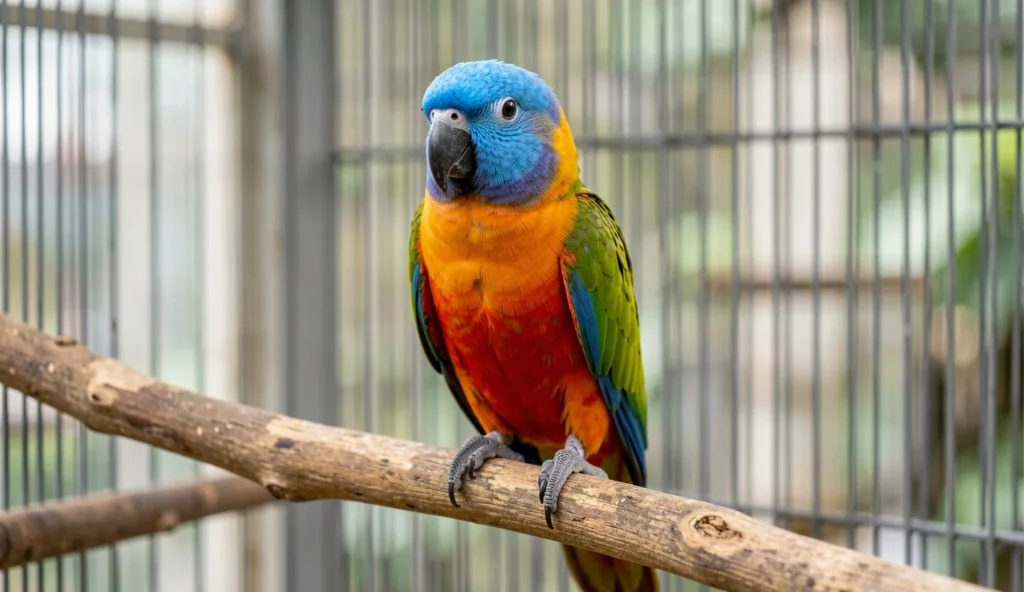
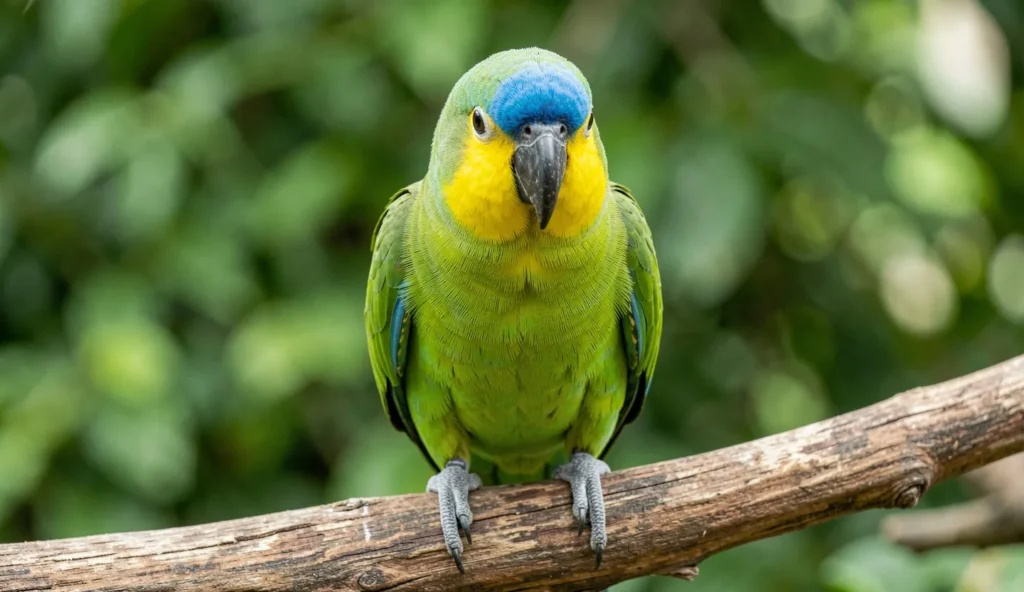
The Lilac Crowned Amazon reaches about 13 to 15 inches long and has a sturdy body with a relatively short tail. Its most distinctive feature is the lilac-blue crown, which contrasts with the green body. A red forehead and facial lores add a second strong identifying pattern.
Owners also notice frequent vocal behavior and quick learning. However, intelligence increases training needs, so preparation matters before bringing one home. Threats in the wild make responsible ownership even more important.
What Makes The Lilac Crowned Amazon Endangered
Conservation concerns affect the Lilac Crowned Amazon far more than most pet buyers expect. The species is listed as Endangered, and threats come from both habitat changes and illegal capture. As a result, conservation outcomes can depend on how captive owners choose breeders and rescues.
At the same time, confusion with the red-crowned amazon can create additional risk in trade channels. When birds are misidentified, illegal collection may move through systems that would otherwise stop it. Therefore, verified sourcing helps protect wild populations.
Habitat Loss Reduces Safe Nesting Areas
In Mexico, deforestation and land conversion reduce tropical dry forest areas used for nesting and feeding. Agriculture and development fragment remaining habitat into smaller patches. Over time, those patches cannot support the same number of birds.
When habitat breaks apart, birds also face higher stress and harder access to food. That pressure increases the impact of any additional removal for the pet trade. Habitat loss therefore acts as a baseline threat that other problems intensify.
Illegal Pet Trade Can Drive Trapping
Demand can lead to illegal trapping, especially when parrots show good vocal ability or social behavior. Smuggling can move birds across borders before authorities can confirm origin. In many situations, distinguishing the Lilac Crowned Amazon from a red-crowned amazon requires careful inspection.
This misidentification risk allows wrong labeling and complicates enforcement. Because of that, conservation-minded owners often prioritize documentation that clearly supports lawful, responsible supply. Verified paperwork does not replace ethics, but it helps reduce harmful uncertainty.
Current Conservation Efforts Help Stabilize Numbers
CITES listing places legal controls on international trade, and the Lilac Crowned Amazon benefits from that protective framework. Captive breeding programs can also support population management under appropriate standards. Meanwhile, habitat protection initiatives aim to safeguard parts of western Mexico where the species still survives.
These efforts work best when they connect to responsible ownership in captivity. Choosing legitimate sources supports conservation outcomes and encourages better long-term welfare practices. It also reduces pressure created by continued poaching.
How Do Lilac Crowned Amazons Look
Appearance helps owners confirm identity, plan for housing, and choose proper enrichment. The Lilac Crowned Amazon is a medium to large parrot with a green base body and a strong head pattern. Its size and coloration make it noticeable among large parrot companions.
In addition, the bird’s crown and facial markings help differentiate it from close relatives. Care decisions also benefit from understanding normal plumage so abnormal feather changes become easier to spot. That can improve early health detection.
Size and Build of Amazona Finschi
The Lilac Crowned Amazon typically measures 33 to 38 cm, or about 13 to 15 inches. Adult birds often weigh between 270 and 350 grams, depending on diet and health. The body looks sturdy, and the tail appears short relative to the overall length.
Because the bird is large, it needs strong perches and space to stretch wings comfortably. Under-sizing cages often leads to stress and reduced activity. Correct sizing improves both comfort and behavior.
Plumage and Color Pattern
The green body includes darker wing feathers that create a layered look. The lilac-blue crown stands out as the most recognizable feature, especially when the bird turns its head. Blue tones show again in flight feathers and in the tail tip areas.
On the face, the red forehead and the lores provide a second highlight. When buyers focus on crown color and facial placement, misidentification becomes less likely. These visual cues support ethical purchasing decisions and better record keeping.
What Temperament Can Owners Expect From Lilac Crowned Amazon
The Lilac Crowned Amazon often forms strong bonds with people and responds well to consistent training. This intelligence supports talk and learning, but it also means boredom can trigger unwanted behavior. For conservation-minded owners, stable daily routines matter because welfare directly affects health.
Also, social needs run deeper than many new owners expect. Time alone for long periods can cause stress responses, including loud contact calls. Planning for daily interaction becomes part of responsible ownership.
Intelligence and Trainability
These parrots act curious and learn quickly when training sessions stay short and positive. A Lilac Crowned Amazon can pick up many words and phrases when conversation and reinforcement match the bird’s interests. Mental stimulation can come from target training, basic cues, and consistent enrichment.
Without training, the bird may still develop habits through attention-seeking. That does not mean the bird is “bad,” but it does mean management becomes harder. Therefore, structured practice supports both behavior and bonding.
Social Needs and Separation Anxiety Risks
Many owners report a strong bond with one primary caregiver, though the bird still benefits from gentle interaction with other family members. When left alone too long, the Lilac Crowned Amazon may show signs of separation anxiety. Behaviors can include pacing, persistent calling, and reduced eating.
Homes with very small children can also present challenges due to noise sensitivity and the need for predictable handling. Supervision matters because a stressed Amazon may react with biting even when never intended. Calm, respectful routines reduce risk for everyone involved.
Potential Noisiness and Daily Sound Patterns
Lilac-crowned amazon parrots can be loud, especially in the morning and again during evening routines. Common sounds include loud squawks, contact calls, and mimicry that can interrupt household quiet. Those vocal patterns often feel normal rather than “attention seeking.”
Because of this, apartment living may become difficult unless sound expectations are planned ahead of time. Prospective owners should also consider work schedules and household quiet hours. Correct preparation helps prevent surrender cases and stress-related health problems.
What Should A Lilac Crowned Amazon Eat
A balanced diet supports feather quality, stable weight, and steady immune function for the Lilac Crowned Amazon. In the wild, Amazona finschi depends on seeds, fruits, and plant parts that change through seasons. For captive care, the goal stays similar, but portions must be controlled and nutrients tracked.
When diet plans overuse seeds, obesity and poor nutrition can follow. Meanwhile, a mix of pelleted foods and fresh produce usually supports healthier long-term outcomes. That balance also makes daily feeding less confusing for owners.
Natural Food Sources in the Wild
In western Mexico, the bird uses seeds from native trees as a key energy source. Fruits such as figs and palm nuts can contribute to daily calories. Flowers and nectar may also appear in feeding routines depending on local availability.
Because natural sources vary, captive diets need variety to mimic seasonal changes. Variety also reduces selective eating where a bird refuses unfamiliar foods. Owners can build that variety gradually using consistent presentation.
A Recommended Captive Diet Plan
High-quality pelleted diet should form the base, since pellets usually include balanced vitamins and minerals. Fresh vegetables and fruits should appear daily, with leafy greens often making up a larger portion. Seeds and nuts can work as treats, but they should stay limited to avoid weight gain.
Calcium and vitamin supplements may be needed depending on the pellet brand and the produce offered. A veterinary check helps confirm whether supplementation supports correct mineral balance. That step matters because both deficiency and excess can affect health.
Because many Amazon owners also keep other large parrot species, cross-species diet mistakes can happen. For example, a comparison of feeding approaches can come from reading about the Blue Fronted Amazon, especially when discussing fruit variety and pellet foundations in daily routines. More broadly, consistent nutrition habits across Amazon species help prevent common feeding errors.
How Should A Lilac Crowned Amazon Be Housed
Housing should support movement, safety, and enrichment for the Lilac Crowned Amazon. As a large parrot, the bird needs enough room to climb, stretch wings, and move between perches. When housing stays correct, stress levels often reduce and behavior becomes more predictable.
At the same time, enrichment prevents boredom that can lead to feather damage or repeated screaming. Therefore, cage setup should include secure locks, safe materials, and daily out-of-cage time. Planning these elements before purchase avoids rushed adjustments.
Cage Size and Bar Spacing Requirements
A minimum cage size of 36 x 24 x 48 inches is recommended for a Lilac Crowned Amazon. Bar spacing should stay no wider than 3/4 inch to reduce risk of escape or injury. Multiple perches should include different diameters to support foot health.
Secure locks help prevent accidents, especially when the bird becomes curious during training. A sturdy base also reduces wobbling when the parrot climbs or flaps. Stable housing encourages calm resting behavior.
Out of Cage Time and Safe Play Areas
At least 3 to 4 hours of supervised time daily supports mental health and physical activity. A safe play gym or a parrot-proofed room can reduce hazards from cords, hot surfaces, and small objects. During free time, interaction with the owner supports bonding and reduces stress responses.
Instead of leaving the bird unsupervised, consistent supervision protects both the parrot and the household. This approach also improves training practice because cues can happen during play. Calm handling helps the bird associate human presence with safety.
Toys and Enrichment That Support Natural Behavior
Chew toys help prevent boredom and support beak maintenance through safe materials. Foraging toys mimic natural searching and encourage the bird to work for food. Rotating toys keeps interest high and reduces the “favorite toy only” pattern.
When toys stay appropriate in size, the bird can manipulate them without frustration. Owners should also check toys for wear and replace damaged pieces quickly. This routine reduces injury risks.
Enrichment planning can also benefit from studying how other Amazons manage similar challenges. For instance, reviewing Yellow Naped Amazon talking ability can highlight how vocal and cognitive needs often pair with play routines in daily care. The details help translate enrichment ideas across Amazona species without assuming diets or housing match exactly.
How Do Owners Maintain Grooming and Health
Grooming keeps the Lilac Crowned Amazon clean and comfortable, while health care supports early detection of disease. Most routine tasks focus on safe bathing, nail condition, and careful monitoring of feathers. When maintenance stays steady, minor issues usually become easier to catch early.
Additionally, Amazona finschi can develop problems that require veterinary support. Owners should plan for a relationship with an avian veterinarian before any emergency occurs. That preparation can reduce stress when health concerns appear.
Bathing and Hygiene Steps That Work
Bathing can include a shallow dish of water or gentle misting, depending on what the bird accepts. Many birds benefit from bathing 2 to 3 times per week. A clean cage also prevents feather dirtiness and reduces irritation from droppings residue.
If bathing does not seem comfortable at first, owners can adjust the schedule and water temperature. Sudden changes may trigger resistance, so gradual introduction helps. After bathing, owners can monitor posture and feather settling.
Nail Trimming and Beak Support
Nails typically need regular trimming, and a vet or experienced handler should perform it safely. Providing cuttlebone and mineral blocks can help support beak and mineral needs. Overgrown beak can also happen when the bird lacks safe chewing surfaces.
Monitoring the bird’s eating and chewing behavior can reveal problems early. If the parrot struggles with food pieces, it can signal beak issues. Addressing those signs early helps prevent weight loss.
Common Health Issues to Watch For
Psittacine beak and feather disease, or PBFD, can affect feather condition and beak health. Aspergillosis can develop from fungal spores, especially in dusty environments or poorly maintained areas. Obesity may follow poor diet choices and limited activity.
Stress can also trigger feather plucking, which often links to inadequate enrichment or social needs. Because symptoms can overlap, veterinary diagnostics matter when changes persist. Owners should keep notes on appetite, droppings, and activity level.
For broader context on Amazon health and behavior patterns, some owners compare experiences across species. A small Macaw case like the Hahn Macaw can also highlight how apartment constraints and enrichment choices affect vocal behavior and health maintenance, even though species needs differ. Those comparisons can support planning, as long as care decisions follow species-specific guidance.
Is a Lilac Crowned Amazon Right for You
Choosing the Lilac Crowned Amazon requires honest capacity for daily care, long-term commitment, and ethical sourcing. The bird can live 50 to 80 years in captivity, so lifestyle changes must be planned well in advance. That lifespan means ownership remains a multi-decade responsibility rather than a short-term hobby.
Also, the bird’s conservation needs affect ownership decisions. A responsible home reduces risk to wild populations by avoiding wild-caught birds and supporting reputable breeders or rescues. For conservation-minded owners, those choices carry practical and moral weight.
Lifespan and Time Commitment in Real Homes
Because of its intelligence and social nature, the Lilac Crowned Amazon often needs daily interaction and mental stimulation. Time alone for long stretches can increase anxiety and vocal stress. Training and enrichment help channel energy into healthy behavior.
Owners who cannot provide daily engagement should reconsider before acquiring this large parrot. If work schedules reduce time at home, a plan for consistent care support becomes essential. That planning prevents stress-driven health and behavior problems later.
Conservation Responsibility With Captive Sourcing
Only adopting from reputable breeders or rescues supports better welfare and reduces pressure caused by poaching. Avoiding wild-caught birds helps reduce demand that can lead to illegal trapping. Supporting conservation organizations can also strengthen habitat protection efforts in western Mexico.
When identity confusion with the red-crowned amazon exists, documentation and careful sourcing become even more important. Buyers should request details that confirm lawful acquisition and correct species labeling. That practice helps protect the bird and improves accountability.
FAQs: Lilac Crowned Amazon Care and Conservation
How Long Does a Lilac Crowned Amazon Live?
They can live 50 to 80 years in captivity with proper care. Wild lifespans are often shorter due to threats and habitat pressures.
Can Lilac Crowned Amazons Talk?
Yes, they are excellent talkers and can learn a large vocabulary of words and phrases. They often rank among the more vocal Amazon parrot species.
What Is the Conservation Status of the Lilac Crowned Amazon?
The species is listed as Endangered on the IUCN Red List. Habitat loss and illegal trapping for the pet trade are key threats.
How Can People Tell a Lilac Crowned Amazon From a Red Crowned Amazon?
The Lilac Crowned Amazon has a lilac-blue crown, while the red-crowned amazon has a red crown. Both may show red facial areas, but crown color is the main distinction.
What Size Cage Does a Lilac Crowned Amazon Need?
A minimum cage size of 36 x 24 x 48 inches is recommended for a comfortable setup. Bar spacing should stay no wider than 3/4 inch to reduce escape risk.
What Does a Lilac Crowned Amazon Eat Each Day?
A balanced diet includes high-quality pellets, fresh vegetables, and fruits. Seeds and nuts work best as limited treats to prevent obesity.
Practical Care Starts With Responsible Ownership
Care for the Lilac Crowned Amazon goes beyond diet and housing, because conservation choices influence the species survival outlook. With proper planning, daily interaction, and ethical sourcing, long-term welfare becomes achievable.