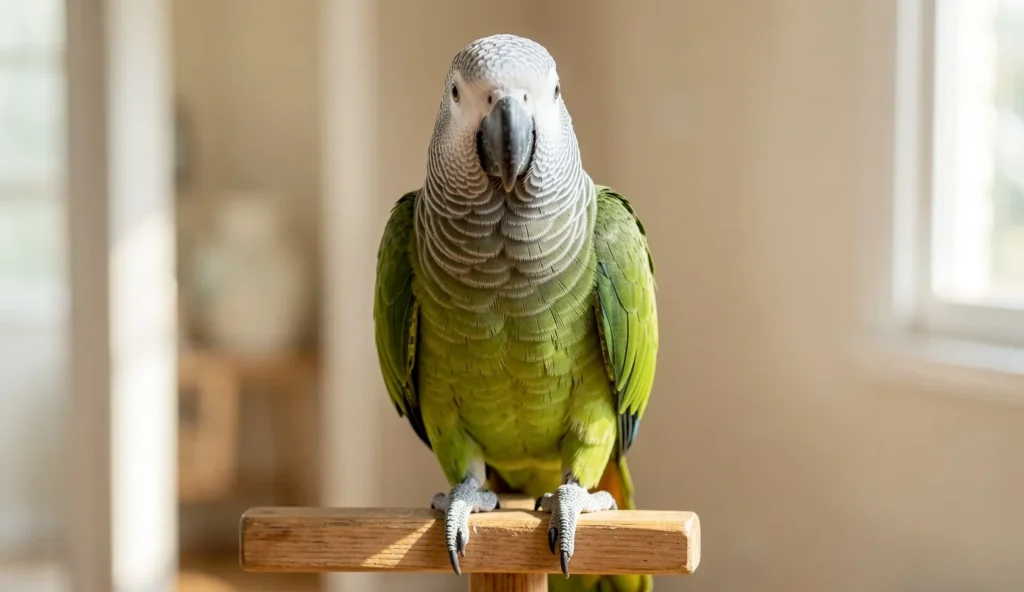
What Is a Mealy Amazon Parrot?
The Mealy Amazon is a large Amazon parrot species known for impressive size and a distinctive powdery look to its feathers. Originating in Central and South America, it belongs to the genus Amazona with the scientific name Amazona farinosa. Experienced owners typically seek it for its strong bond potential and steady handling temperament.
In the wild, the species uses humid lowland forests as well as forest edges where food and nesting sites are easier to access. Over time, habitat stability has shaped feeding behavior, which is one reason diet variety matters in captivity. For owners comparing large Amazon options, a close look at other big parrots can help set realistic expectations.
Origin and Natural Habitat
The Mealy Amazon Parrot lives across Central and South American regions, including parts of rainforest and transitional woodland. It generally prefers humid lowland areas where rainfall supports year-round plant growth. Nesting and feeding both take advantage of available fruiting trees and seasonal plant cycles.
Because the habitat includes both deep forest and edge zones, the bird often benefits from enrichment that mimics foraging opportunities. It also means daily routines and calm handling can reduce stress because the species adapts better when its environment stays predictable.
How Big Is a Mealy Amazon and What Size to Expect?
For experienced owners, size is the most practical factor to plan for before adoption or purchase. The Mealy Amazon can grow to around 16 inches long and typically weighs between 540 and 700 grams. Those measurements place it among the heaviest and longest Amazon parrots.
Also, size affects housing, handling, and daily care workload. A large parrot needs enough room for wing exercise, climbing, and safe landing after supervised play. For context on how Amazon size relates to voice and space needs, some keepers also research other Amazon types like the Yellow Naped Amazon to compare how daily routines change with body size and activity levels.
Size and Weight
- Length up to 16 inches or about 41 cm
- Weight commonly between 540 and 700 grams
- One of the largest Amazon parrot sizes
- Heavier body means stronger foot grip on perches
In practice, the bird’s weight shows up during training sessions and grooming. Nails can grow fast enough to interfere with grip, and the beak can wear against perches at a higher rate than smaller Amazons.
Coloration and Markings
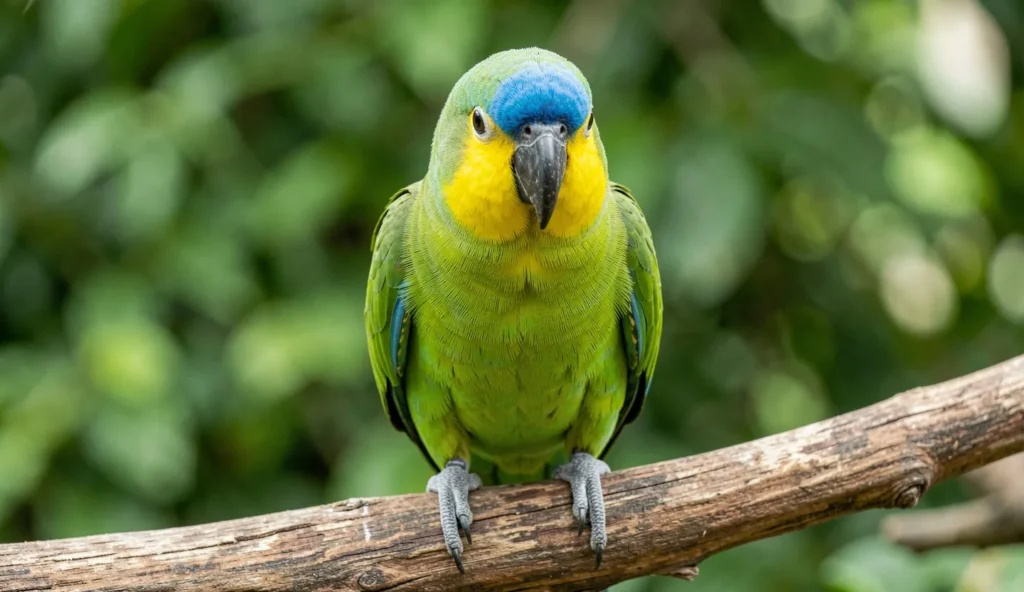
The Mealy Amazon shows predominantly green plumage with lighter head coloration. The head often appears pale grayish-blue, which creates a clear contrast with the green body. On the nape and crown, pale scaling patterns add a textured look that becomes part of its common name association.
In addition, some individuals show yellow or orange patches on the shoulders and tail areas. These markings help with identification, especially when viewing the bird at different angles during climbing or flight inside the home.
Unique Features That Stand Out on the Bird
A key trait is the bird’s fine white powder that appears on feathers, especially when the plumage rubs during preening. This powder contributes to the “mealy” description and can also make spot cleaning necessary around perches and play stands. The species also has a large, dark Amazon-style beak suited to cracking nuts and seeds in the wild.
Another visible feature is the bare white eye ring that frames a grayish facial area. Because the facial ring is prominent, owners often notice early changes in comfort or alertness when the bird holds its head differently.
What Temperament Does a Mealy Amazon Show During Daily Life?
The Mealy Amazon is often described as calm and gentle compared to some other Amazon parrots, though individual variation exists. Experienced owners usually report that the bird forms strong bonds with primary caretakers. It can also become territorial, especially when breeding behaviors begin to show.
Routine matters more with large parrots because their size can amplify stress signals. A confident handling approach reduces fear, and consistency prevents unwanted attention-seeking patterns.
Social Behavior With People and Other Animals
- Usually steady around primary caretakers
- Can become protective and territorial during peak hormonal periods
- Often prefers predictable routines and stable interaction
- May respond to body language with calm or alarm quickly
When bonding forms, training becomes easier because the bird often wants to stay close. However, territorial tendencies can also increase if household rules stay inconsistent.
Talking Ability and Voice Realism
Talking potential exists, and the Mealy Amazon can mimic with a clear speaking voice. Many birds learn a moderate vocabulary of words and phrases when training sessions stay consistent and short. Relative to some smaller Amazon species, it typically shows less talkativeness, though it can still produce frequent audible communication.
Because the bird is large, owners should plan for meaningful sound output even when the voice is not constant. That planning includes deciding where the bird sleeps and how morning noise affects the household.
Noise Level and Common Vocal Patterns
- Moderate volume compared with some loud Amazons
- More vocal in the morning and evening
- Screams can occur when excited or alarmed
- Daily routine changes can trigger more frequent calls
For an owner used to apartment or small-room birdkeeping, the Mealy Amazon’s size and vocal presence can require a dedicated space. That requirement also connects directly to safe exercise options and how easily enrichment fits into the schedule.
How Much Exercise Does a Mealy Amazon Need?
Exercise protects muscle tone, helps prevent boredom, and supports healthy weight management. The Mealy Amazon typically needs at least 3 to 4 hours of out-of-cage time daily. When flight is available, supervised sessions also reduce the risk of collisions and tail or wing damage.
Because it ranks among the largest Amazon parrots, flight planning should assume strong wing power and confident landings. A safe room layout matters, including closed doors, covered mirrors, and clear paths to perches. If a proper room is not available, an aviary can provide safer exercise options.
Daily Exercise Needs and Safe Flight Habits
- Provide a minimum 3 to 4 hours daily
- Use a large cage or aviary for safe flight
- Supervise out-of-cage sessions for wing and foot safety
- Use stable perches at different heights
- Keep dangerous items out of reach and sight
To maintain good conditioning, owners should vary exercise with climbs, short recall games, and steady flight practice. However, forcing exercise can increase stress, so sessions should follow the bird’s willingness to engage.
Enrichment and Toys That Prevent Boredom
Enrichment plays a central role in mealy amazon care because the bird’s large body can become restless without mental tasks. Foraging toys and puzzles help simulate natural feeding patterns. Destructible toys made from wood, leather, or paper also support natural chewing behaviors.
To keep interest high, rotate toys weekly and remove broken pieces quickly. Owners can also vary food presentation by hiding small portions in safe toy cavities or using foraging trays.
How Should Training Work for a Large Mealy Amazon?
Training needs to match the bird’s intelligence and size. The Mealy Amazon learns best with positive reinforcement and a calm, consistent approach. Short sessions work better than long ones, since fatigue can reduce cooperation.
Given the bird’s strength, training also supports safer handling during vet visits, nail trimming, and daily health checks. A planned routine helps the bird learn what to expect, which often lowers stress-driven behaviors.
Basic Training Techniques That Build Trust
- Use positive reinforcement with treats and praise
- Teach step-up and step-down commands first
- Keep sessions 10 to 15 minutes
- Maintain consistency with the same cue words
- Reward calm behavior, not grabbing or lunging
When step-up training succeeds, daily care becomes easier because the bird can move from perch to scale or grooming station without force. Over time, owners can add recall training and target training to improve cooperation during routine checks.
Socialization Tips for Experienced Owners
Socialization works best when exposure happens early and continues throughout the bird’s life. The Mealy Amazon should see different people, household sounds, and safe environmental changes so it does not panic during routine activity. Handling daily for trust and tameness also supports calmer contact during grooming and diet changes.
At the same time, owners should avoid reinforcing fearful or aggressive behaviors. If the bird growls or backs away, the response should be calm and the session should end before conflict escalates.
What Grooming Tasks Keep a Mealy Amazon Healthy?
Grooming for the Mealy Amazon focuses on bathing, nail control, and beak wear. The species releases fine white powder during normal preening, so routine cleaning often needs more attention than with smaller parrots. Still, grooming should stay gentle and consistent so the bird accepts care without stress.
Because the bird can develop overgrown nails or beak points, owners should schedule maintenance on a predictable timeline. When issues start early, correction usually stays easier and less expensive.
Bathing and Feather Care for the Mealy Powder
- Offer a shallow water dish or warm mist twice weekly
- Use a warm, draft-free drying area
- Allow natural drying time after bathing
- Encourage bathing to help manage mealy feather powder
Bathing supports feather hygiene and can reduce the buildup that makes feathers look uneven. Warm conditions also reduce the risk of stress or chill after water exposure.
Nail and Beak Maintenance Steps
Nail trimming typically works every 4 to 6 weeks, depending on perch type and activity levels. The correct approach uses proper clippers and avoids cutting too close to sensitive tissue. If nails grow quickly, a more frequent schedule may be required.
For beak maintenance, owners can provide cuttlebones and mineral blocks as safe chew options. Overgrown beaks or nails deserve an avian vet review, since incorrect trimming can cause pain or damage.
What Diet Supports a Mealy Amazon Parrot?
Diet shapes weight, digestion, and long-term health for every large parrot, especially the Mealy Amazon. The species benefits from a balanced, controlled nutrition plan that treats pellets as the foundation. Because it is a large parrot with high energy needs, diet must also support stable body condition and safe feather production.
Many owners choose seed-heavy mixes out of habit, but seed-only feeding often increases fat intake. Instead, a diet centered on pelleted food with fresh produce helps keep nutrition consistent.
Staple Diet Planning for the Daily Diet
- High-quality pellet mix should make up about 70%
- Choose pellets formulated for large parrots
- Avoid seed-only diets due to higher fat content
- Use measured portions to control body weight
- Replace food daily to prevent spoilage
This approach reduces vitamin and mineral gaps that can develop with less structured feeding. It also supports steady energy without large swings in appetite.
Fruits and Vegetables That Fit a Healthy Diet
Fresh produce should appear daily, especially dark leafy greens and nutrient-dense vegetables. Carrots, bell peppers, and other colorful produce work well when introduced gradually. Fruits such as apple, mango, and berries can support variety, but they should remain in moderation because sugar content can add up quickly.
Some foods stay off the menu for reasons related to toxicity or digestive risk. Owners should avoid avocado, chocolate, caffeine, and high-sugar treats when planning the bird’s diet.
Supplements and Water Hygiene That Matter
Supplements may be needed if pellet nutrition stays incomplete, but the exact plan depends on pellet brand and lab analysis recommendations from an avian vet. Calcium and vitamin D3 can matter when diets lack those nutrients, especially for birds that receive limited sun exposure. Sprouted seeds and legumes can also add additional nutrients when used as structured supplements rather than the main meal.
Fresh water should change twice daily, and water bowls should receive cleaning each day. Good water hygiene reduces pathogen risk, which becomes especially important in warm climates.
For owners comparing how different Amazons eat and manage weight, watching other Amazon care patterns can help spot mistakes early. Some keepers study feeding schedules from bird profiles like the Hahn Macaw when building a general routine, even though diets differ by species and size. The main takeaway should stay focused on structure, not on copying numbers without vet guidance.
What Common Health Issues Affect Mealy Amazons?
Health risks in the Mealy Amazon overlap with many Amazon species, and prevention starts with routine monitoring. Owners who manage diet correctly and schedule regular checks can reduce the chance of serious problems. Still, certain conditions appear often enough that experienced owners should recognize early signs.
Because early disease stages can look subtle, owners should track appetite, droppings, feather condition, and energy levels daily. When changes persist beyond a short adjustment window, an avian vet visit becomes necessary.
Common Ailments to Watch For
- Psittacosis or parrot fever from a bacterial infection
- Proventricular dilatation disease or PDD
- Feather plucking from stress or boredom
- Obesity from improper diet and too little activity
Feather plucking can develop when enrichment stays limited or when household routine becomes inconsistent. Obesity often follows seed-heavy diets and insufficient daily movement, which is a frequent risk with large parrots.
Preventive Care That Reduces Risk
- Schedule annual veterinary checkups with blood work
- Quarantine new birds for 30 to 45 days
- Maintain clean cages, food, and water
- Use safe disinfection practices on perches and bowls
Clean housing reduces pathogen spread, while blood work provides a baseline for future comparisons. Quarantine also prevents unknown infections from entering the main flock.
Because the Mealy Amazon releases white powder, cleaning should include perches and floors where buildup collects. Keeping dust levels down supports respiratory comfort and reduces irritation around eyes and nares.
Is a Mealy Amazon Right for Experienced Owners?
The Mealy Amazon can suit experienced owners who can plan space, daily interaction, and long-term care. It combines large size with high handling needs, and it often stays active and social once trust builds. For people unprepared for that commitment, the species can become difficult to manage.
Before purchasing or adopting, owners should confirm they can provide safe flight time, stable diet preparation, and reliable veterinary access. These requirements tie directly to what counts as correct mealy amazon care.
Space Requirements for a Largest Amazon Species
- Minimum cage size about 36 x 36 x 48 inches
- Ideally a dedicated bird room or large aviary
- Out-of-cage time requires safe floor and wall access
- Noise can limit suitability for shared or close spaces
The cage size listed helps with basic daily comfort, but flight time remains critical. A dedicated area also allows consistent enrichment without breaking safety rules.
Lifespan and Commitment for a Large Parrot
The Mealy Amazon can live about 40 to 60 years with proper care, which makes planning essential. Rehoming can be hard due to space and diet requirements plus the strong bonds many birds form. Daily interaction and enrichment stay non-negotiable for maintaining stable behavior.
Owners should also plan for life changes, including housing moves and schedule shifts that affect out-of-cage time. When routine slips too far, large parrots often show stress through loudness, biting, or feather issues.
Frequently Asked Questions
How Big Does a Mealy Amazon Parrot Get?
Mealy Amazons reach up to 16 inches in length and weigh about 540 to 700 grams. They rank among the largest Amazon parrot species.
What Is the Best Diet for a Mealy Amazon?
A high-quality pellet mix should make up around 70% of the diet, with fresh fruits and vegetables added daily. Seeds should stay limited because they are high in fat.
Are Mealy Amazons Good Talkers?
They can mimic sounds and speak with a clear voice, though they often learn less speech than smaller Amazons. Consistent training can still build a moderate vocabulary.
How Much Exercise Does a Mealy Amazon Need?
They need at least 3 to 4 hours of supervised out-of-cage time daily. Toys and enough flight space also help prevent boredom and weight gain.
What Are Common Health Problems in Mealy Amazons?
Common issues include psittacosis, PDD, feather plucking, and obesity. Annual avian checkups and clean housing reduce risks.
Is a Mealy Amazon Suitable for First-Time Bird Owners?
No, this species fits best with experienced owners due to size, lifespan, and care demands. First-time owners often do better with smaller, more forgiving parrots.
Final Note
Mealy Amazon care works best when housing, diet, and daily training stay consistent. With the right planning, the large parrot needs can be managed reliably over the long term.