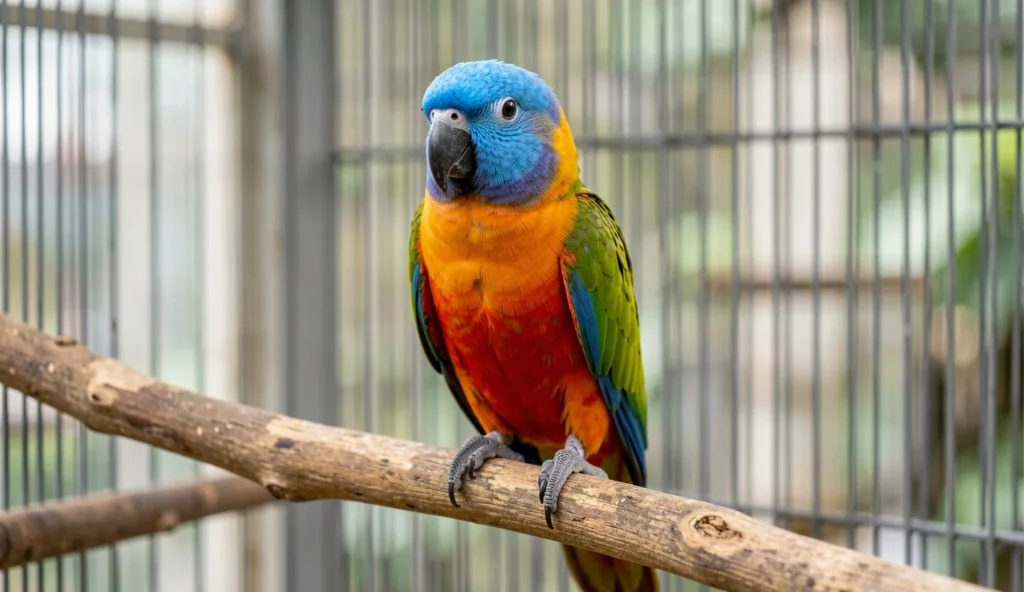
What Is a Festive Amazon?
The Festive Amazon, also known as Amazona festiva, is a South American amazon parrot recognized for striking color contrast. This bird stands out among Amazon parrots because of its red rump and blue crown markings. For intermediate owners, it offers a large parrot experience with strong personality and long-term companionship potential.
Species Basics and Where It Lives
Amazona festiva is a South American amazon parrot found in tropical and subtropical regions. In the wild, daily movement and social activity support natural curiosity and regular vocalization. Habitat type also shapes how active the bird feels indoors. Because it is less common in trade than many other Amazons, sourcing may require extra planning.
Typical Size and Lifespan Expectations
The Festive Amazon qualifies as a large parrot with a heavier body and stronger jaw strength than smaller species. Many birds can live for multiple decades, so housing and diet planning must stay realistic long term. Budgeting for enrichment and routine veterinary care helps prevent future stress. It also supports consistent weight tracking across many years.
Appearance and Distinctive Markings
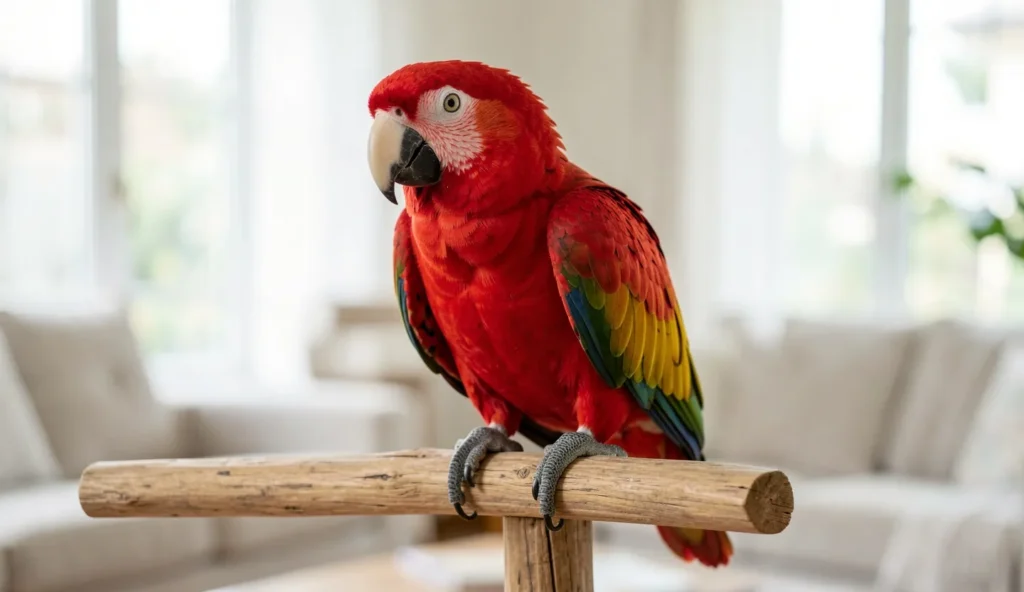
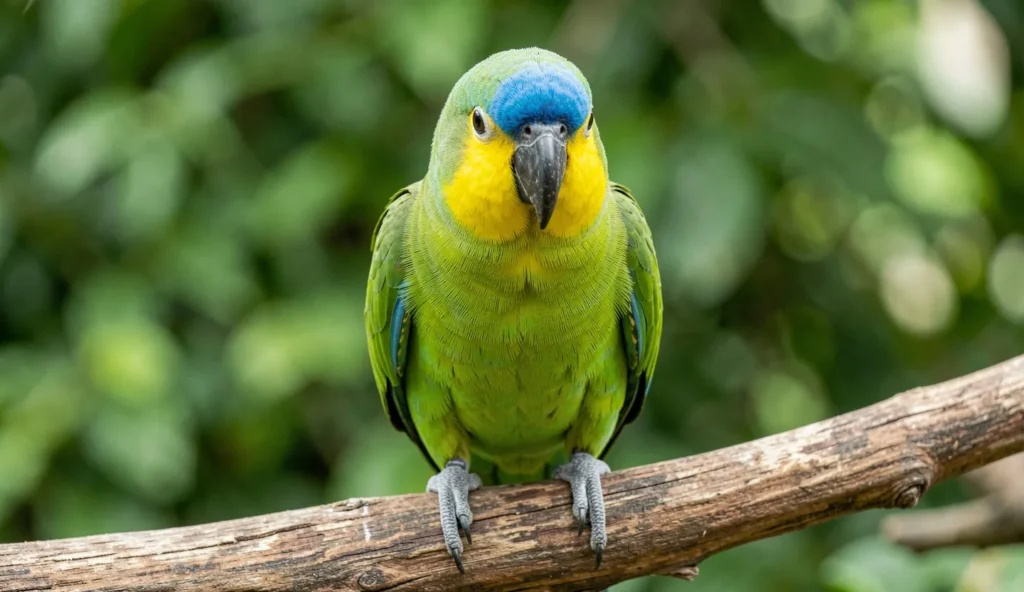
Identifying a Festive Amazon typically starts with two features: a red rump and a blue crown. These markings create a clean visual signature that remains noticeable even from a distance. Still, owners should expect some individual variation across head and wing coverage. Careful observation helps confirm health and identity, especially when birds come from mixed backgrounds.
Red Rump and Blue Crown Features
The red rump shows as a vivid patch on the lower back area, standing out against surrounding plumage. The blue on the crown highlights the head and gives the bird a sharper, more defined face frame. Overall, the bird still looks clearly parrot-shaped with a typical Amazon body build. Markings can shift slightly in brightness depending on light and feather condition.
Color Variation and What Owners Should Look For
Owners should compare head coverage, rump patch size, and wing feather appearance before finalizing a purchase. Healthy feathers should look clean, well-attached, and evenly present for the age claimed. Patchy areas without context can reflect shedding problems, past stress, or chronic health issues. Photos and age history from the seller make confirmation easier.
Behavioral Clues That Support Identification
Standing posture often shows confident balance and a stable stance on perches. Feather presentation can change with mood, temperature, and comfort, so the bird should not appear chronically fluffed. Vocal and interactive habits also fit many Amazon personalities, especially when the bird feels safe. Consistent behavior after settling into a routine supports acclimation.
Temperament and Personality
Festive Amazons often form strong bonds when handled with patience and predictable routines. Many Amazon parrot owners report an engaging, curious style that increases with trust. At the same time, large parrot strength means behavior management matters from the start. Good structure can reduce frustration and support daily cooperation.
Social Needs and Typical Interaction Style
Regular engagement and predictable daily routines help a Festive Amazon feel secure. Many birds show strong bonding tendencies and may prefer consistent people over frequent changes. Some individuals respond best to calm, structured handling rather than rapid movements. When attention drops for long periods, behavior issues can appear, especially during peak activity hours.
Training Readiness and Learning Patterns
A Festive Amazon usually responds well to reward-based training with clear cues. Short sessions maintain focus and reduce stress for both bird and owner. Target cues often support reliable movement during handling, which improves safety at nail care and basic husbandry. Consistency also lowers the chance of escalation into biting.
Common Triggers for Aggression or Fear
Overhandling during active moods can raise risk, since many Amazons decide when contact becomes acceptable. Sudden changes in environment can trigger defensive behavior, even for birds that usually act calm. Poor sleep routines often worsen irritability and reduce tolerance for normal handling. Pain or illness may look like attitude changes, so monitoring symptoms still matters.
Exercise Requirements for a Large Parrot
Daily movement supports muscle health, mental engagement, and stable behavior in a large parrot like the Festive Amazon. Out-of-cage time should feel regular, safe, and structured rather than occasional. Because the bird can chew and climb strongly, safe planning prevents injuries and household hazards. Rotation keeps the bird interested and reduces boredom-driven behavior.
Daily Out of Cage Time and Safe Rotation
Supervised sessions work best when multiple short periods happen through the day. Instead of one long session, aim for regular movement and frequent opportunities to explore. Rotating activities maintains attention and reduces repetitive behavior. Before every release, safe rooms should be prepared by removing hazards and blocking escape routes.
Flight Simulation and Climbing Options
Perches placed at varied heights create simple flight simulation without needing full flight. Climbing structures and natural branch options encourage foot grip and balance practice. Foot-friendly textures help the bird maintain secure contact while gripping. Unstable stands increase fall risk, so only secure, well-supported equipment should be used.
Enrichment Ideas That Match Amazon Behavior
Amazon behavior often includes shredding and problem-solving, so enrichment should match those patterns. Shredding-safe toys and slow foraging methods can encourage natural searching. Puzzle items provide mental work, which often reduces yelling and pacing in the cage. Toys should rotate weekly to prevent boredom, and any item should fit the bird’s bite strength and age.
For owners comparing similar parrot needs, a review of large Amazon routines can help refine expectations, including how space and stimulation affect daily behavior. A related guide like Yellow Naped Amazon can support comparison when planning engagement schedules and enrichment balance.
Training a Festive Amazon Without Stress
Training reduces risk by creating predictable interactions during husbandry and daily life. A Festive Amazon learns best with reward-based cues, short sessions, and calm handling. At intermediate owner level, training also supports safer out-of-cage routines. The main goal stays simple: build trust and create cooperation without forcing contact.
Desensitization for Handling and Husbandry
Desensitization starts with voluntary stationing and calm step-ups on request. Touch areas can be paired with small rewards so the bird links contact with positive outcomes. Light restraint should only happen with strict control and calm body language. Practicing grooming and nail care preparation before emergencies helps prevent panic during real situations.
Target Training for Reliable Cues
Target training uses a simple cue to guide movement on request, often toward a favorite perch or scale. A reward should follow immediately after the cue result to keep learning clear. Distance and duration can increase gradually as the bird becomes more confident. Ending each session with success protects motivation and reduces frustration.
Managing Biting Risk During Growth and Hormonal Cycles
Hormonal shifts can increase territorial behavior and biting, so physical pressure should decrease during sensitive periods. Attention should not accidentally reinforce aggressive displays, since that pattern can strengthen quickly. Body language signals often warn before a bite, so creating space helps prevent escalation. Lighting and sleep schedule also support stability and can reduce mood swings.
When planning training structure for a different Amazon with similar needs, owners can compare methods and expectations in a guide like Orange Winged Amazon. That context can help refine training timing, especially around daily routines.
Housing Essentials and Cage Setup
Housing directly affects feather condition, behavior, and daily comfort for a South American amazon like the Festive Amazon. A cage should support wing movement, safe perch choices, and easy cleaning access. Placement matters as well, since drafts, fumes, and noise can worsen stress. When the environment feels predictable, training and bonding typically improve.
Cage Size and Bar Spacing Considerations
A roomy cage allows comfortable wing movement and reduces bumping during quick turns. Bar spacing must stay safe for head and foot fit to reduce risk of injury or entrapment. Stable placement and easy cleaning support consistent hygiene, which reduces odor and bacteria. Multiple perches at different levels also encourage varied foot positions.
Perches, Placement, and Foot Health
Perch diameter variety supports foot health by rotating pressure points naturally. Natural wood options can work well when they remain stable, clean, and appropriately sized. Rotating perch positions also helps avoid constant pressure on one spot. Safe landing zones and non-slip surfaces reduce slips after climbing.
Daily Environment Setup and Light Schedule
Placing the cage in a socially active room supports normal engagement without constant chaos. The bird should stay away from drafts and direct kitchen fumes, since air quality affects respiratory health. A consistent sleep window each night supports stable mood and helps manage hormone timing. Loud noise near rest periods often increases irritability, so a quieter area during sleep matters.
For owners building a larger parrot setup, comparing cage and enrichment priorities across species can help. A small macaw option like Hahn Macaw can still offer useful perspective on perch variety and safe apartment-level routines when adapted for a larger Amazon.
Grooming and Care Tips for a Healthy Coat
Grooming for the Festive Amazon focuses on feather condition, nail health, and clean daily hygiene. When grooming becomes routine, stress during vet visits decreases. At the same time, feather problems can signal deeper issues, so routine checks matter. Good hygiene also reduces the risk of skin irritation and unhealthy bacteria buildup.
Bathing and Feather Maintenance
Bathing can help feather maintenance when offered as a safe option at regular intervals. Lukewarm water should be used with supervision during the first attempts so the bird feels secure. Wet conditions should not remain long enough to chill the bird, which may require a warm, draft-free drying area. During molt, changes in feather shedding occur, so bathing schedules may need adjustment.
Nail, Wing, and Beak Care Basics
Appropriate perch materials support natural wear and reduce overgrowth that can lead to foot issues. Nail length should be monitored regularly, and an avian vet can guide whether trimming becomes necessary. Wing trimming decisions should include veterinary discussion based on flight safety and behavior. Beak health depends on diet, chewing opportunities, and correct supplement use when needed.
Routine Hygiene and Cage Cleaning Schedule
Food and water should get cleaned daily using fresh supplies and safe containers. Deeper cleans usually work weekly based on droppings, cage layout, and bird habits. Bird-safe cleaners reduce residue and help maintain air quality in the room. Spot-cleaning droppings between deep cleans reduces odor and supports overall hygiene.
Owners who also keep other Amazon parrots can compare feather care expectations in guides like Blue Fronted Amazon. Even though markings differ, grooming routines and feather monitoring often follow similar principles.
Diet and Nutrition for Festive Amazon Care
Nutrition drives energy, feather quality, and immune support in a Festive Amazon. A balanced approach includes a pellet base plus daily vegetables and measured fruit. Seeds can become tempting, but they should not dominate the diet. With good planning, the bird usually stays healthier and easier to train due to stable weight and consistent appetite.
What a Balanced Diet Usually Includes
Pellets often form the nutrition foundation and help reduce vitamin and mineral gaps. Fresh vegetables add fiber and micronutrients that support digestive stability. Fruits provide variety, but portions should stay measured to control sugar intake. Seeds should remain limited as a treat rather than a main diet component.
Feeding Schedule and Portion Control
Meals work best when they are offered in measured portions to prevent selective eating. Foraging and puzzle feeders can encourage slower eating and mental work, which helps reduce boredom. Uneaten fresh foods should get removed on time to prevent spoilage and reduce contamination risk. Clean water must remain available, and consumption should get monitored without stress.
Some Amazon owners also compare feeding priorities across similar birds, especially when building a pellet-first routine. A practical size and feeding guide like Mealy Amazon can support understanding of how large Amazon parrots handle portion planning and daily nutrition balance.
Safe Treats and Foods to Avoid
Safe treats should support chewing and enrichment while staying within a limited portion. High-salt and high-sugar foods can cause health problems over time and reduce diet quality. Fatty snack foods should remain limited to protect liver health. Any new human foods should get confirmed for safety with an avian vet before regular use.
- Offer vegetables daily and rotate types for variety
- Use fruit as a measured training reward
- Keep seeds as an occasional treat only
- Provide fresh water and check bowls for contamination
Common Health Issues and When to See an Avian Vet
Common health risks in Amazon parrots include respiratory problems, feather issues, and digestive changes. Early monitoring often prevents minor symptoms from turning into serious conditions. A Festive Amazon can hide illness, so behavior and appetite trends should receive attention. When symptoms appear, an avian vet evaluation should happen promptly.
Respiratory and Feather Problems
Respiratory signs can include labored breathing or persistent coughing that does not settle quickly. Feather problems may show as plucking, sudden feather loss, or poor feather quality. Droppings and appetite changes often appear before obvious physical symptoms. Reducing irritants and using avian-safe air practices can lower risk from smoke and airborne particles.
Digestive and Nutritional Risks
Poor diet choices can lead to chronic digestive issues and reduced nutrient absorption. Limited variety may also cause vitamin and mineral gaps that appear over time. Weight trends matter more than a single weigh-in, since day-to-day changes happen naturally. Constipation concerns should be treated as time-sensitive and reviewed with an avian vet.
Behavior Changes That Signal Illness
Lethargy or unusual aggression can reflect pain or discomfort rather than personality. Sleeping more than usual may indicate sickness, especially when paired with appetite shifts. Refusing favorite foods often acts as an early symptom. Prompt veterinary assessment helps prevent complications and speeds recovery.
Breeding Basics and Responsible Ownership Planning
Breeding considerations matter for owners because hormonal cycles can change behavior and create health risks. Unplanned breeding can also lead to injury if nesting setups are unsafe or overly stimulating. For a Festive Amazon, responsible management should focus on preventing unintended breeding behaviors. Even intermediate owners benefit from planning ahead and discussing options with an avian vet.
Why Unplanned Breeding Is a Risk
Hormonal cycles can change temperament, including increased guarding and biting. Egg laying can raise health risks, including complications that require veterinary care. Nesting setups, if offered without proper safety, can cause injury from falls or stress. Breeding also requires experienced handling plans and veterinary guidance for both parent and offspring.
Preventing Nesting Triggers in a Home Setting
Owners can reduce nesting triggers by limiting access to nesting materials and avoiding concealed dark spaces. Routines should stay steady because sudden environmental changes can push hormone patterns. Hormone management strategies should get discussed with an avian vet rather than handled through guesswork. Providing enrichment can reduce boredom-driven nesting behavior and support calmer daily engagement.
Starter Checklist for New Festive Amazon Care
Getting started with Festive Amazon care works best when equipment and routines support both health and training goals. Since this bird is a large parrot, safe space and consistent daily planning matter. The checklist below targets practical readiness for intermediate owners who already know basic parrot care steps.
Equipment and Setup Checklist
Start with room-safe supervised play space and remove hazards before any release time. A large cage with safe bar spacing should include multiple perches at varied heights and diameters. Daily hygiene tools and bird-safe cleaners help maintain stable air quality. A bathing option and towel plan should be ready so early bathing attempts stay controlled. A reliable scale supports weight tracking and trend monitoring.
Daily and Weekly Routines Checklist
Keep a consistent sleep schedule and protect the bird from late-night noise. Offer fresh vegetables daily with measured portions and remove uneaten food within a safe time window. Rotate toys weekly to maintain foraging interest and reduce boredom chewing. Track droppings and appetite changes as early signals of health drift. Plan short training sessions several times per week to strengthen cooperation.
- Set a fixed sleep window and reduce late noise
- Measure vegetable portions and rotate types weekly
- Remove fresh food before it spoils
- Spot-clean droppings and deep-clean on schedule
- Use short training sessions to reinforce step-up and target cues
Is a Festive Amazon Right for You?
A Festive Amazon can fit intermediate owners who can manage large parrot routines, training, and veterinary planning. The bird often benefits from consistent daily engagement and safe supervised out-of-cage time. Long lifespan planning also matters because housing upgrades and diet adjustments may be needed across years. When the owner can commit to structure, the relationship often becomes more stable.
Best-Fit Owner Profile
The best-fit owner typically has experience managing large parrot behavior and predictable household routines. Daily engagement and supervised out-of-cage time must remain consistent, not occasional. The owner should also commit to avian vet care and plan for a multi-decade lifespan. Willingness to train for handling and husbandry cooperation keeps the bird safer and reduces stress.
Things to Consider Before Buying
Because this species is less common in trade, breeder or seller availability may be limited. Identify bird health and dietary history before committing, since diet errors can show later as nutritional issues. Budgeting must include enrichment, cage upgrades, and regular exams. Noise expectations and hormonal behavior changes should also be planned for in advance.
Frequently Asked Questions
How Can a Festive Amazon Be Identified by Its Red Rump and Blue Crown?
Look for a noticeable red patch on the rump area and confirm blue color on the crown of the head. Comparing with full-body photos from the same bird if available also improves accuracy.
What Is the Best Diet for Festive Amazon Care?
Use a pellet base for nutrition balance and offer daily vegetables plus measured fruit. Keep seeds and treats limited to avoid nutritional imbalance.
How Much Out of Cage Time Does a Festive Amazon Need?
Plan regular supervised sessions throughout the day and prioritize consistent movement over occasional long periods. Use a safe, hazard-free room before every release.
Do Festive Amazons Bite During Hormonal Periods?
Hormonal cycles can increase biting and territorial behavior. Reduce physical pressure and reinforce calm cooperation, and consult an avian vet about management strategies.
What Are Common Signs That a Festive Amazon May Be Ill?
Lethargy, appetite changes, or unusual aggression can indicate illness, especially when paired with other symptoms. Watch for respiratory signs like coughing or labored breathing and changes in droppings or sudden feather issues.
Why Is the Festive Amazon Less Common in Trade?
Availability may be limited compared with other Amazona species, and supply depends on breeding access. Rely on reputable sources and request health records when sourcing.
Final Note on Festive Amazon Care
With steady routines, careful diet planning, and regular health monitoring, a Festive Amazon can thrive as a confident, engaging large parrot. Thoughtful housing, enrichment, and training support a safer and calmer daily experience.