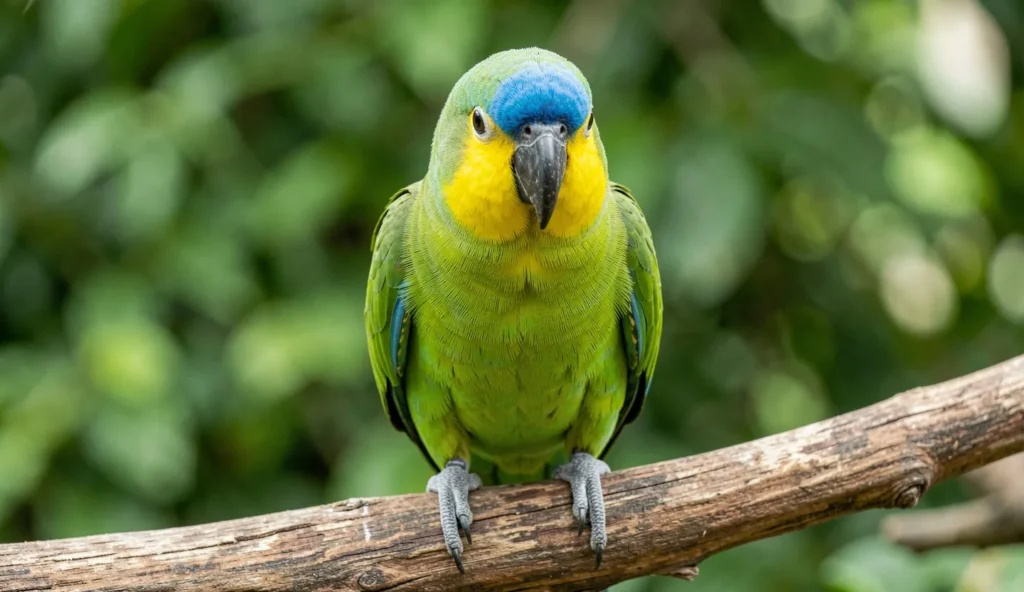
What Is An Orange Winged Amazon Parrot
The Orange Winged Amazon is a medium to large Amazon parrot known for a calmer, less disruptive temperament than many other species. It comes from South America and belongs to the Amazona amazonica group of parrots. For intermediate owners, this bird can deliver strong bonding and daily interaction without the most intense noise patterns common in other Amazons. Many people also search for the orange-winged amazon because the orange wing patch stands out clearly when the bird rests.
Scientific Classification And Origin
Amazona amazonica is the scientific name for the Orange Winged Amazon. This species lives in parts of South America including Brazil, Colombia, Venezuela, and the broader Amazon basin. In the pet trade, common names include orange-winged amazon and orange-winged parrot. It is also considered one of the less common amazon options when compared with more widely known Amazon parrots.
Why Choose An Orange Winged Amazon
Compared with some other Amazon parrots, the Orange Winged Amazon often shows a calmer temperament. Many owners report it develops fewer screaming habits when socialization happens early and consistently. It still has the intelligence Amazon owners expect, so training typically improves with positive reinforcement. For people looking for a large parrot with a steadier daily rhythm, this species can fit well.
What Do Orange Winged Amazon Parrots Look Like
Appearance helps confirm the Orange Winged Amazon at a glance, especially the orange marking on the wing. The overall body stays green, while the head and flight feathers add strong contrast. Like many Amazons, it has a stocky build and a short tail that supports agile movement from perch to perch. These traits make the orange-winged amazon recognizable even for owners new to Amazon ID.
Size And Body Shape
Adults commonly measure about 12 to 13 inches long, which is roughly 30 to 33 cm. Reported weights often fall between 300 and 500 grams depending on diet and activity. The body looks compact, with a short tail that helps it balance during quick turns. Because it is a large parrot species, it needs enough space to move and stretch daily.
Plumage And Color Patterns
The main body feathers appear green with darker edging on many feathers. The forehead and crown show blue or violet tones that stand out against the darker greens. A yellow face blends into green cheeks, giving the head a two-tone effect. The most defining feature is an orange patch on the secondary flight feathers, which can appear clearly at rest when the wings shift slightly.
Sexual Dimorphism And Gender Identification
Males and females look similar in most cases, so visual sexing usually does not work reliably. Many breeders and veterinarians rely on DNA sexing or surgical sexing for accurate results. For owners buying an adult bird, asking for verified sexing records helps with long-term planning. This step matters for pairing decisions and managing behavior expectations.
How Temperate Are Orange Winged Amazon Parrots
Temperament drives day-to-day success, and the Orange Winged Amazon often scores well for calmer behavior. Owners still need realistic expectations because Amazons remain alert, social, and vocal. However, this species frequently stays less noisy and less aggressive than several other popular Amazon parrots. That calmer nature usually supports smoother routines, especially when Amazon care stays consistent.
Calmer Disposition Compared To Other Amazons
Many owners compare this species with blue-fronted or yellow-naped Amazons that can become more intense. The Orange Winged Amazon typically stays vocal but not as loud or as frequent as the most piercing Amazon species. With proper socialization, it also tends to avoid long-term screaming habits better than birds that never learned appropriate boundaries. Still, noise can increase at specific times, such as morning calls or when the bird feels under-stimulated.
Social Needs And Interaction Style
Orange Winged Amazons bond strongly with their owners and often enjoy regular out-of-cage interaction. Daily social time matters because these birds remain highly social and respond to routine. When interaction drops, the bird may become nippy or defensive during handling. To reduce friction, owners should plan for predictable attention and consistent handling from the start.
Intelligence And Playfulness Levels
Like other Amazona amazonica parrots, this species shows excellent problem-solving abilities. It often enjoys foraging toys, puzzles, and destructible items that mimic natural feeding behavior. Vocabulary can develop at a moderate level, including repeated phrases and sounds tied to human activity. Enrichment also supports calmer behavior since boredom can trigger stress-related habits.
How To Train And Socialize An Orange Winged Amazon
Training works best when trust stays intact and learning uses positive reinforcement. The Orange Winged Amazon responds well to short sessions and clear cues, which is useful for intermediate owners balancing other responsibilities. Handling also improves faster when daily routines remain stable. For general Amazon handling approaches, guidance from established parrot care resources helps owners set safe expectations.
Basic Training Principles That Keep Trust
Use positive reinforcement with small treats and calm praise to reward desired behaviors. Sessions should stay short, about 10 to 15 minutes, so the bird remains attentive. Punishment usually damages trust and can increase fear or aggression. By focusing on rewards, training can build confidence without escalating stress.
Socialization With People And Other Pets
Socialization should include different family members and calm visitors early in the process. Supervision is necessary when dogs, cats, or other birds share the home environment. A well-socialized Orange Winged Amazon often adapts more easily to changes such as new furniture, different routines, or travel days. If other birds exist at home, using separate spaces and gradual introductions protects both animals.
Trick Training And Enrichment Routines That Prevent Boredom
Teach step-up behavior, target training, and basic tricks to keep daily time meaningful. For enrichment, rotate toys weekly so the bird does not lose interest. Destructible toys and foraging setups help reduce stress and encourage natural activity patterns. When owners also consider housing for other small macaw options, the comparison can clarify space needs and enrichment intensity across parrot types, such as with the Hahn Macaw link.
For owners who want ideas on how smaller parrots manage activity in limited space, reviewing the Hahn MacawSmall Macaw Option for Apartments article can help set a baseline. Even though the Orange Winged Amazon is a larger parrot, the principles of safe perch time and consistent play still apply. That kind of planning reduces the chance that the bird becomes under-stimulated.
What Should An Orange Winged Amazon Eat
A balanced diet protects weight, feather quality, and immune function in the Orange Winged Amazon. Amazon care succeeds when owners focus on a reliable staple food and add fresh items daily. Because obesity can develop in many Amazon parrots, feeding choices should stay measured. Many owners also search for orange-winged amazon diet patterns because the species is often compared with other Amazona birds that share similar nutritional risks.
Staple Diet Of Pellets And Seeds
High-quality formulated pellets should make up about 60 to 70 percent of the diet. Seed mixes should remain a supplement around 10 to 15 percent because seeds are high in fat. All-seed diets increase the risk of obesity and liver disease. A steady pellet routine also makes weight monitoring easier since intake stays consistent.
Fresh Vegetables And Fruits In Daily Meals
Fresh foods should show up daily, especially dark leafy greens, carrots, bell peppers, and squash. Fruits like apples, berries, and mango can appear in moderation for variety and enrichment. Treat choices also matter because overfeeding treats can shift the nutritional balance quickly. Healthy treat options include unsalted nuts, millet spray, and occasional whole grains.
Foods To Avoid For Safety
Some foods remain toxic to parrots, so owners should keep a strict avoid list. Avocado, chocolate, caffeine, and alcohol can cause serious harm and should never be offered. Avoid high-salt, high-sugar, and fatty human foods because they can trigger weight gain and health issues. Owners should also avoid rhubarb, raw beans, and fruit pits because some contain harmful compounds.
What Health Problems Affect Orange Winged Amazon Parrots
Common health issues in Orange Winged Amazons often relate to diet quality, airflow, stress, and routine veterinary care. Early detection matters because treatment works better when symptoms appear briefly rather than after chronic decline. For intermediate owners, the goal is to spot changes early and respond with consistent care. Since this bird can stay calmer than some Amazons, owners may miss subtle illness signals unless they track the basics.
Respiratory Infections And Their Warning Signs
Respiratory problems can show up with sneezing, nasal discharge, and wheezing sounds. Temperature swings, drafts, and bacterial infections often drive these symptoms. Because birds hide illness until it worsens, any breathing change deserves a veterinary check. Antibiotics may be required, so delaying care can make recovery harder.
Feather Plucking And Self Mutilation Triggers
Feather plucking can connect to boredom, stress, or poor diet, and self-mutilation can follow similar causes. Enrichment and adequate out-of-cage time often reduce stress and improve comfort. However, medical issues like skin mites also need consideration when feather damage appears suddenly. A qualified avian veterinarian can evaluate both behavior factors and underlying health causes.
Obesity And Fatty Liver Disease Risk
High-fat seed diets and too many treats contribute to obesity and fatty liver disease. Weekly weight checks support early detection, especially if the bird changes activity levels. A more active routine also helps because exercise reduces fat accumulation. Blood tests can detect early liver issues so treatment can start sooner rather than later.
Preventive Care That Keeps Amazons Stable
Annual vet exams with blood work and fecal tests help catch problems early. Nail and beak trims should happen only through an avian vet, since mistakes can damage sensitive tissue. UVB lighting can support vitamin D synthesis, which influences bone health and metabolism. When preventive care includes consistent diet and clean air circulation, many common problems become less likely.
Home airflow and hygiene also connect to respiratory health, so keeping the bird’s environment clean supports long-term wellness. When planning schedules, owners can pair care routines with guidance from species-specific posts such as those focused on bird housing and ventilation, including the broader parrot care topic found in Rare Pets Breeds materials. This reduces the chance that dust, fumes, or drafts go unnoticed.
Is The Orange Winged Amazon A Good Fit For Intermediate Owners
This species can fit intermediate owners who want a less demanding Amazon while still managing social needs. The Orange Winged Amazon is not a low-maintenance pet, even with its calmer temperament. Space, time, and a strong enrichment plan still determine success. If those requirements align, the less common amazon reputation becomes a positive rather than a limitation.
Space And Cage Requirements That Support Movement
Minimum cage size should start around 24 x 24 x 36 inches with bar spacing of about ¾ to 1 inch. A dedicated play stand or perch outside the cage supports daily time and safer interaction. Because the Orange Winged Amazon benefits from flight and climbing, a bird-safe room or aviary is ideal. Larger cages always improve comfort since birds can move, rest, and exercise without crowding.
Time And Attention Needed Every Day
Daily out-of-cage interaction should reach at least 2 to 3 hours for most birds. Mental stimulation remains necessary, especially for a smart species that quickly learns routines. This bird can live 40 to 60 years with proper care, so planning for long-term commitment matters. Owners should also consider future schedule changes and who can cover care if work shifts occur.
Compatibility With Families And Active Homes
Many owners find the Orange Winged Amazon calmer nature more suitable for households with children than more intense Amazon species. Still, supervision is required with young children because accidental drops or rough handling can happen fast. The bird may handle family noise better than some Amazons, but it still needs quiet rest periods. When owners have moderate apartment noise tolerance, this species can sometimes work in smaller living spaces with enough daily out-of-cage time.
Some households compare apartment suitability across parrot sizes to plan realistic expectations, and that mindset often helps owners think through routine. Checking bird temperament and noise patterns across species can reduce surprises, including comparisons mentioned in small-parrot guides like the Hahn Macaw profile. While the species differ, the planning process stays similar.
Final Note On Caring For An Orange Winged Amazon
Orange Winged Amazon parrots can thrive when owners combine structured Amazon care, balanced nutrition, and consistent training. With the species calmer disposition and strong social needs, steady daily routines typically lead to better behavior and clearer health signals.
Frequently Asked Questions
How Long Do Orange Winged Amazons Live
Orange Winged Amazons often live about 40 to 60 years with excellent care. Some individuals may reach into the 70s with strong nutrition and consistent veterinary support.
Do Orange Winged Amazons Talk
Orange Winged Amazons can learn a moderate vocabulary of words and phrases. Talking ability varies by bird, and some become more verbal than others.
Are Orange Winged Amazons Loud
They are usually quieter than many other Amazon species. Even so, they remain vocal in the morning and evening and may call when routines change.
What Size Cage Does An Orange Winged Amazon Need
A minimum cage size is commonly 24 x 24 x 36 inches with ¾ to 1 inch bar spacing. Larger cages help with flight and exercise and support safer daily movement.
Are Orange Winged Amazons Good For Beginners
They usually fit intermediate owners more than true beginners because of their long lifespan and daily social needs. Their calmer nature can make them easier than many other Amazons.
What Should I Feed An Orange Winged Amazon
Feed high-quality pellets as the staple, plus fresh vegetables and fruits every day. Limit seeds and nuts to treats only to reduce obesity and fatty liver risk.
Similar Breeds To Consider
Owners often compare the Orange Winged Amazon to other Amazon species to match voice level and handling expectations. If noise tolerance or care style is a concern, reviewing temperaments across Amazons helps refine the best fit. This comparison approach can also guide interest in less common Amazon parrots with steadier daily behavior.