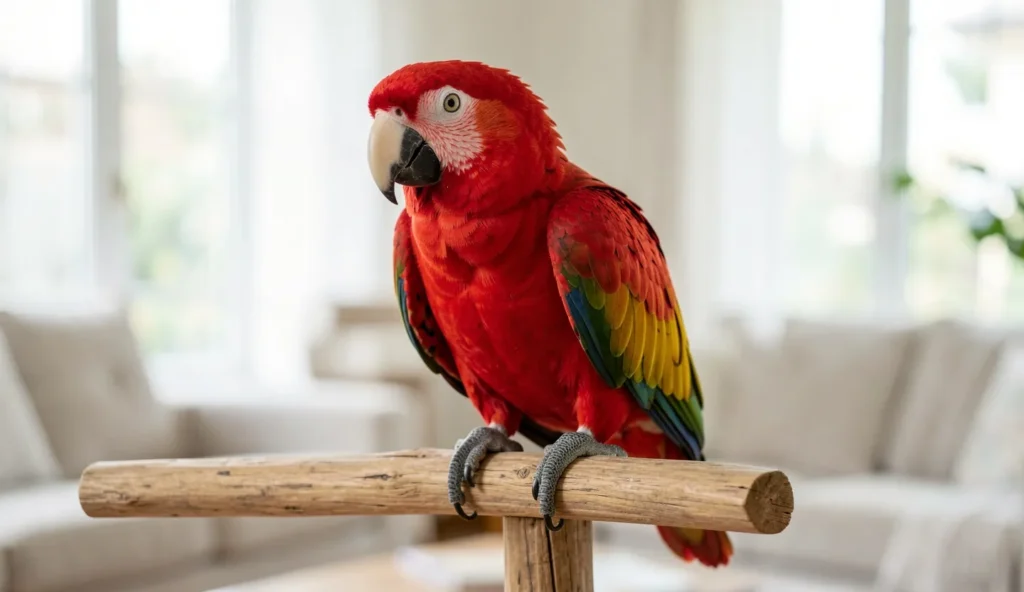
What Is a Red Lored Amazon Parrot
The Red Lored Amazon is a Central American Amazon parrot known for its active, social nature and a clear red forehead patch. It belongs to Amazona autumnalis and typically stands out in the Amazona group by face markings. Many intermediate owners choose this large parrot because it can form a steady bond when care stays consistent.
In practice, health and social needs overlap. When daily routines, diet, and sleep remain stable, behavior tends to stay calmer and easier to manage. That stability matters for Amazona health because stress can affect appetite, breathing, and feather condition.
Species Overview and Origin
Amazona autumnalis ranges through parts of Central America. It lives in forest and edge habitats, where movement, climbing, and foraging are normal behaviors. Because this background includes daily activity, a Red Lored Amazon often needs physical and mental stimulation at home.
As a large parrot, it benefits from space to stretch wings and from safe climbing areas. Many owners also compare care patterns across Amazona species since nutrition, social time, and vet needs stay similar. For example, the Orange Winged Amazon can share some broad Amazon care patterns, even though its appearance differs.
How To Recognize the Red Forehead Patch
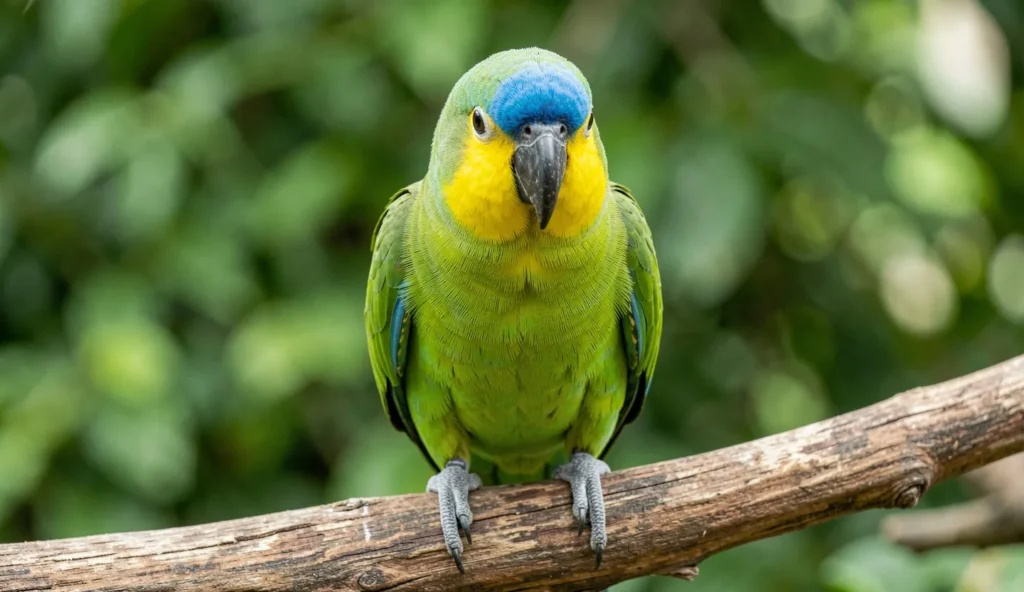
Red forehead patch placement is the main identification trait. The red color appears on the forehead and often extends onto the crown area, creating a strong visual marker when the bird faces forward. Correct identification helps ensure the right expectations for size, temperament, and routine care.
Face patterns can look similar across Amazon parrots, so comparing the entire face helps. A reputable breeder or an avian vet can confirm identification, especially when the bird’s markings appear faded or partially molted. When comparison matters, the Blue Fronted Amazon is one example of another Amazon look that owners often review for contrast.
Typical Lifespan and Long Term Commitment
Amazon parrots commonly live many years with good care. That length of life means long term housing planning, steady budgets, and ongoing health monitoring. A Red Lored Amazon needs daily attention and predictable routines to stay emotionally stable.
Feeding, enrichment, and veterinary exams support long term health and can prevent small issues from becoming urgent. Over time, mobility, weight, and feather wear can change, so care adjustments become normal. For many owners, the shift from “learning phase” to “maintenance phase” happens gradually.
Appearance and Physical Features That Matter for Care
The Red Lored Amazon’s body features guide daily checks and cage setup. A large parrot can look sturdy while still hiding early health changes, so owners should learn what normal wear looks like. Care improves when grooming, perches, and monitoring connect to real physical needs.
Physical condition also affects social behavior. When a parrot feels unwell, it often becomes quieter, less interested in food, or more defensive during handling. That link makes regular observation part of Amazon health management.
Body Size and Why Cage Size Impacts Health
Body size matters because this species uses wings and feet actively. A cage that feels “big enough” may still limit climbing and reduce safe wing movement. For this reason, horizontal space and secure climbing areas support comfort and muscle maintenance.
Perches at multiple heights help the bird move naturally. Stable perch placement also reduces slipping, which can lead to foot soreness over time. Many owners choose a setup that resembles natural movement, and the same thinking applies across Amazon parrots like the Yellow Naped Amazon.
Plumage, Molting, and Feather Condition Checks
Seasonal molting affects feather appearance, energy, and even voice volume in some birds. During healthy molt, feather shafts grow evenly and the bird continues normal feeding and activity patterns. Owners should expect some feather changes but should not ignore persistent bald spots.
Healthy feathers look smooth and evenly colored, and broken shafts remain limited. Feather plucking, skin irritation, or scabbing can signal stress or disease. Recording feather changes helps owners notice trends and improves discussions during avian vet visits.
Beak, Feet, and Signs of Normal Versus Concerning Wear
Feet should grip perches without dragging or wobbling. Owners can check weekly for redness, swelling, rough scaling, or toe curl changes. These signs can relate to perch texture, nail length, or underlying circulation and inflammation issues.
Beak wear should match normal chewing behavior. When the beak grows unevenly, chips appear often, or the bird avoids chewing, an avian professional should evaluate it. Overgrown nails can also change posture, increasing strain during climbing and perching.
Temperament and Social Needs for a Healthy Bond
Social needs strongly influence the day to day experience of owning a Red Lored Amazon. This species typically benefits from steady interaction, structured out of cage time, and predictable routines. While each bird has a unique personality, Amazon parrots generally act best when the environment supports social contact.
Because it is a large parrot, stress can show up loudly as well as quietly. Some owners notice more screaming, reduced appetite, or feather damage when social time drops. That is why Amazona health planning includes both emotional and physical factors.
Natural Social Structure and Pairing Tendencies
Amazona parrots live in social groups in the wild and often show interest in flock behavior. Some individuals bond strongly with one person, while others accept interaction from multiple family members. Group housing can work, but compatibility planning must come first.
Single bird care also requires consistency. A solo Red Lored Amazon may still want predictable human engagement to replace social interaction. Owners who explore pairing comparisons often also review the Hahn Macaw as a small macaw option, but bonding needs still differ across species.
How Many Hours of Interaction Are Realistic
Daily out of cage time supports mental and physical needs for many Amazon parrots. Interaction can include quiet sitting nearby, supervised floor time, and short training sessions that reward calm behavior. Even when the bird rests, the routine of being present helps reduce uncertainty.
Overstimulation can become a problem too. Some birds react to constant noise or frequent handling by becoming defensive. Predictable scheduling often works best, with a calmer downtime window that supports normal regulation of excitement.
Stress Signs Linked to Social Deprivation
Social deprivation can show through behavior changes such as increased screaming or repetitive pacing. Feather plucking and broken feather tips can also relate to anxiety in some cases. In addition, a bird may hide, stop vocalizing normally, or show appetite changes after prolonged isolation.
When behavior suddenly shifts, it is safer to treat it as a potential health issue first. Respiratory discomfort, digestive upset, or pain can also change temperament. A health check by an avian vet helps sort behavior cause from illness cause.
Housing Essentials for Better Amazon Health
Housing affects Amazon health through air quality, sleep quality, and everyday comfort. A Red Lored Amazon stays healthier when the home environment reduces fumes, odors, and temperature swings. It also does better when the bird can rest without constant disturbances.
In addition, the cage layout shapes foot health and behavior. Safe perches, varied surfaces, and enrichment routines reduce frustration. This section focuses on the practical choices that improve long term stability.
Cage Placement for Safety and Air Quality
Place the cage in a low traffic area where the bird feels secure. Kitchens can expose parrots to fumes and strong odors from cooking, and those irritants can affect breathing. A stable room temperature and reasonable humidity protect the respiratory system.
Natural light can support daily rhythm, but direct overheating should be avoided. Fans, air vents, and drafts can create temperature changes that the bird cannot control. Owners should also confirm that any seasonal adjustments do not compromise airflow.
Perches, Stands, and Foot Health Basics
Use varied perch diameters so feet can grip comfortably in different ways. A mix of smooth and textured surfaces in moderation helps prevent uniform pressure points. Perches must stay stable and positioned so the bird can move without risky jumps.
Foot checks work best weekly, since early redness can disappear after a change in perch setup. If slipping occurs, perch placement may need adjustment or the perch surface may be too slick. In many households, perch safety overlaps with toy placement because both influence falls and collisions.
Daily Enrichment Options That Reduce Boredom
Daily enrichment helps reduce boredom and supports natural beak and foraging habits. Toys should rotate regularly, since novelty can improve engagement and reduce frustration. Foraging activities often work well when paired with a consistent schedule.
Chewing and shredding options support normal behavior and reduce destructive patterns. Bathing opportunities can also support feather condition, as long as water access and drying stay safe. Owners who want a calmer routine can also compare enrichment priorities with another species guide, such as the Blue Fronted Amazon care focus.
Sleep Requirements and Why They Affect Immunity
A Red Lored Amazon needs consistent nighttime darkness and quiet. Chronic low sleep can worsen stress responses and reduce immune resilience over time. Disruptions during the sleep window can increase irritability and make breathing issues feel more likely.
Any sleep covers should not block airflow. Proper ventilation matters because poor air circulation can worsen respiratory irritation. Owners should treat sleep like a health tool rather than a convenience option.
Diet and Nutrition for Red Lored Amazon Parrot Health
Diet directly shapes Amazon health, body condition, and feather quality. The Red Lored Amazon typically does best on a balanced plan that avoids seed-only feeding. A consistent base diet helps stabilize digestion and reduces nutrient gaps that can take time to show.
Owners often notice that changes in appetite or droppings follow diet disruptions. When nutrition improves slowly and with monitoring, weight control becomes easier. That steady approach supports long term stability for Central American amazon owners managing day to day care.
What a Balanced Diet Usually Looks Like
A balanced diet usually includes a varied base rather than only seeds. Pellets can serve as a consistent nutrition foundation, especially when owners measure portions. Vegetables and safe fruits add fiber, water, and micronutrients that help support healthy digestion.
High fat and high sugar foods should stay limited since excess calories can lead to obesity. Because a large parrot has big energy needs, owners often overfeed by accident. Measuring helps, as does keeping treat calories separate from the main diet plan.
Safe Foods and Good Daily Choices
Leafy greens and crunchy vegetables provide daily nutrition and natural chewing opportunities. Fruits work best as measured treats, not as the core of the diet. Cooked grains can add variety, especially when introduced gradually.
Legumes can be offered in small amounts as tolerated, since some birds may react differently. When switching foods, owners should change one variable at a time and track droppings. Many owners also cross check safe fruit options with other Amazon health notes, including guidance similar to Blue Fronted Amazon feeding considerations.
Foods to Avoid for Amazon Health
Avoid avocado due to toxicity risk. Also avoid chocolate, caffeine, and alcohol, since these can harm the nervous system and overall metabolism. Onion, garlic, and high salt foods can create digestive stress.
Unwashed produce and unsafe household items should also stay off the list. Parrots can ingest contaminants from dirty leaves or residue on food. Owners should use fresh water, clean dishes, and a consistent food prep routine.
How To Prevent Obesity and Malnutrition
Body condition checks should use both visual and tactile assessment, not only weight numbers. Appetite changes often show before visible weight shifts, so tracking matters. Portions may need adjusting based on activity levels, season, and changes in daily routine.
Fresh foods should remain controlled and offered in quantities that the bird can finish. Uneaten produce should be removed promptly to reduce spoilage and bacterial growth. When malnutrition is suspected, a vet-guided diet plan helps correct it safely.
Training and Handling That Supports Trust and Welfare
Training improves trust and reduces care stress for a Red Lored Amazon. Handling plans that respect the bird’s boundaries also reduce bite risk. With consistent positive reinforcement, many owners can create reliable stationing for cage and vet visits.
Because this species can become strong during excitement, training also supports safe routine checks. Nail and beak assessments, weighing, and transport become simpler when the bird already understands calm cues.
Target Training and Step Up Approaches
Marker or clicker training can support clear communication. Rewards work best when offered immediately after calm behavior, so the bird learns the association quickly. Sessions should stay short and end before the bird becomes frustrated.
Stationing helps the bird cooperate during cage and health tasks. Step up routines can start with low effort and increase gradually. Owners who focus on trust often also review general parrot training patterns when reading about other species, such as Orange Winged Amazon handling habits.
How To Handle Nail and Beak Care Without Overstress
Handling should start gently and expand only when the bird stays calm. Weekly checks can alert owners to overgrown nails or abnormal beak condition. Forcing contact during bites or panic can increase fear and make future handling harder.
Beak trims and nail trims require qualified care when trimming becomes necessary. An avian professional can match tools and technique to the bird’s anatomy and stress level. Owners should treat trim needs as a health decision, not a routine DIY task.
Reading Body Language During Social Interactions
Fluffed posture can mean temperature changes or stress depending on context. Tail flicks and sudden lunges often signal agitation or overstimulation. Quiet leaning forward can also show curiosity, so owners should evaluate multiple signals together.
Distance signals deserve respect since ignoring them can escalate fear. A bird that repeatedly moves away, pins its eyes, or gives warning gestures may need a step back. Calm interpretation supports social needs and helps maintain better Amazon health over time.
Common Health Issues and What Early Warning Signs Look Like
Many health problems show early through subtle behavior changes. For a Red Lored Amazon, respiratory and digestive issues often affect appetite, posture, and voice. Feather changes can reflect stress, skin irritation, or underlying disease, so early observation matters.
Because this is a large parrot, symptoms can worsen quickly when care delays occur. Owners should act early by contacting an avian vet when warning signs appear. Below are common issues and practical signs that owners can watch for.
Respiratory Illness and Breathing Changes
Respiratory warning signs include open mouth breathing, wheezing, or changes in breathing posture. Nasal discharge and abnormal stillness can also suggest irritation or infection. Cold drafts and poor air quality can contribute and make these symptoms more likely.
Immediate avian vet evaluation matters when breathing looks abnormal. Delayed treatment can lead to deeper lung involvement. Owners can reduce risk by limiting kitchen fumes and by supporting consistent, clean air in the room.
Digestive Problems and Crop Related Concerns
Digestive issues often show in appetite and droppings. Vomiting like behavior, regurgitation, or repeated throat movements can indicate crop problems. Sudden lethargy paired with diet changes can also signal digestive distress.
Normal droppings consistency should serve as a reference point. When the pattern changes and the bird seems unwell, an avian vet should evaluate promptly. Home treatment delays can reduce chances of quick recovery.
Feather Damage and Feather Plucking Causes
Feather plucking can stem from stress, boredom, or environmental triggers, but medical causes must also be considered. Owners should review sleep, enrichment rotation, and diet first, since these variables influence behavior. Skin irritation or infection signs should be checked during routine inspections.
If plucking starts or intensifies, a vet exam helps rule out illness. A bird may also show broken feathers due to rough handling or unsafe toy edges. Fixing the setup can help, but evaluation remains necessary when damage appears sudden.
Nutritional Deficiencies and Weight Shifts
Nutritional issues can create gradual weight loss, weight gain, or changes in body condition. Weight loss can reflect low intake, digestive problems, or disease, while weight gain often reflects excess calories. Owners should monitor body condition weekly using gentle handling if tolerated.
Diet adjustments should happen carefully, especially when switching from seed heavy plans. Vet-guided nutrition guidance can prevent rapid changes that disturb digestion. When nutrition is uncertain, a professional plan supports stable Amazona health.
Injury Risks From Bites Falls and Unsafe Toys
Large parrots can injure themselves during play if toys break or if placement encourages risky jumps. Broken parts with sharp edges can cause cuts, and falls can lead to limp behavior. Inspect toys regularly and remove any worn items that might snap.
When bleeding, limping, or unusual posture appears, prompt care becomes necessary. A calm approach helps reduce additional stress. Safe placement for toys and perches can lower risk and improve day to day confidence.
Preventive Care and Vet Visits That Keep an Amazon Stable
Prevention relies on observation, routine screening, and timely avian vet visits. For a Red Lored Amazon, regular monitoring helps catch respiratory changes, digestive issues, and early nutritional problems. This section outlines what owners can do at home and what to expect during appointments.
Many owners benefit from planning visits in advance rather than reacting during emergencies. When the bird trusts handling cues, checkups also become less stressful for both bird and owner. Stable routines also support lower stress for Amazona health.
Routine Health Monitoring Owners Can Do at Home
Weekly weighing helps when the bird tolerates it, but trends matter more than single readings. Daily droppings checks provide useful insight into digestion and hydration. Owners should also examine eyes, nares, and feet for new redness, discharge, or scaling.
Behavior changes also count as data. Tracking appetite, vocal output, and activity levels can reveal early warning signs. Keeping simple notes supports communication with an avian vet, especially if symptoms appear on and off.
What to Expect From an Avian Vet Appointment
Avian vet exams typically include a thorough physical assessment and diet discussion. Owners may be asked to bring a fresh droppings sample if testing is needed. Bloodwork can be appropriate depending on age, symptoms, and overall risk factors.
Safe handling guidance is also common during appointments. A vet can show how to position the bird, how to reduce stress, and when to avoid unnecessary restraint. Clear instructions also help owners prepare for future visits with less panic.
Quarantine Basics for New Birds or Moving House
Quarantine basics apply when new birds enter the home or when multiple birds share a space. Resident birds and new birds should be separated initially to reduce disease spread risk. Shared equipment and shared air can increase cross exposure, so dedicated supplies help.
Follow veterinarian guidance for testing timelines. Moving house can also create stress, so routine schedules should stay as consistent as possible. Stress management supports Amazon health, especially during the adjustment period.
Starter Checklist for Red Lored Amazon Social and Health Setup
A practical setup reduces daily mistakes and supports smoother learning for both bird and owner. This starter checklist focuses on the Red Lored Amazon social and health routine that many intermediate owners can maintain. When the basics work, training and monitoring become simpler.
Small decisions during the first week can influence long term outcomes. Perch placement, sleep location, and diet stability set the foundation for better behavior and easier health observation.
Day One Setup Essentials
- Fresh water daily in a stable, easy to clean location
- Balanced pellet base plus daily vegetables for consistent nutrition
- Safe chewing and shredding items prepared before first out time
- Perches placed at different heights for climbing movement
- Quiet sleep space with minimal disruptions each night
- Enrichment rotation plan ready for the first week
Daily Routine That Supports Social Needs
- Consistent interaction time each day with a predictable schedule
- Short training sessions for stationing and calm handling
- Foraging time to reduce stress and boredom across the day
- Morning and evening checks for appetite and droppings
- Calm handling that respects distance signals from the bird
Over time, the routine becomes a tool for Amazon health. The bird learns what comes next, and stress responses tend to decrease. That predictability also helps owners spot early changes faster.
Is a Red Lored Amazon Right for You
The Red Lored Amazon can fit well when intermediate owners can commit to monitoring and steady social time. This species often responds best to consistent routines, enrichment, and an avian vet partnership. Many owners also benefit from learning how to spot early respiratory and digestive warning signs.
Fit matters because the bird’s needs do not shrink with age. Owners should also consider noise tolerance, budgeting for regular exams, and the ability to keep household air safe. If those conditions match, the Central American amazon experience often becomes more manageable.
Best Fit Characteristics for Intermediate Owners
- Can provide daily interaction, training practice, and enrichment rotation
- Can observe droppings and behavior for early changes
- Has access to an avian vet with experience in Amazon parrots
- Willing to adjust diet away from seed-only feeding gradually
Situations That Usually Do Not Work Well
- Long absences without a consistent care plan and routine support
- Limited ability to manage stress responses and noise levels
- No budget for regular avian veterinary care or nutrition checks
- Household hazards like fumes, unsafe cookware, or strong odors
When the setup supports health and the schedule supports social contact, the Red Lored Amazon can thrive. Care stays effective when daily decisions reinforce stable sleep, clean air, and balanced nutrition. These basics often determine how smooth both training and health monitoring become.
Frequently Asked Questions
How Often Should a Red Lored Amazon Be Weighed?
Weigh weekly if the bird tolerates it. Focus on trends over time rather than one reading.
What Are Common Respiratory Warning Signs in Amazon Parrots?
Open mouth breathing or wheezing are major warning signs. Nasal discharge or unusual breathing posture also deserves prompt attention.
How Much Social Time Does a Red Lored Amazon Need Each Day?
Provide consistent daily out of cage time. Short training sessions and interactive foraging help meet attention needs.
What Foods Are Unsafe for Red Lored Amazon Parrots?
Avoid avocado due to toxicity risk. Also avoid caffeine, alcohol, chocolate, and onion.
Why Might Feather Plucking Start in an Amazon Parrot?
Stress, boredom, and poor sleep can contribute to feather plucking. Medical causes must be ruled out with an avian vet exam.
How Can Owners Improve Trust Without Increasing Bite Risk?
Use positive reinforcement and short practice sessions that reward calm behavior. Stop sessions when signs of agitation appear.
Final Note on Red Lored Amazon Care
Stable routines for diet, sleep, and social interaction create the best foundation for Amazon health. When monitoring stays consistent and avian care is timely, this parrot can remain active, engaged, and manageable.