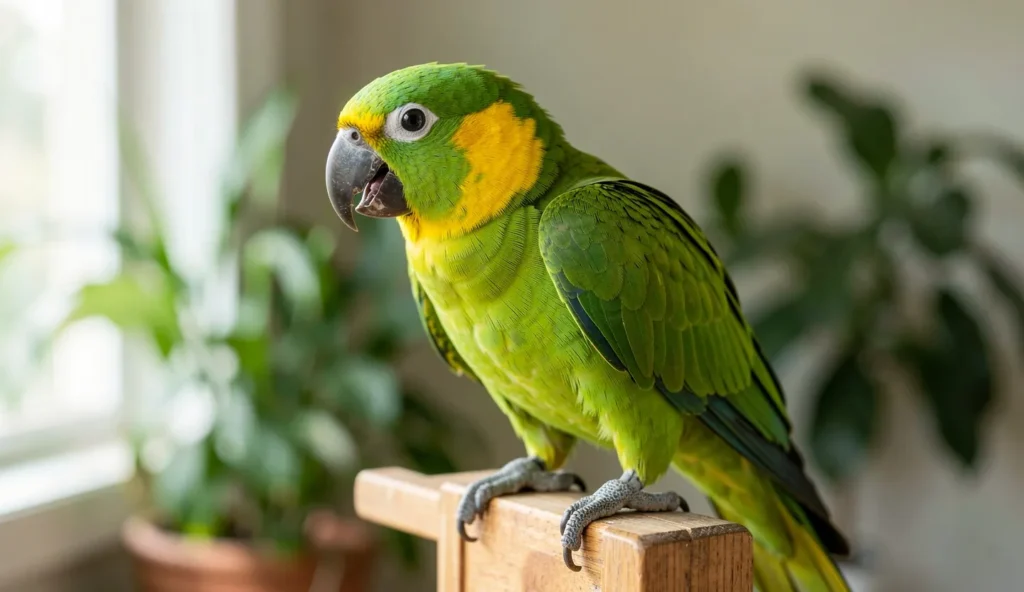
What Is a Yellow Naped Amazon
The Yellow Naped Amazon is a large parrot species native to Central America, from southern Mexico to Costa Rica. Known scientifically as Amazona auropalliata, this bird is widely recognized for its exceptional speech clarity and mimicry skills. It occupies dry forests, savannas, and tropical lowlands, though habitat loss and the pet trade have made it a vulnerable species.
Origin and Natural Habitat
Yellow Naped Amazons originate from a narrow band of Central America, stretching through Guatemala, Honduras, Nicaragua, and into northern Costa Rica. They prefer dry forests and savanna woodlands but also adapt to agricultural areas. Deforestation and capture for the pet trade have significantly reduced wild populations.
Why the Yellow Naped Amazon Stands Out
Among talking parrots, the Yellow Naped Amazon is considered one of the best. Its ability to mimic human speech with clear pronunciation and a large vocabulary sets it apart. Highly intelligent and social, this Amazon parrot forms strong bonds with its owner, which enhances its willingness to talk. Owners searching for a talking amazon often choose this species for its reliability and charm.
Appearance and Physical Features
The Yellow Naped Amazon is a stocky, medium-to-large parrot with a short, squared tail. Its bright green body, darker flight feathers, and distinctive yellow patch on the nape make it instantly recognizable. The yellow nape varies in size among individuals, sometimes extending to the back of the neck. White eye rings and a horn-colored beak complete the look.
Size and Body Shape
This large parrot measures 14 to 15 inches in length and weighs between 500 and 600 grams. It has a robust, muscular body typical of Amazon parrots. The tail is short and squared, giving it a balanced appearance.
Plumage and Color Markings
The body is vivid green, with darker green or blue on the flight feathers. The defining feature is the yellow patch on the nape and back of the neck, which gives the bird its common name. Some individuals have only a small spot, while others display a large area of yellow. The beak is horn-colored, and the cere is grayish.
Sexing Differences
Males and females look identical; there are no visual differences. DNA testing or surgical sexing is required for accurate gender identification. This matters little for talking ability, as both sexes can become excellent talkers.
Why Are Yellow Naped Amazons Famous for Talking
Yellow Naped Amazons are renowned for their ability to mimic human speech with remarkable clarity. They can learn 50 to 100 words or more, often reproducing tones, inflections, and even laughter or songs. Their outgoing personality makes them more willing to talk in front of strangers compared to some other species.
Speech Clarity and Mimicry
The speech of a Yellow Naped Amazon is often described as exceptionally clear, rivaling that of African Greys. They accurately reproduce human voices, including pitch and emotion. Many owners report their birds using words in appropriate contexts, such as saying hello when someone enters the room.
Comparison to Other Talking Parrots
While african grey parrots are famous for vocabulary size, Yellow Naped Amazons often surpass them in speech clarity and confidence. They are more likely to perform for an audience. In contrast, macaw parrots produce louder but less precise mimicry. The Yellow Naped Amazon strikes a balance between clarity and vocal enthusiasm.
Cognitive Abilities Behind Talking
This Amazon parrot has high problem-solving intelligence, which supports contextual speech. Bonded birds often learn words that hold emotional meaning, such as the owner’s name or phrases associated with favorite activities. Their curiosity drives them to repeat sounds they hear frequently, making them eager students.
Speech Clarity and Vocabulary Size
Most Yellow Naped Amazons reliably learn 30 to 50 words, but exceptional individuals can master over 100 words and short phrases. Vocabulary size depends on training consistency and social interaction. Clear speech develops gradually as the bird practices and refines sounds.
Typical Vocabulary Range
With consistent training, a Yellow Naped Amazon can learn a core vocabulary of common words and phrases. Some birds string together sentences or sing songs. The range expands when owners dedicate daily time to practice.
Factors Influencing Speech Quality
Early socialization and exposure to human speech during weaning improve clarity. Regular one-on-one training sessions reinforce correct pronunciation. Birds that feel secure and stimulated talk more freely and with better articulation.
Common Sounds They Mimic Beyond Words
These parrots often imitate doorbells, phone rings, microwave beeps, whistles, and even laughter or coughing. They may copy other pets in the home, such as barking dogs. This broad mimicry adds to their entertaining nature.
Factors That Affect Talking Ability
Not every Yellow Naped Amazon becomes a prolific talker. Genetics, environment, and health all play roles. Understanding these factors helps owners set realistic expectations and support their bird’s development.
Genetics and Individual Variation
Talking ability has a hereditary component. Some bloodlines are naturally more vocal and produce clearer mimicry. Individual personality also matters—shy birds may talk less, while bold ones chatter endlessly.
Age and Learning Window
Young birds under one year old learn words most easily. However, older rescue birds can still learn with patience. Consistent exposure during adolescence solidifies vocabulary. Early training yields the best results, but it is never too late to start.
Social Environment and Bonding
Parrots that form a strong bond with their owner talk more to that person. Birds in quiet homes often develop clearer speech because they focus on human voices. Lack of interaction leads to reduced vocalization and slower vocabulary growth.
Health and Nutrition
Nutritional deficiencies, particularly of vitamin A and calcium, can affect cognitive function and vocal clarity. Respiratory infections may cause hoarseness or temporary loss of speech. Regular vet checkups ensure the bird remains in optimal talking condition.
Training a Yellow Naped Amazon to Talk
Training a Yellow Naped Amazon requires patience, consistency, and positive reinforcement. Short daily sessions produce the best results. Owners should focus on simple words and gradually expand vocabulary.
Starting with Basic Words
Choose high-frequency words like hello, bye, or the bird’s name. Repeat the word clearly at the same time each day, such as when feeding or greeting. Use treats or head scratches as rewards for attempts.
Using Repetition and Routine
Schedule two to three training sessions daily, each lasting five to ten minutes. Practice the same words during specific activities to create context. Once the bird masters a word, introduce a new one while occasionally reviewing old ones.
Incorporating Contextual Cues
Say goodbye when leaving the room to help the bird understand meaning. Use the bird’s name frequently to prompt self-identification. Associate words with actions, such as saying up when lifting the bird.
Avoiding Common Mistakes
Never shout or punish the bird for not talking, as this causes stress. Avoid teaching curse words or inappropriate sounds that might be embarrassing. Limit exposure to multiple languages at once to prevent confusion.
Temperament and Personality
Yellow Naped Amazons are highly social, affectionate, and intelligent. Their personality directly influences talking motivation. A well-adjusted bird is more likely to chatter happily.
Social and Affectionate Nature
These parrots need daily interaction with their owners. They form strong bonds and enjoy head scratches and physical contact. Without attention, they may become withdrawn or develop behavioral issues.
Intelligence and Curiosity
Extremely curious and playful, Yellow Naped Amazons require enrichment toys and puzzles. Boredom can lead to feather plucking or excessive screaming. Their problem-solving abilities make them excellent at learning tricks and new words.
Potential for Noisiness
Natural calls are loud and piercing. Screaming may occur during excitement, fear, or attention-seeking. Trained birds often substitute loud calls with words, making speech training beneficial for reducing noise.
Care Tips for a Talking Amazon
Proper care supports both health and talking ability. A balanced diet, spacious cage, and regular enrichment keep the bird physically and mentally fit.
Diet and Nutrition
Pellets should form 60 to 70 percent of the diet. Fresh fruits and vegetables provide essential vitamins. Limit seeds and nuts to treats to prevent obesity, which can reduce energy for talking.
Cage Size and Environment
Minimum cage size is 24x24x36 inches, but larger is better. Bar spacing should be no wider than one inch. Provide perches of varying diameters and toys for mental stimulation.
Socialization and Enrichment
Allow daily out-of-cage time for flight or exercise. Rotate toys weekly to maintain interest. Foraging puzzles and chewable destructible toys encourage natural behaviors and reduce stress.
Grooming and Hygiene
Bathe or mist the bird weekly to keep feathers in good condition. Trim nails and beak as needed by a veterinarian. Keep cage and food bowls clean to prevent bacterial infections.
Common Health Issues
Health problems can impair a Yellow Naped Amazon’s ability to talk. Respiratory infections, viral diseases, and stress are common concerns. Early detection improves outcomes.
Respiratory Infections
These cause hoarseness, wheezing, or loss of voice. Drafts, poor air quality, or bacteria trigger infections. Immediate veterinary treatment is necessary to restore vocal clarity.
Psittacine Beak and Feather Disease
This viral illness leads to feather loss and beak deformities. Stress from the disease can reduce talking. There is no cure, only supportive care.
Feather Plucking and Stress
Feather plucking often results from boredom, lack of interaction, or a small cage. Chronic stress may indirectly affect vocal cords. Addressing the underlying cause with environmental improvements helps.
Obesity and Fatty Liver Disease
High-fat seed diets and lack of exercise cause obesity. Lethargy reduces interest in talking. A balanced diet and regular flight time prevent these conditions.
Is a Yellow Naped Amazon Right for You
Owning a Yellow Naped Amazon is a long-term commitment. These birds can live 50 to 60 years. Owners must provide substantial time, attention, and a suitable environment.
Time and Attention Commitment
The bird needs two to four hours of daily interaction to thrive. Owners should be home most of the day or provide a companion bird. Lack of attention leads to screaming and behavioral problems.
Noise Tolerance
Natural calls are loud and may disturb neighbors in apartments. Apartment living is possible with training but challenging. Households with children or other pets can adapt with supervision.
Long Lifespan Commitment
With proper care, a Yellow Naped Amazon can live for 50 to 60 years. Owners should plan for future care in their estate. Rehoming adult birds is stressful and may reduce talking confidence.
Frequently Asked Questions
How many words can a Yellow Naped Amazon learn?
Most learn 30 to 50 words, but exceptional birds can master over 100 words and short phrases with consistent training.
At what age do Yellow Naped Amazons start talking?
They typically begin mimicking words around 6 to 12 months old, with rapid vocabulary growth during the first two years.
Do male or female Yellow Naped Amazons talk better?
Both sexes can talk equally well, though individual personality and training play a larger role than gender.
Can a rescued adult Yellow Naped Amazon learn to talk?
Yes, adult birds can learn new words with patience and consistent training, even if they were not taught earlier.
How do I stop my Yellow Naped Amazon from screaming instead of talking?
Reinforce quiet behavior and talking with rewards, ignore screaming, and ensure the bird gets enough enrichment and attention.
What is the best way to teach a Yellow Naped Amazon new words?
Use short daily training sessions with clear repetition, associate words with actions, and reward attempts with treats or praise.
Final Note
The Yellow Naped Amazon is one of the most talented talking parrots, offering exceptional speech clarity and a charming personality. With proper training and lifelong care, this bird becomes a remarkable companion for dedicated owners.