Snake Breeds
Snake Breeds: Exploring the Fascinating World of Serpents
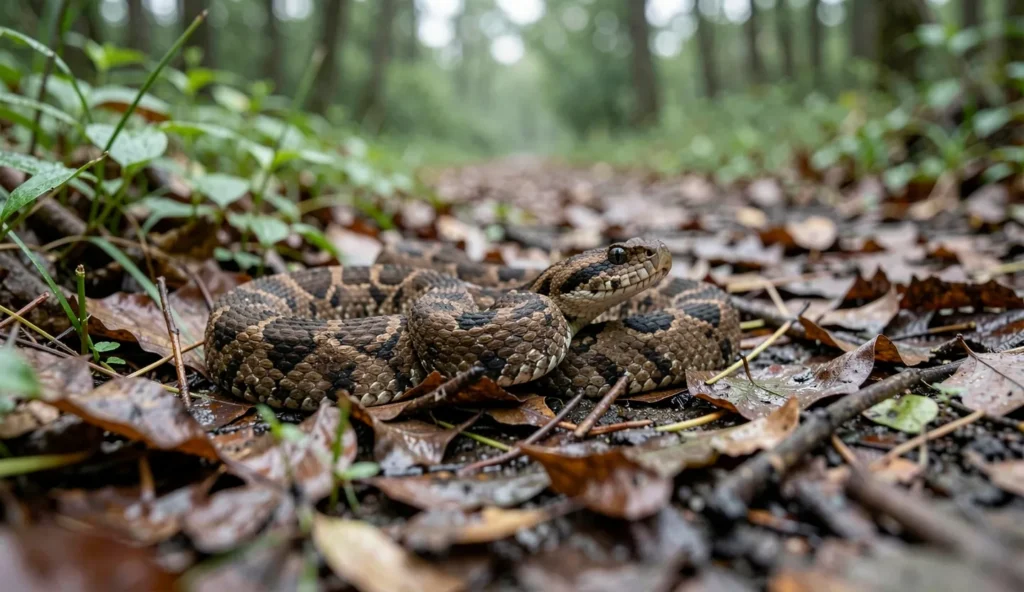
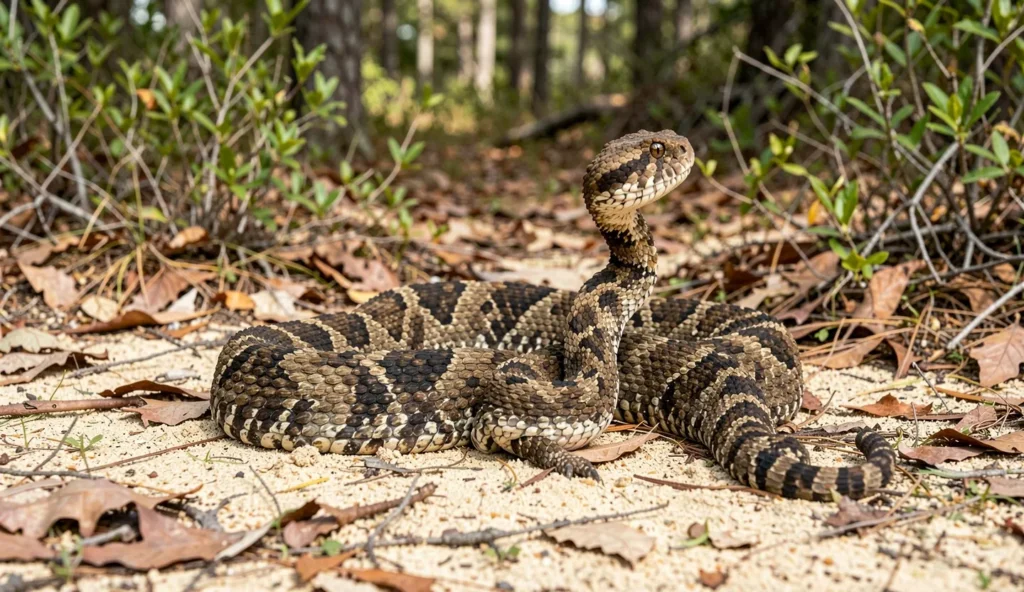
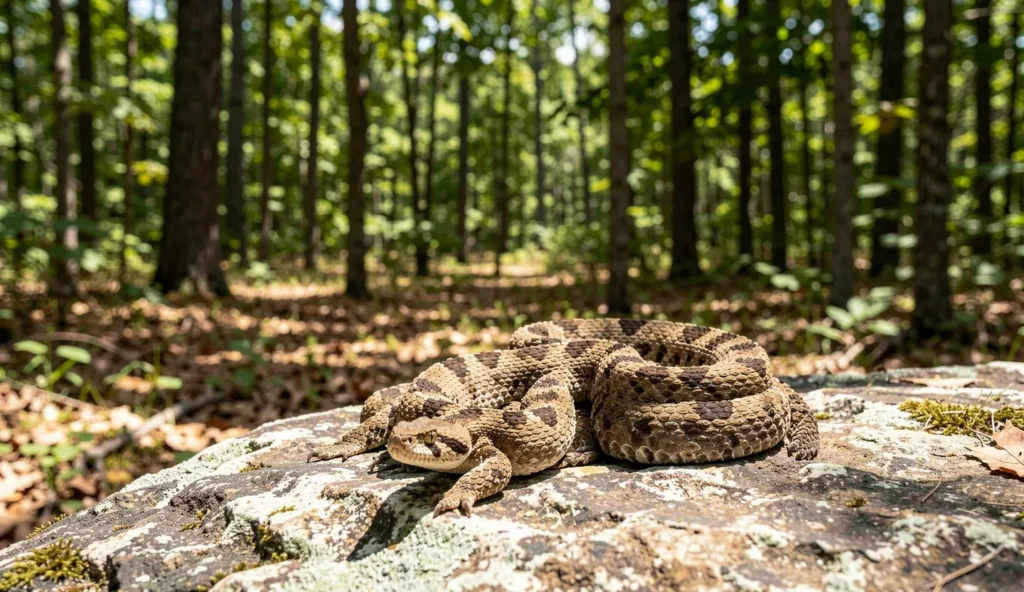
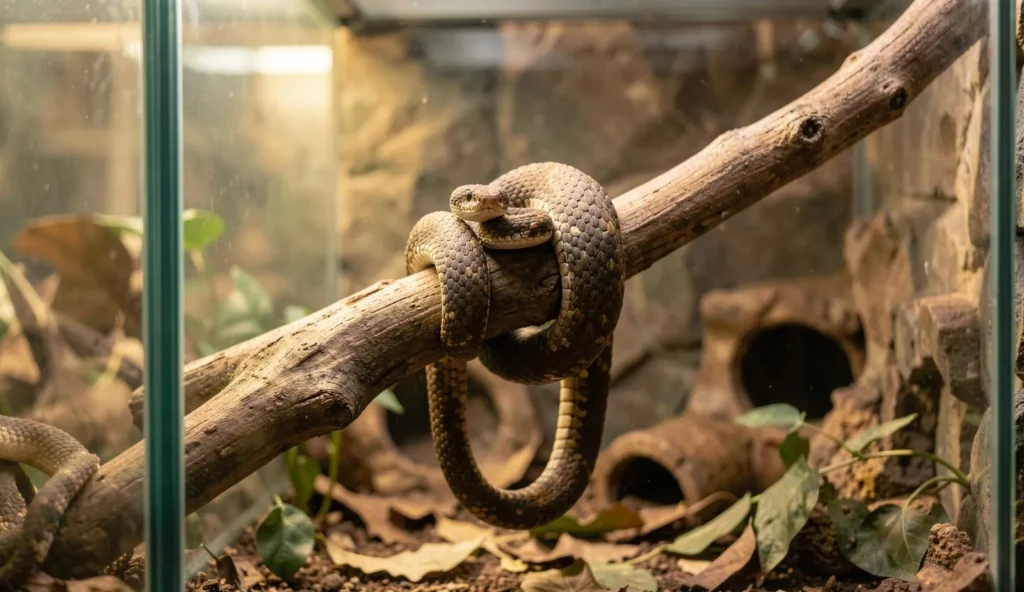
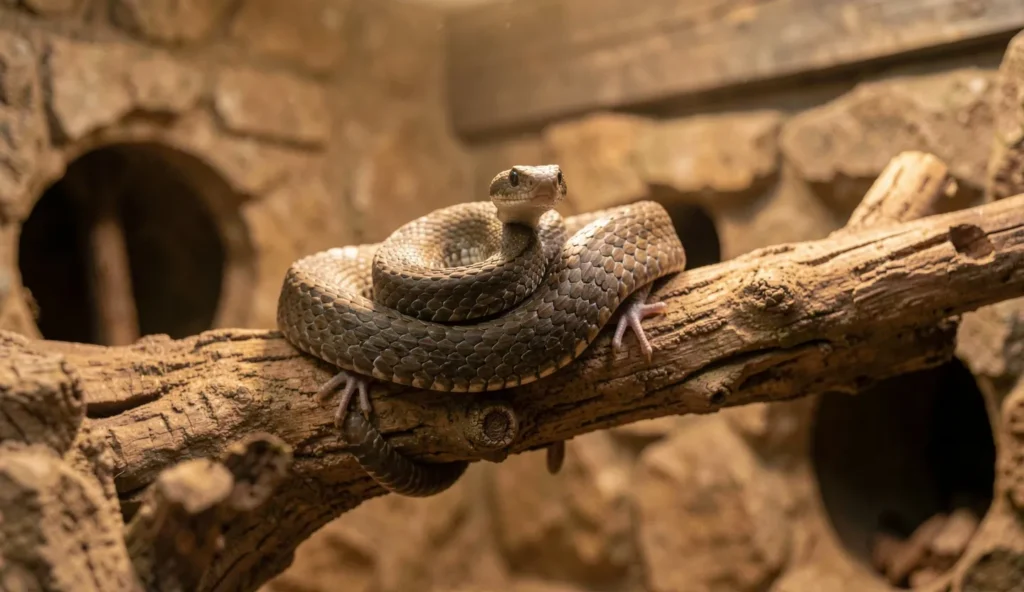
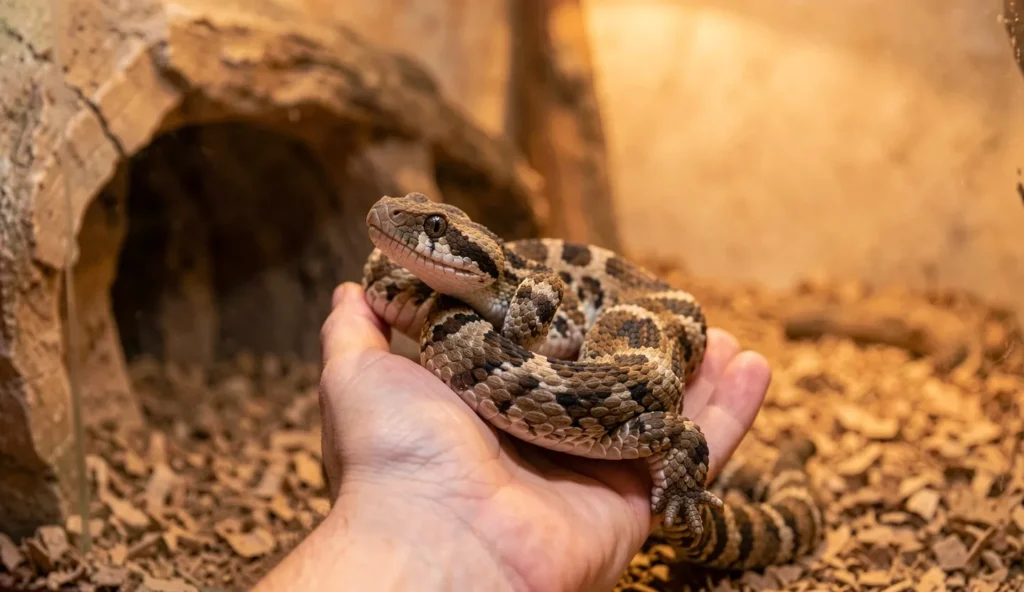
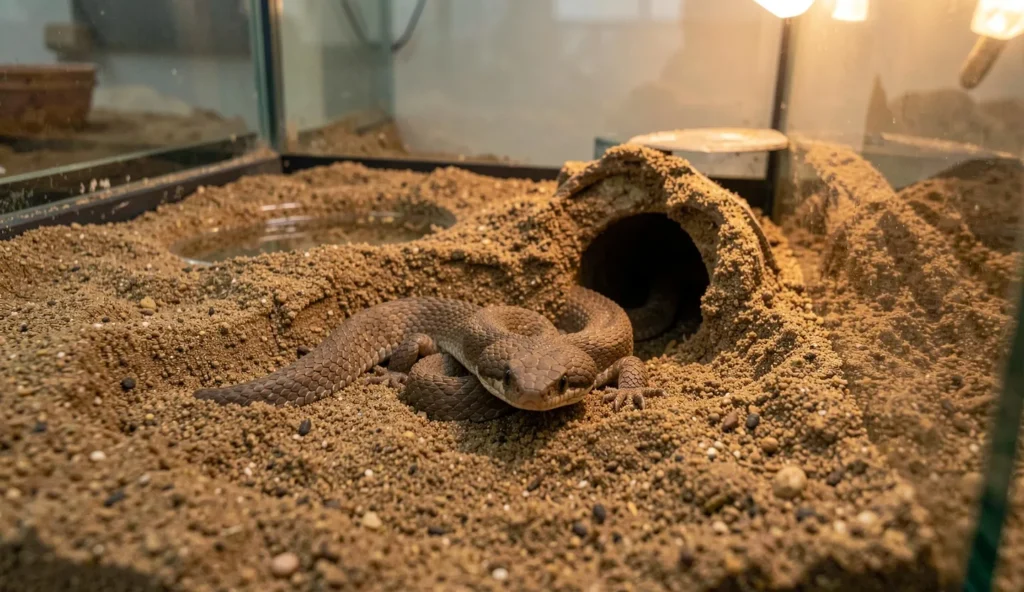
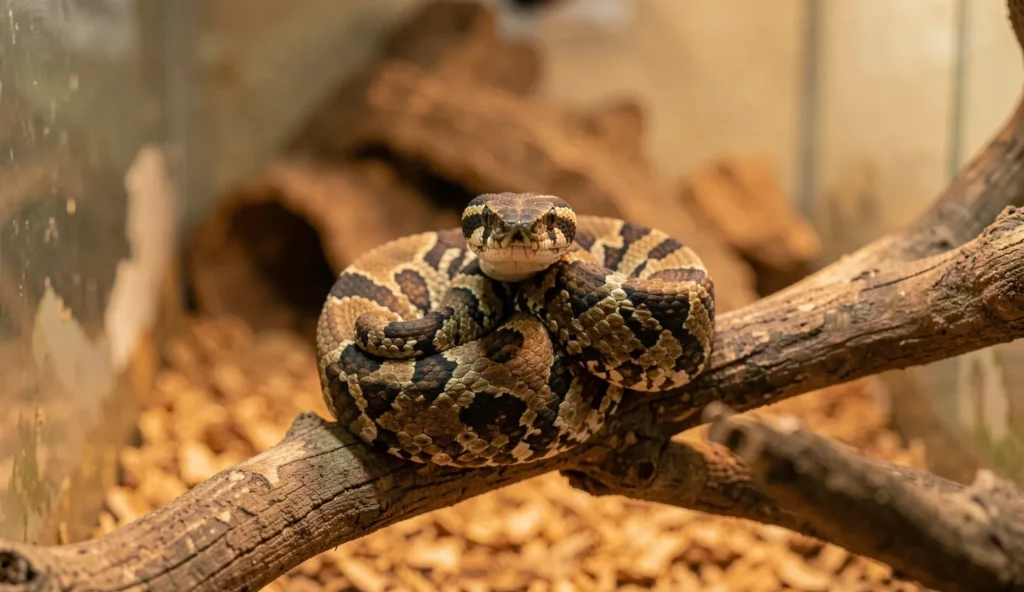
Snakes are among the most diverse and captivating creatures on Earth. Found on almost every continent, these reptiles come in a wide variety of shapes, sizes, and colors. While the term “snake breeds” is commonly used, it’s more accurate to refer to them as snake species. From harmless garden snakes to magnificent pythons, each species has unique traits and plays an important role in the ecosystem.
Understanding Snake Diversity
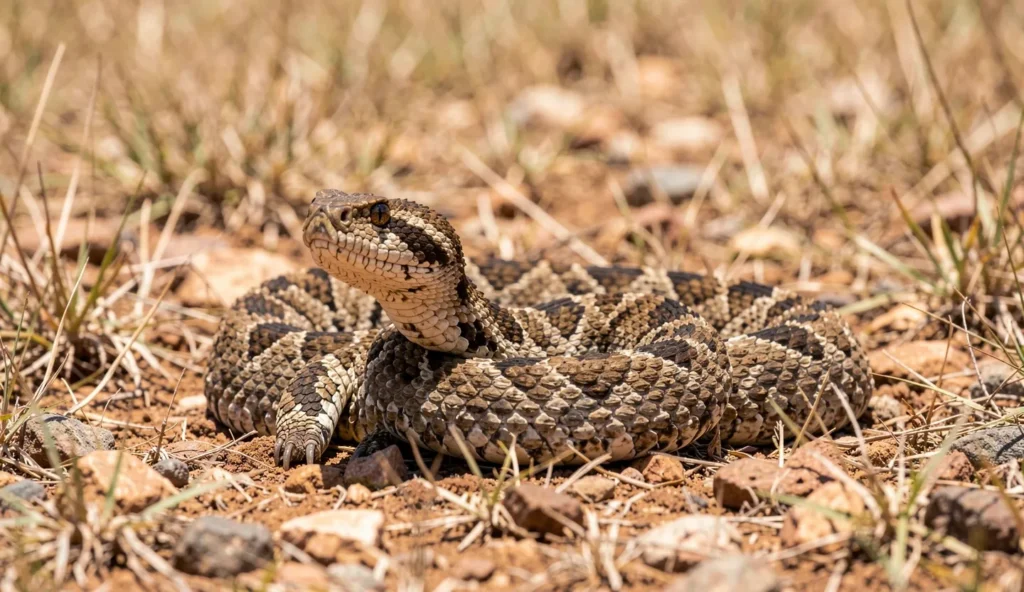
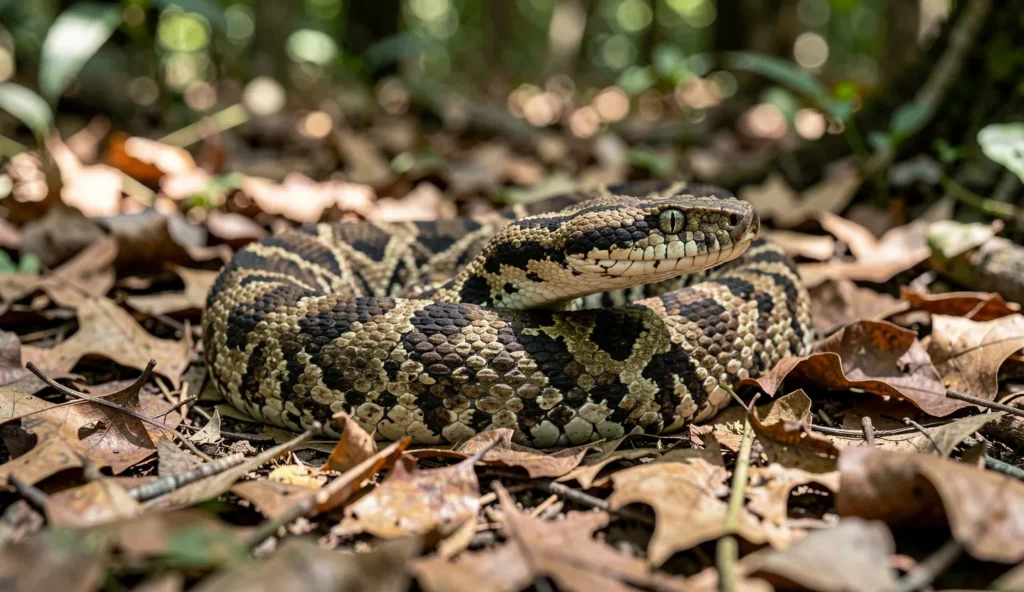
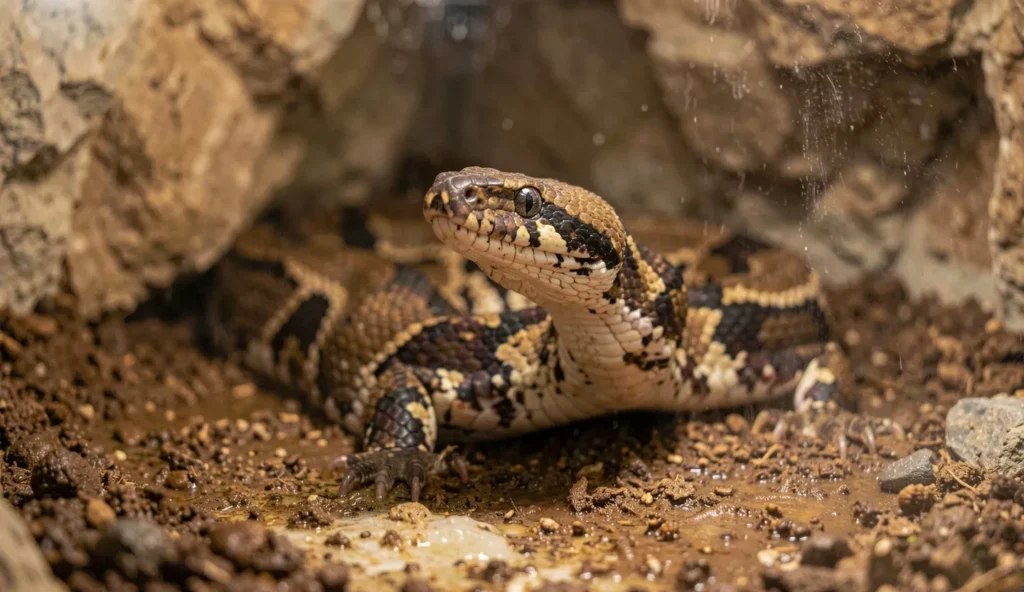
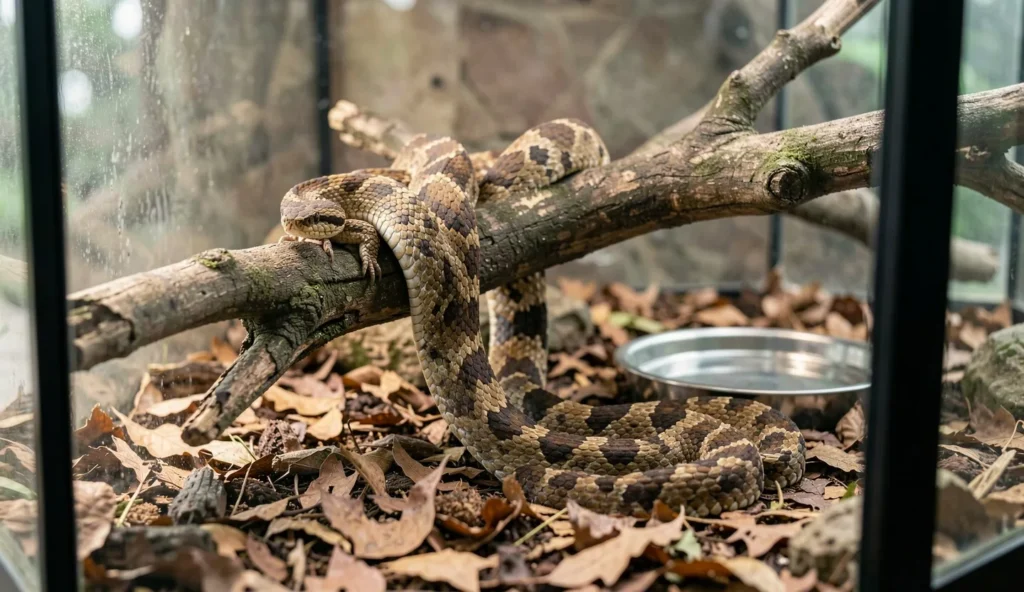
There are over 3,000 known species of snakes worldwide. Some are small and shy, while others are large and powerful. Snakes live in forests, deserts, swamps, grasslands, and even oceans. Each environment influences its color, behavior, and diet, making every species distinct and fascinating.
Popular Pet Snake Breeds
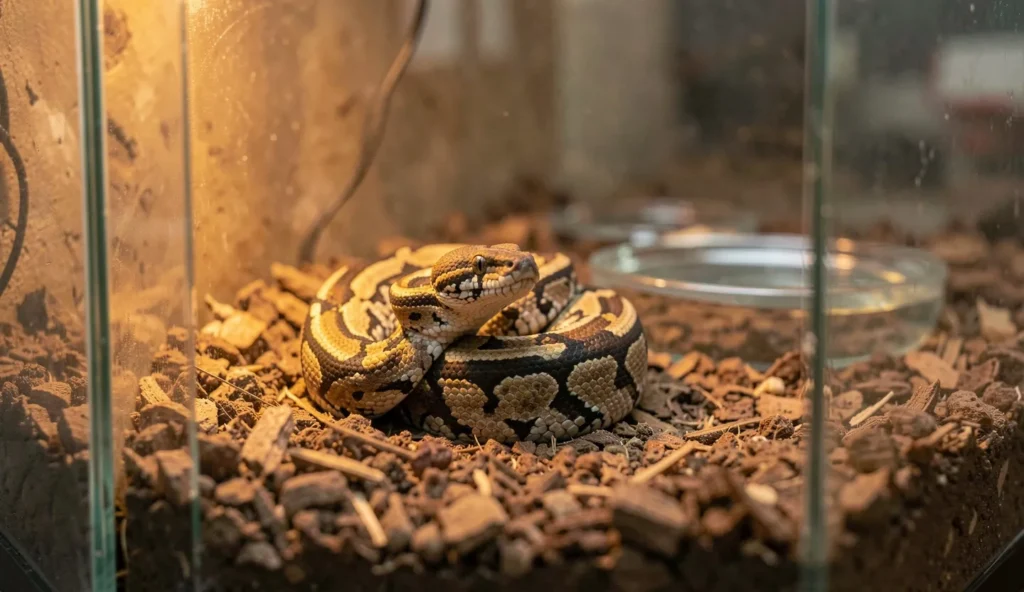
Many people keep snakes as pets because of their calm nature, low maintenance, and beautiful patterns. However, not all snakes are suitable for beginners. Here are some of the most popular and beginner-friendly pet snakes:
1. Ball Python
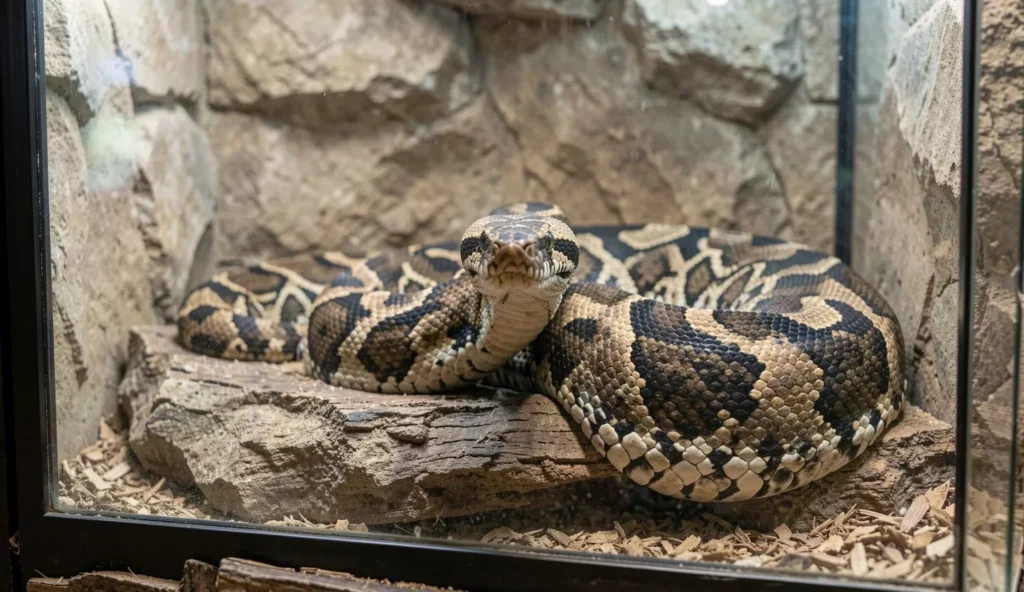
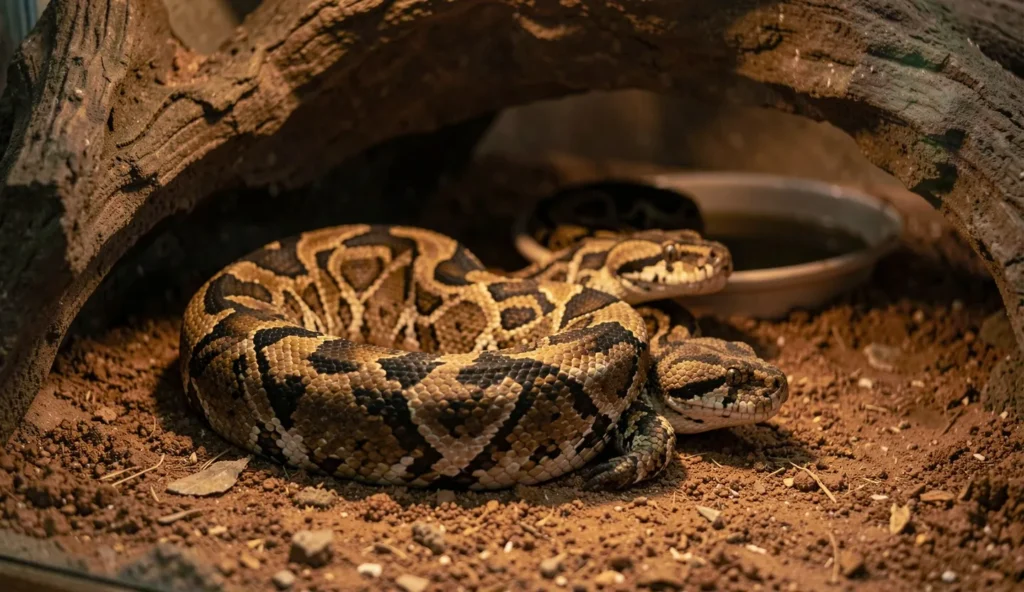
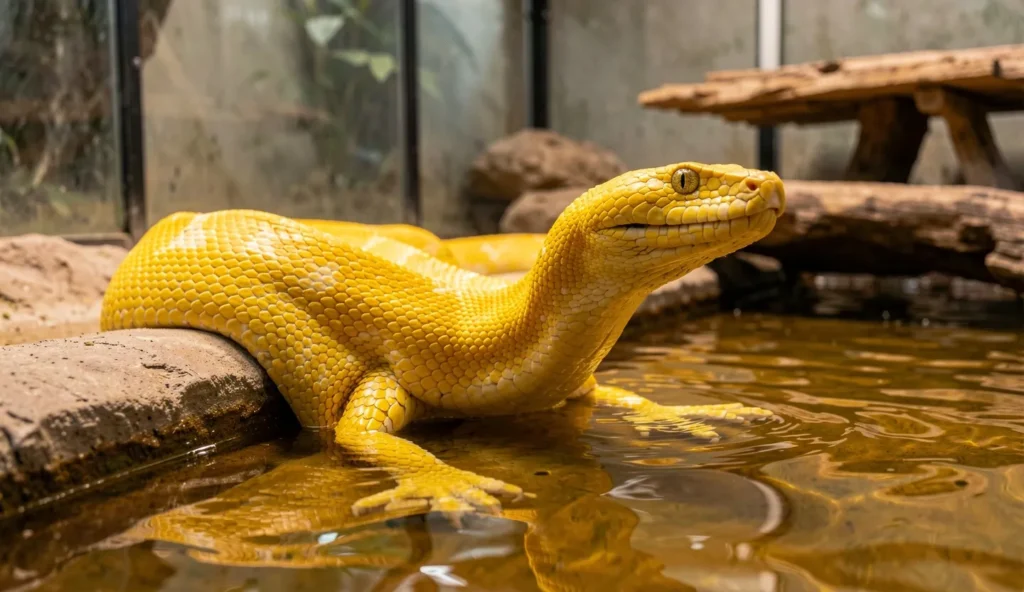
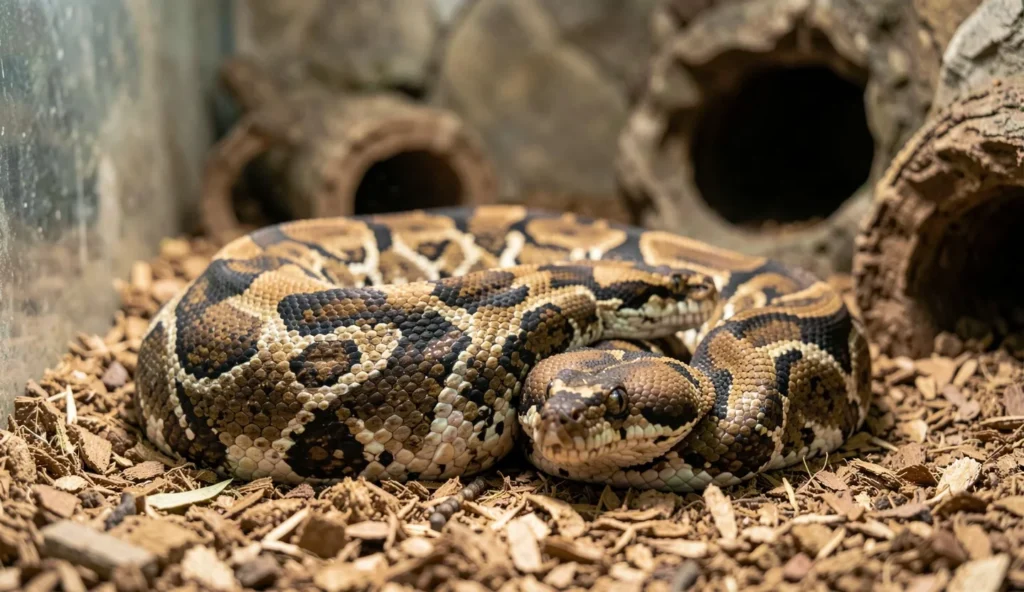
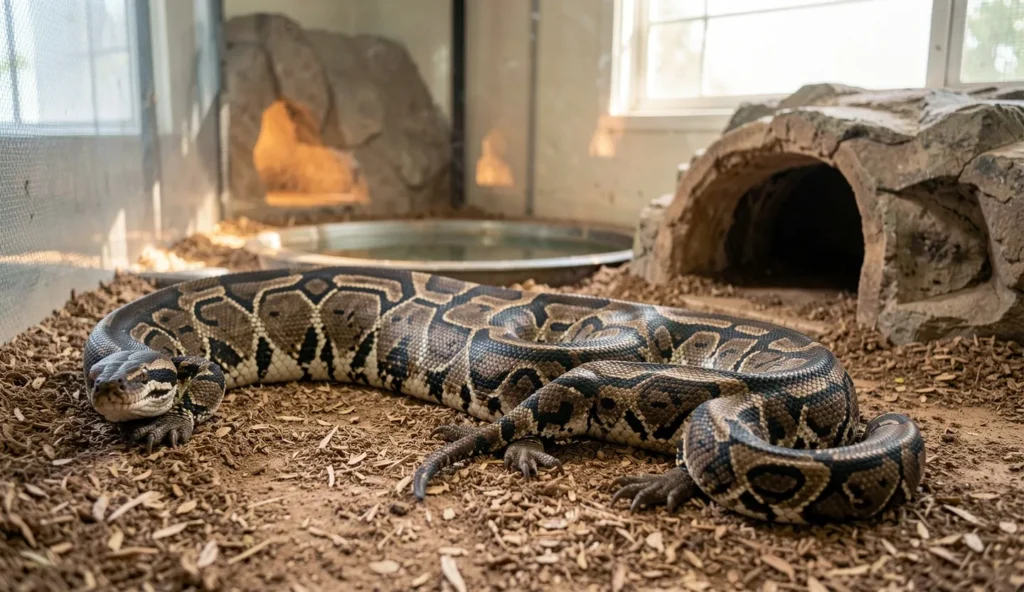
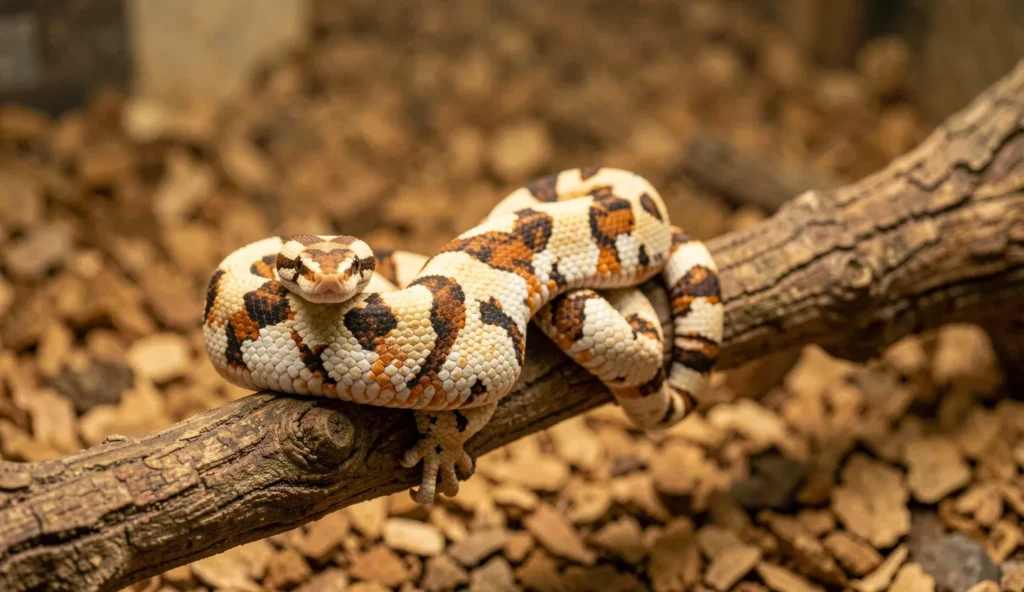
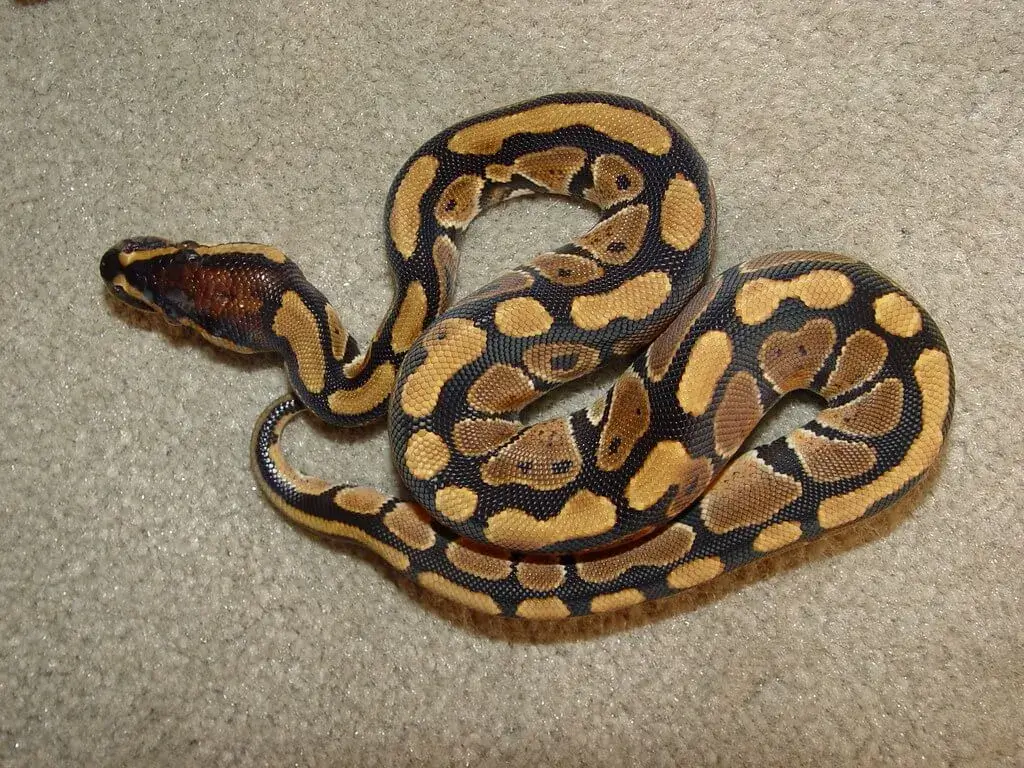
The Ball Python is one of the most popular pet snake breeds in the world. Native to Africa, it is known for its gentle temperament and manageable size. Ball Pythons come in a variety of color morphs, including albino, pastel, and piebald. They are easy to care for and typically live up to 25 years with proper attention.
2. Corn Snake
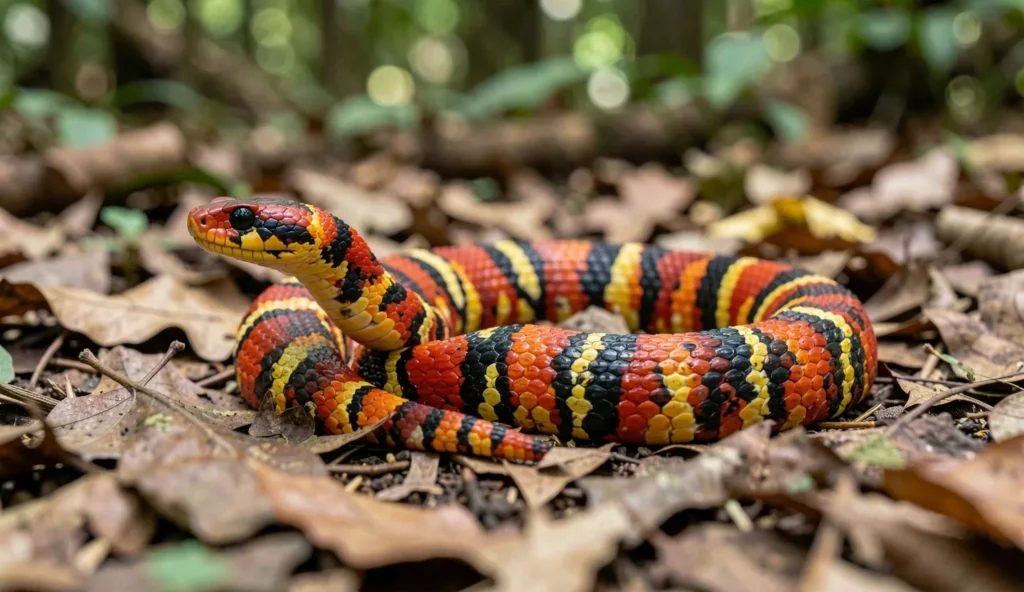
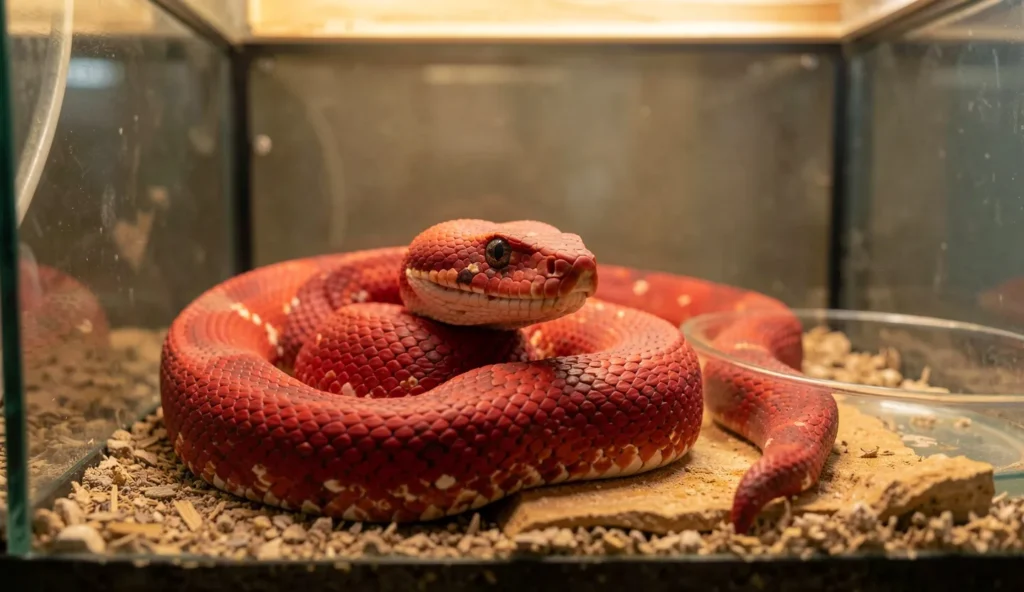
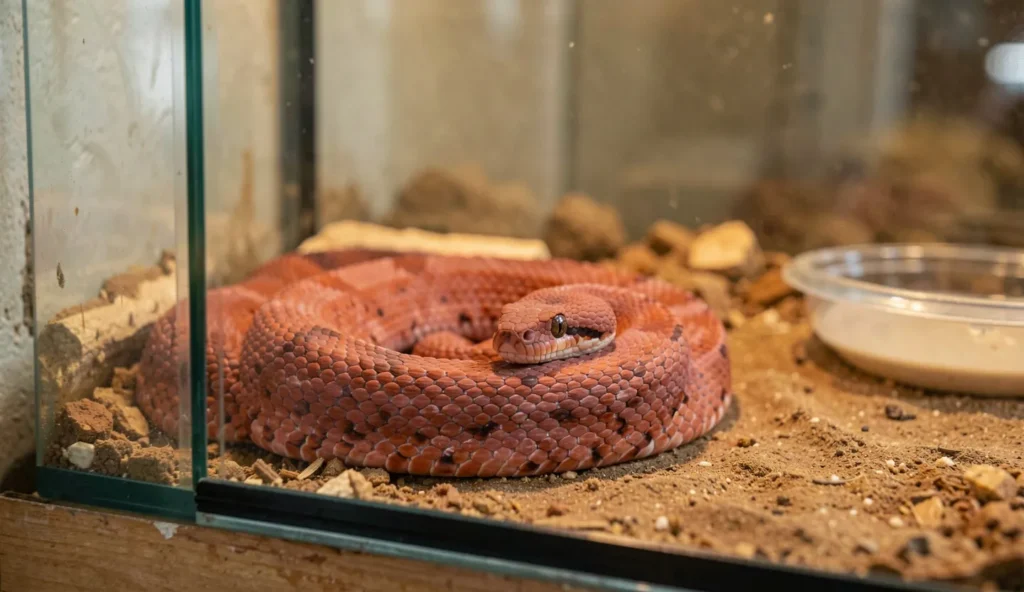
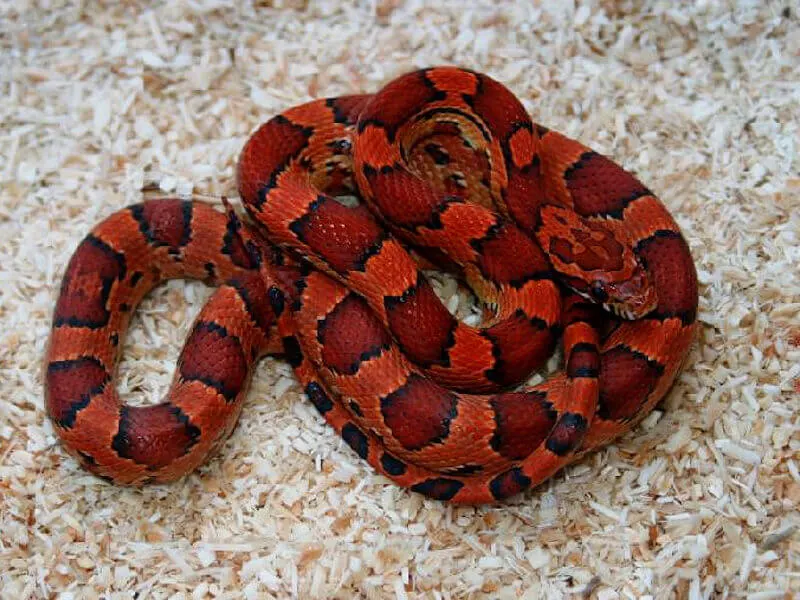
The Corn Snake is another favorite among reptile enthusiasts. Originating from North America, this snake is non-venomous, friendly, and easy to handle. Its striking orange and red patterns make it visually stunning. Corn Snakes adapt well to captivity and are excellent choices for new snake owners.
3. King Snake
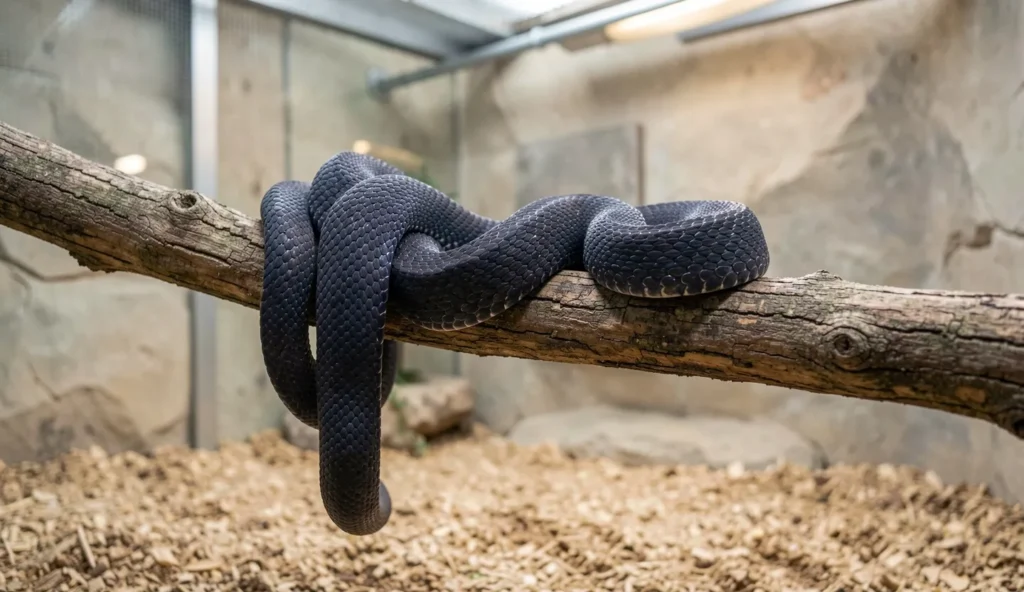
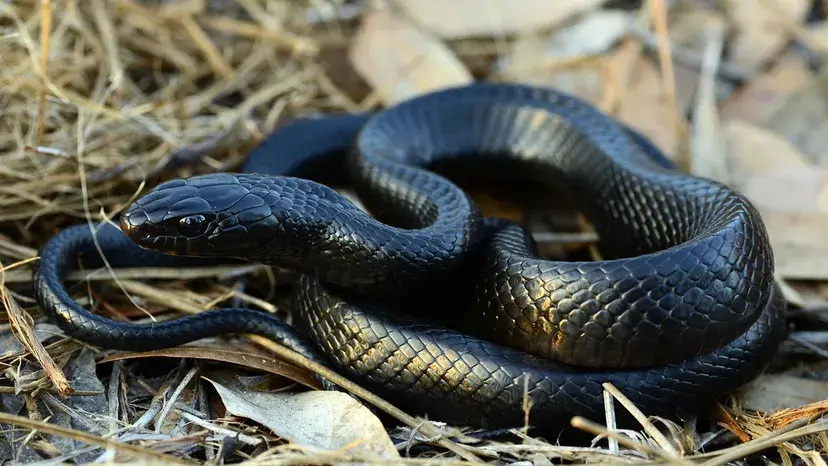
King Snakes are famous for their bold patterns and fascinating diet—they can even eat other snakes, including venomous ones! Found across the Americas, they are non-venomous and highly adaptable. Their strong immune systems make them hardy pets, and they are available in many colors, including black, red, and white varieties.
4. Boa Constrictor
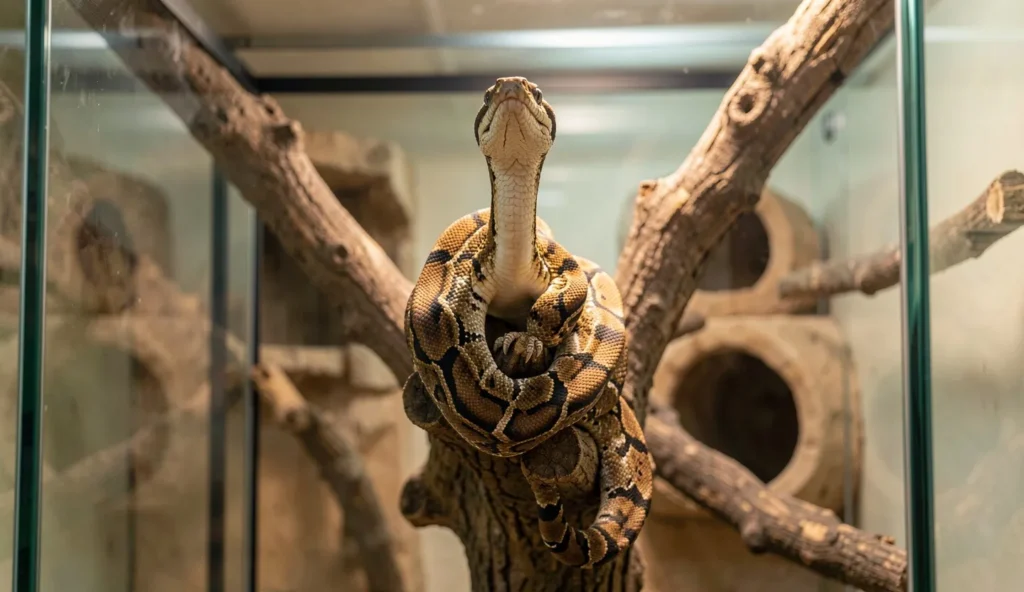
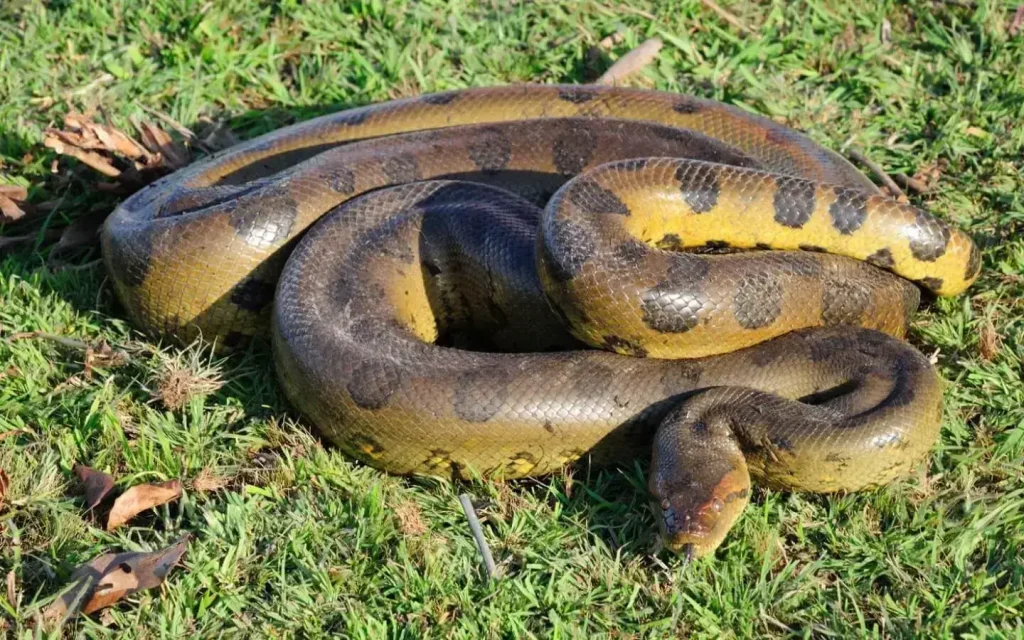
The Boa Constrictor is larger and more powerful than many other pet snakes. Native to Central and South America, these snakes use constriction to capture prey. They are calm, intelligent, and can form strong bonds with their caretakers. However, they require more space and care due to their size, which can reach up to 10 feet in length.
5. Garter Snake
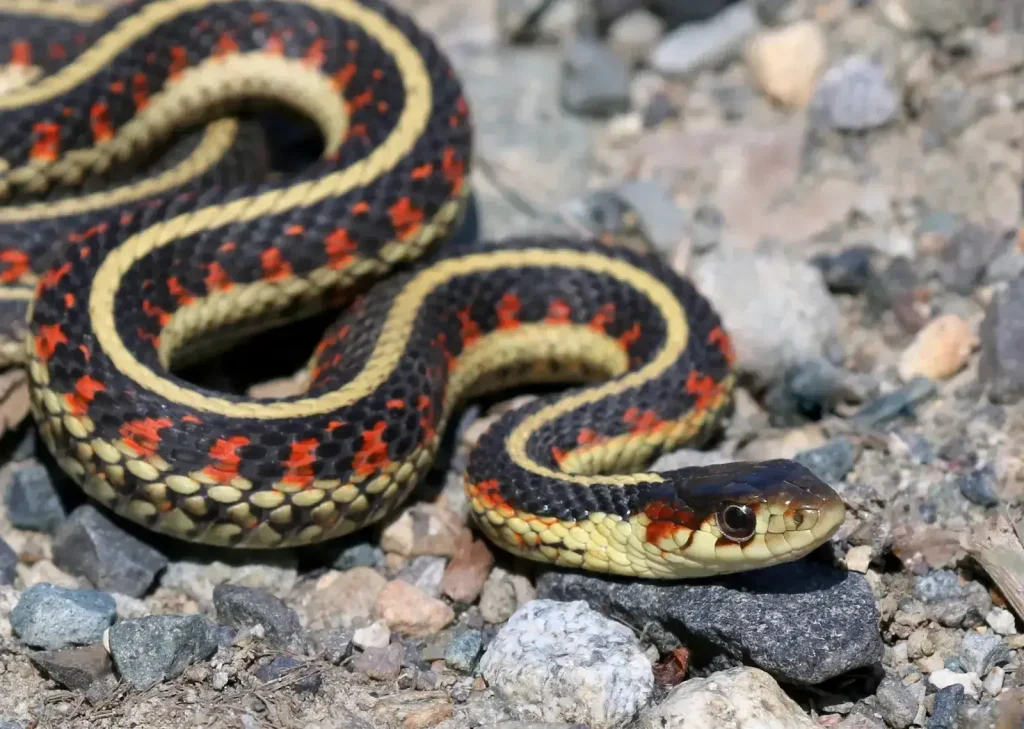
Garter Snakes are small, harmless snakes found across North America. They are often seen in gardens and grassy areas. Easy to care for, Garter Snakes make great educational pets for families and beginners. They come in various color patterns, including stripes of green, yellow, and red.
Wild and Exotic Snake Breeds
While pet snakes are fascinating, wild and exotic species are equally remarkable. Some of the most stunning and rare snake breeds in nature include:
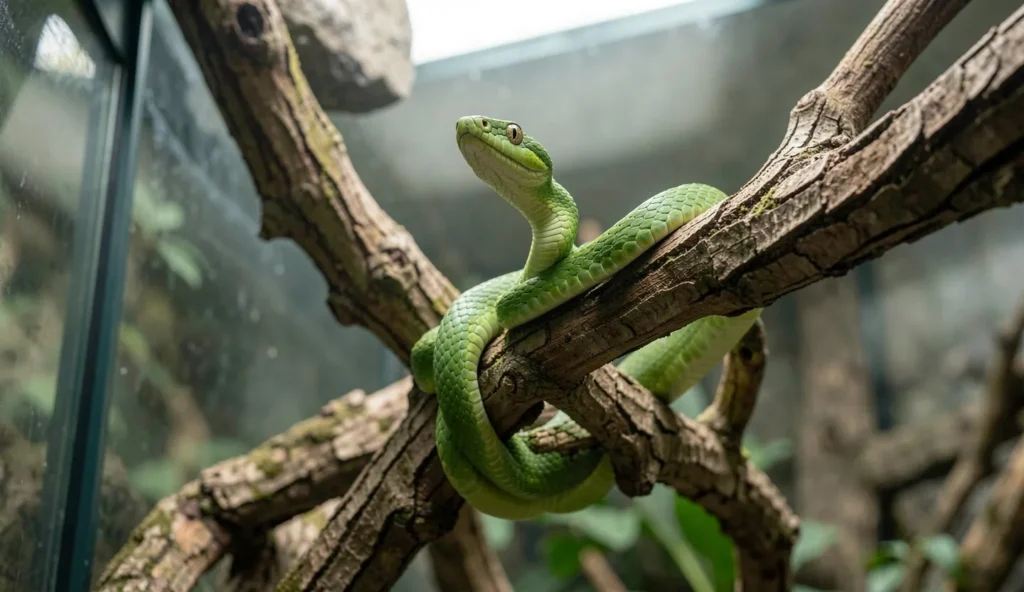
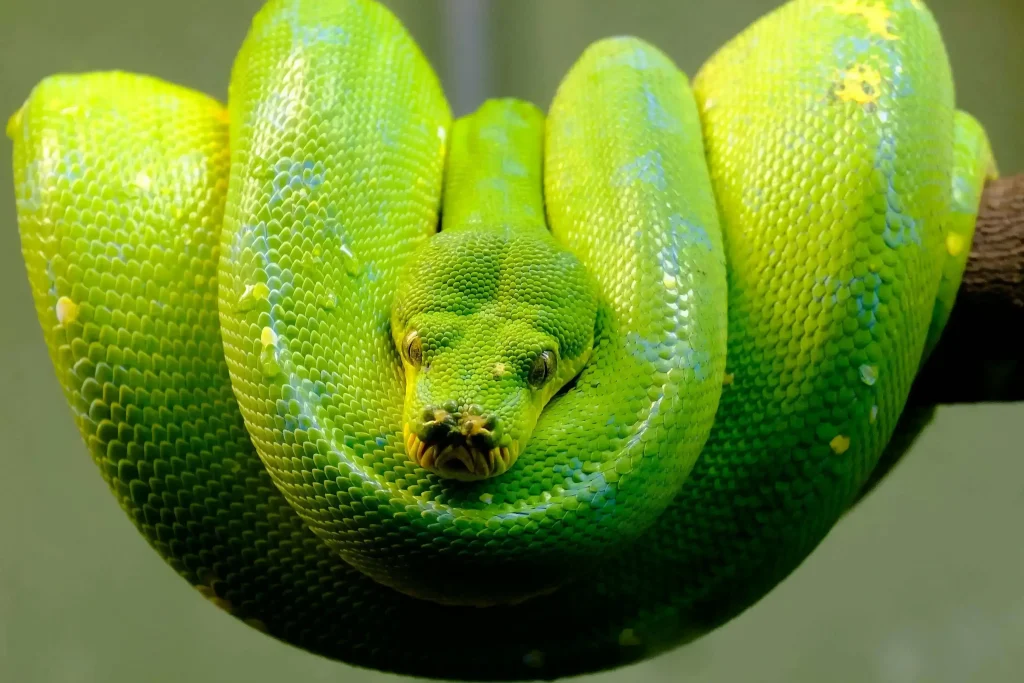
- Green Tree Python: A bright green snake native to New Guinea and northern Australia, known for its arboreal lifestyle.
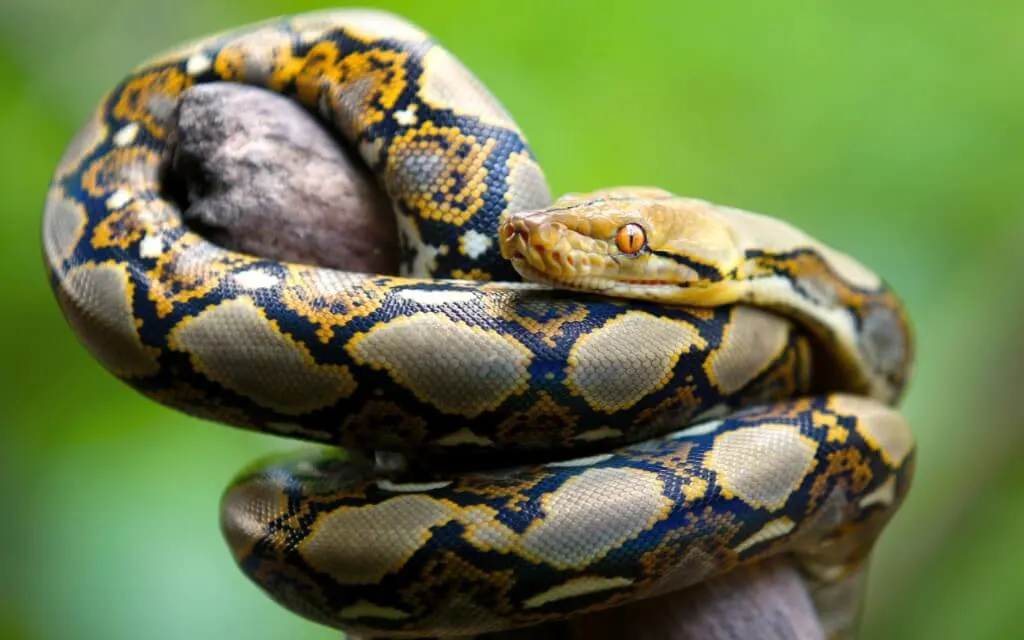
- Reticulated Python: One of the longest snakes in the world, reaching over 20 feet. Despite its size, it is often admired for its beauty.
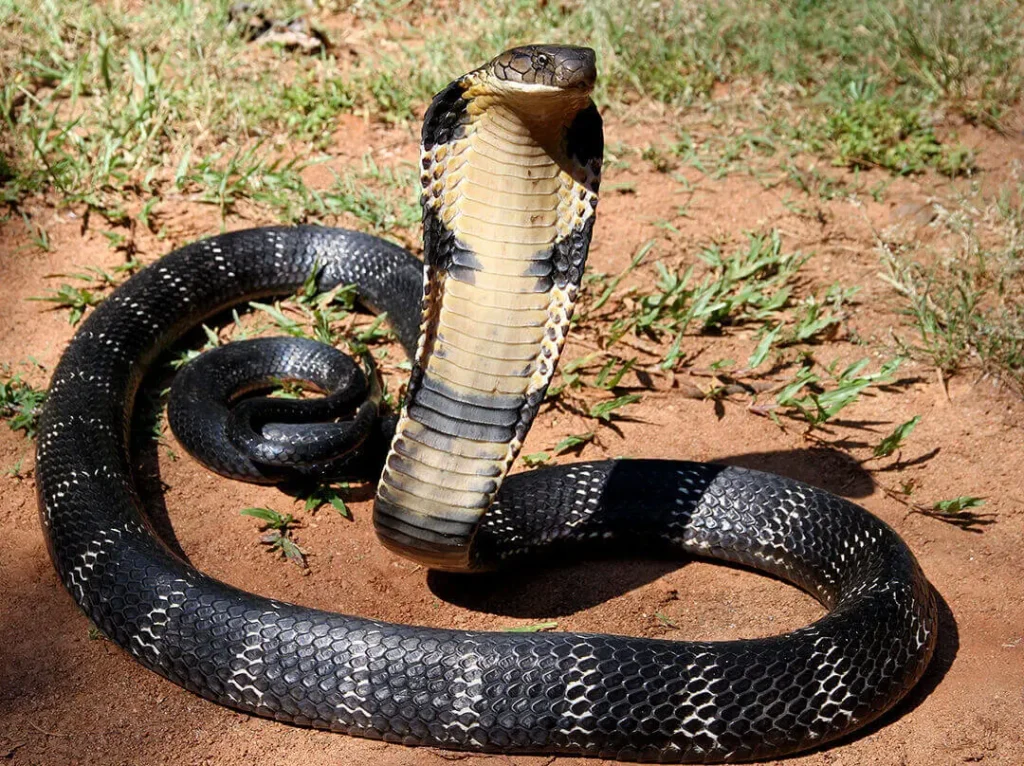
- King Cobra: The world’s longest venomous snake, native to Asia, is admired for its intelligence and commanding presence.
- Blue Racer: A rare North American snake known for its beautiful blue-gray color and incredible speed.
- Emerald Tree Boa: Famous for its dazzling green scales and white markings, found in the rainforests of South America.
Snake Breeds and Their Role in Nature
Snakes are often misunderstood, but they play a crucial role in maintaining ecological balance. They help control rodent populations, reducing the spread of disease and protecting crops. Many snake species are also indicators of a healthy environment, showing that ecosystems are functioning properly.
Conclusion
Snakes are among the most diverse and intriguing creatures on our planet. Whether kept as pets or admired in the wild, they deserve respect and understanding. Learning about different snake breeds not only enhances appreciation for their beauty but also promotes coexistence and conservation. By caring for and protecting these reptiles, we help maintain the natural balance that benefits all living beings.