What Is a Burmese Python?
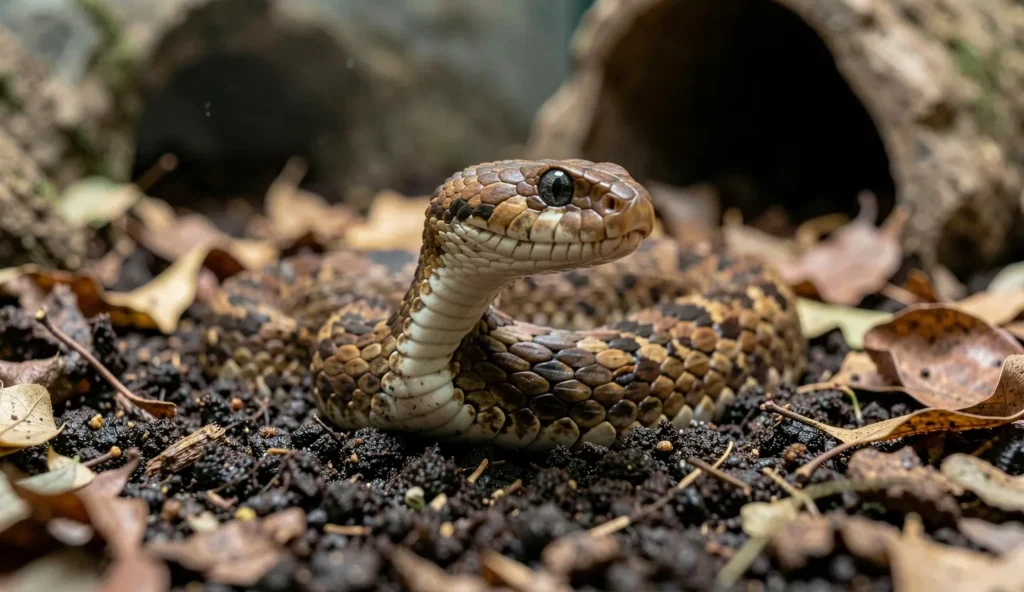
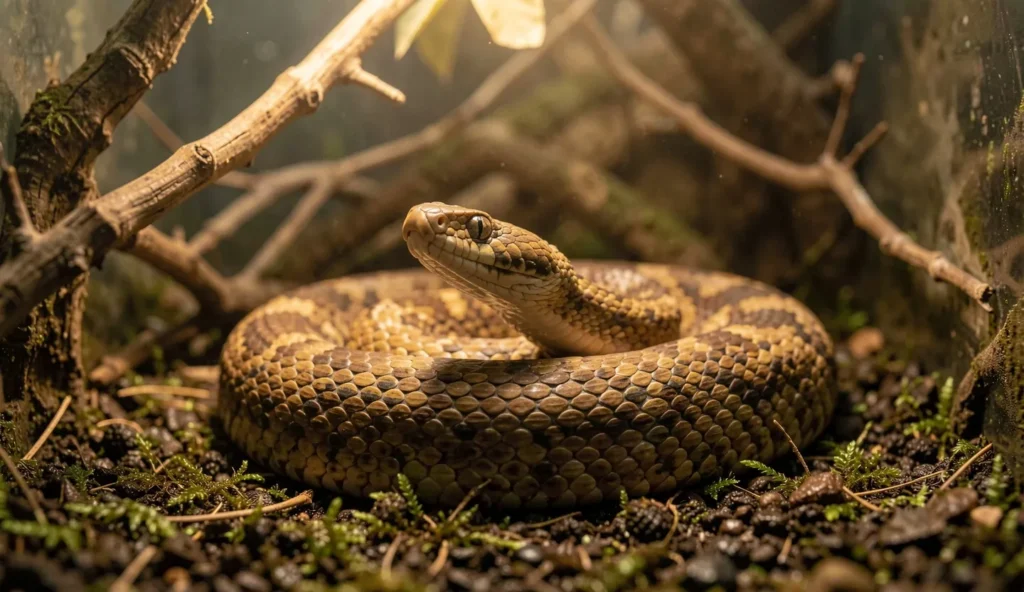
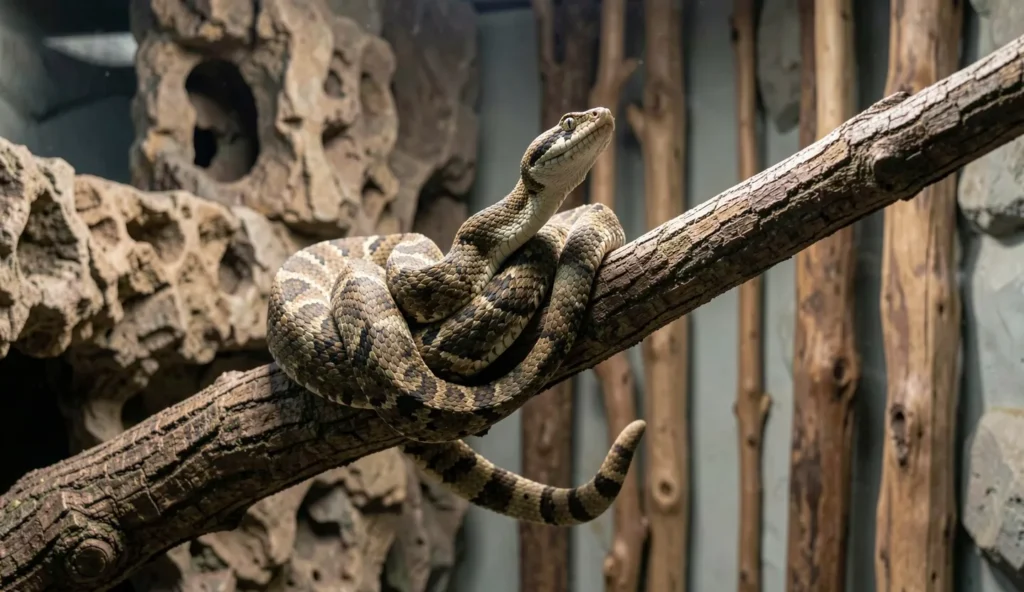
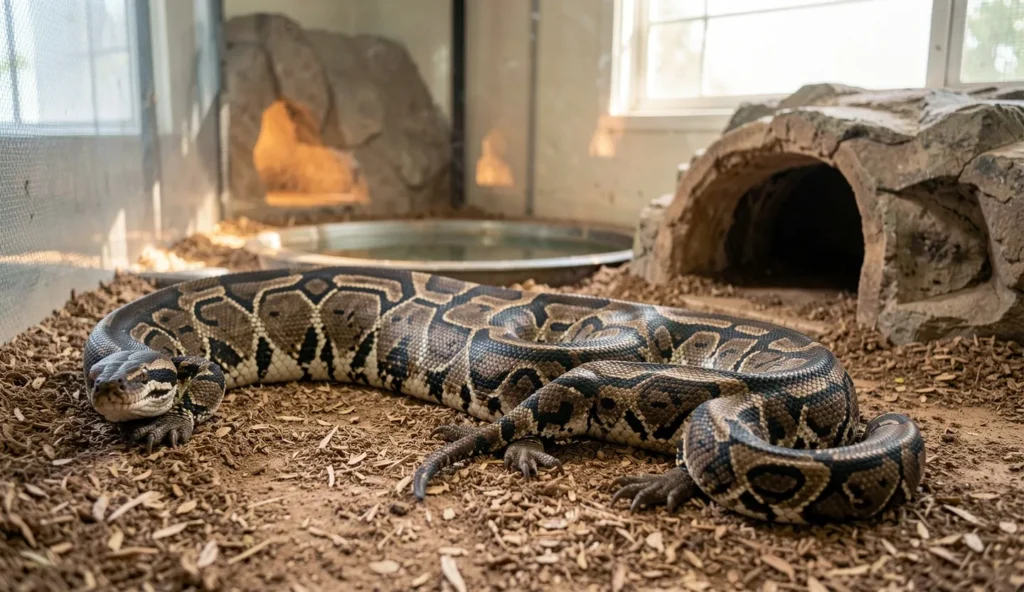
The Burmese Python is a large, nonvenomous constrictor species kept as a long-term captive animal. It originates across parts of Asia and often reaches sizes that require serious planning. For owners with spacious facilities, Burmese python care becomes a full system task, not a simple hobby decision. Legal rules may also vary by location and housing type, so responsible planning matters early.
Origin and Basic Facts
Burmese Python comes from a native range across parts of Asia, where it lives in varied habitat types. It is a nonvenomous constrictor, meaning it relies on physical restraint to subdue prey. Many keepers select this species because it can remain in captivity for many years. Still, local regulations can change based on region and enclosure setup.
Why Size Planning Matters for Owners
Size planning matters because Burmese pythons can grow quickly under stable warmth and consistent feeding. Enclosure design must support full adult size, including safe movement and turning. Handling plans must also account for body weight, because large constrictors require careful support. Commitment tends to last years, so upgrades should be planned before the snake outgrows the current space.
Burmese Python Size Range and Growth Timeline
Understanding Burmese Python size range helps owners estimate space needs and avoid premature upgrades. Burmese python enclosure size goals should start with realistic adult expectations, not hatchling measurements. Growth depends on genetics, warmth, feeding routine, and overall body condition. When those factors remain stable, the snake usually grows in a predictable pattern.
Typical Adult Length and Weight
Adult Burmese pythons can exceed 15 feet, and some individuals grow substantially larger. Body weight tends to increase with age and good feeding consistency. Individual size varies by genetics, sex, and husbandry accuracy. Planning prevents future enclosure upgrades that can disrupt the animal and complicate safety.
Growth Rate From Hatchling to Adult
Growth rate from hatchling to adult often responds strongly to feeding consistency and warmth. Still, each snake shows a different pace, even when care matches recommended standards. Regular body condition checks help guide feeding changes without guessing. Long-term planning should begin immediately, because suitable Burmese python enclosure size is not a last-minute decision.
Signs the Enclosure Still Needs Scaling
Several signs suggest the enclosure needs scaling as Burmese Python size increases. Frequent glass pressing, reduced movement, or limited turning radius around hides can indicate crowding. Feeding can become stressful in cramped space, which may increase refusal or defensive behavior. Unsafe climbing or tail drag from too-short enclosures can also increase injury risk.
How Big Should a Burmese Python Enclosure Be
Choosing Burmese python enclosure size should prioritize length, movement paths, and safe access for cleaning. Height matters less than floor area for a ground-oriented constrictor that stretches fully. The enclosure should support thermoregulation choices across warm and cool zones. A plan that accommodates full-body stretch usually reduces stress and supports stable routines.
Minimum Enclosure Size for Large Adult Setups
Minimum enclosure size for large adult setups should include enough length for full-body stretch. Long enclosures support natural movement and reduce repeated rubbing at boundaries. Floor area also supports thermoregulation options like partial soaking, resting under hides, and traveling between zones. Planning for maximum length potential helps owners avoid rapid replacement cycles.
Preferred Enclosure Type and Materials
Preferred enclosure type generally includes secure locking doors and rigid sides that reduce bending and stress behaviors. Heat-safe materials help keep temperatures stable without warping or leaking moisture. Ventilation paths should allow fresh airflow while still supporting the humidity targets needed for healthy skin. When equipment is stable, Burmese python care becomes easier to maintain week after week.
Layout for Movement, Hides, and Water
Layout matters because large snakes need multiple resting and safety options. Use multiple hides in both cool and warm zones so the snake can choose where to settle. Place a water dish to support soaking behavior, since large individuals often use water to manage skin and hydration. Keep open travel lanes between hides and important temperature areas so movement remains stress-free.
Safety Features and Escape Prevention
Safety features should target escape prevention every time the enclosure is accessed. Double-check latches before feeding and handling, and avoid gaps near doors, vents, and service access points. If building walls directly around the enclosure, floor-level barriers can reduce the chance of a body slipping through. Heat equipment also needs protection from contact and moisture so burns and equipment failure do not become a risk.
Owners comparing large-snake setups often find it useful to review how other constrictors handle similar enclosure demands. For example, a Ball Python care setup can share temperature control principles, even though its adult size is smaller. A large plan also benefits from reviewing how bigger species approach enclosure stability, such as Reticulated Python housing considerations.
Temperature, Humidity, and Lighting for Healthy Skin
Temperature, humidity, and lighting strongly influence Burmese python care outcomes like shedding quality and digestion. A stable environment reduces stress and helps the snake choose correct zones naturally. Heating and humidity must work together, because overheating and too-dry air can cause skin problems. Lighting should support a consistent day and night rhythm without creating excess drying.
Heating Zones and Thermoregulation Basics
Create a warm basking area and a cooler side so the snake can regulate temperature. Use thermostats to control heat output and prevent unsafe spikes. Measure temperatures with reliable thermometers placed at snake level so readings reflect actual conditions. Avoid direct heat contact that can cause burns, especially when large-bodied snakes settle for long periods.
Humidity Targets and Shed Support
Humidity targets should support healthy skin and normal shedding cycles. Increase humidity during shedding to reduce friction that can damage stuck skin. Offer a humid hide so the snake can maintain consistent moisture without requiring the entire enclosure to be overly wet. Ventilation should balance humidity with airflow so the enclosure does not dry too slowly.
Lighting Practices for Captive Care
Lighting practices should support a consistent day and night cycle while relying mainly on temperature control. Strong, drying light sources often create uneven humidity and can make shedding harder. Heat sources should not dry the enclosure excessively, especially near hides where the snake spends time resting. When the lighting rhythm remains predictable, stress levels often stay lower.
Large enclosure planning often overlaps with other tropical python keeping practices, especially around humidity control. Owners who also keep arboreal species may compare setup methods in Green Tree Python care guides for humidity planning differences. Even with different lifestyles, stable monitoring and safe heat gradients remain core priorities.
Feeding a Burmese Python Diet and Portion Planning
Burmese python diet planning should focus on prey size, feeding frequency, and body condition tracking. A strong feeding routine supports healthy growth, while overfeeding increases obesity risks. Feeding must also be safe, because large snakes can injure keepers during defensive responses. For many owners, the diet becomes the main husbandry variable that requires careful control.
What Burmese Pythons Typically Eat in Captivity
What Burmese pythons eat in captivity usually includes appropriately sized rodents. Larger adults may require larger prey items, and the diet must match body size rather than age alone. Thawed prey often provides safer feeding sessions and reduces risk compared with feeding live prey. Uneaten prey should be removed promptly to prevent injury and reduce contamination.
Owners often cross-check prey sizing logic with other constrictors to improve consistency. For instance, reviewing Corn Snake feeding basics can still help beginners think about portion sizing patterns, even if diet size differs. For larger body management comparisons, a Boa Constrictor overview can also help connect heating and digestion routines.
How Often to Feed by Age and Body Condition
Feeding frequency typically differs between growth phases and maintenance phases. Body condition should guide frequency and prey size more than strict schedules. Overfeeding increases obesity risk and can affect long-term health, including respiratory strain from excess weight. Fasting windows can occur normally during shedding periods, since digestion slows temporarily.
Feeding Safety and Post-Meal Care
Feeding safety starts with using feeding tools that reduce accidental bites and keep hands away from striking distance. Avoid moving the snake right after a meal, because digestion needs stable conditions. Provide stable temperatures so the digestive process supports proper metabolism. Monitor for regurgitation signs, and adjust husbandry if regurgitation occurs repeatedly.
Some keepers also compare meal timing and digestion risk with other large constrictor species. Reading a Reticulated Python care approach can reinforce why temperature stability matters during and after feeding. Similarly, owners that plan for size growth may review how a Green Anaconda diet discussion aligns with feeding caution at larger weights.
Handling, Care Routines, and Common Health Issues
Handling, daily care, and health monitoring shape Burmese python lifespan and overall quality of life. Large constrictors need calm routines, safe access, and reliable environmental control. Burmese python care should include consistent checks for water cleanliness, temperature accuracy, and shed progress. When problems appear, early correction often reduces complications.
Handling Approach for Large Constrictors
Handling should use calm movement and full-body support to reduce stress and sudden defensive behavior. Minimize sudden shifts, because abrupt changes can trigger defensive responses. Plan a safe area with controlled escape prevention, especially when the snake can move with heavy body momentum. Avoid handling near feeding and during shedding, since the snake may strike more defensively or handle sensitive skin less comfortably.
Burmese Python Care Tips for Daily and Weekly Maintenance
Daily care should include checking water freshness and verifying temperature and humidity readings. Spot-cleaning soiled substrate reduces odor and helps prevent bacterial growth. Tracking shed completeness and skin condition helps identify humidity or hydration issues early. Weekly maintenance should also include deeper cleaning, checking seals and latches, and inspecting heat equipment for safe operation.
Common Health Issues Owners Should Watch For
Common health issues include respiratory problems caused by incorrect humidity and ventilation balance. Skin and shedding issues often follow unstable moisture levels or poor humid hide performance. Parasites can appear from contaminated prey or dirty substrate, which increases the importance of clean storage and safe feeding practices. Obesity risk increases with overfeeding and poor heat gradients, and stress-related refusal to eat can happen when conditions fluctuate.
Lifespan and Long-Term Commitment Requirements
Burmese python lifespan can be long in consistent captive conditions, especially when environment and feeding remain stable. Long-term commitment requirements include planning for years of enclosure maintenance and safety checks. Budget needs should cover heating costs, testing tools, and veterinary care when issues arise. Enclosure safety should be reassessed as the snake grows, because older layouts may become unsafe for adult body weight.
Some owners expand their reptile knowledge by comparing husbandry themes across species. For example, a Black Mamba care page emphasizes why safety planning matters for larger reptiles, even though the species differs greatly. That mindset helps keep Burmese python care centered on secure systems and reliable monitoring.
Is a Burmese Python Right for You
Determining whether Burmese Python ownership fits a household requires checking space, time, legal constraints, and handling capability. Large snakes require facilities with stable heating, humidity control, and safe access for cleaning. Burmese python enclosure size needs should reflect adult growth potential, and the facility must support feeding and equipment management. Legal requirements can also determine whether ownership is allowed or restricted in specific areas.
Space, Time, and Facility Readiness Checklist
Space, time, and facility readiness should be confirmed before purchasing. A checklist can prevent delays that cause the snake to outgrow the enclosure quickly. Stable heating and humidity tools need backup plans, because failures can affect skin health and digestion. Emergency escape prevention procedures should also be ready so enclosure gaps and access points stay controlled.
- Enclosure supports full adult length and easy turning
- Warm and cool zones remain stable with monitored thermometers
- Humid hide supports shedding without soaking the whole enclosure
- Water dish supports soaking and easy cleaning
- Feeding storage supports safe prey handling and hygiene
- Escape prevention plan includes secure locks and access control
Legal Restrictions and Responsible Ownership
Legal restrictions for Burmese pythons vary by location and may include ownership limits, transport rules, or permit requirements. Before purchasing, verify local laws and housing standards that apply to large constrictors. If permits are required, keep documentation accessible and current. Choose a housing setup that meets or exceeds safety requirements so risk remains low and responsibilities stay clear.
Final Note
Burmese Python ownership succeeds when size planning, stable environment control, and safe feeding routines work together. Careful enclosure design and honest legal checks protect both the keeper and the snake over the long term.
Frequently Asked Questions
How long do Burmese pythons get in captivity?
Burmese pythons can exceed 15 feet under good captive conditions.
What enclosure size is needed for a Burmese python?
Choose an enclosure with enough length for full-body stretch and easy turning.
What temperature gradient should a Burmese python enclosure provide?
Provide a warm basking area and a cooler side so the snake can regulate temperature.
Do Burmese pythons need a humid hide for shedding?
A humid hide can help support consistent sheds and reduce skin issues.
How often should a Burmese python be fed?
Feeding frequency should match age and body condition, with slower schedules as the snake matures.
Are there legal restrictions for keeping Burmese pythons?
Legal rules vary by location and may require permits or specific housing standards.
Burmese Python Care Planning Checklist for Owners
Burmese python care works best when the enclosure, feeding routine, and environment monitoring remain consistent. Owners who treat Burmese python enclosure size as a long-term system typically reduce stress and prevent emergency upgrades. Planning for the full adult Burmese Python size now supports safe handling, stable digestion, and healthier shedding cycles.
To keep risks low, confirm secure locks, accurate temperature controls, and humidity options before the snake grows into the space. With stable systems, Burmese python diet handling becomes predictable and safer for both the keeper and the animal. This approach also supports long-term Burmese python lifespan planning rather than reactive troubleshooting later.