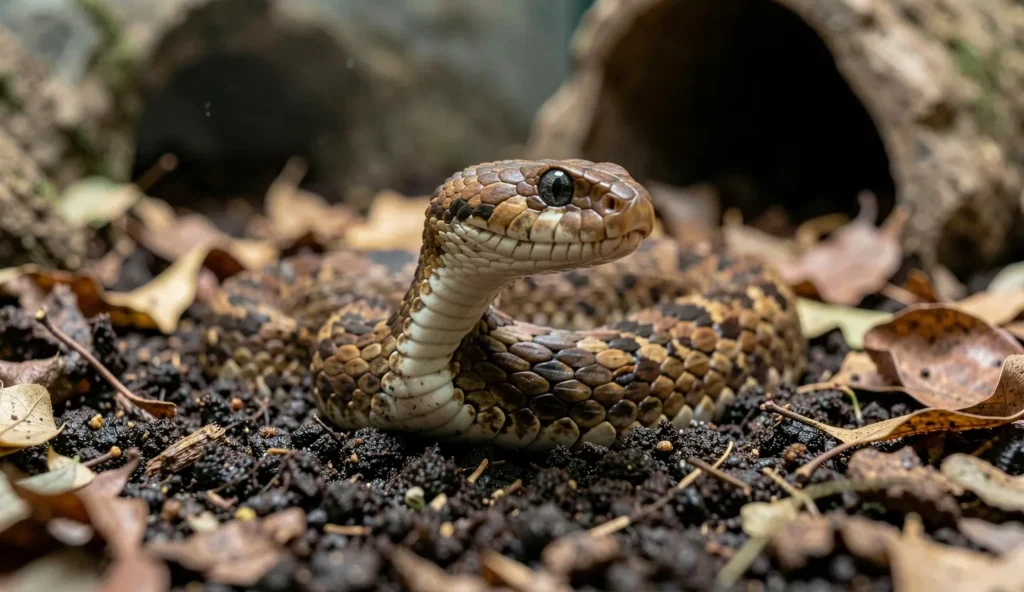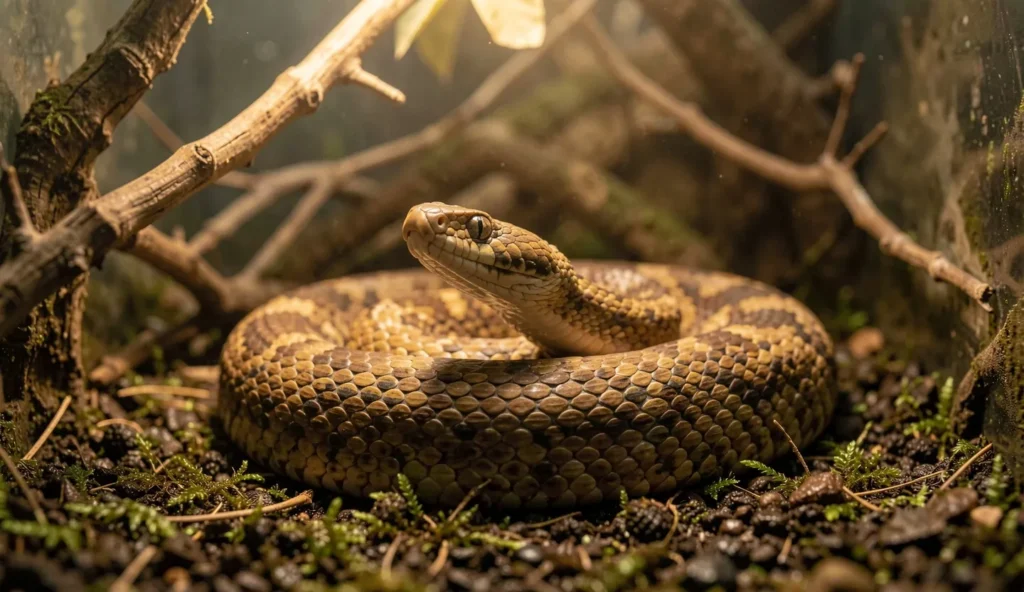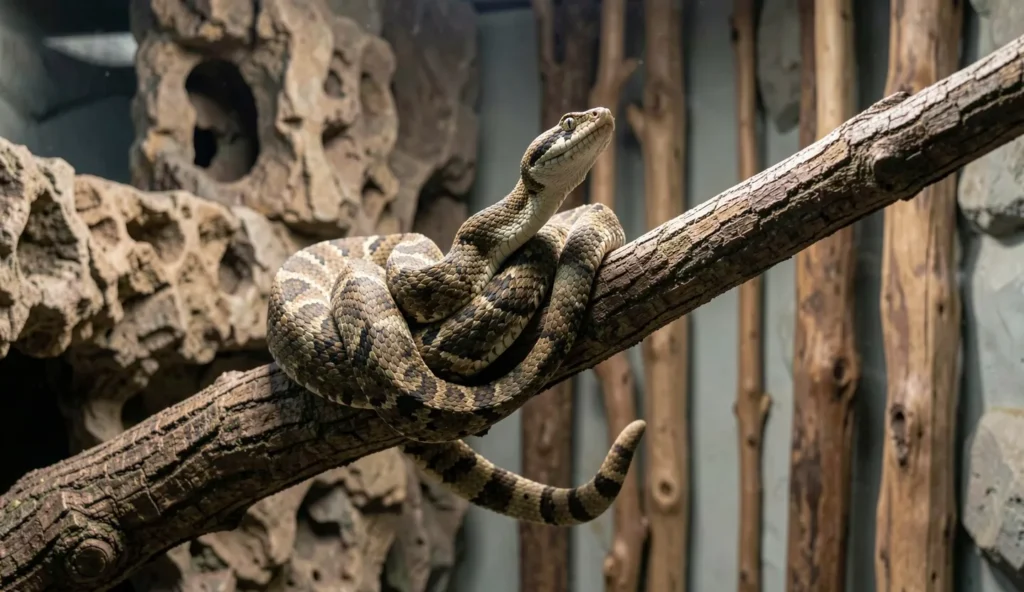
What Is An Asian Vine Snake
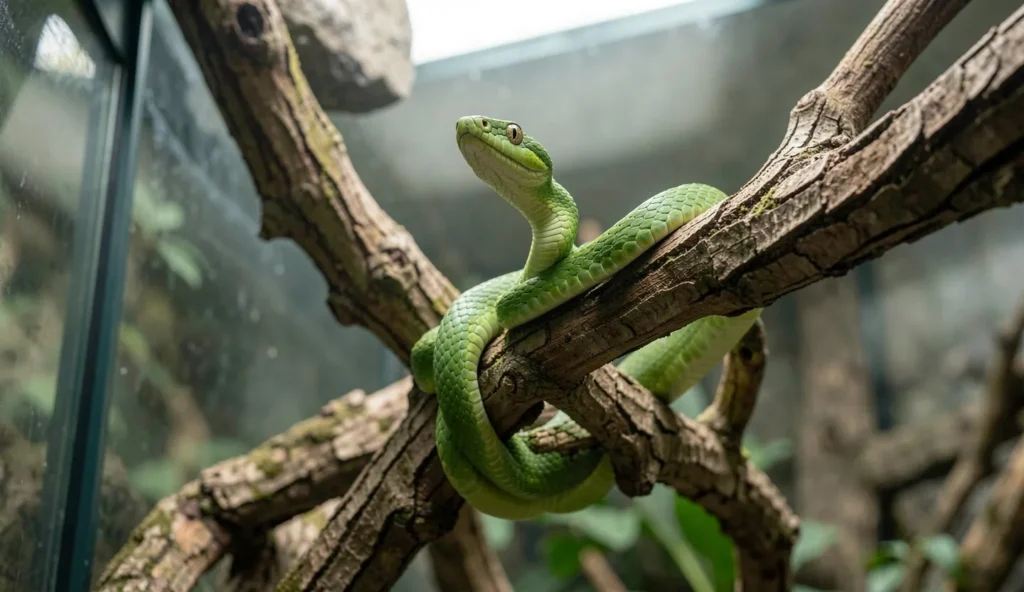
The Asian Vine Snake is a slender, active arboreal snake found across parts of Southeast Asia. This species stands out for its climbing posture and delicate build, which means care must focus on height, stability, and gentle routine handling. Because the Asian Vine Snake is rear fanged and considered mildly venomous, safety planning matters from day one.
In captive settings, the keeper also needs reliable temperature and humidity for snakes, since stress and shedding issues rise quickly when conditions swing. For experienced keepers, the reward comes from watching a graceful climber behave normally once the enclosure supports its habits.
Natural Range And Arboreal Lifestyle
Asian Vine Snakes occur in native regions in Southeast Asia and nearby areas depending on locality and population. They spend most of their time in trees and dense vegetation rather than on the ground. Many individuals also show activity during daylight or twilight hours depending on local conditions.
This natural pattern leads to a clear expectation for captive housing. A vine snake enclosure should offer multiple climbing routes at different heights, with safe perches that do not wobble. When the habitat feels stable, the snake typically settles faster and shows more regular movement.
Rear Fanged And Mildly Venomous Facts
The Asian Vine Snake holds mild venom and delivers it through rear fangs. Even when a snake appears calm, a bite risk exists because the fangs sit toward the back of the mouth. As a result, feeding and handling require cautious, trained techniques.
Safe feeding methods reduce the chance of accidental contact between keeper hands and the snake’s striking range. For keepers who also keep other colubrids, reviewing handling differences for a King Snake can help reinforce why feeding routines should stay consistent and controlled.
Typical Vine Snake Size In Captivity
Adult size depends on the species and population, but vine snake size in captivity usually falls within a predictable length band for that lineage. The body stays slender from head to tail, and the long tail supports climbing and balance. Compared with stockier arboreal snakes, the weight stays relatively low for its length.
Because body shape affects prey selection, knowing typical length helps match a vine snake diet to swallowing capacity. Overlarge prey increases stress, while underfed snakes can develop poor muscle tone.
Appearance And Physical Traits To Look For
Asian Vine Snakes typically show a thin, flexible build with color and pattern variation by population and age. Their camouflage can be excellent against leaves and bark, so the keeper often needs close observation during spot checks. When healthy, the snake uses its whole body to grip and climb instead of hanging loosely.
Appearance also provides early clues about husbandry quality. For example, stable shedding cycles often align with correct temperature and humidity for snakes. If the snake frequently shows incomplete sheds, the keeper should review humidity control and substrate dryness.
Body Shape And Color Variations
The Asian Vine Snake has a thin body, strong climbing posture, and smooth movement along branches. Color patterns vary by locality, and juveniles can look different from adults. Since camouflage can affect how the snake uses the enclosure, keepers should not assume inactivity means illness.
Even so, the body should remain evenly toned when resting and climbing. If the snake looks too narrow in one area or the tail shows unusual posture, that can signal stress or an underlying health issue.
Head Shape And Scale Texture
The head proportions often stand out compared with the extreme slenderness of the body. Scale texture can also influence how the snake grips branches, especially in enclosures that rely on smooth surfaces. During routine checks, the keeper should observe how the snake anchors itself during movement.
Scale condition also supports shedding evaluations. A stable shedding pattern suggests the vine snake enclosure maintains humidity within a workable range. When retained shed appears around the eyes or tail, immediate corrective action often prevents injury.
How Health Affects Body Condition
Healthy individuals show even muscle tone and consistent body thickness from mid body to tail. Sunken areas or poor grip can signal stress, inadequate nutrition, or illness. Regular checks reduce risk for delicate arboreal snakes that can decline quickly.
Because the Asian Vine Snake is sensitive, the keeper should watch for early changes rather than waiting for major symptoms. This approach mirrors health monitoring practices used for other arboreal species, such as Emerald Tree Boa care.
Vine Snake Temperament And Behavior In A New Enclosure
Vine snake temperament tends to vary by individual, but Asian Vine Snakes commonly show alert movement once they settle. Many individuals also freeze when threatened, using camouflage to blend into branches and plant material. Handling tolerance can change after acclimation and depends on enclosure stability.
For experienced keepers, the best approach uses predictable routines and reduces unnecessary contact. When routine maintenance feels controlled, feeding response often improves.
Common Temperament Traits
Asian Vine Snakes often remain active once they feel secure in a new environment. When threatened, they may freeze and hold a rigid posture, especially when light and shadows create cover in the arboreal layout. Handling tolerance also varies by individual and acclimation stage.
It helps to remember that a motionless snake may still be responsive. The keeper should avoid sudden movements near the enclosure and should work at a pace that allows the snake to remain stable on its perch.
Stress Signs Keepers Should Watch For
Stress can show up as repeated refusals to feed after acclimation. Some snakes also keep returning to the hottest or coolest extremes instead of using the full thermal range. During routine maintenance, frequent defensive postures can also appear if the snake feels unsafe.
When stress signs persist, husbandry corrections usually come first. Ventilation, misting pattern, and the stability of climbing surfaces often influence whether feeding returns.
How Long Acclimation Typically Takes
Many keepers notice feeding response improving after enclosure stability is established. Behavior changes can occur across multiple feeding cycles rather than on the first week. Consistent heat and misting routines also reduce stress and help the snake relax into arboreal routes.
If feeding refusal continues, the keeper should review prey offering timing and safe feeding tools. Comparing acclimation experiences with other species such as a Rat Snake can provide context, even though housing needs differ.
Vine Snake Enclosure Setup For True Arboreal Living
A vine snake enclosure must support vertical movement, secure perching, and safe access for maintenance. The Asian Vine Snake uses height for comfort and thermoregulation, so a tall setup usually matters more than a wide one. Because the body is delicate, the enclosure also needs stable, non wobbly climbing structures.
To prevent escapes, closures must also hold firm under regular use. Ventilation plays a key role as well, since stale air and excessive dampness can quickly lead to respiratory issues.
Tank Size And Vertical Footprint
Use a tall vertically oriented enclosure with multiple heights for secure perching. The keeper should avoid excessive open floor space, because an anxious vine snake may feel exposed. Instead, provide a network of branches and plant cover that keeps the snake within safe climbing zones.
As height increases, heat distribution and humidity control must remain consistent. A fan and properly placed thermostat probe can help maintain predictable conditions across vertical levels.
Branching, Vines, And Climbing Surfaces
Add strong branches angled at different levels so the snake can travel without long gaps. Grip friendly surfaces help the snake maintain traction, especially during slow movement or feeding. Each junction point should feel stable, since a toppled branch can cause injury.
Place climbing routes so the snake can choose shaded and warmed areas. Also ensure branches cannot pinch the snake between hard objects.
Substrate And Moisture Management
Choose low risk substrate for humidity control and easy cleaning. Maintain cleanliness to prevent bacterial buildup, and avoid unnecessary wet patches near climbing paths. Drainage planning also helps reduce standing water that can raise infection risk.
Many keepers use spot cleaning rather than frequent deep wetting. This approach helps keep the vine snake enclosure balanced, so the snake can access moisture when needed without living in soaked conditions.
Temperature And Humidity Targets
Set a thermal gradient so the snake can move between warmer and cooler zones. Since the Asian Vine Snake climbs, the temperature on branch surfaces matters, not just the ambient air. Use thermostats and monitor at multiple heights when possible.
Maintain consistent humidity with controlled misting instead of constant soaking. Temperature and humidity for snakes often need steady adjustment after setup changes, so measurement and observation should guide fine tuning.
Lighting And Day Night Scheduling
Use a predictable light cycle aligned with captive conditions so the snake can associate light and rest periods. Provide heat without overheating climbing surfaces, since direct hotspots can discourage normal movement. Nighttime disturbance should also stay minimal to support stable feeding behavior.
If the keeper adds timers, the settings should remain unchanged for at least several weeks. Sudden schedule changes can increase stress signals and contribute to inconsistent shedding.
Ventilation And Escape Prevention
Strong airflow prevents stale air and helps reduce respiratory problems linked to poor ventilation. Use secure locks and snake proof closures, because slender arboreal snakes can exploit tiny gaps. Plan access points that keep hands safe during routine maintenance and reduce time with the door open.
Because rear fanged snakes still pose bite risk, feeding and handling should occur with structured safety steps. For keepers comparing enclosure fundamentals across species, a African House Snake setup can reinforce why secure ventilation and stable temperatures matter.
Vine Snake Diet And Feeding Methods
Vine snake diet must match the snake’s slender profile and delicate build. Asian Vine Snakes typically feed on small vertebrates and other appropriate prey items available in captivity. Successful feeding depends on prey size, schedule, and feeding methods that protect both snake and keeper.
Since the species can be sensitive during transitions, stable conditions often improve the odds of consistent feeding. The keeper should also plan feeding times around the snake’s comfort level in the vine snake enclosure.
What Asian Vine Snakes Eat
Asian Vine Snakes eat small appropriately sized prey items that fit their narrow anatomy. Prey size should not exceed what the snake can swallow smoothly, since a difficult meal can lead to stress. In many captive programs, diet items are selected for reliable availability and predictable handling.
Because the snake hunts in arboreal space, feeding should also respect that environment. Prey placement that causes awkward reaching can discourage feeding.
Feeding Frequency And Prey Size Selection
Feed on a schedule based on age and body condition, while keeping prey sizing consistent with vine snake size. Juveniles may need more frequent meals, while adults often feed less often. Body weight tracking supports adjustments if growth stalls or weight drops.
Prey sizing should allow smooth swallowing with minimal struggling. If prey is too large, the snake may show refusal, regurgitation risk, or prolonged inactivity after feeding.
Safe Feeding Techniques For Rear Fanged Snakes
Separate feeding from handling routines to prevent confusion and accidental contact. Use appropriate feeding tools that keep hands outside the striking range, since the Asian Vine Snake can bite even when appearing calm. After offering prey, confirm a successful feeding response without repeated probing.
If repeated attempts fail, pause and adjust feeding timing rather than forcing contact. For additional context on safe feeding routines, keepers often benefit from reviewing protocols used for a Western Hognose Snake, especially around stress management.
Hydration And Mist Use During Feeding Cycles
Provide water access suited for climbing snakes, such as shallow options placed where the snake can reach comfortably. Mist can support natural drinking behavior, but it must not turn the entire enclosure into a damp environment. The keeper should aim for targeted humidity support instead of nonstop wet surfaces.
During feeding cycles, hydration should stay available without encouraging excessive wetness on climbing branches. This balance helps reduce infection risk while keeping shedding and drinking support consistent.
Handling Safety Grooming And Common Health Issues
Handling safety for a rear fanged snake requires preparation and controlled interactions. Asian Vine Snakes are delicate and stress sensitive, so routine care should prioritize stable conditions and minimal disruption. Instead of frequent handling, the keeper should focus on safe spot checks, correct humidity, and steady feeding.
Grooming for snakes usually means shedding support and maintaining a clean enclosure, rather than bathing. When health issues arise, early detection often improves outcomes for delicate arboreal snake care.
Safe Handling Expectations For Delicate Rear Fanged Snakes
Use proper snake handling tools and secure work areas to reduce unexpected movements. Keep handling time short during initial acclimation so the snake can stabilize and return to normal behavior. Avoid reaching into tight spaces inside the enclosure, since that often places hands near the snake’s defensive reach.
When a snake must be moved, plan a clear path and use secure, supportive contact points. The goal stays simple, reduce stress while keeping the keeper away from the mouth area.
Shedding Care And Skin Health Checks
Maintain stable humidity so shedding proceeds in complete sections. Look for retained shed around the eyes and tail, since retained pieces can cause injury if left in place. If shedding problems happen repeatedly, the humidity routine and enclosure moisture retention often need adjustment.
Skin health checks also include observing for unusual discoloration or dryness that persists between cycles. A careful check during spot maintenance helps prevent complications.
Spot Cleaning And Enclosure Maintenance Routine
Spot clean waste promptly without causing long interruptions to heat and misting cycles. Keep branches and climbing surfaces free of grime so the snake maintains grip and comfort. Disinfect only with products considered safe for reptiles per label guidance, and follow dilution directions precisely.
Maintenance schedules should remain predictable, since sudden changes can trigger stress signals and feeding refusal. If deep cleaning is needed, plan it around periods when the snake can tolerate brief changes.
Common Health Issues To Watch For
Respiratory problems often trace back to poor ventilation or excessive dampness on climbing surfaces. Digestive issues can occur when prey size remains too large or when feeding schedules become inconsistent. Stress related feeding refusal and chronic hiding also indicate husbandry imbalance.
Also watch for injury signs such as difficulty gripping or unusual posture after handling. Because Asian Vine Snakes are thin bodied, minor injuries can still impact feeding and movement.
When To Seek Veterinary Help
Seek veterinary help if appetite loss lasts beyond the expected acclimation window. Abnormal breathing sounds or open mouth breathing also requires prompt evaluation. Persistent injury signs, retained shed that does not resolve, or severe weakness should not wait for routine timelines.
Early care can reduce the chance of complications from respiratory and skin problems. For keepers who compare symptom patterns across species, looking at illness triggers in a Pine Snake guide can support general husbandry awareness.
Is An Asian Vine Snake Right For You
The Asian Vine Snake suits experienced keepers who can maintain a stable vine snake enclosure and monitor temperature and humidity for snakes closely. This species also fits keepers who can manage rear fanged safety and use careful feeding routines. Because delicate arboreal snake care depends on precise setup, commitment to measurement matters.
Before purchase, it helps to evaluate whether the enclosure design supports vertical movement and whether daily routine time stays available. If those requirements fit, this snake can thrive in captivity with steady, cautious husbandry.
Best Match For Experienced Arboreal Keepers
Asian Vine Snake care works best when a vertical enclosure design is already understood and humidity control equipment remains reliable. Consistent feeding routines and careful acclimation reduce early feeding problems. Comfort with rear fanged safety also improves keeper performance and reduces risk during maintenance.
For keepers already managing other slender active snakes, experience with structured routines can transfer well. Still, the Asian Vine Snake remains delicate, so expectations must stay realistic.
Potential Challenges Before Committing
Common challenges include a delicate body that responds strongly to stress and husbandry swings. Some individuals may take time to accept food during early acclimation, especially if enclosure conditions fluctuate. Higher attention to ventilation and moisture balance is also required to avoid respiratory and skin issues.
Because the bite risk still exists due to rear fangs, handling should remain minimal unless experience supports it. When the keeper can meet those requirements consistently, the species can become a rewarding arboreal project.
FAQs: Asian Vine Snake Care
How big do Asian Vine Snakes get?
Adult length typically stays within a predictable range by species, and the body remains slender relative to total length.
What should a vine snake enclosure include for arboreal climbing?
A vine snake enclosure should include tall vertical space and multiple secure perches with strong branches at different heights.
What do Asian Vine Snakes eat in captivity?
They eat small appropriately sized prey that matches vine snake size and supports steady growth on a consistent schedule.
How often should an Asian Vine Snake be fed?
Feeding frequency depends on age and body condition, and it should adjust based on weight changes and feeding response.
Are Asian Vine Snakes safe to handle?
They are rear fanged and mildly venomous, so safe handling requires experience and appropriate tools.
Final Note On Responsible Arboreal Care
Asian Vine Snake success depends on vertical housing, stable temperature and humidity for snakes, and careful feeding practices. With consistent routines and strong safety measures, the delicate arboreal lifestyle can be supported effectively.