Reticulated Python – The Majestic Giant of the Snake World
Introduction
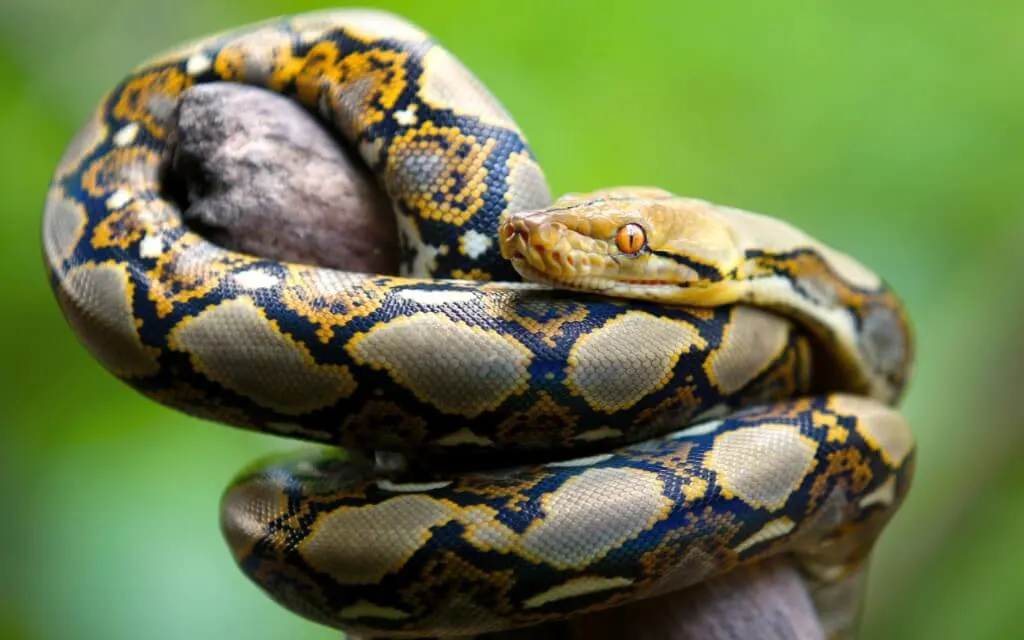
The Reticulated Python (Malayopython reticulatus) holds the title of the longest snake species on Earth, with verified individuals exceeding 25 feet in length. This non-venomous constrictor, native to Southeast Asia, combines raw power with intricate beauty through its net-like scale patterns. Despite their formidable size, these snakes are generally shy and prefer to avoid human interaction, making them fascinating subjects for experienced reptile enthusiasts and conservationists alike.
Origin and Natural Habitat
Reticulated Pythons are found in a wide range of tropical environments across Southeast Asia, including:
- Indonesia
- Thailand
- Malaysia
- The Philippines
- Vietnam
They thrive in rainforests, river valleys, grasslands, and even near human settlements, adapting well to various conditions as long as water and cover are available. For those interested in other impressive constrictors, the Green Anaconda offers a fascinating comparison as the world’s heaviest snake species.
Physical Characteristics
The Reticulated Python’s size and beauty make it instantly recognizable:
- Length: 10–20 feet on average; some individuals exceed 25 feet
- Weight: 70–160 pounds, though large ones can weigh more
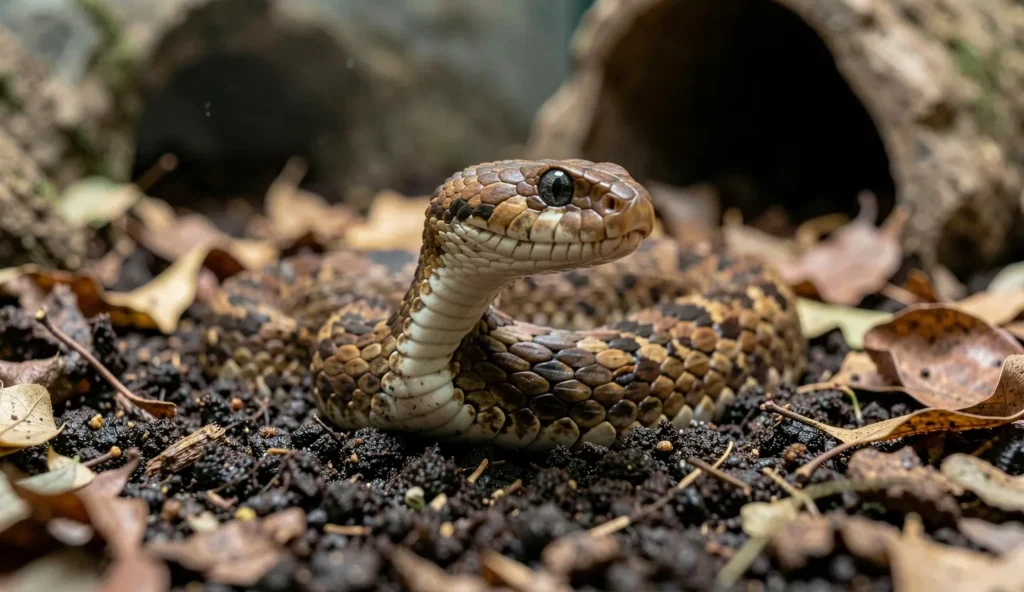
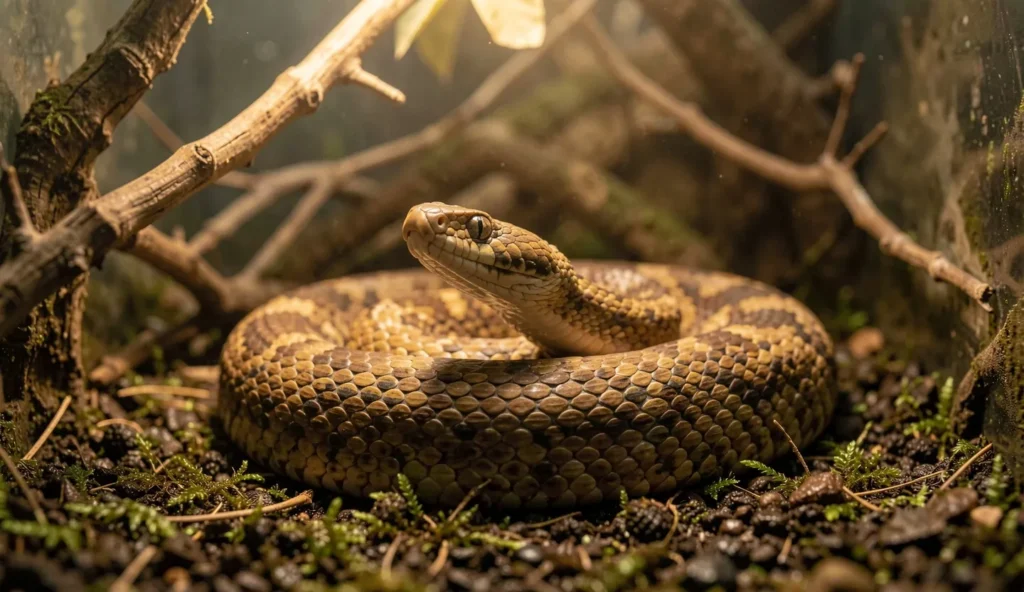
- Color: Complex geometric patterns in gold, brown, black, and white
- Special Feature: Named for the “reticulated” (net-like) pattern on their scales
Their stunning markings offer camouflage in the wild and are one of the most elaborate in the snake kingdom.
Behavior and Temperament
Despite their size, Reticulated Pythons are generally reclusive and avoid conflict:
- Nocturnal and secretive
- Often calm but can become defensive when threatened
- Some individuals in human care become accustomed to handling over time
As with all large animals, respect and understanding are key to safe and ethical interaction. Their temperament differs notably from the Boa Constrictor, which is often considered more docile and forgiving for keepers transitioning to larger snakes.
Diet and Feeding Habits
These snakes are carnivorous and capable of eating prey much larger than their heads, thanks to their flexible jaws. In the wild, they feed on:
- Rodents
- Birds
- Pigs
- Monkeys or other medium-sized mammals
In responsible human care, they are typically fed appropriately sized, pre-killed rodents or rabbits every few weeks. A practical tip for keepers: always feed pre-killed prey to avoid injury from live animals, and maintain a consistent feeding schedule to prevent food aggression.
Enclosure and Ethical Care
Caring for a Reticulated Python requires significant commitment, space, and expertise. An appropriate setup includes:
- Enclosure size: Minimum 8x4x4 ft for adults; larger is better
- Temperature: 80–90°F with a basking area of up to 92°F
- Humidity: 60–70%
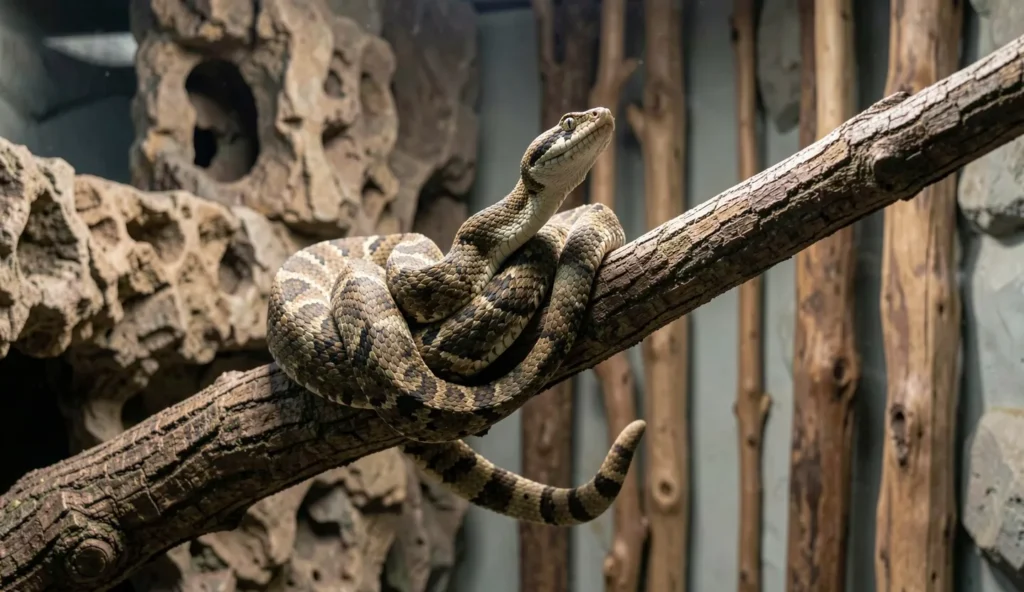
- Hides, climbing branches, and water basins for soaking
Proper care ensures the animal’s well-being and supports positive human-snake interaction. For keepers seeking a more manageable species, the Ball Python is an excellent alternative with similar care requirements but a much smaller adult size.
Reproduction and Growth
Reticulated Pythons are oviparous, meaning they lay eggs:
- Females lay 25–100 eggs per clutch
- Incubation lasts 80–90 days at 88–90°F
- Hatchlings are usually around 2 feet long
They grow rapidly with proper nutrition and space, often doubling in size within a year.
Health and Lifespan
With attentive care, Reticulated Pythons can live 20–30 years in captivity. Common health concerns include:
- Respiratory infections due to improper humidity
- Mouth rot or shedding issues
- External parasites like mites
Preventative care, regular cleaning, and routine veterinary check-ups are essential. Current best practices emphasize using digital hygrometers and thermostats to maintain stable environmental conditions, reducing stress and illness risks.
Conservation and Ethical Considerations
Reticulated Pythons face threats in the wild from:
- Habitat loss and deforestation
- Collection for the pet trade and leather industry
- Human-wildlife conflict in rural areas
Conservation-minded efforts include:
- Promoting habitat protection
- Supporting captive-breeding programs
- Educating the public about reptile ecology and respect
Understanding these threats helps put the King Cobra and other Southeast Asian reptiles into a broader conservation context, as many species face similar pressures from development and trade.
Fun Facts About Reticulated Pythons
- The longest verified Reticulated Python measured over 25 feet
- They kill prey using constriction, wrapping around, and applying pressure gradually
- They have heat-sensing pits to detect warm-blooded animals, even in darkness
- They are excellent swimmers and can travel between islands
Frequently Asked Questions
Q1: Are Reticulated Pythons dangerous?
A: While powerful, Reticulated Pythons are not naturally aggressive. With responsible care and respect, they pose minimal risk to people familiar with large constrictors.
Q2: Can Reticulated Pythons be kept as pets?
A: They are best suited for experienced reptile keepers with the proper space, resources, and commitment. They are not recommended for beginners.
Q3: What’s the difference between Reticulated Pythons and Burmese Pythons?
A: Reticulated Pythons are longer and leaner, with more intricate patterns. Burmese Pythons are stockier and often more docile in temperament.
Q4: Are they legal to keep?
A: Regulations vary by region. Always check local laws and obtain animals from ethical, legal sources.
Q5: Do they make good educational animals?
A: Yes, when handled responsibly, they are excellent ambassadors for reptile conservation and biology education.
Conclusion
The Reticulated Python is a marvel of nature—beautiful, intelligent, and deeply misunderstood. While their massive size may seem intimidating, they are quiet giants that deserve our respect and admiration. Through ethical care, conservation efforts, and education, we can ensure that future generations appreciate the role these snakes play in balancing ecosystems and enriching our understanding of the natural world. For those captivated by arboreal species, the Green Tree Python offers a stunning contrast with its vibrant colors and tree-dwelling lifestyle.