Ball Python – The Gentle Giant of the Snake World
Introduction
The Ball Python (Python regius), also known as the royal python, is one of the most beloved snake species kept as pets. Native to sub-Saharan Africa, Ball Pythons are known for their gentle temperament, manageable size, and striking variety of morphs (colors and patterns). Their docile nature and low-maintenance lifestyle make them ideal companions for both beginners and experienced reptile enthusiasts. Unlike larger constrictors such as the reticulated python, Ball Pythons stay compact and easy to handle throughout their lives.
Origin and Natural Habitat
Ball Pythons originate from the warm, grassland and forested regions of West and Central Africa. In the wild, they spend most of their time hidden in burrows or underbrush, emerging mostly at night to hunt.
- Prefer warm, humid environments
- Primarily nocturnal hunters
- Seek shelter during the day to avoid predators
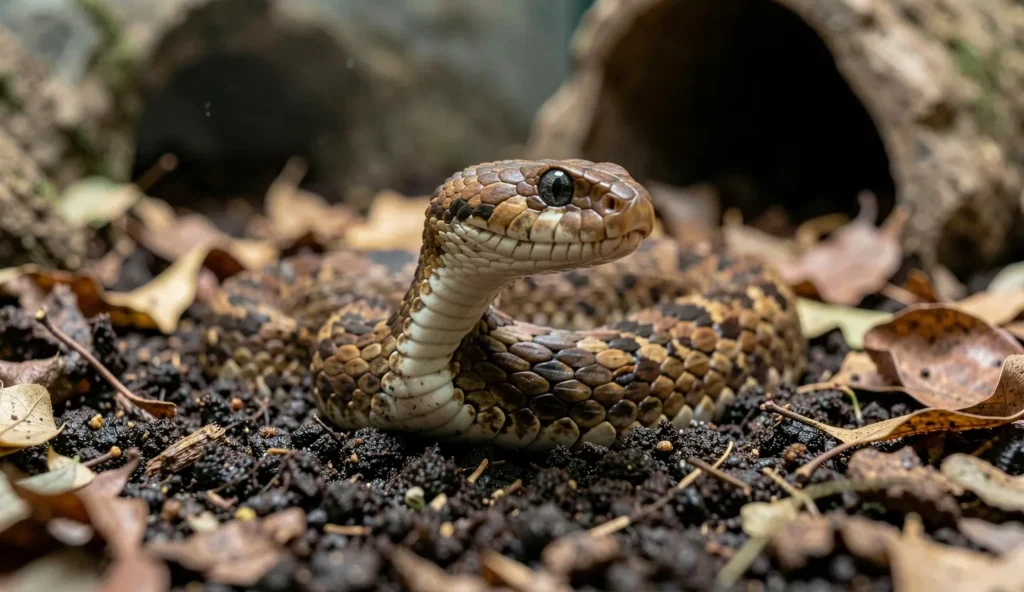
Their name comes from their instinct to curl into a tight ball when threatened—a unique defensive behavior.
Physical Characteristics
Ball Pythons have a sturdy build and are relatively short compared to other pythons. Here’s what makes them special:
- Length: 3 to 5 feet (adult size)
- Lifespan: 20 to 30 years in captivity
- Weight: 1,200 to 2,500 grams (average adult)
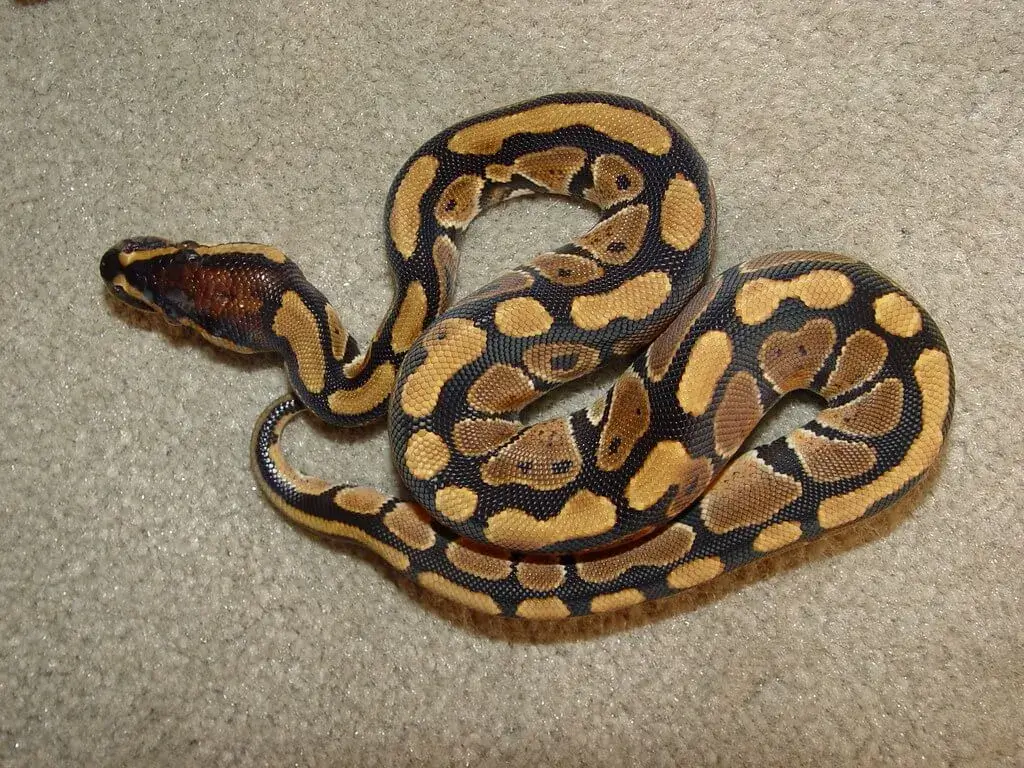
- Colors: Wild-type brown/black with gold patterns, but over 4,000 morphs exist
Temperament and Behavior
Ball Pythons are calm and non-aggressive. They are known for being:
- Easy to handle, especially when properly socialized
- Shy and reclusive, especially when stressed
- Intelligent and able to recognize familiar environments
Their gentle nature makes them a great contrast to more defensive species like the black mamba, which is known for its speed and venom.
Ideal Environment for Ball Pythons
Creating a comfortable and safe enclosure is key to keeping your Ball Python happy and healthy:
- Minimum enclosure size: 40-gallon tank for adults
- Temperature: 75–80°F (cool side), 88–92°F (warm side)
- Humidity: 50–60%
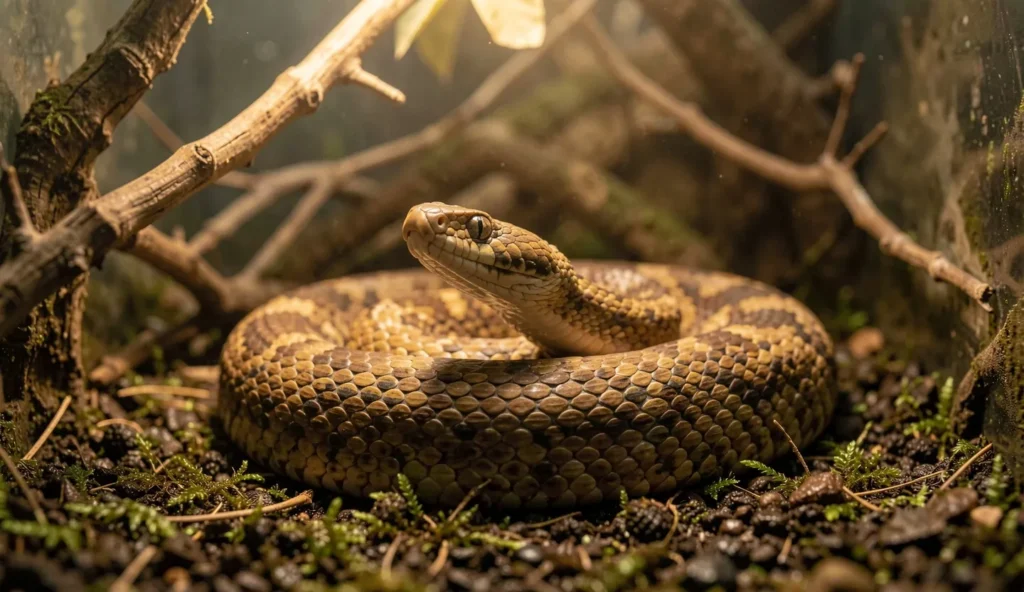
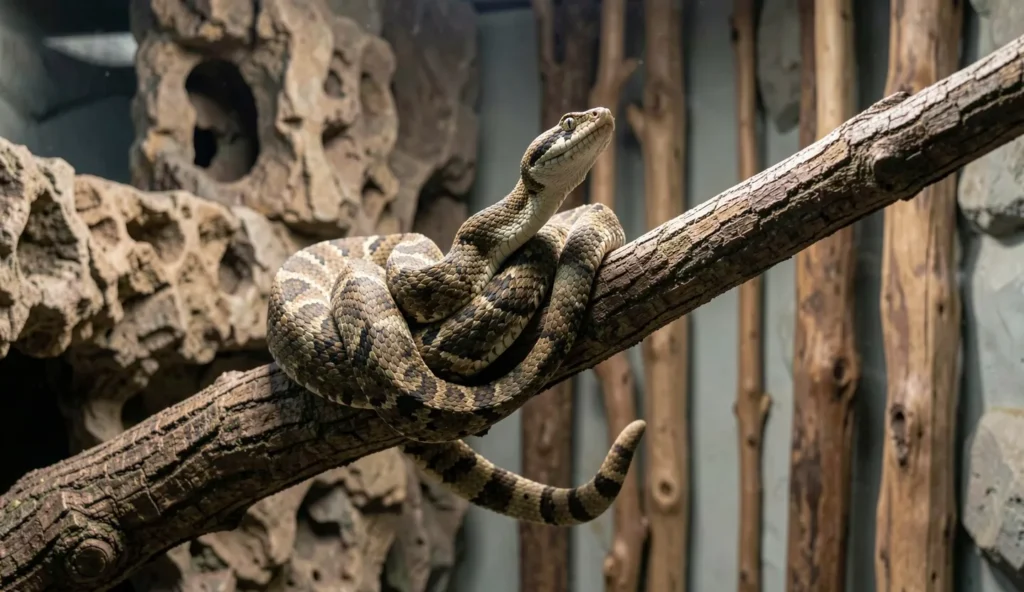
- Include hides, branches, and a water dish
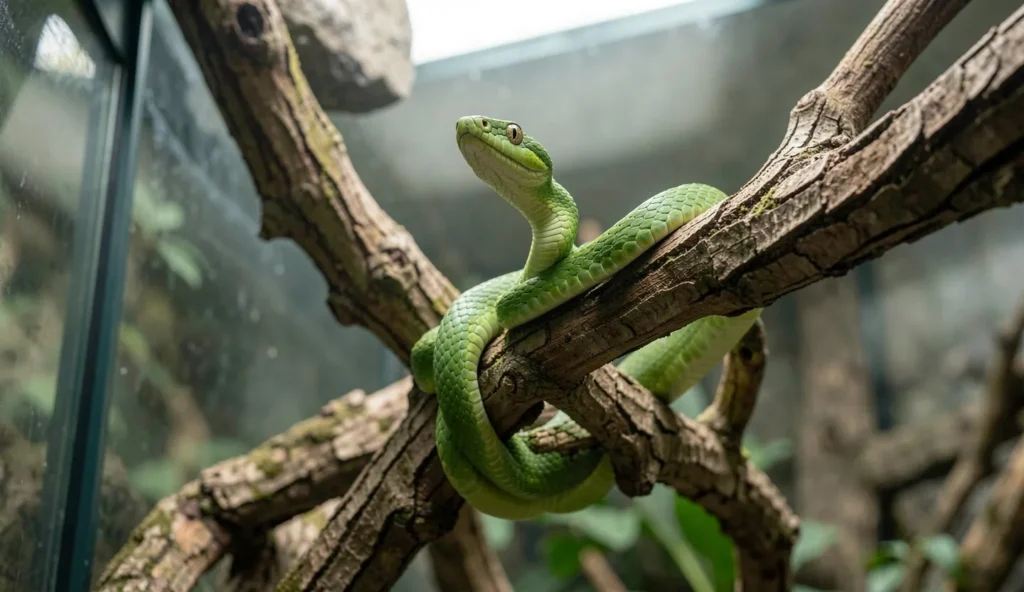
For keepers interested in other arboreal species, the green tree python requires a taller, vertically oriented enclosure with higher humidity levels.
Diet and Feeding
Ball Pythons are carnivores and feed primarily on rodents. In captivity:
- Feed pre-killed or frozen-thawed mice or rats
- Feeding frequency: every 7–10 days for adults
- Always provide fresh water and clean feeding areas
Health and Common Issues
With proper care, Ball Pythons are hardy snakes, but they can still face health concerns such as:
- Mites and external parasites
- Respiratory infections if humidity is too low
- Mouth rot or stomatitis
- Inclusion body disease (rare but serious)
Regular health checks and maintaining proper enclosure conditions are the best ways to prevent these issues. A practical tip: invest in a digital thermometer and hygrometer to monitor temperature and humidity levels daily, as fluctuations are a common cause of stress and illness.
Ball Python Morphs
One of the reasons Ball Pythons are so popular is their incredible variety of morphs. Breeders have developed thousands of color and pattern variations, including:
- Albino
- Piebald
- Axanthic
- Fire
- Banana
This diversity in appearance is unmatched among pet snakes, though the corn snake also offers a wide range of beautiful color morphs for those seeking an alternative.
Are Ball Pythons Family-Friendly?
Yes! With proper education and supervision, Ball Pythons can be part of an inclusive and respectful household. They:
- Can be handled safely by older children and teens
- Teach responsibility and respect for animals
- Should never be handled unsupervised by small children
Fun Facts About Ball Pythons
- The name “Royal Python” comes from African royalty who wore them as jewelry
- They often “ball up” instead of biting when scared
- They come in thousands of morphs—each one unique
- Some Ball Pythons live over 40 years in captivity!
Frequently Asked Questions
Q1: Are Ball Pythons venomous?
A: No, Ball Pythons are non-venomous constrictors and pose no danger to humans when properly cared for.
Q2: Do Ball Pythons bite?
A: Rarely. They prefer to curl into a ball when threatened. Bites are uncommon and typically only occur if the snake is stressed or mistaken during feeding.
Q3: What is the best enclosure setup?
A: A secure tank with regulated temperature zones, hides, humidity control, and clean water is ideal.
Q4: How often do they shed?
A: Every 4–6 weeks on average. Ensure proper humidity during this time to help with a clean shed.
Q5: Can I keep more than one Ball Python together?
A: It’s not recommended. Ball Pythons prefer solitude and cohabitation can lead to stress or feeding issues.
Conclusion
The Ball Python is a gentle, low-maintenance companion with an incredible variety of appearances and a calm personality. Whether you’re new to reptiles or an experienced keeper, these snakes are an excellent choice for a responsible, inclusive home. With the right care, they can live long, healthy lives and offer years of fascinating companionship. For those considering other beginner-friendly options, the boa constrictor is another popular choice that shares a similar docile temperament but grows larger in size.