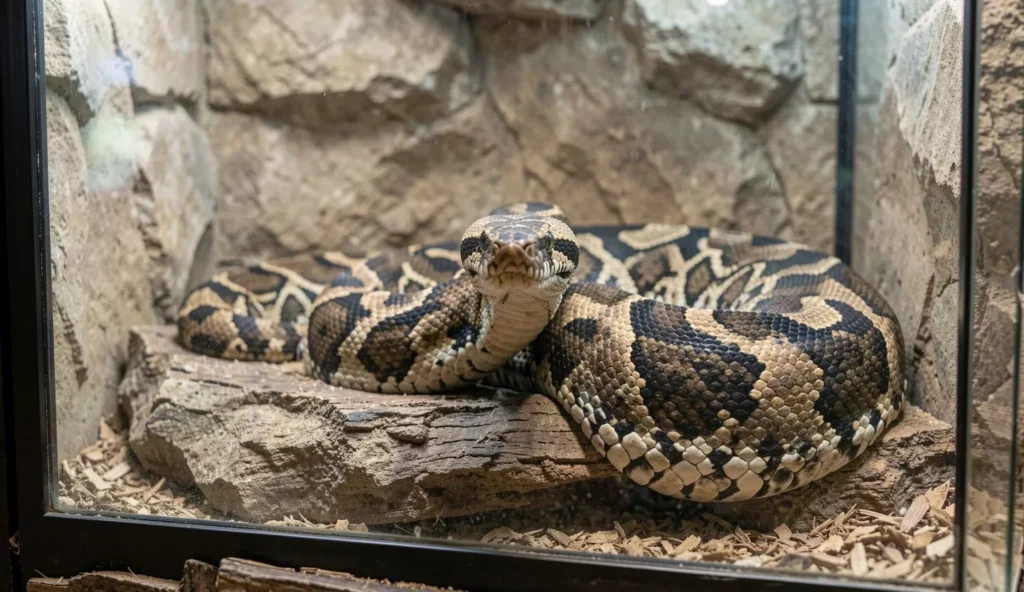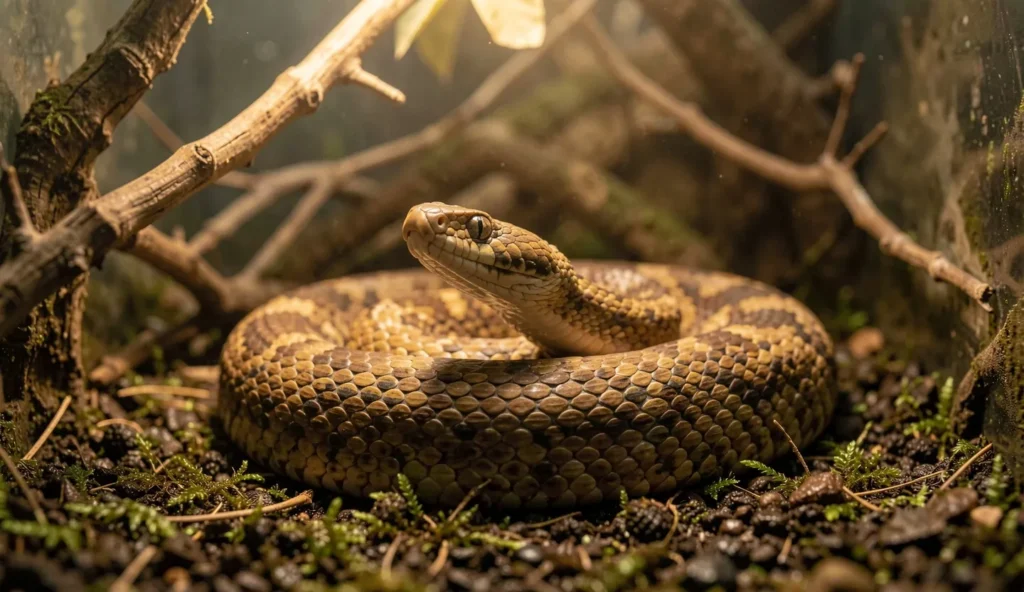
What Are Rare Snake Breeds You Can Keep As Pets
Rare Snake Breeds are snake species or lines that show up less often in the pet market, or that are produced in limited captive numbers. Many collectors also seek unusual snake species because they want standout traits, distinctive looks, or rare captive breeding history.
Because demand stays high while supply stays limited, careful planning matters more than it does for common snakes. Responsible sourcing, correct enclosure setup, and steady feeding routines help rare pet snakes settle and stay healthy.
How Rare Breeds Are Commonly Defined In The Pet Trade
Rare usually means low availability or limited breeding in captivity. In practice, some sellers use the term when a species appears only in certain seasons or through specific licensed breeder networks.
Some species stay rare due to range limits, habitat loss, or strict collection rules. Availability can also change by country, import policies, and local permit requirements.
At the hobby level, rare pet snakes may also refer to less common morphs or captive lines. The same species name can show up under different trade labels, so confirm the exact scientific ID before purchase.
Legality And Sourcing Rules Before Buying
Legality starts with local laws on possession, import, and species restrictions. Even when a species is legal, permits may apply, and records may be required for transfer.
Choose captive bred snakes from reputable, licensed sources whenever possible. Avoid wild caught animals when legal alternatives exist, since wild individuals often carry parasites and stress quickly in new setups.
Also ask for feeding history and recent health checks. This matters because exotic pet snakes may refuse food or show delayed stress when they transition too fast.
Typical Care Demands That Make Some Species Harder
Special temperature and humidity requirements increase setup difficulty for many unusual snake species. A small equipment failure can trigger health issues because rare animals may already be sensitive.
Some rare species show stress sensitivity and may hide longer than common keepers expect. Feeding can also vary by season or by the snake’s prior diet, so stable routines support recovery.
When these demands stack up, the right enclosure design and consistent husbandry become the difference between short-term success and long-term health. That is the core reason rare snake breeds require more prep before bringing them home.
Popular Rare Snake Breeds List For Hobbyists
Below is a practical snake breeds list focused on less common species and limited-availability lines. Each entry includes care pointers that matter most for keeping rare pet snakes stable.
Availability changes often, so confirm legality and captive bred status before spending money. Also verify adult size and temperament, since some unusual snake species need more space than expected.
Sunbeam Snake
Sunbeam snakes are often associated with high humidity needs and active behavior patterns. Their care typically rewards steady temperature stability and consistent feeding routines.
Before purchase, confirm the local legal status and whether the seller provides clear husbandry targets. A secure enclosure with strong airflow and controlled humidity helps prevent respiratory issues and keeps shedding more reliable.
Feeding routines also matter because stress can delay acceptance of prey. Many keepers succeed best when prey size and offering frequency match the snake’s prior feeding record.
Rhino Rat Snake
Rhino rat snakes stand out for distinctive head shape and strong climbing ability. Their setup should include a secure enclosure with branches and proper basking zones.
When feeding starts, offer appropriately sized prey and scale up gradually as the snake grows. If feeding stalls, check temperature gradients first, since many refusals link back to digestion support.
For hobbyists comparing options, it helps to review similar colubrids like King Snake to understand how temperament and feeding responses can vary across the same general group.
Clouded Or Dwarf Python Options In Limited Availability Lines
Clouded or dwarf python options may appear only through specific breeding lines and import rules. Even when kept rare, these snakes can still require space and full-sized basking areas.
Confirm adult size expectations and do not plan based only on hatchling length. Larger growth often means enclosure upgrades later, and upgrades become harder once the snake is established.
Because enclosure needs often differ from smaller species, research how enclosures, heat, and feeding schedules should shift as these snakes mature.
Rare Colubrids From Captive Breeding Programs
Some unusual snake species are best obtained from established breeders who can provide feeding records and stable captive history. Temperament varies by species, and captive history often predicts how calm a snake stays.
Plan for a quarantine period and a gradual feeding stabilization process. This helps reduce disease risk and also gives the keeper time to learn preferred prey size.
If looking at other colubrid care approaches, comparing care notes can help, such as learning from African House Snake setups for humidity support and steady routine building.
Rare Viper Options That Require Advanced Setup
Rare viper options are not suitable for most hobbyists. Venomous species require specialized housing, safety procedures, and strict expertise that goes beyond standard snake care.
Only consider experienced keepers with proper permits and safety infrastructure. In addition, many jurisdictions restrict ownership, so legality must be verified before any purchase attempt.
For most collectors, focusing on nonvenomous rare snake breeds provides similar hobby satisfaction without the same level of risk.
Housing Essentials For Rare Pet Snakes
Housing for rare pet snakes must match the species biology and also protect the keeper from avoidable risk. For Rare Snake Breeds, enclosure stability matters because stress and health problems often follow temperature or humidity swings.
With careful planning, enclosures become predictable habitats rather than constant experiments. That predictability supports feeding, shedding, and normal exploratory behavior.
Enclosure Type And Security Requirements
Use an escape-proof enclosure with locked ventilation points. Many rare snakes show strong climbing skills, so gaps, loose doors, and weak latches create serious risk.
Provide hide boxes on both warm and cool sides so the snake can thermoregulate safely. Choose substrate that supports humidity without causing persistent mold or excess wet spots.
Also plan for dedicated tools for each enclosure. This reduces cross contamination during cleaning and helps quarantine procedures stay effective.
Heat And Humidity Setup That Matches The Species
Create a thermal gradient with a clearly warmer side and a cooler retreat side. Use thermostats for all heat sources, since manual checks often miss rapid fluctuations.
Maintain humidity targets based on the species natural habitat. Humidity that is too low can cause shedding problems, while humidity that is too high can worsen respiratory conditions and skin issues.
Because exotic pet snakes vary widely, confirm targets for the exact species rather than using a generic “tropical” or “dry” setting.
Lighting And Day Night Rhythm
Many snakes do well with natural room light plus controlled heat sources. However, some unusual snake species benefit from low UVB when appropriate for the species requirements.
Avoid constant high light that increases stress. Instead, use a consistent day night rhythm so the snake’s activity cycles feel predictable.
If UVB applies, confirm placement and distance based on the bulb type. Improper UVB setups can burn eyes and skin even when humidity and temperature look correct.
Enrichment And Substrate Choices
Add climbing branches for species that use vertical space. Keep branch placement secure so it cannot topple during active movement or feeding time.
Use leaf litter or appropriate moist substrate when humidity is essential. When humidity needs are high, monitor substrate for dryness patches and replace items that begin to sour.
Keep hides secure and sized for the snake to fully rest. A cramped hide can increase stress and feeding refusal, while an overly large hide can make the snake feel exposed.
Diet And Feeding Tips For Unusual Snake Species
Feeding Rare Snake Breeds depends on matching prey type, prey size, and digestion support. Rare pet snakes often accept frozen thawed prey, but some unusual snake species need more gradual transitions.
Because stress can affect appetite quickly, feeding routines should stay calm and consistent. When feeding works, the rest of the husbandry becomes easier.
What Rare Pet Snakes Typically Eat
Most pet snakes eat appropriately sized frozen thawed prey. Some species specialize in specific prey types, so confirmation matters before purchase.
Always check species needs before buying, since a mismatch can lead to repeated refusals. For many keepers, learning about general prey approaches helps, including guidance similar to Rat Snake care patterns for typical feeding progression.
Prey sources also matter because prey contamination can trigger stomach upset. Using consistent, reputable suppliers supports stable intake for exotic pet snakes.
How To Choose Prey Size And Feeding Schedule
Offer prey sized to the snake’s widest body width. This helps reduce the chance of regurgitation and supports normal digestion.
Feed on a schedule that matches age and growth. After stable intake is established, adjust frequency based on body condition rather than feeding by calendar alone.
For species with slower metabolisms, smaller more frequent meals might be unnecessary. In those cases, feeding too often can lead to unwanted weight gain.
Dealing With Refusals And Feeding Stress
Refusals usually connect to enclosure variables such as temperature gradients. Confirm warm side heat and overall stability before offering prey again.
Ensure the snake is not in shed before offering large meals. If the snake is close to a shed, smaller offers or timing adjustments can improve acceptance.
Use gradual prey changes only when needed and species appropriate. Sudden swaps can stress the snake and delay feeding even when temps remain correct.
Water, Hydration, And Soaking Needs
Provide fresh water daily or as needed for cleanliness. Many rare pet snakes rely on water access to support normal skin health and hydration balance.
Some rare snakes benefit from humidity assisted soak periods. If soaks become routine, remove soggy substrate afterward to reduce skin irritation.
Also confirm the water dish size and placement. If a snake repeatedly soils the dish, a better dish size and spot can reduce mess without increasing stress.
Handling Temperament And Quarantine Basics
Handling Rare Snake Breeds should prioritize stress reduction and safe practices. Rare pet snakes often settle best when interactions stay minimal at first, then increase gradually after stable feeding starts.
Quarantine protects existing animals and helps identify health issues early. This matters because unusual snake species can show symptoms differently than common species.
Beginner Safe Handling Rules
Limit handling until the snake eats and settles consistently. Support the full body to prevent falls and avoid sudden pressure points along the spine.
Wash hands and change gloves between enclosures when possible. Passive handling errors can spread parasites if tools or gloves carry residues from another habitat.
Keep sessions short and predictable. If the snake tenses, freezes, or shows repeated defense behavior, handling should pause until stress drops.
Quarantine Steps For New Rare Additions
Quarantine separate from existing snakes for a minimum set period as recommended by a qualified reptile vet or local protocol. During this time, observe appetite, body condition, and breathing for signs of illness.
Use dedicated tools and avoid sharing equipment. Also keep a simple log of feeding dates, shed dates, and any changes in behavior.
After quarantine, introduce the snake to normal routines gradually. This reduces stress stacking and supports smooth adaptation to the main room environment.
Common Stress Signs To Watch For
Refusing food longer than expected after setup stabilization often signals stress or enclosure mismatch. Frequent hiding with no normal exploratory behavior can also suggest discomfort.
Labored breathing, excess bubbles, or unusual discharge needs immediate attention. These signs can reflect respiratory infection or irritation linked to humidity and airflow problems.
When stress signs appear, stop routine handling and review husbandry first. Correcting temperature, humidity, and substrate often resolves issues before medical steps become necessary.
Common Health Issues And Vet Care For Exotic Pet Snakes
Health risks for exotic pet snakes often tie to husbandry, quarantine gaps, and delayed detection. For Rare Snake Breeds, early intervention reduces complications because symptoms can escalate quickly in sensitive individuals.
Good husbandry does not replace veterinary care. When abnormal changes happen, seeking professional advice supports faster recovery and safer outcomes.
Top Health Problems Seen In Captive Snakes
Respiratory infections can develop from poor humidity or temperature. Parasites can appear from unquarantined animals or contaminated feeders.
Shedding problems often result from low humidity or rough surfaces. If the shed sticks, skin constriction can form, so a quick, correct response matters.
Some keepers also notice mouth irritation from repeated stress. Once stress is reduced and the enclosure stabilizes, the risk can drop.
When To Seek A Herpetology Vet
Do not wait if breathing seems abnormal or appetite drops suddenly. Urgent help is needed for regurgitation or severe lethargy, since delays often worsen outcomes.
Fecal testing and skin checks support faster diagnosis. Many parasite and skin issues improve more quickly when treatments target the exact cause.
Before scheduling, bring details about temperature and humidity targets used over the last two weeks. Accurate husbandry history helps the vet narrow down likely triggers.
Preventive Care That Works For Rare Species
Maintain stable temperature and humidity targets. Prevention depends on consistency because rare snake breeds often react strongly to abrupt changes.
Offer prey from reliable sources to reduce contamination risk. Keep enclosures clean and remove soiled substrate promptly to limit bacterial buildup.
Finally, continue observing weight and body condition. Small shifts can signal feeding trouble before outward symptoms appear.
Is A Rare Snake Breed Right For You
Rare snake breeds can be rewarding for collectors and hobbyists seeking unique pets, but the fit depends on preparation. Exotic pet snakes require careful setup and ongoing consistency, so readiness matters from day one.
With stable housing, realistic expectations, and a plan for feeding and health monitoring, many keepers can succeed. However, the decision should reflect time, equipment quality, and willingness to follow quarantine steps.
Questions To Confirm Before Buying
Is there a local vet with reptile experience. Can the enclosure maintain stable heat and humidity daily.
Is the species feeding routine confirmed with the seller. Also verify whether the seller supports captive bred status and provides a clear history for the individual snake.
If similar species interest remains, compare care approaches for Northern Water Snake to understand how habitat needs can differ by species even when both are kept as nonvenomous pets.
A Practical Starter Checklist For Rare Species
- Thermostat controlled heat with a reliable probe setup.
- Two hides and secure shelter features on both sides.
- Fresh water dish and humidity support method.
- Quarantine enclosure and dedicated tools ready.
- Prey plan including size progression and sourcing.
Also confirm the right enclosure size for adult length. When this step gets skipped, rare pet snakes can face stress during growth and require disruptive upgrades.
For owners who want a deeper understanding of feeding progression, compare species food patterns such as Bull Snake as an example of how a captive routine often stabilizes over time when setup matches the snake’s needs.
Frequently Asked Questions
What Are Rare Snake Breeds That Are Easiest To Find From Breeders?
Look for captive bred lines and breeder availability in your region.
Are Sunbeam Snakes Suitable For Beginners?
They require stable humidity and temperature, so beginner success depends on setup quality.
How Long Should A New Rare Snake Be Quarantined?
A standard quarantine period is recommended before mixing with existing snakes.
What Humidity Range Do Most Unusual Snake Species Need?
Humidity targets vary by species, so research the exact natural habitat needs.
Do Exotic Pet Snakes Always Eat Frozen Thawed Prey?
Many accept frozen thawed prey, but some require a careful transition plan.
A Final Note On Choosing Rare Snake Breeds
Rare Snake Breeds can fit well when husbandry remains stable and health checks start early. Consistent equipment, correct prey choices, and proper quarantine set the foundation for long-term success.