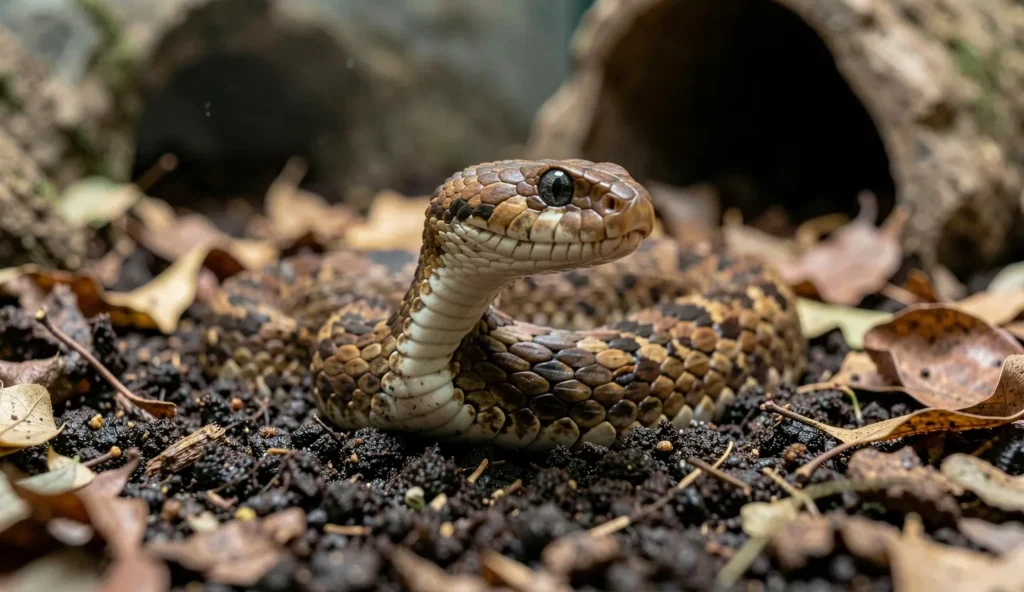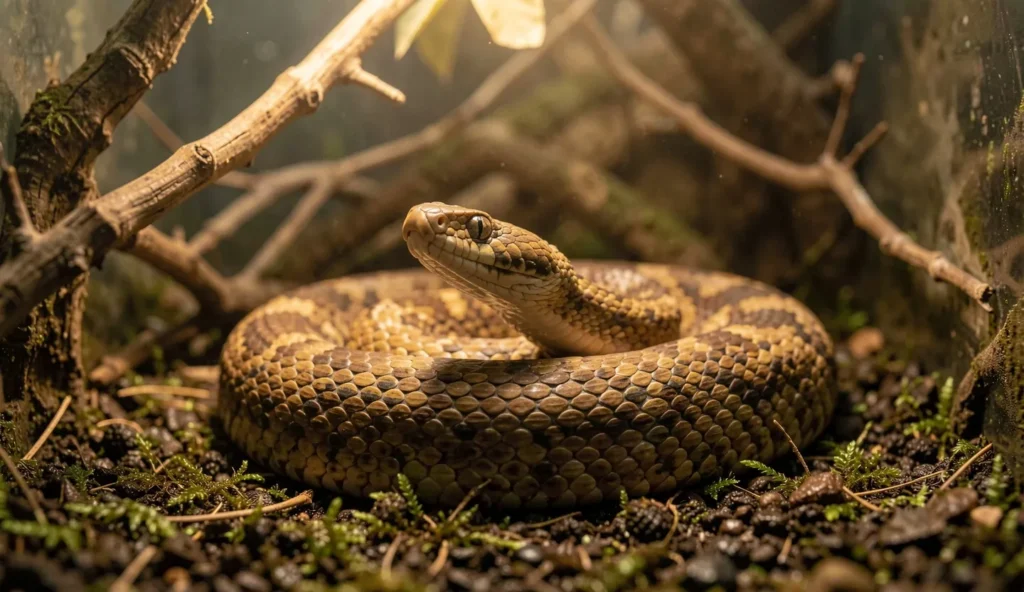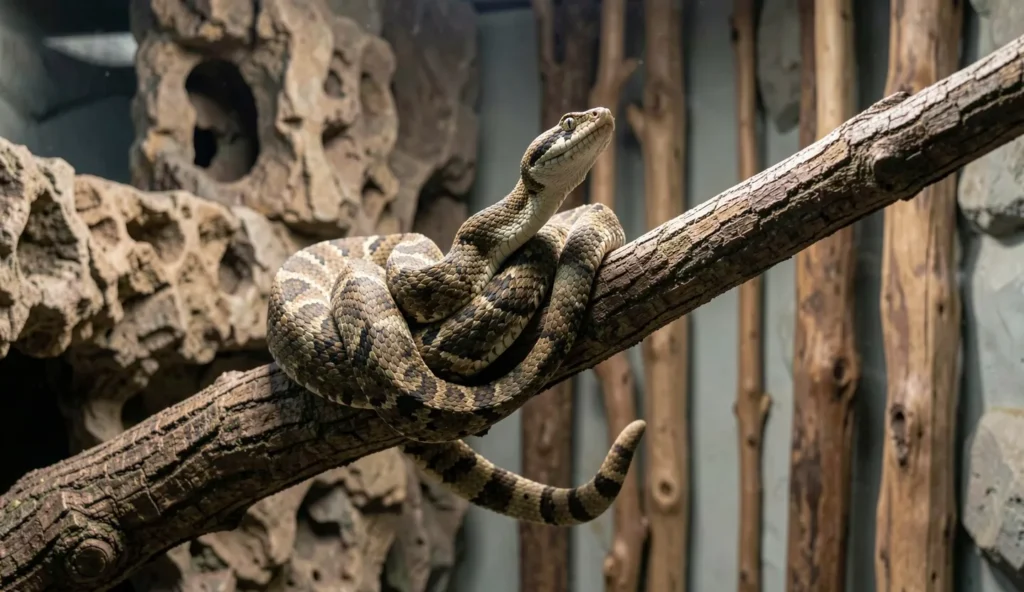
What Is an African Rock Python
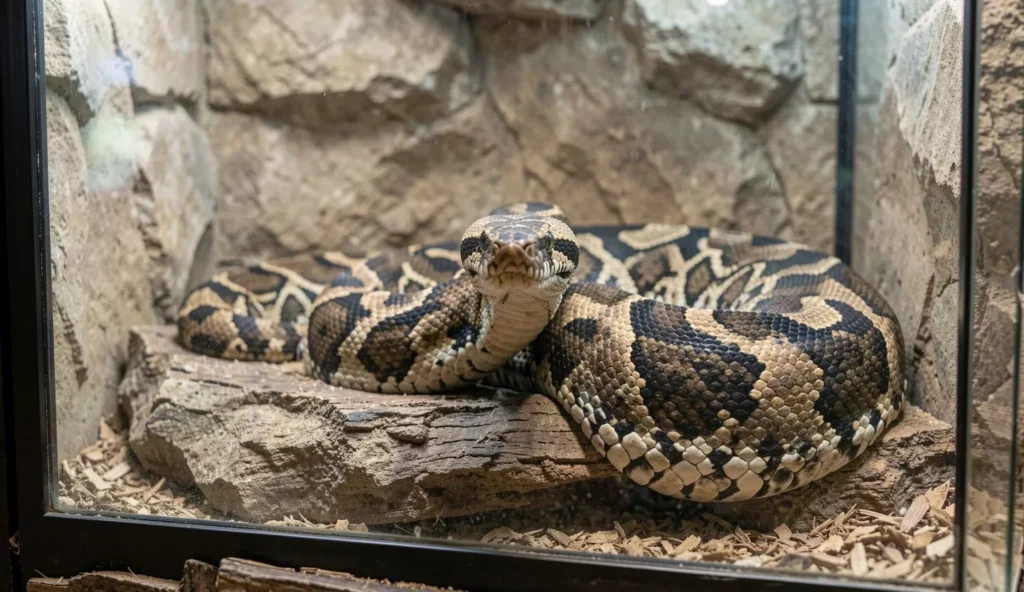
The African Rock Python is a large python native to parts of sub Saharan Africa, kept by experienced reptile keepers who can manage strong constricting ability. It stands out for its power, defensive responses when stressed, and the need for strong enclosure controls. Because this African Rock Python can show aggression-like behavior, owners typically choose strict access routines and reliable safety systems.
In the wild, it hunts on land and near water, using heat and movement cues to locate prey. Habitat variety also means the species can experience different seasonal rhythms, which can affect activity timing and feeding patterns in captivity.
Where the Species Comes From
The African Rock Python occurs across a wide native range in sub Saharan Africa. It uses rocky areas, grasslands, and zones near water depending on local conditions and prey availability. Local climate patterns influence when activity increases, which can also influence feeding schedules in captivity.
Key Traits That Affect Behavior
The African Rock Python combines a thick constrictor build with rapid strike capability when threatened. Defensive responses often trigger during stress, especially when the enclosure opening disrupts routine movement. Feeding excitement can further complicate handling because the snake may focus on scent and motion rather than true intent.
As a result, African rock python aggression risk rises when tools, hands, and feeding items look or smell similar. Clear separation of feeding and handling equipment helps reduce mistargeting during enclosure openings.
African Rock Python Size and Body Features That Matter for Safety
African rock python size plays a direct role in safety planning because body mass and muscle power influence bite risk and constriction force. Even when the snake looks calm, the anatomy can cause injury if the head is positioned near an opening. For this reason, handling procedures must assume strength and unpredictable defensive movement.
Body features also affect how strikes land, how tightly the snake can coil, and how escape attempts can progress once a gap exists. When enclosure gaps occur, a large python can wedge forward quickly, turning a small access issue into a contact event.
Typical Size Range and Growth Rate
African rock python size can vary by locality, sex, and the consistency of captive feeding and growth. Juveniles often appear manageable, but growth can accelerate after stable husbandry and consistent prey offerings. Over time, the snake may outgrow enclosure access routes faster than expected by keepers who plan only for the starting size.
Therefore, enclosure planning should start with adult expectations, not current body length. Growth rate patterns often follow feeding schedule stability, temperature consistency, and stress level.
Muscle Power, Jaw Strength, and Strike Range
Thick musculature supports strong constriction and can increase the impact of thrashing during defensive behavior. Jaws can damage skin during fast strikes, especially when the keeper’s hand or arm is near the head. Strike distance can also change based on head positioning and coil angle.
When head elevation increases and the body coils tighten, the strike range often becomes more direct toward the enclosure opening. This means enclosure openings must be designed to keep the head away from keeper reach during routine tasks.
Body Condition and Stress Signals
Stress signals can show up in body posture before a keeper ever sees a strike. Tight coiling combined with repeated head thrusting can indicate agitation during enclosure openings. Some individuals may refuse food after chronic stress or incorrect temperature and humidity settings.
Additionally, sudden defensive postures can occur after handling attempts that feel unsafe to the snake. Tracking refusal to feed, abnormal posture, and frequent agitation supports better decisions about when handling should stop.
African Rock Python Temperament and Why Aggression Happens
African rock python temperament can range from tolerating consistent routines to becoming persistently defensive. Aggression-like behavior usually responds to triggers rather than random personality alone. When keepers understand the common drivers, they can reduce how often defensive strikes occur and improve enclosure safety planning.
Because the species can combine feeding excitement with defensive reflexes, risk rises during moments that mix scent, movement, and open-door access. That pattern helps explain why African rock python aggression often appears during feeding or immediate enclosure disruptions.
Common Causes of Defensive Behavior
Defensive behavior commonly increases after mistakes during feeding, such as tool confusion or delayed prey presentation. Temperature and humidity problems can also raise irritability and reduce tolerance for enclosure disturbance. Handling frequency without confidence can increase fear responses, especially if the snake expects repeated stress.
Noise and movement around the enclosure can add another trigger layer. Quick foot traffic, sudden lighting changes, and vibration can all push the snake into a higher-alert state.
Feeding Response Versus True Aggression
Feeding excitement can look like aggression because the snake may rush toward the opening when prey scent appears. Time of day and feeding schedule consistency can affect how strongly the snake responds. A separate feeding routine that keeps food tools and handling tools distinct can reduce mistargeted strikes.
Some keepers reduce risk by feeding with dedicated tongs and only entering the enclosure space after tools are set. This keeps the head’s focus on the correct target and reduces confusion during tool transfers.
Individual Differences in Temperament
Some African Rock Python individuals remain calm when husbandry stays consistent and access routines feel predictable. Others stay defensive and require strict procedures that reduce surprise movement. Temperament can also shift after moves, veterinary visits, or prolonged refusal to feed.
When a new individual arrives, the first weeks should prioritize safe enclosure access design over frequent handling. This approach supports long-term stability and helps track how triggers change over time.
Stress Factors to Track During Daily Checks
Daily observations should focus on body position during enclosure openings and how the snake behaves when the door moves. Feeding acceptance and rejection patterns can show whether the environment supports normal comfort. Shed quality also acts as a broad condition indicator because skin problems often track with humidity and stress.
When these factors worsen together, defensive behavior often increases. That link matters for safety because risk and stress can rise at the same time.
Enclosure Safety Requirements for an African Rock Python
Enclosure safety must match the African Rock Python’s strength and potential aggression-like behavior. A secure build prevents escape and also reduces accidental contact during routine maintenance. Because this species can press forward with force, design choices should focus on door integrity, access predictability, and gap prevention.
In practice, enclosure safety works best as a workflow system, not only as a material choice. Each step from unlocking to opening and tool positioning should reduce the chances that the head reaches keeper space.
Bigger Is Not Always Better but Space Must Be Predictable
Enclosure size should support proper thermoregulation and normal hiding behavior. At the same time, bigger layouts can create unreachable corners that complicate safe tool use. Tight access routes also increase awkward handling angles that can raise strike risk.
Instead, the goal is predictable safe movement. Provide hiding spots and thermally distinct areas while keeping a clear path for tool positioning and container transfers.
Secure Doors, Locks, and Access Design
Secure doors need reliable locking systems and ideally a secondary latch for added protection. Door alignment must prevent gaps under pressure, especially when the snake applies forward force. Keep leverage points near hinges and latches difficult to reach during enclosure openings.
When enclosure design allows a keeper to open without leaning into the strike zone, safety improves. Double-checking lock function right before feeding reduces the chance of a door that fails at the worst moment.
Substrate, Flooring, and Escape-Proof Placement
Choose secure substrate that supports cleaning and stable traction for maintenance work. Avoid loose bedding that can clump into seals or block closure alignment over time. Also place the enclosure in a controlled room with limited foot traffic to reduce vibration and sudden movement near the glass or front panel.
If ventilation routes or cables pass near the enclosure edge, seal them to prevent gaps. Escape-proof placement also includes reducing how often the area around the enclosure becomes a busy walkway.
Ventilation, Humidity Control, and Heat Safety
Humidity should match species needs to support normal shedding and skin health. Thermoregulation requires heat sources controlled by thermostats, not manual guesswork. All heat elements should include guards to prevent burns and to reduce electrical risk.
Safe heat systems also support steadier temperament. When temperature dips or humidity swings occur, irritation often follows, and defensive behavior becomes more likely.
Handling Workflow That Reduces Contact Risk
A handling workflow should reduce contact risk by planning tool access before the enclosure opens. Use hook or tongs correctly to move the head away from the keeper’s reach area. Keep a transport container ready so the snake can move with fewer delays and fewer open-door moments.
Never perform routine tasks while the snake is actively feeding. Feeding time requires a controlled approach that treats the head and motion as a high-risk zone.
Safe workflow principles also matter when managing other constrictor species. For example, an experienced keeper may compare routines used in an African House Snake setup to see how strict tool separation reduces mistargeting, even though the species differs in size and behavior.
Contingency Plans for Escapes and Bite Risk
Contingency plans should include trained assistance and a recovery approach practiced in advance. Keep gloves and basic first aid supplies within reach without forcing clutter near the open door. Use clear room boundaries during any open door moments to prevent the snake from reaching unpredictable spaces.
Also define safe shutoff steps for heat and water sources so equipment control remains calm and predictable. If an escape occurs, the plan must reduce time spent searching blindly while maintaining safety for everyone nearby.
Many keepers improve planning by reviewing safety fundamentals used for other large snakes, such as the Burmese Python enclosure considerations that emphasize secure access design. That comparison helps reinforce the same idea that enclosure integrity and controlled workflow prevent many accidents.
African Rock Python Diet and Feeding Practices That Prevent Aggression
African rock python diet choices can directly affect behavior and enclosure safety because hunger, stress, and feeding routine disruptions can increase defensive responses. When feeding practices cause confusion at the opening, mistargeted strikes become more likely. For experienced keepers, safe feeding routines often reduce aggression-like behavior more than frequent handling does.
Diet planning also supports stable body condition and more predictable temperament. When prey offerings match the animal’s needs and timing remains consistent, the snake typically shows fewer erratic responses during enclosure access.
What to Feed and How to Choose Prey Sizes
African rock python diet typically includes appropriately sized rodents or other mammal prey depending on availability and keeper preference. Select prey size based on body thickness and observed feeding response, not on arbitrary length measurements. Avoid oversizing because it can raise regurgitation risk and disrupt feeding stability.
Consistency matters because stable prey type and predictable timing reduce frantic behavior near openings. When the snake refuses prey repeatedly, the first step should be husbandry review rather than increasing handling.
Feeding Tools and Separate Routines
Use dedicated feeding tongs and never swap them with handling tools. Feeding at a predictable time supports routine behavior and reduces frantic enclosure movement. During feeding, confirm the target grasps the food without reaching toward the keeper’s space.
Because scent and motion can overlap, tools should be stored separately and kept in labeled areas. This reduces the chance of accidental confusion during the next enclosure task.
Some keepers also reduce feeding-related confusion by studying prey and routine patterns in other constrictors, such as the Carpet Python care approach. Although the species differs, the shared lesson is that feeding tools and predictable scheduling reduce stress-linked defensiveness.
After Feeding Handling Rules
Keep handling off the calendar for a set rest period after meals to avoid triggering regurgitation risk and stress. Avoid enclosure openings while the snake remains engaged with prey. Monitor refusal to feed and abnormal posture after meals, because these can indicate stress, improper temperatures, or health problems.
When food time becomes a frequent trigger for defensive strikes, the enclosure workflow needs adjustment before any handling attempt. Safety increases when routines become predictable for the snake and for keepers.
African Rock Python Handling Methods for Safety and Control
African rock python handling must focus on procedure and risk control because the species can behave aggressively under stress. Even experienced keepers should treat enclosure openings as the highest-risk moment. Proper equipment and handling sequencing reduce contact and help prevent injury to people and the snake.
Handling methods should prioritize moving the head away from the opening and keeping a secure transport plan. When the snake can move smoothly into a container, the probability of thrashing and repeated defensive strikes often drops.
When Handling Should Be Avoided
Avoid handling during shed, illness, or immediately after a feeding session. Avoid handling after recent relocation or veterinary care because stress can make defensive behavior more likely. If repeated strike behavior escalates during attempts, stop and switch to safer enclosure-only tasks.
In practice, the safest handling plan often means fewer interventions. If maintenance tasks can be completed without moving the snake, limit direct handling to what is necessary.
Equipment and Personal Safety Practices
Use proper snake hooks and keep secure transport containers ready before movement starts. Wear protective gear appropriate to the risk level and the individual snake’s behavior history. Maintain clear space around the enclosure to prevent slips or accidental door openings while tools are in use.
Also ensure the transport container opening and locking steps work smoothly before any snake movement. When a container fails mid-transfer, the delay increases struggle and raises the chance of bites.
Handlers who want additional comparisons on temperament risk may review handling guidance used for Bull Snake situations. While the species differs, safe handling emphasizes the same idea of controlling access points and reducing surprise.
Safe Movement From Enclosure to Container
Move the head away from openings and from keeper reach first, then support the body to reduce thrashing. Thrashing can increase constriction timing and cause sudden forward movement that compresses the handler’s space. Close the transport container only after confirming secure positioning.
If movement becomes difficult, do not force the snake through a tight opening. Tight space increases injury risk for both people and the snake, and it increases the chance the snake fights at the most dangerous time.
Reading Body Language to Prevent Escalation
Reading body language helps prevent escalation by signaling when to stop movement. Track head elevation and repeated strike attempts, which often rise when the snake feels trapped. Tight coils and tense body tension often appear before sudden defensive action, so choose stop points early.
When the snake becomes increasingly defensive, keepers should pause and adjust technique rather than continuing. A calm reset reduces stress and supports safer outcomes.
Common Health Issues and What Changes in Behavior Can Signal
Common health issues can change behavior in ways that look like aggression, so health checks connect directly to enclosure safety. Poor air quality, wrong humidity, or temperature extremes can make the snake irritable and less tolerant of handling. Skin and shedding problems also increase irritation and can raise defensive responses during enclosure openings.
In addition, appetite shifts can show trouble before the snake looks obviously sick. Experienced keepers should treat repeated behavior changes as signals for evaluation, not as temperament alone.
Respiratory Problems and Skin Issues
Respiratory problems can develop when humidity or air quality stays outside normal ranges for long periods. Skin and shedding issues may follow when humidity is unstable, which can increase scratching, discomfort, and defensive postures. During these periods, the snake may strike more readily when disturbed.
Because respiratory distress can worsen quickly, any open-mouth breathing, persistent wheezing, or frequent mouth gaping deserves fast attention. Comfort improvements often require husbandry corrections first, then veterinary care if symptoms continue.
Parasites, Weight Changes, and Appetite Shifts
Parasites can reduce tolerance for handling and may change how the snake responds to enclosure disturbances. Weight loss can occur after inadequate diet or husbandry problems that reduce digestion efficiency. Sudden appetite changes can also appear before other signs become visible.
When appetite shifts occur alongside defensive behavior, reassess feeding routine and environment conditions immediately. The goal is to separate stress-linked responses from illness-related irritability.
When Veterinary Help Becomes Necessary
Veterinary help becomes necessary when regurgitation, open-mouth breathing, or lethargy appears. If illness or injury is suspected, use a safe transport routine to reduce injury risk during the trip. Keeping records of recent diet, temperatures, and behavior changes supports faster diagnosis and safer decisions.
While comparing symptoms across species can help, the priority remains accurate observation. For example, some keepers reviewing Kenyan Sand Boa illness patterns may notice how quickly temperature and humidity issues can affect comfort. The same husbandry accuracy applies here, even with different biology.
Is an African Rock Python Right for an Experienced Keeper
The African Rock Python is generally suited to experienced keepers because enclosure strength, safe access design, and handling control must work every day. This species can show aggressive behavior under stress, so risk management needs to be reliable and well planned. Care success usually depends on strict routine control and equipment readiness before any task begins.
For experienced keepers, evaluation should include how well the enclosure supports safe movement and how often feeding aligns with predictable workflow times. When those systems fit together, risk can become manageable.
Requirements Before Choosing This Species
Requirements include strong enclosure security and a safe access workflow built for an animal that may strike. Heating and humidity control systems must maintain stable targets, because instability can increase defensive behavior. Feeding plans should include correctly sized prey and dedicated tools for feeding only. Also, the keepers must be able to manage stress triggers without improvising steps.
Improvisation often happens during the busiest moments, like last-minute maintenance or rushed feeding. Good systems reduce those conditions.
Operational Rules That Reduce Risk Over Time
Operational rules should reduce stress-linked defensiveness by supporting consistent husbandry. Strict tool separation for feeding and handling reduces scent confusion and helps keep the snake’s focus on the correct target. A structured maintenance schedule that avoids peak feeding windows further reduces the chance of defensive encounters.
Over time, consistent routines also help keepers read patterns in an individual snake’s temperament. When patterns remain stable, enclosure safety planning becomes easier to maintain.
Keeping Safety First With Daily Husbandry Checks
Daily checks should focus on enclosure integrity, lock function, and readiness of heat and humidity systems. Quick observation of body posture, feeding acceptance, and shed quality helps detect problems that can increase aggression-like behavior before they worsen.
Consistent safety habits reduce both escape risk and contact risk, especially during feeding and enclosure openings. With steady routines, an African Rock Python can be managed more safely even when temperament stays defensive.
Frequently Asked Questions
Why Does an African Rock Python Strike During Enclosure Openings?
Likely causes include stress from movement, lighting changes, or feeding scent on tools.
How Can Enclosure Design Reduce Escape Risk for an African Rock Python?
Use strong locks, gap-free doors, and predictable access paths to prevent pressure gaps.
What African Rock Python Diet Issues Can Increase Defensive Behavior?
Oversized prey, inconsistent feeding times, or wrong prey type can raise stress.
Is African Rock Python Handling Safe Without a Second Person?
Risk increases without a second person, especially during movement or container transfers.
How Often Should an Enclosure Be Checked for Safety Before Feeding?
Perform a quick lock and access check right before every feeding session.
Final Note on African Rock Python Safety Practices
Safety first planning helps reduce both aggression-linked incidents and enclosure escape risks. Consistent husbandry, strict workflow, and fast health responses keep daily management more controlled.