What Is a Carpet Python?
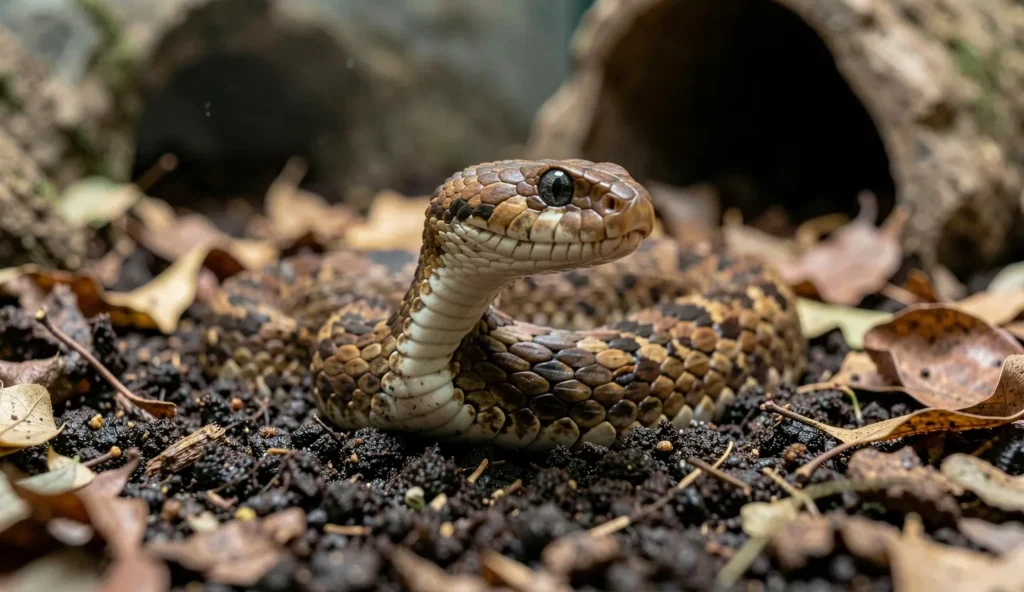
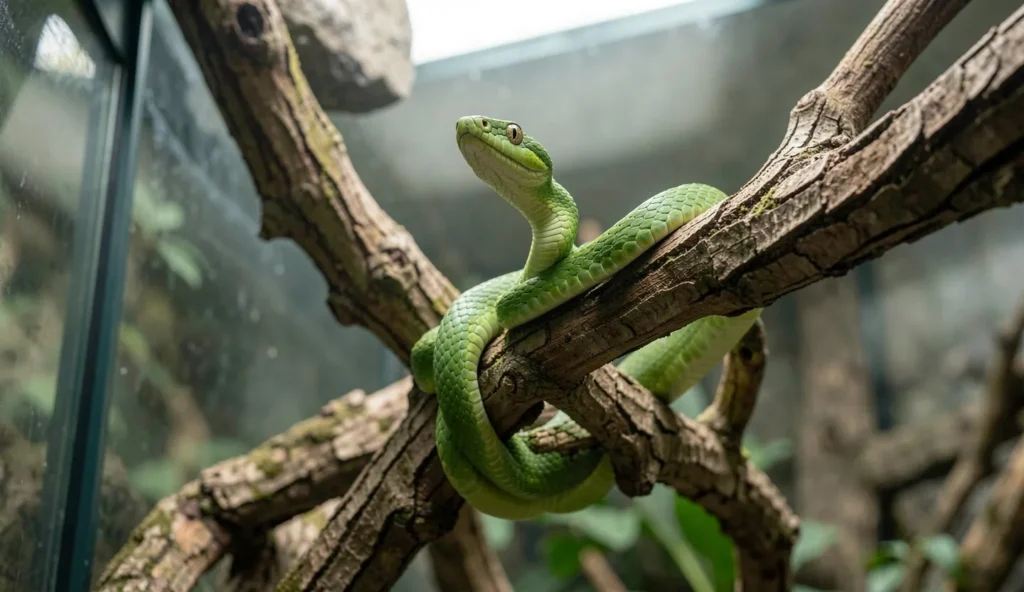
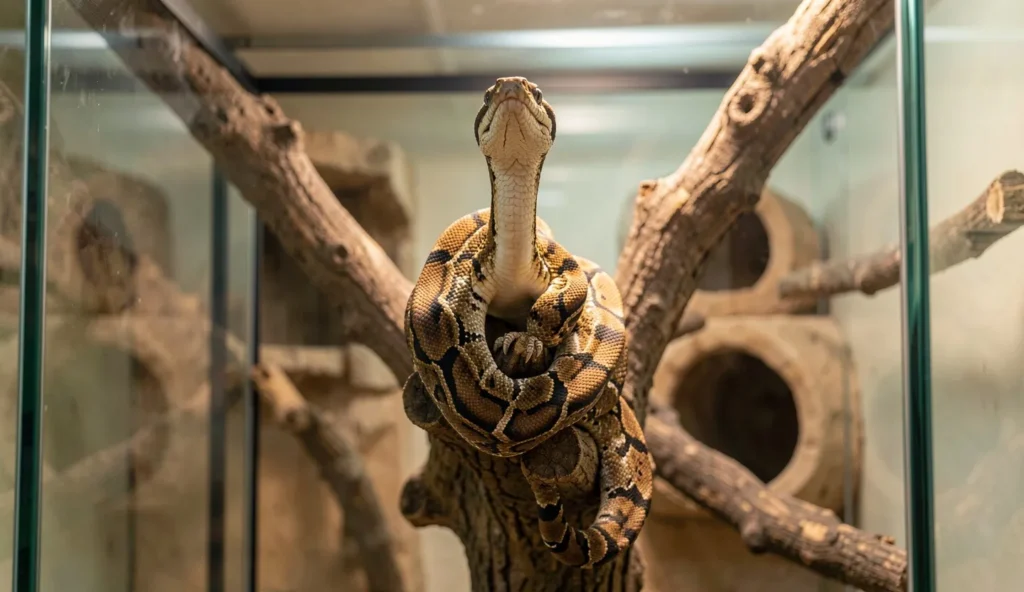
The Carpet Python is a striking arboreal snake found in Australia and nearby regions, known for bold patterns and inherited color traits. Many keepers choose this species because it combines climbing ability with visually rich carpet python morphs. With the right carpet python care and a properly built carpet python enclosure, it can thrive for many years.
Species Overview and Native Range
Carpet pythons are small to medium large constrictor snakes. In the wild, populations occur across Australia and nearby areas, where local conditions shaped body size and color lines. This wide range is one reason captive carpet python color variations can look so different.
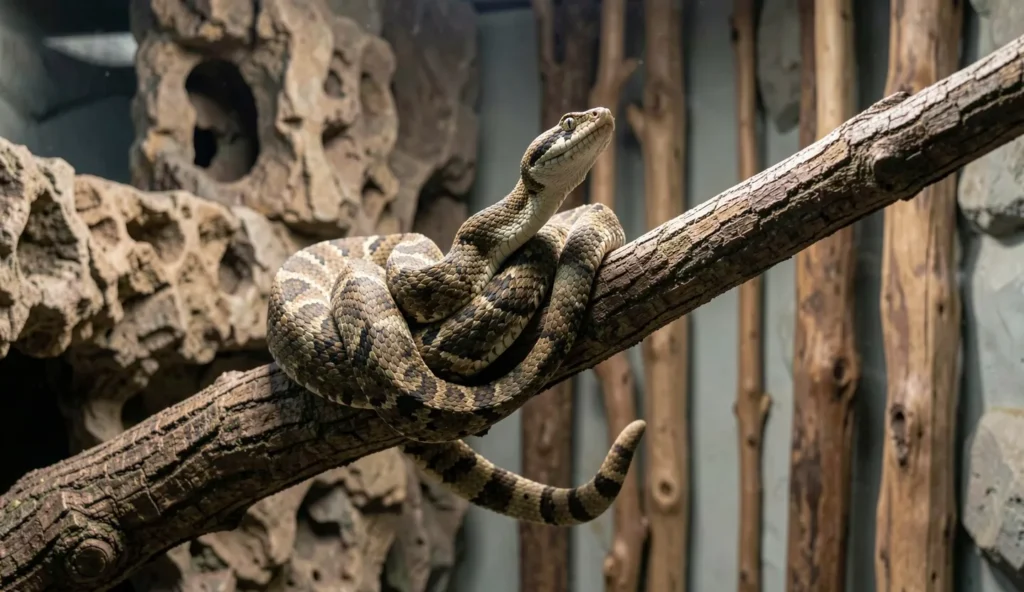
Like other pythons, the body plan supports climbing and ambush behavior. A strong grip, muscular build, and flexible tail help the snake hold stable positions on branches.
Why Morphs And Color Variations Are Popular
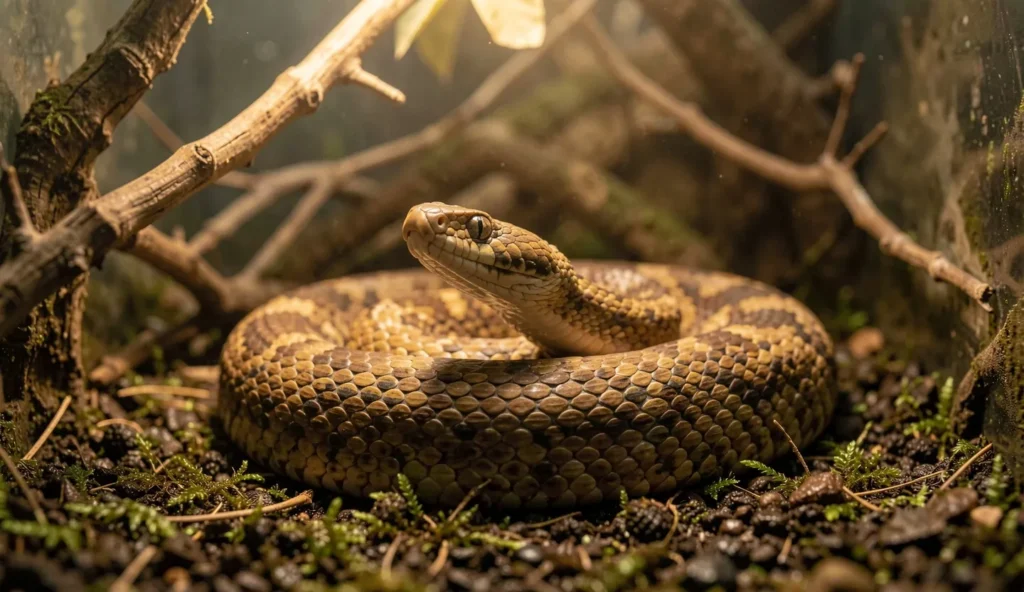
Morphs describe inherited pattern and color traits, passed down through breeding. Carpet python color variations may include cream, tan, gold, black, and reddish warmth depending on the line. Patterning can appear as spots, blotches, bands, or combinations across the body.
In many captive lines, the look also changes as the snake grows. Some individuals look noticeably different at hatch compared to later stages, which keeps interest high.
Typical Lifespan and Long Term Commitment
Many carpet pythons live for years when temperature, humidity, and feeding remain consistent. Growth rate affects how quickly the carpet python size needs drive enclosure upgrades. Because the setup must support long term care, planning for feeding, shedding support, and vet access matters.
Most decisions should start with the adult goal, not the hatchling stage. A stable plan reduces stress during growth and helps keep feeding predictable.
Carpet Python Morphs and Common Color Variations
Carpet python morphs range from subtle pattern differences to dramatic shifts in base color and contrast. For new keepers, understanding how carpet python color variations show up and change reduces disappointment and supports better purchasing decisions. It also helps owners build a realistic expectation for what will be seen over time.
Pattern Types You Will See In Captive Lines
Captive lines often show recognizable pattern categories such as spots, blotches, and stripes. Some snakes display strong head markings and neck banding, while others look smoother at the front. As the snake sheds, pattern edges can appear sharper or more defined.
Lighting and substrate also affect how colors appear. Warm basking light can make tan and gold look richer, while cooler lighting can reduce perceived contrast.
Color Variation Examples
Base colors commonly include tan, brown, and black, with variation in how strongly each tone appears. Some lines show yellow gold warmth, while others lean toward darker, higher contrast looks. Red and orange tones can fade or intensify as the snake matures, depending on the genetic line.
Even within a named category, results can vary between individuals. For that reason, it helps to avoid promises about exact outcomes when evaluating carpet python morphs.
Morph Terminology and How Breeders Describe Lines
Morph names often reflect specific traits and lineage, not a guaranteed final look in every case. Two snakes sold under the same name may still show differences in pattern density, head color, or band strength. Genetic results depend on the breeding pairs and how recessive traits express.
For best results, verifying lineage details from a reputable breeder matters. When comparing options, asking for photos at multiple ages can clarify how carpet python color variations may develop.
How Morphs Can Affect Appearance As They Grow
Juveniles may look more muted, then develop stronger contrast after multiple sheds. Pattern edges often sharpen over time, which can make older snakes look dramatically different from hatchlings. Skin tone can also shift after meals and through seasonal cycles.
Changes usually happen gradually rather than instantly. When growth and shed quality remain stable, appearance typically becomes more consistent.
For owners comparing different species in the same broader hobby, similar principles apply to other pythons and constrictors. For example, the general idea of how captive lines express visible traits can also be seen in the Ball Python, even though care needs differ by species and habitat.
What Size and Growth Rate to Expect
Carpet python size planning prevents enclosure mistakes that can limit climbing space. Because this snake is arboreal, height matters as much as floor space. Knowing typical expectations also helps owners time upgrades for healthier movement.
Adult Size Range and Body Proportions
Carpet pythons typically reach small to medium adult lengths. Body thickness varies with sex, genetics, and feeding history, so two snakes from different lines can look different even at the same length. An arboreal build supports muscular climbing ability and stronger grip on branches.
Individual size can still vary by lineage and care quality. Stable feeding and appropriate temperatures support steady growth without pushing the snake into unhealthy weight gain.
How Fast They Grow
Growth depends on meal frequency, temperature, and hydration. Shed quality can reflect stable care conditions, while poor shedding may hint at environmental problems. Overfeeding can lead to health issues and reduced stability, especially as the snake increases in mass.
Consistent feeding intervals and regular body condition checks help refine the schedule. Adjustments should be gradual, since sudden changes often increase stress.
When to Upgrade the Carpet Python Enclosure
Upgrades should happen when the current setup limits vertical climbing space. A common warning sign is the snake repeatedly choosing the same narrow height zone with no safe alternative. Vertical upgrades should also occur before the snake seems cramped during resting periods.
Overly large enclosures for very young carpet pythons can also reduce feeding confidence. A balance works best, where adults get height while juveniles still feel secure.
Many keepers cross-check enclosure expectations using size examples from other reptiles. If a similar approach helps, Corn Snake guides can illustrate how vertical planning and safe hiding reduce stress, even though the climbing style differs.
Carpet Python Enclosure Essentials
A carpet python enclosure must support safe climbing, stable temperatures, and humidity that supports complete sheds. Because this snake often rests off the ground, the build quality matters as much as the heat source. Owners who focus on reliable setup usually see smoother feeding and fewer shedding problems.
Tank Size and Vertical Space Needs
Carpet python enclosure choices should prioritize tall, secure enclosures. Vertical branches and perches should remain stable under the snake’s weight. Enough height should exist for basking and resting positions, including a higher perch that stays within the warm zone.
Flimsy structures can collapse during movement, so sturdy materials matter. A secure lid also prevents escapes, which can happen quickly with fast climbing behavior.
Heating and Temperature Gradient Setup
Heating should create a warm basking area and a cooler retreat zone. Reliable thermostats protect the snake by controlling heat output and preventing dangerous spikes. Night temperatures should drop moderately, based on region guidance and species needs.
Thermometers should measure at the snake’s typical height, not only near the floor. This reduces the chance of thinking the enclosure feels warm when the perched area stays cooler than expected.
Other python species can help illustrate the value of safe thermostats and gradients. For example, owners who study Reticulated Python care often focus on temperature stability, which remains a key principle across larger constrictors.
Humidity and Hydration Requirements
Humidity requirements support healthy shedding and skin integrity. A humidity gauge helps owners adjust via ventilation without overcorrecting. During shedding periods, humidity should increase slightly to reduce stuck shed risk around the eyes and tail tip.
Fresh water should be available in a stable bowl positioned for easy access. Hydration also supports overall feeding readiness, since dehydration can reduce appetite and complicate shed cycles.
Substrate, Climbing Surfaces, and Hiding Spots
Substrate should hold moisture appropriately without becoming wet and stagnant. Many owners select materials that support humidity while still drying between misting cycles. Multiple hides help the snake feel secure and reduce stress, including hides placed at different heights.
Branches should offer secure footing and proper thickness. The enclosure design should also include an escape proof lid and enough spacing so the snake cannot wedge its body between panels.
Lighting, Day Night Cycle, and Rest Periods
Lighting should follow a consistent day night schedule that matches the snake’s normal rhythm. Heating provides warmth, while light helps support regular activity patterns. Excessive brightness can increase stress, so brightness should remain moderate and controlled.
A hide should allow the snake to fully disappear. When the snake cannot hide completely, it may stay alert and refuse food more often.
Carpet Python Diet and Feeding Schedule
Carpet python diet planning focuses on safe prey size, consistent meal intervals, and minimal feeding stress. A clear python feeding schedule also supports more predictable growth and smoother shedding cycles. Feeding in the enclosure usually reduces handling risks for both the snake and the keeper.
What to Feed Carpet Pythons
Feed appropriately sized frozen thawed rodents for safety and consistency. Prey size usually matches the snake’s girth and head width, which prevents refusals caused by overlarge meals. For sizing, prey thickness matters as much as prey weight.
Using a consistent prey type helps maintain feeding confidence. Some keepers store prey in labeled portions so thawing stays reliable and on schedule.
How Often to Feed
Juveniles generally need more frequent meals than adults. Feeding schedules can also adjust after sheds and growth spurts, since body condition changes over time. Avoid feeding strictly by calendar if body condition suggests a slower pace is needed.
Intervals should be refined using prey size and weight trends. If the snake becomes too heavy, meal frequency should decrease and portion size should be reassessed.
Feeding Safety and Best Practices
Feeding safety includes keeping handling to a minimum around meal times. Feeding in the enclosure reduces handling stress and reduces the chance of a feeding response paired with accidental bites. Use feeding tongs to prevent accidental contact and keep prey placement controlled.
Uneaten prey should be removed promptly. Handling should also remain limited around feeding days, since stress can affect digestion and appetite.
Understanding feeding routines can help when planning for other species as well. If another arboreal feeder is being considered, Green Tree Python care notes can show how feeding stability supports long term health, while still requiring separate enclosure values.
Carpet Python Temperament and Handling Tips
Carpet python temperament often trends calm when the snake receives consistent temperatures, hides, and predictable feeding. Even so, defensive behavior can appear during stress, poor shedding, or enclosure disruption. Owners who understand stress signals can handle more safely and reduce the chance of panic behaviors.
Typical Temperament and Behavior Signals
Carpet pythons are often calm with regular, gentle handling. Defensive responses can include tightening, hissing, or striking, especially when the snake feels unsafe. Stress rises with temperature problems, handling during shedding, or cramped climbing conditions.
Individual temperament varies by line and experience, so owners should observe each snake’s baseline behavior. With stable care, many snakes become more confident over time.
Safe Handling Approach
Safe handling starts with full body support to reduce stress and prevent slipping. Sudden movements should be avoided, and early sessions should remain short. Handling should also be minimized right after feeding and during shedding periods when the snake may be more sensitive.
After handling, washing hands supports hygiene and reduces skin irritation. If the snake shows clear stress, handling should stop and the snake should return to its enclosure.
Enrichment Through Climbing
Climbing enrichment comes mainly from secure branches and perches placed at different heights. Clutter can interfere with climbing and hiding, so the enclosure should support movement paths. Structures should be checked for wear, loose joints, and changes after cleaning.
Because arboreal falls can injure a snake, handling paths should also reduce drop risk. A secure grip and careful movement help keep sessions controlled.
While each species has different handling cues, learning general python behavior often helps when comparing species. For instance, reading about Boa Constrictor care can improve understanding of how enclosure stability affects behavior, even though enclosure and feeding details change.
Common Health Issues to Watch For
Common carpet python health issues often connect to humidity, temperature, and husbandry stability. Many problems start quietly, then become urgent if care variables remain incorrect. Early recognition improves outcomes and often reduces the need for emergency interventions.
Shedding Problems and Skin Health
Shedding difficulties often result from low humidity or inconsistent moisture levels. Stuck shed can appear around the eyes or the tail tip, which can restrict circulation if ignored. Regular humidity checks reduce recurring shedding problems.
Gentle assistance may be needed in specific situations, but professional guidance is the safest option. Trying to remove stuck shed forcefully can cause skin damage.
Respiratory Infections
Respiratory problems can show as wheezing, open-mouth breathing, or persistent mouth gaping. Incorrect temperatures and excess dampness often contribute to respiratory stress. When early signs appear, veterinary assessment should happen as soon as possible.
New snakes should also be isolated until health status is confirmed. Isolation reduces the chance of spreading parasites or infection within a collection.
Parasites and Digestive Issues
Parasites may show as changes in stool, reduced appetite, or unexplained weight changes. Digestive problems can also appear when feeding intervals or prey sizes remain inconsistent. Targeted treatment typically requires veterinary guidance to match the specific condition.
Quarantine helps reduce spread to existing snakes. During illness, changing multiple variables at once should be avoided, since that can mask what caused the problem.
Owners often compare health expectations across reptiles to spot early signs faster. If gecko care basics help build observation habits, Leopard Gecko care notes can reinforce how stable humidity and environment affect skin health, even though the needs differ from pythons.
Starter Checklist For New Carpet Python Owners
A starter checklist helps new keepers set up a carpet python enclosure correctly from day one. When setup priorities stay consistent, feeding becomes easier and shedding problems become less frequent. This list focuses on the essentials that support safe climbing and stable body condition.
Shopping List and Setup Priorities
Before the snake arrives, gather materials that keep the environment stable and secure. A tall secure enclosure built for vertical climbing is the core requirement. A thermostat and calibrated thermometers support accurate temperature control and reduce risk.
Humidity support requires a gauge and an adjustment plan that does not cause constant swings. Stable branches and multiple hides at different heights help the snake choose safe resting and hiding locations. A water bowl and frozen thawed prey storage tools also make routine care simpler.
- Tall, secure enclosure with verified escape proof design
- Thermostat plus calibrated thermometer for basking control
- Humidity gauge for trackable humidity requirements
- Sturdy branches for climbing and perching
- Multiple hides at different heights
- Fresh water bowl that stays stable
- Frozen thawed prey supply and thawing tools
First Week Care Steps
During the first week, the goal is environmental stability before handling begins. Heating and humidity should remain within target ranges so the snake can settle in. After transport stress, appetite may take time, so observation should replace frequent interference.
If any signs of illness appear, scheduling a vet visit early helps. New owners should also watch sheds and ensure humidity stays supportive during that transition period.
Is a Carpet Python Right for You?
Carpet python temperament and care needs fit best when vertical space and husbandry monitoring stay realistic. Enthusiasts seeking a striking arboreal snake often find this species rewarding because the patterns remain visually engaging. Still, the enclosure must be built strong enough for climbing behavior.
Best Fit Conditions
This snake fits keepers who can provide tall vertical space for safe perching. It also works well for owners who can monitor temperatures, manage humidity, and keep feeding consistent. The appeal of carpet python morphs and carpet python color variations supports many reptile enthusiasts who want visual diversity within the same species.
Carpet pythons also benefit from setups that support natural climbing rather than cramped ground only designs. That makes them a better match than small enclosures that limit vertical movement.
Potential Challenges
Enclosures must stay properly secured to prevent escapes, since arboreal snakes can move quickly. Feeding consistency matters for healthy growth, and the python feeding schedule should match age and body condition. Handling needs to account for fall risk because perching height is part of daily behavior.
Shedding issues can become challenging when humidity adjustments lag behind needs. Still, a stable system usually reduces these problems over time.
A Final Note on Building a Stable Setup
Reliable heat, humidity, and tall climbing space support healthier growth and easier shedding. Consistency in carpet python care also makes feeding and handling more predictable.
Frequently Asked Questions
How Big Do Carpet Pythons Get?
Adult size depends on sex and lineage, and most keepers plan for small to medium adult length with enclosure upgrades before climbing space becomes limited.
What Is the Best Carpet Python Enclosure Setup?
A tall, secure enclosure with vertical branches, a temperature gradient controlled by a thermostat, and humidity support for complete sheds works best.
How Often Should a Carpet Python Eat?
Frequency depends on age and body condition, with juveniles typically eating more often than adults using appropriate prey size.
Do Carpet Python Morphs Change Color As They Age?
Many morphs look different at different ages, with pattern contrast often sharpening after sheds and lighting affecting perceived color.
How Does Carpet Python Temperament Affect Handling?
Gentle, consistent handling supports calmer behavior, while handling during shedding and right after feeding should be avoided.
What Are the Most Common Carpet Python Health Problems?
Shedding difficulties from low humidity are common, and respiratory issues can follow temperature mistakes while parasites and digestive problems require early veterinary guidance.
Final Note on Care Consistency
Staying consistent with habitat conditions and feeding supports long term health and a more stable routine for both keeper and snake.