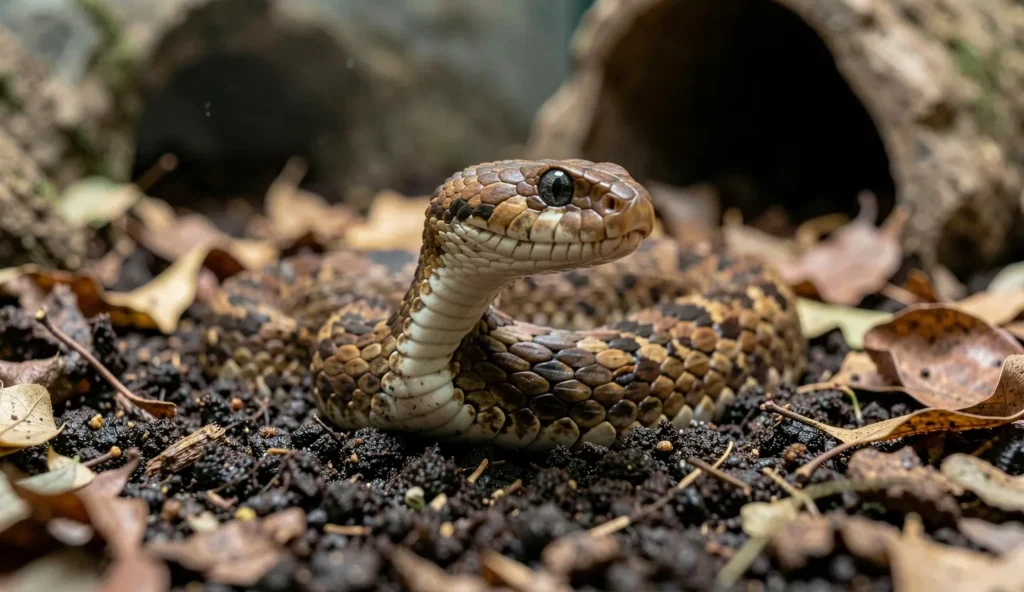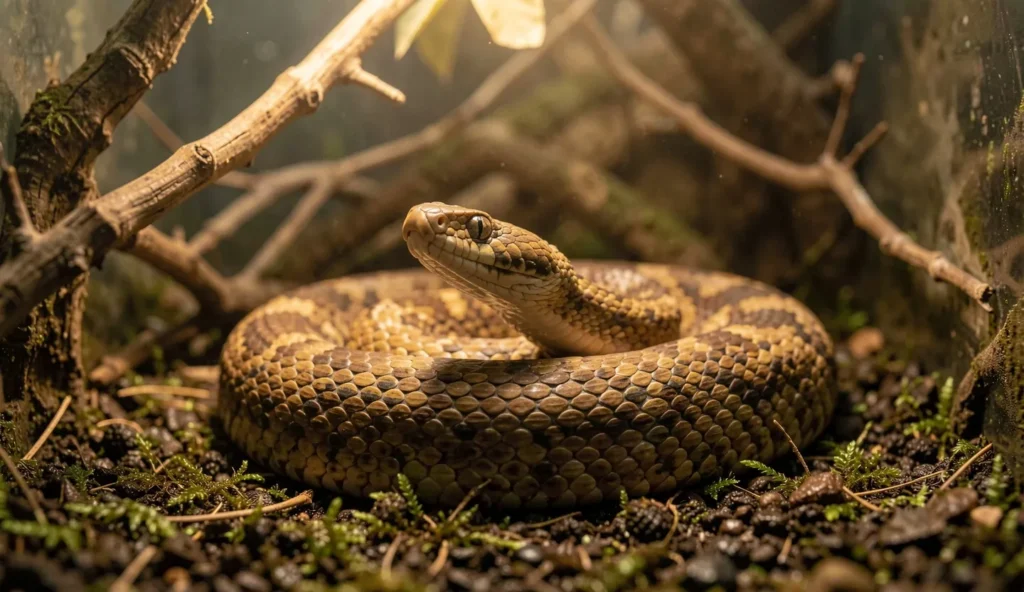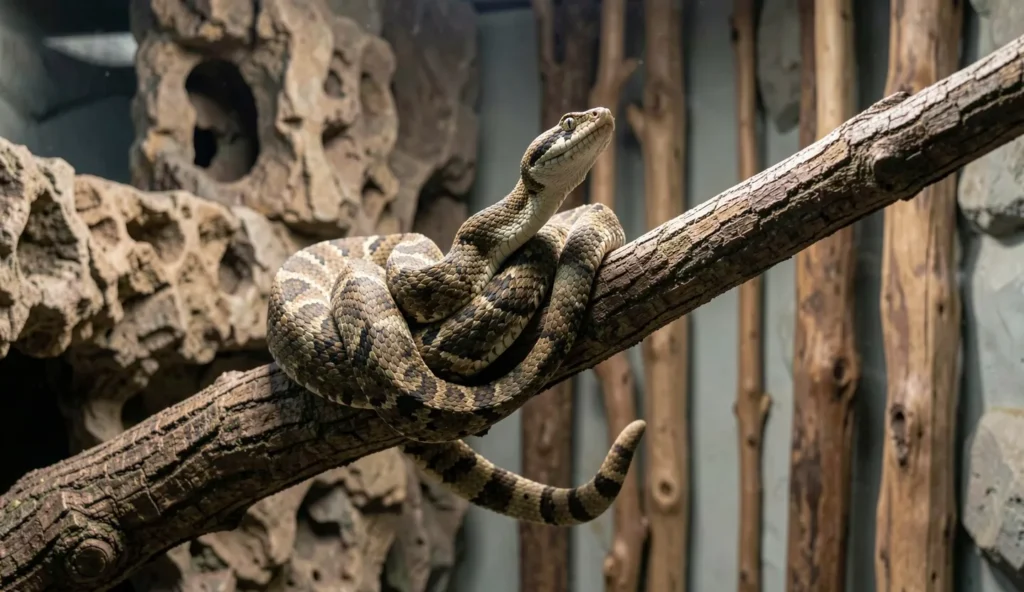
What Is A Pine Snake?
The Pine Snake is a North American colubrid snake known for its strong burrowing instincts and need for stable, space-forward husbandry. It occurs across parts of the eastern and southeastern United States, where pine-dominated forests shape its daily routine. This species stands out because reliable care often depends more on enclosure design than on frequent interaction.
Species Overview And Where It Lives
Pine Snake is commonly used as a group name for several closely related forms found across North America, and scientific names can vary based on classification updates. In general terms, its native range spans parts of the eastern United States into nearby regions. In the wild, the pine snake habitat typically includes sandy soils, leaf litter, and understory cover in pine-forward woodland.
Major habitat types often include pine-dominated forests and mixed woodlands with areas that remain partially dry on the surface. Within these environments, the snake uses cover and retreat spaces to reduce exposure to predators. Because seasonal conditions change where it chooses to hide, activity can shift through the year.
Why Pine Snakes Are Less Common In The Pet Trade
Pine snakes tend to appear less often in mainstream pet markets than many widely kept species. That limited availability can make it harder to find consistent feeding histories and reliable captive information. Even when specimens do become available, care success depends heavily on a pine snake enclosure that supports natural movement and predictable daily temperatures.
They also tend to reward careful husbandry rather than quick fixes. Frequent handling can disrupt normal feeding patterns, especially while a snake settles in. For most keepers, the Pine Snake is best viewed as a dedicated species rather than a first-time purchase.
Natural Behaviors To Expect
Pine snakes often show daily cycles that match temperature and cover availability in their environment. Many individuals become more active when conditions feel safer, such as during warmer parts of the day when the retreat areas remain stable. This behavior matters for caretakers because feeding and calm observation often track these same cycles.
In addition, pine snakes commonly use cover and retreat spaces like they would in leaf litter and loose ground. Many keepers notice a tendency to hide soon after placement in a new enclosure. That secretive style can be misread as illness, so routine monitoring works better than rushed attempts to handle.
Appearance And Natural History Traits
Visual recognition helps caretakers spot changes that can indicate stress or health issues. The Pine Snake typically shows a pattern of blotches and stripes that may look different across individuals and local forms. These natural traits connect directly to care because color and pattern variability usually do not change the core needs for heat, humidity, and shelter.
Body Shape And Key Physical Features
In general, pine snakes have a medium body build with a taper toward the tail. Scale texture often appears slightly rougher or more patterned than very smooth-looking species, which helps them blend into forest floor textures. Adult size varies by individual and local form, but most mature pine snakes remain within a manageable home size range.
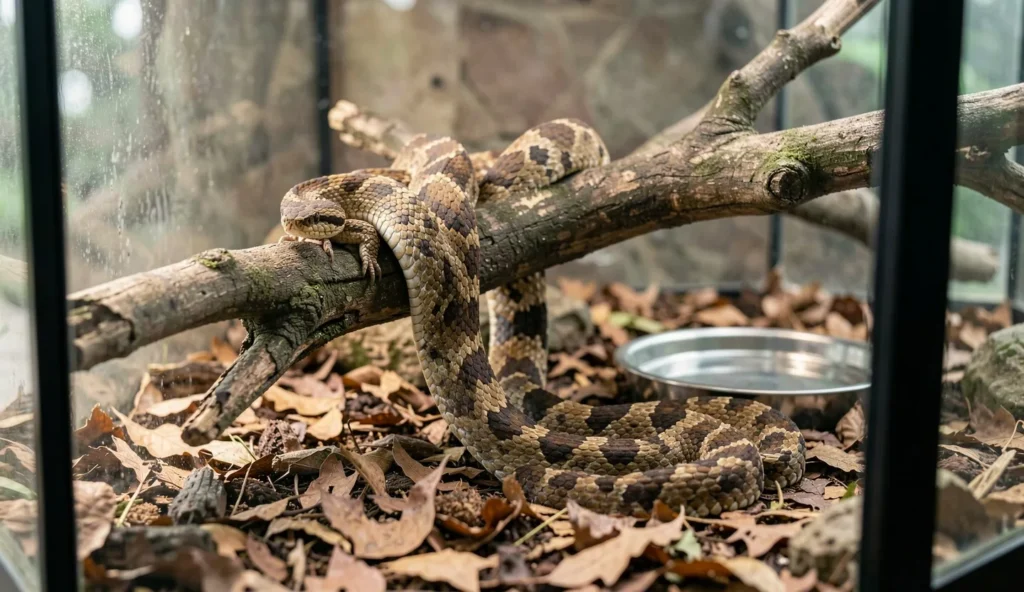
Coloration often includes brown, tan, gray, and darker markings that create a mottled look. Some individuals show stronger striping, while others show heavier blotches. Because lighting and substrate color can change how patterns appear, visual assessment works best with consistent, stable lighting.
Temperament In The Wild And In Captivity
In the wild, defensive responses help the Pine Snake avoid threats rather than confront them. When stressed, a snake may flatten slightly, hold tense posture, or move with quick bursts rather than slow exploration. These actions can trigger fear in new owners, but they usually reflect stress levels rather than permanent behavior.
In captivity, frequent handling often increases stress and can reduce feeding reliability. Many pine snakes prefer to settle before any routine interaction. Instead of forcing contact, caretakers should focus on observation, stable temperatures, and feeding readiness.
Seasonal Patterns And Environmental Cues
Seasonal shifts influence activity in many temperate snakes, and the Pine Snake commonly follows temperature cues. Captive care often benefits from predictable changes rather than sudden swings in daily heat and light. When environmental cues remain stable, feeding and shedding can become more consistent.
Some keepers plan for brumation-like cycles depending on local guidance and the snake’s history. When seasonal changes occur, enclosures should still maintain a safe temperature range. That means the goal is gradual adjustment, not dramatic drops that leave the snake unable to thermoregulate.
Pine Snake Habitat Requirements
Meeting pine snake habitat requirements reduces stress and improves feeding outcomes. The Pine Snake enclosure should focus on space, secure retreat areas, and a stable thermal gradient. Because this species often uses cover and burrow-like hiding, the setup needs to support both movement and retreat at the same time.
Pine Snake Enclosure Size And Layout
Space matters because the Pine Snake uses the enclosure like a territory, not like a small feeding cage. A longer enclosure often supports natural movement between hides and perching areas. While exact sizing depends on the individual, the best approach provides room to explore, not just a bare minimum footprint.
Layout should create distinct zones that allow the snake to choose its preferred temperature and shelter level. Typically, at least one warm hide and one cooler hide appear on opposite sides of the enclosure. Branches or sturdy climbing surfaces can also help the snake feel secure while staying close to cover.
Temperature Gradients And Heat Sources
Temperature control supports digestion and normal activity, and it also reduces stress. A proper gradient means one side offers a warm basking area and the other side remains cooler. Specific targets can vary by local conditions and the individual’s needs, so safe verification with a reliable thermometer is essential.
Using a thermostat helps maintain stable heat and prevents accidental overheating. A day and night timing routine also supports natural cycling. If temperature readings fluctuate too much, the Pine Snake may refuse food or struggle during shedding.
Humidity And Ventilation Targets
Humidity supports shedding, but excess moisture can create respiratory and skin risks. A useful approach keeps the enclosure dry enough for overall comfort while offering a slight humidity bump in a shedding area. This prevents waterlogged substrate that may promote bacterial growth.
Ventilation matters as much as humidity, especially in glass tanks where air movement can feel limited. With good airflow, humidity can remain more consistent and lower-risk. Substrate type also affects readings, so humidity adjustments should match the substrate’s drying behavior.
Substrate And Burrowing Options
Loose substrate supports the Pine Snake’s natural instinct to hide and dig. Many keepers choose substrates that hold moisture lightly without turning soggy. This mimics pine-ground conditions where leaf litter and sandy cover may trap small amounts of moisture.
Practical substrate characteristics often include a texture that allows burrowing and a drying rate that stays manageable. Loose options can also support natural shedding by encouraging normal rubbing and skin release. At the same time, avoid substrates that raise impaction risk, such as overly dusty or easily ingested materials during feeding.
Lighting And Photoperiod Considerations
Lighting helps caretakers maintain predictable photoperiod cycles, which supports normal seasonal-like behavior. If lighting gets used, it should stay low stress and should never overheat basking hides. Many keepers prioritize thermal control and only add lighting when it supports routine rather than complicates it.
When seasonal changes apply, photoperiod shifts can help reinforce consistent cues. Even without complex setups, a stable schedule with safe temperatures can support steady care. The main rule remains that the Pine Snake must always have the ability to choose a cooler retreat area.
Hideouts And Secure Retreat Areas
Pine snakes usually use hides to feel safe, and hiding supports normal feeding readiness. At minimum, provide two secure hides placed on opposite sides of the thermal gradient. Each hide should sit firmly and not wobble, because collapse can startle the snake and reduce use.
Secure placements also protect the snake from unnecessary stress during enclosure maintenance. When hides cover normal digging and resting zones, caretakers often see calmer behavior. This setup also makes feeding easier because the Pine Snake can settle back into shelter after meals.
Pine Snake Diet And Feeding Plan
The Pine Snake diet should prioritize consistent prey items that match natural hunting patterns. In captivity, feeding reliability improves when temperatures stay stable and prey size stays appropriate. Because pine snakes can remain secretive, the feeding plan must consider both nutrition and comfort.
What Pine Snakes Eat In The Wild
In nature, pine snakes hunt small animals that match the available prey in pine forests and leaf litter zones. Diet often centers on small mammals and other ground-dwelling prey, depending on local availability. Hunting and feeding cadence in the wild can vary, which explains why captive schedules sometimes need adjustment early on.
When prey availability changes through seasons, the snake’s feeding timing may shift as well. That is why captive owners should not expect identical schedules from every individual. A stable pine snake habitat with correct thermal gradients helps support digestion after meals.
Best Captive Food Options
Many pine snakes accept appropriately sized feeder prey that fits the species’ typical hunting style and gape limits. Frozen and thawed prey often work well when thawing happens thoroughly and feeding happens at the right body temperature. Prey size matters because both underfeeding and oversized items can create health and digestion problems.
Because acceptance can differ between individuals, the most important step is matching prey to the snake’s current comfort. If a snake shows repeated refusal, adjusting temperatures and feeding timing often helps more than changing prey repeatedly. For keepers comparing feeders across species, resources like Ball Python care guides can clarify how temperature and prey handling influence acceptance, even though prey types differ.
Feeding Frequency And Portion Sizing
Feeding frequency depends on age, body condition, and how reliably the Pine Snake eats under captive conditions. Young snakes typically need more frequent meals, while adults usually do well on less frequent feeding. Portion sizing should align with the snake’s girth so the meal can digest without strain.
When weight trends upward too quickly, feeding should slow and portions should reduce. When weight drops or remains unstable, meal frequency and prey size need careful review. Temperature issues can also mimic nutrition problems, so it helps to verify thermal readings before major diet changes.
What To Do If Feeding Fails
Feeding refusal can happen when the snake cannot thermoregulate, when shedding is near, or when stress levels remain high. A common cause involves warm and cool zones that do not support digestion and normal activity. Another cause involves timing the meal during an unstable shed cycle when normal feeding drives change.
Before changing the pine snake diet, confirm temperatures with trustworthy thermometers and confirm the snake has access to both hides. Also consider whether the snake has recently eaten and whether the enclosure feels secure. If refusal continues, veterinary consultation helps prevent preventable issues.
Supplements And Hydration Basics
Many keepers avoid unnecessary supplementation and focus on correct feeding and stable enclosure conditions instead. Hydration typically comes from a water dish and from humidity pockets created for shedding support. If the enclosure setup supports normal shedding behavior, supplementation often becomes less necessary.
However, always match hydration methods to enclosure design, because overly wet setups can raise respiratory risk. A clean dish and reasonable humidity provide a practical balance. When comparing hydration and feeding routines across other reptiles, a care overview like Corn Snake can help clarify how routine and environment influence normal feeding behavior.
Handling And Care Tips For Pine Snakes
Day-to-day care for the Pine Snake should emphasize stability rather than frequent interaction. Less handling often improves stress control, which supports feeding and shedding. Routine husbandry also helps caretakers catch early health problems before they escalate.
Handling Guidelines For Beginners
Beginners often do best with minimal handling frequency to keep stress low. When handling occurs, support the body along its length rather than gripping tightly near the tail. Movement should remain smooth because abrupt motions can trigger defensive behavior.
Handling should also avoid times around feeding and shedding. Many pine snakes become more irritable or less interested in food when disturbed during these periods. If calm observation is allowed first, the snake can remain comfortable in its environment.
Cleaning Schedule And Spot Cleaning Steps
Spot cleaning should happen regularly to remove soiled substrate and prevent odor buildup. A practical approach uses daily checks, then removes waste without fully dismantling the enclosure. That way, the Pine Snake keeps its familiar scent and routine while the habitat stays clean.
Deeper cleaning and full substrate replacement should happen less often, but still with consistent planning. During substrate changes, maintain temperature and provide fresh hides so the snake can retreat immediately. Gentle cleaning methods help reduce chemical irritation risk.
Shedding Support And When To Worry
Proper shedding depends on humidity, hydration, and safe access to textured surfaces. If the enclosure offers a moderate humidity area and a clean water dish, shedding can usually proceed normally. When humidity stays too low, the Pine Snake may retain shed patches that can restrict circulation.
Concerning signs include retained shed on the eyes, tail tip, or body sections. Another issue can involve a cloudy eye appearance that persists beyond the normal shedding window. Never force removal of stuck shed material, and instead address the underlying humidity and consult a reptile veterinarian if it does not improve.
Health Monitoring And Normal Vs Concerning Signs
Health monitoring should focus on appetite, body weight trend, and regular activity patterns. Many owners benefit from keeping simple records, especially around feeding and shedding dates. When the snake uses hides normally and shows consistent interest during its active periods, conditions often remain on track.
Concerning signs can include mouth gaping, labored breathing, persistent wheezing, or unusual bubbling around the nose. Skin issues can also appear when humidity or ventilation remains off balance. If problems persist, prompt veterinary evaluation becomes necessary.
Common Mistakes To Avoid With Enclosure Setup
One common mistake involves undersized enclosures that limit movement and reduce the opportunity to choose temperatures. Another mistake involves unstable heat that swings too quickly, especially without thermostat control. When that happens, the Pine Snake may eat less and show stress-related behavior.
Another high-risk error is wet substrate combined with poor airflow. That condition increases respiratory risk and can create skin complications. Many keepers also skip hide security, but collapsible hides can startle the snake and reduce consistent use.
Common Health Issues And Pine Snake Lifespan
Health outcomes for the Pine Snake depend on prevention priorities and consistent environmental stability. When the pine snake enclosure supports proper ventilation, temperature gradients, and shedding assistance, many problems never start. Still, understanding common risks helps caretakers act quickly when something changes.
Respiratory And Skin Problems
Respiratory issues often connect to poor ventilation, excess humidity, or cold spots created by poor heat distribution. Early signs can include open-mouth breathing, wheezing, or reduced activity. Skin problems can include dullness, persistent patchy shed, or irritation around areas that remain too wet.
Because symptoms can worsen quickly, an accurate diagnosis matters. If signs persist for more than a short window, reptile veterinary care helps prevent complications. Many caretakers improve conditions first, then follow professional guidance for medication decisions.
Digestive Issues And Impaction Risk
Digestive issues can occur when prey sizing does not match the snake’s capacity or when the Pine Snake cannot maintain proper digestion temperatures. Impaction risk also rises when substrate increases the chance of ingestion during feeding. Loose, appropriate substrates usually lower this risk compared with chunky or overly absorbent materials.
Concerning symptoms can include lethargy after meals, regurgitation, or a noticeably swollen abdomen. In some cases, constipation-like behavior can appear when hydration stays off. When urgent digestive signs emerge, immediate veterinary evaluation matters.
Parasites And Quarantine Best Practices
New arrivals should quarantine because parasites can transfer before visible symptoms appear. Quarantine also helps caretakers confirm the snake accepts food in the new setting without competition from other animals. A calm quarantine setup still needs correct heat and hides, not just isolation.
Signs of parasites can include weight loss despite feeding, abnormal droppings, or persistent inactivity. Fecal testing through a qualified reptile veterinarian provides clearer next steps than guesswork. For keepers who also manage other snake species, reading how quarantine works for a different non-venomous reptile can help, such as with Green Tree Python care resources.
How To Support A Long Pine Snake Lifespan
Pine snake lifespan depends on husbandry stability, correct feeding, and early intervention for illness. Stable temperatures support digestion and reduce stress. Stable shed support helps prevent secondary problems that can start with small skin issues.
Enclosure design also contributes because spacious movement helps reduce chronic stress and supports normal behavior. Consistency in routine cleaning, water availability, and feeding timing improves day-to-day health. With reliable care, many pine snakes can remain active and healthy for years in captivity.
Is A Pine Snake Right For You
The Pine Snake suits keepers who can provide a spacious pine snake enclosure and can prioritize habitat accuracy. It also fits people who prefer observation over frequent handling. Limited pet trade availability can complicate sourcing a specimen with known feeding and health history.
A simple readiness checklist includes stable temperature control, appropriate substrate choices, secure hides, and the ability to verify humidity without oversaturating. It also helps to plan for veterinary access for reptiles. When these conditions exist, this native species can become a rewarding long-term project.
Keep Care Simple And Consistent
Pine Snake care works best when environmental conditions stay predictable and safe. Stable thermal gradients, careful feeding, and supportive shedding help this species thrive.
Frequently Asked Questions
What Size Pine Snake Enclosure Is Needed For An Adult Pine Snake?
A spacious enclosure that supports natural movement, with a clear warm and cool gradient, works best for adult Pine Snakes.
What Do Pine Snakes Eat In Captivity?
Offer appropriately sized feeder prey and keep the schedule consistent to improve feeding reliability for Pine Snakes.
How Often Should A Pine Snake Be Fed?
Feed based on age and body condition, and adjust the schedule if weight gain, weight loss, or refusal occurs.
What Temperature And Humidity Levels Should A Pine Snake Have?
Create a warm basking area and a cooler retreat area, and maintain humidity for healthy shedding without excess moisture.
Do Pine Snakes Need Burrowing Substrate?
Yes, loose substrate supports hiding and digging, and it should be chosen to reduce impaction risk.
How Long Do Pine Snakes Live?
Lifespan varies by husbandry and health, and stable enclosure conditions support a longer life for Pine Snakes.
Final Note
With secure hides, a proper gradient, and a predictable routine, the Pine Snake can stay active and healthy in captivity.