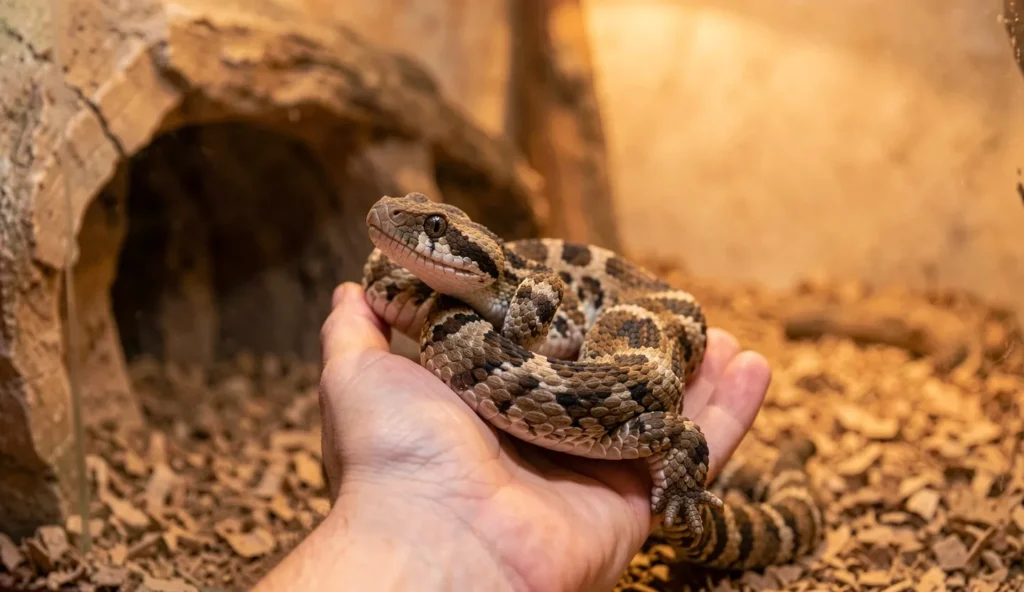
What Is a Western Hognose Snake
The Western Hognose Snake is a North American colubrid known for dramatic defensive behavior and a quirky, sometimes bluffing personality. This species comes from regions with sandy soils and seasonal weather swings, which shapes how a proper hognose snake enclosure should work. Many owners appreciate the Western Hognose Snake for its mix of burrowing habits and noticeable body language, as long as the setup supports safe feeding and stable temperatures.
Species Overview and Origin
The Western Hognose Snake is native to parts of the western United States, where it occupies grasslands, sandy areas, and open woodlands. In the wild, it often spends time under the surface, then emerges to hunt. That burrowing tendency directly affects how the hognose snake substrate and hides should be chosen.
As a colubrid, the species typically accepts captivity when husbandry matches natural conditions. Still, defensive displays remain common when the snake feels threatened. Owners should plan enclosure design around retreat behavior instead of expecting constant calm.
Mildly Venomous But Safe in Typical Pet Situations
The Western Hognose Snake has rear-fanged venom delivered through a mild saliva system, which means bites are usually uncommon during calm handling. When a bite happens, it should be treated seriously even if it rarely causes severe injury. Safe hygiene and handling techniques reduce risk during routine care.
For owners comparing species, it can help to understand how other colubrids behave during stress. For example, temperament management is also a focus for keeping a Corn Snake, since enclosure stability and feeding timing influence how defensive behavior shows up.
Why Defensive Displays Matter for Owners
Defensive behavior often includes flattening the head, striking as a bluff, and sometimes pretending to be too injured to continue. Many owners recognize the role of these displays as communication rather than a consistent desire to bite. Repeated handling in the wrong moment can increase stress and make defensive routines more frequent.
Consistency helps. When temperatures, feeding schedule, and handling timing stay predictable, the Western Hognose Snake typically settles more quickly. Over time, body language becomes easier to read, which supports safer interactions.
Appearance and Western Hognose Snake Morphs
The Western Hognose Snake shows strong visual variation across populations and selective lines. Physical traits help confirm health at a glance, while hognose snake morphs mainly change pattern and coloration rather than core care needs. Owners benefit from learning what healthy skin and patterning look like before troubleshooting problems.
Typical Body Shape and Scales
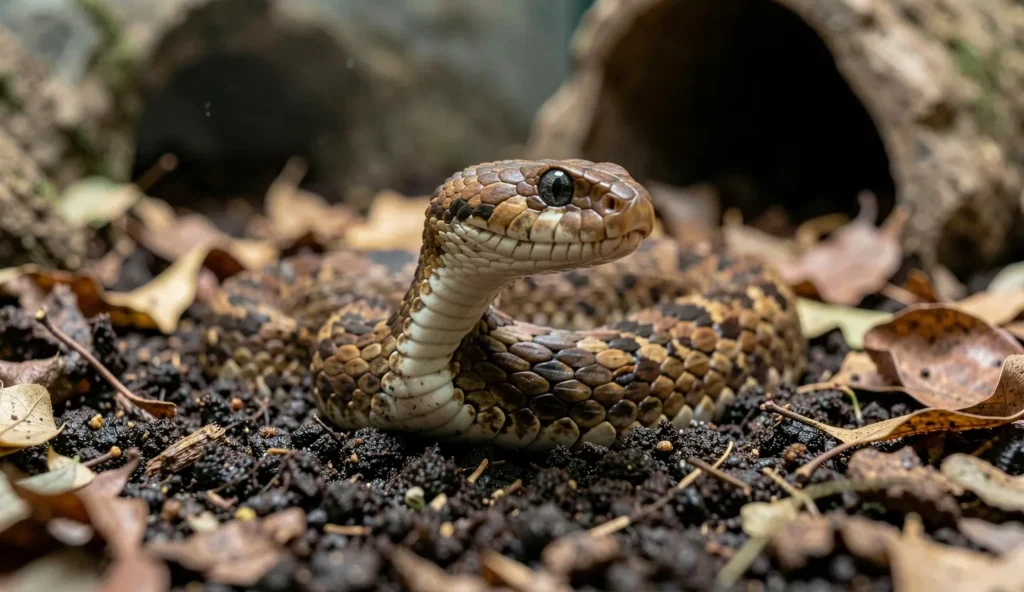
A broad, upturned snout is one of the most recognizable features of the Western Hognose Snake. The body tends to look stout compared with more slender colubrids, and the scales can feel slightly textured due to keel structure. This build supports digging and burrowing behaviors in a captive environment.
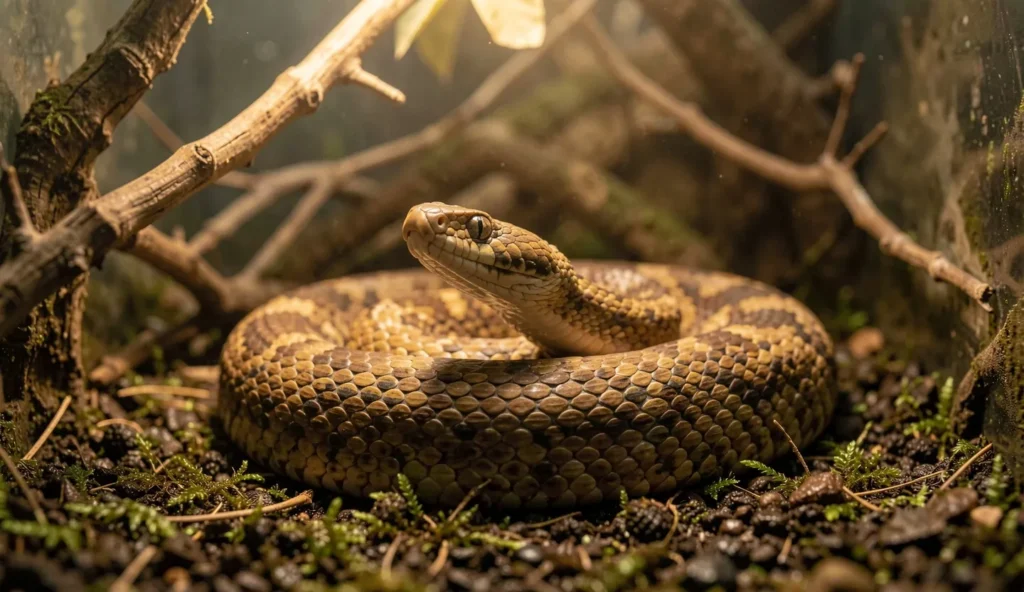
Color patterns vary by locality and line, but many animals show a clear dorsal pattern with lighter areas along the sides. Even so, healthy animals should still show consistent coloration rather than patchy dulling across days or weeks.
Common Morph Traits and What They Change
Morphs mainly affect coloration, pattern intensity, and sometimes how sharply lines stand out. They do not reliably determine hognose snake temperament on their own, so behavior must be evaluated from the individual. Owners should also treat feeding and enclosure needs as the primary drivers of long-term health.
Some lineages can show subtle pattern differences, but the same husbandry rules apply across morphs. A good approach is to keep the enclosure stable, then observe how the snake responds to normal routines like feeding and shedding.
How To Tell Healthy Color and Pattern in Real Life
Healthy skin typically looks uniform, with pattern contrast that does not suddenly fade or develop localized dull spots. Retained shed near the head or changes around the eyes can signal humidity or shedding timing problems within the enclosure. A baseline photo after acclimation supports quick comparisons during later checkups.
When eyes look cloudy or skin looks tight and uneven, corrective action often needs to focus on hognose snake enclosure conditions. In many cases, mild adjustments to temperature stability and shedding support resolve the visual signs.
Western Hognose Snake Enclosure Essentials
A well-built hognose snake enclosure supports digestion, shedding, and calm behavior. Because this species burrows, the enclosure should include depth-friendly substrate and multiple retreat options. Also, stable heat gradients matter more than occasional temperature swings.
Owners who want a quick reference can compare husbandry style to other popular species, such as how a Ball Python keeper manages heat and hiding. While the details differ, both animals rely on predictable thermal zones and clean routines.
Tank Size and Setup Goals
Juveniles can start in smaller secure enclosures that keep monitoring easier and heat gradients consistent. Still, the enclosure should provide enough space for thermoregulation and movement across warm and cool zones. A secure lid is essential, because hognose snakes can shift loose substrate and push at weak edges.
Set the enclosure up so the snake can retreat underground-style. When hides sit across temperature zones, the Western Hognose Snake can choose comfort rather than forcing a stressful decision.
Temperature and Heat Gradient
Create a warm basking side and a cooler side, then measure temperatures at substrate level using reliable probes. Heat sources should run through a thermostat to prevent spikes that can disrupt feeding and digestion. Stable temperatures reduce stress and help keep shedding cycles predictable.
If heat readings rely only on air temperature, the underside of the hide can differ enough to change how the snake behaves. That is why substrate-level checks remain the correct approach for a hognose snake enclosure.
Humidity and Shedding Support
Humidity should support shedding without creating constant wet bedding. Many owners aim for moderate humidity, then add a humid hide only during the shed cycle. This approach supports skin loosening without leaving the substrate damp.
A humid hide also reduces the chance of stubborn shed around the head and eyes. When combined with correct heat gradients, shedding becomes faster and cleaner for the Western Hognose Snake.
Substrate, Burrowing, and Hides
Choose a substrate that supports digging and safe burrowing, since this snake frequently uses the ground as its main refuge. Offer at least two hides, placing one in the warmer zone and another in the cooler zone. Regular spot cleaning removes waste and urates while preventing odor buildup and skin issues.
Decor should not create sharp edges or gaps where the snake can get stuck. When enrichment looks smooth and stable, it supports natural exploration without creating hazards.
Water Dish and Optional Enrichment
Provide a stable water dish large enough for drinking, and position it so it does not tip easily during burrowing. Refresh water frequently and keep the dish clean to reduce bacterial growth. The Western Hognose Snake often uses the dish between meals as part of normal hydration routines.
Optional decor can work well if it stays smooth and does not block airflow or heat. Simple items like sturdy hides and safe hides help the snake feel secure, which reduces repeated defensive displays.
Lighting and Day Night Routine
Use an appropriate photoperiod for day and night cycles, then keep lighting from overheating the enclosure. Many heating systems already provide enough warmth, so overhead lights should not drive temperatures above target levels. A steady routine supports feeding and digestion, especially after the snake acclimates.
Instead of relying on light changes, focus on heat stability and consistent hiding options. When both remain steady, the Western Hognose Snake often shows fewer stress-driven refusal behaviors.
Hognose Snake Diet and Feeding Schedule
The hognose snake diet usually centers on appropriately sized rodents, with some keepers offering amphibians when available and suitable. Feeding timing and prey handling affect whether meals get accepted. Also, a consistent hognose snake feeding schedule can reduce stress, since many refusal issues link back to temperature or disturbance rather than appetite alone.
For a different feeding style comparison, owners often look at how other constrictors schedule meals, including how Boa Constrictor keepers manage feeding transitions. The methods differ, but the principle of stable conditions before offering prey stays consistent.
What Western Hognose Snakes Eat
Primary diet typically includes rodents such as mice and small rats, sized to match the snake’s body and gape. Some owners also feed appropriately offered amphibians depending on availability and the snake’s acceptance. Any prey choice should prioritize safe handling and correct sizing to support digestion.
When prey items fit the snake’s typical width, the bite and swallowing process usually goes more smoothly. That matters because stress during feeding can increase defensive strikes.
Feeding Frequency by Age
Juveniles usually eat more often than adults, since growth requires more frequent nutrition. Adults often need fewer feedings, with schedule changes made based on body condition and appetite trends. If the snake just shed, it may also appear less active, and skipping that feeding can prevent refusals.
Track meals and weight or body condition over time. When a decline happens, review temperature accuracy, shedding timing, and stress level before changing diet.
Prey Size and Safe Feeding Methods
Pick prey that is about the snake’s widest body width, which helps it swallow with less struggle. Feed with tongs to keep distance and reduce accidental handling during strikes. Whenever possible, avoid handling right before feeding so the Western Hognose Snake stays calm and focused.
Feeding in the warm side enclosure during normal activity often works better than feeding at random times. This also aligns with digestion timing, since temperature influences metabolism and gut movement.
Common Feeding Issues and Fixes
Refusal often connects to temperature, stress, or prey scent issues. If the snake does not respond, check warm and cool zone readings, then confirm that the warm side hide reaches usable temperatures. After that, consider feeding placement, since many snakes respond best when prey appears at the entry point of normal routes.
Enclosure stability helps. When the hognose snake enclosure temps stay consistent and feeding moments avoid disturbance, acceptance usually improves. Changes to prey type should only happen after environmental checks.
Supplements and Hydration Considerations
Calcium and vitamin supplements can help support long-term health, but they should be used only according to veterinary or herpetology guidance. Overdosing creates risks, so track supplement schedules and avoid guessing amounts. A clean water dish supports hydration between meals and supports overall body function.
Hydration and proper shedding also connect, since dry skin can increase stress during a shedding cycle. When humidity assistance includes a humid hide during shedding, the Western Hognose Snake often avoids stuck shed after refused meals.
Hognose Snake Temperament and Handling Safety
The hognose snake temperament often looks calm until disturbance triggers a defensive routine. Many individuals rest quietly, then bluff with head flattening or striking motions when approached too abruptly. Some also play dead, which can look dramatic but still follows a pattern tied to stress levels.
Safe handling focuses on reducing fear and avoiding high-risk moments. When hygiene and timing stay consistent, handling becomes more manageable even for a snake known for dramatic defensive displays.
What Temperament Looks Like at Home
At home, many Western Hognose Snakes tolerate observation and routine care with minimal behavior changes. When disturbed, the head may flatten and the snake may strike as a bluff. In some cases, the snake stays still and appears injured, which helps deter threats.
Each snake has a unique response pattern, and that individual rhythm affects how owners should time handling sessions. Reading body language matters more than relying on general reputation.
When Not To Handle
Handling should be avoided right after feeding to reduce regurgitation risk. Handling during shedding can also be unwise because cloudy vision and skin changes increase stress. If the snake shows repeated striking or panic behavior, stopping the interaction prevents escalation.
Temperature also matters. If the enclosure has not stabilized thermally, digestion remains less reliable, which increases handling stress even when the snake seems calm.
Safe Handling Steps for New Owners
Support the snake fully and avoid gripping the neck, since that can trigger defensive reactions. Use slow movements and steady contact, then keep the session short to observe the response. Washing hands before and after handling reduces hygiene issues, especially when feeding and enclosure cleaning happen frequently.
Owners often get better results when they approach calmly and allow the snake to see contact cues. A side approach tends to reduce sudden surprise, since sudden movement can trigger bluff behavior.
How to Handle Western Hognose Snakes Without Escalating Stress
Consistency improves outcomes. A daily routine for feeding and enclosure temps helps the snake predict events, which often reduces defensive escalation. Start with brief sessions and increase time only if the snake remains still and relaxed.
Whenever repeated defensive displays appear, adjust timing rather than forcing contact. That means waiting until after shedding, confirming correct enclosure temperatures, and offering prey on schedule before trying handling again.
Mildly Venomous Care and What To Do After a Bite
Even though bites are usually manageable, they still require responsible action. Clean the area with soap and water immediately, then watch for worsening pain or swelling. Prompt medical advice should be sought if symptoms progress.
Prevention stays the priority. Safe handling timing, tongs for feeding, and reduced disturbance around feeding times help lower the chance of a Western Hognose Snake bite.
Hognose Snake Health and Care Maintenance
Monitoring hognose snake health helps catch issues early, before they affect feeding or shedding. Many problems link back to husbandry gaps such as incorrect temperatures or overly wet substrate. When daily observation stays routine, the Western Hognose Snake often maintains a stable appetite and cleaner sheds.
Owners also benefit from learning patterns seen in other reptiles, since husbandry errors can look similar. For instance, common respiratory concerns show up across many species, including how Green Tree Python keepers watch humidity and air flow.
Signs of a Problem to Watch For
Watch appetite changes, sudden activity drop, and reduced interest in normal routines. Breathing that looks strained or open-mouth can signal a respiratory issue, and it should trigger a husbandry review. Skin issues often show through stuck shed, cloudy eyes, or discoloration that develops after handling or enclosure changes.
When any sign persists beyond a short adjustment window, a reptile veterinarian evaluation becomes the safest next step. Early checks prevent minor issues from becoming long-term problems.
Respiratory and Skin Issues From Husbandry Gaps
Low temperatures can slow digestion and weaken immune response, which increases the chance of illness. Excess humidity and wet substrate can contribute to skin problems, especially when hides stay damp for long periods. Proper temperature gradients and moderate humidity help prevent many stress-related issues.
To maintain stability, verify thermostat settings and recheck probe placement. Accurate measurement often resolves more problems than changing equipment randomly.
Shedding Problems and How To Help
Stuck shed often happens when humidity stays too low during the shed cycle. Offer a humid hide during shedding and avoid forcing shed off with tools, which can damage skin. Instead, increase humidity gradually while keeping the overall enclosure dry enough to prevent damp bedding issues.
Regular shedding support usually improves the quality of the next cycle. When the Western Hognose Snake sheds in full pieces, it typically signals the hognose snake enclosure already matches the animal’s needs.
Parasites and Vet Checks
Parasites may not show visible symptoms early, which makes fecal testing valuable when recommended by a reptile veterinarian. Quarantine new snakes if introducing them to an existing setup. Treatments should always follow veterinary diagnosis rather than guessing based on appearance alone.
Even when behavior looks normal, internal issues can affect digestion and appetite. That is why routine checks keep the collection stable.
Starter Checklist for Ongoing Care
A simple maintenance checklist helps prevent accidental husbandry drift. Use it when setting up the enclosure, and repeat checks when seasons change because room temperature and humidity can shift.
- Thermostat-controlled heat sources with verified substrate-level readings
- Two hides across temperature zones
- Humidity support hide during shedding
- Digging-friendly substrate for burrowing
- Prey sized correctly and consistent hognose snake feeding schedule
- Separate feeding and handling timing when stress is likely
With these basics in place, hognose snake health problems become easier to spot and correct.
Is a Western Hognose Snake Right for You
The Western Hognose Snake can fit owners who want a quirky personality and can handle a defensive display calmly. It performs best when the enclosure remains stable and feeding routines stay predictable. For many snake owners, this mix of natural burrowing and obvious body language becomes a rewarding learning experience.
Good Fit for Owners Who Want a Quirky Defensive Pet
It often suits keepers who can respond calmly during bluffing and head flattening. A Western Hognose Snake typically does well when enclosure conditions stay monitored regularly and when handling timing respects feeding and shedding cycles. Learning the hognose snake temperament helps owners avoid escalation and reduce stress for both sides.
Morphs can add variety in appearance, but the core care requirements remain consistent across hognose snake morphs. Owners still need to focus on temperature stability, substrate, and feeding schedule rather than relying on color differences.
Potential Challenges to Consider
Refusal can appear when temperatures or stress levels drift from the target routine. During a new home period, defensive behavior may increase as the snake adjusts to movement, scent, and enclosure structure. Since the species has mild venom and rear-fanged delivery, safe handling practices should never be treated casually.
Also, feeding success can take patience, particularly when adjusting from one prey type to another. With correct hognose snake enclosure conditions and careful timing, most problems become manageable.
A Steady Routine Supports Safer Handling
Stable heat, moderate humidity support, and correct hognose snake diet choices help the Western Hognose Snake stay predictable. When care stays consistent, defensive behavior often becomes easier to manage, and routine interactions can feel more relaxed.
Frequently Asked Questions
How Often Should A Western Hognose Snake Be Fed?
Juveniles usually need more frequent meals than adults, and feeding should adjust based on body condition and appetite.
What Temperatures Are Best For A Western Hognose Snake Enclosure?
Provide a warm side and a cooler side, then use thermostats and measure at substrate level.
Why Does A Western Hognose Snake Refuse Food?
Refusal commonly links to stress or incorrect temperatures, so enclosure conditions should be verified before changing prey choices.
Is A Western Hognose Snake Safe To Handle?
It is mildly venomous but often manageable with proper handling, and handling should be avoided during shedding or right after feeding.
Final Note
With correct enclosure setup and calm timing, the Western Hognose Snake can thrive and display its most interesting behaviors safely.