What Is a Rosy Boa
The Rosy Boa is a small, non-venomous constrictor kept as a pet, known for a calm temperament and manageable adult rosy boa size. It comes from arid and semi-arid regions in the southwestern United States. Many owners choose it because it fits well in a smaller enclosure.
Because the species settles with routine, beginners often find it easier than more active snakes. At the same time, correct setup still matters, especially for heat and a consistent rosy boa diet. When care matches the snake’s needs, daily management becomes straightforward.
Origin and Basic Species Traits
Rosy boas come from parts of the southwestern United States, with populations adapted to drier habitats. They typically show a gentle attitude toward handling once they feel secure. In captivity, they are usually kept in enclosures rather than outdoors or communal setups.
Although each animal has its own personality, the species often stays calmer than many larger boas. Proper handling and correct environmental conditions help a rosy boa maintain a relaxed posture.
Typical Rosy Boa Size and Growth Expectations
Most adult rosy boas reach about 2 to 3 feet long. Growth slows after the early juvenile stage, so size changes become less dramatic over time. Diet quality, prey sizing, and rosy boa heating influence whether growth stays steady.
A new owner should expect gradual change rather than fast size spikes. Tracking weight and behavior supports better decisions about feeding frequency and enclosure adjustments.
Appearance and Color Variations You May See
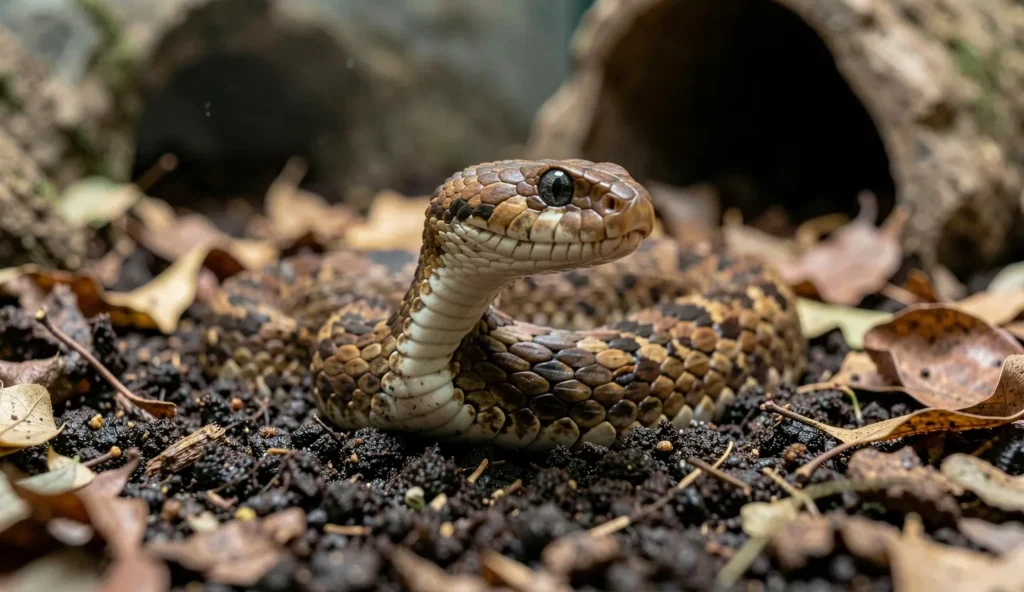
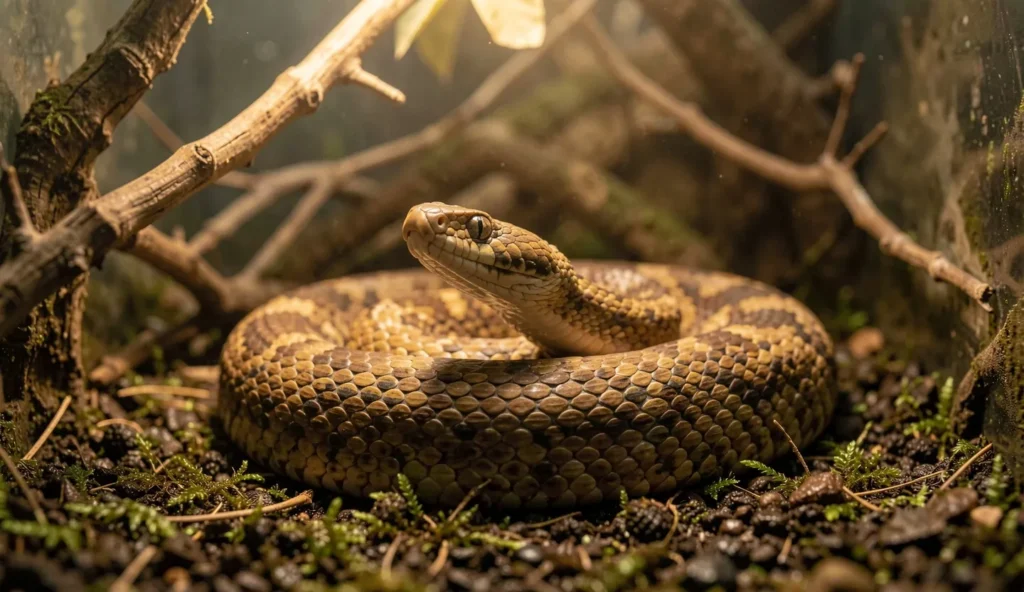
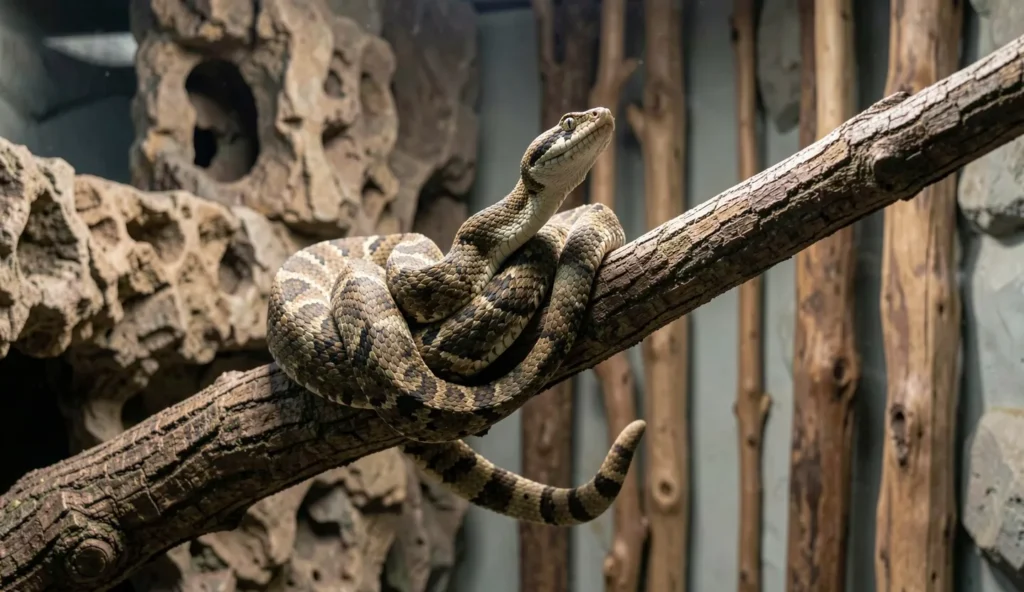
Rosy boas display a mix of brown, pinkish, and tan tones with patterned markings that can look bold or subtle. This variety often reflects natural differences between regions and breeding lines. For many buyers, the visual variation makes choosing a pet more interesting.
At the same time, appearance can also hint at general care. A healthy Rosy Boa typically has a full body and smooth skin texture without obvious damage.
Coat Pattern and Common Looks
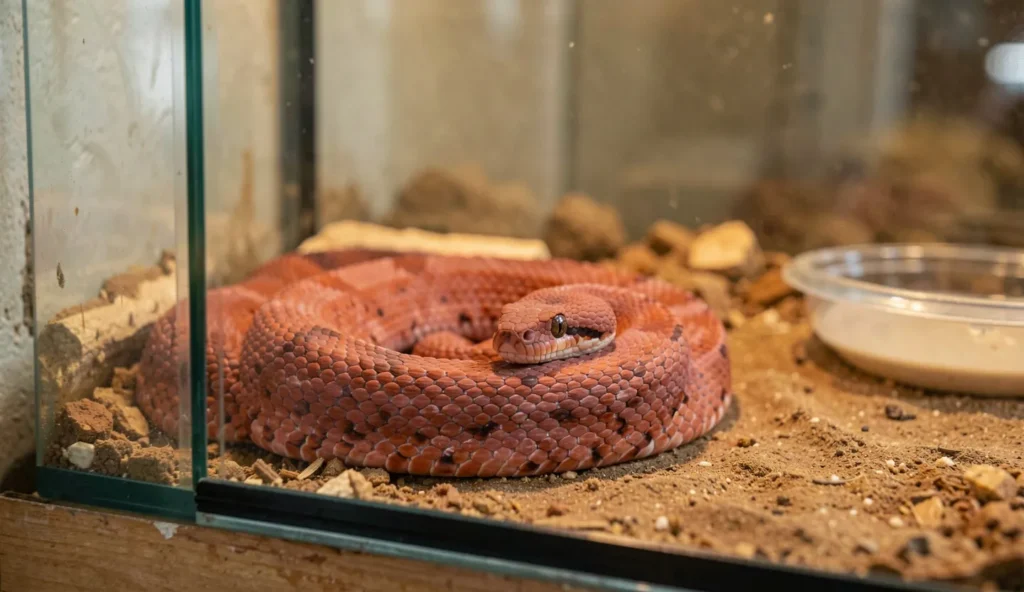
Common looks include brown to pinkish tones with patterned markings along the back and sides. Pattern intensity varies by individual, so two snakes may look very different even if they are healthy. Some bloodlines and regional forms also show distinct coloration.
When shopping, photos can look brighter or darker than the real animal. Direct observation and basic husbandry history help set realistic expectations about color.
How to Read Body Condition
Healthy bodies usually look filled but not overly bulky. The tail should not become extremely thin, and the mid-body should not look hollow or collapsed. Body condition scoring using weight records helps track changes better than appearance alone.
If weight declines steadily, feeding size or environmental stress may be factors. When weight increases too fast, prey size and feeding frequency may need adjustment.
Rosy Boa Habitat Setup for Limited Space
A practical rosy boa enclosure supports a warm zone, a cooler zone, and secure hides that reduce stress. Because this species is smaller than many boas, it often works well in apartments. Even with limited space, the key goal stays the same, stable heat and reliable hiding options.
Before buying furniture for the enclosure, the plan should focus on heating, substrate, and ventilation. Those elements shape both digestion and shedding comfort, which directly affects long-term health.
Choosing the Right Enclosure Size
For juveniles, starting with a smaller enclosure usually helps the snake find warmth quickly. Enclosures should include enough space for two hides and a warm and cool area. Very large spaces can make it harder for a snake to thermoregulate.
Instead of maximizing room, keep the setup functional and easy to maintain. A simple layout also helps the owner monitor rosy boa heating and feeding responses.
Substrate Options and What to Avoid
Safe loose substrate or paper-based options usually work well for beginners. Substrate should stay clean and dry to support comfortable shedding. Dusty materials can irritate lungs, so they should not be used.
When using any loose bedding, spot cleaning matters because waste buildup can affect air quality. A dry environment also helps lower the chance of skin issues.
Temperature Gradient That Supports Digestion
Rosy boa habitat setup should include a warm basking area for digestion and a cooler side for resting. The warm side supports metabolism, while the cooler zone lets the snake settle without overheating. Heat sources should run through a thermostat for safety and stability.
Stability matters more than chasing exact numbers, especially for beginners. Use a thermometer on both the warm and cool sides so readings match the snake’s actual environment.
Humidity and Hydration Basics
Humidity needs are generally modest for this species, but clean water remains essential. A water bowl sized for soaking allows the snake to hydrate as needed. During shedding, humidity may need a small increase to support skin separation.
Over-humid setups can create damp substrate problems. That is why hydration should come from a water bowl and careful adjustments during shed rather than constant high moisture.
Hides, Climbing, and Enrichment
Two hides should be provided, one on the warm side and one on the cool side. Hides need to fit snugly so the snake feels secure without being pinched. Secure placement keeps the enclosure calm during daily routine.
Simple décor like sturdy branches can add interest, but it should not interfere with hides or heat flow. Keeping décor stable also reduces the chance of the snake shifting items during feeding.
For owners comparing smaller boas or similar enclosure goals, reviewing Corn Snake can help clarify how size, hides, and temperature gradients work in everyday care. Even though the species differs, the setup logic often stays familiar for new keepers.
Rosy Boa Diet and Feeding Schedule for Beginners
Rosy boa diet planning focuses on feeding appropriately sized rodents at the right intervals. Prey should match the snake’s body width to reduce feeding stress and lower the risk of regurgitation. In most homes, frozen thawed rodents provide the most consistent option.
With a steady routine, feeding becomes predictable for both the snake and the owner. That consistency also helps owners notice changes in appetite early, which matters for health decisions.
What Rosy Boas Eat in Captivity
Most diets consist of appropriately sized frozen thawed rodents. Prey size should relate to the snake’s girth, typically the widest part of the body. Using prey from a consistent source reduces problems linked to unfamiliar food.
When prey sizing is correct, digestion usually proceeds without major complications. When prey is too large, digestion can stall and regurgitation risk rises.
How to Choose Prey Size
Prey should be about the widest part of the snake’s body to support safe swallowing. Avoid prey that looks too bulky because it can trigger regurgitation. As the snake grows and sheds, prey sizing should adjust gradually.
Owners who measure both the snake and the prey often make fewer feeding mistakes. If the snake refuses food, prey size and temperature of thawing should both be reviewed.
Feeding Frequency by Age
Juveniles usually eat more often than adults because their bodies still grow. Adults usually need less frequent meals to maintain healthy body condition. A typical adjustment is feeding less frequently as the snake reaches stable size and weight.
Feeding should pause when shedding is underway or when the snake shows clear disinterest. Feeding during shed can sometimes lead to stress or poor digestion.
Thawing and Feeding Safety Steps
Thaw prey fully before feeding and warm it slightly if needed. Feeding should happen calmly, with minimal disturbance around the enclosure. Uneaten prey should be removed promptly to reduce stress and prevent unwanted odors.
After feeding, avoid handling right away. Many owners find that a quiet period after meals supports smoother digestion.
When comparing feeding schedules to other beginner-friendly snakes, looking at Ball Python can clarify why age and body weight often guide meal frequency. The basic idea, prey size plus consistent husbandry, applies across many common pet species.
Handling, Temperament, and Safe Daily Care
Rosy boas often receive a reputation for being gentle and manageable, especially compared with larger or more defensive snakes. However, early settling can still include defensive behavior in some individuals. A consistent routine supports calm responses over time.
Daily care should stay simple and observational. Monitoring heat readings, water cleanliness, and body condition helps prevent small issues from becoming bigger problems.
What to Expect From a Gentle Rosy Boa
Many keepers find the Rosy Boa easier to manage because of its smaller size and generally calm temperament. Some snakes may act defensive during the first days in a new home. That behavior often fades when the enclosure stays stable and handling becomes predictable.
If the snake consistently strikes or refuses food, environmental stress could be present. Heat stability and proper hides usually solve most early settling problems.
Beginner Friendly Handling Tips
Support the full body during handling to prevent stress or accidental falls. Handling should occur after digestion and when the snake looks alert and calm. Sessions should start short and slowly increase as comfort improves.
Hands-on time works best when it matches the snake’s mood. Avoid grabbing from above quickly, since sudden movement can trigger defensive behavior.
Daily and Weekly Care Checklist
- Check water level and replace if dirty
- Monitor heat and temperature readings daily
- Confirm warm and cool hides remain usable
- Verify substrate stays dry, especially on the warm side
- Observe eating, shedding progress, and body shape
- Spot clean waste areas to maintain air quality
Small checks support stability for the Rosy Boa habitat and reduce chances of respiratory stress. When the checklist becomes routine, care mistakes happen less often.
For owners building broader reptile habits, reading about Boa Constrictor can help set realistic expectations when moving between species. While a rosy boa stays smaller, heat and safe handling principles remain closely related.
Common Health Issues and How to Prevent Them
Health problems in Rosy Boa care usually connect to husbandry, especially temperature, humidity, and cleanliness. Beginners often focus on feeding first, but stable conditions affect every body system. When the environment stays consistent, many issues become much less likely.
Any time abnormal breathing, repeated regurgitation, or rapid weight loss appears, a reptile veterinarian should be involved. Early action typically improves outcomes for small snakes.
Respiratory Problems Related to Environment
Respiratory issues can develop when ventilation is poor or the substrate stays damp. Stable temperatures and modest humidity reduce stress on the respiratory system. Owners should watch for wheezing, gaping, or repeated mouth breathing.
Before assuming illness, check whether heat is stable and whether the enclosure stays too wet. Fixing conditions can stop early problems from worsening.
Shedding Problems and Skin Health
Retained shed often happens when humidity remains too low during the shedding process. A more humid option during shed can improve skin release, especially around the head. Do not force stuck shed off, because skin can tear easily.
Instead, increase humidity slightly using a controlled method and ensure water stays available. After shedding finishes, the skin should appear intact without dry patches.
Regurgitation and Feeding Mistakes
Regurgitation can follow oversized prey or handling too soon after feeding. Another trigger is incorrect enclosure temperatures that do not support proper digestion. Keeping the snake undisturbed after a meal often reduces these events.
If regurgitation happens repeatedly, prey size and rosy boa heating should both be reviewed quickly. Veterinary guidance may be needed if the snake loses weight or shows weakness.
Parasites and When to Seek Veterinary Help
Parasites can cause weight loss, unusual stool, and general decline. New snakes should receive an exam from a reptile veterinarian, especially if feeding behavior changes. Parasite treatment should happen only as prescribed, since incorrect products can harm the animal.
Monitoring weight trends and stool appearance helps owners catch problems early. When symptoms last more than a short period, professional help should guide next steps.
Is a Rosy Boa Right for You
The Rosy Boa can fit well for new snake owners wanting a smaller boa that still offers classic constrictor care. It generally works in limited space because the rosy boa enclosure does not need to be huge to maintain stability. Still, correct temperature control remains non-negotiable for healthy digestion and comfortable shedding.
Before committing, match lifestyle with daily husbandry tasks. Owners who can keep heating consistent and observe shedding and body condition are better positioned to succeed.
Best Matches for New Owners
Rosy boas often suit beginners because they tend to stay calm with proper handling and routine. Their smaller rosy boa size supports easier enclosure management and easier handling for most adults. The species also fits owners who can maintain stable temperatures throughout the day.
For those who want a similar comparison within the same general category of pet snakes, Reticulated Python illustrates how enclosure needs and growth expectations can change drastically. The contrast reinforces why rosy boas are commonly recommended for limited space.
Long Term Commitment and Rosy Boa Lifespan
With good care, many pet rosy boas can live for years. The rosy boa lifespan depends on consistent feeding, stable heating, and clean habitat maintenance. When husbandry stays steady, the snake experiences fewer stress events across the year.
Long-term planning includes budgeting for thermometers, thermostats, and potential veterinary care. The enclosure also needs ongoing substrate management and hide cleaning.
Final Note on Keeping a Rosy Boa Healthy
Stable heating, correct prey sizing, and a clean, appropriately dry setup support better health outcomes for a Rosy Boa. Small adjustments based on shedding and weight trends help reduce problems before they escalate.
Frequently Asked Questions
How big do rosy boas get?
Most adults reach about 2 to 3 feet, and rosy boa size depends on diet and enclosure temperatures.
What temperature should a rosy boa enclosure have?
Use a warm basking area and a cooler side, and run heat sources through a thermostat for safety.
What do rosy boas eat in captivity?
Frozen thawed rodents are most common, and prey size should match the snake’s widest body part.
How often should a rosy boa be fed?
Juveniles usually eat more often than adults, and feeding frequency can change based on weight and behavior.
How long is a rosy boa lifespan?
With good care, they can live for many years, and stable husbandry supports long term health.