What Is a California Kingsnake?
The California kingsnake is a nonvenomous snake from western North America that many people choose for its hardiness. In most homes, California kingsnake care stays manageable because the species tolerates standard captive conditions. It still needs correct temperatures, secure housing, and consistent feeding to stay healthy.
Beyond basic care, the best expectations start with natural behavior. Some individuals look calm during routine observation, yet they can move quickly when startled. That mixed personality pattern is a key reason owners should research California kingsnake temperament before buying.
Species Origin and Basic Facts
California kingsnakes are native to parts of California and nearby regions in the west. They belong to the kingsnake group, which includes several closely related species. Because they do not have venom, handling is typically about reducing stress and preventing escapes.
In captivity, California kingsnakes are widely kept because they tend to adapt well. Many owners report that the species can maintain regular feeding patterns when housed correctly. For many buyers, this hardiness becomes a major selling point for beginner-friendly care.
Typical Size and Lifespan in Captivity
Growth depends on age, prey size, and feeding frequency, so body length can vary between individuals. Most captive snakes increase in size steadily during the first years, then slow as adulthood approaches. Space needs also increase because adult snakes explore more and benefit from longer movement areas.
With proper husbandry, captive lifespan often spans many years. Temperatures, shedding support, and clean water all influence long-term health. When these basics are handled consistently, owners usually avoid common preventable problems.
What Makes This Snake Stand Out
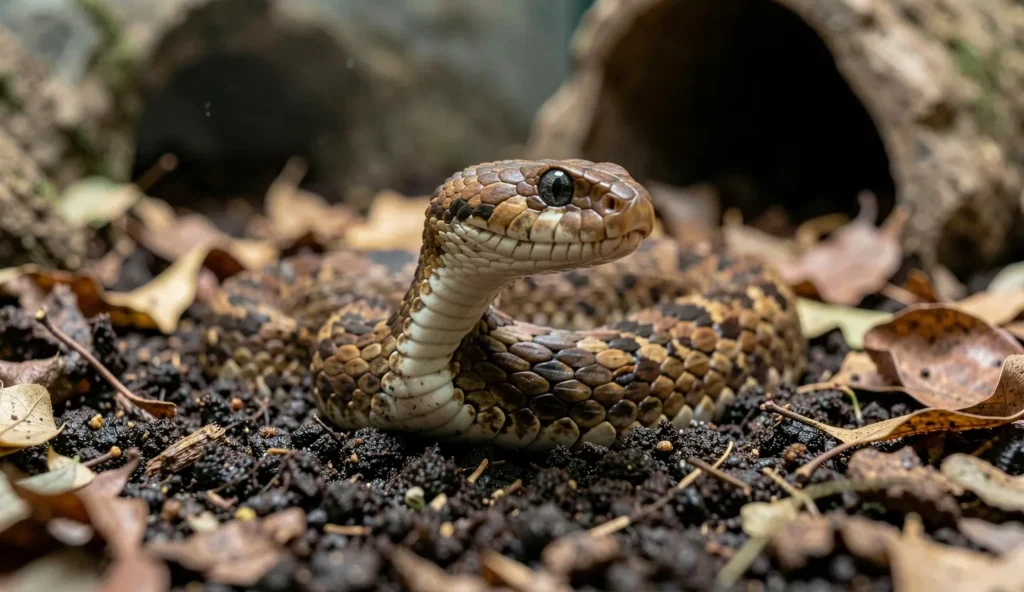
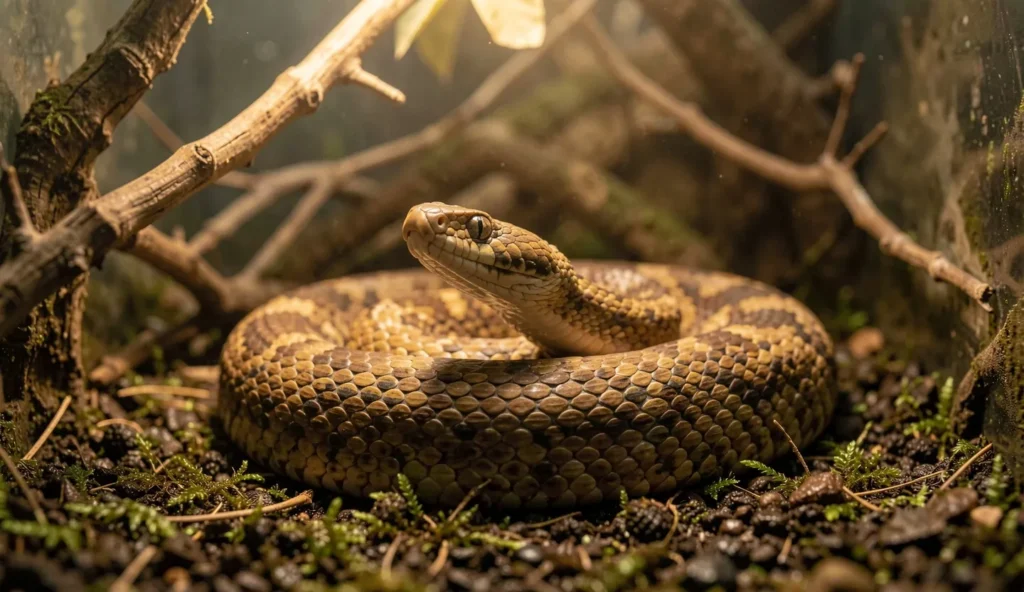
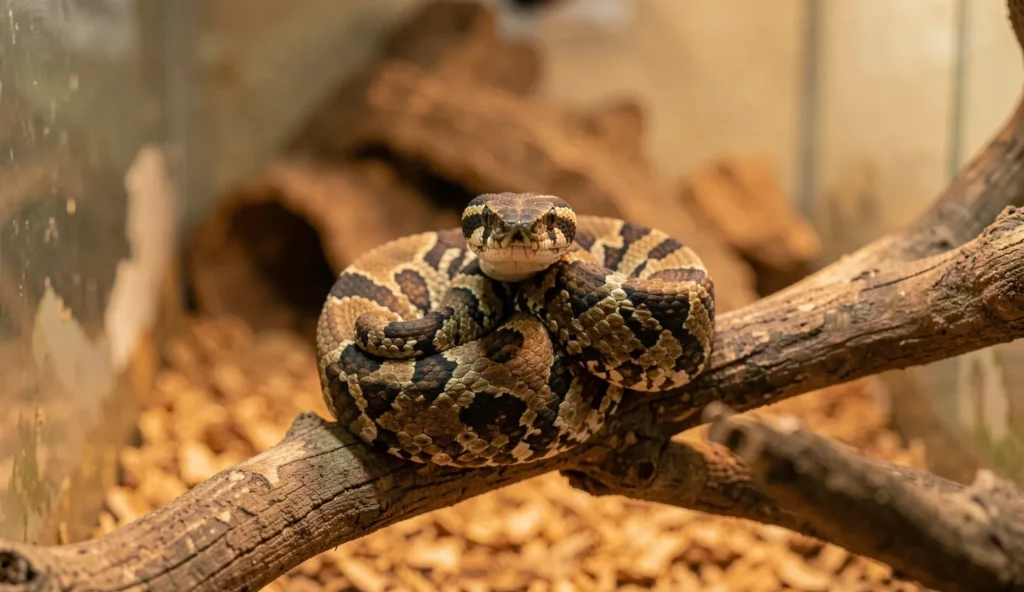
Pattern and color can vary across animals and local populations, so no two California kingsnakes look exactly alike. Many show bands, blotches, or a mix of contrasting areas along the body. Juveniles may appear sharper or different compared with adults as they mature.
Care requirements often feel simpler than those of some more delicate species. However, the behavior side can surprise new keepers because the snake may remain calm at times and then act flighty at others. That blend of easy maintenance and unpredictable movement affects everyday interactions.
Appearance and Physical Traits Owners Should Know
California kingsnake care works best when physical cues are understood early. Appearance helps owners verify they have the right animal type and also check body condition over time. It also helps with shedding monitoring because skin quality matters for overall health.
Physical features also connect to how the snake moves. A robust build supports exploring and burrowing, while quick body motion can make the animal feel difficult to hold. Observing posture and tail position can reveal stress before the snake tries to escape.
Color and Pattern Variations
Many California kingsnakes show darker bands or blotches along the back and sides. Pattern intensity can differ between individuals, even when they come from similar regions. Juveniles often show strong contrasts that can soften as they age.
These visual differences also create variety in how owners perceive the snake. Some people interpret intense patterning as extra “aggression,” but it usually reflects normal variation. More reliable signals come from behavior, feeding response, and shed quality.
Build and Movement
The species typically has a sturdy body suited for active movement. When the snake feels secure, it may explore rather than freeze. When stressed, quick movements often increase the chance of darting toward the enclosure edge.
Tail and body posture matter during handling. If the head retreats while the tail tightens, the snake often wants distance. Since California kingsnake temperament can include flightiness, owners should plan for fast reactions during the early acclimation period.
Shedding Signals and Skin Condition
Pre shed changes may include dulling of the skin and cloudy-looking eyes. Humidity and hydration help the skin lift cleanly during shedding. When the habitat supports shedding, the skin usually comes off in one piece or several large sections.
Retained shed at skin tips often signals that humidity levels are too low or that the enclosure dries out too quickly. Conversely, excessive moisture can cause other habitat issues, so adjustments should be gradual. Tracking shed timing can also help refine California kingsnake feeding and handling schedules.
California Kingsnake Temperament and Handling Reality
California kingsnake temperament often becomes the main reason people either enjoy the species or decide it does not fit their household. The snake may learn routine handling over time, yet some individuals remain naturally cautious. Therefore, owners should plan for short, calm sessions instead of expecting frequent cuddling.
Also, stress can affect feeding, especially during shedding. When handling is frequent during sensitive periods, owners often see refusal to eat until the snake fully settles. For beginners, a predictable approach to handling and routines reduces problems.
Are California Kingsnakes Calm?
Some California kingsnakes become tolerant of gentle routine contact. Others remain nervous and move away quickly when approached. Flightiness can appear even when the enclosure conditions stay perfect.
That means “calm” can vary by context. A snake might sit still in its hide during the day, yet become active and alert when removed from the enclosure. Owners should treat handling as an optional management task rather than a daily cuddle time.
Common Stress Behaviors to Watch For
Rapid retreat into hides often begins once the enclosure is opened. Tight coiling, head retreat, or repeated fast movements can also show that the snake feels insecure. Defensive postures can happen if handling starts too quickly or if support feels unstable.
After stress, some snakes pause feeding. A short feeding delay after transport or a new setup is common, but long refusal needs habitat and stress review. Temperature checks and safe feeding techniques usually solve many issues.
Safe Handling Tips That Reduce Stress
Full body support reduces slip risk and helps the snake feel stable. Handling sessions should start short, especially with nervous individuals. Avoid handling right after feeding because digestion increases the chance of stress and regurgitation.
Slow movements also help. Minimizing vibrations near the enclosure can reduce startle responses. If a snake repeatedly darts during handling, the safest move is to give it more quiet time before trying again.
Pros of Ownership for Temperament
One advantage of California kingsnake care is that the species often stays hardy even when routine handling varies. Over time, some snakes learn predictable patterns and become easier to manage. Gentle handling can create steadier behavior for owners who use consistent habits.
Compared with more delicate captive species, this kingsnake often tolerates standard husbandry without constant intervention. That stability helps owners focus on feeding and habitat accuracy. When that foundation holds, temperament issues usually decrease.
Cons of Ownership for Temperament
A downside is the potential for flighty behavior, especially during early acclimation. Nervous snakes can startle and attempt to move away quickly. If someone wants a snake that consistently stays relaxed in hand, California kingsnakes may not meet that expectation.
Also, frequent handling can keep the animal in a stressed cycle. That can lead to repeated hiding, feeding delays, and more defensive responses. For owners who prefer low-interaction pets, the pros often outweigh the cons.
For perspective on how temperament differs across common captive snakes, many keepers also compare choices like the Ball Python when deciding on a first species. That comparison can clarify how individual personality and handling tolerance vary across groups.
Housing Essentials for California Kingsnake Care
Housing determines whether California kingsnake feeding goes smoothly and whether shedding happens without problems. A secure enclosure with correct temperature gradients supports digestion, activity, and overall immune function. It also prevents escapes, which is critical because the species can move quickly when startled.
To succeed, owners should set up the enclosure with daily checks in mind. Stable temperatures and reliable thermometers reduce uncertainty and help owners respond early to issues. When setup stays consistent, California kingsnake care becomes straightforward.
Enclosure Size and Layout
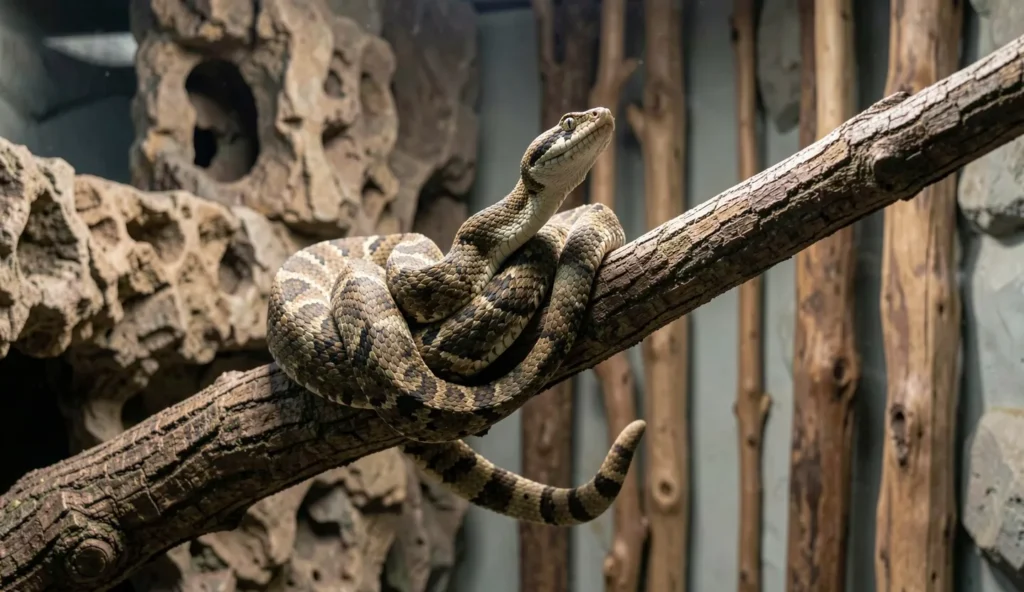
An escape secure enclosure is the first requirement for long-term safety. Choose a lid that locks or sits firmly, and confirm that seams and ventilation holes cannot be pushed open. Add at least two hides so the snake can choose warm and cool comfort zones.
Layout should support movement without creating stress points. A warm side and a cooler side gradient let the snake regulate body temperature throughout the day. Since flightiness may occur, owners should place hides so the snake can retreat quickly.
Heat, Thermostat, and Temperature Targets
Heat sources must run through a thermostat for safety and consistency. Temperature targets vary by setup, but the goal remains a clearly warmer basking zone and a cooler retreat zone. Using multiple thermometers helps owners confirm the gradient stays accurate across the enclosure.
When temperatures run too low, digestion slows and feeding may become inconsistent. When temperatures run too high, the snake may stress, seek constant shade, or show lethargy. Correct heating often resolves many health concerns before they start.
Lighting and Day Night Cycle
Most owners rely on a consistent day night cycle using simple light scheduling. UV lighting is not automatically required for all kingsnake setups. If UV is used, it should match the specific needs of the animal and the enclosure design.
Consistency matters more than intensity. A stable routine supports normal activity rhythms and makes behavior easier to predict. When routine is predictable, owners can handle feeding and shed monitoring with less guesswork.
Substrate, Water, and Humidity
Substrate choices should support easy cleaning and safe humidity levels. Many owners prefer options that keep the enclosure dry enough for daily health while still supporting a clean shed. The water dish needs to provide constant access to fresh water.
Humidity supports the shedding process and can be adjusted by creating a slightly more humid hide. Owners should track shed times and skin condition to fine tune humidity. The goal stays “clean shed,” not constant dampness.
Enrichment and Escape Prevention
Enrichment can reduce stress by giving the snake places to explore and hide. Climbing or extra hiding structures can work well, but they must be stable and placed safely. Since flightiness can lead to sudden movement, items should not create dangerous falls.
Escape prevention requires attention to gaps around cords and enclosure seams. Maintenance access should happen carefully, and feeding should be planned with minimal handling. Feeding through the enclosure also reduces the chance that an open transfer leads to an escape.
Some keepers expand enclosure ideas by comparing methods for other nonvenomous species like the Corn Snake. That can help clarify how hides, heat gradients, and substrate choices work in similar setups.
California Kingsnake Feeding Pros and Cons
California kingsnake feeding becomes a key part of day-to-day care because diet directly affects growth, body condition, and health. When prey size and temperature support are correct, many individuals accept frozen thawed rodents. When those basics slip, refusal to eat can follow quickly.
Because temperament can include flightiness, feeding routines should reduce handling stress. Feeding in the enclosure and using appropriate tools help keep the snake calmer. This also supports safer feeding and easier monitoring of appetite trends.
What California Kingsnakes Eat
The typical diet consists of appropriately sized rodents offered as prey. Prey size should match the snake’s body width and growth stage to avoid stress. Frozen thawed prey is commonly used because it helps keep feeding safer and more consistent.
Some owners experiment with variety, but most stick to rodents because availability stays stable. Feeding should focus on consistency and correct portioning rather than frequent changes. That approach supports steady California kingsnake feeding habits.
Feeding Schedule and Portion Size
Juveniles usually need more frequent meals because they grow quickly. Adult feeding frequency often decreases as metabolism slows. Owners should adjust based on body condition rather than following a rigid calendar.
Body condition changes can show when portions are too large or too small. If the snake looks overly thick, feeding frequency may need reduction. If the snake stays thin or loses condition, meal size or scheduling may need adjustment.
Feeding Technique and Common Mistakes
Feeding in the enclosure reduces handling stress and keeps the snake in familiar surroundings. Feeding tongs prevent accidental bites and help keep fingers out of the strike zone. Overfeeding can cause excess weight, which then complicates shedding and movement.
Another common mistake involves feeding immediately after transport or during peak stress. After recent setup changes or handling events, the snake needs time to settle. That waiting period often improves acceptance and helps maintain a stable routine.
Feeding Pros for New Owners
One benefit of California kingsnake feeding is that many individuals accept properly thawed rodents. The diet can feel simpler than diets requiring specialized preparation or frequent sourcing. A consistent schedule also helps predict feeding response.
Because the species is often hardy, feeding problems usually relate to husbandry factors. Temperature gradients, shed stage, and prey sizing often explain most appetite changes. Once those factors correct, eating often resumes.
Feeding Cons to Plan For
Even hardy snakes can become reluctant during stress or shedding. Shedding can reduce appetite because the snake focuses on skin changes. Owners should avoid forcing feeding during these periods.
Prey sourcing can also be an obstacle depending on location and availability. Additionally, owners must fine tune prey size as the snake grows. Monitoring body condition helps avoid long-term weight issues.
If feeding comparisons help with expectations, many people also look at care patterns for other popular constrictor species like the Boa Constrictor. That helps highlight how different feeding schedules and husbandry demands can be across snake types.
Common Health Issues and Care Mistakes to Avoid
Health problems usually connect to husbandry gaps, not sudden bad luck. California kingsnake care should focus on temperature accuracy, clean water, and correct shedding support. When those basics are met, many common issues become less likely.
Also, flightiness can cause minor injuries if owners handle too roughly or allow the snake to slip. Stress can then lead to refusal to eat or delayed shedding. Preventing stress supports both health and routine feeding.
Respiratory Problems From Poor Temperatures
Incorrect temperature gradients can contribute to illness, including respiratory issues. Owners may notice wheezing, open mouth breathing, or unusual lethargy. Those signs should trigger immediate checks on heating and enclosure performance.
Temperature problems often appear gradually, so daily verification matters. A malfunctioning thermostat can also change temperatures quickly. If signs persist, veterinary guidance becomes necessary.
Shedding Problems and Humidity Balance
Cloudy eyes often signal that shedding will start soon. Low humidity can cause stuck shed, especially on skin tips. Owners should plan small humidity support changes rather than making large jumps overnight.
Excess humidity can also create habitat issues and increase the chance of unpleasant enclosure conditions. Balanced humidity supports a clean shed and helps prevent skin infection risks. Shed quality also offers feedback about whether California kingsnake care needs adjustment.
Parasites and Hygiene Practices
Regular cleaning helps reduce parasite risks and keeps the enclosure odor controlled. When multiple snakes share care space, quarantine becomes important for any new arrival. Fecal checks with veterinary guidance can identify parasites early.
Hygiene practices include spot cleaning and replacing substrate as needed. Water should be refreshed frequently and dish surfaces should be cleaned. These habits support long-term health and stable feeding routines.
Handling Related Issues
Frequent handling can increase stress for flighty individuals, especially during acclimation. Rough handling can cause injuries or lead to defensive reactions that disrupt feeding. Since California kingsnake temperament can include quick darting, support methods must stay gentle and controlled.
Handling should also avoid sensitive timing. Limit handling during shedding and shortly after feeding. This helps digestion, reduces stress spikes, and supports safer routine care.
Is a California Kingsnake Right for You?
A California kingsnake can fit owners who want a hardy, beginner-friendly snake and can commit to correct setup. The species usually handles standard captive conditions well when temperatures and humidity stay on target. Even so, early flightiness can reduce enjoyment for people seeking a very calm pet.
This snake suits households ready for routine heating checks and consistent feeding schedules. It also suits owners who can handle gently and short term at first. For buyers comparing options, exploring other temperate, nonvenomous species like the Garter Snake can clarify how care styles and activity patterns differ.
Some people also compare with more specialized species such as the Green Tree Python to understand how temperature, humidity, and temperament demands can change. Those comparisons help set realistic expectations for what a “simple care” snake actually requires.
Starter Checklist for a Safe Setup
A strong start reduces stress and supports California kingsnake feeding right away. A correct enclosure also protects the snake from escape risk and helps shedding stay clean. The checklist below focuses on practical items that support daily care without guesswork.
- Escape secure enclosure with locking or secure lid
- Thermostat controlled heat source with tested temperatures
- Two hides for warm and cool sides
- Water dish sized for drinking and basic soaking
- Substrate that supports easy cleaning and safe humidity
- Thermometer and hygrometer for daily checks
- Appropriately sized frozen thawed rodents available
- Feeding tongs for safe, hands free feeding
- Quiet routine schedule for settling after transport
After setup, owners should focus on stability. Feed according to body condition, and adjust only one variable at a time when problems appear. With consistent California kingsnake care, the snake usually settles into a predictable routine.
Frequently Asked Questions
How Often Should a California Kingsnake Be Fed?
Feed based on age and body condition, adjust frequency as the snake grows, and avoid feeding during shedding.
What Prey Is Best for California Kingsnake Feeding?
Use appropriately sized rodents, offer frozen thawed prey when possible, and match prey size to body width.
Is a California Kingsnake Good for Beginners?
Care often stays straightforward and hardy, but owners should set up correctly and expect some flightiness at first.
Why Is a California Kingsnake Not Eating?
Common causes include stress or recent transport, reluctance during shedding, and incorrect temperatures or prey size.
How Can Owners Reduce California Kingsnake Flightiness?
Handle gently with short sessions, let the snake settle before frequent handling, and keep routines consistent while reducing vibrations.
A Practical Way to Approach Ownership
California kingsnake care works best when housing stays secure, temperatures remain stable, and feeding routines follow the snake’s needs. With that foundation, the species often becomes an easier pet to manage than many people expect.