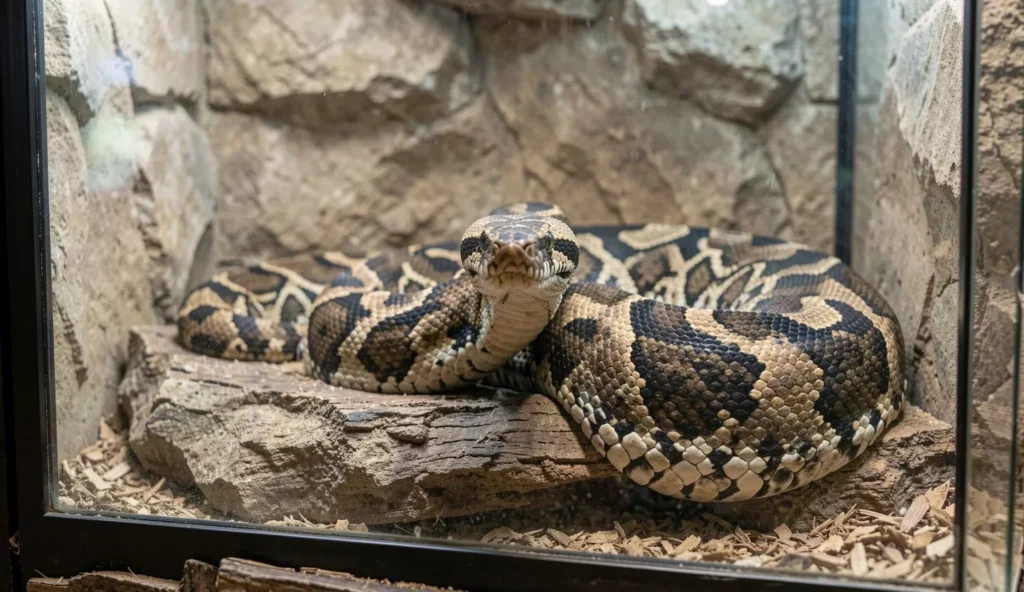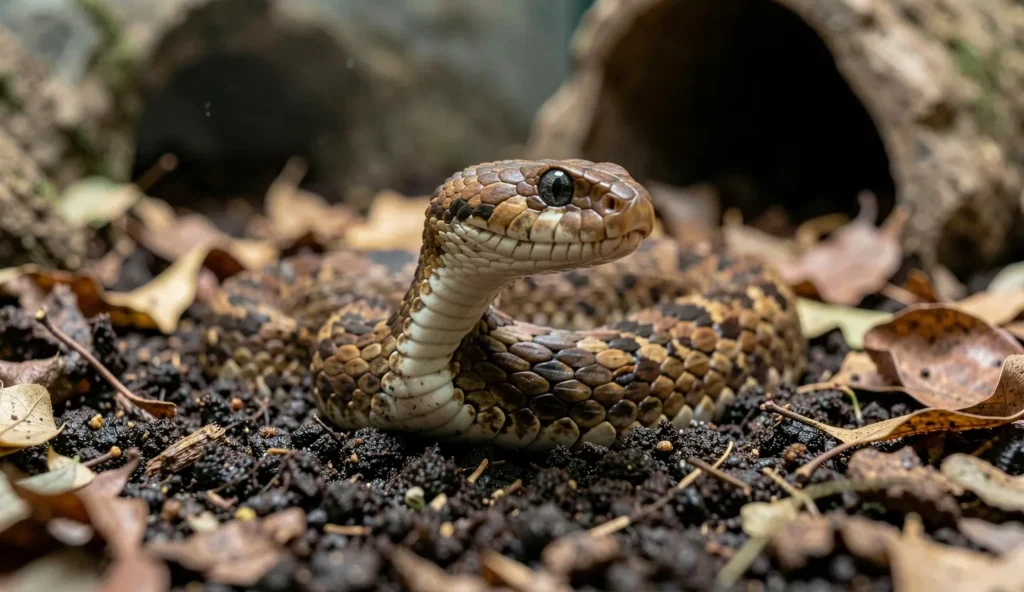
What Is a Sunbeam Snake?
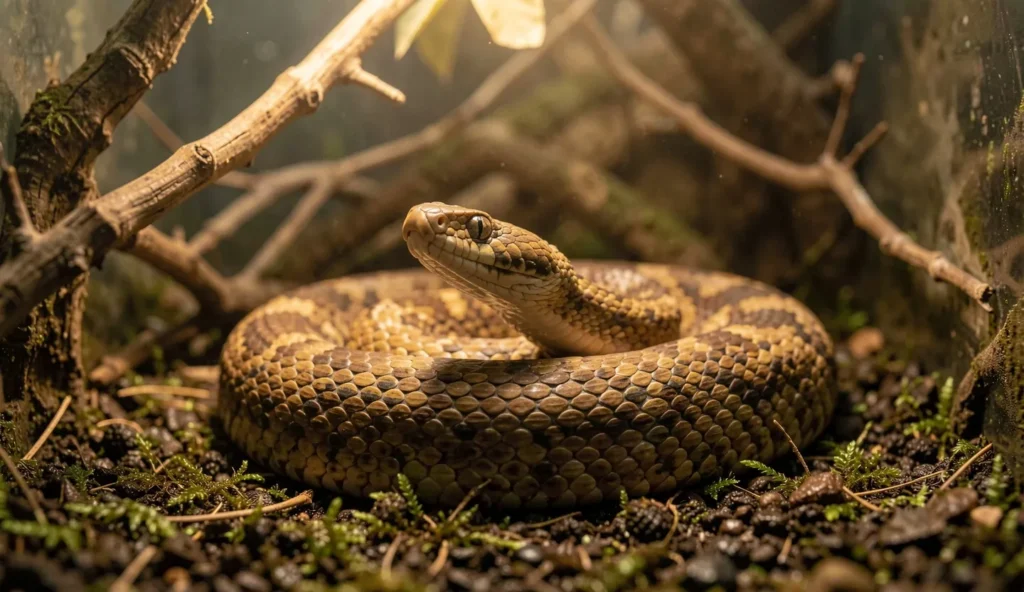
The Sunbeam Snake is a small to medium burrowing snake known for shifting, bright highlights on its scales. Origin and care overlap in a key way because tropical conditions support healthy skin and strong scale appearance. Many keepers choose this species specifically for sunbeam snake iridescence, then plan husbandry around the animal’s natural hiding behavior.
Natural Origin and Where It Lives
Sunbeam snakes come from tropical regions where leaf litter and loose ground cover stay consistently humid. They spend much of the day underground or within dense ground debris. Because of that lifestyle, stable humidity and temperature matter more than intense lighting or constant interaction.
Why the Scales Look Iridescent
Iridescence forms when light reflects off microscopic structure in the scales. Clean, hydrated skin supports normal scale function, so dullness often appears when humidity drops or the substrate dries out. Stress can also reduce overall condition, which then affects how bright the sunbeam snake iridescence looks during daily viewing.
Typical Sunbeam Snake Size and Life Span
Sunbeam snake size varies by sex and local population, so individual adults may differ. Captive longevity often improves when husbandry stays consistent, especially with temperature stability and reliable humidity. That means the long-term plan should include space depth, secure hides, and dependable feeding routines that support steady body condition.
Sunbeam Snake Appearance and Physical Features
Sunbeam snakes usually show a sleek, compact body with a look that changes as viewing angles shift. Keepers often notice a luminous effect along the back and sides, even though the snake spends long stretches hidden. To protect this signature look, the sunbeam snake enclosure must support skin health, not just basic survival.
Color Patterns and Iridescent Sheen
The sunbeam snake iridescence often shows as moving highlights rather than a single fixed color. Brightness depends on scale condition, and it can fade when sheds fail or when the skin dries out. When purchasing a new snake, individuals with patchy dullness or repeated shed issues often signal harder husbandry needs.
Body Shape and Adaptations for Burrowing
Burrowing adaptations come with a slender profile that helps the snake push through soil and leaf litter. This lifestyle also drives the need for deep substrate and reliable moisture control. As a result, reduced surface activity should feel normal rather than concerning.
Common Sex Differences If Any
Sexing sunbeam snakes generally requires experience or veterinary support, so overconfidence during early ownership can lead to bad assumptions. Some visible traits may exist, but they are not always consistent. Before any breeding attempt, correct identification should happen through proven methods rather than casual guessing.
Sunbeam Snake Temperament and Handling Tips
Sunbeam snakes usually stay calm when kept undisturbed, but frequent disturbance can raise stress quickly. Handling stress matters because it can reduce appetite and affect skin condition. For many keepers, the easiest approach focuses on observation and minimal interference while still maintaining good husbandry.
Typical Temperament in Captivity
A burrowing snake may hide when approached and can respond defensively if grabbed abruptly. Defensive behavior typically increases with rough handling or repeated interruptions. When stress rises, feeding can slow and the animal may show less interest in coming out even during routine checks.
How to Handle Without Stressing a Burrowing Snake
Handling should support the full body, with steady motion and no sudden pulling from the substrate. Sessions should remain short and should end with a quick return to the enclosure. If handling becomes necessary, it should happen only after feeding and with minimal movement to reduce further stress.
When Not to Handle
A void handling during shedding because pulling or disturbing the skin can cause damage. Handling also should be avoided when illness signs show up, such as abnormal breathing or reduced responsiveness. After major enclosure changes, disturbance should be limited until temperature and humidity stabilize to normal levels.
Sunbeam Snake Enclosure Setup for Burrowing Success
The sunbeam snake enclosure determines whether burrowing remains comfortable and whether skin stays healthy enough to show strong sunbeam snake iridescence. A deep, secure layout reduces stress because the snake can move naturally. Stable humidity and a thermal gradient then support digestion and feeding consistency.
Recommended Enclosure Size and Layout
Choose a secure enclosure with ventilation that supports stable tropical humidity. Floor space matters, but depth matters just as much for a burrowing snake that uses the substrate like cover. Hides should work both above the substrate and within it, so the snake can retreat without needing surface exposure.
For comparisons with other nonvenomous colubrids, some keepers also review general temperament and setup in articles like Rat Snake care guides, especially when planning feeding and handling routines. That broader knowledge can help keep expectations realistic even though each species needs its own enclosure design.
Substrate Depth and Best Materials
Provide deep substrate that allows full digging behavior and normal tunnel movement. Moisture-holding materials usually work best for tropical humidity, as they maintain dampness without quick drying. Substrates that compact too hard can limit digging, while abrasive materials can increase friction during burrowing.
Moisture control stays critical, because overly wet substrate can cause foul odors and skin irritation. A good approach uses damp substrate zones and allows airflow through the enclosure so it stays damp, not swampy. If the snake uses one section heavily, that area still should receive timely spot maintenance rather than waiting for a full deep clean.
Humidity, Temperature, and Light
Humidity should remain stable to support skin health and smooth shedding. Temperature should form a gradient with a warm end for digestion and a cooler end for comfort. Since the snake often stays underground, intense lighting typically offers little benefit compared with heat and humidity stability.
Temperature and humidity should be measured with reliable tools placed correctly, not guessing from the warm side alone. When these values drift, feeding patterns can shift and the sunbeam snake iridescence can look less vivid even when the snake appears otherwise normal.
Water Dish, Misting, and Hydration Control
Include a water dish large enough for soaking if the snake chooses to do so. Mist only as needed to maintain humidity and keep the substrate in an appropriate dampness range. Then check substrate moisture frequently so it stays damp rather than continuously wet.
Some keepers also adjust their approach after seeing how similar setups work for other species, such as African House Snake enclosures that emphasize stable humidity and safe hides. That comparison can help refine routines, even though the burrowing requirements differ.
Enrichment That Fits a Burrowing Lifestyle
Enrichment should support natural digging and safe hiding, not block burrow routes. Leaf litter and safe natural materials can be added in small amounts, then kept consistent over time. Hides should sit securely so they do not collapse into deep tunnels if the snake shifts the substrate underneath.
- Add leaf litter in controlled layers to match natural ground cover
- Place hides above substrate for retreats and within substrate for privacy
- Keep enrichment stable so digging interruptions remain minimal
- Avoid sharp edges that could scrape scales
- Rearrange décor rarely to reduce stress
Sunbeam Snake Diet and Feeding Schedule
Sunbeam snake diet success depends on prey size, offering method, and how stable the enclosure feels. A burrowing species may eat reliably yet still spend much of the day hidden, so feeding observations should focus on body condition rather than constant surface activity. When diet and environment align, sunbeam snake iridescence often stays more vibrant because skin health improves.
What a Sunbeam Snake Typically Eats
Many keepers feed appropriately sized prey matched to the snake’s girth. Captive options often include rodents when available, but specific captive lines may vary depending on what has been accepted before. Some collections may also rely on other prey items based on local sourcing and veterinary guidance.
If an owner needs help comparing feeding patterns across similar nonvenomous snakes, reviewing how King Snake keepers manage prey sizing can help clarify general sizing logic. Prey should still follow the sunbeam snake’s specific acceptance history.
Feeding Schedule for Different Ages
Juveniles usually eat more frequently than adults because their growth rate demands more regular energy. Adults typically require less frequent feedings, and frequency should adjust based on body condition and normal activity. Overfeeding can stress a digestive system and can also increase humidity management issues by changing how often cleanup becomes necessary.
A practical goal is to maintain steady body condition without forcing the snake to feed during unstable periods. If the enclosure recently changed or the snake shows more refusal, feeding intervals should pause long enough for temperature and humidity routines to feel normal again.
How to Thaw and Offer Prey Safely
Prey should thaw fully and warming should bring it to a suitable temperature before offering. Feeding should reduce risk of enclosure contamination, so prey should be offered with tongs and removed quickly if refused. Tongs also reduce unnecessary handling of the snake during feeding, which helps maintain a calm temperament.
Uneaten prey should not remain in the enclosure, because it can spoil and create odor that stresses the snake. A consistent feeding routine also makes it easier to spot early signs of trouble during the next meal cycle.
Signs of Good Feeding and Signs of Trouble
Good feeding shows as regular consumption and stable body condition over time. Refusal sometimes follows shedding or short periods of stress, so recent shed timing and recent enclosure changes should always be reviewed. Trouble may include vomiting, lethargy, or bubbling from the mouth, which requires prompt attention.
When prey acceptance changes, the first step should check warmth at the warm end and confirm humidity remains stable at all hours. Then, if problems persist, veterinary evaluation becomes necessary to rule out illness rather than guessing.
Grooming, Shedding, and Ongoing Care for Iridescent Scales
Grooming for the Sunbeam Snake focuses on skin support through proper substrate care and stable shed conditions. Because this species burrows, shed issues often appear when the substrate dries too much or when the enclosure feels inconsistent. When shed quality improves, the sunbeam snake iridescence often looks stronger and more even across the body.
Substrate Cleaning and Spot Maintenance
Spot clean waste without removing all moisture from the substrate layers. Remove wet, foul areas quickly to reduce bacterial buildup, then replace only the affected portion if needed. A full refresh should happen on a schedule based on odor, waste rate, and how stable humidity stays after spot cleaning.
During maintenance, the goal should stay consistent water control rather than drying the enclosure out completely. Excess drying can lead to dry skin, stuck shed fragments, and dull scale appearance that owners notice during handling or viewing.
Shedding Support for a Burrowing Species
Keep humidity steady throughout the shed cycle so the skin separates without resistance. Offer a stable hide where the snake can shed privately, since burrowing species may remain underground during the process. Avoid pulling off stuck shed pieces unless trained and clearly necessary to prevent skin damage.
Owners who compare shed behavior across other snakes can benefit from broader care reading, such as the general shedding and housing guidance found in Milk Snake care references. That comparison can support routine thinking about humidity, but shed outcomes must follow the sunbeam snake’s own environment.
Skin and Scale Condition Checks
Regular checks should focus on retained shed at the tail tip and around eyes. Abrasions can form when burrowing occurs in rough or overly dry substrate, so substrate texture matters. Brightness should also be tracked over time, since changes often correlate with hydration level and shed quality.
- Look for retained shed around tail tip and eye caps
- Watch for dry skin that looks paper thin
- Check for abrasions after substrate changes
- Record shed frequency and quality as a health signal
- Notice whether sunbeam snake iridescence dulls during dehydration
Common Health Issues and When to See a Vet
Health risks for the Sunbeam Snake usually connect to husbandry first, including humidity stability and temperature control. When conditions drift, the snake can show reduced appetite, abnormal skin condition, and changes in behavior. Early recognition improves outcomes because many issues worsen when treatment waits too long.
Respiratory Problems From Poor Humidity and Ventilation
Humidity that stays too high or too stale can increase respiratory risk, especially in enclosures with weak airflow. Warning signs include open mouth breathing or wheezing, which should trigger immediate corrections to husbandry. Then professional care should be arranged if symptoms continue.
Because the snake stays underground, owners may miss early signs until they become obvious. That makes consistent monitoring of humidity readings and substrate conditions more important than occasional checks.
Parasites and Skin Issues
Captive snakes can develop external mites or internal parasites, especially after new animals enter the collection. Quarantine for new snakes and fecal checks help prevent spreading problems. Early signs can include poor shedding, weight loss, or reduced appetite, and those should not be ignored.
Some keepers also look at preventive thinking from other snake care guides, such as Northern Water Snake care, to improve general sanitation routines. The sunbeam snake’s burrowing needs still determine the best sanitation approach.
Temperature and Digging Stress
Temperature instability can reduce appetite and cause lethargy even when prey is offered. If substrate moisture is incorrect, the snake may dig less comfortably or show dryness and irritation. Reliable thermometers and hygrometers reduce guesswork by showing real conditions rather than assumptions.
Stress from repeated disturbance can also change feeding patterns. If the snake becomes more reclusive after a change, the next steps should include restoring routine and observing behavior during the following cycles.
Emergency Warning Signs
Emergency signs include refusal of food with visible weakness, repeated vomiting, or severe mouth bubbling. Neurologic signs, such as inability to right itself, also indicate urgent risk. These situations require prompt veterinary support rather than continued home adjustments.
When emergencies appear, the habitat should stay stable while transportation happens. Avoid major enclosure changes during the same day as symptoms, because additional stress can complicate assessment.
Is a Sunbeam Snake Right for You?
The Sunbeam Snake suits keepers who can provide deep substrate, stable tropical humidity, and reliable heating. Since the snake spends time underground, interaction expectations should stay low. This species can work best for owners focused on consistent observation rather than frequent handling.
Best Fit for Keepers Who Can Meet Its Setup Needs
Burrowing species requirements include enough depth for digging and consistent moisture for skin health. Feeding success also depends on predictable enclosure stability, because sudden swings can affect appetite. For keepers fascinated by iridescent scales, sunbeam snake iridescence often remains strongest when husbandry stays steady.
Owners comparing enclosure styles across other species sometimes review how pythons or ground snakes handle substrate and temperature, such as in Pine Snake care references. Still, every species needs its own humidity and depth targets.
Potential Challenges to Plan For
Hidden behavior makes monitoring harder because illness or shed problems may not appear at the front of the enclosure. Shedding issues frequently trace back to humidity control and substrate moisture, so the enclosure must stay dialed in. Access to an experienced reptile veterinarian also matters, because urgent respiratory or parasite issues may develop quickly.
Final Note on Keeping a Sunbeam Snake Healthy
Steady husbandry, careful monitoring, and minimal disturbance support the Sunbeam Snake best. With the right burrowing setup, sunbeam snake iridescence can remain bright while the snake stays comfortable in its daily routine.
Frequently Asked Questions
How Can Sunbeam Snake Iridescence Be Kept Looking Bright?
Maintain stable humidity, keep substrate clean and hydrated, and support smooth sheds so scale surfaces stay healthy.
Do Sunbeam Snakes Need UVB Lighting?
Many keepers prioritize stable day heat and humidity, then follow line specific guidance and safe placement if UVB is used.
How Often Should the Sunbeam Snake Enclosure Be Deep Cleaned?
Spot clean as needed and deep clean on a schedule based on waste rate, odor, and whether humidity stability stays consistent.
Why Is a Sunbeam Snake Refusing Food After Shed?
Stress, recent shedding, and temperature swings can reduce appetite, so verify warm side conditions and humidity stability first.
What Is a Good First Sunbeam Snake Size Target for Prey Selection?
Choose prey close to the snake’s girth and step up gradually instead of making sudden jumps in prey size.
How Can Burrowing Behavior Affect Routine Monitoring?
Hidden time can delay noticing issues, so tracking weight and shed quality and checking during feeding helps catch problems early.