What Is A Northern Water Snake?
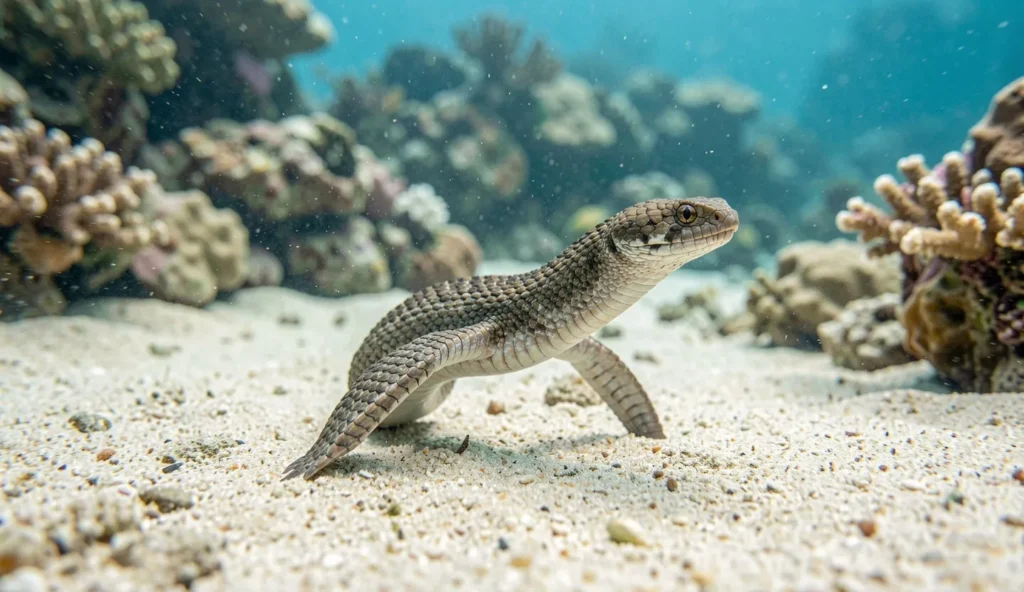
The Northern Water Snake is a nonvenomous Nerodia species that people often spot around rivers, ponds, and wetlands across the eastern and central United States. This snake is aquatic by nature, so proper water snake enclosure setup matters for health and safety. Proper identification also prevents unnecessary fear because this snake can look similar to venomous species.
In captivity, many keepers want a native water snake that behaves like an active swimmer. Even so, care depends on consistent husbandry and calm handling, since stress can increase biting and musking. With the right setup, Northern Water Snake living conditions can be stable for many years.
Nerodia Species Overview
Northern Water Snake belongs to the genus Nerodia, which includes several closely related water snake types. This Nerodia species is native to parts of the eastern and central United States, where it commonly uses near-water cover. Many owners encounter a Northern Water Snake through local wildlife exposure or regional pet trade listings.
Although individual populations vary, Nerodia species generally share an aquatic lifestyle and strong defensive instincts. Therefore, the same general husbandry principles often apply across keepers managing different water snake types. When buying a snake, verifying the exact species name reduces mistakes and supports better feeding and enclosure decisions.
Why It Is Often Mistaken For Cottonmouth
Many people confuse the Northern Water Snake with cottonmouth due to overlapping habitats and similar body shapes. The Northern Water Snake is nonvenomous, but it can be defensive and can bite when stressed. For safety, any unknown water snake should be treated as potentially dangerous until identification is confirmed.
Misidentification can lead to fear-based handling problems and a higher stress level for the snake. Also, keepers may set up an enclosure incorrectly if they assume venomous care rules apply. Trusted local experts or reliable reference guides usually help clarify which species a person has.
Typical Adult Size And Lifespan
Adult size can vary with sex, local conditions, and long-term diet consistency. A well cared Northern Water Snake can live for multiple years, so long term planning is necessary from the start. Growth rate often depends on temperature, feeding routine, and water quality.
Because aquatic reptiles can be sensitive to husbandry changes, stability supports steady body condition. If feeding stays consistent and basking is reliable, growth typically follows a more predictable pattern. For a new keeper, using a careful feeding schedule helps avoid both underfeeding and overfeeding.
Appearance And Physical Features To Expect
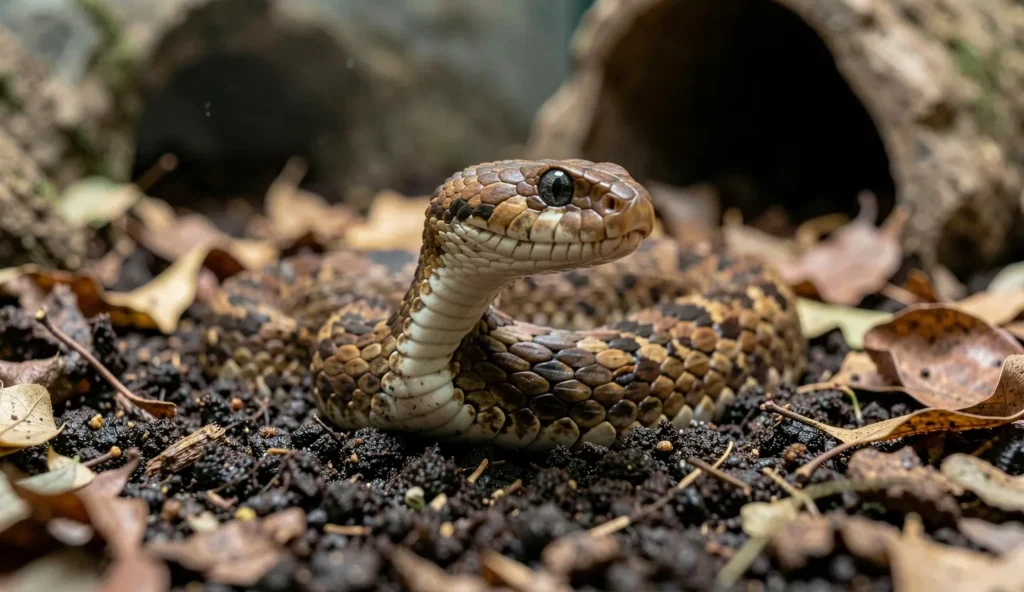
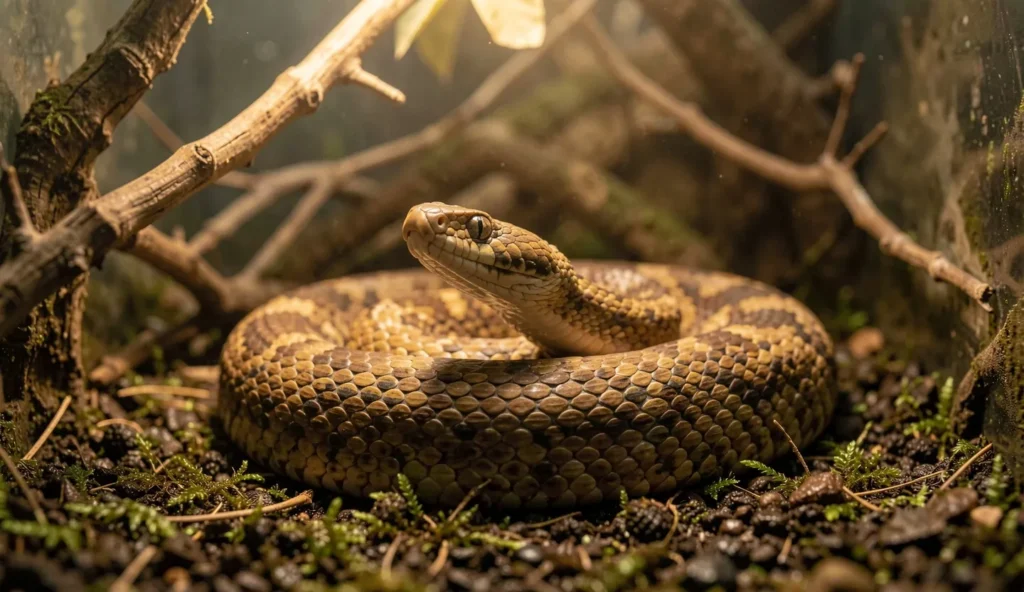
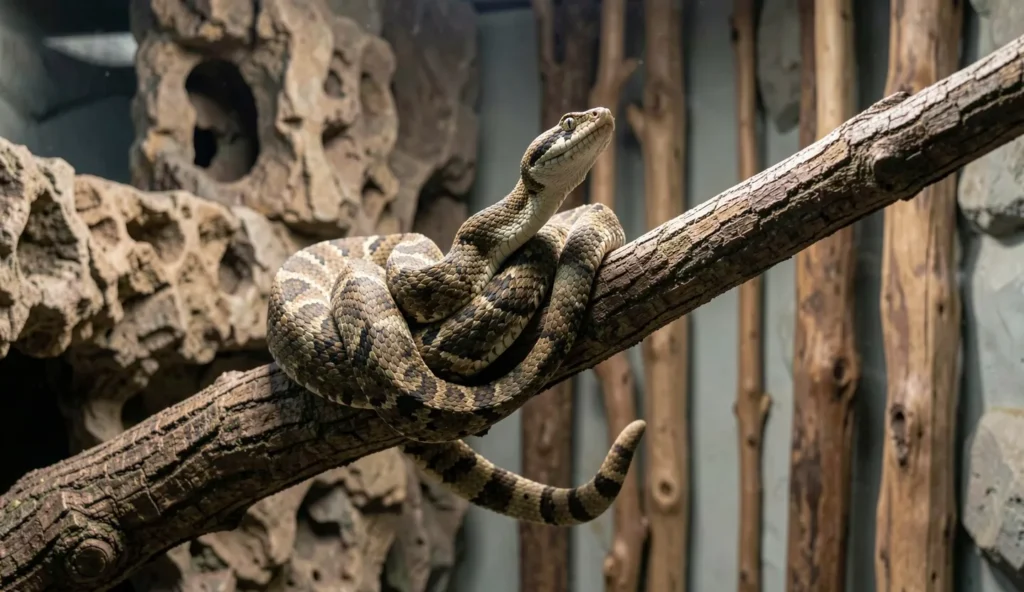
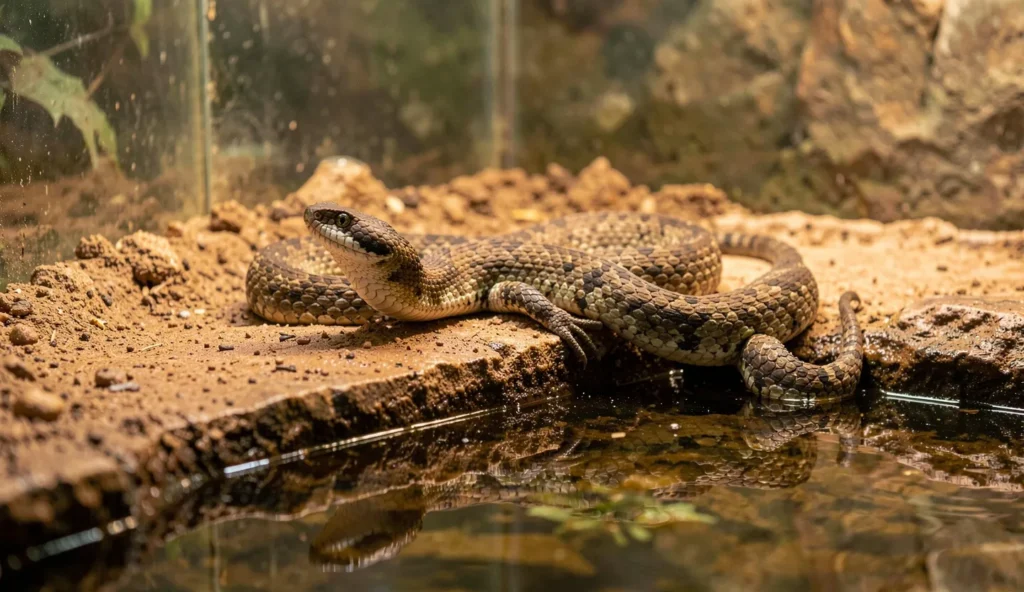
The Northern Water Snake appearance usually includes dark blotches or bands on a background color that ranges from brown to gray. While patterns differ across individuals, the overall look often helps owners recognize a healthy animal. Still, juveniles can appear different from adults, so age can affect what seems “typical.”
Because this snake may be confused with other water species, focusing on health signs helps more than chasing perfect color matches. Clear eyes, intact scales, and normal movement usually matter more for day to day monitoring. When those signs stay normal, the snake generally adapts well to captive conditions.
Color And Pattern Variations
Northern Water Snake color and pattern variations often include browns, grays, and darker blotches. Pattern intensity can vary significantly between individuals, even within the same region. Juveniles may look sharper or more contrasted compared with older snakes that appear more blended.
Some Nerodia species keepers also notice changes after shedding, when colors can look temporarily brighter. Therefore, skin checks should happen over multiple shed cycles rather than after a single glance. If blotches appear to spread along with skin irritation, water quality should be reviewed quickly.
Body Build And Head Characteristics
Northern Water Snake typically has a sturdy body built for swimming and stable gripping in wet terrain. Head proportions can resemble other water snakes, which contributes to confusion with cottonmouth. Healthy scales should look intact and not dull or flaky.
Because aquatic movement can cause minor wear on surfaces, the enclosure should still provide secure footing. A stable basking area reduces the chance of repeated rubbing near the water line. If the head area shows swelling or persistent discoloration, a reptile veterinarian check becomes necessary.
What To Look For In A Healthy Specimen
A healthy Northern Water Snake should show active alertness and normal movement when observed. Eyes should look clear and skin should show no visible lesions, cuts, or unusual crusting. Body condition should appear normal without hidden wasting behind the head or along the spine.
Before purchase, keepers should also confirm that the snake accepts handling safely enough for basic health checks. While defensive behavior can happen, repeated failure to respond to basic husbandry can signal stress or illness. For anyone comparing similar species, looking at care notes for Rat Snake can also help owners understand general colubrid differences in behavior and setup expectations, even though diet and habitat needs differ.
Northern Water Snake Temperament And Handling Considerations
Northern Water Snake temperament often includes defensive responses, especially when the snake feels cornered or pressured. This snake may musk and bite if handled abruptly or during feeding time. For keepers interested in native US species, understanding this temperament helps prevent injuries and reduces stress.
Handling should remain limited and purposeful, since frequent grabs can train defensive behavior. Calm routines and stable conditions support a more predictable response over time. Even so, a water snake temperament goal usually focuses on safe observation, not frequent cuddling.
Defensive Behaviors And When They Happen
Northern Water Snake can bite or release musking fluid when stressed, which often happens during close contact. Many snakes become more defensive during feeding time because the body expects prey cues. Environmental changes, including sudden lighting shifts and relocation, can also trigger defensive reactions.
Time of day may matter, since some Nerodia species become more active during warmer or low light periods. If a keeper tries to handle during peak activity, stress can increase for both the snake and the person. Feeding and health checks should follow a consistent schedule to reduce surprises.
Safe Handling Techniques
Safe handling relies on gentle, slow movements and stable support under the body. Limiting handling to necessary health checks usually reduces the number of defensive events. After handling, washing hands helps prevent skin irritation and improves hygiene.
Face contact should always be avoided, and tools can reduce risk. For keepers who want a practical approach to defensive aquatic snakes, reviewing Western Hognose Snake handling guidance can highlight how stress cues and slow movement reduce risk across species, even though the animals differ greatly in habitat. A similar “work with the animal, not against it” mindset still applies.
Building Trust With Minimal Stress
Trust often improves when husbandry routines remain consistent, including stable temperatures and steady lighting. Sudden changes in placement can cause repeated stress responses, so adjustments should be made carefully. Separate feeding from handling schedules whenever possible to reduce defensive anticipation.
Also, observation from a distance helps the keeper learn daily rhythms. When the Northern Water Snake shows calmer movement during the same daily window, health checks can become more predictable. Still, a defensive bite risk never disappears completely in Nerodia species.
Water Snake Enclosure Setup For Safe Aquatic Living
A proper Northern Water Snake enclosure supports both swimming and drying, which directly affects skin health. Because this snake spends a lot of time in water, aquatic snake enclosure planning must include filtration, secure lids, and safe basking space. An enclosure that looks correct but lacks functional water quality often leads to skin and mouth issues.
Before setup, keepers should decide on a long-term arrangement that can be maintained daily. A stable water snake enclosure reduces stress and makes feeding and cleaning easier. Over time, the enclosure becomes the main factor shaping appetite, shedding, and overall body condition.
Tank Size And Layout For Swimming
Tank size matters because Northern Water Snake needs enough space for full swimming cycles. Provide both submerged water and dry landing areas so the snake can transition between wet and dry zones. A secure lid prevents escapes, since these snakes can explore edges quickly.
Many setups include a deeper swimming area and a sloped or stepped land section. This layout helps keep the snake from slipping and reduces repeated friction near the water line. When the snake can rest fully on land, basking and drying work better and shedding improves.
Water Quality And Filtration
Clean water is critical for skin condition and overall health in Nerodia species. Use filtration sized for the enclosure volume, and monitor how quickly water clarity changes. Partial water changes manage waste buildup without fully disrupting the environment.
Because aquatic reptiles use water for both movement and comfort, neglected water quality can cause irritation. Filters also need maintenance schedules, since clogged media can reduce effectiveness. For keepers comparing filtration basics with other species, Kenyan Sand Boa enclosure notes on humidity control can help distinguish “humidity” from “water cleanliness,” though the boa needs a different substrate and moisture style.
Heat, Basking, And Lighting Needs
Northern Water Snake requires a reliable basking zone to dry after swimming. Use a heat source that creates a measurable warm area and verify temperatures with a thermometer. A natural day night cycle supports normal activity, and consistent lighting helps reduce stress.
Correct basking temperatures support digestion and comfort, especially after feeding. If basking remains too cool or unavailable, the snake may stay wet too long. That can increase skin problems and can also make shedding harder.
Substrate, Hides, And Water Line Safety
Substrate should remain non irritating and safe when wet, since the snake may contact it frequently. Add hides on land and near water edges so the Northern Water Snake can retreat. Prevent sharp edges and provide stable footing so the snake can climb without scraping.
Rounded stones or appropriate non abrasive materials can work well, but footing still needs inspection after cleaning. If a keeper uses decor, edges should be smooth and anchored. This reduces injury risk during fast swimming and sudden defensive movements.
Humidity And Water Evaporation Control
Maintain steady humidity without making the enclosure soggy, since excess moisture can worsen odor and skin issues. Monitor humidity because water changes can shift evaporation patterns quickly. Improving airflow helps prevent excess moisture buildup while still supporting healthy skin conditions.
Humidity targets vary by setup, so monitoring matters more than a single fixed number. When humidity stays stable and water stays clean, shedding tends to go smoothly. Inconsistent humidity often appears alongside patchy sheds or stubborn retained skin.
Water Snake Diet And Feeding Schedule
Understanding water snake diet helps prevent refusal, weight issues, and water fouling. Northern Water Snake diet in captivity usually focuses on aquatic prey items that match the snake’s hunting and swallowing needs. Offering the right size food in a consistent routine often leads to steadier appetite and better body condition.
Feeding should also protect the enclosure environment, since uneaten prey can quickly reduce water quality. Therefore, food planning should include preparation, timing, and cleanup habits. When feeding and husbandry match, Northern Water Snake typically adapts better to captive life.
What Northern Water Snakes Eat In Captivity
Northern Water Snakes commonly eat fish and other appropriately sized aquatic type foods. Prey items should match the snake’s size and swallowing ability to reduce regurgitation risk. Consistency also helps, since irregular offerings can make the snake refuse later meals.
Some keepers also feed other aquatic prey that remains safe and properly stored. The key is choosing prey that stays fresh and does not introduce parasites. For keepers seeking guidance on general feeding patterns with similar colubrids, the care approach in Corn Snake notes can help clarify how feeding schedules connect to body condition, even though the corn snake diet differs.
Prey Sourcing And Preparation
Prefer food that is safe for reptiles and properly stored before use. If using frozen prey, thaw fully before offering and avoid feeding partially frozen items that can upset digestion. Remove uneaten prey promptly to protect water quality and reduce stress for the snake.
When prey arrives inconsistently, the enclosure environment can shift after each feeding. That shift can lead to stress, and stress can increase defensive behavior. If the Northern Water Snake begins refusing meals, prey sourcing often deserves review early in troubleshooting.
Feeding Frequency And Monitoring Body Condition
Feeding frequency depends on age and body condition, so schedule adjustments should follow observation rather than a fixed rule. Keep track of weight trends over time, and adjust prey size if the body looks too thin or too heavy. Do not overfeed, because aquatic reptiles can gain fat more easily when basking and activity stay moderate.
Many keepers also notice that stable temperatures and basking improve digestion and reduce problems with stool output. If feeding happens but the snake does not maintain normal body condition, prey size or water quality may need changes. A steady approach supports more predictable results with Nerodia species.
Refusal To Eat And Common Causes
If the Northern Water Snake refuses food, check temperatures, water cleanliness, and stress level first. Verify prey size, freshness, and thawing steps, since poor quality prey often reduces acceptance. Also consider defensive timing, since feeding during high stress moments can trigger refusal.
Feeding with separate tools can reduce bite risk and helps keep the snake calm. For keepers comparing handling and feeding stress patterns in other snake types, reading about King Snake temperament and feeding habits can still provide useful “stress first, then prey” troubleshooting structure, even though the animals differ. That same order of checks can apply to water snake care for Nerodia species.
Grooming, Cleaning, And Daily Care Routine
Daily care for Northern Water Snake focuses on clean water and skin support, not grooming in the traditional sense. A practical routine keeps the water snake enclosure stable and reduces stress. Because this snake often swims and stays wet, cleaning tasks should happen consistently rather than occasionally.
Cleaning should also reduce odor and prevent buildup that can irritate skin. When the routine stays simple and repeatable, the keeper can monitor changes in appetite and shedding more reliably. That monitoring helps catch problems before they become medical issues.
Daily Spot Cleaning And Water Checks
Daily spot cleaning includes skimming debris from water surfaces and checking water clarity. Also check water temperature to ensure it matches the enclosure plan. Remove any leftover prey quickly to protect water quality.
These quick checks often reveal early issues, like filter slowdown or sudden water cloudiness. When water quality drops, skin conditions can worsen faster in aquatic reptiles. Therefore, daily observation supports prevention rather than reaction.
Shedding Support And Skin Health
Shedding support depends on stable humidity and reliable basking so the snake can dry fully. After swimming, the Northern Water Snake should be able to move onto land and rest under heat. Retained shed can appear around tail areas or near the vent, so monitoring helps identify problems quickly.
If retained shed persists, improving basking and humidity stability often helps. Avoid forcing shedding, since irritation can increase during rough removal. Instead, adjust husbandry conditions and consult a reptile veterinarian if skin damage appears.
Weekly Maintenance Tasks
Weekly tasks include partial water changes as needed and cleaning waste areas without harsh residues. Inspect heating and water equipment to ensure each part works properly. A simple equipment check also reduces the chance of sudden temperature drops that can impact appetite.
During maintenance, the enclosure should stay secure and safe. Keep the snake in a secure temporary container when cleaning, since slipping on slick surfaces can cause injury. After cleaning, return the Northern Water Snake only when temperature and water levels match the setup.
Common Health Issues And When To Get Veterinary Help
Northern Water Snake health often connects to water quality, stress level, and access to proper basking. Aquatic living can mask early symptoms, so watch for subtle changes in appetite, shedding quality, and movement. When issues appear, early veterinary help often prevents complications in Nerodia species.
Most health concerns in pet water snakes involve skin irritation, mouth issues, or respiratory problems linked to environment. Parasites can also occur, especially in snakes sourced from the wild. Keeping a consistent routine makes it easier to spot changes quickly.
Skin, Mouth, And Respiratory Problems
Poor water quality can affect skin condition, leading to irritation or abnormal discoloration. Respiratory problems may show as open mouth breathing or consistent breathing changes. Mouth problems can also appear as swelling or discoloration that does not resolve after improving conditions.
These signs often require professional evaluation rather than waiting it out. If the Northern Water Snake refuses food along with mouth swelling, delays can worsen recovery. Water and heat changes help support treatment, but they do not replace veterinary care.
Parasites And How To Reduce Risk
Wild caught or newly acquired Northern Water Snakes may carry parasites. Use fecal testing when advised by a reptile vet, since visible symptoms do not always appear early. Quarantine new animals protects resident snakes and reduces disease spread risk.
Quarantine also allows observation of feeding and shedding patterns under controlled conditions. If parasites are detected, a vet can recommend safe treatment plans. Since Nerodia species already show stress sensitivity, quarantine should remain calm and predictable.
Injury Prevention And Stress Related Issues
Injury prevention starts with secure fixtures that prevent falls and skin rubbing. Stress can reduce appetite and increase defensive behavior, so keeping handling minimal supports feeding stability. Track feeding and shedding patterns so any drop in appetite or abnormal shed timing becomes visible.
Injuries can occur when climbing surfaces fail or when water line edges scrape the skin. Therefore, keep the enclosure inspected after every major cleaning. If skin damage appears, review both habitat and handling methods immediately.
Is A Northern Water Snake Right For You
Northern Water Snake can fit some keepers well, especially those who can maintain aquatic conditions daily. The main challenge tends to be the need for consistent water management and safe handling due to defensive behavior. If daily monitoring and cleaning routines stay realistic, care often becomes manageable.
Suitability also depends on experience with native US species and on access to reptile veterinary support. If emergency care is not available, planning becomes part of responsible ownership. A calm, consistent setup reduces stress and supports more stable water snake temperament.
Best Fit For Experienced New Keepers
Northern Water Snake usually works best for keepers ready for aquatic setup and consistent water management. Defensive behavior means handling may remain less frequent, so observation and health checks should replace frequent interaction. Daily monitoring also matters because water quality changes can affect skin quickly.
If the keeper already manages other reptiles and understands temperature control, setup becomes easier. Those with strong husbandry habits also benefit because aquatic enclosures require ongoing attention. Still, beginner keepers should start with research and realistic time commitments.
Key Safety And Legal Considerations
Local rules can affect whether native snake keeping is allowed, so checking requirements before purchase protects the keeper and the animal. Use safe handling tools to reduce bite risk and plan for emergency care access before bringing a snake home. Also confirm that the exact snake species matches the purchase listing, since mislabeling occurs in the pet trade.
If an animal remains mislabeled, enclosure and diet choices may mismatch its needs. For species identification context, comparing similar profiles like California Kingsnake care can help clarify how non native snakes often differ in habitat requirements, even though the husbandry focus changes. Species specific accuracy remains the safest approach for native Nerodia species.
Starter Checklist For Keeping A Northern Water Snake
This checklist supports set up accuracy before the Northern Water Snake arrives. The goal is to have aquatic conditions ready so the snake can acclimate without rushed changes. A stable environment often reduces early refusal and stress.
- A water snake enclosure with secure lid
- Basking platform with measured basking temperatures
- Thermometers and humidity monitoring
- Filtration system sized for the enclosure
- Dry land hides and water edge hides
- Safe substrate and smooth, stable footing
- Water snake diet plan with appropriate prey sizes
- Feeding tools to reduce bite risk
- Reptile vet contact for emergencies
Frequently Asked Questions
Are Northern Water Snakes Venomous?
Northern Water Snakes are nonvenomous, though they can defend themselves with bites and musking.
What Is The Best Water Snake Enclosure Size For A Northern Water Snake?
Use an enclosure that allows full swimming and includes secure dry basking space.
What Do Northern Water Snakes Eat In Captivity?
They commonly eat fish and other appropriately sized aquatic prey items offered consistently.
How Often Should A Northern Water Snake Be Fed?
Feeding frequency depends on age and body condition, with adjustments to keep a healthy weight.
How Can You Tell If A Northern Water Snake Is Stressed?
Stress may show as repeated defensive behavior and refusal to eat after husbandry changes.
Final Setup Notes For Northern Water Snake Care
Northern Water Snake care becomes easier when swimming space, clean water, and reliable basking stay consistent. With calm routines and careful monitoring, Nerodia species can thrive in captivity.