What Is The Eastern Indigo Snake
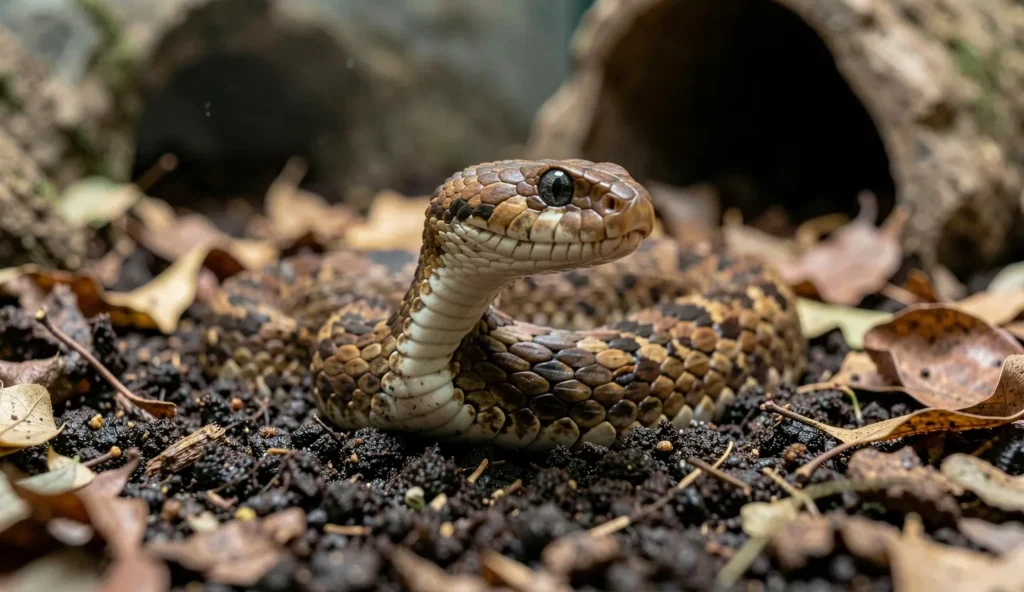
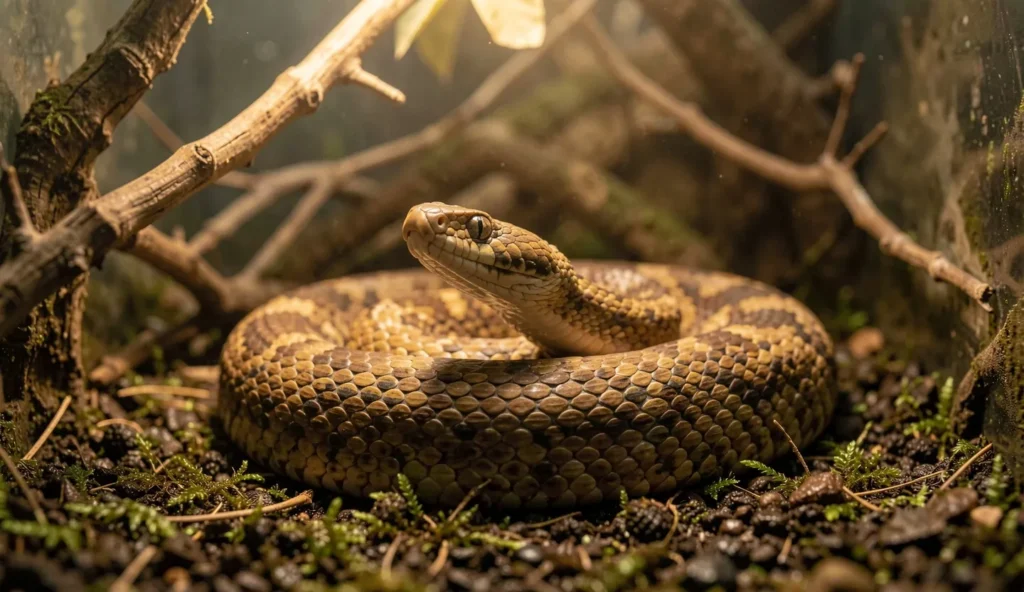
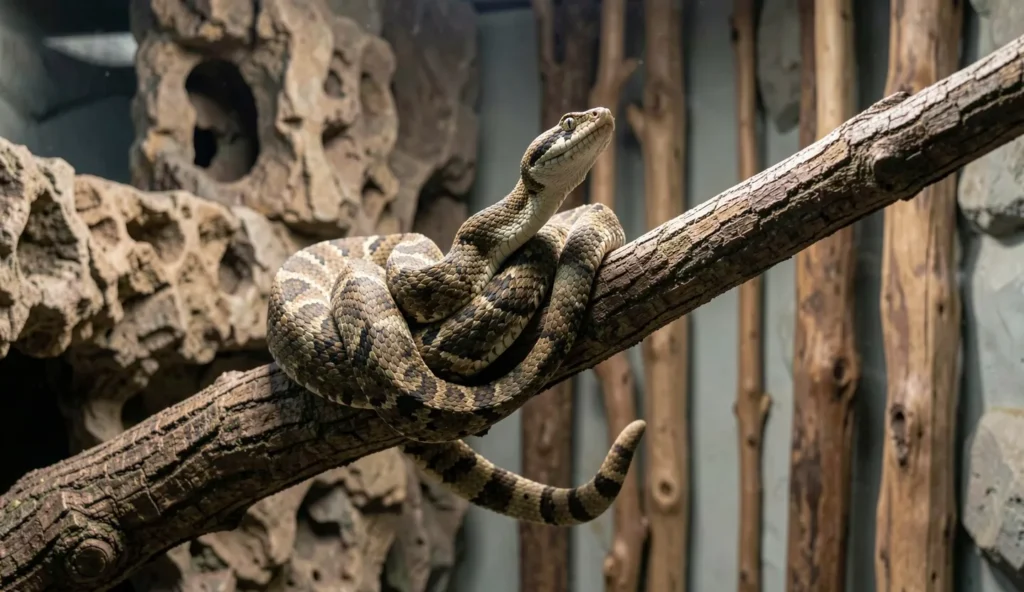
The Eastern Indigo Snake is a large, nonvenomous colubrid native to the southeastern United States. It stands out for its active predatory behavior and dark, glossy appearance. Eastern indigo snake care requires planning because the species grows large and needs secure, spacious housing. People pursuing protected snake species care should also expect extra sourcing rules tied to indigo snake legal status.
Native Range And Habitat Types
Eastern Indigo Snakes occur in parts of the southeastern United States. They use open habitats and landscapes with enough native ground cover to support hunting and shelter. Many populations depend on well-drained areas where prey species remain available.
In captivity, habitat needs translate into stability and functional space. A large enclosure that supports movement and hides helps imitate the way the snake uses open ground and cover. This approach aligns with captive bred indigo snake husbandry because welfare depends on consistent conditions.
Key Species Traits Keepers Should Know
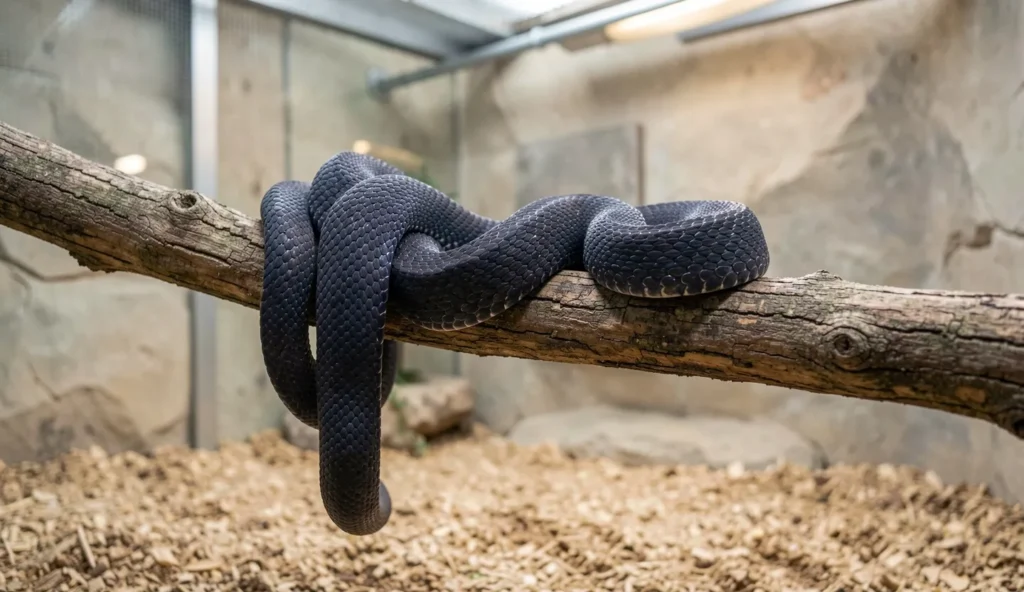
Eastern Indigo Snakes are strong, active snakes with a serious focus on exploration. Their coloration is typically dark with a subtle sheen that can look nearly blue-black in the right light. Body build and movement suit spacious housing, not small tubs or minimal setups.
Because the snake is large, handling and maintenance routines must match that reality. Indigo snake husbandry works best when the keeper plans for safe access, firm barriers, and full-body support during any necessary handling.
Conservation Status And Why It Matters For Captive Care
Eastern Indigo Snakes face long-term threats in parts of their range and receive protection in many jurisdictions. Conservation goals focus on habitat protection as well as captive breeding programs. That matters for keepers because captive care should support animal welfare rather than collection.
For protected native species, the best outcomes come from compliance and careful recordkeeping. When eastern indigo snake care centers on stable temperature, secure housing, and proper feeding, captive animals remain healthier and conservation-linked programs benefit indirectly.
Eastern Indigo Snake Size And Growth Expectations
Eastern indigo snake size planning should start before purchase because adult dimensions drive enclosure requirements. A long-term feeding plan matters too, since growth depends on consistent nutrition and stable environmental conditions. Keepers who understand body condition can avoid common problems linked to underfeeding or poor heat setup.
Typical Adult Size Range
Adults reach large lengths compared with many other captive snakes. Variation occurs due to regional differences, sex, and the animal’s prior growth history. Planning enclosure size for adult dimensions prevents cramped housing later.
Because large snakes need functional movement paths, the enclosure should support more than one resting zone. Multiple hides placed on both warmer and cooler sides help the snake manage its own thermal preferences.
Growth Rate And Body Condition Basics
Growth relies on stable temperatures and high-quality feeding. Body condition assessment should focus on overall thickness and the way the body tapers. If weight drops consistently, appetite changes often signal a husbandry mismatch.
Underfeeding can slow growth and increase health risks, including weakened immune response. To keep eastern indigo snake diet stable over time, feeding schedules often need adjustment based on body condition rather than strict calendar dates.
Sexing Challenges And Practical Keeper Focus
Visual sexing is difficult for many keepers, even with experienced observation. Safe handling and proper identification methods should be used if sex confirmation matters for a breeding plan. When breeding is not an approved goal, keeper focus should stay on health, feeding response, and stability.
If breeding is considered, verified animals and documentation are essential because captive bred indigo snake lines should follow responsible management. That approach also reduces stress by keeping housing plans aligned with correct identification.
Eastern Indigo Snake Legal Status And Sourcing Rules
Indigo snake legal status determines what keepers can legally possess, transport, or breed. Because the species often receives protection, rules can be stricter than common pet snakes. Eastern indigo snake care must start with legal compliance so the animal’s welfare and the owner’s responsibility remain aligned.
Why Indigo Snake Legal Status Is Strict
Protected species status limits possession and trade in many regions. Rules vary by country, state, and facility permits, so local verification matters before purchase. Illegal wildlife trade can undermine conservation programs and can also create health risks for captive animals.
Strict regulation often aims to ensure animals originate from legal sources. For keepers interested in protected snake species care, that means buying through channels that can document origin and captive breeding history.
Captive Bred Only And Documentation
Captive bred only sourcing supports conservation-linked goals and helps reduce uncertainty about the animal’s past. Keep purchase records and any breeder or permit documentation in one organized place. Verifying animal origin before transport reduces the chance of acquiring an animal with an unclear history.
In practice, eastern indigo snake diet and enclosure planning rely on accurate background knowledge about the animal’s feeding response. When documentation shows a stable captive history, onboarding usually becomes simpler.
Permits, Inspections, And Reporting Considerations
Some jurisdictions require permits for possession, and inspections may be part of enforcement. Owners should check whether inspections happen at move-in, renewal, or after enclosure changes. Some areas also require reporting changes in ownership if the rules include transfer documentation.
When permits apply, the keeper should coordinate enclosure readiness before the animal arrives. This reduces delays and helps ensure the snake reaches stable temperatures and proper food as quickly as possible.
Housing Essentials For An Eastern Indigo Snake
Eastern indigo snake enclosure planning should treat the enclosure as the main part of husbandry. A large enclosure supports natural movement, reduces stress, and gives the snake thermal choices. Because the Eastern Indigo Snake is a protected native species, the setup should also support secure, low-risk maintenance.
Enclosure Size And Space Layout
Large enclosure space supports adult movement and helps the snake use both warm and cool areas. Multiple hide options should appear on both sides so the snake can feel secure regardless of temperature preference. Open basking zones also help the snake regulate behavior during active periods.
A stable pathway for safe movement reduces collision risks during routine exploration. It also helps when feeding time arrives because the snake remains predictable within a planned layout.
Temperature Gradient And Heat Setup
Temperature gradients create a warm area and a cooler area inside the same enclosure. Reliable thermostats should control all heat sources so overheating does not occur. Measurements should reflect substrate level and surfaces the snake actually uses.
If heat placement sits too high or monitoring happens only in air, the snake may experience uneven conditions. Stable thermal options support appetite and digestion, which directly supports eastern indigo snake diet consistency.
Humidity, Substrate, And Environmental Stability
Humidity should support normal shedding without creating wet, stagnant zones. Substrate choice matters because it affects how the enclosure stays clean and how easily wet spots develop. Avoiding overly damp conditions reduces bacterial risk and supports healthier skin.
Environmental stability matters more than frequent changes. If the enclosure is cleaned too aggressively or the substrate is replaced often, the snake may experience stress and more frequent defensive responses.
Lighting, Photoperiod, And Seasonal Rhythm
A consistent day and night cycle supports normal activity patterns. Strong lighting should not overheat areas or create uncomfortable brightness, especially under basking zones. Seasonal changes may help maintain natural behaviors, but shifts should remain gradual.
For owners familiar with other reptile care routines, a stable photoperiod still works best for welfare. When heat and light remain predictable, eastern indigo snake care typically stays easier through sheds and feeding cycles.
Security, Escape Prevention, And Handling Safety
Secure locks and sealed seams reduce escape risks, which are especially important with large snakes. Enclosure design should limit gaps around doors, vents, and cable pass-through areas. A barrier plan for feeding and maintenance also reduces the chance of accidental exposure.
Handling safety should include full-body support to prevent strain. If the snake must be moved, tools designed for large nonvenomous snakes can reduce risk compared with short handling attempts.
Enrichment That Supports Natural Behavior
Enrichment for an Eastern Indigo Snake should focus on stable footing and secure hiding. Hides with sturdy entry points reduce slipping and support calm behavior during rest. Elevated resting can be offered only if placement stays secure and stable.
Visual barriers help reduce stress when the keeper moves through the room or performs routine maintenance. When the snake can choose where to feel less exposed, captive care tends to produce fewer defensive episodes.
Because many keepers compare care goals across large nonvenomous species, it can help to review husbandry principles from similar reptiles. For example, researching King Snake housing habits can clarify how enclosure security and feeding consistency affect health outcomes. Likewise, Pine Snake care routines can reinforce the value of stable space and predictable environmental conditions. These examples support general cage management, even though Eastern Indigo Snakes have their own size and protected-species requirements.
Eastern Indigo Snake Diet And Feeding Plan
Eastern indigo snake diet planning must focus on appropriately sized whole prey. Captive feeding schedules should support steady growth without causing weight swings or digestion issues. Because the animal is protected and often captive bred, diet consistency should improve long-term health and reduce stress.
What An Eastern Indigo Snake Eats
Eastern Indigo Snakes typically consume appropriately sized whole prey items. The exact feeder list depends on availability and on a feeder animal composition the keeper can maintain. Prey should stay within a size that supports comfortable swallowing and digestion.
Avoid offering prey that is too large or too hard to digest. If feeding responses change, the first checks usually involve temperature stability, enclosure security during feeding, and prey handling practices.
Feeding Frequency And Prey Sizing
Feeding frequency depends on age, size, and body condition rather than a universal schedule. Prey sizing should allow safe swallowing without excessive stretching or prolonged regurgitation risk. Adjustments often help when weight gain or loss shows up over time.
Owners who want a practical reference point for prey sizing and handling across colubrids can consult Rat Snake feeding principles. This does not replace species-specific planning, but it supports the idea that prey size must match the individual and the goal for eastern indigo snake husbandry.
Supplements And Balanced Nutrition Practices
Calcium and vitamin needs depend on feeder animal composition and on the diet’s overall balance. Supplements can help when used correctly, but they should match the snake’s feeding plan and not replace proper prey variety. A feeding log helps identify nutrition patterns early.
When supplements show up without a clear need, keepers can accidentally create imbalances. For eastern indigo snake diet success, supplement decisions should follow consistent feeding items and reliable baseline health checks.
Water, Hydration, And Clean Feeding Habits
Clean water should stay available in the enclosure and remain easy to access. Water should be refreshed on a schedule that matches enclosure conditions and hygiene needs. Feeding should occur in a consistent location to reduce stress and help the snake associate the area with calm routines.
If hydration appears low, shedding may suffer, and that often links back to both humidity and water access. For keepers building a routine around hydration, it can help to compare methods from other species, such as Milk Snake care practices focused on consistent feeding and enclosure cleanliness.
Handling Temperament And Safe Keeper Practices
Handling an Eastern Indigo Snake should be treated as a low-frequency activity because stress can rise quickly with large, active snakes. Many individuals in captivity show alert movement and strong defensive postures when disturbed. Eastern indigo snake care improves when routines stay predictable and handling stays purposeful.
Typical Temperament In Captivity
Temperament often shows up as alertness and frequent exploration rather than calm stillness. Stress responses may include defensive postures, faster movement, or attempts to reposition away from restraint. Consistent routines usually improve handling tolerance over time.
However, each animal varies, and protective native species require respect for boundaries. When the snake is kept on a stable temperature plan and fed predictably, defensive behavior often decreases.
How To Handle An Eastern Indigo Snake Safely
Safe handling starts with supporting the body fully to prevent strain. Handling time should stay minimal, especially during the acclimation period after arrival. Dedicated cleaning tools and proper hand hygiene reduce the chance of cross-contamination during enclosure maintenance.
It also helps to coordinate handling with feeding schedules so the snake does not associate contact with feeding disruption. If handling must occur, calm movements and steady support reduce the risk of sudden jerks.
Acclimation After Purchase Or Enclosure Changes
After purchase, the first days should focus on settling and stabilizing conditions. Heat stabilization, quiet access, and a low-disturbance routine support normal feeding and shedding cycles. Frequent disturbances can interfere with appetite and can increase defensive reactions.
Monitoring should include feeding response and shed quality. If the snake refuses food repeatedly, the keeper should check temperature gradients first, then review feeding procedures and prey presentation.
Some keepers also compare temperament patterns across similar colubrids when deciding how much handling fits a routine. For example, Western Hognose Snake handling guidance can reinforce the idea that stress responses vary by species and that consistent routines often reduce defensive behavior. The core lesson applies directly to protected snake species care even though legal status and enclosure needs differ.
Common Health Issues In Eastern Indigo Snakes
Health issues in Eastern Indigo Snakes usually trace back to husbandry gaps, especially temperature instability and ventilation problems. Early warning signs include breathing changes, appetite shifts, and shedding problems. Eastern indigo snake care should include quick observation and prompt reptile veterinary input when concerns persist.
Respiratory Problems And Environmental Triggers
Poor ventilation and unstable temperatures can increase respiratory risk. Wheezing, open-mouth breathing, and excess mucus can signal that environmental conditions need correction. When breathing changes appear, reptile veterinary care should start promptly.
Before transport to a vet, keep the enclosure stable and avoid repeated temperature changes. Stress can worsen breathing signs, so the immediate focus should be on maintaining the best possible thermal and airflow conditions.
Shedding Difficulties And Skin Health
Shedding quality depends on humidity and hydration access. Retained shed can occur when pre-shed hydration remains incomplete or when humidity stays too low. Skin that looks dry or shows unusual patchy dullness can also indicate a shedding problem.
Owners should not force shed removal, since that increases skin injury risk. Stable conditions and careful humidity checks typically support smoother sheds for indigo snake husbandry.
Parasites And Hygiene Related Risks
New animals may carry external or internal parasites. Regular cleaning reduces bacterial buildup and supports a safer enclosure microclimate. Fecal testing helps guide treatment decisions rather than guessing.
Quarantine and hygiene protocols should remain part of ownership planning. That approach protects not only the Eastern Indigo Snake but also reduces contamination risk in the keeper’s broader reptile room.
Injuries, Stress, And Handling Related Issues
Improper handling can cause abrasions or trigger repeated stress responses. Enclosure hazards, including unstable branches or gaps in barriers, can also create injuries. Tracking behavior changes after maintenance or feeding helps identify where problems start.
When the snake stops using parts of the enclosure, that can signal discomfort. A fast check of hides, substrate contact areas, and temperature surfaces can often reveal the trigger.
When To Use A Reptile Veterinarian
Any persistent appetite loss should trigger a prompt evaluation. Abnormal breathing and serious skin changes also require veterinary assessment. It helps to use a veterinarian familiar with large nonvenomous snakes and with protected-species handling needs.
In many cases, quick intervention prevents complications. Keepers should document feeding attempts, shed timing, water intake, and any observed symptoms to support the vet’s assessment.
Some keepers build general preventative care patterns by studying other large captive reptiles, especially around respiratory and enclosure stability. Guidance from species care pages such as Bull Snake can reinforce consistent enclosure monitoring. The Eastern Indigo Snake needs its own protected-species rules and large-enclosure approach, but the hygiene and observation logic transfers well.
Breeding Basics And Captive Management Expectations
Breeding Eastern Indigo Snakes requires a high level of responsibility and planning. Captive breeding must follow conservation goals, especially because the species depends on protected-species management rather than casual reproduction. Indigo snake husbandry in breeding contexts should prioritize welfare, identification, and verified lineage documentation.
Why Captive Breeding Must Follow Conservation Goals
Captive breeding can support conservation when done responsibly and when genetic management remains part of the plan. Genetic management matters for long-term captive populations and for future conservation-linked efforts. Breeding should rely on verified animal lineage and accurate recordkeeping.
For most keepers, the practical focus remains on proper maintenance rather than breeding attempts. That stability supports the snake’s health and reduces stress related to mating setup and handling.
Breeding Readiness And Verification Needs
Breeding readiness includes confirming stable health, age, and a consistent feeding history. Proper identification methods help prevent accidental pairings and support accurate recordkeeping. Separate housing also reduces stress and injury risk when conditions or temperament shift.
If any part of verification feels uncertain, breeding plans should not proceed. Protected species management depends on accurate animal information and stable captive husbandry practices.
Eggs, Incubation, And Hatchling Housing At A High Level
Incubation requires stable and monitored environmental conditions. Hatchlings need secure enclosures that match their size while still supporting safe movement and hides. Feeding trials and gentle, predictable routines reduce stress during early growth.
Even when hatchlings begin small, long-term space planning should remain in the background. Adult eastern indigo snake size often surprises first-time owners, so enclosure readiness should follow a timeline.
Starter Checklist For New Owners Of The Eastern Indigo Snake
New owners should build a clear readiness plan that covers legal sourcing, large-enclosure setup, and feeding basics. Eastern indigo snake care starts with compliance and stable husbandry because protected species often require documentation and extra planning. A checklist approach reduces missed details that can affect health.
Before Bringing Home a Captive Bred Snake
- Confirm local indigo snake legal status requirements and permit rules
- Purchase captive bred only with written documentation
- Choose a large enclosure with secure locks and sealed seams
- Install thermostats and verify full temperature gradients
- Select substrate that supports cleaning and stable humidity
- Stock prey items sized for comfortable whole feeding
- Arrange access to a reptile veterinarian before problems appear
After setup, verify heat and hide placement for functional access during feeding and cleaning. Many issues arise from rushed setup rather than from the snake itself.
Day One To First Month Monitoring Steps
- Allow quiet settling time with minimal disturbances
- Offer clean water and verify stable temperatures every day
- Record first feeding attempts and note prey acceptance
- Track shed timing and assess shed quality
- Watch for breathing changes or sudden appetite loss
Consistent monitoring supports early corrections without panic. With protected snake species care, stability and accurate logs often matter more than frequent interventions.
Keeping An Eastern Indigo Snake Requires Planning And Good Records
Eastern Indigo Snake care succeeds when enclosure security, temperature stability, and consistent nutrition come first. Legal compliance and captive bred sourcing protect conservation goals and reduce owner risk. When records document feeding, sheds, and health changes, managing a large native snake becomes far more predictable.
Frequently Asked Questions
What Is The Eastern Indigo Snake Legal Status For Keepers?
Legal status varies by location and often requires permits for possession.
How Big Do Eastern Indigo Snakes Get In Captivity?
Adults reach large lengths that require a spacious enclosure for safe movement.
What Should An Eastern Indigo Snake Eat?
Feed appropriately sized whole prey that matches captive nutrition goals.
How Much Space Does An Eastern Indigo Snake Need?
Provide a large enclosure that supports movement and multiple secure hides.
How Often Should An Eastern Indigo Snake Be Fed?
Feeding frequency depends on age and body condition, then adjusted based on results.
Are Captive Bred Eastern Indigo Snakes Required For Responsible Ownership?
Captive bred sourcing is expected for protected species ownership in most regulated settings.
Final Note On Eastern Indigo Snake Care Stability
Reliable eastern indigo snake husbandry comes from stable conditions, careful feeding, and documented compliance. A well-prepared keeper setup supports welfare for this protected native species.