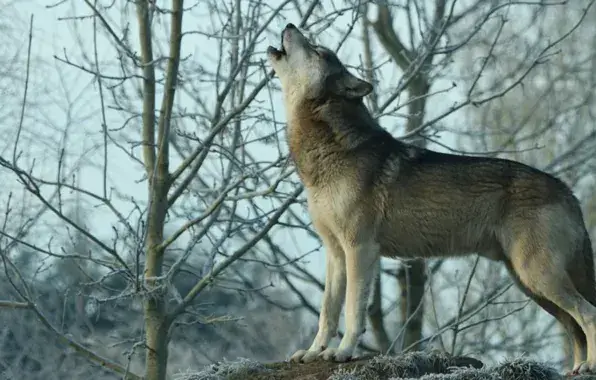
Eastern Wolf – The Elusive Guardian of North America’s Forests
Meet the Eastern Wolf
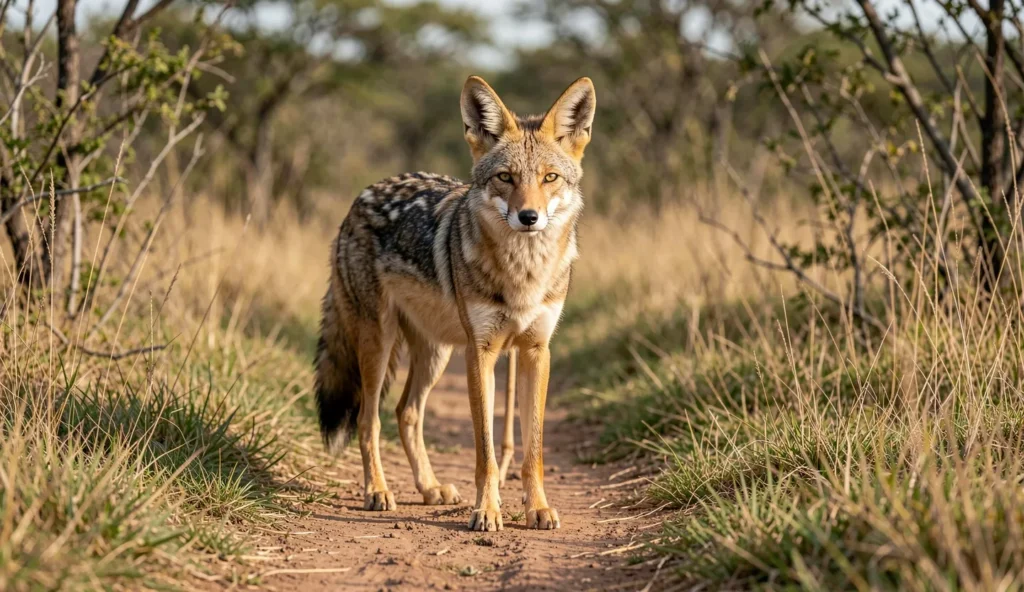
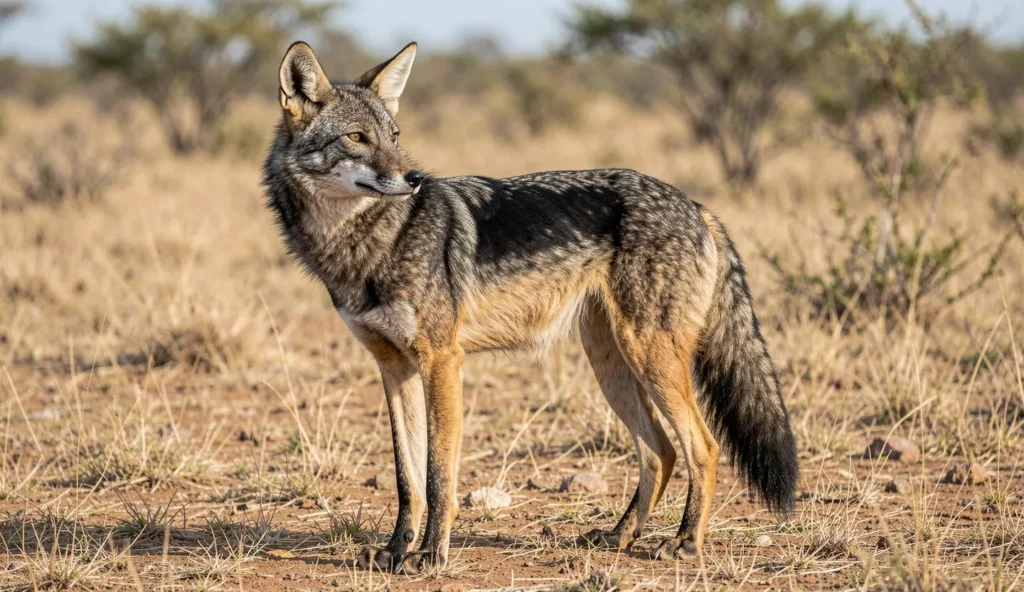
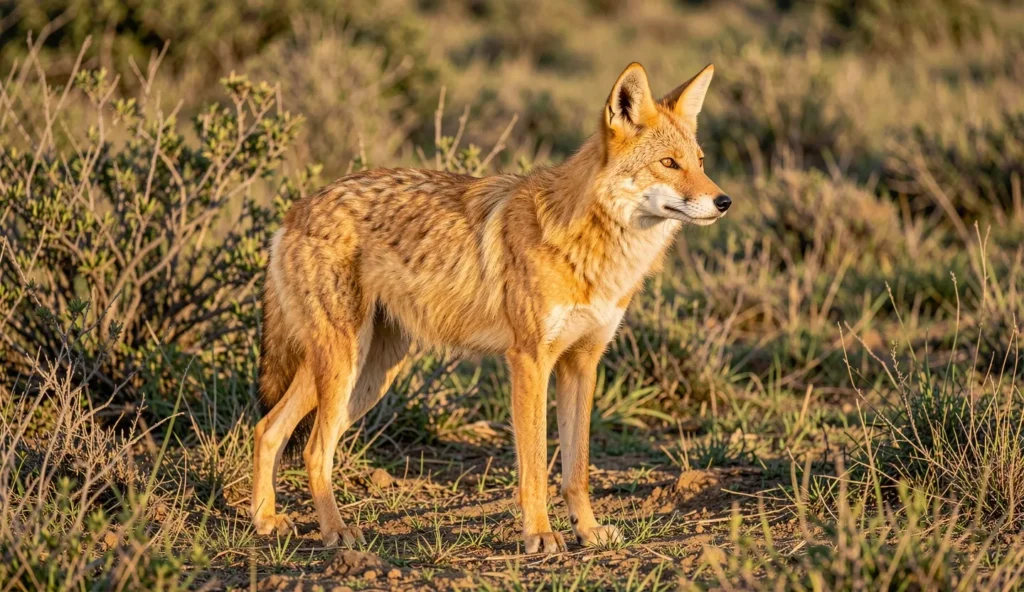
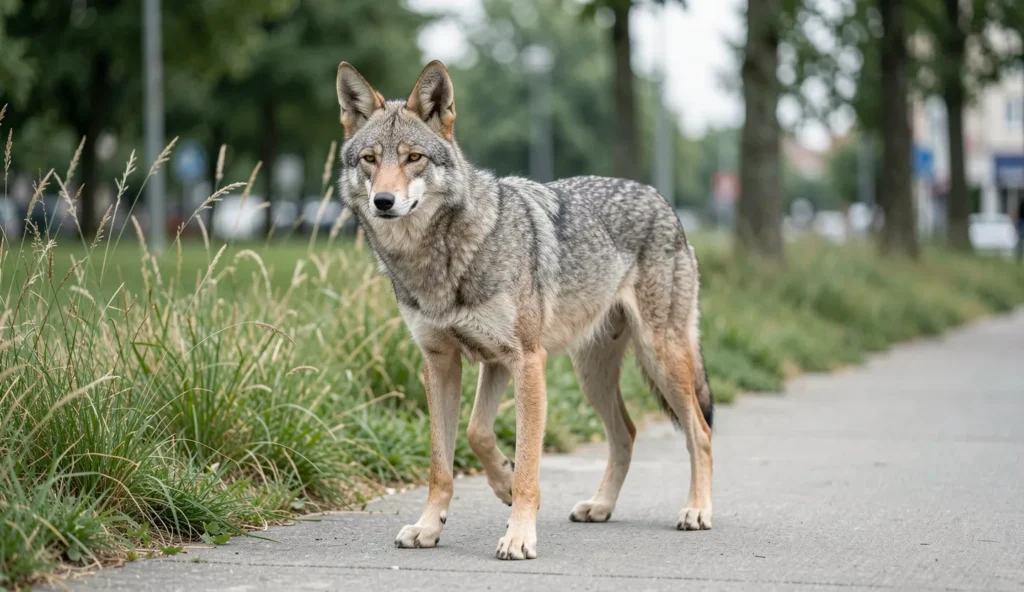
The Eastern Wolf (Canis lycaon), also known as the Algonquin Wolf or Eastern Canadian Wolf, is a mysterious and majestic predator native to the dense forests of eastern North America. Unlike the more widespread Gray Wolf, this beautiful animal bridges the genetic gap between gray wolves and coyotes, making it an important species for evolutionary studies. Recent genetic research has confirmed that the Eastern Wolf is a distinct species, not merely a hybrid, which has significant implications for conservation strategies across its range.
Quick Facts
- Scientific Name: Canis lycaon
- Common Names: Algonquin Wolf, Eastern Canadian Wolf
- Family: Canidae
- Status: Threatened (in Canada)
- Range: Eastern Canada, especially Ontario and Quebec
Appearance
The Eastern Wolf’s look is a stunning blend of wolf and coyote features:
- Color: Reddish-brown, gray, and black fur patterns
- Length: 105–125 cm; Tail: 30–40 cm
- Weight: 23–40 kg
- Notable Traits: Slender build, pointed muzzle, and bushy tail
Social Life
Eastern Wolves are highly social animals:
- Packs: Usually 5–10 members with strong family bonds
- Hierarchy: Dominated by an alpha male and female
- Communication: Howling, scent marking, and body language
Habitat & Range
They thrive in remote and wooded environments:
- Preferred Habitat: Dense forests, wetlands, and parklands
- Key Region: Algonquin Provincial Park, Ontario
- Current Range: Parts of Ontario and Quebec
Diet & Hunting Skills
Eastern Wolves are skilled hunters that keep ecosystems in check:
- Main Prey: White-tailed deer
- Other Foods: Beavers, hares, and small mammals
- Hunting Method: Coordinated group hunting for larger prey
Life Cycle
Their lives follow a fascinating seasonal rhythm:
- Mating Season: Late winter (February–March)
- Gestation: Around 63 days
- Litters: Typically, 4–6 pups are born in spring
- Lifespan: 6–8 years in the wild
Threats & Challenges
Despite protection efforts, the Eastern Wolf faces many threats:
- Habitat Fragmentation: Due to roads and human development
- Hybridization: Breeding with coyotes and gray wolves
- Hunting: Legal and illegal killing outside protected zones
- Human Conflict: Perceived as threats to livestock
Conservation Measures
Efforts to save the Eastern Wolf are underway, and conservationists are increasingly looking to successful programs for other rare canids, such as the Red Wolf recovery initiative in the United States, for guidance:
- Protected Status: Threatened species in Ontario
- Protected Areas: Especially Algonquin Park
- Research: Ongoing genetic and ecological studies
- Public Awareness: Education programs to promote coexistence
Eastern Wolf vs Gray Wolf vs Coyote
| Feature | Eastern Wolf | Gray Wolf | Coyote |
|---|---|---|---|
| Size | Medium (23–40 kg) | Large (30–80 kg) | Small (7–20 kg) |
| Build | Slender | Robust | Light & agile |
| Color | Reddish-gray | Gray, black, white | Brownish-gray |
| Habitat | Eastern forests | Widespread | Urban & rural |
Fun & Fascinating Facts
- Hybrid Mystery: Genetically part coyote and part gray wolf
- Haunting Howl: Unique high-pitched call used to locate pack members
- Studied Species: Important for understanding wolf evolution
- Eco Role: Helps regulate deer populations naturally
Ecological Importance
- Balance Keeper: Controls prey populations like deer
- Forest Health: Promotes regeneration by limiting herbivore numbers
- Keystone Predator: Vital to the stability of forest ecosystems
Frequently Asked Questions
Q1: Are Eastern Wolves dangerous to humans?
A: No. They are shy and avoid humans whenever possible.
Q2: Can Eastern Wolves breed with coyotes?
A: Yes. Hybridization with coyotes is common in areas where ranges overlap, and this is one of the greatest challenges for maintaining pure Eastern Wolf populations.
Q3: Where can I see an Eastern Wolf?
A: They are most commonly spotted in Algonquin Provincial Park, Ontario.
Q4: What’s the biggest threat to Eastern Wolves?
A: Habitat fragmentation and hybridization with coyotes.
Q5: Are Eastern Wolves the same as Red Wolves?
A: No. They are separate species, though both are rare and have hybrid ancestry. For more on the other endangered North American wolf, see our guide on the Red Wolf.
Q6: How does the Eastern Wolf compare to other rare wolf species?
A: The Eastern Wolf shares some ecological similarities with other specialized canids like the Ethiopian Wolf, which is also highly adapted to a specific habitat and faces severe conservation challenges.
Final Thoughts – Protecting the Silent Shadow
The Eastern Wolf is a unique and elusive forest predator that plays a vital role in keeping North America’s eastern ecosystems in balance. Protecting this species means protecting biodiversity, forest health, and a natural legacy worth preserving. With awareness and conservation, the silent shadow of the woods can continue to roam wild and free.