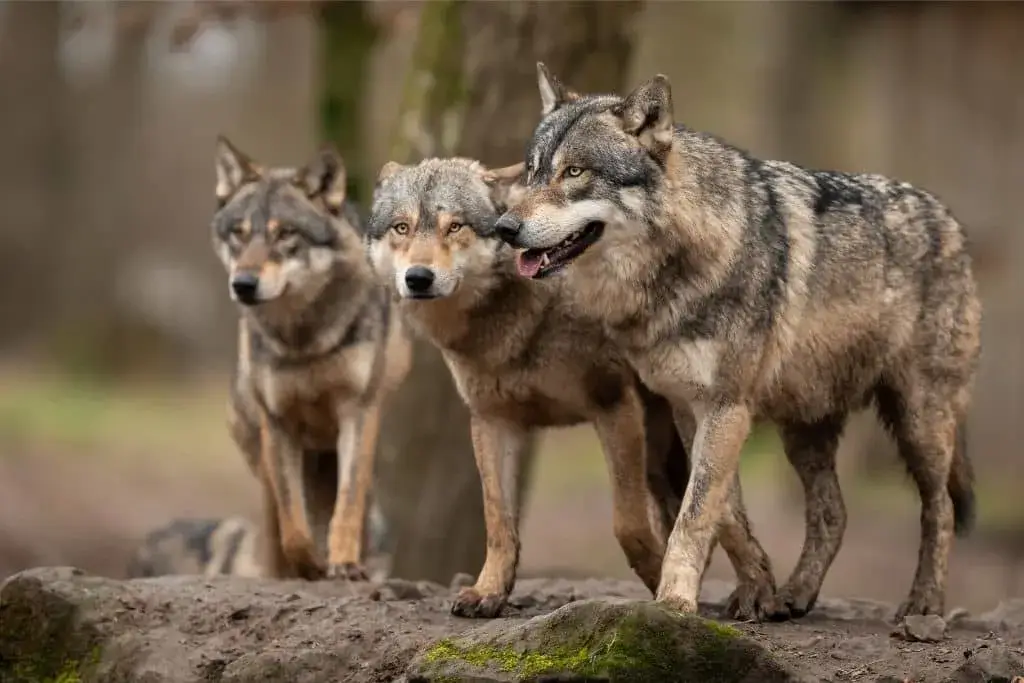
Pakistani Wolf – The Rare Predator of Pakistan’s Wild Landscapes
Introducing the Pakistani Wolf
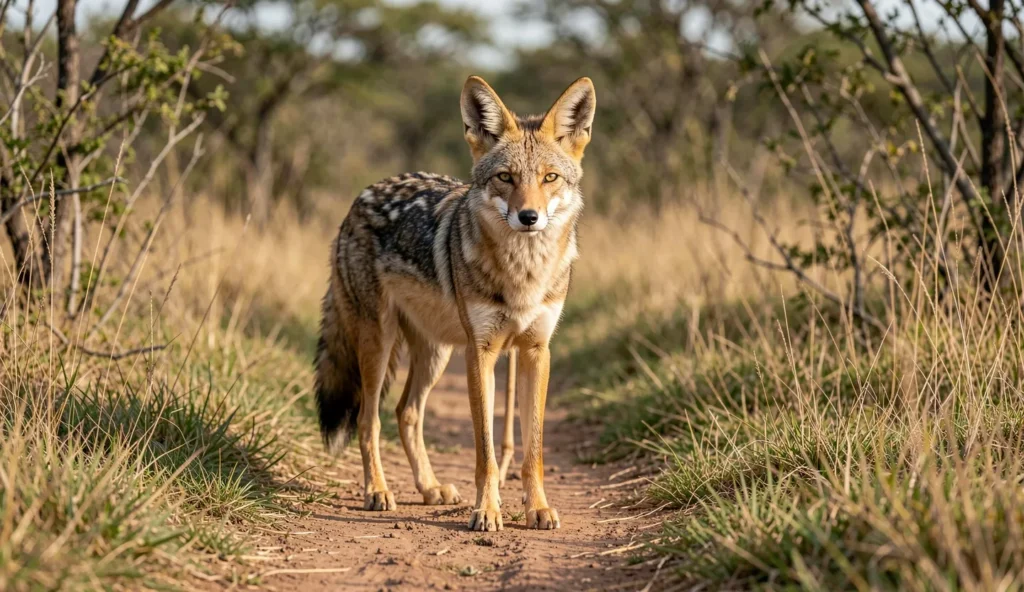
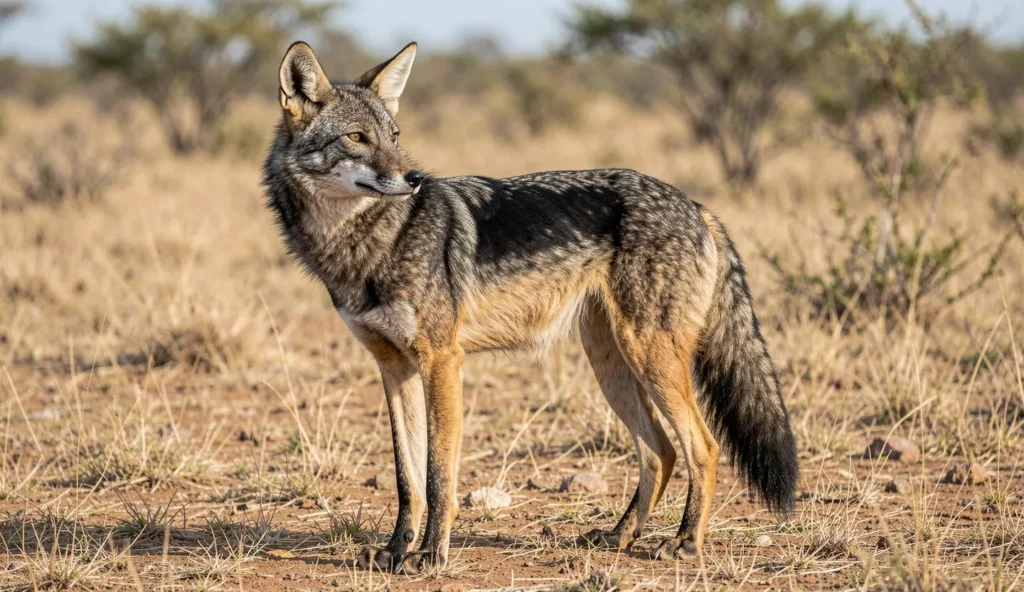
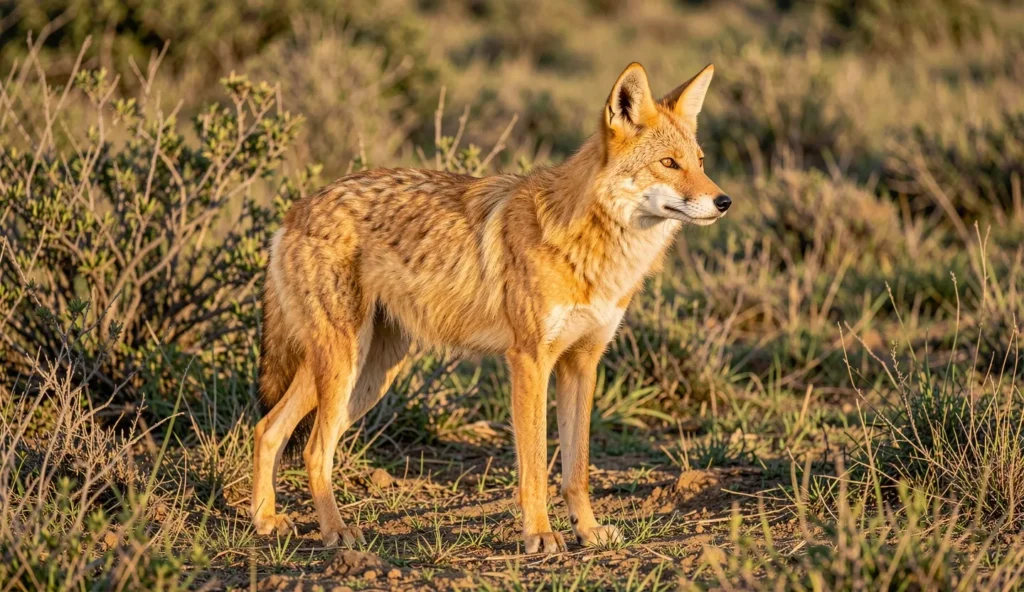
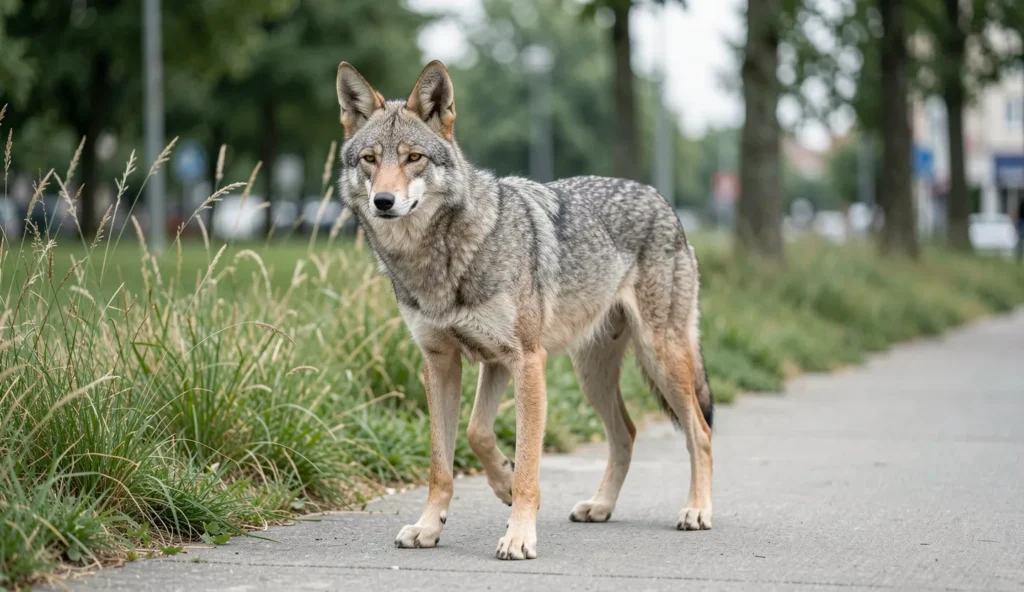
Hidden among the deserts and scrublands of South Asia, the Pakistani Wolf (Canis lupus pallipes) stands as one of the oldest wolf lineages on Earth. Also known as the Indian Wolf, this rare and elusive subspecies of the gray wolf is found in Pakistan’s remote deserts, plains, and semi-arid regions. Known for its smaller size and remarkable adaptability, this wild canine is a symbol of resilience in harsh environments, yet it remains one of the least studied large carnivores in the region.
Quick Facts
- Scientific Name: Canis lupus pallipes
- Common Names: Indian Wolf, Desert Wolf
- Family: Canidae
- Status: Endangered (in Pakistan)
- Range: Balochistan, Sindh, Punjab, and Khyber Pakhtunkhwa provinces
Appearance
The Pakistani Wolf is smaller and leaner than its northern cousins, an adaptation that helps it conserve energy in arid climates:
- Color: Pale gray to light brown, ideal for blending with arid terrain
- Length: Around 100 cm
- Weight: 18–27 kg
- Distinct Features: Shorter fur, narrower face, and erect ears
Social Structure
These wolves typically live in small, tight-knit groups, which helps them survive in resource-scarce environments:
- Pack Size: 3–6 individuals
- Communication: Howling, body signals, and scent marking
- Mating Pair: Alpha male and female lead the pack
Habitat & Distribution
The Pakistani Wolf has adapted to some of the harshest terrains in the country, showing a resilience similar to that of the Ethiopian Wolf, another rare canid specialized for extreme environments:
- Preferred Habitat: Dry plains, deserts, scrublands, and open grasslands
- Regions: Most sightings occur in Cholistan, Thar, and Kirthar National Park
Diet & Hunting Behavior
The Pakistani Wolf is an opportunistic predator that relies on stealth and patience to secure its next meal:
- Main Prey: Small ungulates like deer and antelope
- Other Foods: Hares, rodents, and livestock (occasionally)
- Hunting Tactics: Silent stalking and strategic ambushes
Life Cycle & Reproduction
Their reproductive patterns are adapted to Pakistan’s climate, with timing that ensures pups are born when prey is most abundant:
- Breeding Season: Late winter to early spring
- Gestation Period: Around 60–65 days
- Litter Size: 4–6 pups
- Lifespan: 6–8 years in the wild
Threats to Survival
Pakistani Wolves face several challenges in the wild, many of which are intensified by human expansion:
- Habitat Loss: Due to agriculture, urbanization, and development
- Genetic Dilution: Hybridization with domestic dogs
- Human Conflict: Hunted or poisoned due to livestock predation
- Climate Change: Affecting prey availability and habitat quality
Conservation Efforts
Efforts are in place to protect this vanishing species, though more research is urgently needed to understand its true population status:
- Legal Protection: Listed as protected under Pakistan’s wildlife laws
- Protected Areas: Kirthar and Hingol National Parks
- Research: Studies on population, genetics, and movement patterns
- Community Engagement: Educating local communities to reduce conflicts
Pakistani Wolf vs Himalayan Wolf
While both are native to the Indian subcontinent, the Pakistani Wolf and the Himalayan Wolf occupy very different ecological niches. The table below highlights their key differences:
| Feature | Pakistani Wolf | Himalayan Wolf |
|---|---|---|
| Size | Smaller (18–27 kg) | Larger (30–45 kg) |
| Habitat | Dry lowlands | Cold highlands |
| Fur | Short and pale | Thick and long |
| Range | Southern Pakistan | Himalayan ranges |
Fun Facts
- Unique Genetics: One of the oldest wolf lineages in the world
- Mythology: Featured in ancient folklore and regional stories
- Secretive Nature: Very few confirmed sightings due to its elusive habits
Frequently Asked Questions
Q1: Are Pakistani Wolves aggressive toward humans?
A: No, they are shy and avoid human contact.
Q2: Can Pakistani Wolves be domesticated?
A: No. They are wild animals and cannot be tamed like dogs.
Q3: Are they the same as Indian Wolves?
A: Yes, they are often referred to by both names depending on the region.
Q4: How many Pakistani Wolves are left?
A: Exact numbers are unknown, but populations are declining due to habitat loss and hunting. Conservationists estimate that fewer than a few hundred may remain in the wild.
Q5: Where can I see a Pakistani Wolf?
A: Wildlife sanctuaries like Kirthar National Park offer rare chances to spot one in the wild.
Final Thoughts – Protecting Pakistan’s Wild Heritage
The Pakistani Wolf is a living symbol of the country’s wild past and ecological diversity. Its survival depends on our efforts to preserve habitats, reduce conflicts, and raise awareness. Unlike the more widely recognized Gray Wolf of North America and Eurasia, this desert-adapted predator remains largely invisible to science and the public alike. With the right actions, this desert ghost can continue to roam Pakistan’s rugged landscapes for generations to come.
For those interested in learning about other rare canids, the Red Wolf of North America and the Eastern Wolf of Canada face similar conservation challenges and offer valuable comparisons in wolf ecology.