Bottlenose Dolphin: The Charismatic Marine Genius
Introduction to Bottlenose Dolphins
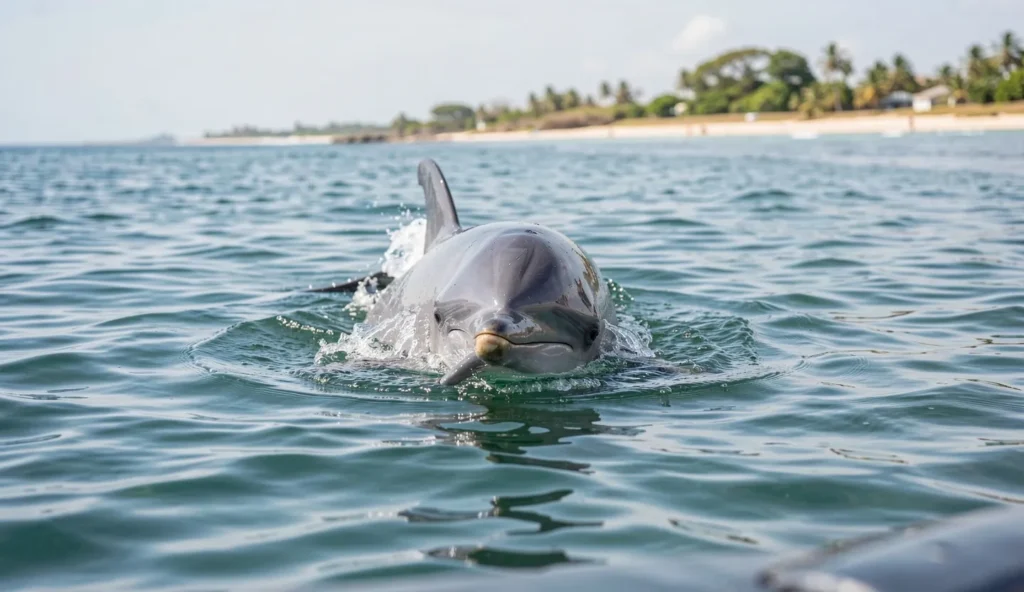
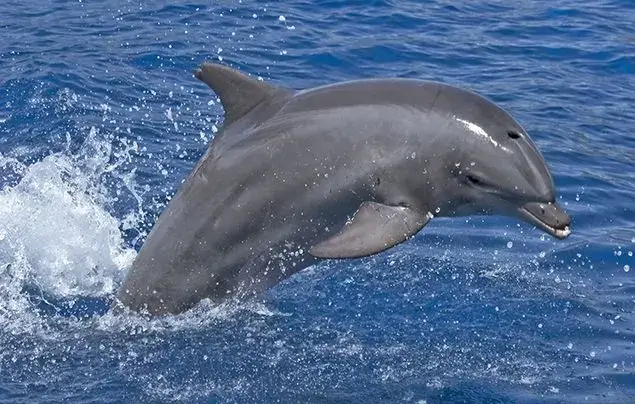
The Bottlenose Dolphin is arguably the most well-known and beloved dolphin species in the world. Renowned for their intelligence, friendly nature, and playful behavior, these marine mammals have captivated humans for centuries. With their iconic curved mouth that gives the appearance of a smile, bottlenose dolphins have become the face of dolphin conservation and education efforts worldwide. Unlike the acrobatic Spinner Dolphin, which is famous for its spinning leaps, the bottlenose dolphin is best known for its close interactions with humans and its starring role in marine parks and documentaries.
Physical Features and Appearance
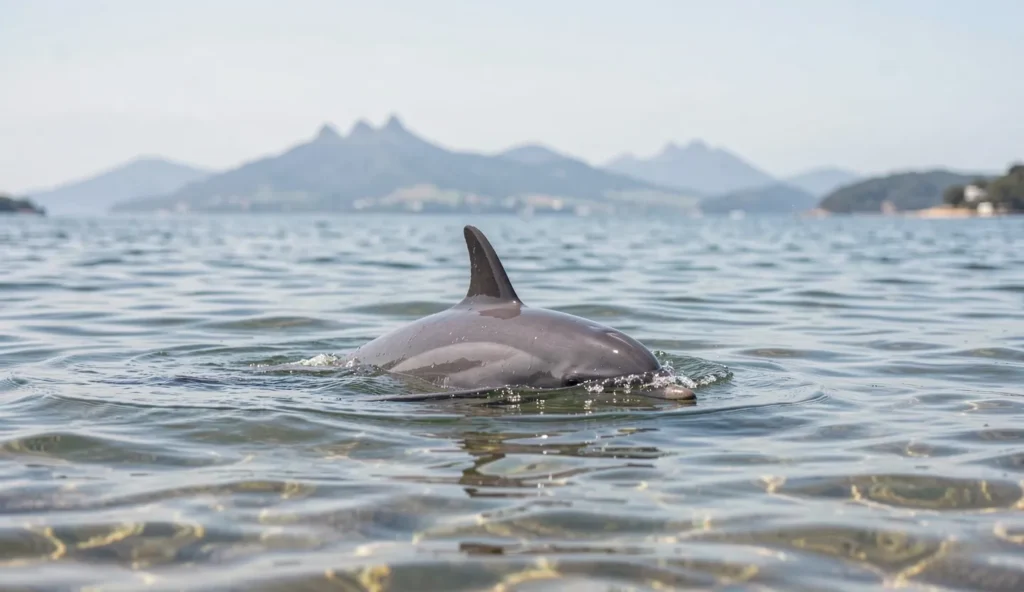
Bottlenose dolphins have sleek, streamlined bodies perfect for agile swimming. They typically range from 6.6 to 13 feet in length and can weigh between 300 to 1,400 pounds. Their coloration is usually a light grey on the sides and a darker grey on the back, helping them blend in with the ocean from above and below. Their dorsal fin is tall and curved, and their beak-like snout gives them their distinctive name.
Habitat and Distribution
These adaptable creatures are found in warm and temperate seas worldwide. From the Atlantic and Pacific Oceans to the Mediterranean and Indian Oceans, bottlenose dolphins thrive in both coastal and offshore environments. They can even be spotted near harbors and estuaries, making them one of the most visible marine species. While they share some coastal habitats with the Common Dolphin, bottlenose dolphins tend to prefer shallower, warmer waters and are more frequently observed by boaters and beachgoers.
Behavior and Intelligence
Bottlenose dolphins are exceptionally intelligent. They use complex vocalizations, including clicks and whistles, for communication and echolocation. Socially, they live in pods ranging from a few individuals to over a hundred. They often work together to herd fish, play, or protect one another from predators. Their ability to learn new behaviors makes them popular in research and marine parks, though ethical concerns have led to increased advocacy for their protection in the wild. Scientists have documented that bottlenose dolphins can recognize themselves in mirrors, understand symbolic language, and even pass knowledge between generations, a trait once thought unique to humans.
Lifespan and Reproduction
In the wild, bottlenose dolphins can live up to 40-50 years. Females typically give birth every 3 to 6 years after a gestation period of about 12 months. Calves are born tail-first and begin swimming almost immediately, staying close to their mothers for guidance and protection. Mothers are highly attentive, nursing their calves for up to 18 months and teaching them essential hunting and social skills. This long period of parental care is one reason why dolphin intelligence is so highly developed.
Role in Ecosystem
Bottlenose dolphins play a crucial role in marine ecosystems. As apex predators, they help maintain the balance of fish populations. Their presence is also an indicator of ocean health. Because they are sensitive to environmental changes, scientists often study them to monitor the impact of pollution and climate change. A decline in local dolphin populations can signal broader problems in the marine food web, making them valuable sentinel species for conservation biologists.
Threats and Conservation Status
Despite their popularity, bottlenose dolphins face numerous threats. These include pollution, entanglement in fishing gear, habitat destruction, and noise pollution from ships. While not currently endangered, their populations are closely monitored. International laws and marine protected areas help safeguard their future, but ongoing public awareness and conservation efforts are essential. Responsible wildlife tourism, such as choosing boat operators that follow dolphin-watching guidelines, can help reduce stress on wild populations.
Fun Facts About Bottlenose Dolphins
- They can jump as high as 16 feet out of the water!
- Each dolphin has a unique whistle like a name.
- They use sponges to protect their snouts while foraging on the ocean floor.
- They can swim up to 22 miles per hour.
- Some have been observed helping injured pod mates and even rescuing humans.
Frequently Asked Questions (FAQs)
How smart are bottlenose dolphins?
Bottlenose dolphins are among the most intelligent animals on Earth. They can solve problems, use tools, recognize themselves in mirrors, and understand symbolic language. Their brain-to-body ratio is second only to humans among mammals.
Where can I see bottlenose dolphins in the wild?
They can be found along coastlines and in bays of many oceans, including the Gulf of Mexico, Mediterranean Sea, and parts of the Pacific and Atlantic Oceans. Popular viewing spots include Florida, Hawaii, the Bahamas, and the coast of Scotland.
Are bottlenose dolphins endangered?
No, they are currently listed as “Least Concern” by the International Union for Conservation of Nature (IUCN). However, local populations may be threatened due to environmental stressors such as chemical pollution and boat traffic.
How do dolphins communicate?
They use a complex system of clicks, whistles, and body language. Each dolphin has a unique whistle that serves as its signature, similar to a human name. They can also communicate through touch and synchronized movements.
Can dolphins help humans?
Yes! There are many documented cases where dolphins have guided lost swimmers, rescued drowning people, or protected humans from sharks. Their natural curiosity and strong social bonds often extend to interactions with people in distress.
Conclusion
The Bottlenose Dolphin continues to inspire awe with its intelligence, beauty, and grace. As symbols of ocean life, they remind us of the importance of protecting marine ecosystems. Whether seen gliding through the surf or performing acrobatics in the open sea, bottlenose dolphins are true ambassadors of the ocean. By learning about and respecting these remarkable animals, we can help ensure that future generations will also have the privilege of watching them thrive in their natural habitats.