What Is Hector’s Dolphin
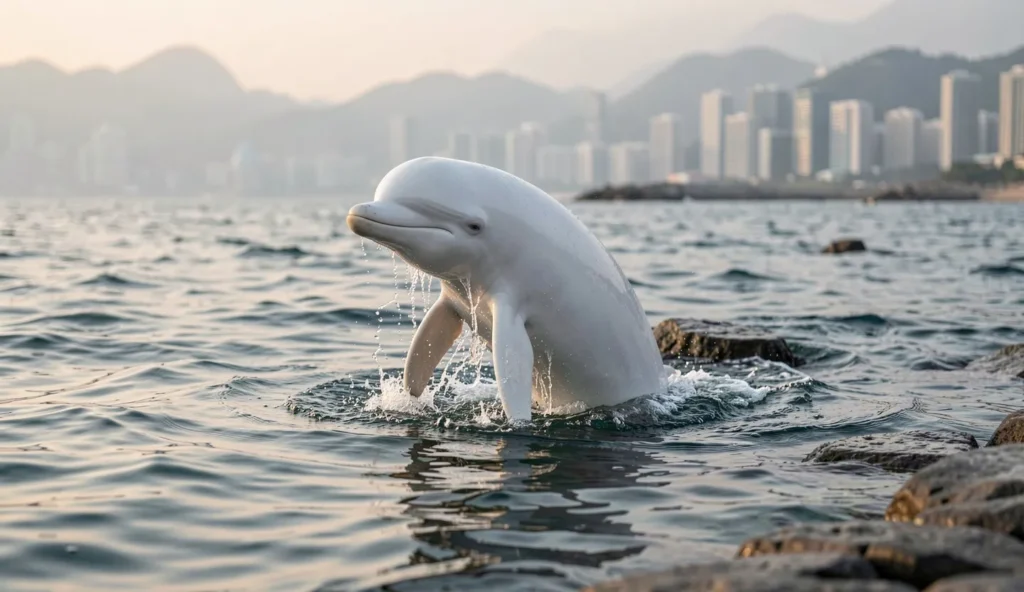
Hector’s Dolphin is a small toothed whale found only in New Zealand waters. It stands out because it remains among the smallest dolphin species and because its dorsal fin often looks rounded. This New Zealand dolphin profile focuses on Hector’s dolphin facts that support wildlife viewing and research.
Scientific Name And Classification
Hector’s dolphin belongs to the species Cephalorhynchus hectori. It sits within the toothed whale group, which uses echolocation and feeding on small prey. The species is endemic to New Zealand, meaning it does not naturally occur elsewhere.
Where It Lives In New Zealand
Hector’s dolphin lives in coastal and nearshore habitats along the New Zealand coastline. Sightings commonly relate to regions where depth, shoreline shape, and prey availability stay consistent. Water conditions shape how far dolphins move offshore, even when the coastline looks similar.
Why It Is Considered The Smallest Dolphin
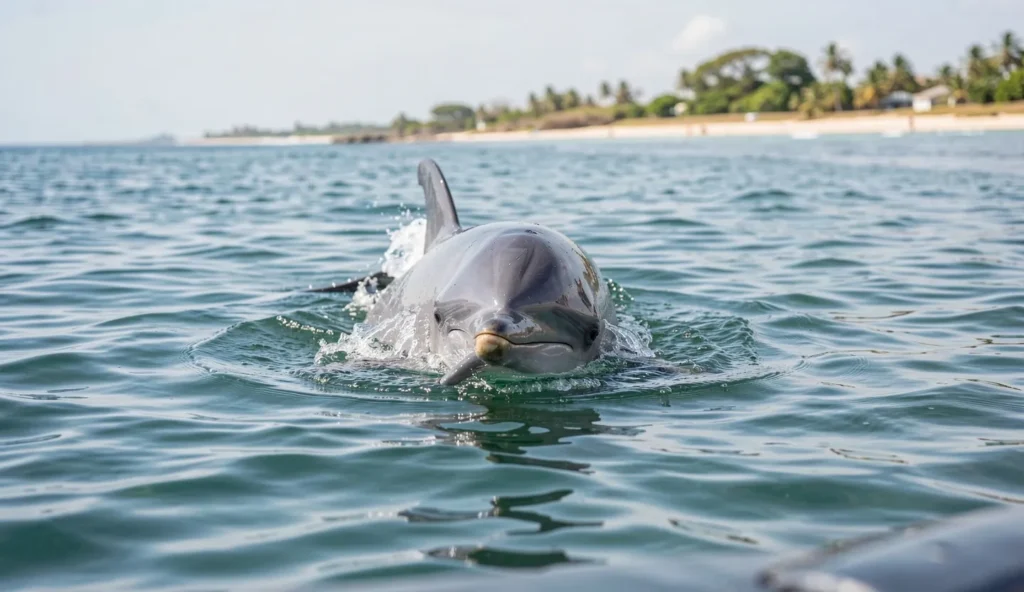
Hector’s dolphin is widely described as the smallest dolphin because its body size stays much smaller than most other dolphin species. Mature individuals typically remain compact, with a rounded head and compact body profile. These traits make Hector’s dolphin one of the key smallest dolphin species for field identification in New Zealand.
What Hector’s Dolphin Looks Like
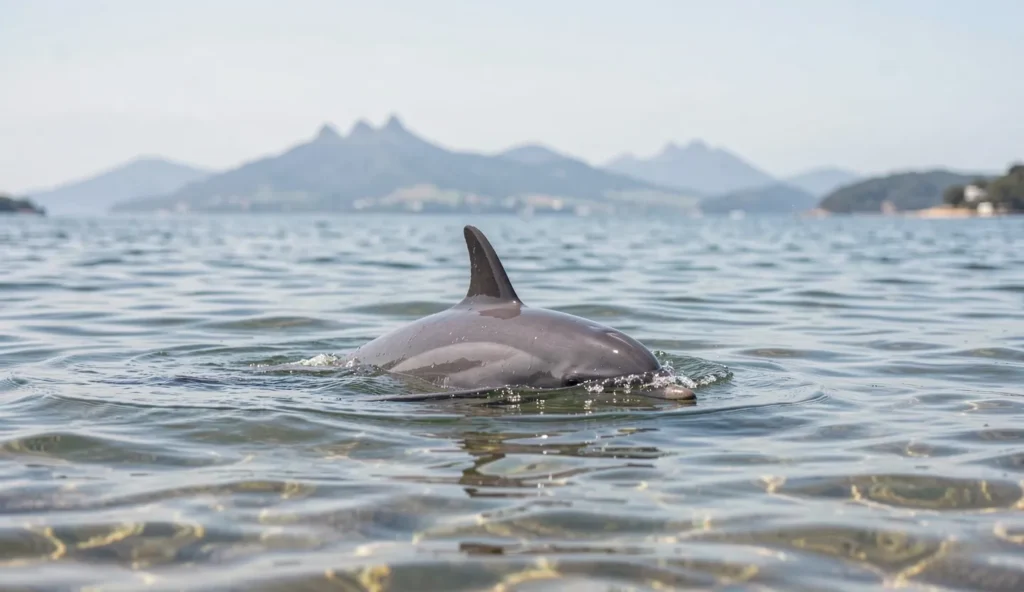
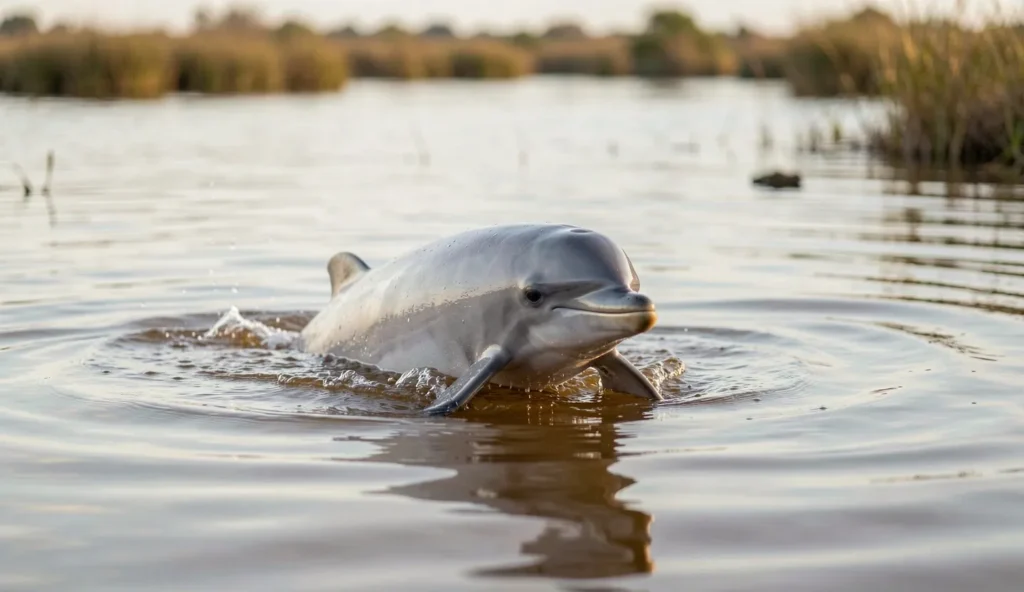
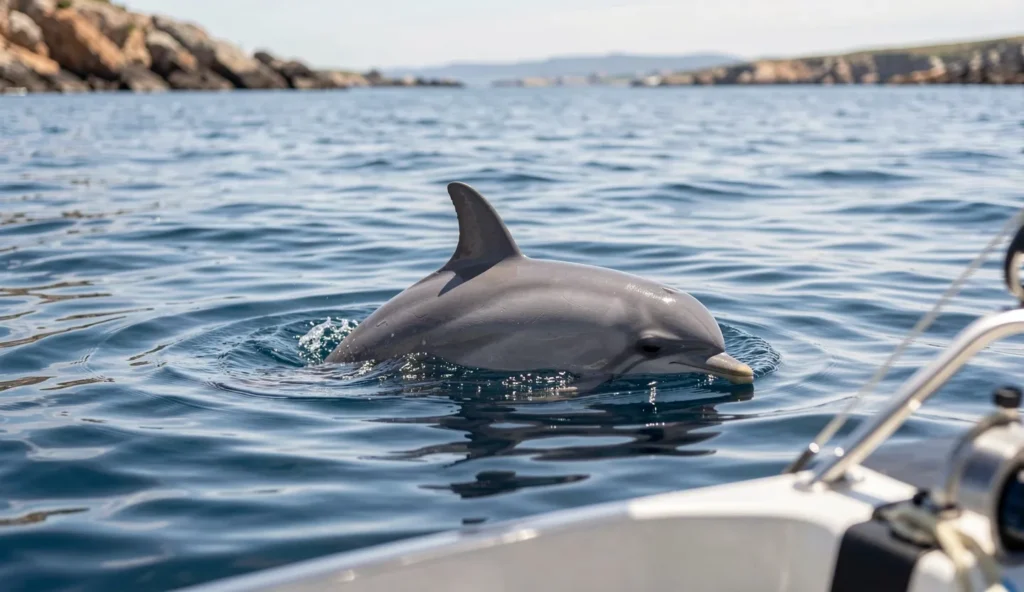
Hector’s dolphin appearance can be easier to recognize when the dorsal fin shape and body profile are observed together. Because the species stays near shore, it often gets viewed at relatively short distances. For those gathering Hector’s dolphin facts, rounded features and a compact silhouette matter most.
Rounded Dorsal Fin Shape
A rounded dorsal fin is the most useful recognition feature. The fin looks more bulbous than sharply pointed, which helps separate it from dolphins with taller, more triangular fins. The fin also tends to sit along the back in a consistent posture during surfacing.
Body Size Color And Markings
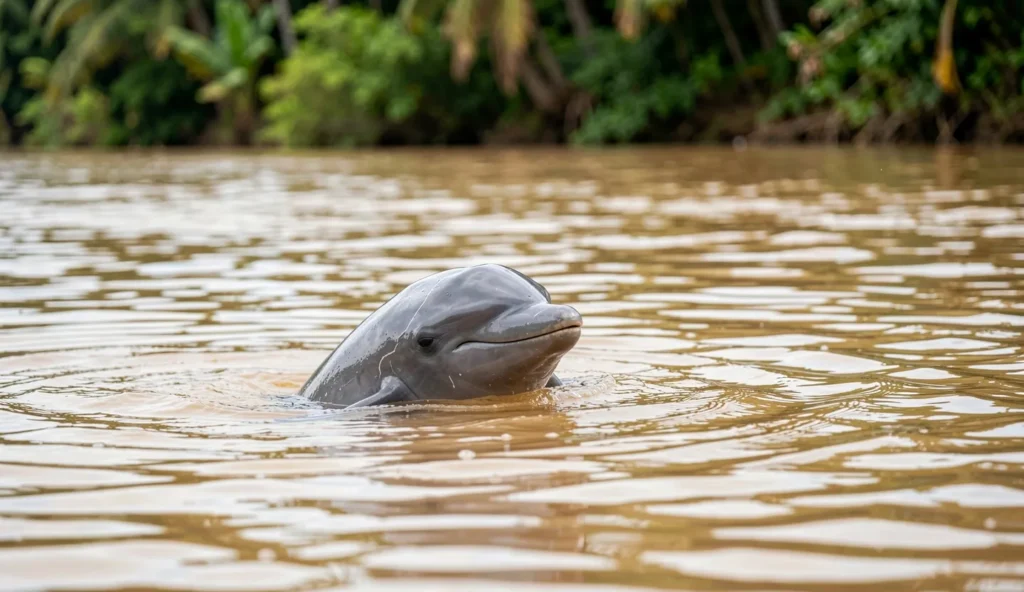
Hector’s dolphin has a small, compact body compared with many other dolphins. Its overall tone is generally dark, with lighter shading on some body parts. Individual variation can include different levels of natural scarring, which can change what people notice in photos.
How Researchers Tell Individuals Apart
Researchers often use photo identification to match the same animal across sightings. Natural features such as scarring and the dorsal fin shape provide reference points over time. Consistent viewing angles improve matching accuracy when multiple sightings occur.
Common Confusions With Other New Zealand Dolphins
Some coastline areas host multiple dolphin species, which can lead to misidentification. Fin shape and body size help reduce confusion during quick views. Behavior and habitat depth can also differ, although those cues require careful observation.
On the topic of dolphin identification, readers may find it useful to compare how other species present their dorsal fins. For example, a Bottlenose Dolphin often shows a more prominent, streamlined profile in many encounters, which can contrast with Hector’s dolphin in nearshore settings. Similar comparison logic also appears when reviewing Spinner Dolphin movement patterns and surfacing styles in their typical ranges.
How Hector’s Dolphin Behaves In The Wild
Hector’s Dolphin behavior stays tied to nearshore foraging and local prey availability. In many observations, dolphins appear in small groups, and movement remains close to the shore. Understanding these patterns helps interpret what researchers record during surveys.
Social Groups And Movement Patterns
Hector’s dolphin often appears in small groups or pairs. In many cases, dolphins move along or near the coast rather than crossing long distances offshore. Group size can shift with season and prey concentration, so researchers expect variation between months.
Feeding Behavior And Diet Basics
The diet includes small fish and other coastal marine animals. Foraging often takes place in nearshore waters where prey is easier to encounter. Feeding timing can change as local conditions change, including water clarity and prey movement.
Communication And Breathing Patterns
Like other toothed whales, Hector’s dolphin breathes at the water surface between dives. Vocalizations can support communication and coordination among nearby animals. Observers can often track surfacing intervals, although the exact timing depends on the situation.
Swimming Style And Tail And Fin Use
Compact body shape influences visible movement, so the overall swim can look less expansive than larger dolphin species. The dorsal fin shape stays prominent when dolphins surface. Direction changes may appear subtle in calm water, especially when animals move parallel to the shoreline.
Behavioral similarity can sometimes confuse people when they watch different dolphins in the same general water setting. For example, the Common Dolphin often travels with different group dynamics in areas where it is present. These contrasts do not replace local observation, but they can help frame what “nearshore small-group behavior” means for Hector’s dolphin.
What Habitat Hector’s Dolphin Needs
Hector’s dolphin habitat use focuses on coastal and nearshore waters where feeding opportunities are available. The species depends on local seafloor and water conditions, so distribution can look patchy along the coast. For Hector’s dolphin facts, habitat details explain why monitoring efforts target specific areas.
Coastal And Nearshore Water Use
Hector’s dolphin lives close to shore more than many oceanic dolphin species. Sheltered bays and coastal waters often play a key role for daily movement and foraging. Water conditions influence where groups concentrate, including factors that affect prey distribution.
Depth Water Temperature And Currents
Depth selection connects to prey availability and to how dolphins move while searching. Temperature and currents can shift where prey is located, which changes where dolphins appear. Seasonal variation can therefore move observation hotspots along the coastline.
Important Environmental Features
Seafloor structure can support prey and shape how dolphins forage near the bottom. Coastal geography also affects movement, since bays, headlands, and channels change local water flow. Human activity overlaps many of these same nearshore zones, which can increase pressure on the habitat.
Understanding habitat overlap matters not only for Hector’s dolphin but also for other species that depend on coastal environments. Readers may see similar research approaches in other coastal wildlife topics, such as Common Dolphin studies that track distribution relative to water conditions. That parallel does not imply the same habitat needs, but it helps explain why environmental data gets paired with sightings.
What Threats Affect Hector’s Dolphin
The main risks to Hector’s dolphin come from interactions with human activities in nearshore waters. Because the species remains localized and small, any added mortality or habitat disruption can have outsized effects. Threats remain a priority focus for researchers and conservation programs.
Bycatch In Fisheries
Bycatch can occur when fishing gear unintentionally entangles dolphins. Nearshore habitat overlaps with many fishing efforts, which increases encounter chances. Bycatch is widely treated as a major conservation concern because it can cause serious injury or death.
Habitat Disturbance And Water Quality
Coastal development can change habitat conditions and reduce the suitability of feeding areas. Pollution can affect prey health and the broader marine ecosystem. Noise in coastal waters can also alter dolphin movement and feeding behavior, which may reduce effective foraging time.
Disease Injury And Genetic Vulnerability
Small population sizes can increase vulnerability to disease and other shocks. Injuries from entanglements may lead to secondary problems that reduce survival and reproductive success. Limited range can also affect genetic diversity, which can reduce resilience over time.
Threat patterns often share logic with other protected wildlife species that live near people. For example, conservation researchers working on marine birds such as Costa’s Hummingbird focus on how habitat pressure affects survival and reproduction. The species are different, but the conservation reasoning around limited range and human impact can feel familiar.
How Researchers Study Hector’s Dolphin And Track Populations
Research on Hector’s dolphin relies on repeated observation and systematic recording over time. Field studies aim to document where dolphins are, which individuals appear, and how those patterns change. This section explains methods used to support conservation decisions and reduce uncertainty.
Visual Surveys And Photo Identification
Visual surveys use boats or shoreline effort to document dolphin sightings. Photo identification helps match individuals by dorsal fin shape and natural markings. When images get compared across time, researchers can estimate presence patterns and encounter rates.
Behavioral Observation And Data Recording
Researchers record group size, surfacing, and movement direction during field sessions. Feeding events get logged when they are observable and clearly linked to dolphin behavior. Environmental notes such as water conditions help connect dolphin activity to habitat context.
Acoustic And Movement Monitoring Basics
Acoustic monitoring can capture vocal activity, which supports understanding of communication and presence. Movement monitoring may combine observational data patterns with other field measurements. Together, these datasets help relate dolphin presence to habitat features and likely risk factors.
How Conservation Priorities Are Set
Threat data guides mitigation planning, including risk reduction around fisheries. Population trends influence management decisions because stable numbers may not reflect hidden losses. Ongoing monitoring also helps measure whether specific actions reduce risk for the dolphin population.
Research and identification rely on consistent documentation methods. Even for non-marine species, similar approaches appear in wildlife databases that emphasize standardized observation, as seen in topics like Icelandic Horse health and care tracking. That comparison helps readers understand why repeatable methods matter when population outcomes get measured.
Is Hector’s Dolphin Right For You
Hector’s Dolphin is not a pet species, and responsible interest focuses on respectful viewing and support for conservation. The species remains a protected marine mammal in New Zealand waters. People interested in Hector’s dolphin facts usually connect through wildlife education and observation programs.
What Pet Ownership Would Actually Mean
Wild dolphins are not appropriate pets, and specialized marine conditions would be required. Conservation rules limit capture and handling, so ownership is not a realistic option for most people. Any attempt to keep Hector’s dolphin would directly conflict with legal protection and animal welfare needs.
Best Ways To Support Or Engage
Responsible wildlife viewing means staying within local guidelines and avoiding disturbance to animals. Supporting research and conservation organizations helps fund monitoring and mitigation planning. When stranded animals occur, following reporting guidelines helps ensure qualified response.
Who Typically Connects With Hector’s Dolphin
Wildlife enthusiasts often enjoy documented behavior through surveys and public education material. Dolphin researchers focus on population trends, threat patterns, and individual identification methods. Marine educators use accurate facts to increase public awareness of nearshore conservation needs.
Final Note On Hector’s Dolphin
Hector’s Dolphin remains a uniquely New Zealand species with clear traits, specific habitat needs, and measurable conservation risks. Accurate Hector’s dolphin facts can support better awareness and more effective protection efforts.
Frequently Asked Questions
Where Does Hector’s Dolphin Live In New Zealand?
Hector’s dolphin lives in New Zealand coastal and nearshore waters and occurs only within the region’s marine environment.
What Makes Hector’s Dolphin The Smallest Dolphin?
Its body size stays very small compared with most other dolphin species, even at maturity.
What Does Hector’s Dolphin Look Like?
It has a rounded dorsal fin and a compact, small dolphin body that supports nearshore identification.
What Are The Main Threats To Hector’s Dolphin?
Bycatch in fisheries and coastal habitat disturbance are major concerns affecting survival.
How Do Researchers Identify Hector’s Dolphin Individuals?
Researchers use photo identification based on dorsal fin shape and natural markings.
Can Hector’s Dolphin Be Kept As A Pet?
No, it is a wild protected dolphin species and is not suitable for pet ownership.