Spinner Dolphin – The Acrobats of the Ocean
Introduction
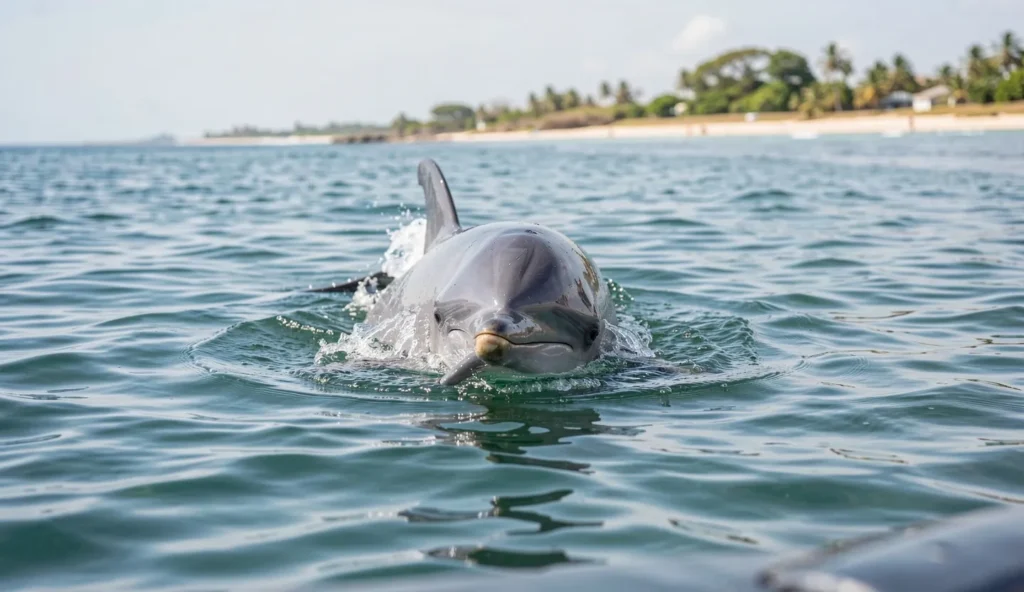
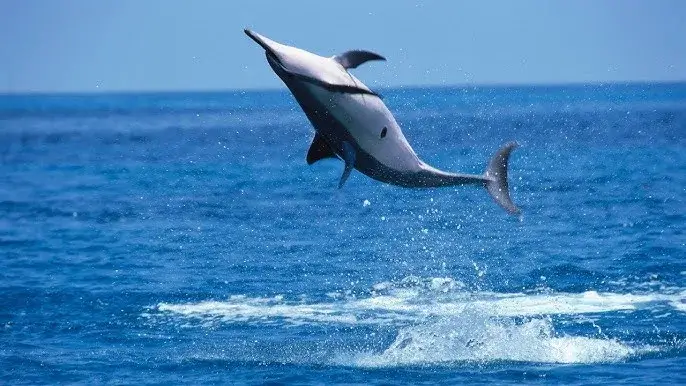
Few sights in the marine world rival the spectacle of a Spinner Dolphin launching itself skyward, rotating up to seven times before splashing back into the sea. These acrobatic dolphins are among the most energetic and socially complex species in the ocean. Whether you are a wildlife lover, a conservationist, or simply curious about ocean life, the Spinner Dolphin will capture your heart with its charm and intelligence.
Origin and Habitat
Spinner Dolphins are found in warm tropical and subtropical waters around the globe. They are especially common in the Pacific Ocean, the Indian Ocean, and parts of the Atlantic. These dolphins prefer open seas but can also be spotted near islands, coasts, and coral reefs, where they form large social groups called pods. Their range overlaps with other species, such as the Common Dolphin, which shares similar open-water habitats.
Physical Appearance and Unique Features
True to their name, Spinner Dolphins are known for spinning multiple times in the air during their jumps. They have a slender body, a long beak, and a tri-colored pattern: dark gray on the back, lighter gray on the sides, and a white belly. Adults typically grow up to 6 to 7 feet in length and weigh between 130–170 pounds. Their streamlined physique allows them to perform the high-speed spins that make them famous among dolphin enthusiasts.
Behavior and Social Structure
These dolphins are highly social and live in pods that can range from a few individuals to over a thousand. They communicate through clicks, whistles, and body language. Their group dynamics are based on cooperation and bonding, making them one of the most socially intelligent marine animals. Like the well-known Bottlenose Dolphin, Spinner Dolphins rely on strong social ties for hunting, resting, and raising their young.
Diet and Feeding Habits
Spinner Dolphins primarily feed on small fish, squid, and other tiny sea creatures. They usually hunt at night in deep waters and rest in shallow areas during the day. Their hunting techniques often involve teamwork, where dolphins circle and herd fish to make catching them easier. This cooperative feeding strategy is a hallmark of many dolphin species and demonstrates their advanced problem-solving abilities.
Breeding and Lifespan
Female Spinner Dolphins give birth to a single calf after a gestation period of about 10–12 months. Calves nurse for about a year and remain close to their mothers for several years. Spinner Dolphins can live up to 20 years in the wild, with some individuals reaching even older ages in protected environments. Recent studies suggest that dolphins in well-managed marine protected areas may experience longer lifespans due to reduced human-related threats.
Conservation Status and Threats
Although Spinner Dolphins are not currently endangered, they face several threats, including:
- Bycatch in commercial fishing operations
- Pollution and plastic ingestion
- Boat strikes and habitat degradation
- Disturbance from tourism and marine noise pollution
Conservation efforts such as marine protected areas, responsible tourism practices, and fishing regulations are essential to ensure their long-term survival. Travelers seeking to observe these dolphins should choose tours that follow ethical guidelines, much like those recommended for viewing other intelligent marine mammals.
Role in Ecosystem and Human Connection
Spinner Dolphins play a key role in maintaining healthy marine ecosystems by regulating fish populations. They are also valuable to eco-tourism, drawing thousands of tourists who wish to observe them in the wild. Their playful nature and intelligence continue to inspire awe and appreciation around the world. For those interested in learning about other intelligent animals, the Spider Monkey offers a fascinating comparison of social behavior in a completely different environment.
Interesting Facts About Spinner Dolphins
- They can spin up to seven times in a single leap.
- Each pod has its own set of vocalizations, much like dialects.
- They often ride the bow waves of boats just for fun.
- Spinner Dolphins sleep by shutting off one hemisphere of their brain at a time.
How to Help Spinner Dolphins
Want to make a difference? Here are some ways to support Spinner Dolphins:
- Reduce plastic use and recycle responsibly.
- Support marine conservation organizations.
- Practice responsible dolphin-watching tourism.
- Educate others about ocean protection.
Conclusion
The Spinner Dolphin is not just a joy to watch — it is a vital part of our ocean ecosystem. Their intelligence, social behavior, and incredible athleticism make them truly one-of-a-kind. By protecting their habitat and spreading awareness, we can help ensure that these spectacular marine creatures continue to thrive for generations to come. Whether you encounter them in the wild or learn about them from afar, Spinner Dolphins remind us of the beauty and complexity of life beneath the waves.
FAQs About Spinner Dolphins
What makes Spinner Dolphins unique?
Spinner Dolphins are famous for their spinning leaps — they can rotate multiple times mid-air, unlike any other dolphin species.
Are Spinner Dolphins friendly to humans?
Yes, they are generally friendly and curious, often approaching boats and divers. However, it is important to observe them responsibly and not disturb their natural behavior.
Where can I see Spinner Dolphins?
They are commonly seen in Hawaii, the Maldives, the Caribbean, and other tropical regions. Look for dolphin-watching tours that follow ethical and sustainable practices.
How do Spinner Dolphins sleep?
Like other dolphins, they shut down one half of their brain at a time while keeping the other half active. This allows them to rest while still being alert to predators and surfacing to breathe.