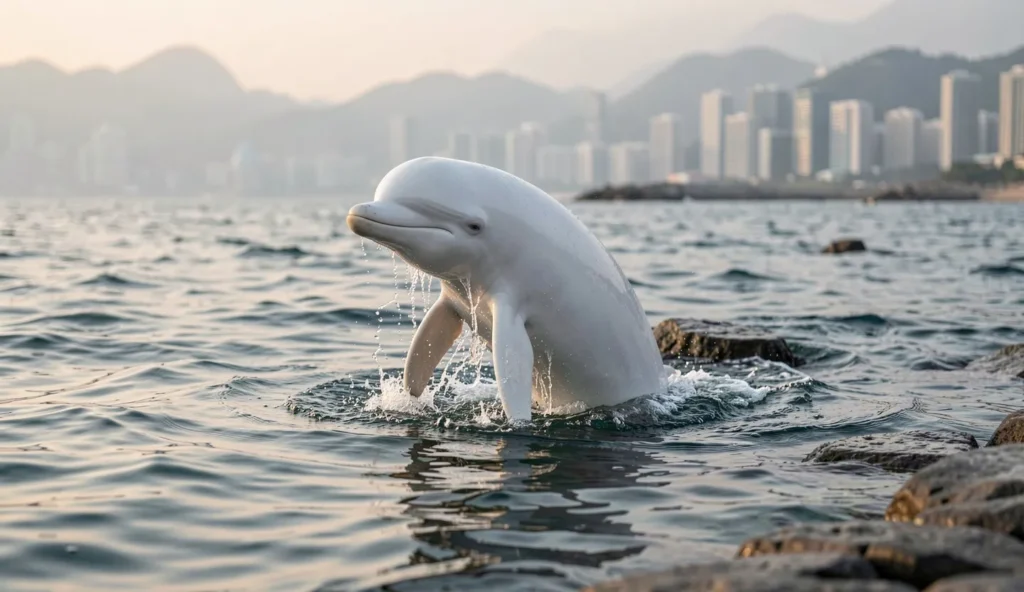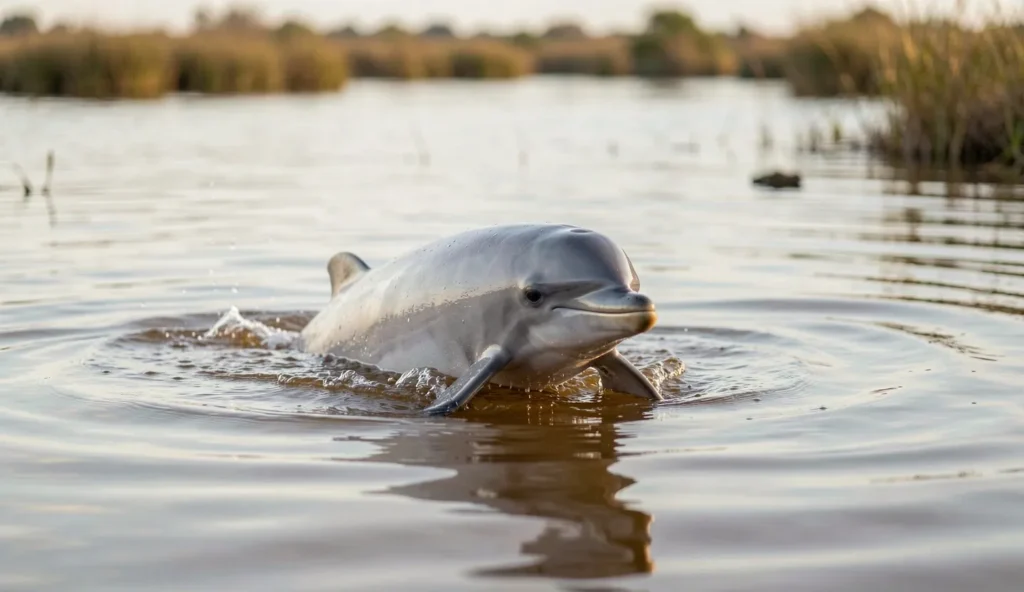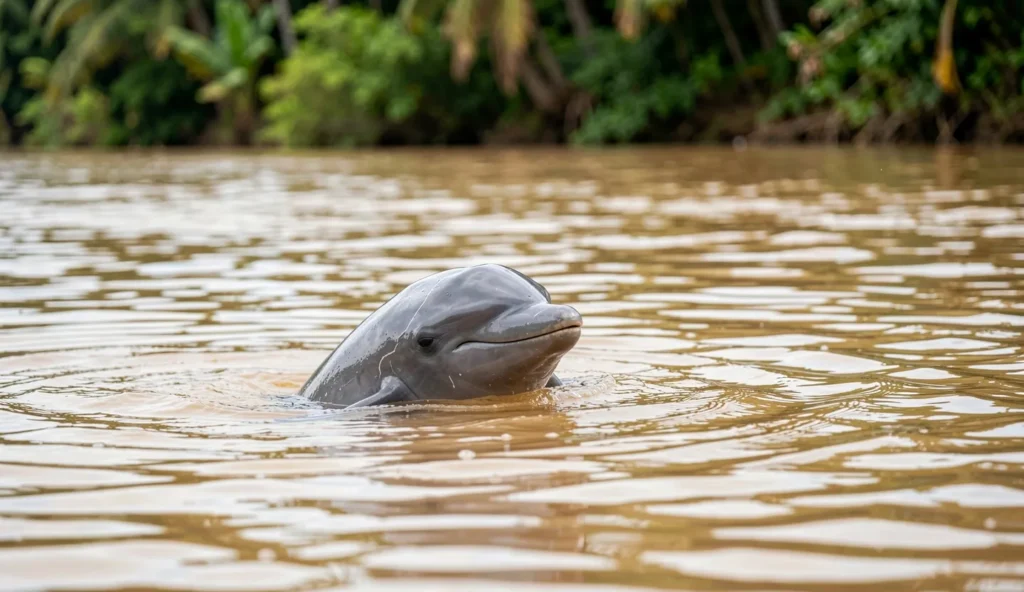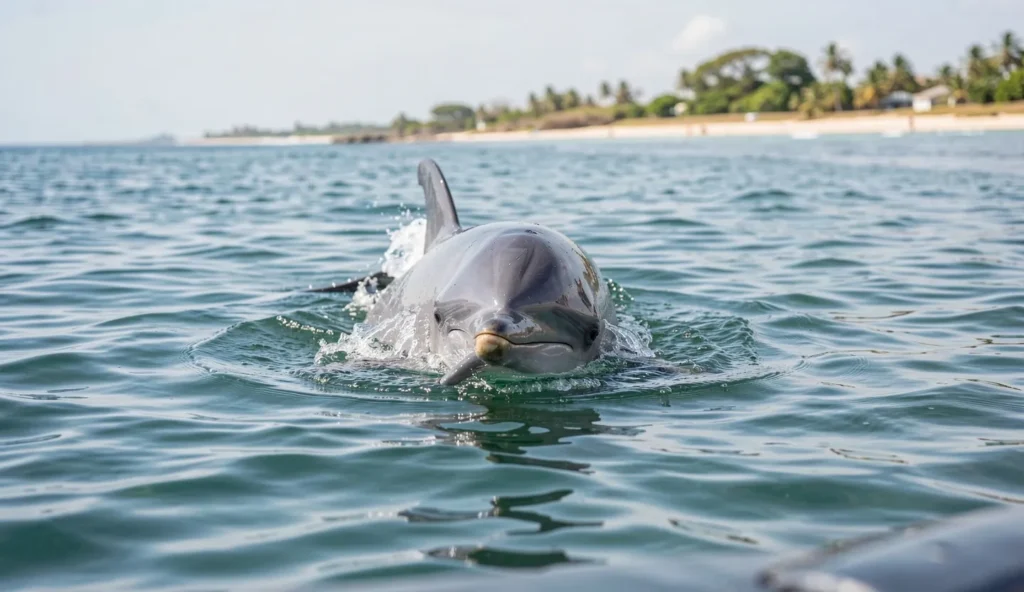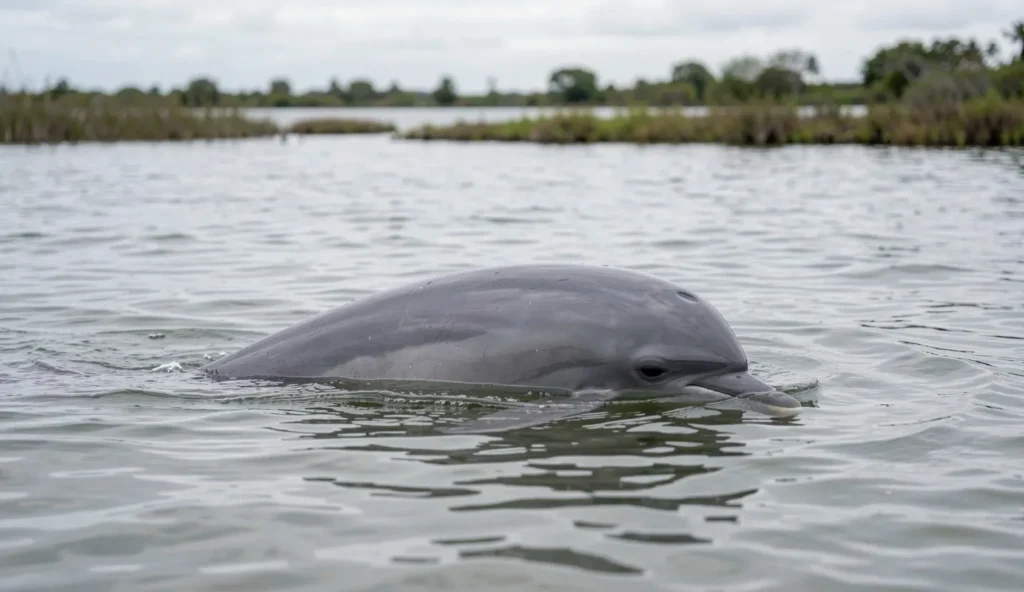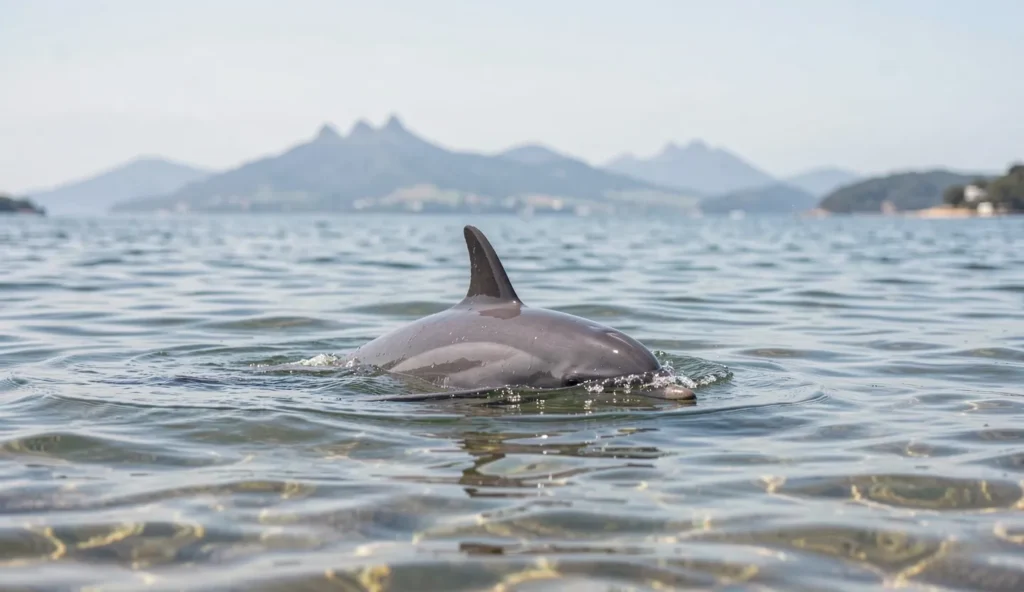
What Is A Maui Dolphin?
The Maui Dolphin is a subspecies of Hector’s Dolphin and is widely referred to as Maui’s dolphin in conservation materials. This dolphin is native to New Zealand and is considered critically endangered, with fewer than 60 individuals remaining.
Because such extreme rarity shapes every research and protection decision, the Maui Dolphin remains closely monitored. At the same time, it is never treated as a pet candidate, since habitat and welfare needs cannot be replicated safely.
Taxonomy And Where The Name Comes From
Maui Dolphin falls under the scientific name Cephalorhynchus hectori maui. It also uses the common name Maui’s dolphin, which points to the Maui region in New Zealand.
In practice, scientists treat Maui Dolphin as a distinct conservation unit because its population is so small. That status helps researchers track risk in the specific inshore waters it uses.
How Many Maui Dolphins Exist
Fewer than 60 individuals remain in the wild, which makes each adult highly significant for survival. When deaths occur, the population can lose breeding potential quickly.
Numbers can change as surveys improve, so ongoing monitoring supports the most current estimates. Reporting typically reflects long-term fieldwork and photo identification records.
Range In New Zealand Waters
Maui dolphins are confined to a limited area along New Zealand’s coastline. Inshore habitat increases overlap with fishing activities, and that overlap drives some of the highest risks.
Site fidelity can also concentrate threats in the same places year after year. As a result, protecting specific zones becomes a core research and management approach.
Appearance And Physical Features
Maui Dolphin looks like a smaller coastal dolphin adapted for shallow waters. Even though individuals vary in appearance under different lighting, researchers rely on repeatable body features to confirm identities.
Overall size and build help explain why this dolphin is often described as the smallest dolphin in its category. Those physical traits also influence how Maui Dolphin moves, feeds, and uses coastal channels.
Why It Is Considered The Smallest Dolphin
Maui Dolphin is among the smallest dolphin types in the world. Field observations and photo records support size assessments, but researchers also infer behavior changes that align with smaller bodies.
Small body size affects energy use and likely hunting style in shallow habitat. It can also shape how the dolphin responds to vessels, since close encounters may alter movement patterns.
Body Shape And Coloration
The body stays streamlined, which supports efficient movement through coastal water. Color can appear muted and may shift with light, age, and water conditions.
Fin shape and body proportions help observers separate individuals during sightings. With low population numbers, even small visual differences gain value for tracking.
How Researchers Identify Individuals
Researchers use distinct marks and scars to build photo identification catalogs. Tracking depends on consistent sightings, high-quality imagery, and careful matching across surveys.
Low population size increases the importance of each identification. When the same Maui’s dolphin appears again, it allows researchers to estimate survival and distribution trends.
Temperament And Behavior In The Wild
Wild Maui Dolphin behavior reflects foraging needs, social dynamics, and responses to human activity. The dolphin should never be treated as domesticated or trainable in the way people might imagine from captive animals.
For wildlife enthusiasts, the most useful approach focuses on reading normal patterns from a distance. That mindset also supports research goals, since accurate observation requires minimal disturbance.
Typical Surfacing And Movement Patterns
Dolphins surface intermittently while foraging, which means sightings can look brief but still represent active feeding. Movement patterns often align with prey distribution along inshore waters.
Behavior also responds to vessel presence, since noise and propeller effects can change how dolphins travel. When humans remain too close, feeding may pause or shift locations.
Social Structure And Group Size
Small group sizes are common, and that pattern connects to population limits. Associations can shift with season and prey availability, so the same individuals may not always appear together.
Individual recognition helps map social relationships over time. That mapping matters because it supports population models and helps interpret changes in distribution.
Feeding And Prey Hunting Basics
Diet depends on local prey types, and shallow waters shape hunting opportunities. Researchers focus on observed foraging behavior and habitat use rather than guessing based on unrelated species.
As prey availability changes, movement can follow those patterns. That means protection efforts need to consider both the dolphin and the food sources that keep it alive.
For a helpful comparison across related species, many people also review how other small coastal dolphins behave in different regions, such as Hector’s Dolphin profiles. These comparisons do not replace Maui Dolphin research, but they explain why inshore habitat matters.
Why Maui Dolphin Is Critically Endangered
Maui Dolphin is critically endangered because multiple human pressures reduce survival and breeding success. The small population size amplifies the impact of each threat, turning localized problems into long-term decline.
For researchers, this makes Maui Dolphin a priority species, not only for monitoring but also for practical changes to reduce risk. For wildlife enthusiasts, understanding threats also supports safer viewing choices in coastal New Zealand.
How Bycatch Puts Maui Dolphin At Immediate Risk
Bycatch occurs when fishing gear traps dolphins in nets or other equipment. When this happens, Maui’s dolphin survival drops, and fewer animals remain to reproduce.
Risk increases where Maui Dolphin shares inshore habitat with fisheries. That overlap is a key reason conservation work emphasizes specific time and place management.
Other Human Pressures In Coastal Habitat
Vessel activity can disturb feeding and movement, which can reduce foraging efficiency. Noise and physical disruption may also alter how often dolphins surface and travel.
Coastal development can further change habitat quality by affecting water conditions and prey availability. When habitat worsens, even small declines in food access can increase vulnerability.
Low Population Size Makes Recovery Hard
With fewer than 60 individuals, losses carry a heavier effect than they would in larger dolphin populations. That effect includes both reduced breeding and reduced resilience to future threats.
Genetic diversity may decline over time, which can limit long-term adaptability. Also, slow reproduction can delay recovery, so protection must prevent additional deaths immediately.
Similar challenges show up in other small dolphin populations, including Chilean Dolphin conservation contexts. While the locations and causes differ, the underlying lesson remains that small populations need rapid threat reduction.
Conservation And Research Methods That Protect Maui Dolphin
Conservation for Maui Dolphin combines monitoring, fisheries risk reduction, and data-driven planning. The main goal stays consistent, which is preventing additional deaths while tracking whether protection improves survival.
Because this dolphin has an extremely limited range, research efforts often focus on repeated surveys and precise habitat mapping. Over time, those tools support more effective decisions for New Zealand coastal waters.
How Surveys And Monitoring Work
Photo identification supports individual tracking by matching marks and scars across sightings. Aerial or boat-based surveys also estimate distribution and detect changes over years.
Long-term monitoring matters because Maui Dolphin behavior can vary seasonally. When the same Maui Dolphin appears repeatedly, researchers can update risk and movement models.
Bycatch Reduction Strategies Used In New Zealand
Bycatch reduction strategies aim to prevent dolphin entanglement in fishing gear. Time and area management can reduce overlap during risk periods.
Gear modifications may lower bycatch rates, but they still require testing in real conditions. Researchers then use results to refine recommendations for fishers operating in high-risk zones.
How Data Guides Conservation Decisions
Population estimates help set conservation priorities and guide which areas receive stronger protection. Habitat use maps support targeting high-risk zones where fisheries overlap with Maui Dolphin movements.
Research outcomes can shape regulations and best practices, helping reduce risk while keeping fisheries viable. As new evidence emerges, management can adjust to match actual dolphin behavior.
For readers comparing how conservation data operates across rare marine mammals, species profiles like Melon-headed Whale can show how researchers connect behavior to management. Maui Dolphin programs use similar scientific logic, but the stakes are higher due to the smaller population size.
Is A Maui Dolphin Right For You
Maui Dolphin is not right for pet ownership, and it also should not be approached as a personal experience to pursue up close. Protection comes first because the species is critically endangered and tightly restricted to its natural habitat.
For pet lovers, the safest path is learning and supporting conservation work rather than attempting to keep dolphins. For wildlife enthusiasts, responsible viewing supports both animal welfare and data quality.
Why Maui Dolphin Is Not Suitable For Pet Ownership
Critically endangered status means protection comes first, and many legal frameworks prohibit keeping dolphins. Specialized habitat and diet are also impossible to replicate safely in a home setting.
In addition, social and movement needs require a complex coastal environment. Those needs cannot be met without dedicated marine facilities and ongoing expert care.
Responsible Ways To Support Maui Dolphin
Choosing wildlife operators that follow distance and disturbance rules helps reduce stress during coastal encounters. Supporting research groups and conservation programs can also strengthen monitoring and bycatch reduction work.
Avoiding activities that increase stress in coastal habitat matters because the dolphin depends on stable foraging conditions. Responsible participation keeps pressure from rising in already limited range areas.
What Wildlife Enthusiasts Can Do During Sightings
Keeping respectful distance and reducing noise supports normal surfacing and movement patterns. It also reduces the chance that the dolphin shifts away from feeding spots due to vessel pressure.
When local guidance permits, reporting sightings to research networks can help confirm location and behavior trends. Following rules for boats and swimming supports both safety and conservation outcomes.
Some readers also explore other coastal dolphin ecology to understand how similar species respond to human activity, including Commerson’s Dolphin profiles. That learning can clarify why Maui Dolphin deserves special caution in New Zealand waters.
Frequently Asked Questions
How Many Maui Dolphins Are Left In The Wild?
Fewer than 60 individuals remain.
Is The Maui Dolphin The Same As Hector’s Dolphin?
It is a subspecies of Hector’s Dolphin.
Where Do Maui Dolphins Live In New Zealand?
They occupy a limited inshore coastal range.
Why Is Maui Dolphin Critically Endangered?
Bycatch and other human pressures reduce survival and breeding.
Are Maui Dolphins Kept As Pets?
They are not suitable or allowed as pets in any typical sense.
A Practical Perspective On Maui Dolphin Protection
Maui Dolphin shows how rarity changes conservation priorities for an entire species. When monitoring, bycatch prevention, and careful coastal management align, survival chances can improve for Maui’s dolphin over time.