What Is The La Plata Dolphin?
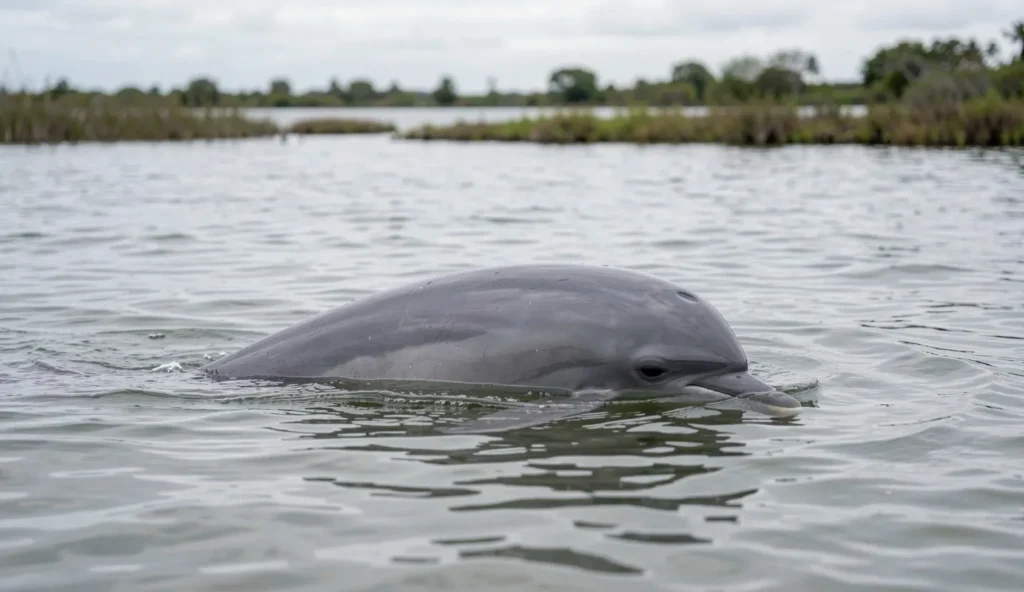
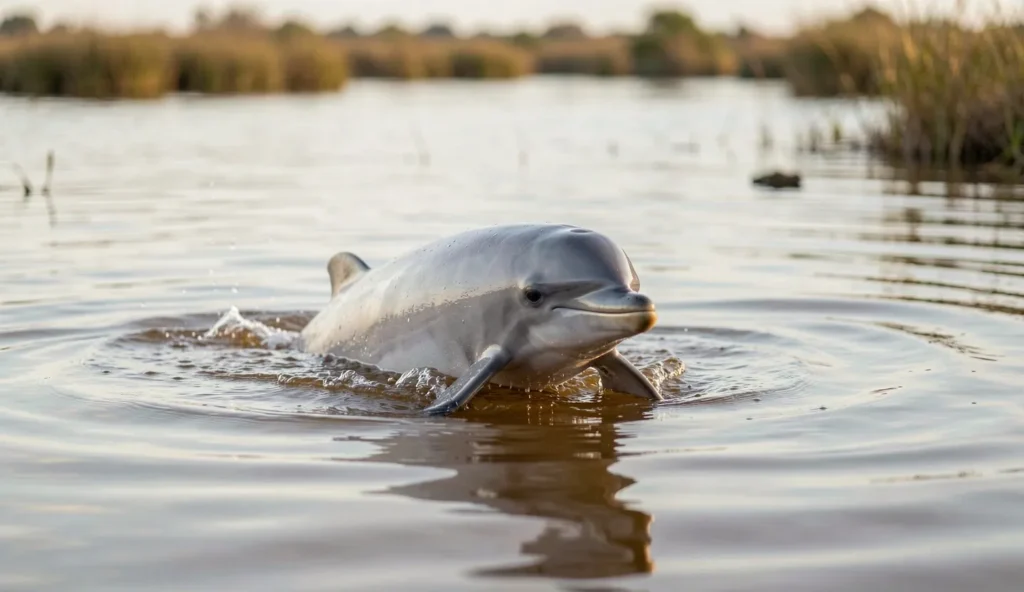
The La Plata Dolphin is a small dolphin species from southeastern South America, often associated with nearshore and river-influenced waters. It is also known as the Franciscana, and the scientific name is Pontoporia blainvillei.
Because this dolphin lives close to land, many people notice it during coastal surveys. At the same time, its close-to-shore lifestyle increases exposure to human activities.
Scientific Name And Common Names
The species is classified as Pontoporia blainvillei, which researchers use in formal studies. The common name La Plata Dolphin reflects regional connections, while Franciscana is widely used in reports.
Where It Lives In South America
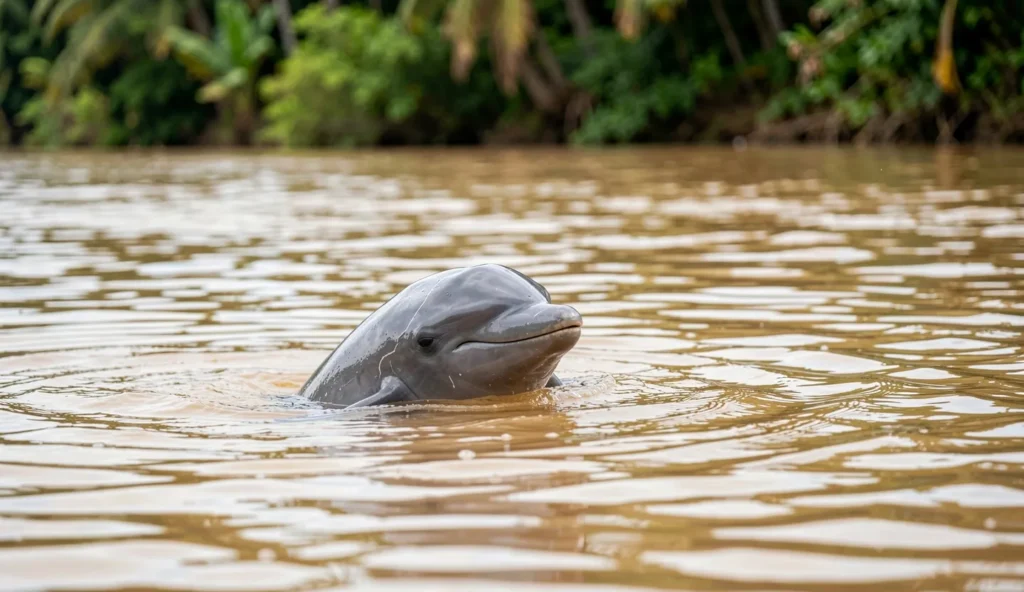
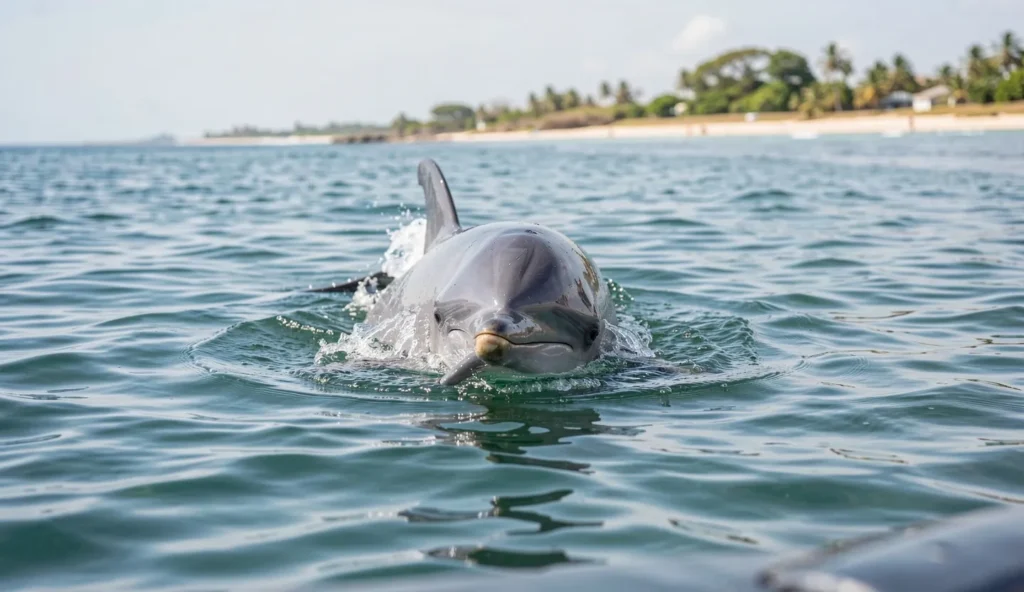
This dolphin inhabits parts of southeastern South America along the Atlantic-facing coast. It uses both coastal waters and areas influenced by rivers, including estuaries and sheltered bays.
Conservation Status And Why It Matters
The La Plata Dolphin is listed as vulnerable, largely due to threats that affect nearshore marine habitats. Understanding these risks helps explain why conservation work often targets fishing practices and coastal change.
Also, vulnerability means populations can decline quickly if pressure increases. Research and monitoring aim to detect changes early and protect critical habitats.
What Does The La Plata Dolphin Look Like?
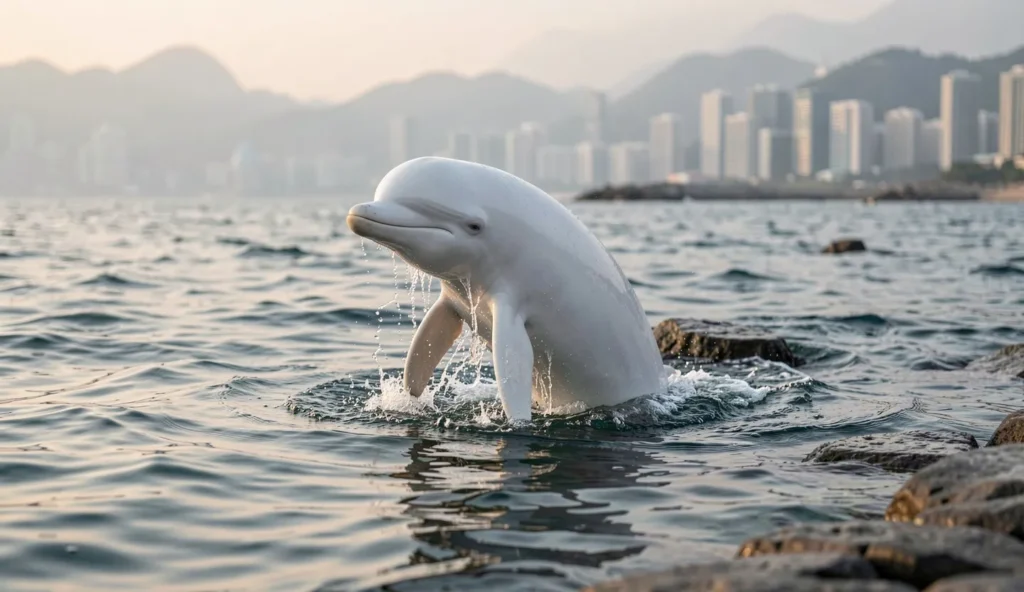
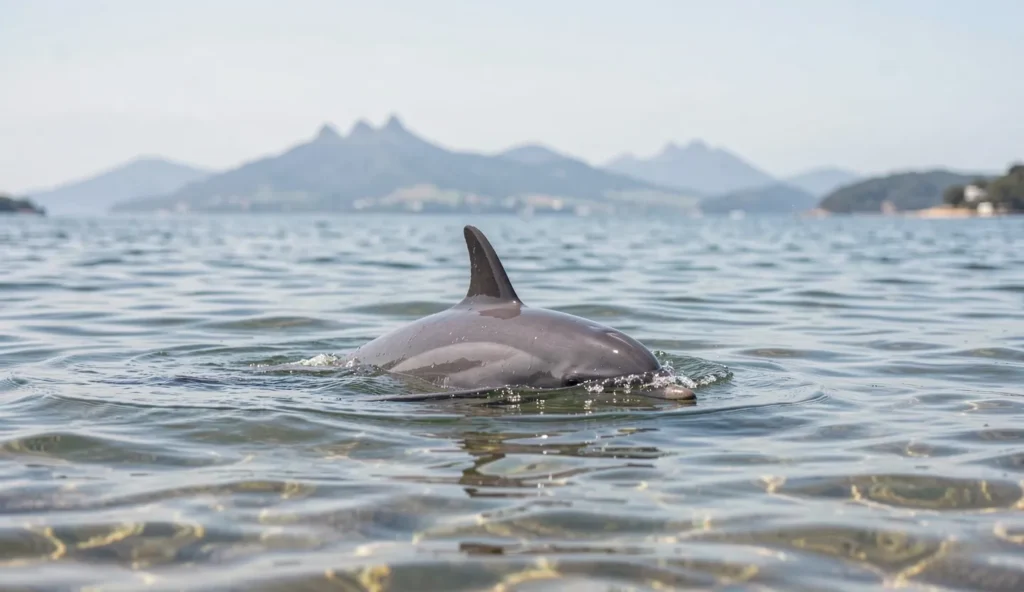
Identifying the La Plata Dolphin depends on its compact body and long snout. It also shows coloration patterns that support camouflage in shallow, turbid water.
Field observers often focus on head shape, swimming posture, and habitat context. Those traits together provide the best clues in regions where multiple dolphin species occur.
Body Size And Key Measurements
The La Plata Dolphin is small-to-medium compared with many offshore dolphins. Adult sizes can vary, and mature males and females may differ in overall length.
Distinctive Shape Of The Head And Snout
A long, narrow snout supports feeding in shallow waters where prey can hide in bottom sediments. The head proportions also match a foraging style that depends on quick targeting.
In many observations, the snout helps guide where the dolphin searches during fast, short approaches. For that reason, it stands out from larger coastal dolphins that use different body shapes.
Color And Skin Texture
Dorsal coloration often trends darker, while the ventral side is usually lighter. This pattern helps the dolphin blend with light and shadow around the water surface.
Skin can show natural wear, which may increase in rough coastal conditions. Observers sometimes see patchy texture near areas exposed during contact with debris or sediment.
How To Recognize It From Similar Dolphins
Snout form and overall proportions differ from larger coastal dolphins that show a broader head. Habitat overlap also complicates identification in busy coastal areas.
Because accurate records matter for research, identification usually relies on careful observation and documented sightings. For comparison of other small dolphin forms, people often review profiles such as Bottlenose Dolphin guides for general contrasts in size and typical habitat.
How Does The La Plata Dolphin Behave?
Behavior in the La Plata Dolphin reflects life in nearshore and estuary waters. Movement patterns often stay aligned with prey access and water conditions.
In addition, some behaviors remain subtle compared with species known for large surface displays. Researchers often track breathing, surfacing, and travel along coastlines to interpret routine patterns.
Movement Patterns In Coastal And Estuarine Waters
The La Plata Dolphin typically stays near shallow coastal zones where feeding opportunities remain available. It may shift along waterways as salinity and prey locations change.
When prey concentrates in certain areas, dolphins tend to spend more time there. In contrast, low food availability can reduce visible activity.
Group Size And Social Behavior
Small groups may occur, but individuals also appear alone during certain surveys. Social structure can look less obvious than it does for some dolphins that travel in larger pods.
Grouping can vary by season and local conditions, which makes consistent group size estimates difficult. Still, researchers often report sightings clustered by geography rather than by large-scale migrations.
Feeding Behavior And Hunting Style
Diet centers on fish and other small marine prey, with hunting shaped by limited visibility. In turbid estuaries, quick targeting supports capture when sight lines narrow.
Many accounts describe prey capture occurring near the bottom or mid-water. That approach fits the dolphin’s snout design and the way prey distribute in shallow habitats.
Swimming Speed And Diving Patterns
Like other cetaceans, the La Plata Dolphin follows regular surfacing and diving cycles. Shallow habitat can make these patterns easier to observe, but clarity still affects detection.
Surface behavior may appear different between clear and muddy zones. For regional habitat and behavior context, wildlife enthusiasts sometimes compare related species such as Risso’s Dolphin that show different depth preferences.
What Does The La Plata Dolphin Eat?
The diet of the La Plata Dolphin supports survival in shallow, nearshore environments with fluctuating prey. Feeding success depends on fish availability, water clarity, and local currents.
Because the dolphin occupies coastal and river-influenced areas, prey choices can shift across locations and seasons. That means diet studies often require long-term sampling to capture full variation.
Primary Prey Types
Fish form the main food source for this dolphin, with some records indicating small invertebrates too. Diet composition can vary between coastal sectors and estuary zones.
How Feeding Works In Turbid Estuaries
Reduced visibility in estuaries limits visual prey detection. The dolphin’s foraging behavior supports rapid capture even when water looks murky.
Prey distribution also affects feeding time, because the dolphin must search until fish concentrate near the bottom or within mid-water bands. As a result, feeding bouts may cluster around specific tidal or seasonal conditions.
Seasonal Changes In Diet
Prey availability often changes with seasons, which can move fish toward or away from shallow areas. Temperature and salinity shifts can also influence where prey remains most accessible.
Local ecological changes and fishing pressure can add additional variation to diet patterns. Monitoring these shifts helps researchers understand how ecosystem change impacts the dolphin.
For context on how different dolphin species adapt to habitat, some readers compare with other coastal feeders like the Common Dolphin that also shows flexible prey use in many regions.
Where Does The La Plata Dolphin Live And How Does Habitat Affect It?
Habitat drives nearly every daily choice for the La Plata Dolphin, especially because it operates close to land. It relies on coastal waters and estuaries where shallow bottoms can support feeding.
In many cases, habitat quality determines how often prey concentrates within reachable distances. That explains why changes to water clarity, salinity, and seafloor conditions can strongly affect survival.
Coastal Distribution Along Southeastern South America
The La Plata Dolphin lives along parts of the Atlantic-facing coast of southeastern South America. Distribution can be patchy because prey availability and currents vary across sites.
Nearshore areas can provide stable foraging conditions when fish and bottom structure remain consistent. When those conditions shift, dolphins may move locally rather than travel far offshore.
Estuaries And River-Influenced Waters
Estuaries mix freshwater and seawater, creating salinity gradients that shape prey communities. Those gradients can support feeding opportunities in ways that open ocean zones cannot.
Shallow bottoms may concentrate prey and make capture more efficient. For that reason, the La Plata Dolphin is often described as a South American river dolphin in practical discussions.
Water Conditions That Influence Survival
Turbidity can limit visibility but does not always reduce feeding, since the dolphin can still locate prey. Temperature patterns may also shift prey movements and change where fish remain most abundant.
Habitat degradation reduces usable foraging and resting areas, which raises stress on individuals. Pollution can further affect prey quality and potentially increase exposure to contaminants through the food web.
When comparing nearshore habitat needs across species, readers sometimes find useful contrasts in Chilean Dolphin profiles that focus on coastal distribution and local environmental factors.
What Threats Face The La Plata Dolphin?
The La Plata Dolphin faces multiple risks that overlap with its coastal and estuary habitat use. Because it spends time near fishing activity zones, it can experience higher bycatch pressure than more offshore dolphins.
Threats also connect through ecosystem effects, since prey decline can compound the impacts of injury and reduced reproductive success. Understanding these drivers supports more effective mitigation strategies.
Bycatch In Fishing Gear
Fishing overlap increases the chance of accidental capture in nets and related gear. Entanglement can cause injury or death, especially when dolphins cannot reach the surface quickly.
Mitigation depends on gear modifications, enforcement, and practical changes that reduce contact. Research often focuses on which fisheries overlap most with dolphin distribution.
Habitat Degradation And Pollution
Coastal pollution can affect prey abundance and also influence dolphin health through exposure pathways. Habitat changes can reduce feeding space by altering seafloor structure or water quality.
Contaminants may accumulate through the food web, which can increase risks over time. When water systems degrade, prey communities also reorganize, which can alter foraging success.
Prey Depletion And Fisheries Pressure
Overfishing can reduce target prey availability and shift local food conditions. Competition with fisheries can also change fish distribution in ways that make foraging harder.
When prey becomes scarce, body condition and reproductive outcomes can decline. This effect can make existing bycatch impacts more severe for vulnerable populations.
Climate And Oceanographic Shifts
Temperature and current changes can alter prey distribution along the coast. Extreme events can damage nearshore ecosystems and reduce habitat stability for estuary-dependent species.
In addition, distribution changes may place dolphins into new areas with different fishing intensity. For comparison across small dolphin species, people sometimes review Striped Dolphin material to understand how different habitats influence seasonal movement patterns.
Is The La Plata Dolphin Right For You?
The La Plata Dolphin is not suitable as a typical pet, even for experienced animal keepers. It requires marine habitat conditions and specialized knowledge tied to a wild conservation context.
Any idea of keeping a dolphin is also limited by welfare concerns and legal restrictions in most regions. Instead, wildlife interest usually fits better through research support and responsible learning.
Why It Is Not Suitable As A Pet
The dolphin depends on coastal and estuarine conditions that cannot be replicated safely in private settings. Captive housing needs remain complex, and costs rise quickly for marine mammals.
Because the species faces conservation pressure, private ownership does not address the main protection needs. Conservation-focused approaches prioritize survival in the wild over display.
Best Ways To Support And Learn About The Species
Supporting monitoring and research helps track distribution, bycatch risk, and habitat conditions over time. Promoting bycatch reduction approaches can directly address one of the most serious mortality drivers.
Also, choosing responsible seafood can reduce pressure on ecosystems that dolphins depend on. For those who want species comparisons, reviewing how other dolphins use coastal zones can help make sense of the coastal risk picture.
A Final Note On Protecting This Species
Reliable field data and practical fishery changes matter for the La Plata Dolphin because its habitat overlaps with human use. When awareness focuses on the coastal and estuary risks, protection efforts gain clearer direction.
Frequently Asked Questions
What Is Another Name For The La Plata Dolphin?
Franciscana is the widely used alternative name.
Where Does The La Plata Dolphin Live In South America?
It inhabits coastal waters and estuaries in southeastern South America.
What Does The La Plata Dolphin Eat?
It primarily eats fish and may also consume small invertebrates.
Why Are La Plata Dolphins At Risk?
Threats include fishing bycatch, habitat degradation, and prey depletion.
Is The La Plata Dolphin Kept As A Pet?
It is not a suitable pet due to specialized habitat and conservation concerns.