What Is a Melon-Headed Whale?
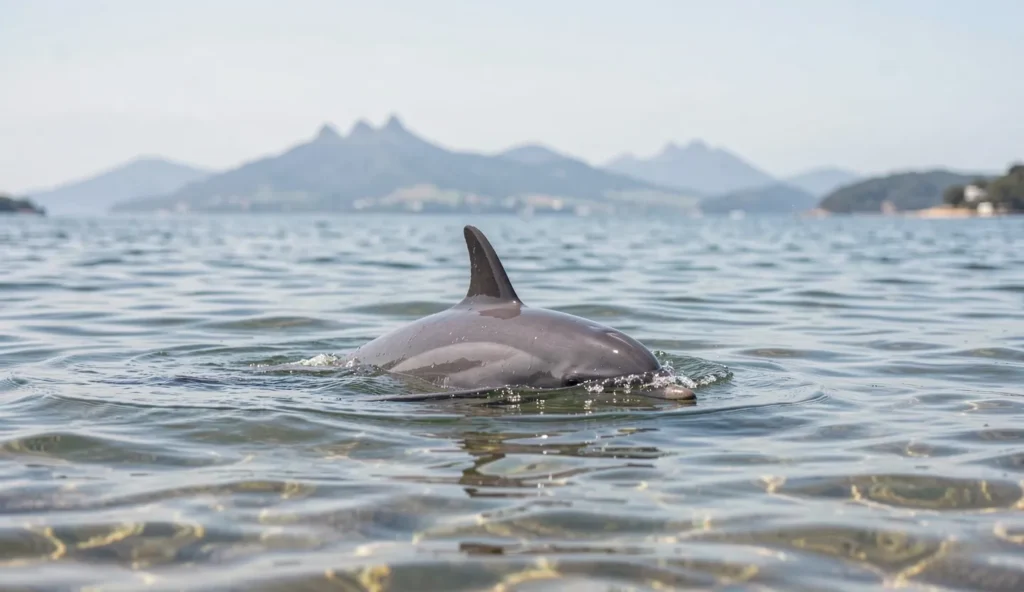
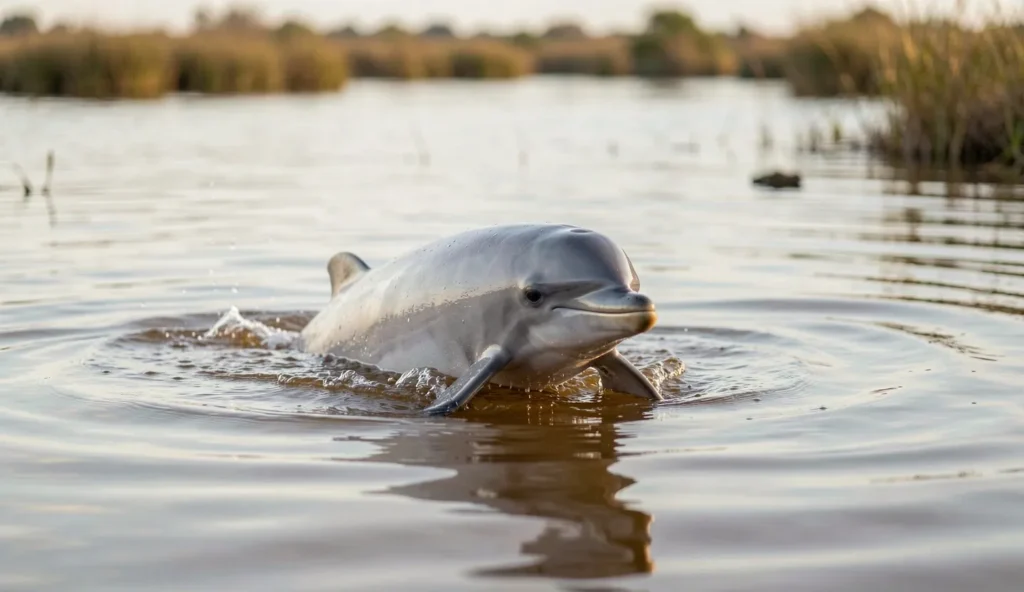
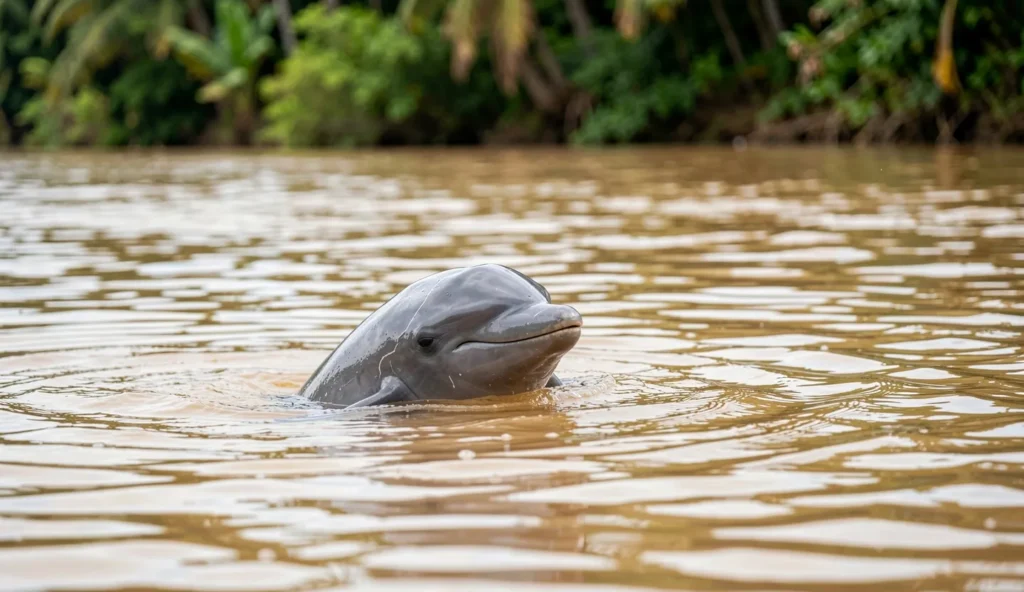
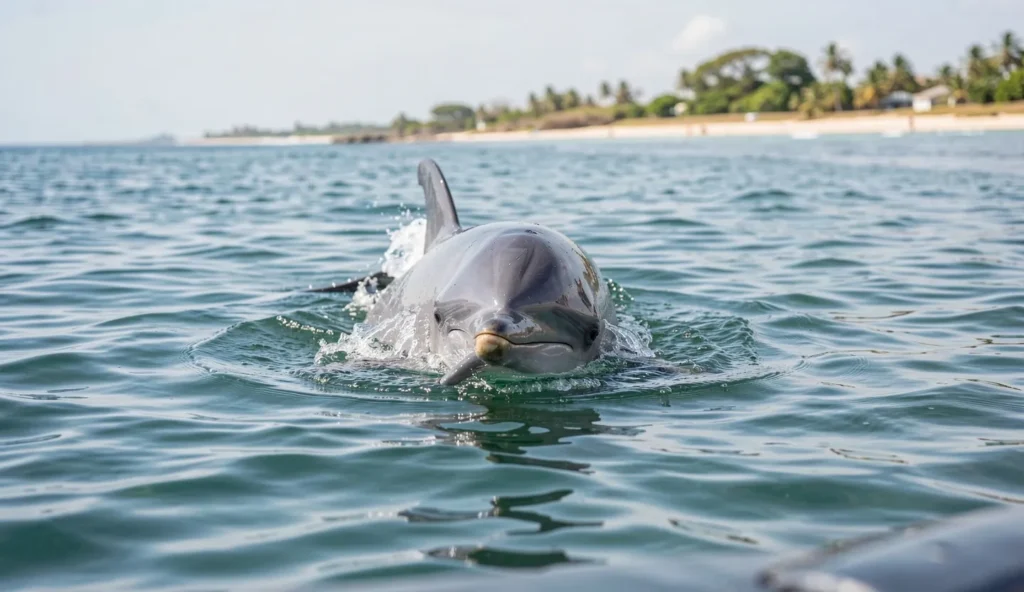
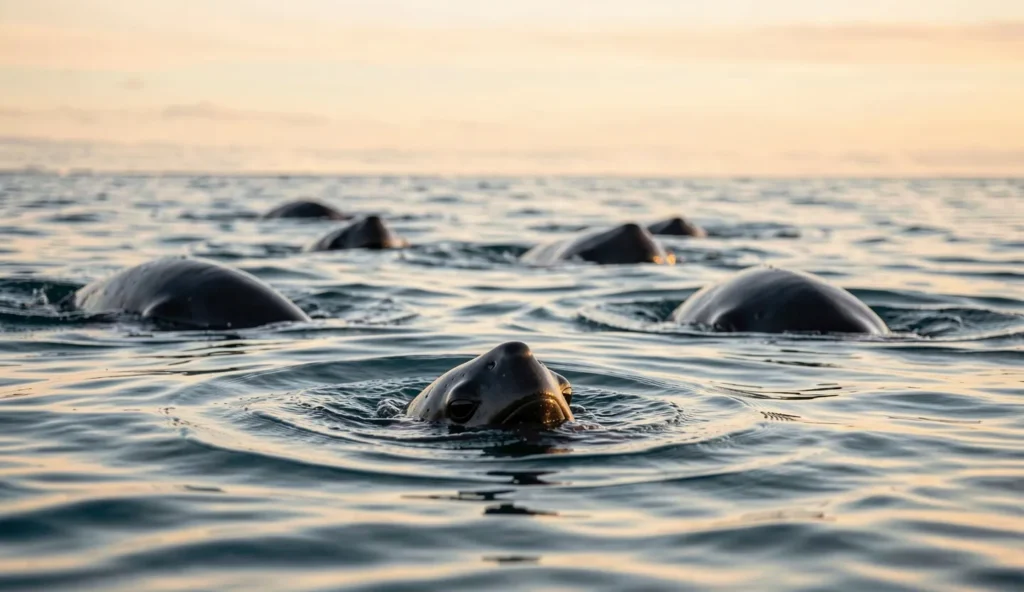
The Melon-headed Whale is a small blackfish dolphin known for a rounded head that looks like a built-in “melon.” This species, Peponocephala electra, lives in warm seas and often appears in large groups, which makes encounters more noticeable than for some less social blackfish types.
Although it stays in offshore and tropical waters, the Melon-headed Whale shows clear field traits that help researchers and wildlife enthusiasts record reliable sightings.
Scientific Name and Common Names
The Melon-headed Whale is scientifically named Peponocephala electra. The common name focuses on the rounded head shape visible at the surface.
It also belongs to the blackfish group of dolphins, so observers may see it alongside other similar-looking tropical cetaceans.
Family and Relationship to Other Blackfish
The Melon-headed Whale is placed among blackfish dolphins, which includes several other tropical species that share compact bodies and dark coloration. Many guides describe it as a pygmy killer whale relative, which helps explain why size and group movement can look similar during field observations.
However, the differences matter because accurate ID depends on head shape, body proportions, and the typical group patterns of each species.
Where It Lives and When It Is Seen
Melon-headed whales are most often reported in warm tropical and subtropical seas. Encounters usually occur in open water, so sightings tend to be linked to offshore surveys and boat-based monitoring.
Seasonal patterns can shift by region, and local water temperatures often influence how often groups appear in a given area.
How to Recognize Melon-Headed Whales in the Wild
Recognizing the Melon-headed Whale relies on combining head shape with overall silhouette. Field ID becomes more accurate when observers track multiple traits instead of focusing on a single visual cue.
These melon-headed whale facts also help connect anatomy to behavior, since group movement often shows the head and body position during surfacing.
Rounded Head and Body Shape
The rounded head is the defining feature for the Melon-headed Whale. The body stays compact and streamlined, which supports active swimming and coordinated group travel.
This body shape also helps explain why groups can move quickly across the surface during active feeding or prey pursuit.
Color Pattern and Contrast
Melon-headed whales often appear mostly dark, sometimes described as black from a distance. Variations in shading can occur due to lighting, sea glare, and how water depth affects visibility.
Because of this, head shape plus body proportions typically provide the most reliable identification during short sightings.
Size and Growth Notes for Beginners
As a small blackfish, the Melon-headed Whale generally stays smaller than larger whales and many larger dolphin species. Size estimates can vary by region and by how measurements were collected in previous studies.
For field reporting, approximate size should be treated as supportive context rather than the main identification tool.
Common Group Size and Why It Matters
Melon-headed whales are frequently seen in large groups, and this increases the chance of clear views. Group behavior also affects how researchers detect and document individuals during surveys.
When group structure is tight, multiple heads can surface in sequence, which makes the rounded head shape easier to confirm across several animals.
Melon-Headed Whale Behavior and Social Life
Behavior in the Melon-headed Whale centers on group coordination, travel patterns, and repeated surface activity. Warm-water environments also shape how these dolphins encounter prey patches and adjust movement across open water.
Understanding social life helps observers interpret what they see, since large aggregations often produce more frequent and varied surface events than single animals.
Group Formation and Social Structure
Melon-headed whales often form large groups in warm seas, and group size can change during travel and feeding. Social cohesion influences how whales surface and move, which can create a steady rhythm of heads appearing and disappearing together.
During surveys, the number of individuals present often determines how easy it is to track direction of movement.
Surface Behavior and Travel Patterns
Breathing patterns help indicate direction, especially when multiple animals surface close together. Travel may look coordinated across the group, with movement shifts that appear synchronized rather than scattered.
Faster movement can coincide with active feeding, since prey pursuit often drives changes in speed and surfacing angle.
Feeding Behavior at the Surface and in the Water
Feeding behavior often links to prey patches, so the group may remain in one area longer when prey density is high. Hunting may involve coordinated pursuit or milling patterns that spread animals across a localized region.
Observation of surfacing timing and activity level can help interpret whether prey stays near the surface or deeper in the water column.
Communication and How Researchers Study It
Like other cetaceans, melon-headed whales use sound for communication and navigation. Field studies often rely on both visual cues and acoustic data, because sound adds information about movement and group context.
Interpretation depends on timing and location, so data collected over multiple sessions typically supports stronger behavioral conclusions.
For comparison with other blackfish dolphins, seeing how communication and group travel differ across species can improve how observers structure reports, including references like Bottlenose Dolphin behavior patterns.
What Melon-Headed Whales Eat and How They Feed
Diet determines much of what people notice during surface observations of the Melon-headed Whale. In many cases, feeding occurs when small marine prey gathers, which then draws large groups into a predictable area.
Because prey type varies by location and season, melon-headed whale facts about diet typically emphasize flexibility rather than a single prey item.
Typical Prey Types in Tropical Waters
The typical diet consists mainly of small marine prey that can include fish and other small schooling organisms. Prey type varies by region and seasonal availability, so researchers connect diet information to local ocean conditions.
Stomach data and direct observation records often support these conclusions, although the exact list can differ between study locations.
How Group Feeding Works
Large groups can increase prey capture success by improving how dolphins locate and respond to moving schools. Individuals may take different roles during pursuit, which can include tighter milling near the densest prey or moving along the edge of a cluster.
Group density can also shift as prey density changes, so the group may become more compact during peak activity.
Observable Feeding Signs for Field Guides
Rapid directional changes can suggest active pursuit, especially when the group turns sharply in a short time window. Short bursts of activity often align with moments when prey strikes occur or when animals adjust positions rapidly.
Surface activity can indicate times of higher prey availability, particularly when prey remains near the surface.
Observers who track feeding behavior in other dolphins may find parallels in how prey pursuit appears in Spinner Dolphin reports, even though species ID stays distinct.
Melon-Headed Whale Biology and Anatomy Basics
Biology shapes how the Melon-headed Whale survives in warm open water. Body systems related to skin, breathing, and sensory abilities support performance during active group movement and prey searching.
These basics help translate what observers see into likely function, especially during surfacing and dive intervals.
Skin, Color, and Thermoregulation Considerations
Dark coloration can relate to light conditions in open water and may also help with overall camouflage while dolphins move near the surface. Thermoregulation supports performance in tropical ranges, which keeps metabolism stable during repeated activity cycles.
Observed color can shift with water depth and sun angle, so visual estimates should be treated as approximate.
Respiration and Dive Patterns
Respiration happens at the surface through a single blowhole, which creates the visible breathing event used by observers to time movement. Dive and surf timing often relates to prey location and group behavior.
When prey stays near the surface, shorter dives can occur, and groups may show more frequent surfacing.
Sensing and Prey Location
Biosonar abilities help locate prey in complex environments where visibility changes quickly. Visual cues also support hunting during daylight, especially when schooling prey creates surface ripples or refracted light patterns.
Group movement can help track moving prey, so coordinated travel may function as both navigation and search strategy.
To strengthen understanding of how dolphin anatomy supports feeding and movement, reviewing background on Common Dolphin field characteristics can provide useful contrast when comparing blackfish-like behavior across species.
Threats, Conservation Needs, and Responsible Viewing
Even though the Melon-headed Whale often lives offshore, threats can still reach it through human activity in warm ocean habitats. Responsible viewing and careful reporting reduce added stress, especially during times when groups already show strong feeding effort.
Conservation needs also depend on fisheries, local water quality, and changing ocean conditions that affect prey availability.
Human Impacts in Warm Ocean Habitats
Noise and ship traffic can disrupt behavior and communication, which may reduce foraging efficiency during active periods. Entanglement risks can depend on local fisheries and the type of gear used in the same areas.
Water pollution can affect food webs over time, which then influences prey abundance and group movement patterns.
Disease and Health Considerations
Health risks can include parasites and injuries, and these can occur even in offshore species when conditions favor disease spread. Marine heat and ecosystem shifts can affect prey indirectly by changing ocean productivity and schooling patterns.
Long-term monitoring helps detect population stress signals, which then supports better management decisions.
How to Observe Safely Without Disturbing the Whale
Safe observation begins with distance, since close approaches can block travel paths and reduce natural group movement. Keeping noise low from vessels also helps reduce disruption during surfacing and dive transitions.
Following local wildlife viewing guidelines supports responsible viewing and helps researchers maintain consistent observation quality.
For visitors comparing dolphin-focused field ethics to other wildlife settings, reading about strict disturbance limits in coastal mammals can help, and a related example like Spinner Dolphin observational guidance can reinforce practical habits.
Is a Melon-Headed Whale Right for Research and Field Observation?
Melon-headed whales fit well for research goals that prioritize field identification and social behavior in tropical seas. The distinctive rounded head supports more reliable reporting, and the tendency to form large groups increases the probability of obtaining usable sighting data.
They also help study tropical cetacean ecology, since group movement often links to prey patches and changing ocean conditions.
Best Reasons to Focus on This Species
- Distinct head shape supports reliable field reporting
- Group living can improve encounter rates during surveys
- Tropical habitat supports study of warm-water dolphin ecology
What Limits Citizen Observations
Offshore range can reduce casual sightings for people without access to research vessels. Accurate ID depends on clear views of the head and body proportions, especially when several dark dolphin species share similar silhouettes.
Observational data quality also depends on distance, duration, and the time window when animals surface.
For broader primate comparison of how anatomy drives identification, some observers also find value in studying how species names reflect visible traits, like Proboscis Monkey naming based on standout features.
A Final Note on Learning Melon-Headed Whale Behavior
Observing the Melon-headed Whale becomes easier when attention stays on head shape, group context, and feeding-linked movement. With consistent notes and careful distance, field observations contribute to clearer melon-headed whale facts over time.
Frequently Asked Questions
Are Melon-Headed Whales Considered Dolphins?
Yes, they are dolphins in the blackfish group.
Where Do Melon-Headed Whales Usually Live?
They are most often found in warm tropical seas.
Why Are Melon-Headed Whales Called That?
They have a rounded, melon-like head shape.
Do Melon-Headed Whales Live Alone Or in Groups?
They are frequently seen in large groups.
What Kind of Diet Do Melon-Headed Whales Have?
They feed on small marine prey that varies by region.
A Final Note on Learning Melon-Headed Whale Behavior
Building skills for recognizing Peponocephala electra supports better wildlife records and stronger field estimates.