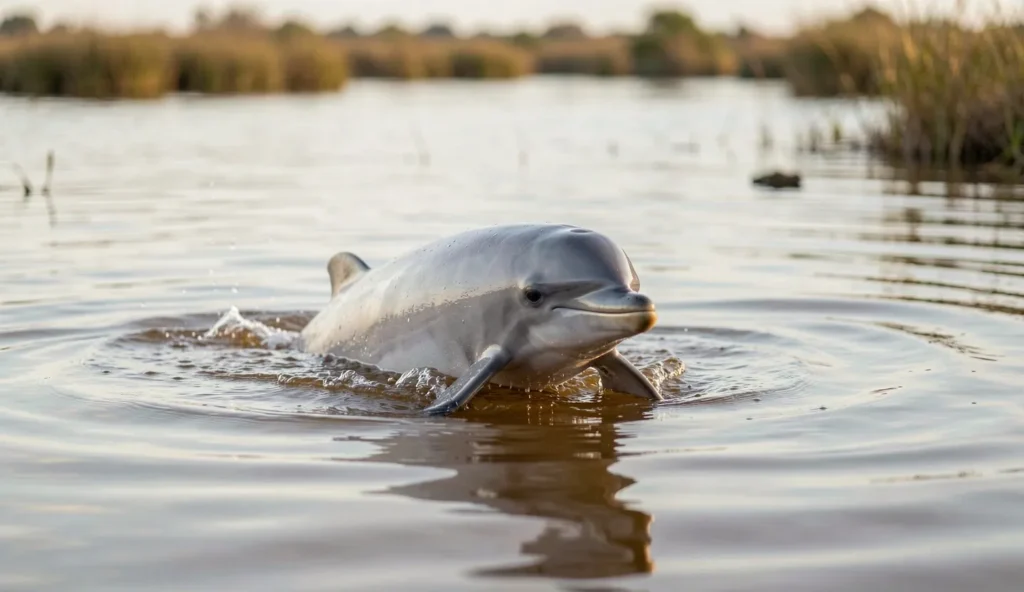
What Is Risso’s Dolphin
Risso’s Dolphin is a deep-water dolphin species in the genus Grampus, often described as a gray dolphin and closely linked to squid feeding. Marine mammal researchers recognize the species by its blunt head and the scarred body patterns that show up on many adults. For wildlife enthusiasts, Risso’s Dolphin stands out as a distinctive offshore animal rather than a coastal visitor.
Scientific Name and Basic Classification
Risso’s Dolphin is scientifically named Grampus griseus and it belongs to the dolphin family Delphinidae. In common usage, the animal is frequently called a gray dolphin. This naming often reflects both body tone and the way the species looks in field conditions.
Where Risso’s Dolphin Lives
Risso’s Dolphin lives in deep, temperate waters across multiple ocean basins. Sightings often involve offshore habitats instead of shallow coasts. Because this species spends time at depth, it may be encountered during research trips rather than routine nearshore tours.
Key Traits That Make It Easy to Recognize
The most helpful visual cue is the blunt head, which looks rounded rather than sharply contoured. Body color commonly appears gray to light gray, though lighting and age can change how it looks. Many individuals also show scarred body patterns that build over time from natural interactions.
What Does a Risso’s Dolphin Look Like
Risso’s Dolphin appearance is best evaluated with attention to head shape, overall gray tone, and scarred body details. Although many dolphins can look similar at a distance, field observers usually focus on the combination of blunt head and scarring. Risso’s dolphin facts often emphasize these traits because they help separate this species from other grayish dolphins.
Blunt Head Shape and Body Color
The head appears blunt, with a rounded forehead profile. Most individuals show a gray dolphin tone ranging from darker gray to lighter shades. With time, skin can look mottled, which makes the coat appear uneven even without heavy staining.
Teeth and Jaw Details
Risso’s Dolphin uses feeding mechanics adapted for capturing prey rather than for chewing like some predators. The jaw structure supports grip and suction-related capture behavior, which fits the squid eater identity. In many viewing situations, dentition details may not be clear, so shape and feeding posture matter more.
Scars and Scarred Body Patterns
Scarred body patterns often appear extensive on mature Risso’s Dolphins. Observations frequently connect the marks to repeated interactions during squid feeding and social contact. Over repeated seasons, these scars can become a key part of photo identification workflows.
Fin Shape and Movement Signals
The dorsal fin is present and helps researchers track individuals when the animal surfaces. During breathing, the body posture can look stable and streamlined compared to some more erratic surface profiles. Many encounters include dive sequences typical of deep feeders, which means the time at the surface may be limited.
When differentiating similar offshore dolphins, it can help to compare general body shape and typical surfacing behavior with other well known species such as the Bottlenose Dolphin. That comparison supports better expectations about how quickly a dolphin returns to depth and how body tone is perceived in open water.
How Risso’s Dolphin Behaves in the Wild
Risso’s Dolphin behavior centers on deep foraging and brief surface intervals during active feeding. In many regions, researchers describe diving as a regular routine rather than a rare event. For dolphin researchers, understanding surface behavior helps plan effective observation windows and improves data quality.
Diving and Foraging at Depth
Deep diving supports prey access, especially when squid or other cephalopods concentrate at depth. Longer submergence periods allow hunting in deeper waters where prey density can change. After diving, surface intervals may stay brief, particularly when the group keeps foraging.
Group Size and Social Interactions
Group size can vary, with some encounters involving small groups and others showing larger aggregations. Social contact can contribute to scarring, since natural interactions can cause skin injuries. Behavior may also shift with seasonal prey patterns and local water conditions.
Communication and Surface Behavior
Surface activity can appear less frequent than in some coastal dolphin species. Breathing patterns still provide useful cues for observers tracking movement across the water. Mild coordination can happen during travel, especially when several animals surface near the same time.
For context on how open ocean dolphins use surface cues, it can help to compare observation notes with species that show different surfacing rhythms, such as the Spinner Dolphin. That kind of comparison makes the “brief surface then dive” pattern of Risso’s Dolphin easier to recognize.
What Risso’s Dolphin Eats and How It Finds Squid
Risso’s Dolphin diet ties directly to its identity as a squid eater. The species relies on deep foraging to access squid and other deep-water prey. In many Risso’s dolphin facts, squid feeding remains the most consistent theme because it matches the diving routine and the scarred body patterns seen on mature animals.
Main Diet Items
Squid is a major prey item for Risso’s Dolphin across many study sites. Depending on local conditions, the diet can include other deep-sea cephalopods as available. Prey selection typically depends on both water depth and seasonal changes in prey distribution.
Hunting Strategy in Deep, Temperate Waters
Deep diving allows access to squid at depth where cephalopods concentrate. Captures are supported by feeding mechanics suited for gripping and securing cephalopod prey. Because squid can defend themselves, repeated capture attempts may contribute to the scarred body patterns that observers often report.
Why the Scarred Body Matters for Feeding Clues
Scarred body patterns can signal frequent interactions with prey defenses such as tentacles and suction-related mechanisms. Patterns often intensify with age and feeding history, which makes scarring more visible on older animals. Researchers may use scars alongside direct diet evidence to support diet and habitat interpretations.
When comparing cephalopod-focused predators across the marine environment, it can help to review how prey size and habitat use differ among common dolphins like the Common Dolphin. That background clarifies why Risso’s Dolphin foraging tends to focus more on deeper prey zones than many surface oriented feeders.
Risso’s Dolphin Health and Common Challenges
Risso’s Dolphin health is shaped by normal life history injuries and the challenges of an offshore habitat. Many scarred body patterns represent natural wear from feeding and social contact. Still, researchers also track environmental stressors that can affect prey access and overall condition.
Natural Injuries and Scar Development
Scars often develop as part of normal life history in this species. Some injuries can reflect feeding difficulty or increased contact during social behavior. Severity varies by individual and by age, so not every dolphin shows the same level of scarring.
Environmental Stressors in Offshore Habitat
Changes in prey distribution can reduce feeding success and increase travel time. Offshore noise and other disturbances can disrupt normal behavior and timing of dives. Temperature shifts also influence deep-water ecosystems, which can indirectly affect prey availability.
Research and Monitoring Notes
Photo identification can support individual tracking when scarred body patterns remain stable over time. Long-term surveys also help researchers understand seasonal movement patterns rather than relying on single encounters. Health assessments often rely on field observations plus documented changes in body condition across sightings.
To understand how monitoring methods compare across rare marine populations, it can help to review the broader approach used for other difficult-to-observe species like the Common Dolphin. That kind of comparison supports the value of consistent photo documentation and standardized behavior notes.
Is Risso’s Dolphin Right for Wildlife Watching or Research
Risso’s Dolphin can suit wildlife watching plans that involve offshore, deep-water travel and careful observation. For dolphin researchers, the species offers clear study themes such as deep prey ecology and photo identification through scar patterns. Pet lovers should understand that wild dolphins are not candidates for home care due to welfare and legal barriers.
Best Situations for Seeing Risso’s Dolphin
Offshore, deep-water trips typically improve chances of encountering this species. Encounter rates can vary across temperate seasons, which affects where researchers and tour operators focus effort. Observers often look for gray dolphins with blunt heads and visible scarring.
Best Roles for Dolphin Researchers
Researchers often study dive patterns to infer prey access and deep feeding behavior. Documentation of scar patterns supports photo identification and individual tracking across time. Diet evidence can also link feeding observations to deep temperate habitat data.
Important Note About Keeping Dolphins as Pets
Wild dolphins are not suited for home care, even for experienced animal keepers. Most regions enforce legal and welfare barriers that prevent private ownership of dolphins. The realistic path for pet lovers focuses on responsible observation, approved education programs, and support for research rather than keeping the species.
For readers comparing animal care challenges across species, it may also help to consider how specialized needs shape what can be kept at home by looking at terrestrial wildlife examples such as the Red Wolf. That comparison highlights how specialized diets and habitats restrict unsuitable “pet” expectations.
A Final Note on Learning Risso’s Dolphin Facts
Risso’s Dolphin can be understood clearly by pairing blunt head recognition with scarred body patterns and deep, temperate habitat context. When those features are observed together, Risso’s dolphin facts become easier to verify in the field.
Frequently Asked Questions
How Can Risso’s Dolphin Be Identified From A Distance?
Look for a blunt head, a gray body tone, and common scarred body patterns on many individuals.
What Does Risso’s Dolphin Typically Eat?
Squid is a major prey item, and other deep-sea cephalopods may also be consumed.
Where Does Risso’s Dolphin Live?
It lives in deep, temperate waters and is more often found offshore than near shore.
Why Are Risso’s Dolphins Scarred?
Scars can come from prey interactions and natural contact, and patterns often build over repeated feeding and activity.
Care Guide Summary For Learning Without Keeping Dolphins
This species requires deep offshore conditions that cannot be replicated safely at home. Focus stays on correct identification, responsible viewing behavior, and use of research records to build accurate understanding of Risso’s Dolphin.