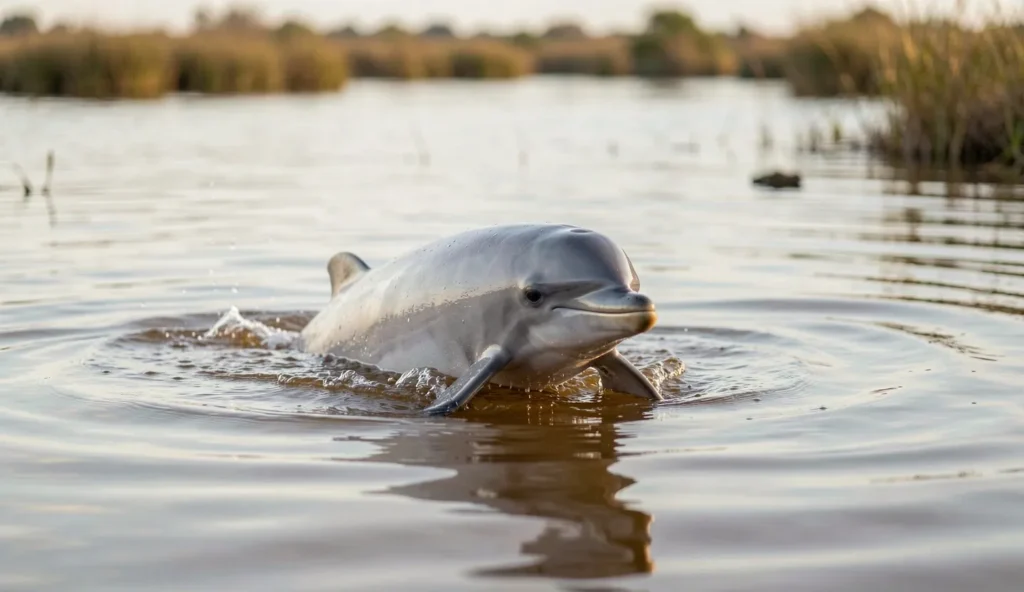
What Is a Dusky Dolphin
The Dusky Dolphin is a coastal dolphin species in the genus Lagenorhynchus and it belongs to Lagenorhynchus obscurus. This dolphin lives in coastal waters of the Southern Hemisphere and it is widely noted for acrobatic leaps during surfacing and group movement. People often seek dusky dolphin facts to understand why its aerial displays look so frequent and coordinated.
In field observations, the animal typically appears near shore where it can interact with prey and other dolphins. Because its behavior often includes repeated surface activity, it can stand out to wildlife enthusiasts even in short viewing windows. Researchers also track individuals to understand seasonal shifts and local habitat use.
Scientific Name and Common Names
The scientific name of the Dusky Dolphin is Lagenorhynchus obscurus. In most English-language references, the animal is simply called the Dusky Dolphin, which helps readers match reports across regions. Using consistent naming also supports comparison between studies and monitoring reports.
Where It Lives in the Southern Hemisphere
Dusky Dolphins are found in coastal waters of the Southern Hemisphere, with New Zealand coastal waters among the best-known locations. The species tends to favor nearshore areas over wide open ocean, where prey distribution can stay more stable. Seasonal movement can also occur when food availability changes.
Because coastal geography influences currents and prey schools, sightings often cluster in specific bays and along stretches of shoreline. That pattern helps explain why people may report the New Zealand dolphin more often during particular months. It also gives researchers a practical way to plan surveys.
Why It Stands Out for Aerial Displays
The Dusky Dolphin is known for spectacular aerial displays, including repeated leaps and fast surfacing. These events commonly appear during active movement, when dolphins change direction and rejoin the group. Observers may also notice acrobatic leaps during moments of heightened coordination.
Some behavior likely supports feeding, since leaping can place the body closer to prey near the surface. Other leaps may function in social communication, because groups sometimes show synchronized surfacing. Understanding this link between movement and display improves interpretation of what people see.
Appearance And Identification Features
Correctly identifying a Dusky Dolphin relies on combining shape, color, and behavior cues. This section focuses on traits commonly used in field conditions so readers can separate it from other coastal dolphins. For additional context about similar species, viewing guides for Bottlenose Dolphin and Common Dolphin can clarify how identification cues vary by region.
Even so, identification should never rely on only one feature, since lighting and viewing distance can hide key markings. Instead, observers should compare several cues at once. That approach reduces confusion when multiple dolphin species overlap in coastal areas.
Body Shape and Size Range
Dusky Dolphins have a streamlined body that supports fast movement along the coast. Body size varies by region and age class, so exact measurements can differ between individuals. Still, the overall build helps explain why the animal often looks lively at the surface.
Color Pattern on the Body
A typical pattern includes a dark upper body and a lighter underside, which creates strong contrast from above and from the side. This contrast can make the dolphin easier to spot when it moves between wave crests. Individual pattern details may vary slightly, so consistent observation matters.
Face, Fin, and Tail Clues
The dorsal fin shape can provide a useful cue, especially when the dolphin surfaces with only part of its back visible. Flipper movement and tail beats can also support confirmation during repeated surfacing events. Because a single view can be brief, using multiple cues improves confidence.
In addition, observers can note how the dolphin exits and reenters the water. The animal’s active surfacing often includes a distinct arc through the air. That movement aligns with the species reputation for acrobatic leaps.
How Researchers Tell It Apart From Similar Dolphins
Researchers typically use a combination of size, color pattern, and behavior to separate Dusky Dolphins from other coastal species. When available, photo identification and documented sighting reports support verification across seasons. This process can also help reduce confusion between similarly sized coastal dolphins.
Some coastal regions also host other delphinids with overlapping ranges, so comparison becomes part of standard fieldwork. For example, reviewing guides for Spinner Dolphin can show how different species display distinct surfacing and leaping habits. Similar reading habits can also help explain why some people mislabel dolphins during fast surface events.
Temperament and Social Behavior in Coastal Waters
Dusky Dolphins show social behavior that often involves traveling and feeding in groups. This social structure supports coordinated movement, which can make acrobatic leaps appear more frequent. People looking for dusky dolphin facts often ask how group dynamics connect to the aerial displays.
Because dolphins rely on local prey conditions, behavior can change as food availability shifts. At the same time, many observations show a repeated pattern of movement, surfacing, and rejoining. That consistency helps explain why some coastal viewers regularly report similar display sequences.
Typical Group Size and Social Structure
Group size can vary by season and local conditions, and dolphin composition may change as dolphins feed or move. Many sightings describe groups that travel together long enough to coordinate surface activity. Social cohesion can also increase the chance of synchronized behavior.
Swimming, Surfacing, and Leaping Patterns
Surfacing often happens frequently, and those surface intervals can lead to visible aerial movement. Dolphins may move in bursts, and observers can notice rapid changes in direction. When multiple dolphins rise around the same time, the scene can look coordinated rather than random.
The timing of leaps frequently aligns with active movement rather than calm travel. This link helps explain why a viewing window during active surfacing can feel more intense. It also supports researcher interpretations that associate display with immediate behavioral needs.
Feeding Behavior and Possible Reasons for Acrobatic Leaps
Feeding behavior plays a key role in many coastal dolphin sightings, since prey schools can bring dolphins near the surface. When prey concentrates in nearshore waters, dolphins may hunt using coordinated movement. Leaps can help during pursuit close to the surface.
Beyond feeding, leaping can also relate to social signaling within groups. Dolphin communication often includes body movement that can be visible at the surface. As a result, some aerial behavior may occur even when prey is not immediately obvious to observers.
Human Interaction and Responsible Viewing Basics
Responsible viewing matters because boats, swimmers, and fast approaches can disrupt normal movement. Best practice includes keeping distance and avoiding blocking movement paths around an active group. Wildlife viewing rules for boats and watercraft exist in many coastal areas.
When vessel speed increases too much, dolphins may change direction or abandon an area. That disruption can reduce feeding time and change normal social interactions. For practical viewing context, it helps to compare with general dolphin behavior discussed in guides such as Chilean Dolphin to see how coastal species respond to movement and water conditions.
Habitat Essentials And Where To Find Dusky Dolphins
The habitat for a Dusky Dolphin centers on coastal waters where nearshore prey and water structure support hunting. This species tends to remain close to shore rather than spending most time far offshore. As a result, habitat conditions often influence where and when sightings happen.
Coastal dolphin viewing also depends on sea state, visibility, and local activity levels among prey species. When conditions support clear surfacing and movement, dusky dolphin facts often become easier to verify in real time. That is why habitat essentials matter to both wildlife enthusiasts and researchers.
Coastal Water Conditions They Prefer
Dusky Dolphins prefer coastal water conditions across the Southern Hemisphere, with New Zealand coastal waters frequently noted. Water temperature and currents can influence where prey schools form and persist. Depth and nearshore structure can also affect hunting opportunities.
In many regions, the combination of bottom features and current patterns supports dense prey layers. Dolphins can then spend less time searching and more time feeding. That feeding focus can increase repeated surface events and aerial displays.
Seasonal Patterns and Food Availability
Seasonal changes influence prey presence, and sightings can cluster during peak feeding periods. As prey becomes more abundant, dolphin groups may stay in certain coastal zones longer. Migratory shifts can bring dolphins closer to shore when food moves nearer to coastal habitats.
These patterns can produce predictable time windows for observation in places where researchers have tracked seasonal movement. Over time, repeated records help build a clearer picture of how the New Zealand dolphin population uses coastal zones. That information supports both conservation planning and field scheduling.
Best Times and Conditions for Seeing Them
Calmer sea states often improve viewing because surfacing and body movement remain visible between waves. Morning and midday can produce more surface activity, although local prey behavior often drives the timing. Tracking local reports and consistent coastal indicators can improve reliability.
Even in good weather, dolphins may not surface predictably, so observation should remain flexible. Patience also supports safer interaction with wildlife. Researchers often plan around sea state because rough conditions reduce both sightings and the quality of photo records.
Diet and Hunting Habits
Dusky Dolphins eat prey that thrives in coastal waters, and their feeding behavior helps explain the frequent surface activity. Most accounts describe a diet focused on small fish and other schooling prey. These choices align with the species reputation for acrobatic leaps during active hunting periods.
Because prey distribution changes by season and location, the exact diet mix can shift as well. Still, the hunting approach often depends on schooling prey that comes near the surface. That relationship between prey location and dolphin behavior drives many visible displays.
Common Prey Types in Coastal Environments
Diets mainly consist of small fish and schooling prey, which can cluster near shore during favorable conditions. Cephalopods can also appear in the diet depending on local availability. As seasons change, prey composition often changes too.
- Small fish schools near the surface
- Other schooling prey depending on location
- Cephalopods when locally common
How Cooperative Movement Can Support Catching Prey
Dolphins can hunt cooperatively, which may improve success when prey concentrates in dense patches. Coordinated surface activity can surround prey schools and reduce escape routes. Leaping can also occur when prey stays within reach near the surface.
This cooperative structure can make group behavior look coordinated rather than random. Observers sometimes report that dolphins surface repeatedly in a pattern, then move off together. That sequence often fits hunting and prey repositioning rather than resting.
Energy Needs and Why Active Display Happens
Active display happens partly because frequent feeding attempts require energy and mobility. Surface behavior can help locate prey and maintain contact with moving schools. Energetic displays may also align with moments when prey opportunities appear near the water surface.
Because hunting can involve rapid changes in direction, repeated surfacing may serve multiple functions at once. It supports location, group coordination, and pursuit. Over time, those needs can make Dusky Dolphin sightings feel especially dynamic.
Common Health Concerns and Conservation Context
Health risks for a Dusky Dolphin occur both naturally and from human activities in coastal ecosystems. Coastal dolphins can face injury during fast pursuit and increased entanglement risks in some regions. Parasites and disease can also affect individuals and reduce body condition when resources decline.
Conservation context also matters for readers who support wildlife research. Many monitoring programs focus on photo identification, behavioral observations, and habitat-linked sampling. These themes help track changes that may affect long-term population health across New Zealand and other Southern Hemisphere coasts.
Natural Risks Dolphins Face in Coastal Ecosystems
Injuries can occur during fast chase events, particularly when dolphins interact with complex nearshore features. Parasites and disease can affect individuals, especially when body condition drops. Food scarcity can also reduce health and limit recovery after stressful events.
Coastal ecosystems can be productive, but they are also variable. That variability means dolphins can experience periods of high feeding success and other periods with less abundant prey. Monitoring helps scientists understand how these cycles affect individuals.
Human Related Threats That Affect Coastal Dolphins
Bycatch risk can occur when fisheries overlap with dolphin movement, especially where nets operate near the surface. Vessel traffic can disturb feeding and resting behavior, which can indirectly reduce energy available for hunting. Pollution can also affect prey quality and health through indirect pathways.
Noise and repeated disturbance can cause dolphins to change travel routes or spend less time feeding. Over time, those shifts can affect local use patterns. For readers comparing multiple coastal dolphins, reviewing behavior descriptions in guides like Heaviside’s Dolphin can show how human activity risk differs by region and management style.
How Researchers Study Dusky Dolphins
Researchers use photo identification to track individual dolphins across time and locations. Behavioral observations help document patterns related to surfacing and aerial display. Sampling water and prey can also support habitat context and explain why dolphins choose specific areas.
Because the Dusky Dolphin’s surface behavior can be frequent, researchers sometimes capture clear visual records during active periods. That can improve individual matching between surveys. At the same time, researchers must plan around sea state and minimize disturbance.
Is a Dusky Dolphin the Right Focus for Every Dolphin Lover
Dusky Dolphins are wild animals and they are not suitable for home keeping. Best fit comes from wildlife viewing, learning, and supporting responsible research. Respecting distance reduces stress and supports normal behavior for groups in coastal habitat.
People who want a dolphin companion in captivity often face ethical barriers because the species depends on open water, varied prey availability, and social context. If interest in dolphin species continues, guides about other dolphins like Commerson’s Dolphin can expand understanding of how needs differ between species.
Final Note on Watching Dusky Dolphins Responsibly
Dusky Dolphin viewing works best when distance, patience, and local rules guide every approach. When observation supports the dolphins rather than interrupts them, research and public education both benefit.
Frequently Asked Questions
Where Are Dusky Dolphins Commonly Found?
Dusky Dolphins are found in coastal waters of the Southern Hemisphere, and New Zealand coastal waters are a commonly reported location.
What Is the Scientific Name of the Dusky Dolphin?
The scientific name is Lagenorhynchus obscurus.
Why Do Dusky Dolphins Jump Out of the Water?
Aerial behavior is often linked to active feeding opportunities, and it can also relate to social signaling within groups.
What Do Dusky Dolphins Usually Eat?
They primarily eat small fish and schooling prey.
How Can People Watch Dusky Dolphins Without Causing Stress?
Maintain distance and avoid interfering with normal movement, and follow local wildlife viewing rules for boats and watercraft.
Are Dusky Dolphins Suitable Pets?
No, Dusky Dolphins are wild animals and not suitable for home keeping.
Final Note on Watching Dusky Dolphins Responsibly
Dusky Dolphin viewing works best when distance, patience, and local rules guide every approach, since the species depends on normal coastal behavior. When observation stays nonintrusive, the chance of meaningful sightings increases.