Pygmy Killer Whale Basics And Why It Matters
Pygmy Killer Whale refers to Feresa attenuata, a small blackfish species found in tropical oceans. This small cetacean often gets confused with similar toothed whales, so clear pygmy killer whale facts support better field records. Reliable identification also helps marine mammal research teams track distribution and population monitoring patterns in warm-water habitats.
Because sightings usually happen offshore and at variable distances, data quality depends on careful documentation. Researchers and wildlife enthusiasts can both improve outcomes by using consistent photo angles and simple observation logs. For context on other blackfish species, comparisons with known ocean dolphins can help sharpen identification habits, including what to expect from a Bottlenose Dolphin versus a blackfish species.
What Is A Pygmy Killer Whale
Feresa attenuata, commonly called the pygmy killer whale, belongs to the toothed whales and forms part of the blackfish group. It matters in cetacean studies because it adds diversity to killer whale relatives and expands knowledge of small cetacean ecology. In field work, accurate naming also reduces data errors when multiple species look similar at a distance.
Scientific Name And Classification
Feresa attenuata is the scientific name most commonly used for the pygmy killer whale. This blackfish species sits within the toothed whales, along with other killer whale relatives that share similar body plans. Taxonomy often places it near other small blackfish forms, which is one reason misidentification occurs in quick sightings.
Where It Lives In The Ocean
Pygmy Killer Whale records occur in tropical and warm ocean waters. Encounters have been reported across multiple ocean basins, but offshore waters show far more sightings than near-shore areas. As a result, research effort must often rely on platform surveys and careful watch protocols during calm conditions.
How It Is Commonly Misidentified
Confusion with melon-headed whale reports is one of the most common identification issues. Fast surface events can limit photo time, while rough sea conditions hide key angles. Many studies therefore rely on morphology, verified field notes, and photo evidence for cetacean identification.
Appearance And Key Identification Features
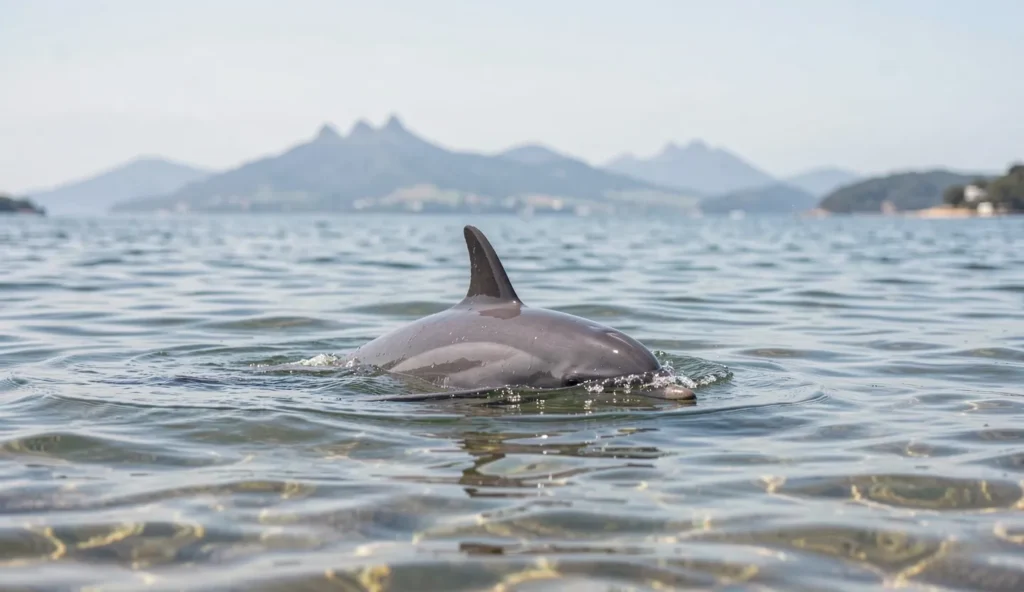
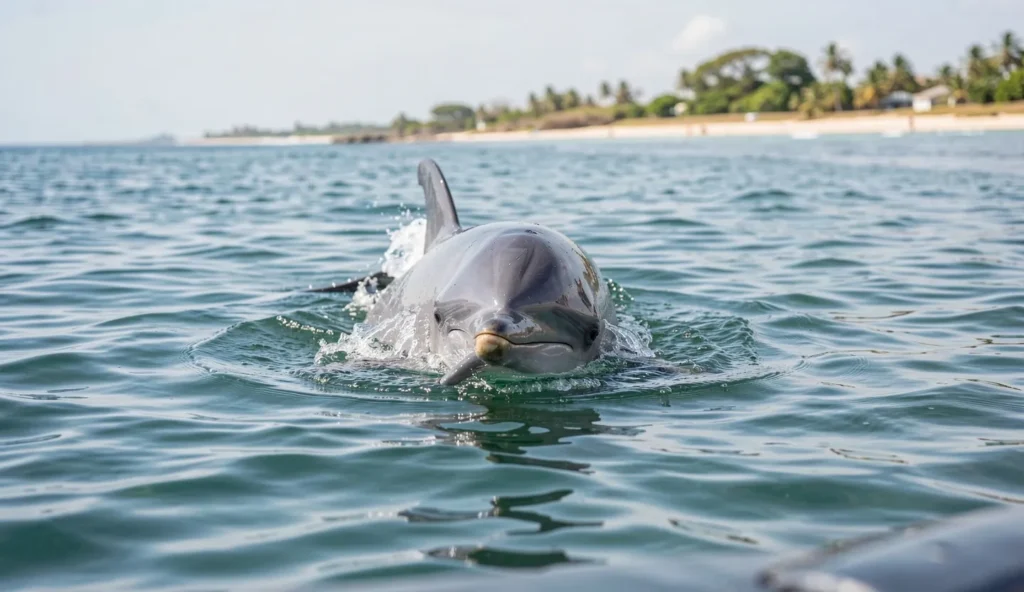
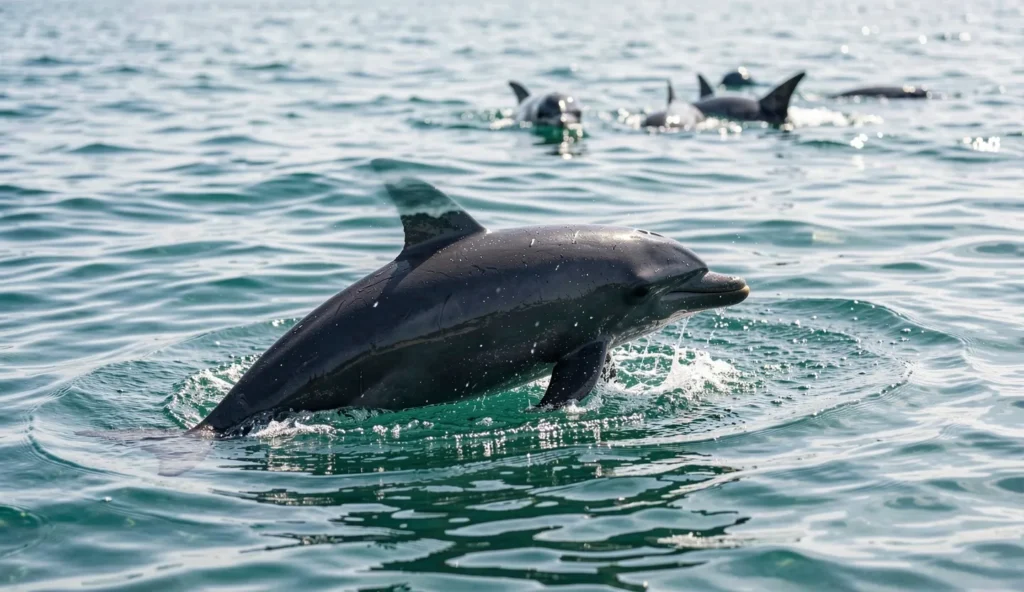
Correct cetacean identification starts with structure and consistent visual landmarks. A pygmy killer whale typically looks like a compact dark dolphin with diagnostic head and fin angles that can be compared across multiple photos. When records include dorsal fin height, fluke movement, and head profile, researchers can confirm identity more reliably.
Size And Body Proportions
This small blackfish species usually presents as smaller than many other killer whale relatives in field observations. The body appears compact and streamlined compared with larger dolphins and whales. Weight and length ranges can vary by region and by how records were collected, so studies focus on proportions rather than a single measurement.
Color Pattern And Markings
Pygmy Killer Whale often shows a generally dark body with lighter areas on the underside. Some individuals show subtle contrasts around the head and flanks, but lighting and distance can change visible patterning. Because of that, researchers advise capturing multiple frames during surfacing so the contrast pattern can be cross-checked.
Head Shape And Distinguishing Marks
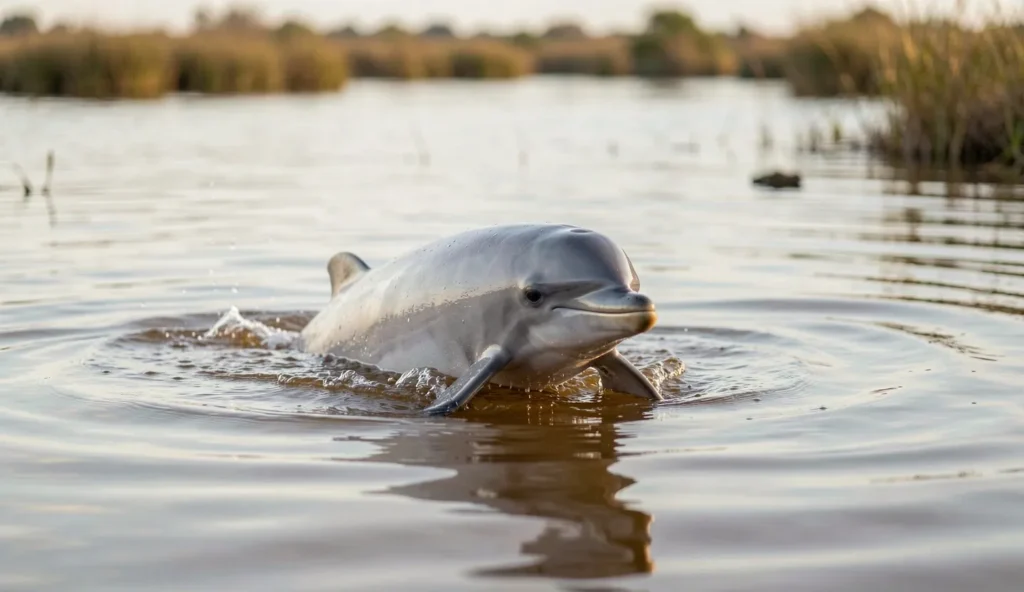
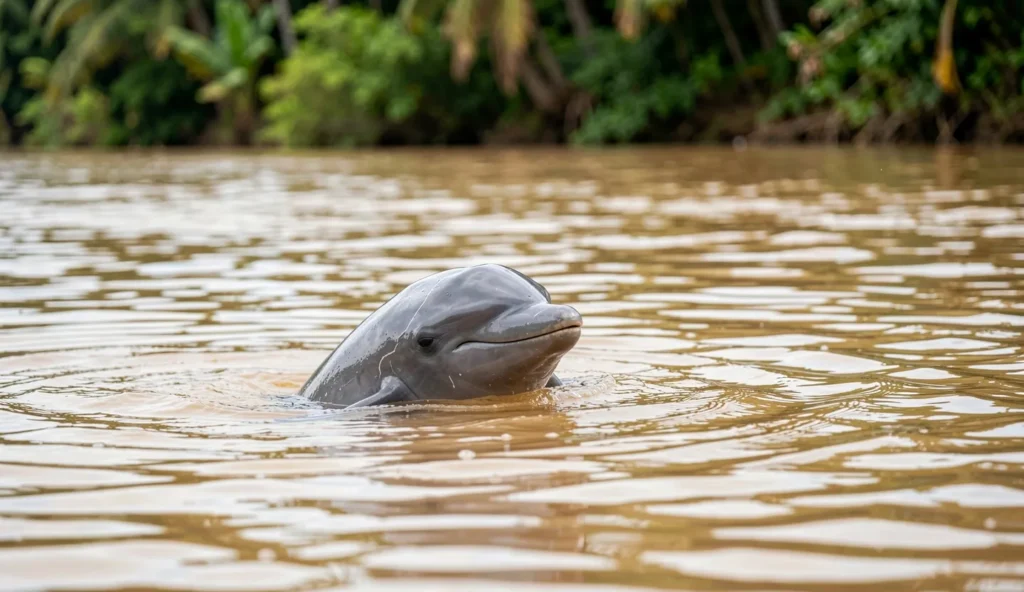
The head profile in Pygmy Killer Whale tends to look blunt and rounded, consistent with small blackfish anatomy. In comparison, melon-headed whales often show different head proportions that become clearer when multiple angles appear. Careful comparison supports more reliable ID, especially when dorsal fin angle and head outline both match.
Fin And Fluke Traits Used In Field Notes
Dorsal fin shape and curvature are frequently documented in field work for this small cetacean. Fluke shape and movement also matter because the surfacing sequence can differ among similar species. Photo documentation should aim to capture dorsal fin position relative to the head and at least one clear fluke frame when possible.
How Researchers Confirm Identity
Researchers often use photo ID when quality images exist. Field notes then combine with verified morphological comparisons to reduce uncertainty. When evidence remains limited, the safest approach is cautious classification until additional photos or independent confirmations support the identification.
Some observers also improve accuracy by learning how closely related species behave at the surface. For example, a Spinner Dolphin may show different surfacing patterns during fast travel, which can help observers recognize when a dolphin-like silhouette does not match a blackfish species profile.
Temperament And Typical Behavior
Pygmy Killer Whale behavior affects how sightings are recorded and how data quality stays high. Observation plans work better when group size, surfacing intervals, and travel direction are documented in a simple and repeatable way. Because animals often stay offshore, researchers treat behavior notes as essential context for each verified encounter.
Group Size And Social Patterns
Pygmy Killer Whale is commonly observed in small groups, though group structure can change between encounters. Offshore association patterns remain hard to predict, since animals may appear briefly during feeding or travel. Researchers typically record group size, spacing, and whether animals move together in the same direction.
Diving, Surfacing, And Travel
Surface intervals can vary based on activity, prey movement, and how long the group stays in an area. Travel behavior often includes directional swimming between dives, which can help observers track movement patterns. When feasible, teams record time underwater and note any repeated surfacing rhythm linked to the same travel path.
Feeding Behavior In The Wild
Feeding cues may appear during coordinated surface activity, but direct predation events are rarely observed. Diet studies usually connect behavior to prey availability rather than relying on frequent scene documentation. As a result, feeding hypotheses often rely on indirect evidence and limited sample data.
Movement Patterns During Sightings
Short-term area use can occur when prey concentrates in a patch or during a vertical mixing event. Group members may mirror each other’s direction while foraging, which can help confirm that the group behaves as a unit. Observation should minimize disturbance and avoid chase behavior that changes the animals’ natural route.
Diet And Feeding Ecology
Diet for this small cetacean stays partly inferred because Pygmy Killer Whale sampling remains limited. Still, pygmy killer whale facts from field observation and marine mammal research support a general view of offshore feeding ecology. Researchers connect diet to prey availability in warm-water systems where food webs can shift with currents.
For comparative learning, some people start by reviewing how dolphins are described in other species profiles. A Common Dolphin profile can show how fast surface events look in a different dolphin species, which helps observers practice quick note-taking for blackfish species.
Known Prey Types And Likely Diet
Diet likely includes marine organisms typical of offshore food webs. Prey size and type may differ by region and season, so records do not always point to one universal diet. Where direct sampling is available, studies sometimes use strandings, biological samples, or indirect evidence from behavior.
How Researchers Study Diet
Stomach content and biopsy data can contribute when sampling opportunities exist. Stable isotope methods often help support longer-term feeding estimates by reflecting dietary history in tissues. Foraging observations then interpret feeding hypotheses by linking dive patterns and surfacing behavior to nearby prey signals.
Why Prey Availability Matters In Tropical Oceans
Warm-water systems can shift prey distributions and change where predators encounter food. Currents influence prey aggregation, and that can raise or reduce encounter rates for this blackfish species. As productivity changes locally, diet may reflect differences in prey density and prey behavior at the time of sightings.
Common Feeding Threats And Competition
Competition with other cetaceans may affect access to prey, especially when food patches shrink. Indirect impacts from bycatch risk can also alter how ecosystems function around small cetaceans. When prey abundance drops or shifts, encounter success can decrease even if animals remain present offshore.
Habitat Range And Environmental Needs
Pygmy Killer Whale habitat relates to tropical ocean conditions, prey movement, and where animals choose to travel at the surface. Researchers often describe presence in warm waters rather than in narrow coastal bands. That broader pattern means marine mammal research may require repeated survey effort to build confidence about habitat preferences.
Preferred Water Conditions
This small cetacean occurs in tropical oceans and warm-water habitats. Temperature and local oceanographic features can influence presence and the availability of prey in the upper water column. Depth use can vary with prey and diving behavior, so researchers record sea state and visibility alongside basic location data.
Ocean Features That Affect Sightings
C urrents and fronts can concentrate prey and bring predators into a more observable area. Productivity hotspots often increase encounter likelihood during surveys or boat-based watching. When seas state becomes rough or visibility drops, even correct identification becomes harder, so study protocols emphasize consistent effort during workable conditions.
Migration And Seasonal Movement Clues
Long-distance movements are difficult to confirm from single sightings alone. Seasonal variability may mirror changes in prey distribution and local productivity rather than true migration in a strict sense. Researchers therefore use repeated survey effort and verified sightings to track patterns over time.
Human Use Areas And Potential Overlap
Offshore routes may overlap with shipping lanes and fisheries, creating more exposure to noise and vessel presence. These factors can affect behavior, including surfacing frequency and travel speed. Study protocols usually aim to reduce disturbance, so animals keep their natural movement rather than changing course due to pressure.
Threats, Conservation, And Research Ethics
Threats to Pygmy Killer Whale involve both direct and indirect pressures on marine ecosystems. Bycatch risk in some fisheries can threaten small cetaceans, especially when animals share offshore zones with fishing effort. Habitat impacts from pollution and noise can reduce habitat quality and can influence prey availability.
Research ethics also matter because responsible observation protects both animals and the quality of population monitoring. When disturbance increases, behavior can change quickly, which then reduces the value of collected data for cetacean identification and blackfish species studies. A Bornean Elephant research article offers an additional perspective on why wildlife disturbance affects animal behavior, even though the species differs.
Major Threats To Pygmy Killer Whale Populations
Bycatch risk in fisheries can reduce survival in small cetacean populations. Pollution and noise can degrade marine habitats and influence where prey remains available. Climate-driven prey shifts can also change distribution patterns, which makes consistent monitoring important.
How Monitoring Works For This Blackfish Species
Monitoring typically combines dedicated surveys with verified sightings that include reliable location and photo documentation. Photo records support identification, while stranding networks can add knowledge when events occur. When stranding samples are handled through trained networks, the data can support research goals without compromising safety or quality.
Field Study Data To Record During Sightings
Location, time, and environmental conditions support later analysis and help interpret encounter context. Group size and behavior notes allow researchers to compare sightings across days and regions. Photographs that capture diagnostic angles strengthen the reliability of identification, especially when the surfacing window is short.
Responsible Observation Guidelines
Observation should avoid chasing or driving animals to change routes. Safe distances and reduced engine noise help animals keep normal surfacing and travel patterns. Wildlife handling must not occur, and interference with diving should not take place during study sessions.
What Makes It A Valuable Species For Research
Pygmy Killer Whale supports clarification of blackfish diversity and the identification challenges that follow. Studying this small cetacean improves understanding of how offshore ecosystems function in tropical waters. That information can inform better conservation planning, especially when other killer whale relatives share similar appearance traits.
Because Pygmy Killer Whale gets confused with other species, research benefit increases when observers compare field notes against verified references. People who also study other small marine predators sometimes review related natural history sources, including Sea Snake ecology to understand how marine hunting strategies connect to warm-water prey systems.
Starter Checklist For A Pygmy Killer Whale Study Session
A Pygmy Killer Whale study session works best when it follows a simple checklist. This guide helps beginners and citizen scientists gather useful data without needing specialized equipment beyond a good camera. Careful preparation also reduces missed details during the short surfacing window of a blackfish species.
Before Leaving For The Water
Bring a camera with zoom capability and a fast shutter setting to freeze motion. Use a notebook or field app for consistent observation logging so notes do not get mixed between sightings. Confirm local marine mammal viewing rules and plan for battery life on long trips.
- Bring a camera with zoom and stable handling
- Use a notebook or field app for time stamped notes
- Confirm local rules for marine mammal viewing
- Charge devices and bring backup power
During A Sighting
Record location and time immediately, then keep adding details without delaying photo capture. Count group members and note behavior and direction so researchers can interpret encounter context. Try to capture head profile and dorsal fin angles, and log diving intervals and surface timing when possible.
- Write time, GPS, and sea state right away
- Count group members and note direction and spacing
- Capture head and dorsal fin from multiple angles
- Estimate diving intervals and surface timing
After The Sighting
Sort photos and label them with timestamps and coordinates before details fade. Write a short behavior summary while the sighting still feels clear. Avoid publishing uncertain IDs without supporting evidence, and submit verified records to appropriate reporting channels when available.
- Sort photos and label with time and location
- Write a brief behavior summary while details remain fresh
- Flag uncertain IDs until supporting images appear
- Submit verified records to approved reporting routes
How To Use What Is Learned For Better Observations
Use each sighting as a training step, then tighten the next data collection based on what photos captured well. Over time, consistent angles and repeatable notes improve both identification and the value of population monitoring records for this blackfish species.
Frequently Asked Questions
How Can The Pygmy Killer Whale Be Distinguished From The Melon-Headed Whale?
Use consistent head and dorsal fin features in photo capture and compare multiple angles rather than one quick view.
Where Do Pygmy Killer Whales Live?
They occur in tropical oceans in offshore waters, with warm conditions and prey availability shaping sightings.
What Do Pygmy Killer Whales Eat?
They feed on marine prey common to offshore food webs, with diet knowledge based on limited samples and feeding ecology.
Are Pygmy Killer Whales Considered A Small Blackfish Species?
Yes, they are described as a small blackfish species within a group of toothed whales.
How Do Researchers Monitor Pygmy Killer Whales?
Researchers use surveys, verified sightings, and photo documentation when possible, and stranding networks add data when events occur.
What Is The Best Way For Beginners To Record A Pygmy Killer Whale Sighting?
Log time and location and write group size and behavior notes while taking photos that show head and dorsal fin angles.
Support Better Data With Careful Field Notes
Well-documented Pygmy Killer Whale sightings strengthen blackfish species identification and help researchers build clearer tropical ocean distribution maps.