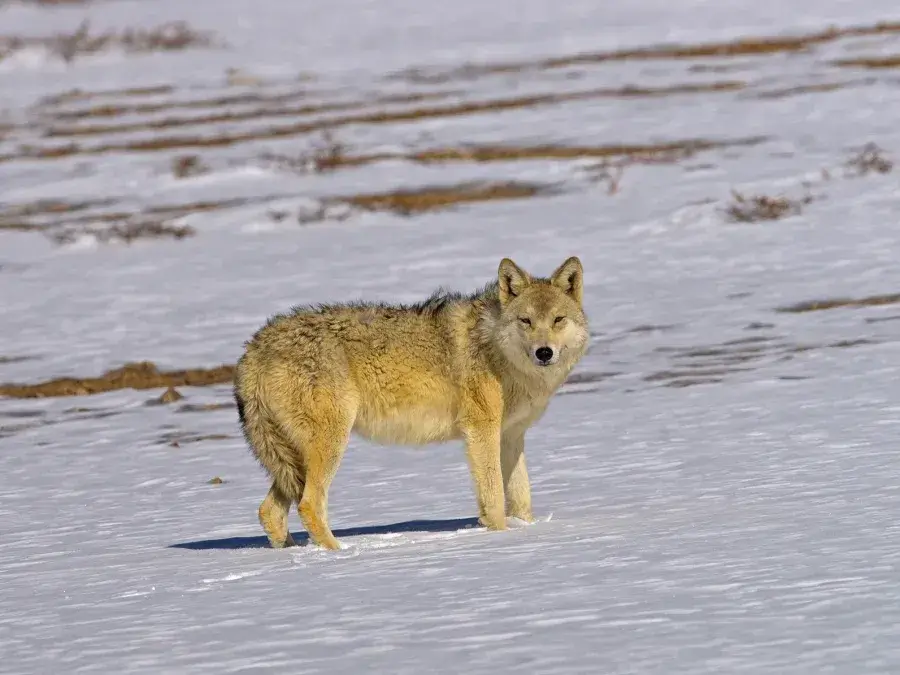
Himalayan Wolf – The High-Altitude Ghost of the Mountains
Introducing the Himalayan Wolf
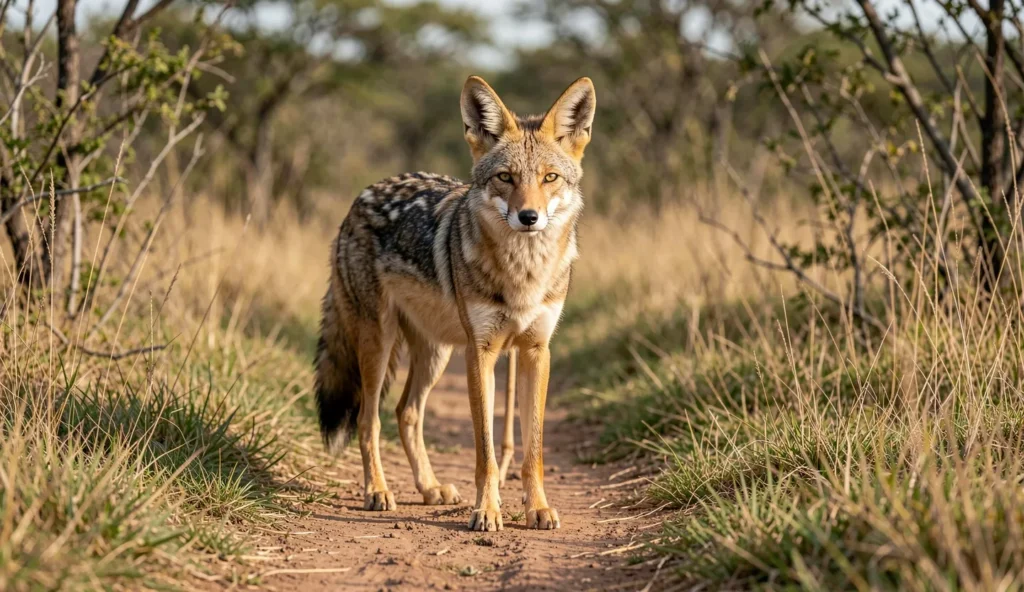
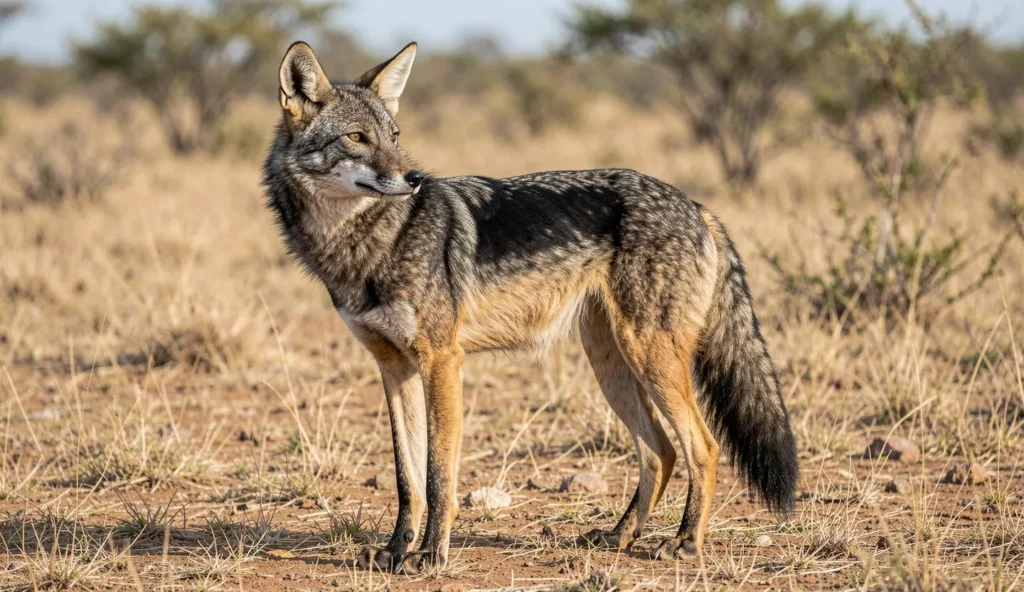
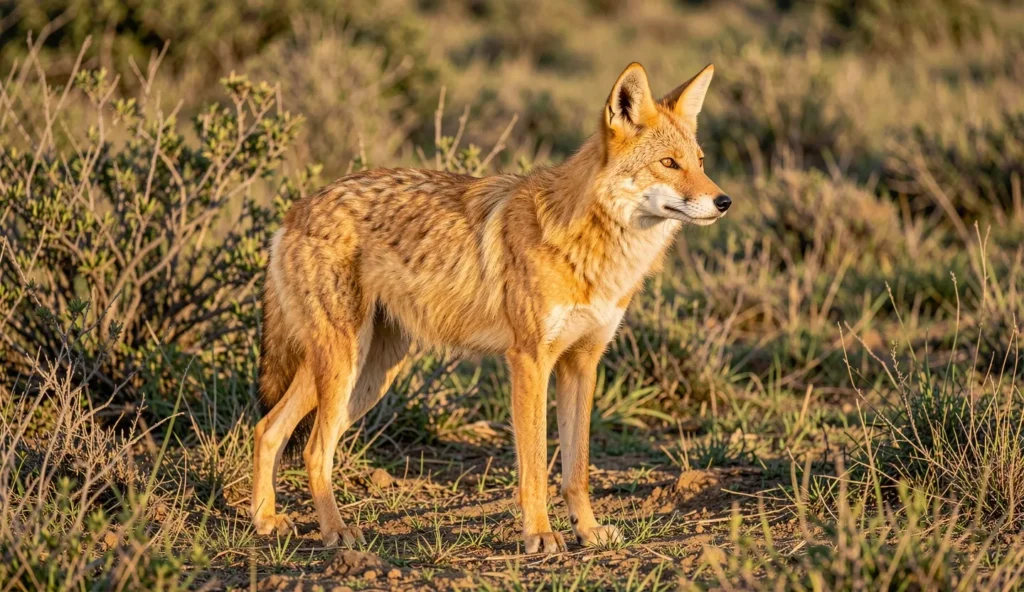
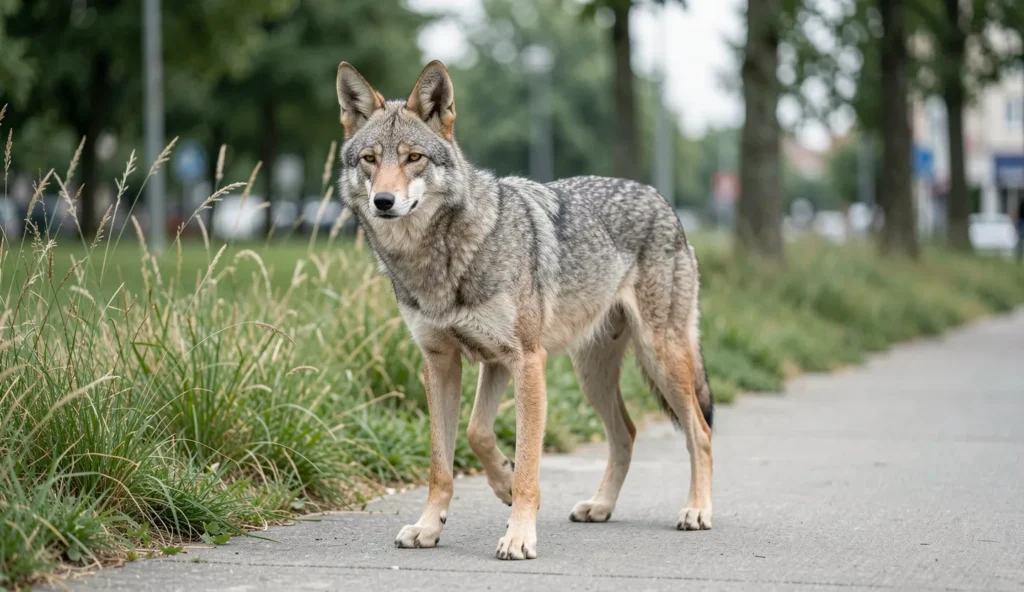
The Himalayan Wolf (Canis lupus chanco), often considered a subspecies of the gray wolf or even a distinct species, is a mysterious and rare predator native to the towering Himalayas and Tibetan Plateau. Living at some of the highest altitudes of any wolf, this resilient canine has evolved unique adaptations to survive in extreme cold and low oxygen levels. Unlike its more social relatives, such as the gray wolf that roams across northern forests, the Himalayan Wolf has carved out a niche in one of the most inhospitable environments on Earth, making it a true specialist of the high peaks.
Quick Facts
- Scientific Name: Canis lupus chanco
- Common Names: Tibetan Wolf, Woolly Wolf
- Status: Vulnerable
- Habitat: Himalayas, Tibetan Plateau, Nepal, India, China
Physical Appearance
Himalayan Wolves look slightly different from typical gray wolves:
- Fur: Thick, woolly coat to withstand freezing temperatures
- Color: Pale gray, cream, or light brown
- Size: Medium-sized; more slender than gray wolves
Habitat & Range
These wolves survive in some of the world’s harshest landscapes:
- Altitude: Typically found above 3,000 meters (9,800 ft)
- Regions: Ladakh, Spiti Valley, Mustang, Tibet
- Climate: Cold deserts, alpine meadows, rocky slopes
Diet & Hunting
The Himalayan Wolf’s diet reflects its high-altitude environment:
- Main Prey: Blue sheep, Himalayan tahr, marmots
- Scavenging: Also feeds on carrion when food is scarce
- Hunting Style: Often hunts alone or in small pairs
Behavior & Social Life
They are more solitary than other wolves:
- Packs: Smaller, less structured social groups
- Communication: Howling, scent marking, subtle body language
- Territory: Large home ranges due to scarce prey
Breeding & Life Cycle
- Mating Season: January–March
- Gestation: Around 60–65 days
- Offspring: Litters of 3–5 pups born in protected dens
- Lifespan: Around 6–10 years in the wild
Conservation Challenges
Himalayan Wolves face numerous survival threats:
- Human Conflict: Retaliatory killing due to livestock predation
- Hunting: Killed for fur or traditional beliefs
- Genetic Uncertainty: Confusion over species classification
- Habitat Fragmentation: Expanding human settlements
Conservation Efforts
- Research: Ongoing studies into genetics and ecology
- Protection: Legal protection in several regions
- Community Outreach: Encouraging coexistence with locals
- Protected Areas: Some national parks offer sanctuary
Fun & Fascinating Facts
- Oxygen Adaptation: Possesses genes linked to high-altitude endurance
- Camouflage: Blends seamlessly into rocky and snowy terrain
- Rare Sight: One of the most elusive wolves on Earth
- Debated Identity: May be a distinct species separate from gray wolves
Frequently Asked Questions
Q1: Are Himalayan Wolves a separate species?
A: Some researchers believe so due to their genetic and behavioral differences, but classification is still under study. This ongoing debate places them in a similar position to the eastern wolf, whose taxonomic status has also been heavily debated among scientists.
Q2: Where can Himalayan Wolves be found?
A: They inhabit high-altitude regions of the Himalayas, particularly in Ladakh, Spiti, and parts of Nepal and Tibet. Their range overlaps with that of the Pakistani wolf in some border areas, though the two occupy different elevation zones.
Q3: Do they attack humans?
A: Very rarely. They are extremely shy and avoid humans.
Q4: What makes them unique?
A: Their adaptations to high-altitude, cold, and low-oxygen environments make them truly unique among wolves.
Final Thoughts – Guardians of the Roof of the World
The Himalayan Wolf remains a symbol of wildness in the world’s highest mountains. With its ghost-like presence, genetic mysteries, and ecological importance, this rare predator deserves focused conservation and global respect. By protecting the Himalayan Wolf, we preserve not just a species but an entire fragile ecosystem in the sky.