What Is A Boiga Tree Snake
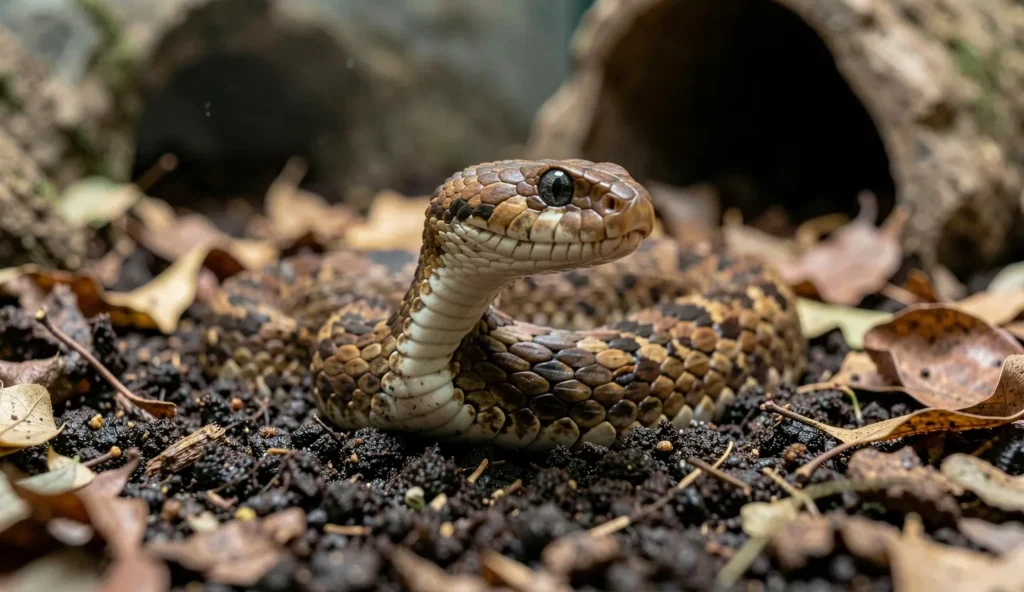
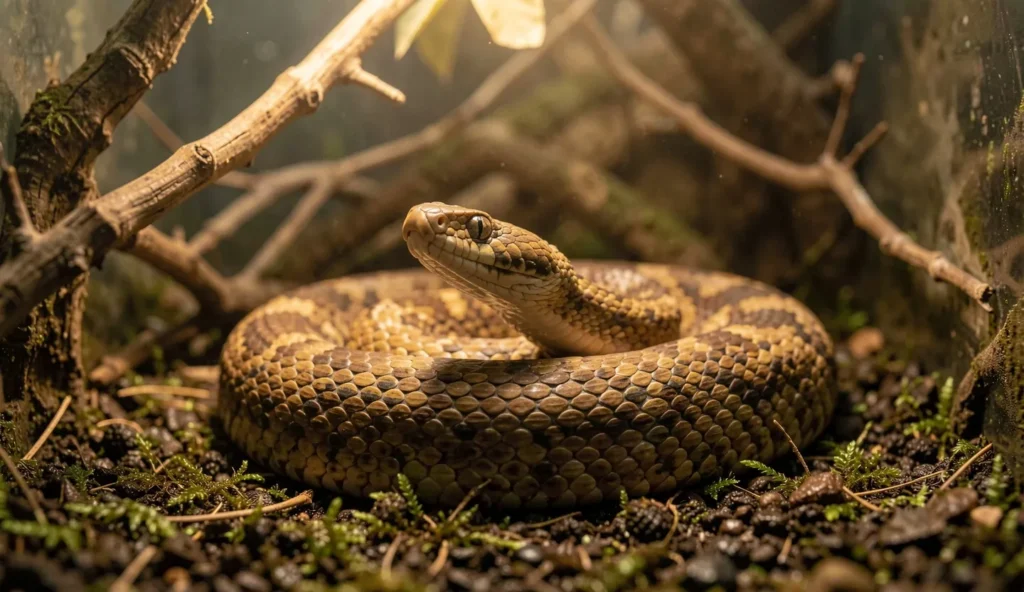
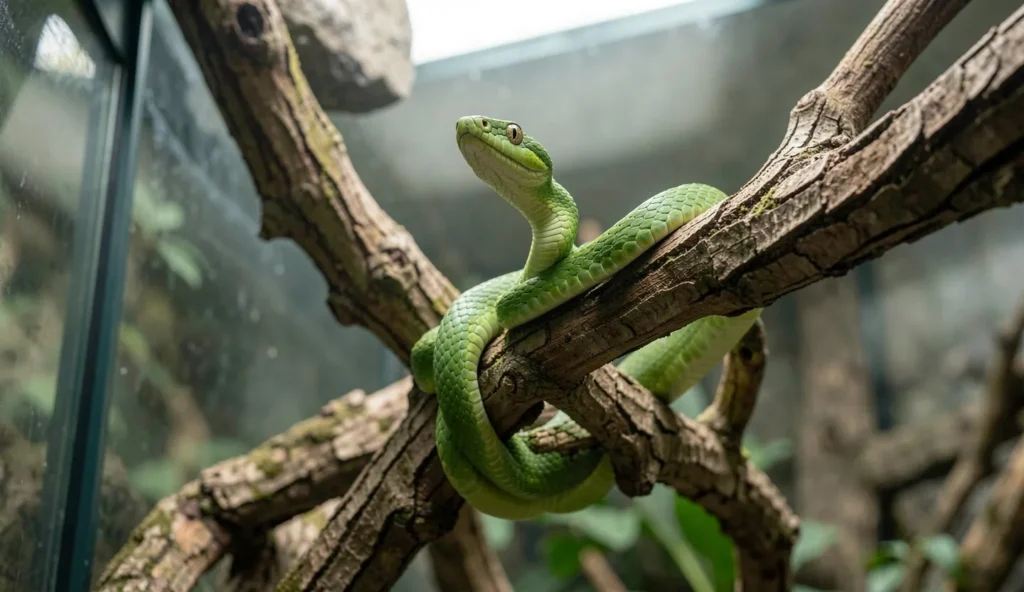
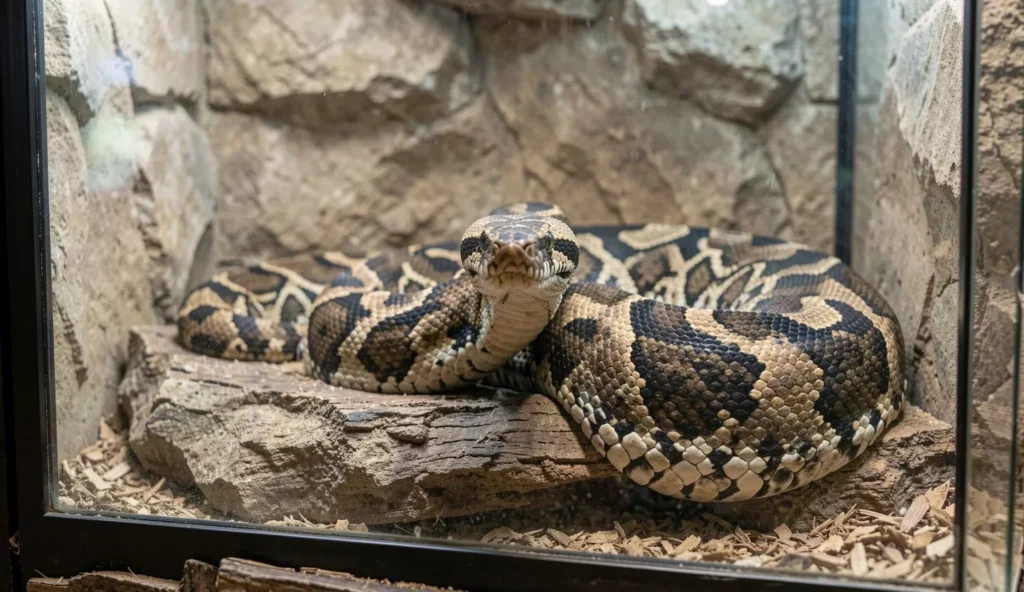
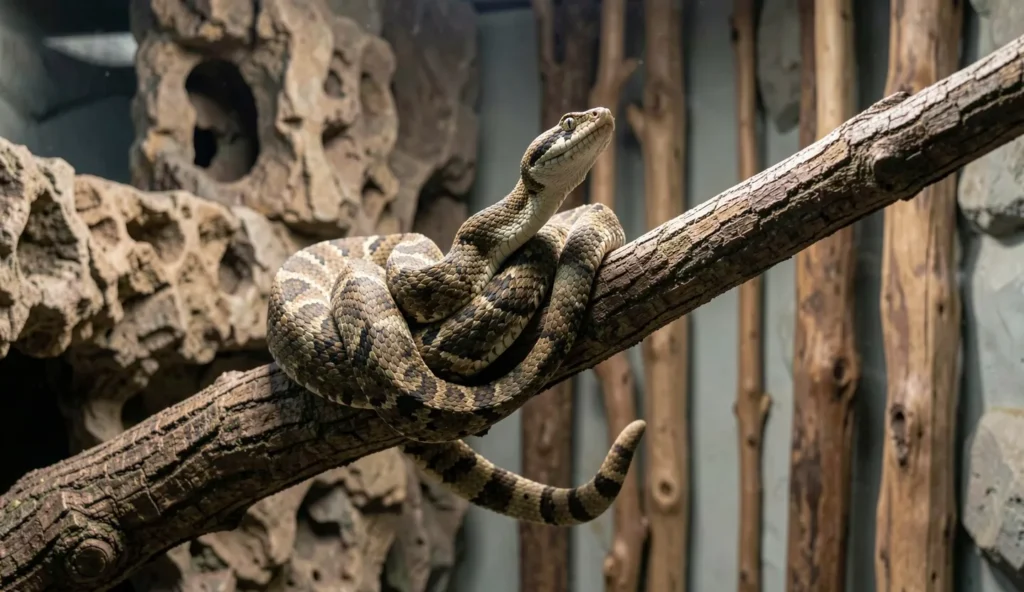
The Boiga Tree Snake refers to arboreal snakes within the Boiga genus, typically managed by advanced keepers who focus on rear-fanged colubrids. These snakes come from tropical regions of Africa and Asia, with several forms sold under similar common names. A standout trait is their nocturnal activity pattern and their strong climbing ability, which shapes boiga care decisions from housing to feeding.
Boiga As A Genus Of Rear Fanged Colubrids
Boiga contains multiple arboreal or semi arboreal species that share a rear-fanged delivery system. Many people group them with other colubrids because they do not behave like viperids, even though bite outcomes can still be serious. Species identification matters because adult size, temperament, and defensive behavior vary among local populations.
For keepers planning long term work, species level details support safer routines and more predictable feeding sessions. When the exact ID is unclear, a conservative plan for handling and feeding is still recommended. This is one reason boiga care often begins with verified locality and accurate scientific naming.
Nocturnal Lifestyle And Daytime Hiding Habits
Boiga Tree Snake individuals usually concentrate activity in low light hours. During the day, they often hide deeply or remain motionless among vertical cover to avoid disturbance. As a result, daytime observation can look like poor feeding even when the snake is simply concealed.
When enclosure design matches this pattern, stress tends to drop and feeding becomes more consistent. Vertical cover, tight hiding spaces, and stable climbing routes support natural movement during nocturnal checks. This approach also helps reduce enclosure interaction during peak active time.
Mangrove Snake And Other Common Boiga Species Names
Common names such as mangrove snake may appear across Boiga shipments and trade lists. Those names can refer to different taxa depending on country of origin and the keeper’s local naming habits. Because of that inconsistency, scientific names and verified locality provide more reliable husbandry targets.
Advanced keepers often treat common names as labels for general ecology rather than exact identity. If locality data is missing, boiga enclosure humidity and temperature gradients should be set to support safe shedding and stable digestion. This careful setup helps despite labeling confusion in the hobby.
Appearance And Species Level Differences To Expect
Appearance varies across the Boiga genus, so housing and feeding plans should not rely on color alone. For advanced keepers, the practical focus is how body build, pattern contrast, and adult size influence climbing behavior and prey acceptance. In many cases, juveniles also show different contrast from adults, which can create identification errors.
Typical Body Shape And Climbing Adaptations
Most Boiga Tree Snake forms have a slender body that supports quick lateral movement along branches. Scale texture and body tension help grip textured surfaces during vertical navigation. The tail often contributes to balancing on narrow branch networks and stable perches.
Because the build supports arboreal travel, secure climbing structures matter more than open floors. Loose, unstable items can shift under movement, and shifting items can lead to stress during nocturnal activity. Enclosure layout should therefore treat every perch as part of a walking system.
Coloration, Pattern Variability, And Individual Variation
Patterning can change by species and locality, including differences in stripe intensity, blotch density, and overall ground color. Individual variation also occurs within the same labeled lineage, especially in captive lines with mixed founder sources. For identification, pattern matching without locality data often produces false confidence.
Instead of using color to set expectations, keepers can use adult size range, behavior, and shedding quality as better indicators of fit. When the snake shows stable skin cycles and predictable nocturnal movement, the husbandry targets are likely close. This supports better boiga diet work too, since stress can affect appetite.
Size Ranges And Growth Rate Factors
Adult length depends on the particular Boiga species or form and on the conditions provided during growth. Steady thermal stability supports more predictable digestion and shedding, which can indirectly influence growth patterns. Overfeeding can also stress growth and complicate handling because body condition may rise faster than expected.
To manage this, feeding schedules should be guided by body condition tracking and shed timing rather than by calendar dates. A careful weight log helps confirm whether prey size changes match the snake’s current stage. This method supports consistent boiga diet planning for advanced keepers.
Temperament And Handling Realities For Advanced Keepers
Boiga Tree Snake temperament tends to favor retreat over sustained confrontation. Even when a snake looks calm, defensive behavior can appear quickly if the snake feels trapped or handled at the wrong time. Advanced keepers often reduce risk by matching routines to nocturnal timing and maintaining stable enclosure conditions.
Flight Response And Defensive Postures
Many Boiga tree snakes prefer to retreat rather than hold ground when exposed. When cornered, a sudden striking response can occur even if the snake never held a defensive posture earlier. Stress may rise during enclosure changes or around feeding attempts because movement and scent cues often increase alertness.
Minimizing interventions during acclimation can reduce the chance of learned defensiveness. Secure transfer methods also matter, since unstable handling can push the snake into a stress state. This matters even more at night feeding windows when reflexive strikes are more likely.
Feeding Response Versus True Interest
Some individuals strike at moving targets during scenting, which can look like aggression but may reflect feeding drive. Feeding tools reduce the chance that a moving hand becomes a confusing cue. Separating handling and feeding schedules also helps the snake avoid associating a keeper presence with prey.
When feeding refusals happen, keepers sometimes misread defensive behavior as temperament. Temperature mismatch, prey mismatch, or timing issues can create refusal even in otherwise steady snakes. A consistent nighttime feeding routine often improves boiga care outcomes when other variables stay stable.
Handling Approach And Safety Considerations
During early acclimation, unnecessary handling should stay limited to essential checks. Snake hooks and secure transport techniques reduce sudden movement and help keep the head and body under control. Because bite risk often increases during active feeding periods, routine handling should avoid hands entering the head zone.
For experienced keepers, bite prevention also includes predictable maintenance timing. When maintenance happens during the day, the snake usually remains hidden and less likely to strike. If another rear fanged colubrid is part of the collection, the same safety discipline helps, including practices used for Boa Constrictor feeding handling routines, even though venom risk differs.
Boiga Enclosure Setup For Nocturnal Arboreal Keeping
A proper boiga enclosure targets vertical movement, stable climate, and stress reduction during nocturnal active periods. Advanced keepers often build around a vertical network of branches and hides, not around a flat floor. The result tends to be healthier activity cycles and fewer feeding disruptions.
Enclosure Size And Vertical Space Planning
Vertical space supports natural movement and gives the snake multiple escape options. A stable branch network should resist shifting because shifts can trigger stress during active nights. Sightline concealment also matters, since visible exposure can cause defensive retreat.
Many setups work best when multiple hides exist at different heights. Placement should allow quick retreat without forcing the snake through open gaps. If the boiga uses a favorite route repeatedly, that route can become part of a low stress feeding corridor.
Heating, Lighting, And Temperature Gradients
Thermal gradients matter because boiga digestion and metabolism depend on stable temperatures. A warmer zone supports digestion while cooler areas help the snake thermoregulate during movement. Excessive daytime warmth can disrupt nocturnal behavior and increase stress during the day.
Reliable thermostats help prevent hot spots at branch height. Keepers should monitor temperatures at multiple levels rather than trusting a single probe location. With careful setup, boiga care stays predictable even when ambient room temperatures fluctuate.
Humidity, Ventilation, And Hydration Sources
Humidity targets should match the snake’s locality needs and support healthy shedding. Stagnant air increases respiratory risk, so improved ventilation matters alongside humidity control. If humidity rises without airflow, condensation can also occur on hides and climbing surfaces.
A water dish positioned for easy access supports hydration and encourages normal drinking behavior. Some keepers also observe the snake using the water area during shedding cycles. When humidity and ventilation balance correctly, shedding issues often decline and boiga diet acceptance tends to improve.
Substrate, Hide Options, And Arboreal Cover
Substrate selection should hold humidity without excessive compaction or mold growth. Many advanced setups use materials that support localized humidity rather than soaking the entire enclosure floor. The goal is a safe microclimate where the snake can settle comfortably.
Multiple hides reduce stress because the snake can choose a retreat zone without crossing open space. Cover items should allow stable coiling surfaces and reliable gripping points. When the hide structure matches the snake’s climbing preferences, nighttime exploration usually becomes less frantic.
Enclosure Hygiene And Stress Reduced Maintenance
Spot cleaning helps control odor buildup and supports a healthier climate. Substrate changes should be planned carefully because heavy disruptions can create stress cycles and feeding delays. Maintenance often works better when scheduled during daytime when the snake remains concealed.
If the collection includes other arboreal or rear fanged species, hygiene routines can be standardized. For example, a similar approach to airflow and microclimate planning appears in Emerald Tree Boa care where humidity management supports respiratory health. Even though species needs differ, the habit of monitoring airflow remains consistent across arboreal enclosures.
Boiga Diet And Feeding Strategy For Rear Fanged Colubrids
Boiga diet management supports steady growth, stable shedding, and consistent nocturnal appetite. Advanced keepers often focus on prey size, timing, and transitions because these snakes can refuse prey when cues do not align. With the right approach, feeding becomes more reliable without frequent interventions.
What Boiga Tree Snakes Eat In Captivity
In captivity, Boiga Tree Snake diets typically include appropriately sized rodents. Many individuals accept standard feeder items once temperature, scent cues, and presentation match expected prey behavior. Some snakes also accept alternative prey formats if the introduction is gradual and controlled.
Prey size should match body width and target feeding frequency goals. If prey items exceed what the snake can handle comfortably, digestion time can lengthen and appetite can fluctuate. Stable boiga diet choices also reduce the risk of missed feeds during nocturnal windows.
Feeding Schedules And Weight Based Adjustments
Feeding frequency depends on species, age, and body condition. Shed cycles and weight trends provide stronger signals than strict intervals alone. When weight rises too quickly, prey size or frequency should drop to prevent stress related to growth.
Weight logs also help keep prey sizing accurate when growth slows. Advanced keepers often adjust prey size before changing the interval dramatically, since that creates fewer behavioral swings. This careful process reduces prolonged refusal and supports calmer handling routines.
Prey Scenting, Targeting Tools, And Transition Techniques
Prey scenting can help when a snake refuses a particular prey form. The idea is to align chemical cues while keeping prey presentation consistent. Targeting tools such as feeding tongs allow distance control and reduce the chance of accidental confusion.
Transitions often require gradual steps, such as moving from one prey type to another while keeping size steady. If refusal continues, environmental factors should be checked before the next prey change. Temperature, stress level, and recent enclosure movement can all affect feeding response.
Common Feeding Problems And Practical Fixes
Refusal often ties to temperature stability, stress, or prey mismatch rather than to “personality.” Feeding at consistent nocturnal timing can improve acceptance because the snake associates that routine with feeding opportunities. Handling immediately before feeding attempts can also interfere because the snake senses disturbance.
When a snake only strikes moving prey, tools become essential for safe control. Keepers can also observe how the snake behaves around scent cues before offering the full meal. For diet planning comparisons in related constrictor care work, Red Tail Boa versus BCI feeding differences can highlight how prey size and timing influence acceptance, even if the species physiology differs.
Boiga Venom And Bite Safety For Keepers
Boiga venom is delivered through rear fangs, which changes how bites behave compared with front fang systems. The Boiga Tree Snake category includes animals where venom can still produce local effects that require prompt medical evaluation. For advanced keepers, safe routines reduce risk during feeding and handling and support better emergency preparedness.
Rear Fanged Venom Basics And Why It Still Matters
Rear fanged venom delivery uses fangs positioned toward the back of the mouth rather than the front. Bites can still cause local symptoms and require prompt assessment because infection and tissue reactions can occur. Severity varies by the individual snake and the circumstances of the bite.
Because rear fang placement can make bite effects unpredictable, assumptions should not guide decisions. Any puncture injury should be treated seriously, even when the snake seems small or calm. This cautious approach helps maintain keeper safety alongside disciplined boiga care and boiga enclosure practices.
How To Reduce Bite Risk During Feeding And Handling
Bite prevention often starts with reducing target confusion during feeding. Using feeding tongs keeps hands away from strike range and makes prey presentation more consistent. During nocturnal feeding windows, hands should avoid moving near head height while the snake is actively searching.
Calm routines during acclimation and enclosure changes also reduce stress driven strikes. Secure, predictable transfer reduces sudden head movements and improves keeper control. If other arboreal rear fanged keepers are compared, temperament differences appear in species guides such as Dumeril Boa temperament and care, where stress management supports safer handling even though venom risks differ by family.
What To Do After a Bite And When To Seek Care
After a bite, wash the area thoroughly and keep the limb still to reduce spread of irritation. Medical guidance should be sought promptly because venom risk and infection possibility can overlap. Clear documentation helps clinicians, including timing, symptoms, and the snake’s identity.
Emergency preparation also benefits from planning before a bite happens. Keepers often maintain a written protocol and know how to reach appropriate medical services quickly. This mindset supports fast response, especially when feeding occurs at night and help access could otherwise be delayed.
Frequently Asked Questions
Which Boiga Species Are Most Commonly Kept By Advanced Keepers?
Common trade names often include mangrove snake and other arboreal Boiga, but accurate scientific names and locality data matter most.
What Is The Biggest Enclosure Requirement For A Boiga Tree Snake?
Provide strong vertical climbing space with secure branches and multiple hides at different heights.
How Often Do Boiga Tree Snakes Typically Eat?
Feeding frequency varies by species and body condition, guided by a steady weight log and shed timing.
Do Boiga Tree Snakes Need High Humidity To Thrive?
Humidity targets should match the species locality and support healthy shedding without stale air buildup.
Are Boiga Bites Dangerous And Should They Be Treated As An Emergency?
Rear fanged envenomation can still cause significant local symptoms, so prompt medical care is recommended after any bite.
A Final Note On Advanced Boiga Tree Snake Care
Stable boiga care comes from matching nocturnal behavior with vertical housing, consistent boiga diet planning, and disciplined safety routines around boiga venom risk.