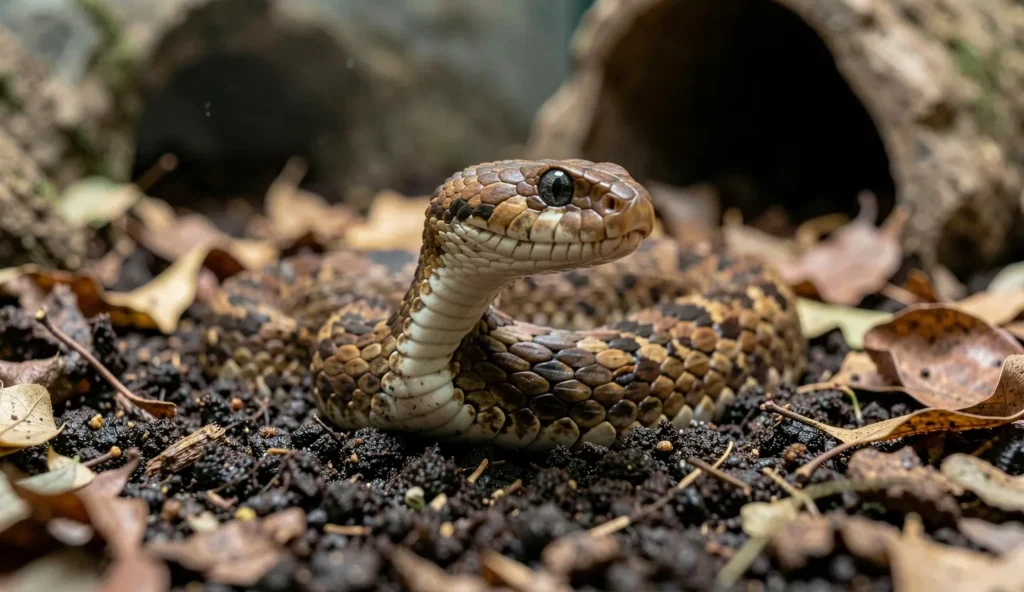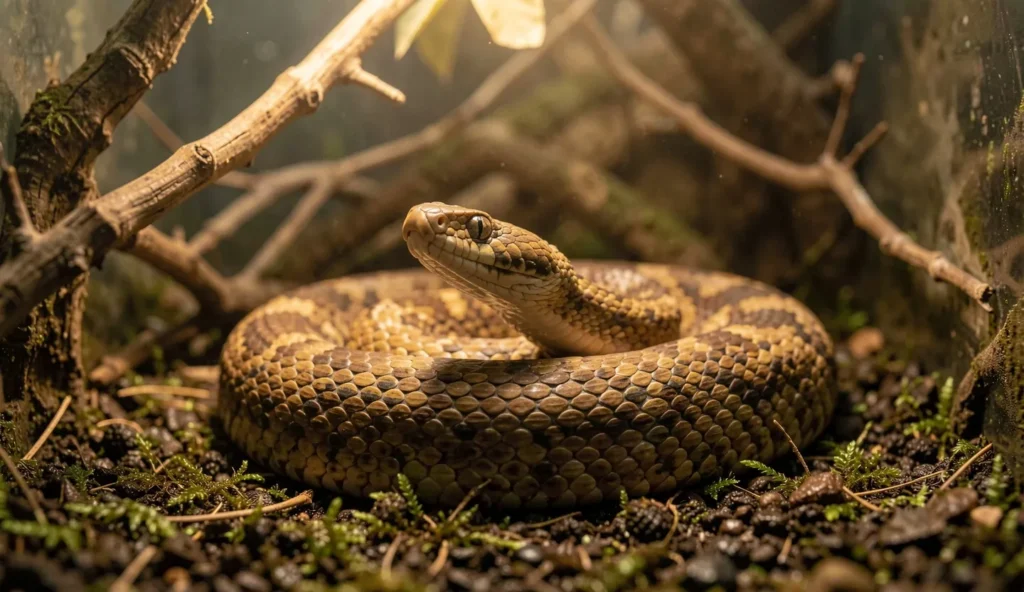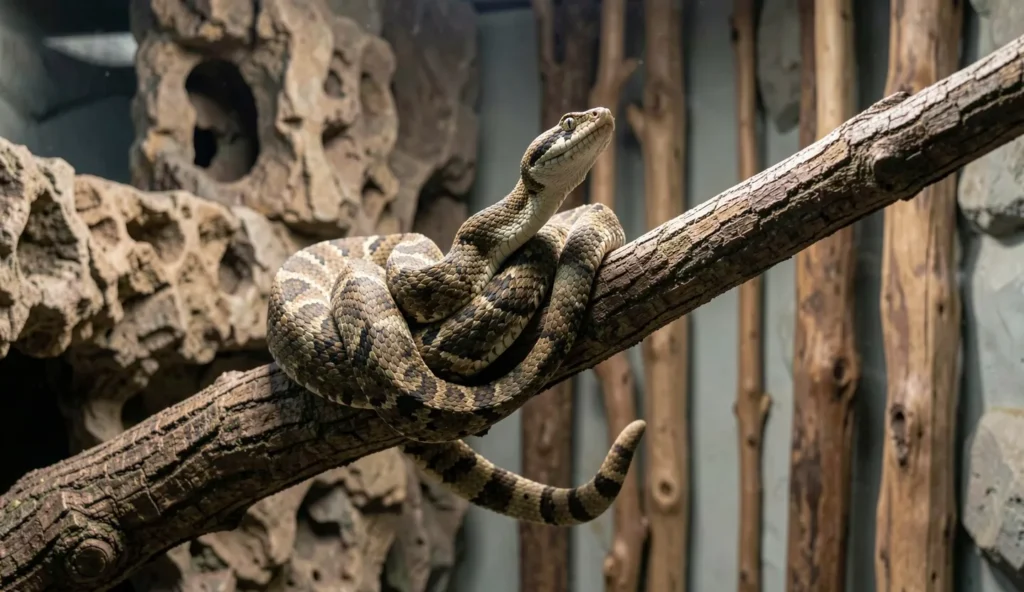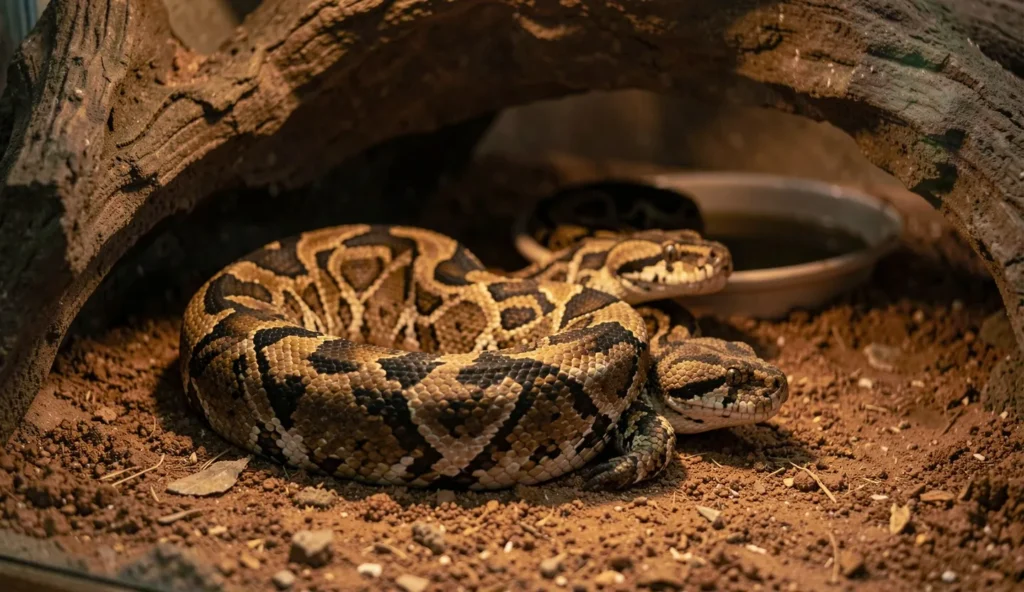
What Is An Indian Python?
The Indian Python is a South Asian python kept by experienced and careful keepers for long-term housing planning. This species stands out for its strong body, thick muscles, and steady feeding habits when husbandry stays stable. Responsible ownership matters because wild-caught specimens can create both welfare and legal problems.
Native range includes parts of South Asia where forests, grasslands, and nearby low-cover areas support different climate conditions. Captive care works best when the enclosure supports temperature gradients, hiding behavior, and controlled humidity.
Species Basics And Native Range
The Indian Python is part of the South Asian python group and typically described with regional traits that influence adult size. In the wild, it uses ground cover for ambush hunting and shelter from heat and predators. Because animals taken from the wild may suffer stress during capture and transport, captive bred python legality becomes a key topic before purchase.
Climates across the range vary from warmer lowlands to more seasonal areas with cooler nights. Those changes help explain why correct python heating and humidity control often drives feeding consistency and shedding quality in captivity.
What To Expect From A Long-Term Commitment
Indian pythons can grow quickly during early years, then slow down as they mature. For that reason, juvenile housing comfort does not automatically translate into adult readiness. Local adult body weight can also shift based on diet quality and growth rate.
As growth continues, planning prevents sudden enclosure upgrades and feeder size errors. Those errors often increase stress, so the enclosure should match the future indian python size instead of only the current body length.
Indian Python Size And Appearance
Indian python size planning affects enclosure design, feeder selection, and handling safety. When enclosure dimensions are wrong, the snake often spends more time under hides and may show refusals after stressful moves. With stable care, the Indian Python typically maintains a predictable growth pace.
Appearance details also influence keeper experience because scale texture, pattern contrast, and shedding quality reflect husbandry performance. Keeping records of shed completeness supports later adjustments.
How Big Indian Pythons Get
Adult length varies by locality and long-term husbandry, so the safest approach uses the upper range when budgeting space. Girth increases alongside length, which means feeder size must track both dimensions, not just total length. Juveniles look compact, but early growth creates fast changes in girth.
Because feeder size links directly to growth and health, planning for the future also improves feeding logistics. When the enclosure and feeding area align with the snake’s size, digestion usually stays calmer.
Body Features And Coloration That Affect Husbandry
Scale texture can feel rougher when humidity stays too low, and that can show up as dull-looking shed. Color patterns often include blotches and band-like markings that help keepers identify the snake and track condition during molts. Shed quality markers like intact eye caps and clean belly shedding usually indicate the humidity targets match the animal.
If shed comes off in pieces, retained shed often starts in tight areas around the tail tip or lower body folds. That signals husbandry changes should happen before the next feeding session.
Indian Python Enclosure Setup That Works
The indian python enclosure needs to support hiding behavior, controlled warmth, and consistent humidity without damp pooling. A good setup reduces stress during feeding and supports healthy digestion. Before building the enclosure, it helps to compare python enclosure layouts using a species approach, not a single dimension number.
For size planning, enclosure planning can be compared with other python husbandry topics, such as the Burmese Python enclosure focus that highlights long-term space requirements for large constrictors.
Choosing The Right Enclosure Size And Layout
Adult-sized enclosure planning prevents costly changes, because moving a growing python late in development often triggers feeding interruptions. A practical design focuses on a stable footprint for coiling and a few climbing or branching options only if safe and supported. In most cases, the main need remains ground-level security and a thermal gradient.
A layout with at least two hides reduces stress by letting the snake choose warmth or security. Placing hides so the snake can fully enter and turn around also supports more complete sheds and calmer resting behavior.
Heating And Temperature Gradient Targets
The heating setup should include a hot side and a cooler side to allow thermoregulation. Temperature targets vary with local room temperature, so thermostats and surface probes matter more than guessing. Thermometers should measure at basking and ground level where the snake actually rests.
To prevent overheating and burns, heat sources need guards or placement that blocks direct contact. After setup changes, monitoring should happen over multiple days before changing the indian python feeding schedule.
Humidity Goals And Ventilation That Reduces Risk
Humidity goals depend on growth stage and shedding performance, not only on a daily number. Ventilation helps prevent odor buildup and lowers respiratory risk tied to stagnant air. If humidity rises too high without airflow, damp conditions can worsen skin issues.
To raise humidity without pooling water, keep water bowls shallow and use humidity control methods that distribute moisture evenly. Substrate choice also matters, because some substrates hold water too strongly and create wet zones that the python avoids.
Substrate Hides And Safe Enrichment Options
Substrates that support humidity and easy cleaning usually work better than dusty or overly wet bedding. Common goals include easy spot cleaning, acceptable moisture retention, and low risk of compaction. Hides should be secure and offer full coverage while staying stable when the python presses or shifts.
Enrichment should remain sturdy, such as thick branches that support movement without tipping. Soft or unstable decor increases fall risk, especially when a python is active during feeding-related routines.
Do Indian Pythons Need UV Light And Timed Lighting
Strong UV is not typically required in many captive setups for ground-dwelling pythons, but consistent photoperiods still help keep routines stable. Timers support predictable day and night periods, which often improves feeding confidence. Avoid using heat lamps at night because temperature swings can stress the animal.
When lighting schedules stay consistent, python feeding schedule decisions become easier because the snake’s behavior aligns with a stable environment.
Indian Python Diet And Feeding Schedule
Indian python diet planning requires correct prey sizing, clean thawing, and a consistent cadence that matches growth and body condition. When prey items are too large, regurgitation risk increases and the next feeding cycle may get disrupted. When prey items are too small, growth slows and the keeper may misinterpret readiness cues.
Feeding success often improves when the same feeding routine repeats in the same location with minimal disturbance. This approach also helps keepers observe appetite and detect early changes.
What Indian Pythons Eat In Captivity
In captivity, the Indian Python typically eats appropriately sized thawed whole prey, which keeps nutrition predictable. For juveniles, feeders should remain sized to the snake’s current girth so the meal can be swallowed comfortably. For adults, feeder size should track both length and girth, not just estimated length.
Properly thawed prey also reduces digestion problems, because cold prey can lower body temperature and slow gut activity. Safe prey types often include frozen rodents and, for larger individuals, larger rodent options based on availability.
How Often To Feed Based On Age And Condition
A general feeding cadence by age helps most keepers start confidently, but body condition should guide adjustments after that. Feeding too often can lead to excessive weight gain and complicate heat use. Feeding too rarely can reduce energy and weaken shedding performance.
Refusing food can happen after a move because stress affects hunting behavior. In that case, the next steps should prioritize stable heating, stable humidity, and a calm routine before any schedule changes.
Feeding Practices That Reduce Stress And Contamination
Feeding in a dedicated area helps the python associate that space with feeding rather than handling. Some keepers also use a containment approach to reduce the chance of the snake being moved during feeding time. Those methods reduce risks of handling near feeding and lower the chance of substrate contamination during meal presentation.
After feeding, keep the enclosure undisturbed until digestion starts. Then spot cleaning should focus on obvious waste, because frequent disturbance can increase stress signals.
Handling, Temperament, And Daily Care
Handling an Indian Python requires secure support because large pythons can shift suddenly. Even when temperament appears calm, defensive behavior can appear during stress, shedding, or feeding-related timing. For safe daily care, short predictable routines work better than frequent interruptions.
New keepers should expect occasional defensive posture and learn how to pause rather than escalate contact. That approach often prevents injuries and reduces stress during acclimation.
How To Read Defensive Behavior And Stress Signs
Common defensive behaviors include repeated tongue flicking, tightening the body, and sudden head movement toward the handler. Rapid restlessness can also show up when the snake feels unsafe or cold. If those signs appear, handling should stop and the snake should return to its enclosure.
Short, calm sessions help newly acquired snakes adapt to routine handling. Stress signs often improve when the python’s heating and humidity targets remain steady during acclimation.
Safe Handling Techniques For Larger Individuals
A secure, supported body hold helps prevent falls and accidental twisting. For larger individuals, a hook may sometimes be used to guide the head, but it should only occur with proper experience and patience. Avoid sudden lifting that forces the python to brace in an awkward position.
After handling, sanitation matters because clean surfaces reduce the chance of spreading pathogens between enclosures. Washing hands after contact also protects both keepers and the python during routine care.
Daily Spot Checks That Catch Problems Early
Daily spot checks should verify water availability, heat performance, and basic behavior. Simple observations also catch shedding issues early, such as cloudy eyes, patchy shed, or abnormal skin dryness. Stuck shed often worsens when humidity stays low or when the substrate dries too quickly.
Cleaning frequency should match risk, so spot cleaning happens when waste appears, and deeper cleaning can wait until the python looks calm. That schedule prevents unnecessary disruption during digestion cycles.
Common Health Issues And What To Watch For
Common health concerns in pythons usually link back to temperature control, humidity control, and feeding practices. Early recognition matters because small husbandry changes often fix issues before they become medical problems. The most reliable approach starts with daily monitoring of breathing, shedding, and digestion after meals.
When changes appear, environmental checks should happen before changing feeding quantity. That order reduces the chance of confusing a husbandry symptom for a dietary problem.
Respiratory Problems And Temperature Related Risks
Respiratory problems may show early signs like open-mouth breathing and persistent wheezing sounds. Low temperature and poor ventilation contribute because the immune system works less effectively in suboptimal conditions. A warm, stable gradient supports normal digestion, which also supports overall health.
Before changing the feeding schedule, immediate environmental checks should include hot-side temperature, cool-side temperature, and airflow. If those areas remain off, feeding can worsen stress and delay recovery.
Incomplete Sheds And Retained Shed Signs
Incomplete sheds often occur from low humidity, dry substrate, or humidity that spikes inconsistently. Retained shed signs include stuck eye caps, tight rings on toes, or skin that peels in patches rather than as a full layer. If retained shed appears, safe, minimal steps should happen to avoid tearing fragile skin.
Assistance during shedding should focus on improving humidity and providing a gentle soak only when appropriate. If retained shed persists, a reptile vet can confirm whether infection or injury started underneath.
Regurgitation And Other Feeding Linked Concerns
Regurgitation can connect to prey size, feeding frequency, and temperature conditions during digestion. Feeding schedules should not change abruptly, especially after a meal refusal or a move. If regurgitation continues or becomes frequent, veterinary assessment becomes necessary.
Prey items that remain too large often create mechanical stress in the throat and stomach. Keeping prey size consistent and supportive of normal swallowing helps prevent recurring problems.
Quarantine Habits That Reduce Spread Risk
Quarantine reduces spread risk when new animals enter a collection. Even captive bred python legality does not prevent disease introduction because pathogens can come from multiple sources. Practical quarantine monitoring includes observing appetite, checking feces, and watching for breathing changes daily.
Contact a reptile vet for treatment plans when symptoms appear during quarantine. Early veterinary guidance often prevents longer outbreaks in the main collection.
Indian Python CITES Legal Considerations And Captive Breeding
Legal planning starts with understanding indian python CITES status, because protection rules can affect trade, transport, and documentation. Protected status can vary by listing and by how the animal is sourced. Keepers should treat documentation as part of responsible husbandry, not a paperwork afterthought.
Before purchase, verify species identification and local requirements that apply to where the python will live. Those steps protect the keeper and help reduce welfare risks linked to illegal sourcing.
Why Indian Python CITES Status Affects Trade And Transport
Pythons can be protected under CITES depending on the listing that applies to the specific species and population. Protected status affects whether movement involves permits, what paperwork is required, and how shipments are handled. Because rules can differ by country, keepers should verify the requirements for their own jurisdiction and for the animal’s origin.
For keepers who compare different python species, it can help to review how other pythons are discussed in care contexts, such as the Reticulated Python husbandry perspective that emphasizes long-term care planning. Even when care needs differ, legal awareness remains consistent.
Captive Bred Only Purchase Practices And Documents
Responsible sourcing emphasizes captive bred only purchasing practices because wild-caught animals create higher welfare risk and often trigger documentation problems. Reputable breeders can provide documents that prove origin and captive breeding lineage. Keepers should request paperwork that clearly identifies the animal and includes transfer details.
Records should also include dates of acquisition, feeding observations, shed dates, and medical notes. That documentation supports future transfers and helps if proof of origin is requested later.
Permits May Be Separate From CITES Requirements
Permits and local rules may be separate from CITES, even when CITES protects the species. For that reason, contacting the local wildlife authority or the governing body that manages reptiles helps confirm compliance steps. Movement into another region may require additional approvals beyond what a CITES process covers.
Legal, documented pathways should govern any movement, including relocation between states or countries. This approach also reduces delays when a python needs veterinary care during transport windows.
How To Avoid Wild Caught Or Undocumented Animals
Avoid wild-caught or undocumented animals because missing lineage records can lead to enforcement issues and uncertainty about health history. Keepers should ask about lineage, breeding history, and the exact documents provided at purchase. Experienced breeders typically share care histories and help answer questions about past husbandry conditions.
If lineage and paperwork cannot be confirmed, the risk grows for both legality and animal welfare. That is why captive bred python legality should be treated as a primary filter, not a secondary checkbox.
Is Indian Python Right For You
Choosing the Indian Python requires space planning, long-term workload planning, and readiness for legal documentation. Large enclosures and steady monitoring support stable heating, stable humidity, and consistent feeding results. Before purchase, the enclosure capacity should match the likely adult indian python size.
Legal sourcing also demands time and organization because records can matter during inspections or transfers. For that reason, the setup should reflect both husbandry needs and compliance needs.
Check Space, Monitoring Work, And Feeding Logistics
Assess whether housing can accommodate full adult size, not just a starting length. Monitoring heat performance, humidity control, and shedding checks takes daily attention, and that becomes more complex as the snake grows. Feeding logistics also matter because prey storage needs safe, secure containers and careful thawing practices.
If prey items require special sourcing, a realistic plan should exist before committing to long-term ownership. Those preparation steps reduce feeding disruptions that often trigger stress responses.
Confirm Captive Bred Only Availability And Compliance Ability
Confirm captive bred only availability before purchase and keep the expected paperwork process clear. Local permits and recordkeeping ability must align with the practical reality of managing a protected animal. Planning for long-term compliance protects the keeper and reduces emergency decisions during housing transitions.
Where legal rules vary, keepers should prioritize documented pathways that meet both local and CITES expectations. That process often takes coordination, but it stays manageable with proper record systems.
Evaluate Skill Level For First Time Keepers
First-time keepers often need extra confidence with husbandry because large enclosure requirements and feeding needs can feel challenging. Temperature and humidity control influence feeding and shedding, and those details must stay consistent. If legal or space plans remain unclear, a simpler species choice can reduce the risk of mistakes during setup.
When husbandry basics feel solid and the legal plan is confirmed, the Indian Python can fit a keeper’s long-term routine. Care success depends more on consistency than on advanced equipment alone.
Final Note
With correct python heating and humidity, a secure indian python enclosure, and disciplined indian python diet routines, healthy keeping becomes realistic. Legal diligence tied to indian python CITES also supports responsible ownership from the start.
Frequently Asked Questions
What Is The Typical Indian Python Size At Adulthood?
Adult size varies by locality and husbandry, so plan for the upper range.
What Should An Indian Python Enclosure Include?
Use a temperature gradient, secure hides, appropriate substrate, and controlled humidity.
What Do Indian Pythons Eat In Captivity?
Feed appropriately sized, thawed prey items on a consistent schedule based on body condition.
Are Indian Pythons Protected Under CITES?
Many pythons are protected under CITES listings, so verify the species listing that applies.
Do Captive Bred Indian Pythons Still Need Legal Documentation?
Captive bred animals still require proof of origin and may require local permits.
How Often Should An Indian Python Be Fed?
Feeding frequency depends on age and body condition, so adjust rather than feeding on a fixed calendar.