What Puff Adders Are And Where They Fit In African Ecosystems
The Puff Adder is a venomous viper found across much of sub-Saharan Africa. It stands out as an ambush predator that waits in cover before striking. This hunting style shapes both its behavior and the situations where people may encounter it.
Because the Puff Adder often targets rodents and small mammals, it also helps regulate prey populations near settlements, farms, and grassland edges. At the same time, this overlap with human activity increases safety concerns for travelers and residents. It is one of the main reasons snakebite fatalities are reported in many African regions.
Species Overview
The Puff Adder is a highly venomous viper in the same broad group as other ground-dwelling pit vipers found in various parts of Africa. It relies on camouflage and rapid striking. This approach supports efficient hunting in habitats where prey moves along predictable paths.
In the wild, the Puff Adder plays a role as both predator and prey for larger animals. Its presence can reflect the health of local rodent populations and the amount of ground cover available for hiding.
Why This Species Is Important For Public Safety
Multiple sources and local medical experience link the Puff Adder to many snakebite fatalities reported across Africa. The risk is amplified because ambush behavior can produce bites with little warning. People may walk near hiding spots while focused on travel, work, or livestock movement.
Camouflage also matters in public safety. The Puff Adder habitat often includes thick ground cover, and it may appear harmless when it stays still. Even experienced people can misjudge distance in dry grass and rocky edges.
Where Puff Adders Live Across Africa
The Puff Adder range covers a wide portion of sub-Saharan Africa, so travelers may face risk in several countries and habitat types. Range does not mean equal abundance everywhere. Instead, local conditions such as cover, prey availability, and human land use strongly influence encounters.
For planning, it helps to treat the Puff Adder like a ground-cover specialist. When people move through its habitat, especially near farms or paths, contact becomes more likely. This is why travelers benefit from understanding both geography and day-to-day activities.
Broad Geographic Range
The Puff Adder is native to much of sub-Saharan Africa, with populations found across regions that include savannas and grasslands. It also occurs in semi-arid zones where dry conditions limit dense vegetation. Overall, its distribution is broad rather than isolated.
However, density often varies with season. Rainfall can change where prey concentrates and where the snake chooses to hunt. Microhabitats such as rocky outcrops or field edges can create local hotspots even in areas that seem similar.
Puff Adder Habitat Preferences
The Puff Adder habitat usually includes dry ground cover such as tall grass, brushy edges, and rocks. These features support ambush hunting and reduce the snake’s need for long movement. Field edges, paths, and farming boundaries frequently provide both cover and prey trails.
Temperate highlands and dense rainforest are less typical for many populations, depending on local geography and climate. If grass grows thick near watering points, or if rocks create stable hiding areas, the likelihood of encounters rises. People who work outdoors should treat these spots as higher risk than open ground.
Seasonal Activity Patterns And Rainfall Effects
Season can influence Puff Adder behavior because prey availability changes with rain and vegetation growth. When rodents become more active, hunting opportunities increase. Hot, dry periods can also shift basking and hunting timing to reduce overheating.
Encounters may increase where human movement overlaps hunting grounds. This often happens during farming schedules, livestock routines, or firewood collection. Travelers should remember that “dry season” does not remove risk, since cover and ambush sites remain.
How To Read The Landscape For Likely Presence
Landscape reading works best when practical behaviors replace guesswork. Look for thick ground cover near paths and watering points because these areas concentrate prey and provide concealment. Brushy edges and disturbed vegetation can also signal higher chance of encounters.
In daily movement, avoid stepping near hiding spots such as logs and rock crevices. A useful comparison is that other snakes with strong ground-cover habits also show predictable patterns, which is why learning local species context matters. For example, keepers often compare encounter patterns when reading about Rat Snake behavior around farms.
How Puff Adders Behave In The Wild
Understanding Puff Adder behavior explains why bites can happen even without provocation. The snake often stays still, blends into its surroundings, and waits for a passing target. When that target comes close enough, a quick strike can follow.
Unlike some reptiles that announce themselves with movement, the Puff Adder may look like harmless ground debris. This makes distance and avoidance more effective than identification attempts at close range. Travelers should plan for the possibility of an ambush predator wherever thick cover exists.
Ambush Hunting And Camouflage Behavior
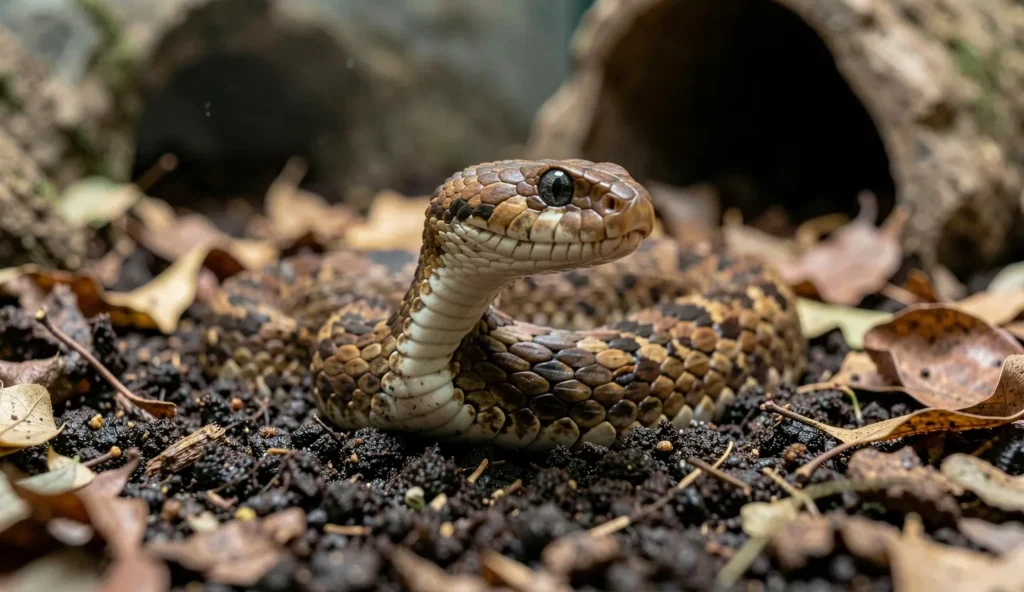
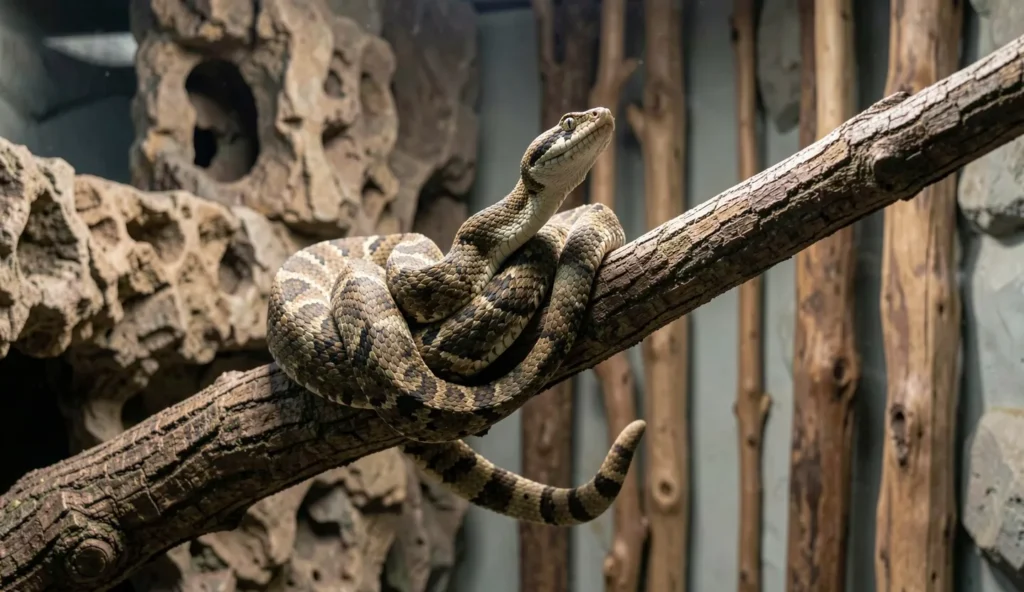
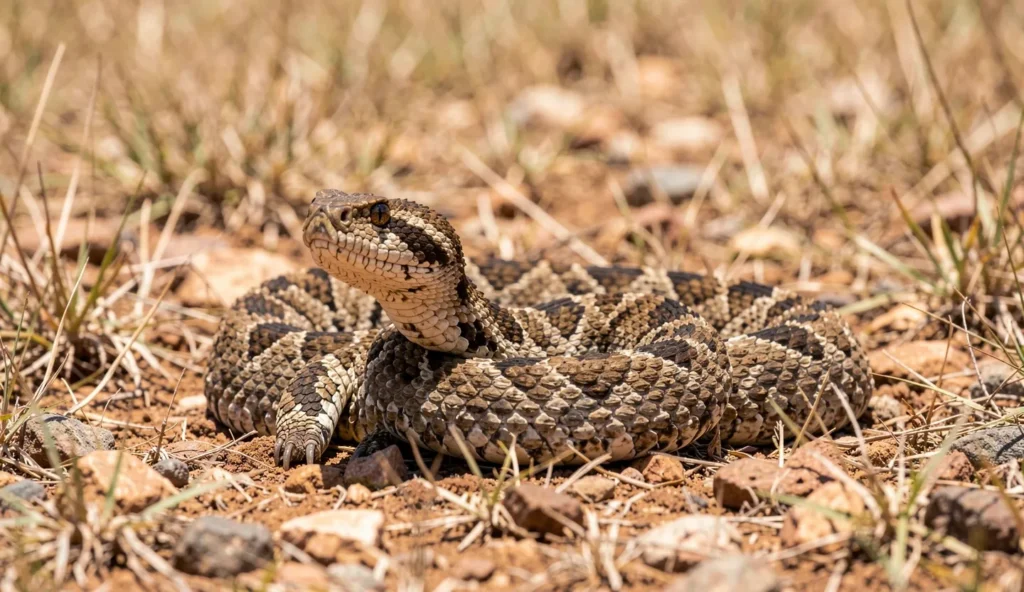
The Puff Adder often relies on staying still and blending with ground cover. It may hold an ambush posture with the head slightly raised, which makes it ready to strike quickly. Strikes usually occur when prey or a threat enters the effective range.
Movement is not always the first sign of danger. Because the snake can remain partially concealed, people may only notice it when they are already close. For safety, the simplest rule is to treat any thick cover as a place where a venomous ambush viper could hide.
Movement Patterns And When They Are Most Noticeable
Puff Adders can become more noticeable during favorable temperatures when they use basking to regulate body heat. They may appear in safer-looking places such as edges of paths, because those areas offer small changes in light and warmth. Even so, visibility does not guarantee safety.
Adults may remain in small areas if conditions remain stable. That stability means the same general spots can produce repeated encounters. For similar behavior awareness across snakes, some people compare to other ambush ground species like Pine Snake, which shows how habitat and cover drive activity patterns.
Defense Behavior During Human Encounters
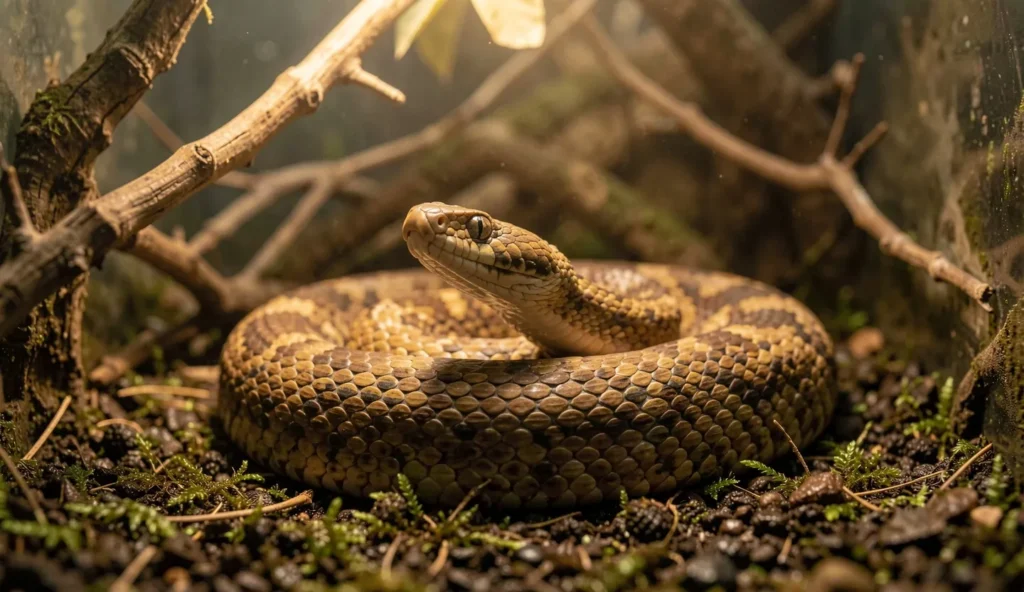
When threatened, the Puff Adder can coil and hold position before striking. This defensive setup may confuse people who expect an immediate retreat. Strike distance can surprise someone who walks too close.
Stress and proximity increase bite likelihood. A common pattern involves people reacting too quickly, stepping back suddenly, or trying to move the snake out of the way. Avoiding sudden movements keeps the focus on creating space rather than testing distance.
Diet And What It Means For Where They Hunt
The Puff Adder diet typically includes rodents and other small mammals, with occasional birds depending on region. Presence often tracks areas where these prey animals find shelter and food. Farms and grain stores can increase rodent activity, which indirectly increases snake encounters.
This connection also explains why the Puff Adder habitat overlaps with human land use. Livestock feed storage and unchecked rodent populations can raise both prey and predator presence. Travelers who visit villages or work around structures should assume snake risk increases near grain areas and cluttered cover.
Puff Adder Size And Physical Clues That Matter For Safety
Puff adder size varies, but physical traits rarely provide enough certainty for safe identification. Even when someone estimates length or pattern, the safest approach still relies on distance and avoidance. Visual details can also be hidden by lighting, grass height, and the snake’s posture.
Safety comes from recognizing that thick ground cover often contains venomous vipers. If the environment matches likely Puff Adder habitat, treating the area as risky helps reduce bites. This approach supports safer travel and work decisions without risky handling.
Typical Puff Adder Size Range
Adults can reach a substantial length typical for vipers, and stockier individuals may look more robust in ambush posture. Size varies by sex, locality, and individual condition. Because venom risk does not map neatly to size, using puff adder size as a guide can create false confidence.
For practical safety, treat all Puff Adders as dangerous regardless of size. People may encounter smaller individuals, including younger snakes, that still possess venom. Distance control stays more reliable than judging body length.
Body Shape And Coloration Patterns
The Puff Adder often shows a stocky body shape that supports an ambush posture. Patterning and ground-dwelling camouflage reduce visual detection from a normal walking height. In tall grass or among rocks, these markings can become difficult to see clearly.
Lighting and vegetation can hide key features, especially when people approach from uneven ground. Instead of trying to match patterns, focus on the behavior and setting. Many venomous snakes use camouflage, so it helps to understand the general limits of visual certainty in the field.
Behavioral Clues Versus Visual Certainty
Visibility can be unreliable at close range, which makes approach-based identification risky. A Puff Adder may stay still until a person is near, which reduces the time available to decide. Behavioral clues like remaining coiled and head position can help, but they should not invite closer inspection.
A safer choice is distance and avoidance of likely hiding spots. If a snake is visible, give it space and move slowly. When learning about other species with distinct patterns and ground habits, it can also help to compare descriptions, such as King Snake identification basics for context.
Understanding Puff Adder Bites And Reported Risk
The Puff Adder bite risk remains high in many parts of sub-Saharan Africa because exposure happens often. Ambush behavior means bites may occur when people step close without realizing a snake is present. For many travelers, the risk focuses on walking, farming, and night travel near ground cover.
High reported impact comes from both the snake’s venous capability and the realities of time to care. In many areas, the distance to a medical facility and availability of antivenom influence outcomes. That is why puff adder venom and response speed matter together.
Puff Adder Bite Statistics And Why They Are High
puff adder bite statistics show why this species stands out, because bites often involve frequent human proximity. People may walk through grass where prey trails run and where the snake can remain hidden. Ambush hunting can also produce bites with little warning.
Exposure increases during farming, walking, and collecting firewood. Livestock movement can also stir ground cover, bringing people closer to the snake’s position. As a result, the same communities can experience repeated bite incidents across seasons.
What A Puff Adder Bite Typically Looks Like
Symptoms commonly include pain and swelling around the bite site, with discoloration that may develop over time. Some people may also experience systemic effects, depending on venom dose and individual factors. Because this is a general guide, medical diagnosis cannot be made from appearance alone.
After a bite, treat the situation as an emergency even if early symptoms seem mild. Venomous bites can evolve, and delayed care can allow complications to progress. Observable signs and urgency should guide action.
Why Getting Help Fast Improves Outcomes
Rapid transport to care facilities improves outcomes because treatment depends on time. Care may involve antivenom availability and supportive measures such as monitoring circulation and breathing. Time to care can influence severity and recovery speed.
Local health teams may also plan observation for swelling progression and other complications. For people traveling in remote areas, having an emergency plan can reduce delays. This is also why understanding regional snakebite patterns matters, including risks linked to other venomous snakes like Indian Cobra in different regions.
How Travelers And Residents Can Reduce Puff Adder Risk
Reducing puff adder risk relies on habits that reduce surprises. Since the Puff Adder often waits in cover, the best prevention focuses on where feet land and how people move through grass. These steps support safer movement without needing advanced snake identification.
Most prevention measures also reduce risk from other ground-dwelling animals. By improving visibility, limiting reaching into cover, and managing rodent attractants, travelers can lower the chance of close contact.
Prevention Steps For Walking, Trails, And Campsites
Wear sturdy boots when moving through tall grass and rocky cover areas. Use a light at night and watch where feet land, especially near edges of camps and trails. Avoid stepping over logs or reaching into brush without checking first.
- Walk slowly in tall grass and scan the ground ahead
- Use a light at night before entering dark areas
- Keep camp areas tidy to reduce hiding cover
- Store bags and gear off the ground when possible
- Avoid sitting or resting directly against rock crevices
Additionally, maintain clear pathways for escape. If a snake is present, giving it space lowers stress and reduces defensive striking. People who travel with guides should still practice careful footing.
Prevention Steps For Farms, Gardens, And Grass Cutting
Keep grass trimmed around homes and paths when safe and practical. Reduce rodent attractants by securing grain storage and removing food sources that draw rodents. Use tools to inspect before clearing thick vegetation.
Working around farms also changes exposure patterns. Gates, grain stacks, and brushy corners can hide ambush predators, including the Puff Adder. Similar risk control applies to other local snakes, such as Western Hognose Snake, where habitat edges can influence encounter chances.
What To Do If A Puff Adder Is Nearby
If a Puff Adder is nearby, give it space and keep a clear escape route. Back away slowly and avoid sudden movements that can increase defensive behavior. Do not attempt handling or capture, since bites can happen during repositioning attempts.
Also avoid clustering around the snake for photos. Close attention draws people into the strike range. Quiet movement helps keep everyone safe while allowing the snake to remain undisturbed.
What To Do After A Possible Bite
Seek emergency medical help immediately and keep the person still. If constricting items are present, remove them if feasible and safe for bystanders, since swelling can tighten over time. Avoid unproven remedies and delay, since the key treatments depend on time and proper clinical care.
In areas with limited services, contacting local emergency numbers or transport resources early can reduce delays. Travelers should also consider carrying medical documentation and knowing the nearest receiving facility. When venom is involved, every minute supports better outcomes.
Is A Puff Adder Likely In Your Area
Whether a Puff Adder is likely depends on habitat and daily activities, not just country boundaries. Risk usually rises where thick grass, farms, or path edges create hiding cover. Encounters also increase with night travel and unlit work near ground cover.
Residents and travelers benefit from simple checks based on environment and routine. When daily life overlaps with likely prey areas, such as rodent-rich edges, the chance of encountering an ambush predator increases.
Quick Risk Check Using Habitat And Daily Activities
Higher likelihood often appears near tall grass, farms, and path edges, because these areas provide cover and prey trails. Risk can also rise where people move at night without clear lighting. Rodent activity around grain and shelter frequently signals conditions that support Puff Adders.
If an area has repeated sightings or bite reports, treat it as higher risk. Even a single bite incident can indicate that the same microhabitat supports ambush hunting. This is one reason local knowledge often beats guesswork.
When To Consult Local Experts
Contact local health services and wildlife authorities for guidance on snakebite risk patterns and seasonal changes. Locally updated information can help confirm whether prevention priorities should shift during specific months. It also supports better choices for travel routes and nighttime movement planning.
For visitors, asking about snakebite response procedures can reduce confusion during emergencies. When knowledge comes from local teams, decisions become more grounded. That same principle applies to learning how other high-risk snakes behave in different ecosystems, such as Black Mamba in parts of East and Southern Africa.
Frequently Asked Questions
Where Do Puff Adders Live In Africa?
Puff adders are found across much of sub-Saharan Africa and occur in savannas, grasslands, and other dry habitats with cover.
What Habitat Does A Puff Adder Prefer?
Puff adders prefer tall grass, rocks, and brushy edges, and they often occur near farms where rodent prey is available.
How Big Do Puff Adders Get?
Puff adders reach typical adult viper sizes with a stocky body shape, and individual size varies by region and sex.
Why Do Puff Adders Bite So Often?
Puff adders bite when people get too close to their ambush spots, and frequent human activity increases encounters.
What Should Be Done Immediately After A Puff Adder Bite?
Seek emergency medical care as fast as possible and keep the person still while avoiding delay or unproven home treatments.
Taking Safe Steps Around Ground Cover
Puff adders are best treated as dangerous ambush vipers whenever thick cover appears in daily routes. Clear footing, good lighting, and fast medical response reduce harm when bites occur.