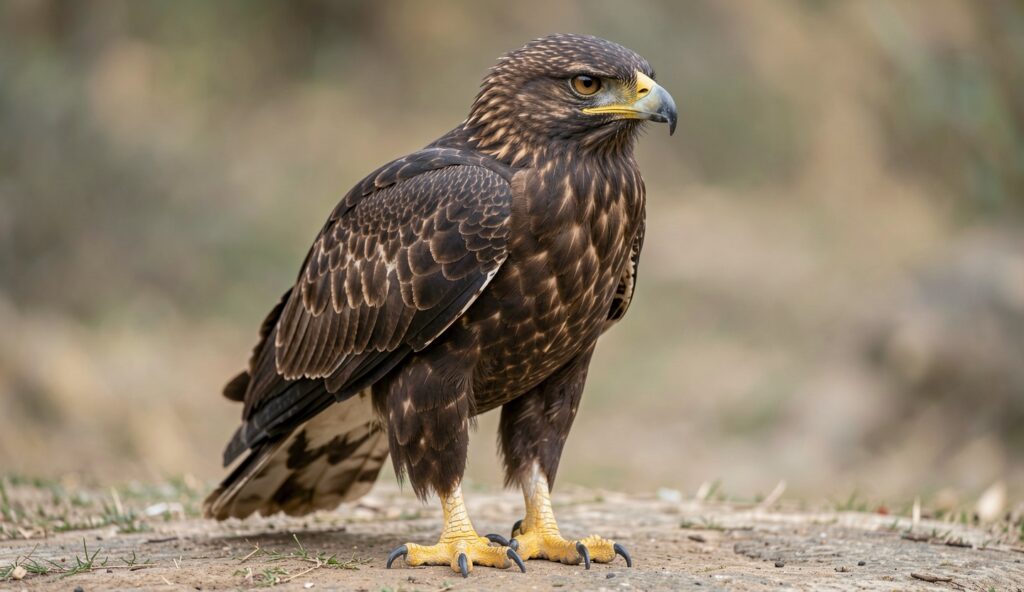
Crowned Eagle – Africa’s Powerful Forest Predator
Introduction
The Crowned Eagle, also known as the African Crowned Eagle, possesses the strongest grip relative to body size of any eagle in the world, capable of crushing bone with ease. Found across sub-Saharan Africa, this raptor is truly a forest royalty. Despite its elusive nature, the Crowned Eagle plays a crucial role in maintaining the health of its ecosystem and continues to fascinate wildlife enthusiasts worldwide.
Natural Habitat and Range
Crowned Eagles inhabit dense tropical forests, especially in central and southern Africa. You can find them in:
- Rainforests and woodland savannas
- Mountainous and lowland forests in countries like Kenya, Uganda, South Africa, and the Congo Basin
- Protected reserves and national parks
They prefer areas with tall trees for nesting and an abundance of prey. Their range overlaps with other impressive African raptors such as the martial eagle, though the Crowned Eagle favors denser forest cover.
Physical Characteristics
The Crowned Eagle is one of the largest and strongest forest eagles:
- Wingspan: 5.9 to 6.5 feet (180–200 cm)
- Weight: 6.5 to 10 pounds (3–4.5 kg)
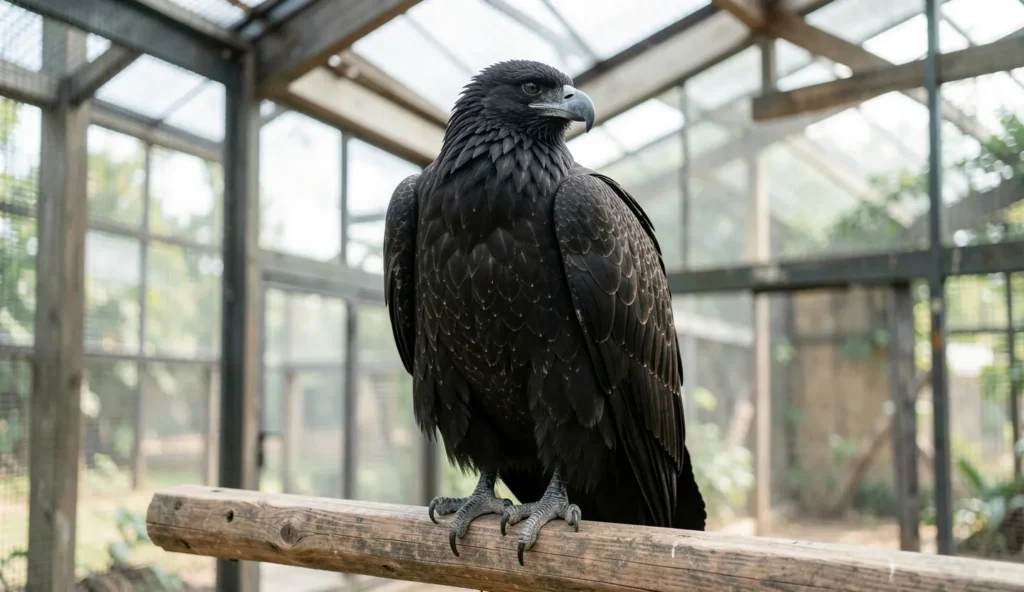
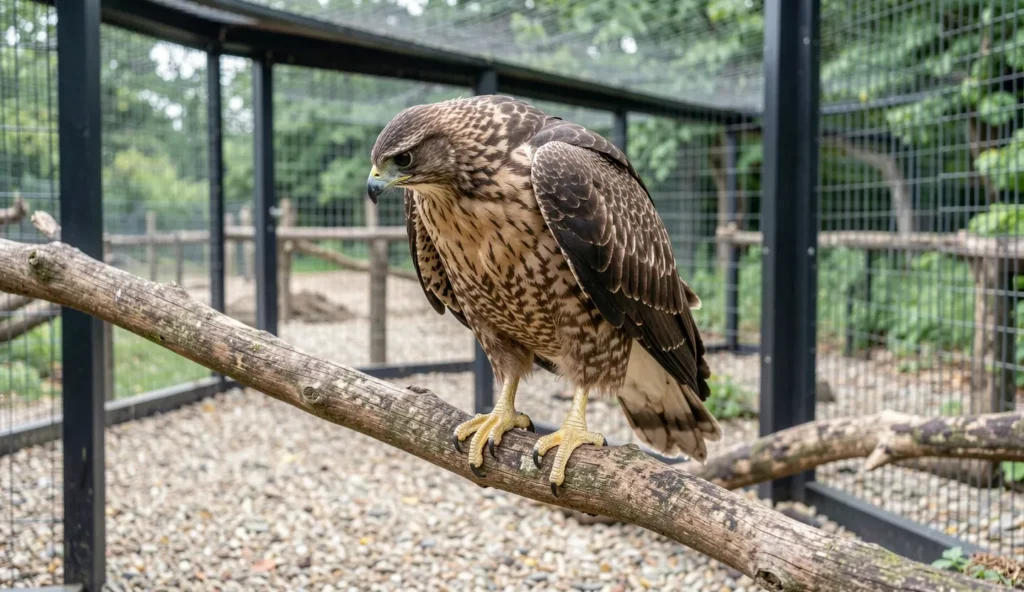
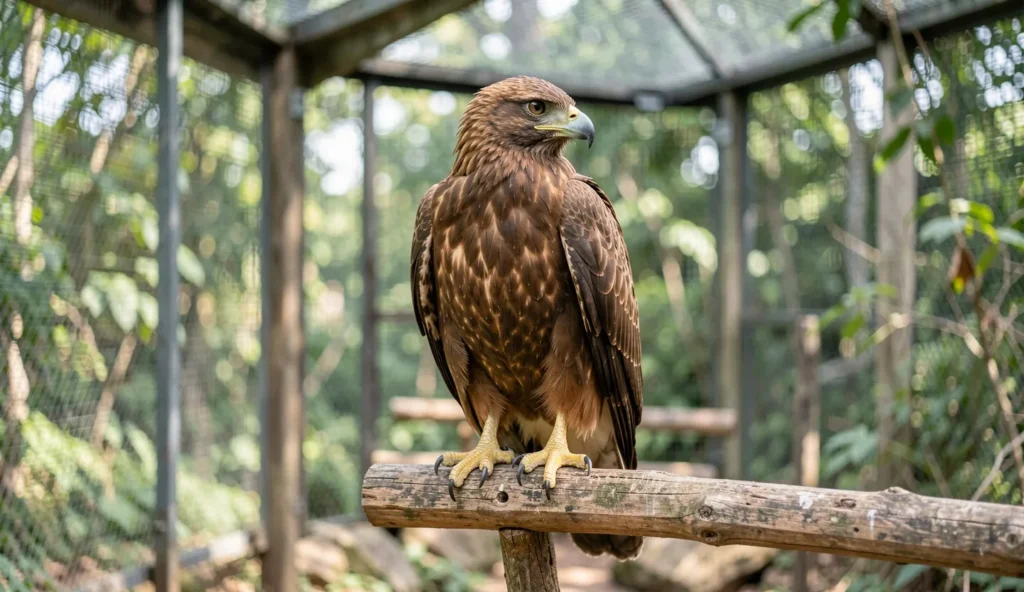
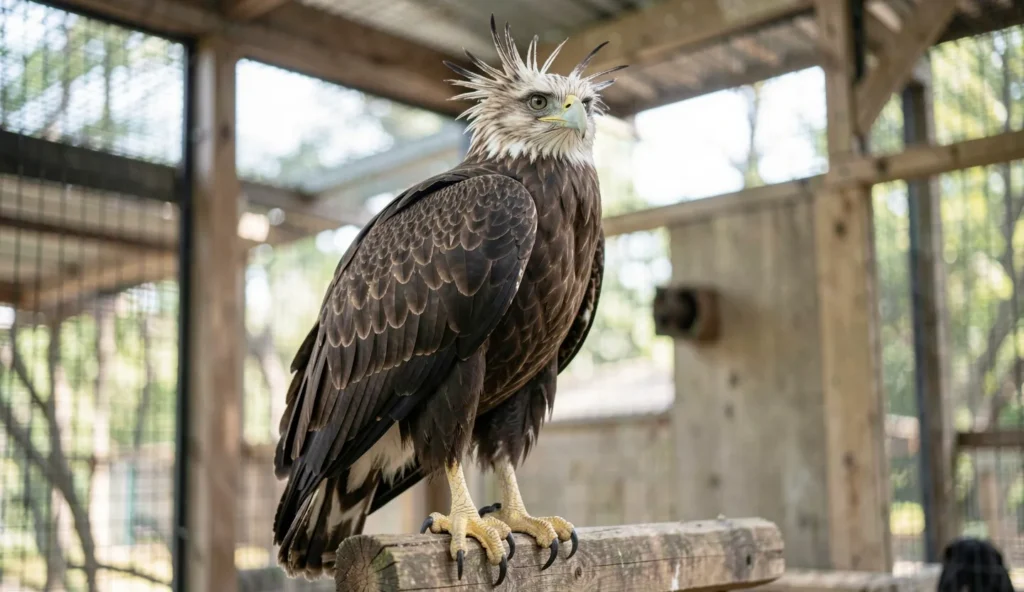
- Color: Dark brown upperparts, barred white underparts, and a beautiful black-and-white crest
- Features: Feathered legs, powerful talons, and expressive golden eyes
Its robust build and short, broad wings are perfect for maneuvering through dense forests. This build is similar to that of the Harpy Eagle, another forest-dwelling apex predator known for its immense power.
Diet and Hunting Behavior
The Crowned Eagle is a fierce and skilled predator. It primarily preys on medium-sized mammals:
- Monkeys such as vervets and colobus
- Small antelopes like duikers
- Tree hyraxes, birds, and large rodents
These eagles use stealth and patience, launching swift attacks from concealed perches. Their grip is so powerful, it can crush the bones of large prey instantly. Unlike the African fish eagle, which specializes in catching fish near water, the Crowned Eagle is a dedicated forest hunter.
Breeding and Family Life
Crowned Eagles are monogamous and form long-term pair bonds. Their breeding habits include:
- Building huge nests in tall forest trees
- Laying 1–2 eggs, usually raising one chick
- Both parents sharing feeding and protection duties
Young eagles remain dependent on their parents for up to 11 months, which is relatively long among raptors. This extended parental care is a key factor in their slow population growth rate.
Ecological Importance
As apex predators, Crowned Eagles help balance the ecosystem by controlling populations of herbivores and smaller animals. Their presence is an indicator of a healthy forest environment. Conservationists often monitor Crowned Eagle populations to assess the overall health of protected forest areas.
Conservation Status
According to the IUCN, the Crowned Eagle is currently listed as Near Threatened. While they are still found in several regions, their populations are declining due to:
- Habitat destruction and deforestation
- Human-wildlife conflict in expanding urban areas
- Persecution and hunting in some regions
Conservation programs are working to protect forest habitats and promote awareness about the species’ importance. Ecotourism initiatives in countries like Uganda and Kenya now offer guided forest walks where visitors may glimpse these magnificent birds.
Human Connections and Cultural Significance
In various African cultures, the Crowned Eagle is respected for its strength and symbolism. However, misunderstandings about its behavior have sometimes led to conflicts. Education and wildlife tourism are helping to reshape public perceptions, turning fear into fascination. Local communities are increasingly involved in nest monitoring programs that protect both the eagles and their forest homes.
Fun Facts About Crowned Eagles
- The “crowned” name comes from the crest of feathers on its head, giving it a regal appearance
- They have the strongest grip among eagles relative to body size
- Their loud, piercing calls echo across forests and can be heard from great distances
- Crowned Eagles often decorate their nests with green leaves, a behavior not fully understood
Frequently Asked Questions
Q1: Are Crowned Eagles dangerous to humans?
A: Crowned Eagles are wild animals that generally avoid people. Though powerful, they rarely pose a risk to humans when left undisturbed.
Q2: What is the wingspan of a Crowned Eagle?
A: Their wingspan ranges from 5.9 to 6.5 feet, making them one of the largest eagles in Africa.
Q3: How do they hunt in forests?
A: Their short, broad wings help them fly through dense trees. They rely on stealth and precision to ambush prey.
Q4: Can Crowned Eagles be seen in national parks?
A: Yes, you can spot them in reserves across sub-Saharan Africa, including Kruger National Park and Kibale Forest National Park.
Q5: How can we help conserve Crowned Eagles?
A: Support reforestation efforts, learn about sustainable land use, and promote conservation awareness in local communities.
Conclusion
The Crowned Eagle stands as a symbol of power, adaptability, and the vital importance of forest conservation. With its majestic appearance and incredible hunting skills, it embodies the delicate balance of predator and prey in the wild. Protecting this extraordinary raptor means preserving Africa’s ancient forests and honoring the natural legacy that Crowned Eagles represent. Whether you are a birdwatcher, a conservationist, or simply a nature enthusiast, the Crowned Eagle offers a compelling reason to support the preservation of Africa’s remaining wild places.